OPPO unveiled the independent Realme brand in May last year with the launch of the Realme 1. The move was an impressive one considering the phone was launched with several spectacular features and affordable price as its hallmark. It is now one year and two months since that maiden launch and the brand has seen over 11 phones in total and the shipment has not been disappointing either. In fact, Realme is celebrating selling 10 million smartphones within this period.
The announcement was made on the company’s official Weibo page earlier today. The feat was achieved between May 16, 2019, when the Realme 1 was launched and today. Roughly put, the company sold an estimated 22,000 smartphones every day but it doesn’t work that way.
After the Realme 1 with several million in shipments, Realme also launched the Realme 2, Realme 2 Pro. The Realme 3 and Realme 3 Pro also joined the fray with impressive specs. The company recently added the Realme X with a Snapdragon 710 chipset and pop-up selfie camera with an affordable price tag.
Realme X Mater Edition – White Garlic
We expect the company to continue its impressive run but in the face of competitors such as the Redmi brand, Pocophone and others, we can only expect interesting prospect for the market in which the consumer will be the ultimate winner.
Realme has an event scheduled in India on August 8 for the launch of its new 64MP camera smartphone. It looks like the China launch of the same phone will follow soon after. According to a leaked invitation (courtesy of some bloggers in China) shared on Weibo, Realme’s 64MP smartphone could be announced in China on August 15.
The invite shared on Weibo reveals that the new Realme 64MP phone will be announced at an official event on August 15 at 2 PM CST. The phone is said to use a 64MP Samsung GW1 sensor with 1/1.72″ large size and very high sensitivity. The sensor is capable of shooting 9216 x 6912 resolution images. With such large resolution images, the phone should be able to capture better details than a traditional 48MP or lower resolution sensors. The new 64MP sensor utilizes Tetracell technology (similar to Sony’s Quad-Bayer) to combine four pixels to output detailed 16MP resolution images.
Realme CEO, Madhav Seth had revealed a camera sample from its 64MP phone a few weeks back which gave us a glimpse of what it was capable of. However, we are yet to see extensive samples from this sensor to see how good it is in real life.
Meanwhile, Redmi will also release a 64MP smartphone this week. The brand has scheduled an event on August 7 in China where it will showcase the new device with the new camera sensor.
Note that Realme is yet to officially confirm this Aug 15 launch event for China.
In June, Honor India had launched the Honor 20i smartphone in India alongside Honor 20 and Honor 20 Pro flagship phones. At the launch it was confirmed that the phone will be available in three colors such as Midnight Black, Phantom Blue and Phantom Red. The black and blue editions have been available for purchase since its launch. The Chinese firm has confirmed that the Phantom Red is now available for purchase starting from today.
The Phantom Red is a gradient color that appears red at the top and purple towards the bottom. The new color variant is a Limited Edition. It is now listed on HiHonor India official online store and Flipkart.
The Honor 20i smartphone carries a price tag of Rs. 14,999. HDFC bank debit card users can avail 5 percent cashback on Honor 20i. There is a 10 percent discount for Axis Bank Buzz credit card. Flipkart Axis Bank cred it card can also benefit from 5 percent cashback on Flipkart.
The Honor 20i has a 6.21-inch IPS LCD display with waterdrop notch. It produces full HD+ resolution of 1080 x 2340 pixels and an aspect ratio of 19.5:9. The Kirin 710 chipset is at the helm of the device. It is equipped with an internal storage of 128 GB. A hybrid SIM slot is available on the device for more storage.
The rear shell of the Honor 20i has a triple camera setup that includes an f/1.8 aperture 24-megapixel primary lens, an 8-megapixel ultrawide lens and a 2-megapixel lens for adding depth effects. Placed inside the front notch of the device is an f/2.0 aperture 32-mgeapixel selfie camera.
The Honor 20i has a 3,400mAh battery that supports only 10W charging. The EMUI 9.1 flavored Android 9 Pie OS runs on the device. A fingerprint scanner is placed on the rear shell of the Honor 20i. The other features available on the device include rear-mounted fingerprint scanner, dual 4G VoLTE, Wi-Fi 802.11ac, Bluetooth 4.2, GPS, microUSB 2.0 and 3.5mm audio jack.
OPPO has recently launched OPPO Reno and Reno 10x Zoom Edition smartphones in India. A fresh report by The Mobile Indian states that the Chinese manufacturer will launch a third Reno series smartphone in the country. Unfortunately, the publication did not reveal its name or specifications.
Citing sources that are familiar with the development, the publication has stated that the next OPPO Reno for India will be priced at Rs. 35,000 and it may debut by the end of this month. If this info turns out to be true, very soon OPPO India may start teasing on the arrival of the new Reno phone through its social channels.
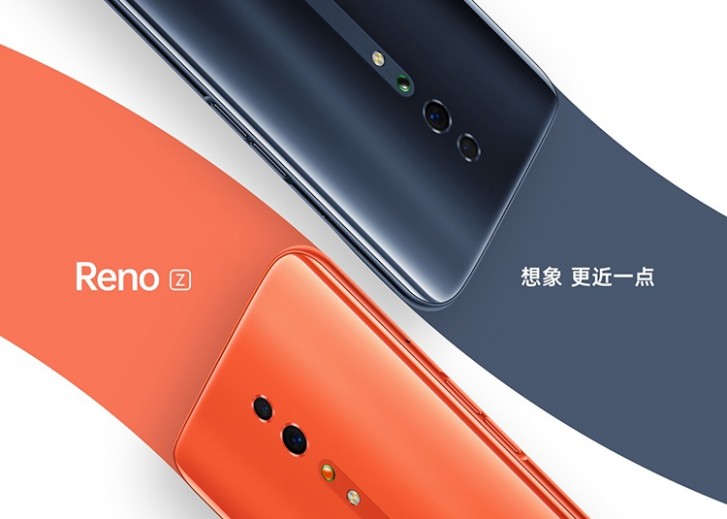
So far, OPPO has launched three Reno smartphones in China namely, OPPO Reno, Reno 10x Zoom Edition and OPPO Reno Z. Among these, only the Reno Z has not arrived yet in India. There is a possibility that the company may debut the Reno Z smartphone in India or it may launch an entirely new Reno in the country. A recent report had also claimed that the Chinese manufacturer is gearing up to launch as many as 5 to 6 phones in India by October. The report had claimed that the forthcoming phones from A, K and Reno series in the coming months. However, the report did not reveal exact names of the devices.
The OPPO Reno Z features a 6.4-inch AMOLED display with a waterdrop notch. It supports full HD+ resolution of 2340 x 1080 pixels. The ColorOS 6 based Android 9 Pie OS runs on the device. The MediaTek Helio P90 chipset powers the smartphone with 4 GB / 8 GB of RAM. It lacks a microSD card slot but comes with a native storage of 128 GB.
There is 48-megapixel + 5-megapixel dual camera system on the backside of the OPPO Reno Z. It has a front camera of 32-megapixel. The 4,035mAh battery of the Reno Z supports 20W VOOC 3.0 fast charging.
In related news, OPPO is expected to soon launch a new A-series phone called OPPO A9sv. Recent reports have revealed that it features 6.5-inch HD+ display, Snapdragon 665, 4 GB of RAM, 128 GB of native storage and 5,000mAh battery.
Much to the delight of avid gamers who fancy playing popular games on their mobile phones, the market is teeming with high-end gaming phones. Regrettably, these gaming smartphones aren’t easy on the pocketbook.
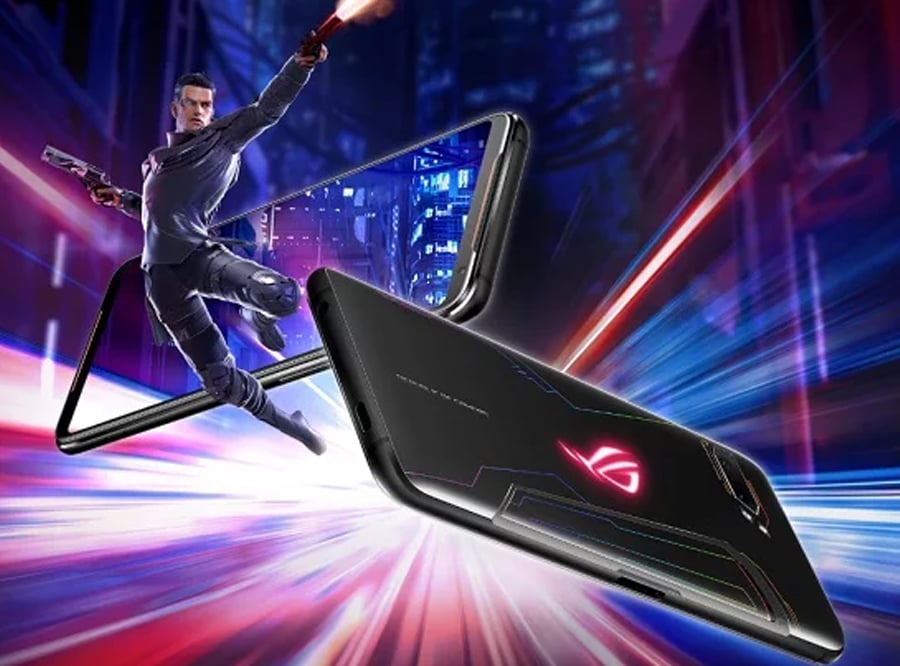
ASUS recently took the wraps off its next-generation gaming smartphone dubbed the ASUS ROG Phone 2 (or ASUS ROG 2 Gaming Phone) during an official launch event that took place in China. Following the phone’s launch, Taiwan-based Electronics Company began taking registrations for the gaming phone.
With more than a whopping 2.33 million reservations received on JD.com, the ROG Phone II has already taken the smartphone gaming realm by storm. Taking the phone’s skyrocketing popularity and undying demand into consideration, Giztop is now offering two variants of the Asus ROG Phone 2 at unbeatable prices.
The Asus ROG Phone 2 8GB RAM+128GB ROM variant can now be yours if you are willing to shell out $599. If you fancy having more power and storage capacity on your gaming smartphone, you can go for the other model that ships with 12GB of RAM and offers a hearty 512GB of internal storage capacity.
Currently, up for grabs on Giztop, this Asus ROG Phone 2 12GB RAM+512GB ROM model would set you back $1,049. It is worth mentioning here that you get the phone only in a black color option, regardless of the model you choose.
Aside from packing solid power under the hood, the Asus ROG Phone 2 offers the following features that are likely to sweep mobile gamers off their feet.
6.59-inch AMOLED FHD+ display with a 120Hz refresh rate
An in-display fingerprint scanner
Qualcomm Snapdragon 855 Plus processor
Adreno 640 GPU
8GB/12GB LPDDR4X RAM
128GB/256GB/512GB UFS2.1 ROM
48MP+13MP dual AI rear camera
24MP front camera
ROG Gaming X mode UI based on Android 9.0 OS
6000mAh battery that supports 30W ROG HyperCharge with Quick Charge 4.0+
You can follow this link to check out the rest of the specifications of the Asus ROG Phone 2 and place your order through Giztop.
Android Q Developer Preview 4 is now rolling out to OnePlus 6/6T and OnePlus 7/7Pro devices right now, right off the back of the third recent Android Q test download.
Unlike the Open beta programme which updates and upgrades via OTA download, you need to sideload and install the update files even if you are already enrolled in the Developer Preview programme. Installing does give OnePlus owners the opportunity to test-drive Android Q as it evolves ahead of a full release in the coming months.
It’s worth noting that no official announcement has yet been made over on the Official OnePlus Forums. Instead, the download files have been spotted then reported by several commenters in a thread discussing Preview 3, with the download files now being shared within the thread.
The changelog doesn’t uncover a great deal of what is new. Instead, it just lists ‘System functions improvements’ as the core addition. This likely means that there are quite a few fixes with this update — which is kind of expected given that this a ‘preview’ build after all.
It’s worth noting that OnePlus has also listed some of the issues and problems you may face by installing and running the Q Developer Preview 4 on your OnePlus phone. Some of those include stability issues, app compabibility problems, fingerprint scanner recognition being reset, and Google Pay not working correctly.
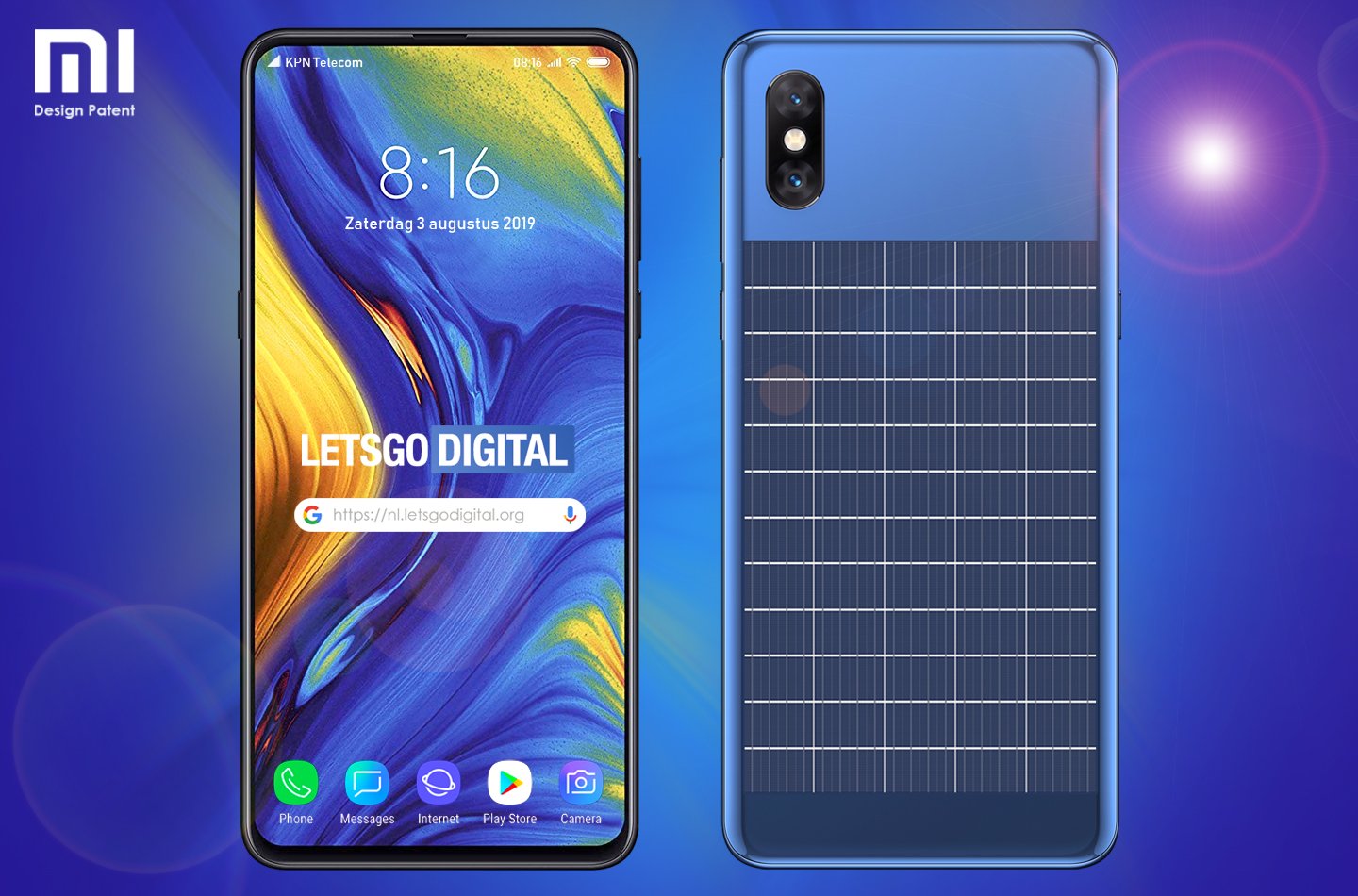
Chinese smartphone makers are on the spree of launching unique smartphones with innovative design. Xiaomi, a China-based smartphone maker has patented a smartphone design that packs a solar panel on the phone’s back.
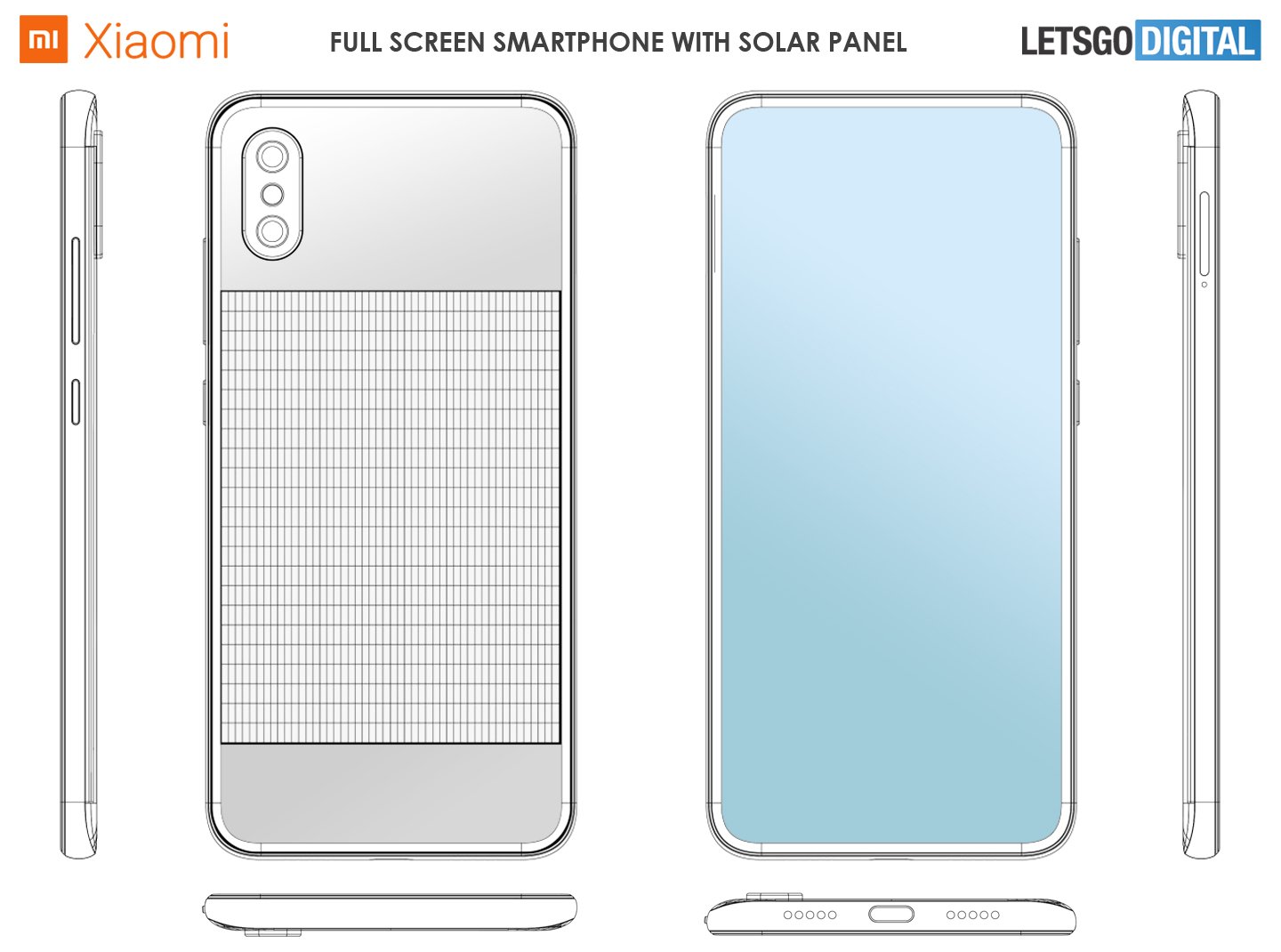
In July last year, Xiaomi Mobile Software had filed a patent application with the WIPO (World Intellectual Property Office) for a smartphone having a solar cell module. The patent included a few sketches of the phone’s design, giving us a look at what we should expect if it ever makes it to the market.
The sketch shows that the smartphone comes with a no-notch display but it’s not clear where the front-facing camera is placed. There’s also no indication of the pop-up module for the front camera. The company could be opting for an in-display camera technology for this one, the technology for which has already been showcased by Xiaomi.
On the backside, the smartphone comes with a dual-camera module with the camera sensors placed vertically and having an LED flash in between both the sensors. There’s no fingerprint sensor on the back panel, confirming the in-display fingerprint sensor module.
The solar panel is the most noticeable part of the phone, which covers the majority of the phone’s back panel. Surprisingly, the solar panel is thinner than the camera module. Through this integration, it will be possible to charge through the phone via solar energy.
There are a few other companies that have explored the idea of a solar-powered smartphone and now Xiaomi is also working towards the same. However, there’s no information available regarding the phone’s launch. While the patent has been granted, this does not guarantee that the company will actually produce the phone and bring it to the market. It just means that the company is exploring the idea and is working towards it.
Still riding on the success of its previously launched robot vacuum cleaners including the 360 S5 and the 360 S6, the 360 company has now launched the 360 Robot Vacuum Cleaner S7.
While the market is teeming with all sorts of vacuum cleaners, it is worth noting that the 360 S7 is still worth choosing over the others. You’d normally end up spending a lot of money on a high-end robot vacuum cleaner, which might not even meet your daily needs.
The 360 S7, on the other hand, offers awe-inspiring features that help you keep your environment clean and tidy, without burning a hole in your pocket. Giving you something more to cheer about, 360 has now teamed-up with Gearbest, bringing the retail price of the 360 S7 Laser Navigation Robot Vacuum Cleaner down to just $459.99.
This is a noteworthy 10 percent reduction in the robot vacuum cleaner’s original asking price of $509.92. On top of that, you can use coupon code GIZMOCHIINAS7 from 2019-08-05 13:30:00 to 2019-09-04 21:30:00 to bring the already lowered asking price further down to just $399.99 before placing your order.
An absolute steal at this price, the 360 S7 adopts the LDS Lidar and SLAM algorithm for more efficient cleaning routes planning. You can control the areas it sweeps and mops via APP, or use voice control through Alexa to provide instructions.
Once you install the water tank, the 360 S7 Laser Navigation Robot Vacuum Cleaner automatically switches to mopping mode, and switches back to sweeping when you remove the tank. It offers three noiseless, yet effective cleaning modes that produce max 2000Pa suction, max 65dB noise.
While cleaning carpets, the 360 S7 automatically switches to max mode, which generates a suction power of 2000Pa for deep cleaning. On top of that, this feature-laden robot vacuum cleaner automatically goes back to recharge itself when the power drops below 20 percent.
You can follow this link to check out more details about the 360 S7 Laser Navigation Robot Vacuum Cleaner and avail the discount, which is available for the white color option. With 3 units already sold, the promo is slated to end in nine days.
Staying true to its reputation for offering China’s best electronic items at unbeatable prices, Gearbest is now giving its loyal users something more to cheer about. The Chinese online store has collaborated with Google Express to offer a wide range of products at lowered prices.
In addition to doling out noteworthy discounts on products that have carefully been added to specific categories, Gearbest is giving you a chance to save 20 percent, and get up to $20 off your first order. To avail this discount, all you need to do is to apply coupon code JULY20SAVE at the time of checking out.
You can head straight to this link to check out Google Express online store on Gearbest for an unmissable chance of buying popular products at lowered prices.
The XiaomiMi Mix 3 and OPPO Find X have given a new meaning to the term “slider phone” in recent years. In both cases, their manufacturers have leveraged this form of motion to develop alternatives to the all-too-common display notch. However, unlike the Mi Mix 3, the Find X‘s slider is automatic. This feat of engineering, while innovative, may not have helped the phone’s popularity.
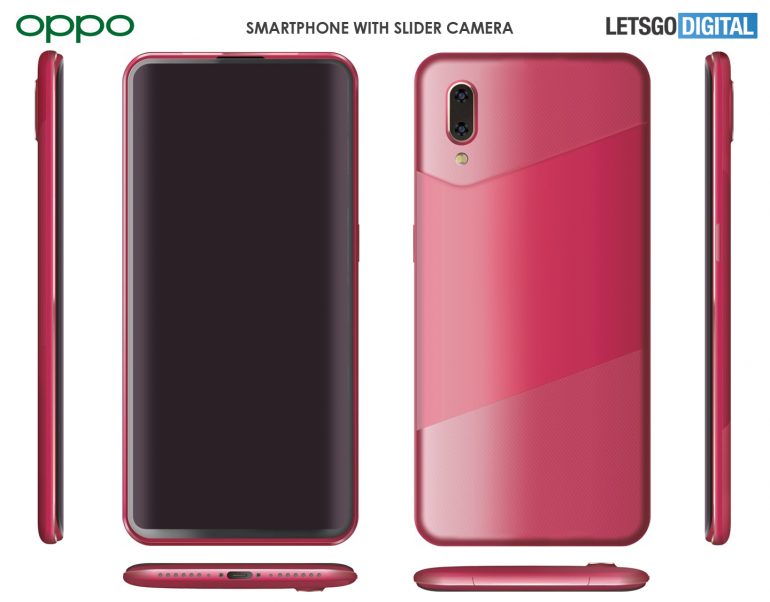
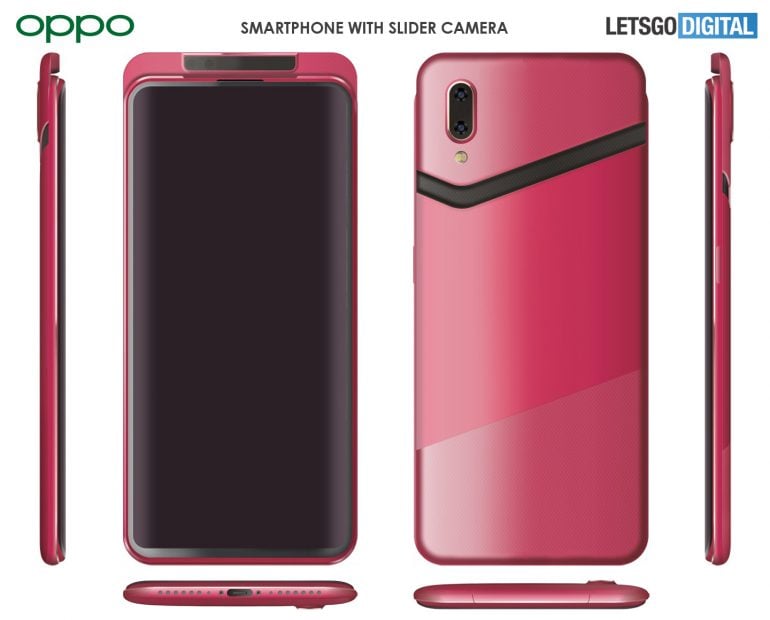
Nevertheless, it appears that a new OPPO has been working on a 2nd generation of this technology. A new patent, allegedly found in the World Intellectual Property Office database, shows a new sliding-phone design from the company. It appears to have the exact same slider mechanism, but with colour images which show the smartphone from all sides.
The front shows a bezeless display, with rounded edges. The difference is that on the Find X, the two rear-facing cameras are found on the back of the mechanism that slides along with dual selfie-cameras. The patented device has a vertically mounted dual-camera setup and a “V” shaped design on its rear panel. It also has two camera sensors on the slider mechanism.
This novel style also gives the phone the appearance of having a large tick-mark on the back when the slider module is activated. The new patent, apparently granted on August 2, 2019, invites speculation that it may be applied to this year’s rumored Find Z flagship. However, as the rear camera module in its images only has space for 2 lenses, there is no guarantee that this is the case.
Redmi, after splitting from its parent company Xiaomi earlier this year, launched its much anticipated Redmi Note 7 and Note 7 Pro smartphones. Now, the company’s General Manager has confirmed that Redmi has started working on Redmi Note 8 series phones.
Lu Weibing, Vice President of Xiaomi and General Manager of Redmi has said that the upcoming Redmi Note 8 smartphone will be powerful than its predecessor. Earlier, he had claimed that Redmi will be the first to launch a smartphone powered by MediaTek Helio G90T processor.
This has led to the speculations that the Redmi Note 8 will be the smartphone from the company to be powered by the Helio G90T chipset. The company is also working on a 64 MP camera smartphone and the same technology could also be used in the Redmi Note 8.
The MediaTek Helio G90T is the more powerful version of the two processors in MediaTek’s new Helio G90 from the G-series of chipsets. It has 8 processors – 2 x Cortex-A76 cores clocked at 2.05GHz and 6 x Cortex-A55 cores clocked at 2GHz.
It has an ARM Mali-G76 3EEMC4 processor clocked at 800MHz. It supports up to 10GB of RAM and UFS 2.1 and eMMC 5.1 storage. There’s also an integrated Cat-12 LTE WorldMode modem and Bluetooth 5.0 too. The processor also boasts additional features like HyperGaming Technology, Dual Wakeup word for AI assistants, support for displays with a 90Hz refresh rate, and AI features for the camera.
Meanwhile, Xiaomi has scheduled an event on 7th August in China which is related to the upcoming 64 MP camera smartphone. It’s possible that the company will showcase the technology behind the 64 MP camera phone and the actual launch of the device will take place a few months later.
A new Hisense phone has gotten certified by China’s version of the FCC – TENAA. The phone which is listed as the Hisense NX has an unusual design. It doesn’t have a front-facing camera, sports a home button similar to that of an iPhone, and the upper part of the back has a thick bulge.
[envira-gallery id=”268178″]
The Hisense NX has a 5.45-inch 720 x 1440 display that is surrounded by thick bezels. The top is home to a proximity/light sensor and a slit for the speaker. The chin is significantly thicker as it houses a circular home button similar to that of the older generation iPhones. Flanking this home button on each side are two other physical buttons – a recent apps key on the left and a return key on the right.
The design of the back of the phone is quite unusual. The upper part where the camera sits protrudes before straightening out in the middle and then protruding again at the bottom.
[envira-gallery id=”268181″]
There is a single camera on the back flanked by an LED flash on the right and a microphone on the left. There is also a small slit at the bottom for the speaker.
The Hisense NX has its power button on the right-hand side of the gold frame. The volume buttons are split into two, with one on each side. Above the volume button on the left is the SIM tray.
TENAA says the phone is powered by a 1.8GHz octa-core processor. There will be three variants – 3GB + 32GB, 4GB + 64GB, and 6GB + 128GB. There is also support for storage expansion (128GB max.).
The rear camera of the Hisense NX is a 13MP sensor. There is no fingerprint scanner and since there is no front-facing camera, there is also no Face Unlock. The phone runs Android 9 Pie and packs a 4900mAh battery with support for fast charging.
The Hisense NX is not only thick at 20.6 millimeters but is also pretty heavy at 260 grams. It measures 168.45 millimeters in length and is 77.8 millimeters wide. There will be only one color variant available and it is called Pearl White.
With more and more people focusing on leading a healthier lifestyle, the fitness industry has seen tremendous growth in the past few years.
The market is brimming with all sorts of fitness products that help you track your overall health to achieve your fitness goals. On the downside, these devices usually carry steep price tags. Gym equipment such as a walking machine would you set you back a pretty penny on both online, as well as offline stores.
To make its well-received WalkingPad A1 and WalkingPad A1 Pro walking machines available to those on a tight budget at lowered prices, Xiaomi has teamed up with Gearbest and GeekBuying. We will not only shed light on the discounts but also show how you can save more money at checkout.
Marketed as a fashionable walking machine, the WalkingPad A1 from Xiaomi youpin usually retails for $472.70. As part of its latest Flash Sale, Gearbest is now offering it for a considerably reduced price of just $355.99.
If that doesn’t impress you much, you can extend this 25 percent discount by applying coupon code GBWKPA1EU during the checkout process. The coupon helps you get an extra $6 off, by reducing the retail price of the WalkingPad A1 to just $349.99.
An absolute bargain at this price, the WalkingPad A1 Foldable Fitness Walking Machine adopts IML technology for the panel and sandblasting texture cladding technology for the body, maintaining a simplistic, yet durable style. It comes with an embedded LED display under low light transmittance ABS panel.
You can visit this link to check out more details about the WalkingPad A1 Foldable Fitness Walking Machine and avail the discount, which will be valid for the remaining pieces for four days.
Xiaomi WalkingPad A1 Pro Walking Machine – GeekBuying
The WalkingPad A1 Pro uses a simple, scientific design and adopts the IML technology for the panel. It has a hidden LED light unit which is easy to read while walking. Housed in an aluminum alloy structure, the WalkingPad A1 Pro weighs in at just 100kg so you can carry it everywhere you go.
The Xiaomi WalkingPad A1 Pro Walking Machine usually retails for $649.99, but you can now buy it for just $549.99 from GeekBuying. Moreover, you can even extend this 15 percent discount by applying coupon code 3IUBIQIH at the time of checking out.
The above-mentioned coupon helps you save $10 more before placing your order. In other words, you can bring the already lowered asking price of the Xiaomi WalkingPad A1 Pro further down to only $539.99 by applying the coupon during the checkout process.
You can click here to visit the promotion page to avail the discount and take advantage of the coupon before it expires.
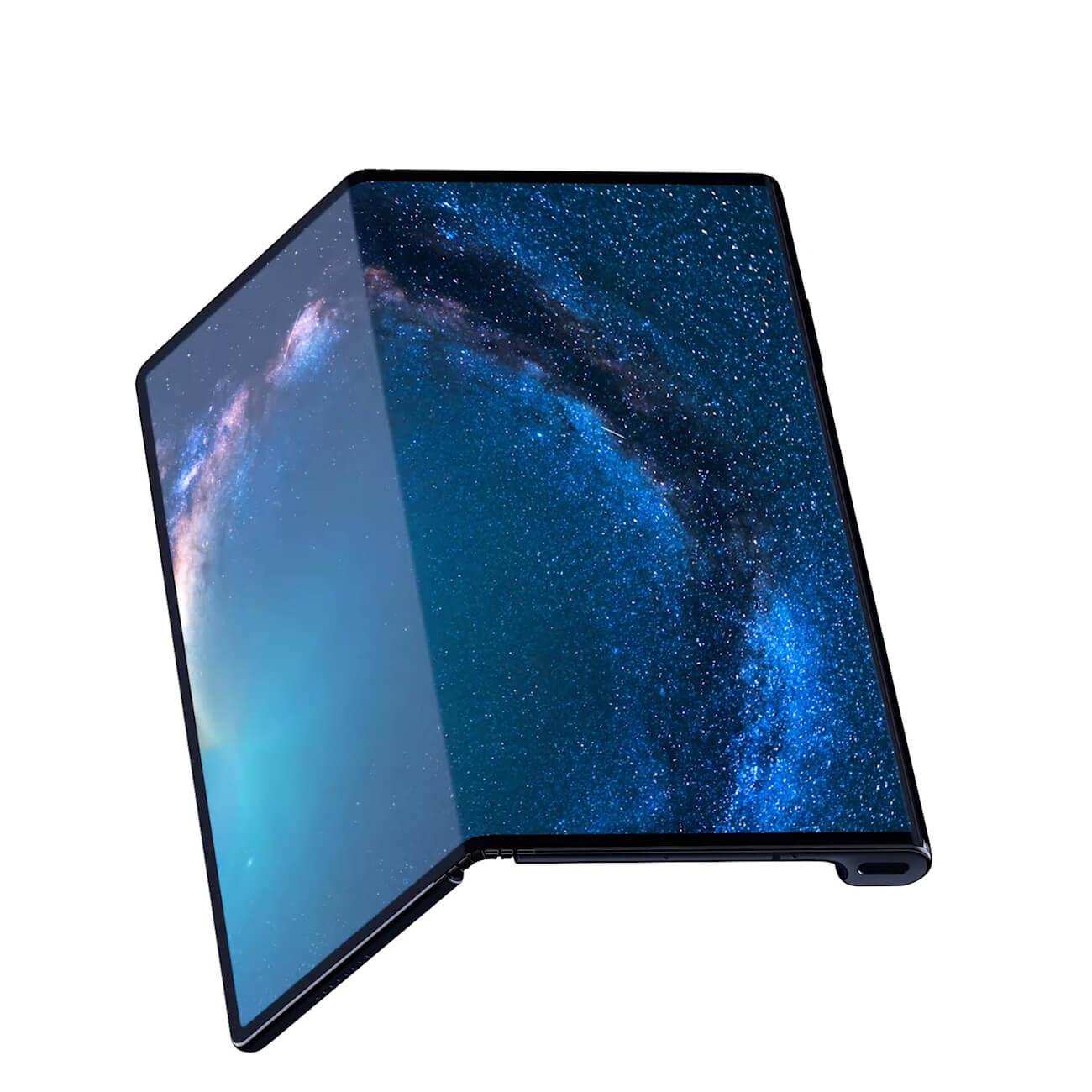
Huawei Mate X, the Chinese giant’s first 5G as well as the first foldable smartphone, is finally all set to go on sale from next month. As per the reports, the smartphone will be launched at the Huawei Developer Conference in the coming days.
The report further adds that while the phone will be launched in a few days, interested buyers will have to wait till September to purchase the device. Also, because of the complex design, the company will be putting a limited quantity on sale because of the production and supply chain concerns.
The Huawei Mate X smartphone was initially set to launch in June this year but the sale was delayed to ensure its durable design after the Samsung Galaxy Fold fiasco. The smartphone has now received all the required certifications to launch, so the phone’s launch in China is not far away.
The smartphone comes with what the company calls is “Falcon Wing Design”. Unlike the Samsung Galaxy Fold, it folds completely flat with no visible gap. The company says that the hinge system used in the phone is patented and has over 100 components.
The Huawei Mate X features a large 8-inch screen with a 2480 x 2200 pixels screen resolution and an 8:7.1 aspect ratio when unfolded with pretty thin bezels. When folded, it transforms into a dual-display phone – one side is a 6.6-inch (2480 x 1148 pixels) 19.5:9 display while the other is a 6.38-inch (2480 x 892 pixels) 25:9 display.
Under the hood, it is powered by the company’s own Kirin 980 chipset, paired with 8GB of RAM and 512GB of storage. It has dual SIM support (nano only) but only SIM 1 supports 5G. You can also swap out the second SIM card for Huawei’s NM card (256GB max.). It comes with the 7nm Balong 5000 modem which brings 5G support to the device.
It features three cameras on the back, which also double as the selfie cameras. The cameras were co-developed with Leica and are made up of a 40MP wide-angle lens, a 16MP ultra-wide-angle lens, and an 8MP telephoto lens.
The phone runs the EMUI 9.1.1 custom interface, which is based on Android 9 Pie operating system out-of-the-box. As for the connectivity options, the device supports NFC, dual-frequency GPS, Bluetooth 5.0, Wi-Fi 802.11 b/g/n/ac, and USB Type-C port.
The device has two built-in batteries, which offers a total capacity of 4,500mAh. Huawei has also debuted its new SupercCharge fast charging technology which supports up to 55W. The company claims that the new SuperCharge allows users to charge the device from empty to 85 percent in just 30 minutes.
Earlier, Huawei’s HongMeng OS was reported to be the replacement of Android for the company. However, since last month, the company changed the tunes and is now claiming that HongMeng was never meant to be the Android replacement and is for enterprise clients working on connected devices.
However, the reports are claiming the contradictory. A new report coming from China claims that Huawei is currently testing a new smartphone which is powered by the company’s own HongMeng OS. It further adds that the phone could get launched in Q4 2019 for a price of around 2,000 yuan, which roughly converts to $288.
The mid-range smartphone running HongMeng OS will be launched in order to attract software developers to join the company’s new ecosystem, claims the report. It adds that the system also has cryptographic functions that protect personal data and prevents users’ privacy from being breached. The phone is expected to get announced along with the upcoming Mate 30 series smartphones from Huawei.
The HongMeng OS will be launched by Huawei at its Developer Conference on 9th August in Dongguan, South China’s Guangdong Province. The Huawei HongMeng OS will also be powering the Honor Smart TV products which are expected to be available in the market from 10th August. Later, the operating system will be expanded to be available for a variety of fields, including autonomous driving, remote medical services, and industrial control.
When the United States put Huawei on the “Entity List”, effectively banning the Chinese giant from doing business or procuring technology from US-based firms, Google cut-off its business ties with the company. This meant that Huawei was no longer able to get the license to the Android operating system and then the company confirmed that it had been working on its own mobile operating system.
As per the reports, the HongMeng OS is based on open-source Android is compatible with Android apps. Also, during the test run, the operating system turned out to be 60 percent faster than Android.
Later, when the US announced that the US-based companies can keep doing business with Huawei as long as it doesn’t threaten national security, Huawei executive said that the HongMong OS is meant to IoT and industrial use. But it seems that the claim is not true and Huawei is working on a backup OS just in case these things don’t go in its favor.
Fitness conscious people who fancy keeping track of their health and monitor various activities usually end up spending a lot of money on fitness gadgets.
Inexpensive alternatives including low-priced smartwatches or smart bracelets, on the other hand, fail to meet the varied needs of a fitness enthusiast.
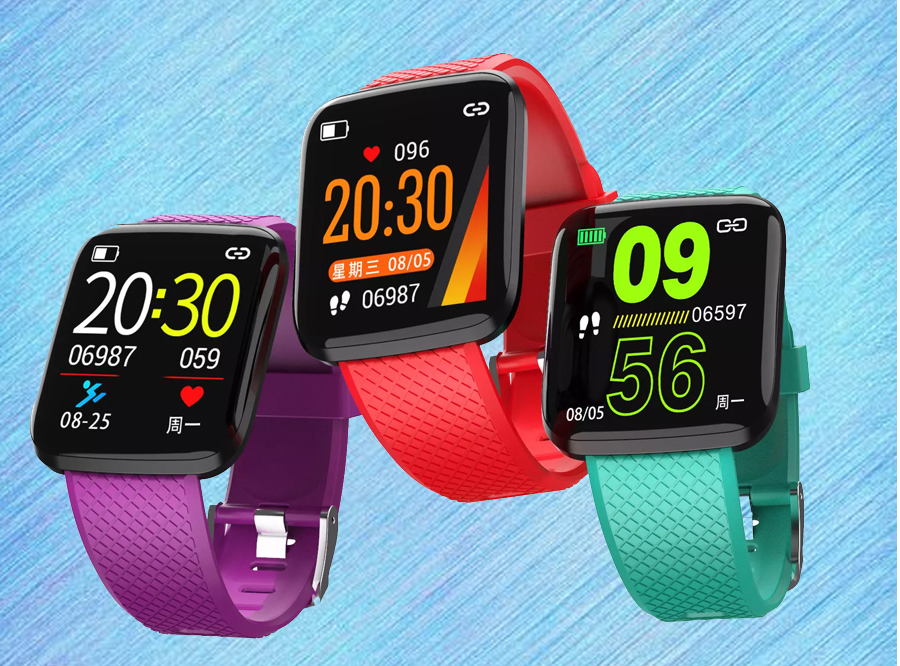
If you are in the market for a smartwatch that offers an impressive array of features, coupled with top-end specs without burning a hole in your pocket, we got good news for you. The feature-laden Bakeey 116 Plus2 smartwatch has gone up for pre-order bearing a lowered price on Banggood.
The Bakeey 116 Plus2 smartwatch would normally set you back a pretty penny on both online, as well as offline stores but you can now get your tech greedy hands on it if you are willing to shell out just $17.91. This is a significant 10 percent reduction in the device’s original asking price of $19.99.
An ideal combination of sports and health monitoring, the Bakeey 116 Plus2 is quite a steal at this price. It sports an easily readable 1.3-inch TFT display with 240×240 pixels resolution. Moreover, it features a zinc alloy bottom case and has a fine curved surface to comfortably fit your wrist even for a longer duration.Moreover, the Bakeey 116 Plus2 smartwatch has IP67 waterproof and dustproof level so that you can wear it without worrying in harsh environments during an outdoor adventure, near the pool or while working out. It has a real-time heart rate and blood pressure monitors to monitor any sort of changes in your health at all times.
The Bakeey 116 Plus2 smartwatch supports multi-sports mode including running, cycling, swimming, etc. Furthermore, it offers reminders for missed calls and messages and allows you to even reject a call without accessing your phone.
As if that weren’t enough, the Bakeey 116 Plus2 features useful sensors including the G-sensor and heart rate sensor. It is backed by a 150mAh battery that delivers a standby time of about 7 days and using time of about 5 days. This Bakeey branded smartwatch is available in blue, red, purple, black and light blue color options.
You can head straight to this link to check out more details about the Bakeey 116 Plus2 smartwatch and place your order before the promo ends. If your cart value exceeds $19.99, you can receive free shipping.
Despite going through rough times because of the US ban on the company, Huawei has not backed down from working on new smartphones as well as launching devices at regular intervals. Earlier this year, the company launched the P30 lineup of flagship smartphones and now it’s gearing up to launch Mate 30 series.
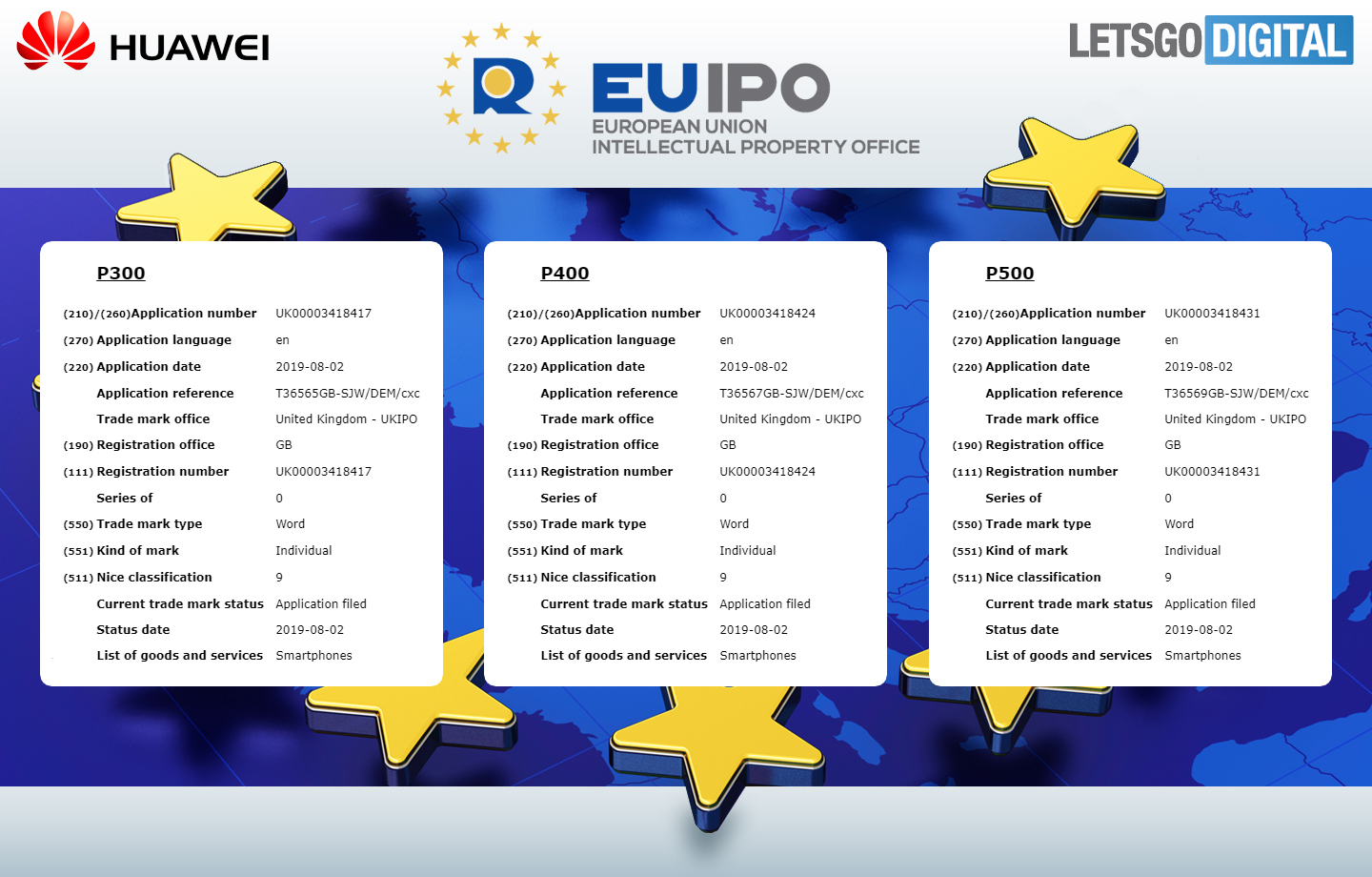
Now, as per the new reports, Chinese tech giant Huawei has filed for a few new trademarks with the Intelectual Property Office of the UK. The applied patents are likely to be used for the company’s upcoming smartphones as they are named ‘P300’, ‘P400’, and ‘P500’.
The three trademarks are categorized as Class 9, with the description; ‘ smartphones; mobile phones; tablets ‘. This hints that the company will be making a departure from the current two-digit naming scheme of the company’s high-end P-series such as P10 and P20. The P-series and Mate-series from the company have been clear to the outsiders as the other series from the company seems somewhat confusing.
But the newly registered trademarks are also a bit confusing given that the company has also registered P300 moniker but the company has already launched P30 lineup of smartphones earlier this year. Ideally, the upcoming devices from the company should be the P400 series. However, the company could be planning for something entirely different from these trademarks.
Recently, the company has trademarked Huawei AirGlass and SuperSensing. The Huawei AirGlass is a protective layer on top of the display meant as a replacement of the Corning Gorilla Glass while the SuperSensing is for the camera module. Both these features are expected to be available on the upcoming Huawei Mate 30 phones.
The company had secured the Mate 30 trademark in July last year and the Mate 30 and Mate 30 Pro are expected to launch in October this year and the company will also launch Mate 30 Lite model as well.
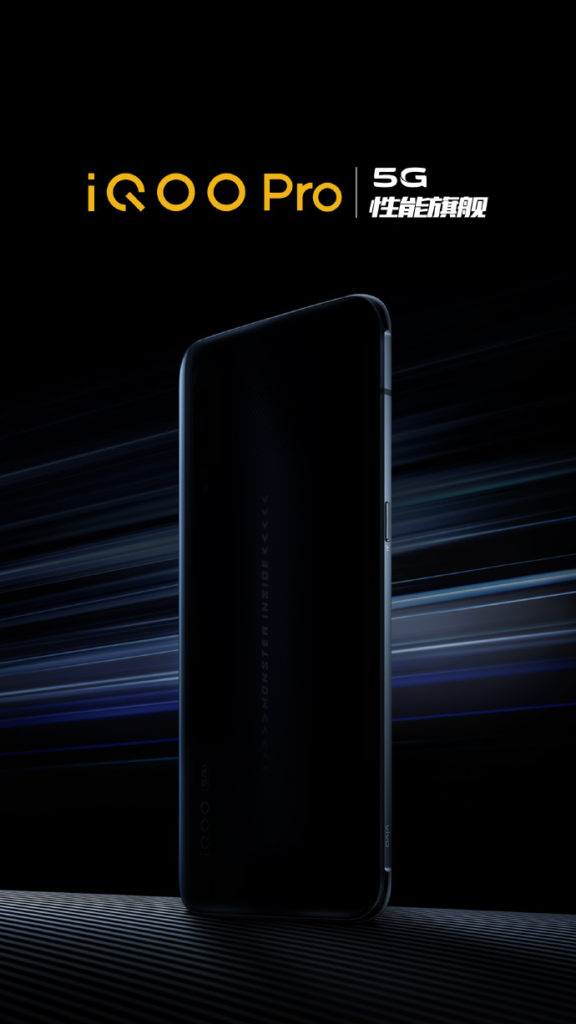
On July 30, iQOO confirmed that it will be launching the iQOO Pro 5G phone in China in this month. It had also released a teaser image of the phone. During the ongoing ChinaJoy 2019 – China Digital Entertain Expo & Conference, the iQOO Pro 5G smartphone was spotted in the hands of Violet Song, the product manager of iQOO.
The image was snapped and shared by a Chinese tech blogger on Weibo. The same Weibo post has been reposted by Song. The image shows her holding the upcoming iQOO Pro 5G. While the photo is not very clear, it resembles with iQOO Pro 5G teaser image that was released last week. The images of the phone reveals that it features a vertically arranged triple camera setup on its rear. The phone will be arriving with an in-display fingerprint sensor.
The specifications of the phone are currently under the wraps. However, some of the details of the phone have already appeared in recent reports. The original Vivo iQOO smartphone was powered by 2.84GHz Snapdragon 855. The upcoming iQOO Pro 5G could be fueled by the Snapdragon 855+ that includes a 2.96GHz octa-core processor for better CPU and GPU performance.
Also, it is believed that the Vivo V1916A 5G phone that was recently spotted on the database of China’s 3C authority could be the iQOO Pro 5G. The handset was approved by 3C along with 44W fast charger. Apart from these details, no other specs of the phone are available yet. It may include some specs that are available on the Vivo iQOO smartphone.
A recent leak had revealed that it could be arriving with a 4,500mAh battery, 6 GB of RAM and 128 GB of native storage and a price tag of 4,498 Yuan (~$647). With this price, it may debut as the cheapest 5G flagship phone in China. The Axon 10 Pro 5G that is now available for purchase in China costs 4,999 Yuan (~$720). Also, the Huawei Mate 20 X 5G that will go on sale in the home market will carry a price tag of 6,199 Yuan (~$892). Readers are advised to digest the pricing info of the iQOO Pro 5G with a grain of salt since there is no concrete evidence to back the claim. The iQOO Pro 5G is expected to go on sale later this month.
So many eyes of smartphone fans are gathering on the OnePlus 7 Pro. Every OnePlus fans are familiar with the OnePlus 7 Pro but some of them know little about the OnePlus 7, the true inheritance of OnePlus 6T. The design of OnePlus 6T has received a lot of praise since it’s released in 2018. A year has passed, we wanna bring this expanded OnePlus 6T back to the table and find out whether this forgotten classic model is worthy of the praise of 2019.
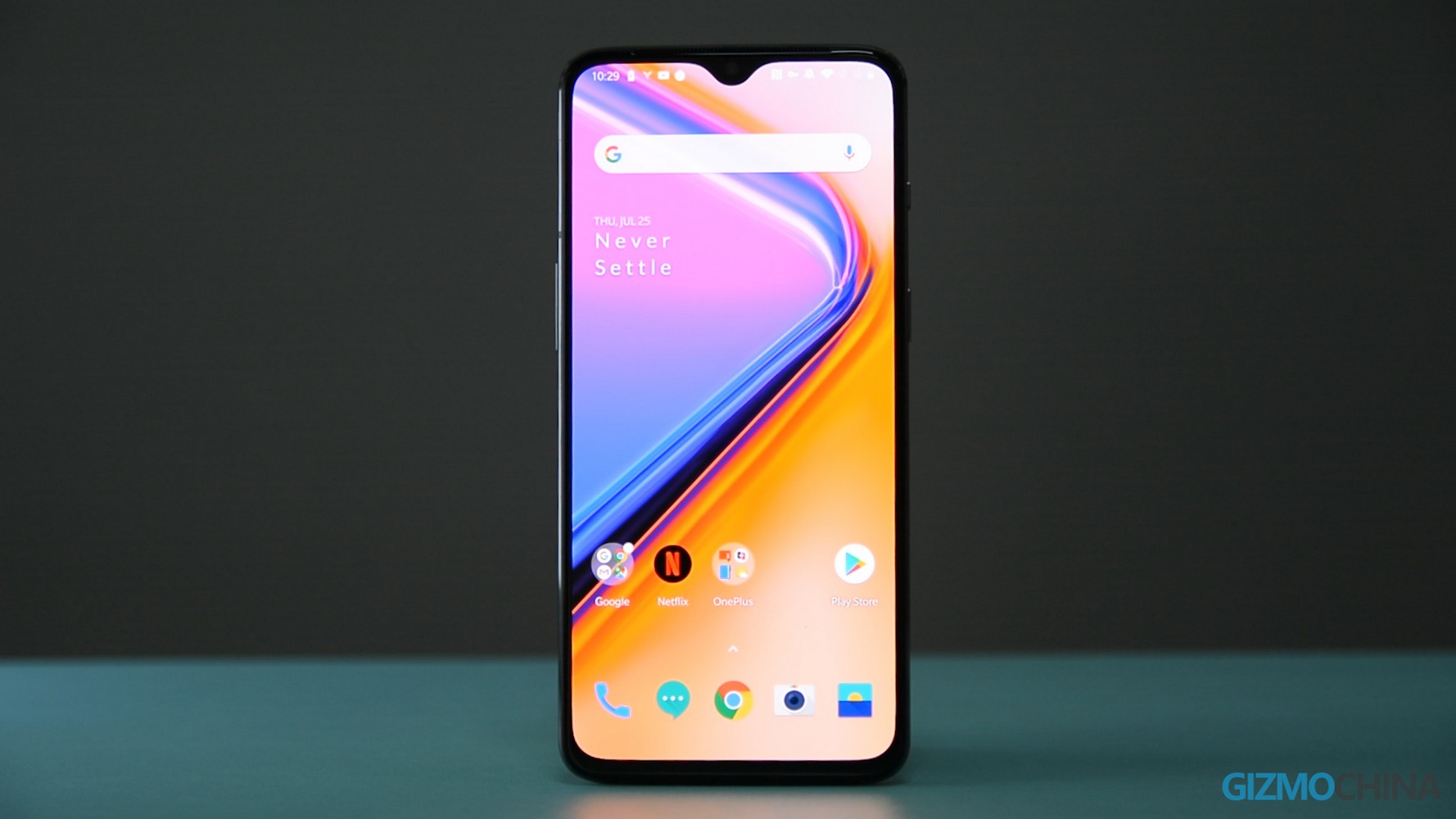
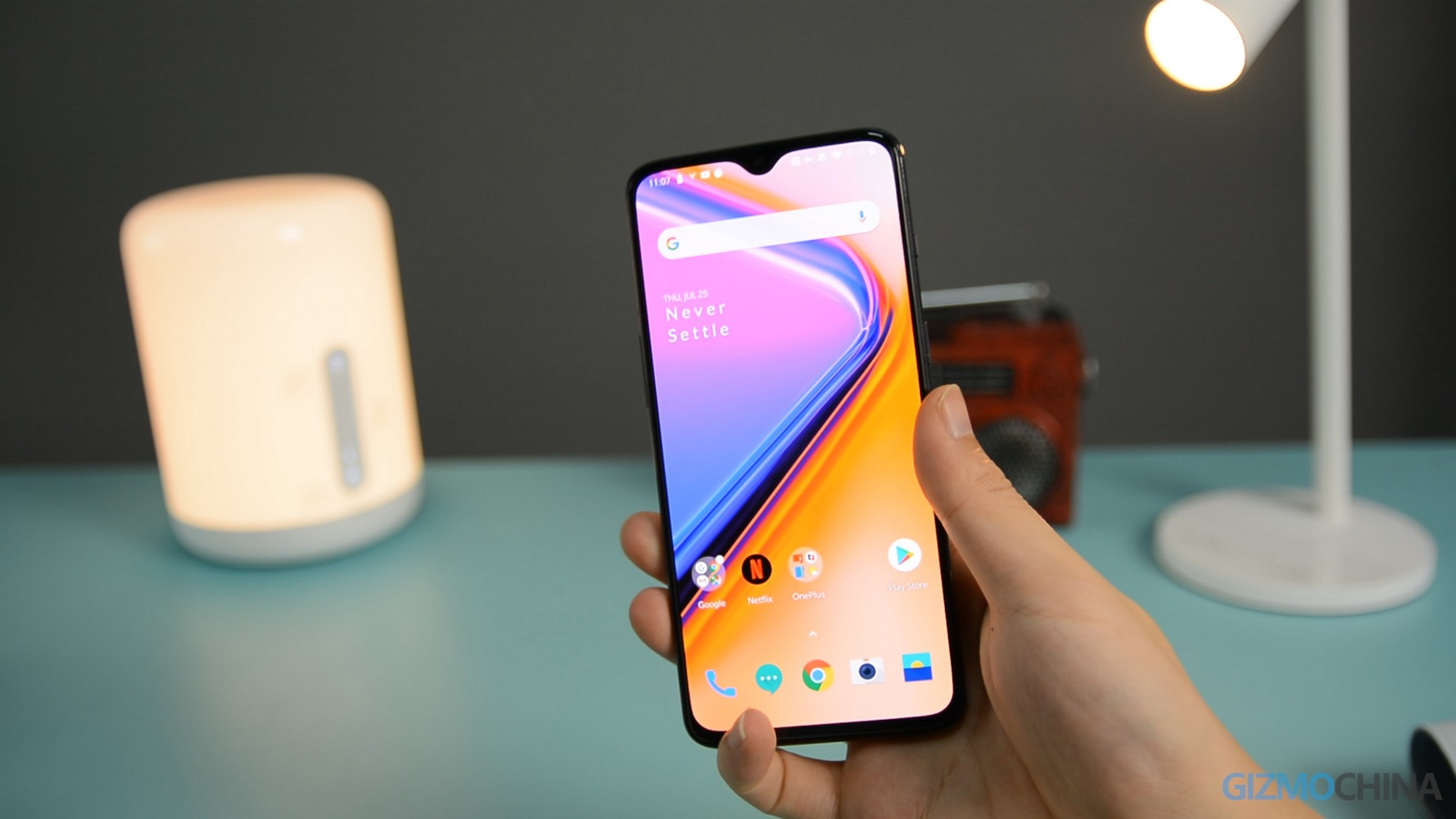
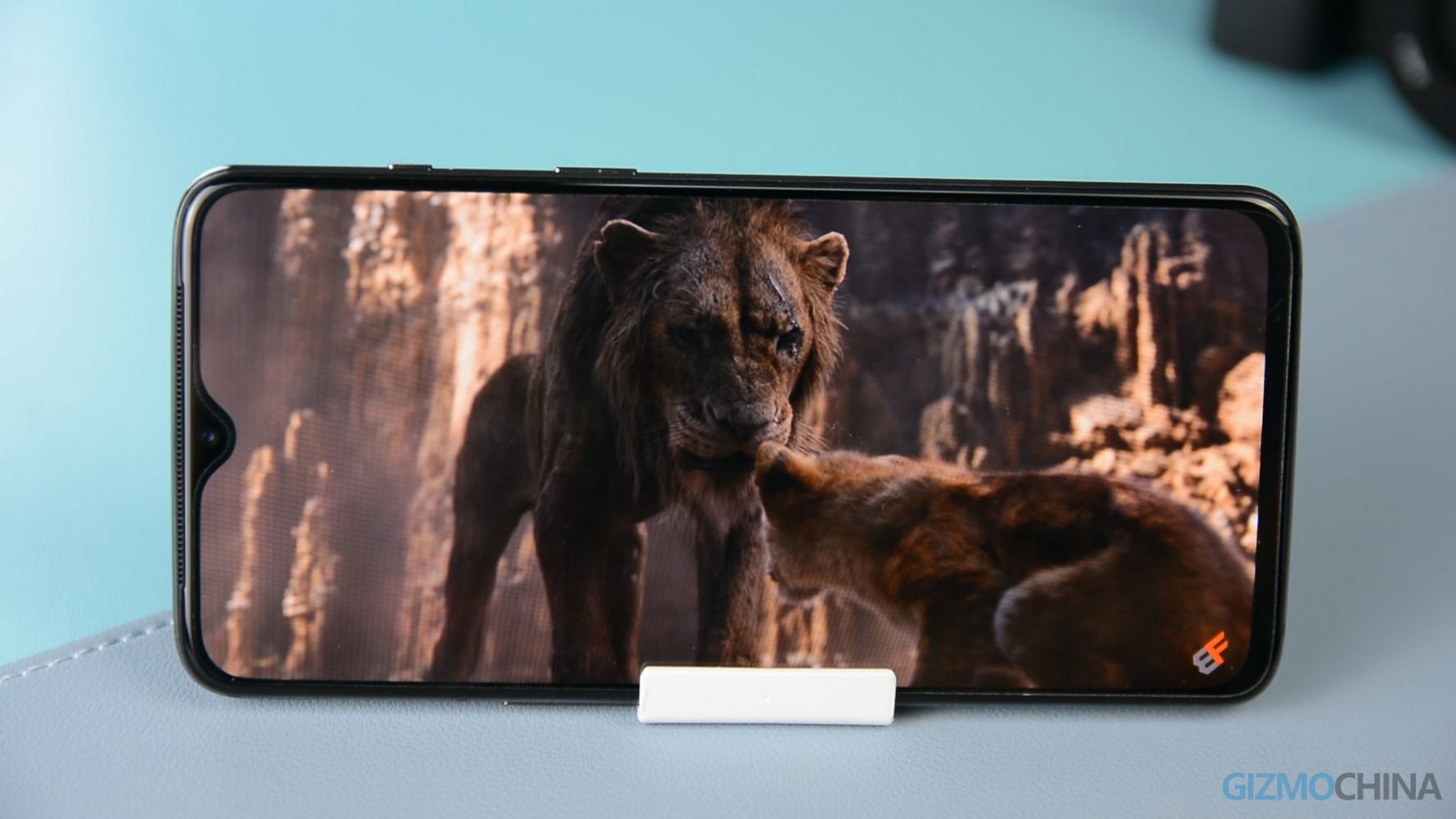
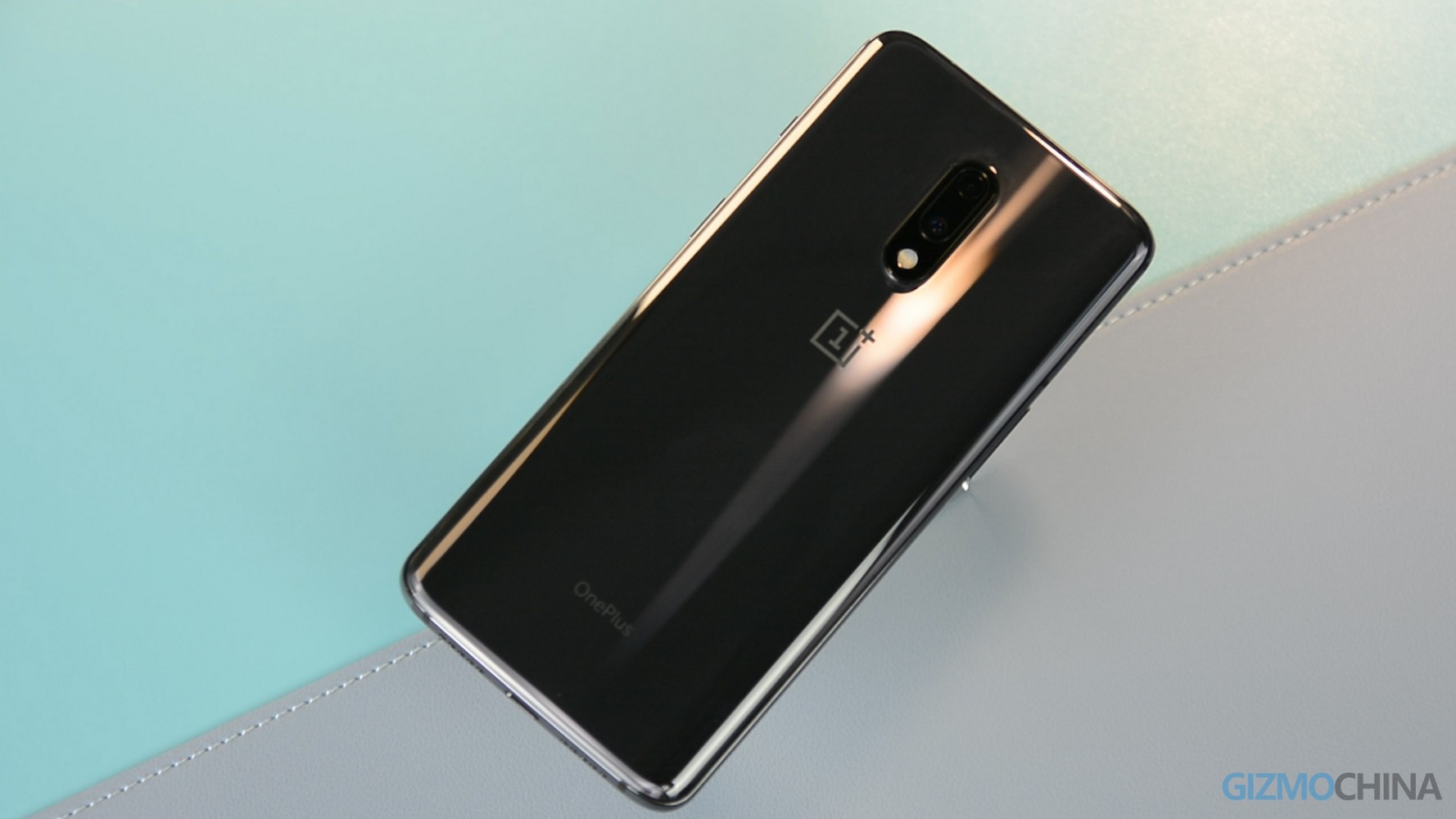
From the appearance of the OnePlus 7, it’s pretty easy to see a shadow of OnePlus 6T. Inheriting water-drop-notch plus a small chin leads to a comfortable visual experience on smooth edges of the curve. They both have a 6.4-inch AMOLED display, with 2340×1080 resolution and 402PPI. But about color adjustment on OnePlus 7, it’s more likely to use a lower-saturation solution, which makes it look more natural at the standard mode. Thanks to a smaller size and weight control of 186g, it also continues a good experience of one-handed grip. Meanwhile, its physical press-buttons, especially the 3-stage button, still provide premium physical feedback. Let’s look at its rear design, the bad news here is the bump-up cameras. Because it just at the center, it’s really hard to forget the discomfort when holding the phone. Meanwhile, a circle of higher edges is designed to protect the bump-up cameras from scratching, while the edges here also increase the discomfort and cause dust accumulation as well.
OnePlus 7
The OnePlus 7 uses a water-drop front camera, which continues a superfast experience when you turn on the face unlock. Though it’s not the safest solution, it improves efficiency when we fragmentedly use the phone. And you are not able to have the same fast-experience of facial unlock on OnePlus 7 Pro because the pop-up camera, and it’s pretty wired if you raise a camera every time you wake up the screen. Well if you don’t like facial unlock, OnePlus 7 also has the fastest under-screen fingerprint-unlock for you.
Front face
Hardware & Performance
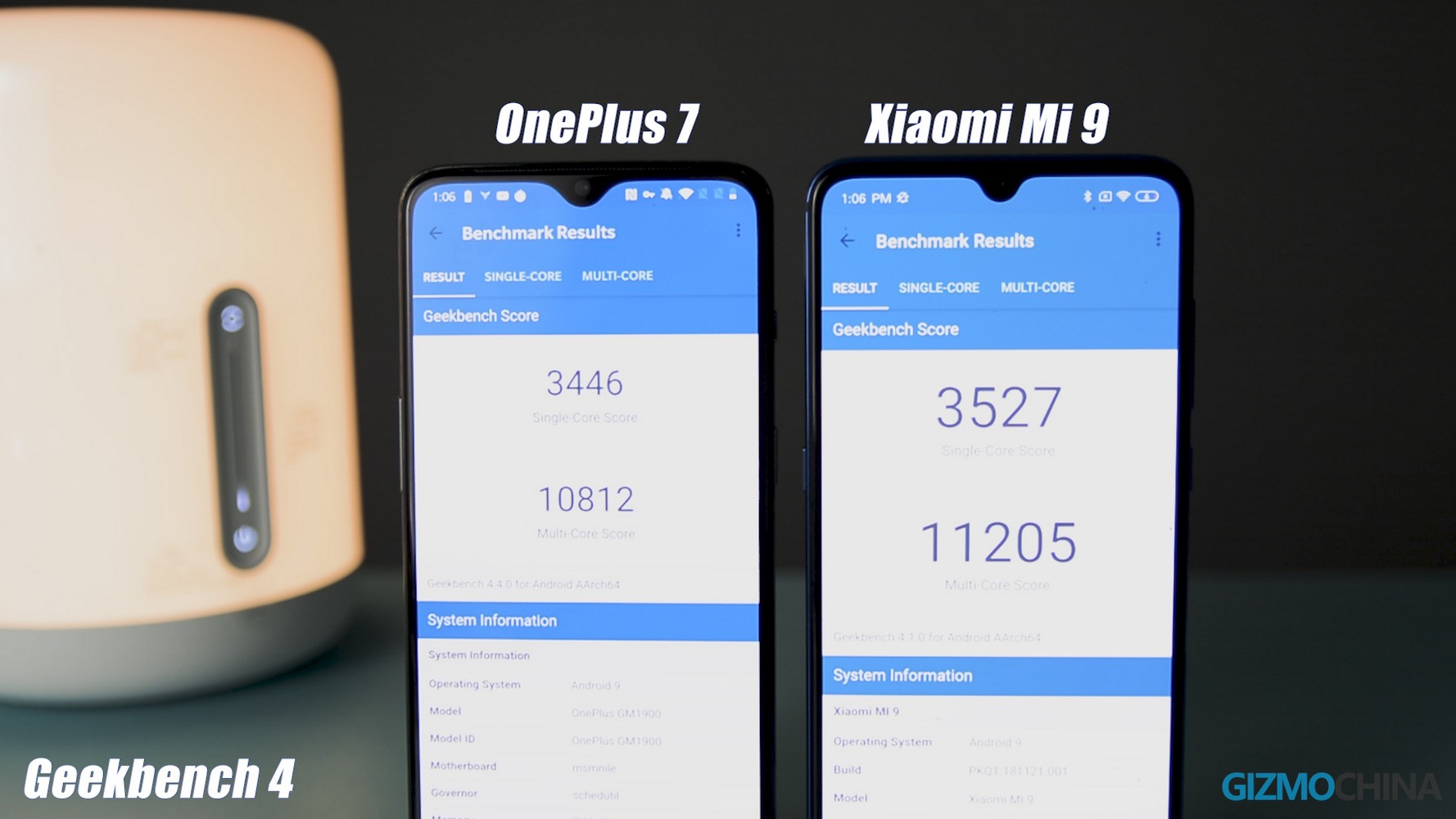
About the OnePlus 7’s hardware setups, the most significant updates are the better CPU and better flash memory. It has the same flagship-level processor as OnePlus 7 Pro has, the Snapdragon 855, which guarantee a flagship-level performance on the OnePlus 7. Its performance also got reflections on different benchmark apps.
Geekbench score: OnePlus 7 vs Xiaomi Mi 9
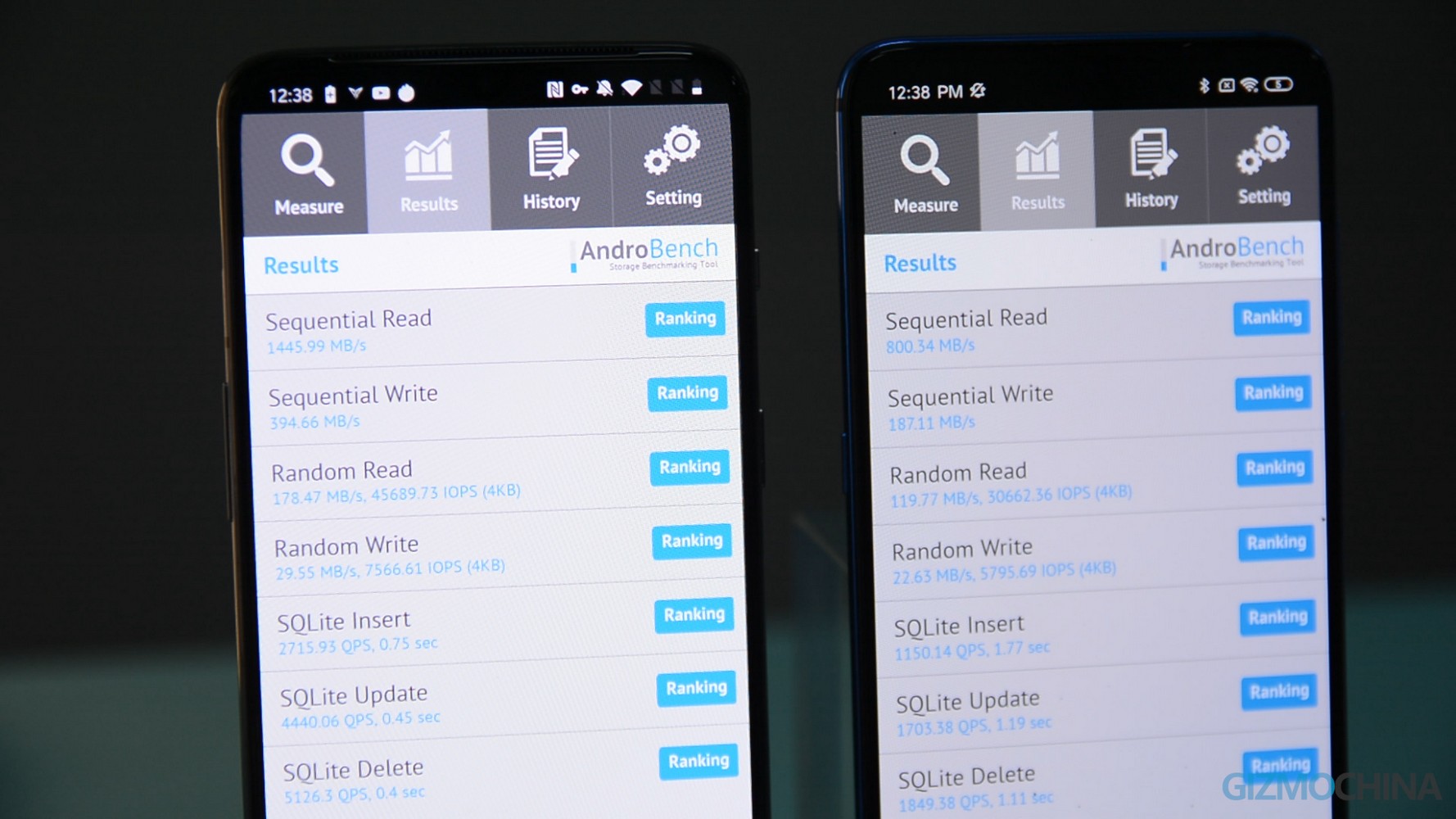
OnePlus 7 and 7 Pro are the first models to use the latest flash memory, the UFS 3.0, while even most flagships are still using the UFS 2.1. The UFS 3.0 would significantly improve the speed of file transfer and efficiency of app installing. Through running the storage benchmark, the advantages of UFS 3.0 are mainly presented at the sequential read and write. In a simple comparison, the transfer speed of OnePlus 7 almost runs twice as fast as the UFS 2.1 flash memory on Xiaomi Mi9, while it did not lead the race of random read and write. And we also compare their speeds of installing apps, the UFS 3.0 did achieve a faster result.
Read & write speed: OnePlus 7 vs Xiaomi Mi 9
One more detail of hardware here is the vibration motor. OnePlus 7 doesn’t use the same haptic engine as OnePlus 7 Pro uses. The feedback here is a bit laggy with a cheap feeling.
Battery & Charge
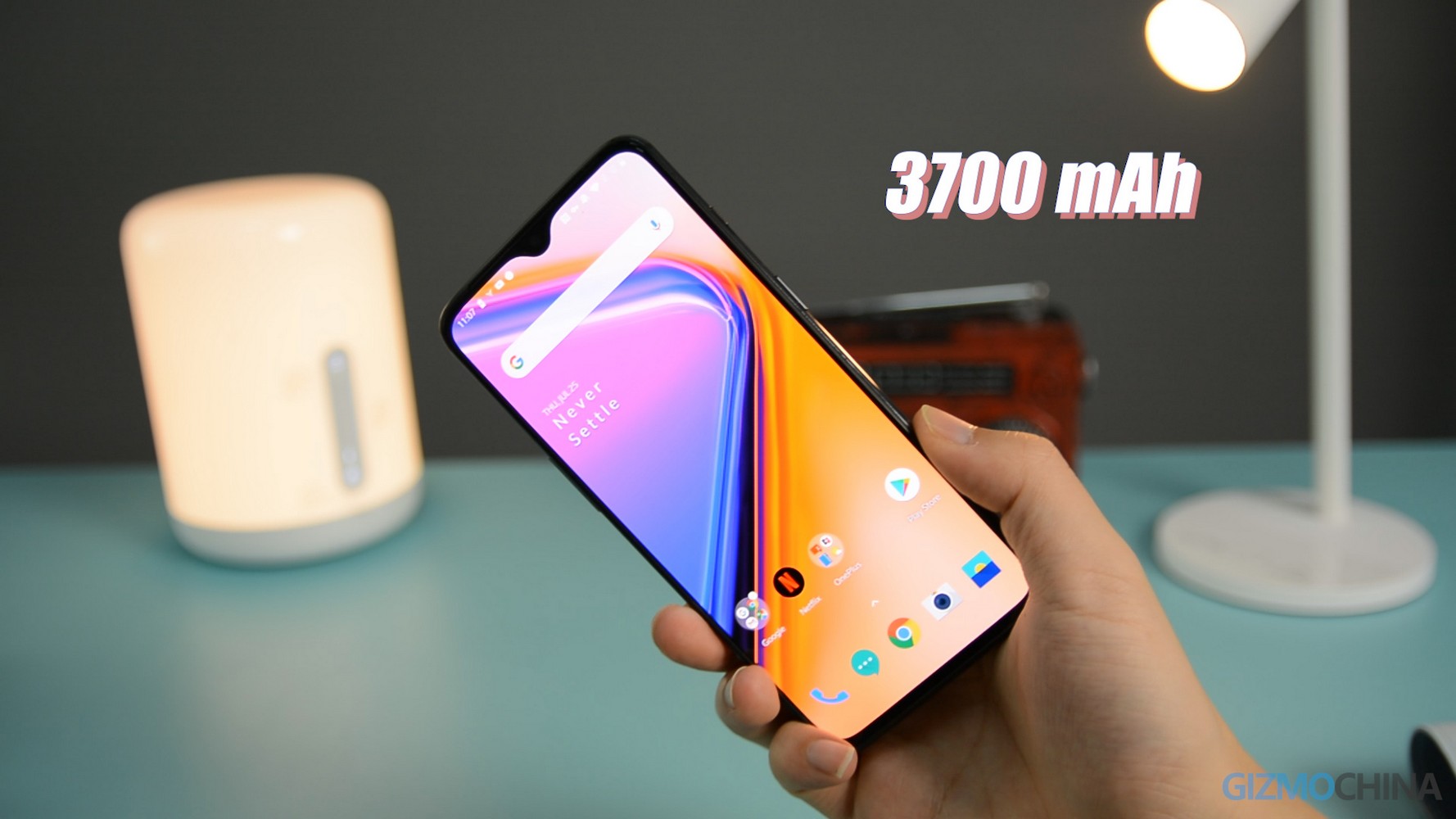
There’s not much surprise on the battery and charging of the OnePlus 7. 3700mAh now is only a middle-range set up in the market since most flagships in 2019 have a 4000mAh capacity. However, the actual battery performance of OnePlus 7 is better than the 7 Pro with 4000mAh battery. I think the reason here is much about that premium display of 7 Pro, which consumes more power.
3700 mAh Battery
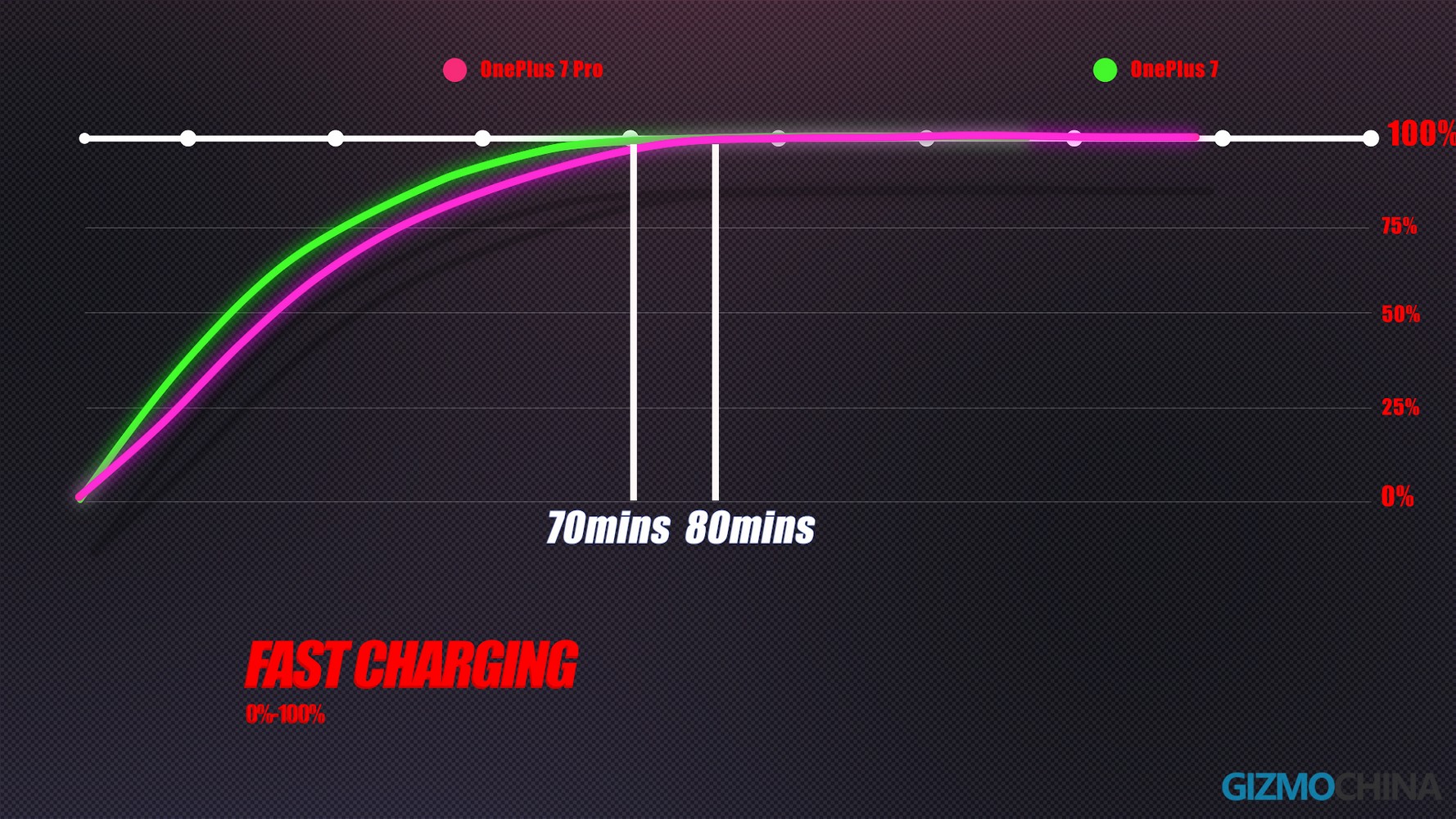
Though you can only have a 20W charging adaptor for OnePlus 7, it only takes 70 mins to get a full charge, which is quite close to the OnePlus 7 Pro with 30W fast-charging. Meanwhile, though we can see the same 20W charging adaptors in both boxes of the OnePlus 7 and 6T, the charging speed of 7 is a bit faster than the 85 mins of 6T because of a more aggressive charging strategy. After 1-hour PUBG gaming test, OnePlus 7 consumes 23% of the power.
Full Charge: OnePlus 7 vs OnePlus 7 Pro
Display
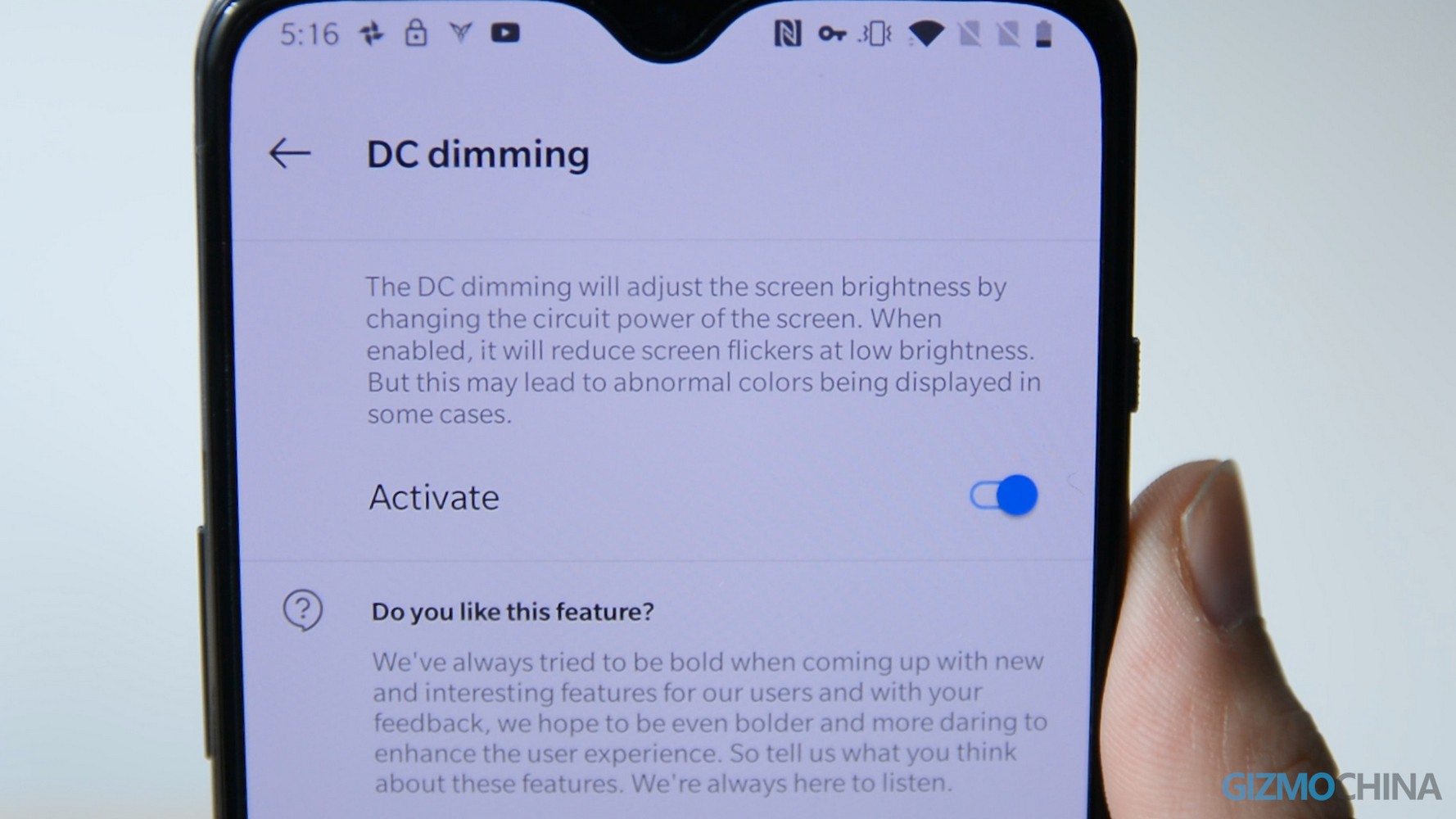
The 6.4inch display doesn’t have any differences compared with the display on 6T. About the display, one improved feature that is worth talking is the new DC diming option. The DC diming may also cause stronger color deviation though, I still suggest you turn it on under a low light environment to protect your eyes.
Display
DC Diming
Cameras
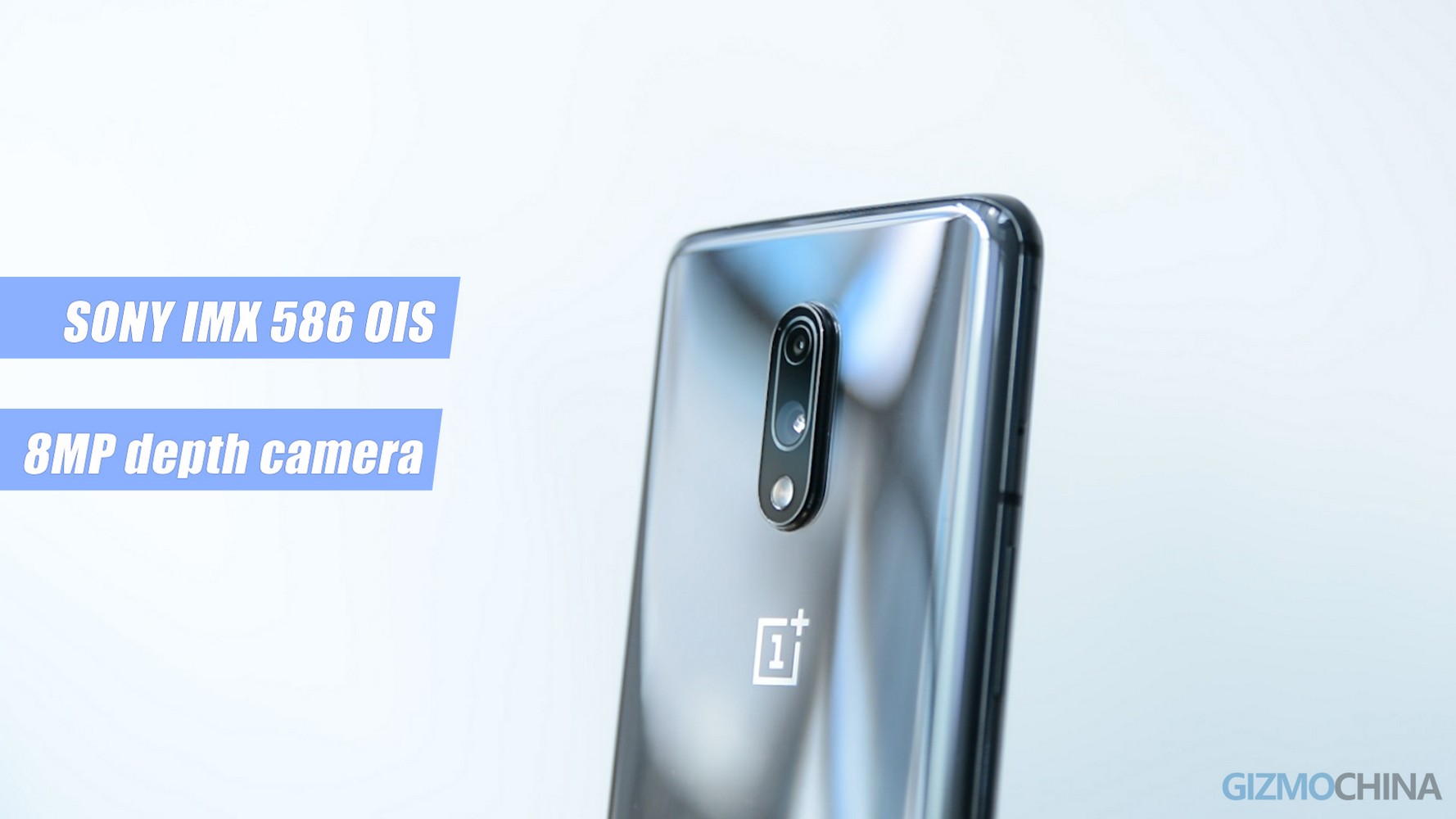
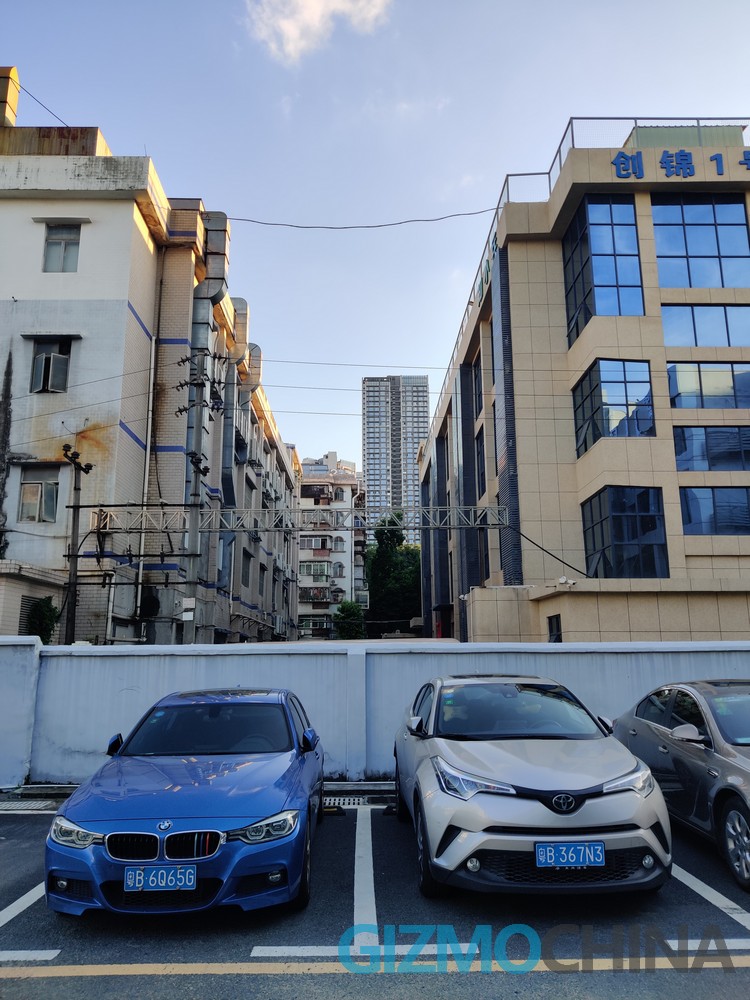
The main camera is upgraded to the IMX 586 with OIS, which is quite common to be found in other flagships, while the second one is a 500Megapixel (MP) camera which only provides depth calculation. Well, such combination is pretty useless especially when we compare it to most flagships which have an ultra-wide camera and a telephoto camera. Anyway, let’s check the samples and see what we got. OnePlus 7 has no problem with correct exposure and white balance. Let’s zoom in a little bit to see its detail resolution, OnePlus 7 seems to get slight blurring on detail, especially the detail at the corners.
Cameras
Though OnePlus doesn’t have a telephoto camera, we can find a 2-time option here to simulate the optical zoom-in effect. It’s only a result of photo-cutting and the original photo is shot by the main camera. But when we look at the sample, it’s much better than we thought. The detail resolution is not bad.
And then we shot some photos with night mode. The general brightness of the sample got improved and the noise control also performs well. it’s pretty a surprise that OnePlus 7 does a good job on balancing much detail with a relatively pure image. About its video shooting, the OnePlus 7 can shoot up to 4K 60fps videos, which is the same setups as OnePlus 7 Pro.
1 of 16
2x
1x
bokeh effect
bokeh effect
wide angle
night mode
Gaming experience
Thanks to the Snapdragon 855, OnePlus 7 no doubly, has a flagship-level performance on system fluency and gaming. We test OnePlus 7 through playing 1-hour PUBG mobile. It is as expected that OnePlus stably remained a refresh rate at 59 fps without any laggy problem. And then we test its performance with the extreme graphic settings in Nimian Legends, the frame-level stays around 30 fps, which is pretty close to the performance of OnePlus 7 Pro.
OnePlus has been well-known as a flagship-killer producer. But this year they’re not satisfied as a challenger, so they brought out the OnePlus 7 Pro and wish it can help improve the brand image. But considering the success of OnePlus 6T, they don’t want to give up this successful model and design. Though the improvement doesn’t make the OnePlus 7 a dream phone, it’s still a wonderful model for those users who admire OnePlus 6T. the competitive pricing of OnePlus 7 still can consolidate its position as one of the best choices at the mid-range market. So, if you are not looking for a smartphone which can provide a fast and fluent experience without spending a bunch of money, I think the OnePlus 7 could be a safe choice for you.
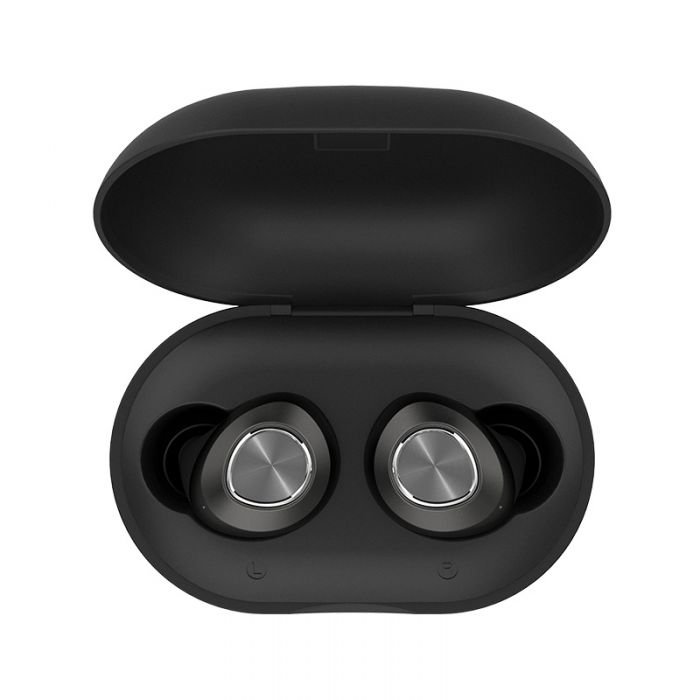
If you are in the market for an inexpensive wireless Bluetooth headset that doesn’t disappoint in terms of performance, you might give the Lenovo HT10 TWS Bluetooth 5.0 Earphone a test drive.
Designed to deliver the tiniest details of music with amazing clarity, the Lenovo HT10 TWS Bluetooth 5.0 Earphone adopts Qualcomm’s apx HD audio technology. It enables you to enjoy superior listening quality when using wireless devices.
Moreover, the Lenovo HT10 has a built-in Bluetooth 5.0 chip, which can be found in most new generation headphones. The latest Bluetooth 5.0 chip provides 2 times faster data transmission rate as compared to the previous generation. Aside from that, the connection distance is more than 20m.
On top of that, the Lenovo HT10 TWS Bluetooth 5.0 Earphone uses the intelligent noise reduction technology to improve signal-to-noise ratio and minimize background noises. As a result, the user can listen to the tiniest detail of the music even in a noisy environment.
While the aforesaid features completely justify the $59.99 price tag the Lenovo HT10 normally carries, we will show how you can get your hands on this TWS Bluetooth 5.0 earphone without spending that kind of money. To save $20, all you need to do is to apply coupon code ROHT10TWS at checkout.
In other words, you can reduce the original asking price of the Lenovo HT10 TWS Bluetooth 5.0 Earphone to just $ simply by applying the aforesaid coupon. You can follow this link to use the coupon before it expires.
Chinese smartphone manufacturers are gearing up to launch their first 5G phones in China. Towards the end of July, ZTE had started with the reservations of the Axon 10 Pro 5G phone in China. At that time, it did not confirm on the exact release date. Today, the Chinese manufacturer has confirmed that the Axon 10 Pro 5G is now available for purchase through online platforms like ZTE Mall, JD, Suning, Tmall and more.
The Axon 10 Pro 5G has landed in China with a price tag of 4,999 Yuan. By this, it has become the first 5G phone to be available for purchase in China. The handset is equipped with a hybrid SIM slot. The phone does not allow users to use two 5G SIMs at the same time. Users can use a 5G SIM and a 4G SIM simultaneously. The second SIM slot also doubles up as a microSD card slot.
The ZTE Axon 10 Pro 5G that features a metal and a glass combination body measures 159.2 x 73.4 x 7.9mm and it weighs 175 grams. It is fitted with a 6.47-inch AMOLED display with a waterdrop-type notch. The display supports full HD+ resolution of 2340 x 1080 pixels, an aspect ratio of 19.5:9 and it is integrated with an in-screen fingerprint scanner.
The Snapdragon 855 mobile platform powers the Axon 10 Pro 5G smartphone along with 6 GB of RAM. The presence of X50 5G modem brings forth 5G connectivity on the device. The native storage of the smartphone is 128 GB. The handset boots to Android 9 Pie OS that is overlaid with ZTE’s MiFavor 9.1 UI. It is backed by a 4,000mAh battery that carries support for Quick Charge 4+ fast charging technology and wireless charging.
The front notch of the Axon 10 Pro 5G has a 20-megapixel selfie camera. The rear side of the phone has an LED flash assisted triple camera setup. It comprises of a Sony IMX586 48-megapixel sensor with OIS, an ultrawide 20-megapixel sensor and an 8-megapixel telephoto lens with OIS support and 3x optical zoom support. The smartphone supports 20x hybrid zoom.
We use cookies on our website to give you the most relevant experience by remembering your preferences and repeat visits. By clicking “Accept”, you consent to the use of ALL the cookies.
This website uses cookies to improve your experience while you navigate through the website. Out of these, the cookies that are categorized as necessary are stored on your browser as they are essential for the working of basic functionalities of the website. We also use third-party cookies that help us analyze and understand how you use this website. These cookies will be stored in your browser only with your consent. You also have the option to opt-out of these cookies. But opting out of some of these cookies may affect your browsing experience.
Necessary cookies are absolutely essential for the website to function properly. This category only includes cookies that ensures basic functionalities and security features of the website. These cookies do not store any personal information.
Any cookies that may not be particularly necessary for the website to function and is used specifically to collect user personal data via analytics, ads, other embedded contents are termed as non-necessary cookies. It is mandatory to procure user consent prior to running these cookies on your website.


















 Inexpensive alternatives including low-priced smartwatches or smart bracelets, on the other hand, fail to meet the varied needs of a fitness enthusiast.
 Moreover, the Bakeey 116 Plus2 smartwatch has IP67 waterproof and dustproof level so that you can wear it without worrying in harsh environments during an outdoor adventure, near the pool or while working out. It has a real-time heart rate and blood pressure monitors to monitor any sort of changes in your health at all times.