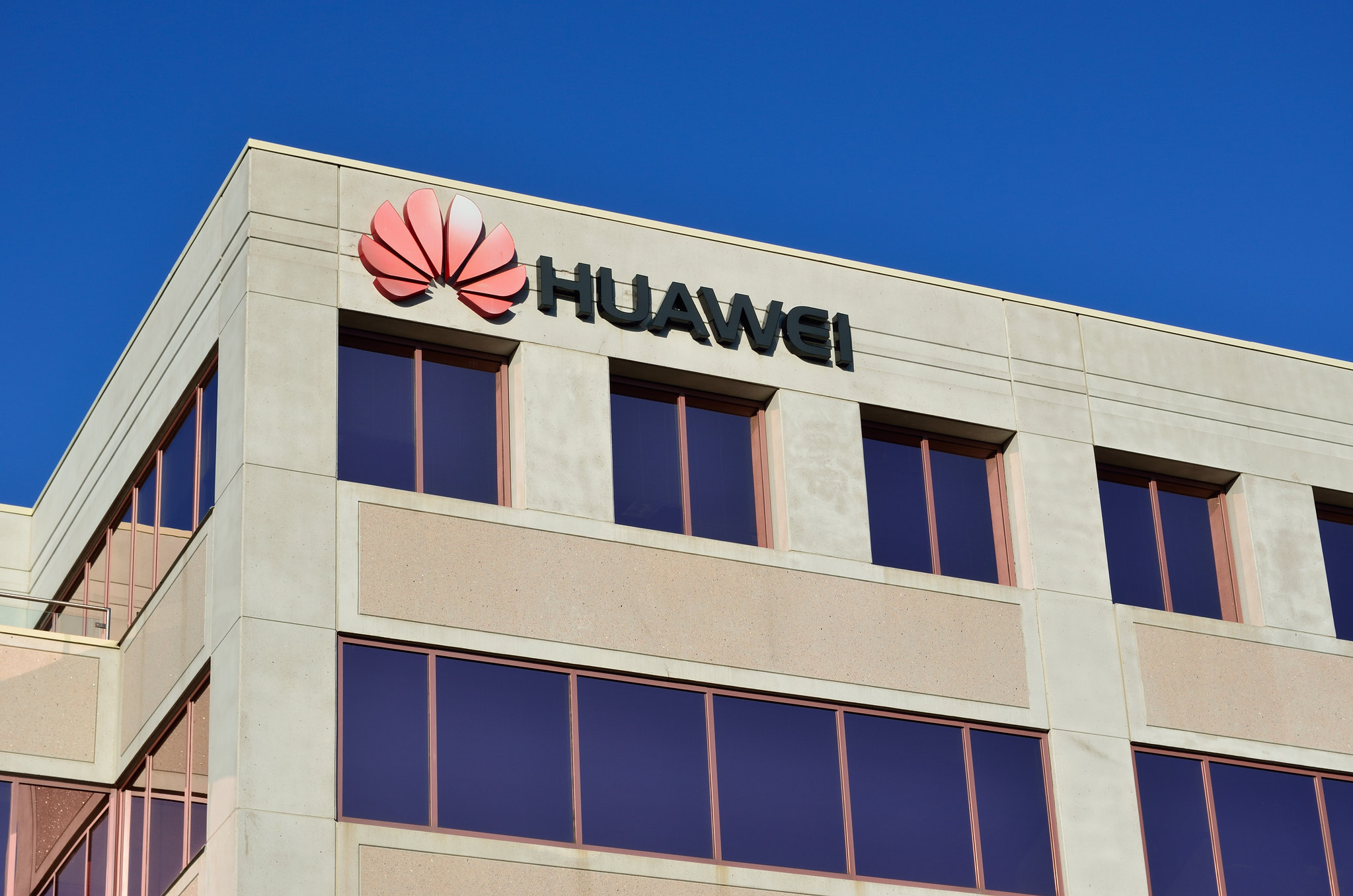
U.S. officials including Treasury Secretary Steven Mnuchin and White House economic adviser Larry Kudlow will host a meeting at the White House on Monday of semiconductor and software executives to discuss the U.S. ban on Huawei Technologies Co Ltd, two sources briefed on the meeting said on Friday.
A White House official confirmed the meeting would take place, noting that Google and Micron would attend, but said it had been called to discuss economic matters. The subject of Huawei was expected “to come up but that it is not the reason why they are convening the meeting,” said the official, who spoke on condition of anonymity.
The Commerce Department added Huawei to a trade blacklist in May, saying it had “reasonable cause to believe” that the company was “involved in activities contrary to the national security or foreign policy interests of the United States.” As of late however, many have been questioning the decision, especially when it comes to the actual motives behind it.
Commerce Department Secretary Wilbur Ross has said licenses would be issued where there is no threat to national security. Reuters reported that the United States may approve licenses for companies to restart new sales in a matter of weeks. Intel and Qualcomm declined to comment. Google, Micron, Microsoft and Broadcom did not immediately respond to requests for comment.
It becomes challenging in this fast-moving world to use a relocated thing easily on a daily basis. Similar is the situation with the users of Xiaomi devices running on MIUI 10. They are unable to locate the private DNS setting in the newest edition of Xiaomi’s custom skin.
The smartphone users use the custom or private DNS to make the networks more secure and reliable. They also switch to private DNS to obstruct ads on their smartphone. However, Xiaomi removed the private DNS setting from the MIUI 10 due to unknown reasons. Now, users are looking for alternatives to enable private DNS on MIUI 10 running devices.
It is nearly impossible to set, but thanks to the developers at XDA who have found a way to enable the private DNS settings in the MIUI 10. It is a bit tricky and may take some time, but it’s worth it. So let’s begin with the tutorial to enable the private DNS on MIUI 10 without any further delay.
Download and Install the App on your Xiaomi device.
Open the app and then scroll to the Settings area and tap oncom.android.settings.Settings$NetworkDashboardActivity or either type “mor” on the search bar.
Now tap it, and you will be in the network and internet settings where you now can set private DNS.
Done!!
That’s it! Users can now quickly enter any DNS into the respective field and can enjoy the fast, secure and ads-free internet on the smartphone.
If you have any problem while finding the given settings, then do let us know via comments below. We will help you.
Touted as the rebranded Mi CC9e model for the European market, Xiaomi’s long-awaited smartphone dubbed the Mi A3 was launched in Spain earlier this month. The proud owners of this coveted mid-ranger handset are highly likely to spend a considerable amount of on a slew of accessories, especially a phone case.
A phone case is an important mobile phone accessory as it not only enhances the appearance of the device but also improves its overall usability. Here are the top 5 Mi A3 cases that you can buy without emptying your pocket.
360 Degree Protective Armor Phone Case
Made using soft TPU and high-quality PC case materials, the 360 Degree Protective Armor Phone Case looks great from every angle. More importantly, it protects your Mi A3 phone from dirt scratches and other damages.
The phone case is available in various eye-catching color options including gold, rose gold, silver, cadet blue, black, red, and blue. You can buy the 360 Degree Protective Armor Phone Case for just $4.81 from Gearbest by following this link.
Available in three appealing color versions including red, black, and cadet blue, the Luxury Lichee Grain Anti-Drop Soft TPU Phone Case is a great choice when it comes to protecting your Xiaomi Mi A3 smartphone from damages. It is shock absorbent, anti-scratch, and also anti-fingerprint.
Aside from holding the phone firmly, the Luxury Lichee Grain Anti-Drop Soft TPU Phone Case provides comprehensive protection to the backside of your device. It also offers full edge protection while its thick four corners minimize the drop impact.
You can buy the Luxury Lichee Grain Anti-Drop Soft TPU Phone Case from Gearbest if you are willing to shell out $4.83. You can visit this link to place your order. Note that the product will ship from July 23rd – July 25th.
This high-quality, fashionable case is compatible with the Xiaomi Mi A3 smartphone. It offers a comfortable grip and much-needed protection against accidental drop. Since the case is made using TPU material, you can effortlessly remove and put back your phone inside it.
The black-tinted version of this Shockproof TPU Phone Case is now available for just $1.93 on Gearbest. You can click here to buy it now.
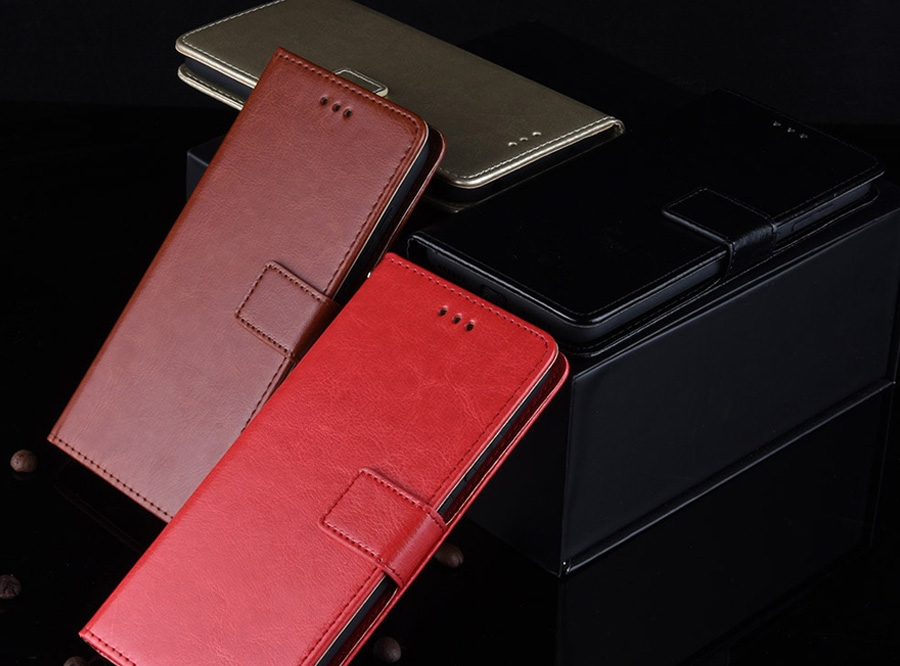
Designed to offer full-body protection to the Mi A3 smartphone, the Crazy Horse PU Leather Phone Case is made of reliable PU leather. It comes with a credit card slot, allowing you to store your cards safely.
Moreover, it boasts a phone stand holder feature so that you can enjoy your favorite video with a better viewing angle. Sporting a flip-open style, the Crazy Horse PU Leather Phone Case is anti-drop and shock-resistant.
This phone case is available in red, gold, brown and black color options carrying a $6.50 price tag on Gearbest. You can follow this link to order your favorite color option of the Crazy Horse PU Leather Phone Case.
In a bid to offer overall protection to your MI A3 smartphone, the Protective Phone Case Armour Cover can withstand shocks, scratches, and is even anti-fingerprint to ensure your phone’s screen stays easily readable all the time.
It not only holds the phone firmly but also protects the backside of the handset. Its thick four corners, on the other hand, ensures complete edge protection and reduces the impact of drops.
The Protective Phone Case Armour Cover for Xiaomi Mi A3 comes in multiple color options including army green, black, cadet blue, brown and gray. You can buy your favorite color version of the phone case for $4.97 from Gearbest by clicking here.
It looks like Xiaomi fans are in for a treat! The Chinese electronics giant has collaborated with Banggood to launch the Xiaomi Flagship Products Mi Series Sale.
As part of this recently kicked off promo, Banggood users can get their hands on their favorite Mi series products without spending a lot of money. The products have carefully been divided into specific categories to facilitate and simplify the search process.
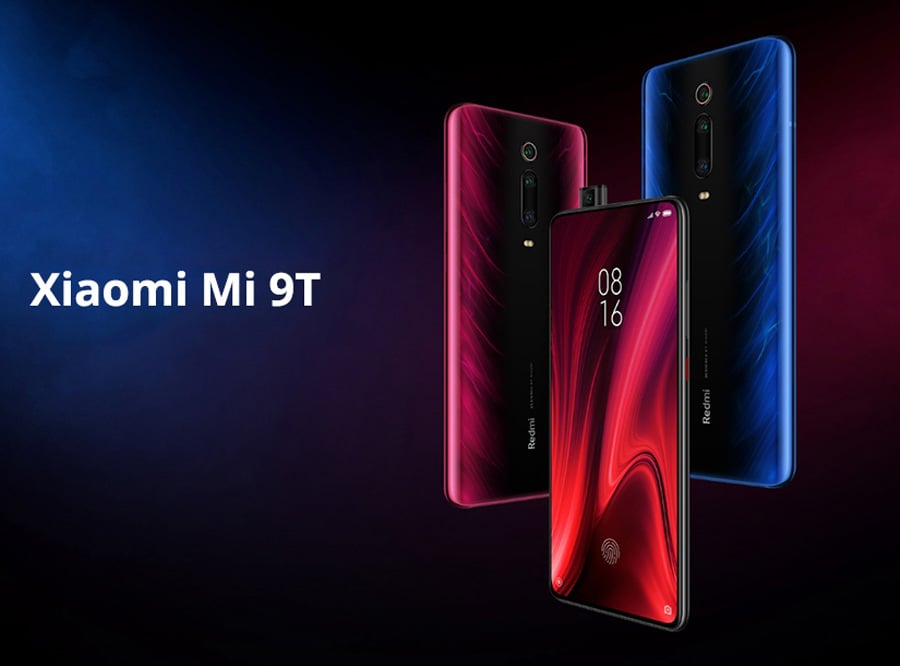
The Editor’s Choice category features a slew of well-received handsets including the Mi 9, Mi 9T, three variants of the Note 7. More importantly, you can buy these devices for considerably lowered prices.
For instance, the 6GBRAM+64GB ROM Xiaomi Mi 9T smartphone usually sells for $509.99, but you can now buy it for just $436.99. You can even extend this 15 percent discount with the help of coupon code BG79T64EU. After applying the coupon, the retail price drops to only $287.97.
Likewise, you can use specific coupon codes to avail extra discounts on the 128GB variant of the Mi 9T, the 32GB, and the 64GB Note 7 models. Let’s take a gander at the rest of the categories.
The next section called The Bestsellers is teeming with well-received mobile phones carrying heavily discounted prices. You can use coupons to reduce the original asking prices of the phones available under this category.
If you have restlessly been waiting to get your hands on a OnePlus-branded phone but holding yourself back due to the steep prices they carry, Banggood’s got your back! The Chinese online store that guarantees the best bang for your buck offers the four handsets from the Chinese smartphone manufacturer for lowered prices.
For example, the recently unveiled OnePlus 7 Pro smartphone offering 6GB of RAM and 128GB of internal storage capacity usually carries a steep $1,099.99 price tag, but you can now buy it for a considerably lowered price of only $853.99.
You can visit the activity page and take advantage of these discounts by visiting this link.
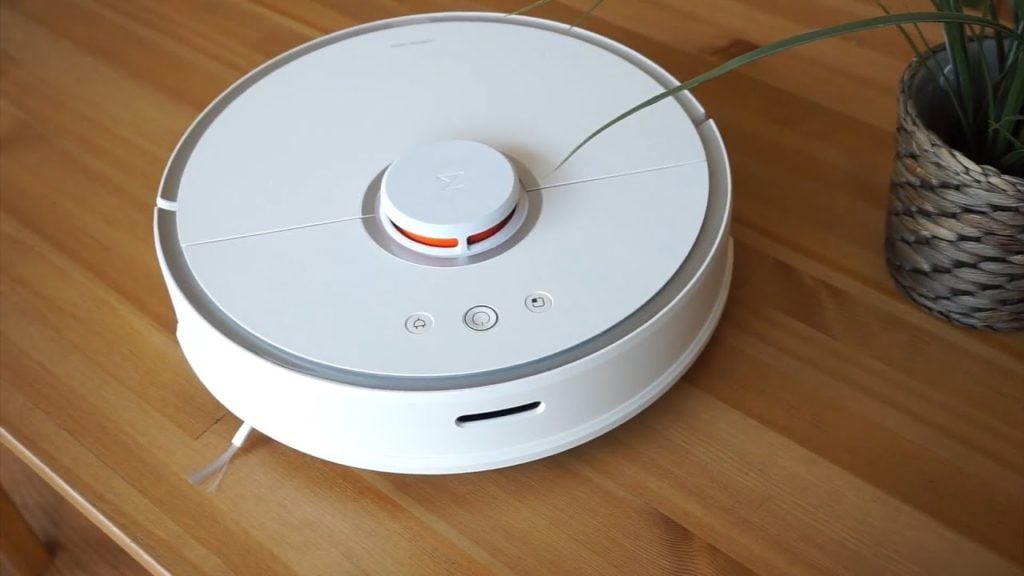
If you have dabbled in the smart robot vacuum cleaner market, you’ve probably heard of Roborock. In collaboration with Xiaomi, the popular brand offer top-end robotic home cleaners and other cleaning appliances.
Roborock has now teamed-up with Gearbest in a bid to make its S50 and S55 robot vacuum cleaners available to those who fancy keeping their surrounding clean and tidy all the time. Moreover, you can get you to get your hands on the aforesaid appliances at lowered prices.
Aside from shedding light on the discounts available on the Roborock S50, and the Roborock S55 smart robot vacuum cleaners, we will show how you can save more money during the check out process. So without wasting more time, let’s check out the details.
Roborock S50 Smart Robot Vacuum Cleaner
Marketed as a highly intelligent home cleaning device, the Roborock S50 features an improved 2 in 1 Sweep and Mop, allowing you to sweep the floor and even polish it using the mopping pad. It is backed by a robust 5200mAh battery which in full charge delivers 2.5 hours cleaning for a house of 250 square meters.
This Roborock S50 Second-Generation International Version would normally set you back $659.63, but you can buy it for a lowered price of just $429.99 from GearBest. You can even extend this 35 percent discount by applying coupon code GBSTSDJ348.
The coupon helps you get an extra $70 off. As a result, you can buy the Roborock S50 Smart Robot Vacuum Cleaner for just $359.99. With 40 units already sold, this promo will be valid only for one day. You can click here to avail the discount and use the coupon.
The Roborock S55 adopts the LDS (Laser Distance Sensor) technology for scanning its surrounding 360 degrees and determining the interior of your house. It is powered by a brushless motor and draws its juices from a 5200mAh Li-ion battery that delivers about 2.5 hours of cleaning.
While you’d normally end up shelling out $562.78 on the feature-laden Roborock S55 Smart Vacuum Cleaner, it has now gone up for sale bearing a lowered price of only $429.99 on Gearbest. This is a 24 percent reduction in the device’s original asking price.
On top of that, you can use coupon code GBSTSDJ379 for an extra $50 off. In other words, you can bring the already lowered asking price of the Roborock S55 Smart Vacuum Cleaner further down to just $379.99 at checkout.
You can visit this link to take advantage of the coupon and grab the discount before the promo wraps up. It is worth noting that 100 units were already sold at the time of writing.
The demand for semiconductors is expected to experience a decline this year but that may not be applicable to all segments of the market. Taiwanese semiconductor company TSMC is projecting that the demand for cutting-edge processors will increase, thanks to sales of early 5G devices. As a result of this, the company is preparing to roll out more advanced technology way ahead of schedule, according to news from the company’s latest quarterly earnings conference.
During the conference, the chipmaker also hinted that its new 5-nanometer (nm) chipmaking process will begin volume production in the first half of 2020. This will enable the first 5nm chips to hit stores around this period next year. 5nm chips come with a smaller size than 7nm and are expected to deliver greater power efficiency and/or more processing capability, depending on the needs of the chip designer. The 5nm process is expected to enable CPUs that previously fit into smartphones to shrink into wearables such as AR glasses and earphones while using smaller batteries and delivering previously unachievable experiences. It will also enable next year’s 5G devices to deliver as much or more power as today’s models while running cooler, with less energy consumption.
We recall that TSMC became the first to utilise the 7nm chips in large quantity. The 7nm chipsets were utilised by key customers such as Apple and Huawei. The Snapdragon 855 was built on the 7nm wafer but Qualcomm will be utilising Samsung’s 7nm process for the next-gen flagship Qualcomm SoC. It is said to be faster. TSMC isn’t planning to abandon its own 7nm process, though. Instead, the company is expanding the 7nm capacity to meet growing demand, particularly from makers of 5G wireless devices. Company CFO Lora Ho expects strong demand from 5G smartphone and base station makers, though not enough to completely offset slowing demand for older, larger pre-5G parts. TSMC now manufactures chips for companies that include AMD and Intel, with Samsung as its largest and most advanced competitor.
Xiaomi‘s crowdfunding platform has been the rallying point for most of the interesting gadgets that have been launched by the company. Last year, Xiaomi crowdfunded a sleek CIGA design mechanical watch. The product turned out to be a very popular one, perhaps because of the affordable pricing and the design. Of course, durability played a key role because mechanical watches never die.
The company has now announced a second-generation model of the mechanical watch which it dubs T-series CIGA Design mechanical watch. The watch utilises a transparent design which shows the stainless steel mechanical components crammed inside. You get to see both the bottom and top insides of the watch.
The is purely mechanical and doesn’t feature any other component other than the mechanical parts. It is a minimalist design but the finishing gives it a classy and premium look.
The T-Series CIGA Design mechanical watch costs 499 yuan ($72) during the crowdfunding exercise. However, after the crowdfunding exercise, the watch will be 699 yuan ($101). The watch is available in two versions differentiated by the colour of the rubber straps. There are black and orange straps. Usually, mechanical watches have a business exec accessory-like outlook due to leather straps they usually feature. The CIGA Design mechanical watch looks sporty due to the rubber straps.
Earlier today, we reported that Meizu’s VP and co-founder Li Nan has left the company. Today, two top executives at Xiaomi have also left. First is Donovan Sung who is the company’s Global Spokesman and Director of Product Management and the second is Jai Mani, head of product of the POCO division.
Donovan Sung took to Twitter early today to reveal that this will be his last month at Xiaomi. The Chinese American joined Xiaomi five years ago and has been a part of the team that helped with its expansion into new countries.
It’s my last month at #Xiaomi. 5 years, 80+ countries, 260M+ Mi Fans worldwide. My first time living outside the US in a foreign country. India's #1SmartphoneBrand. Absolutely incredible team. Loved every minute.
In the stream of tweets announcing his exit from the company, he revealed he will be joining Google in Singapore to help with the advancement of their payment system (Google Pay) in emerging markets.
On the other hand, Jai Mani who used to be the product manager of the POCOPHONE brand didn’t make any announcement but his Twitter bio now says ex-Product Manager of POCOCPHONE and Xiaomi India.
According to Android Central, Jai Mani has also been with Xiaomi for five years. He was hired by Hugo Barra who was once the global VP of Xiaomi. Part of Mani’s achievement is the POCOPHONE F1. He played a key role in the development of the phone that took 2018 by surprise. There is still no news of a successor and with the product manager gone now, things look bleak.
His Twitter bio reads that he is interested in healthcare + technology with a focus on mental health. He also stated that his DM is open which means he is yet to have a new role somewhere else.
We wish both of them the best in their future endeavors.
Android is the most popular smartphone Operating System. It has a massive 86% share in the global smartphone market from the past many years. The vast user base on Android platform has also attracted various app developers. As a result, there are thousands of free apps on the Google Play Store. Most of these apps display advertisements for monetization.
The advertisements help developers to sustain and earn their livelihood. A well-optimized ad always helps in conversions and brings a better user experience. However, the incorrect placement and the over-optimization of ads are too annoying and intrusive. It hampers the overall experience. Some Chinese OEMs also display banner advertisements to generate revenue and bridge the profits. Xiaomi is a perfect example following the same tactic to garner some benefits. There are many other ways through which developers are injecting ads and are deteriorating the overall user-experience. It is the only reason which forces users to block unnecessary advertisements. However, some developers offer a premium ads-free version of their apps, but still many users prefer free version.
There are many ways to remove system-wide ads on Android, but most of them need root access. Those who are claiming to block without root are either not effective or drain the battery. To give you respite, we have come across such an app which allows users to block ads on your smartphone entirely. It even gives you the option to toggle advertisements on different apps.
The app called DNS66 is an Android app developed by Julian Klode, it blocks advertisements at the DNS level. It is effective as it does not slow down your device. It is better than any other VPN-based adblocker and considerably is more efficient as it does not drain the battery. The new app even saves bandwidth. However, there are many similar apps such as Netguard, AdGuard, No root ad-blocker, and others. Unlike its competitors, Klode’s ad-blocking app is open source and free.
Note: GizmoChina does not support blocking the ads as it is the sole source of income for publishers and developers. GizmoChina does not endorse the removal of ads. People should show some love towards the developers and publishers who work to bring useful information and entertainment for them.
Authorize smartphone to install apps from “unknown sources.”
Steps: Block System-Wide ads on Android
Follow the steps below carefully to get rid of the annoying ads on your smartphone without root.
Enable smartphone to install apps from third-party sources by enabling “Unknown sources” installation. You can head over to Settings>Security>Unknown sources and then enable it.
Download APK from above and install it on your smartphone.
Once done with the installation, open the app and ‘Get Started’ guide will pop up to let make aware of the features. The start screen will allow you to choose the ‘Resume on system start-up‘ option. Note: The DNS66 app will affect the battery in the beginning, but once it is fully working with optimal settings, there won’t be any significant battery drain.
User can easily filter and block the selected ads. The app carries ‘Hosts‘ tab, which gives the ability to filter hosts. The user can toggle every ad host passing data over your device.
After refreshing the hosts’ tab, you will get the full list of ad hosts serving ads on your device. You can deny or allow access to each host.
Once you’re done with the selection of hosts, browse back to the app home.
On the Home or Start interface, the user can quickly initiate the VPN connection to block ads by pressing the ‘Start‘ button at the bottom of the page.
DNS66 app also carries the capability to bypass the selected app to show ads. It is a necessary feature, as the user can enable advertisements on apps which are not affecting user experience.
User can easily enable or disable the service from the notification bar. The app will show a small key icon on the notification bar while the service is active.
It is the most logical, efficient, and effective way to block ads on the Android system.
Steps to Block Ads on Android without any App
It is easily possible to block ads on any Android device without installing any application on your smartphone. It is really to block unnecessary ads from your device by following these points:
Open your device’s Settings>WiFi&Internet or More Connection Settings > Private DNS.
Tap the Private DNS provider hostname option.
Now you can select any one of all these DNS options to get protection from a specific type of ads:
– dns.adguard.com- dns-family.adguard.com (To block adult sites)
– dot-de.blahdns.com (small hobby project with AdBlock)
After typing the relevant DNS in the field, Press ‘Save.‘
Now, you can enjoy ad-free browsing.
For Chrome users, there’s an additional step to disable #enable-async-dns flag by going into the chrome://flags.
Xiaomi Users also need to perform an additional step to enable the private DNS. (Note: Private DNS setting is disabled on MIUI 10 devices. So, this is a must step for Xiaomi MIUI 10 users.)
These are a few methods to eliminate advertisements on your Android device without affecting the battery life. If you have any other option, do let us know also.
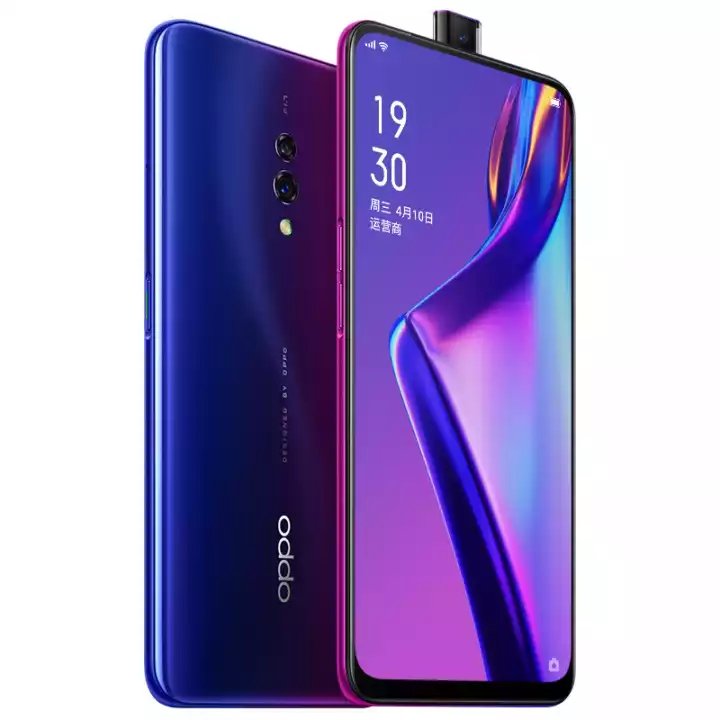
OPPO has introduced the OPPO K3 smartphone in India today. The main highlights of this smartphone are notch-less design, in-display fingerprint scanner, and a pop-up selfie camera. The Chinese manufacturer had launched the same handset in China back in May with a starting price of 1,599 Yuan (~$233).
OPPO K3 Specifications and Features
The OPPO K3 features a 6.5-inch full HD+ AMOLED display with 1080 x 2340 pixels resolution and 19.5:9 aspect ratio. The notch-less screen is embedded with a 6th generation fingerprint scanner. It comes with Gorilla Glass 6 protection. Additional features on the display include advanced DC dimming, always-on display and stroboscopic eye protection. The screen-to-body ratio of the K3 is 91.1 percent.
The OPPO K3 is powered by the Snapdragon 710 SoC with up to 8GB of LPDDR4X RAM. The device gets up to 128GB of built-in UFS 2.1 storage along with a microSD card slot for expansion. The smartphone draws power from a 3,765mAh battery with 20W VOOC 3.0 rapid charging.
The OPPO smartphone runs on Android 9.0 Pie that is customized with ColorOS 6.0. It gets performance enhancers like GameBoost 2.0, TouchBoost 2.0 and LinkBoost 2.0 for a smoother experience. The dual camera system on the device has a primary lens of 16-megapixel and a 2-megapixel depth sensor. The OPPO K3 has an elevating camera of 16-megapixel. Camera enhancement features on the K3 are the Ultra Clear Night View 2.0, multi-frame noise reduction, handheld night scene mode, AI intelligent scene recognition, AI portrait mode and dual-LED flash. Dual-SIM 4G VoLTE, Wi-Fi 802.11ac, Bluetooth 5.0, GPS, USB Type-C and 3.5mm audio port are the connectivity features of the OPPO K3. The audio output on the OPPO K3 is powered by Dolby Atmos.
OPPO K3 Price and Availability
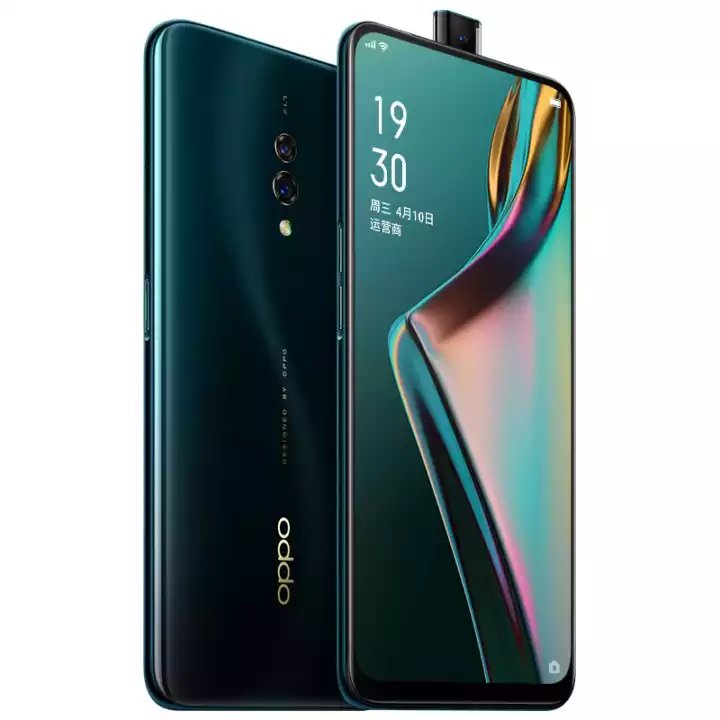
The OPPO K3 is available in two color options such as Aurora Blue and Jade Black. Here are the different variants of the smartphone along with their pricing:
6 GB RAM + 64 GB storage – Rs. 16,990 (~$246)
8 GB RAM + 128 GB storage – Rs. 19,990 (~$290)
Amazon India will be exclusively selling the OPPO K3 smartphone in India. Its first sale will begin on July 23. The introductory offers for the OPPO K3 smartphone include no cost EMi for six months, instant discount of up to Rs. 1,000 for Axis bank debit and credit card users, Amazon Pay cashback of Rs. 1,000, gift voucher worth Rs. 5,000 from Lenskart, Rs, 7,050 benefits from Reliance Jio and up to Rs. 12,000 discount on OYO.
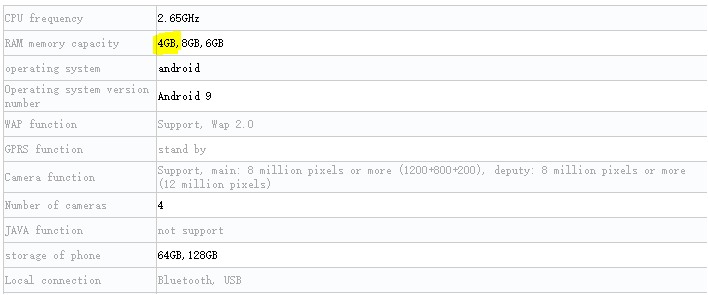
BBK subsidiary Vivo released the Vivo iQOO Neo earlier this month powered by last year’s Qualcomm flagship Snapdragon 845 chipset. The Neo has as its biggest asset the affordable pricing which it comes with coupled with a gaming-focused hardware setup. The iQOONeo was also made available in 6GB RAM and 8GB RAM variants. Looks like things are going to get even cheaper with the gaming phone soon as an iQOO Neo variant with 4GB of RAM has been certified by China’s telecoms regulatory agency TENAA.
The Vivo iQOO Neo is priced at 1,798 yuan (about $260) presently for the 6GB+64GB variant. So, we expect the 4GB RAM variant to come in at around 1,500 yuan (less than $200). Since the 6GB RAM variant is bundled with 64GB of internal storage, it is possible that we’ll be seeing 128GB storage onboard the 4GB RAM variant to even things up.
The Vivo iQOO Neo is currently only available in China but we expect the phone to be made available for the global market soon. When it does, you’ll get an affordable phone with a sturdy specs lineup.
As a reminder, the phone features 6.38-inch Full HD+ Super AMOLED display with a 19.5:9 aspect ratio and comes with the trendy in-display fingerprint scanner as well as support for face unlock feature. In the camera department, it features a triple camera setup on the back, consisting of an 8MP f/2.2 ultra-wide angle camera and it is followed by the primary 12MP f/1.79 camera and then a 2MP f/2.4 depth sensor. On the front side, housed inside the notch in the display is a 12MP camera sensor with f/2.0 aperture. Keeping the lights on is a big 4500mAh battery with Vivo’s FlashCharge 22.5W fast charging technology.
The smartphone also comes with several features such as 4D Game Shock 2.0, anti-Bluelight eye protection, touch acceleration, a dedicated game mode, DC Dimming, dark mode with support for up to 300 different apps, and a dedicated Jovi Assistant button painted orange.
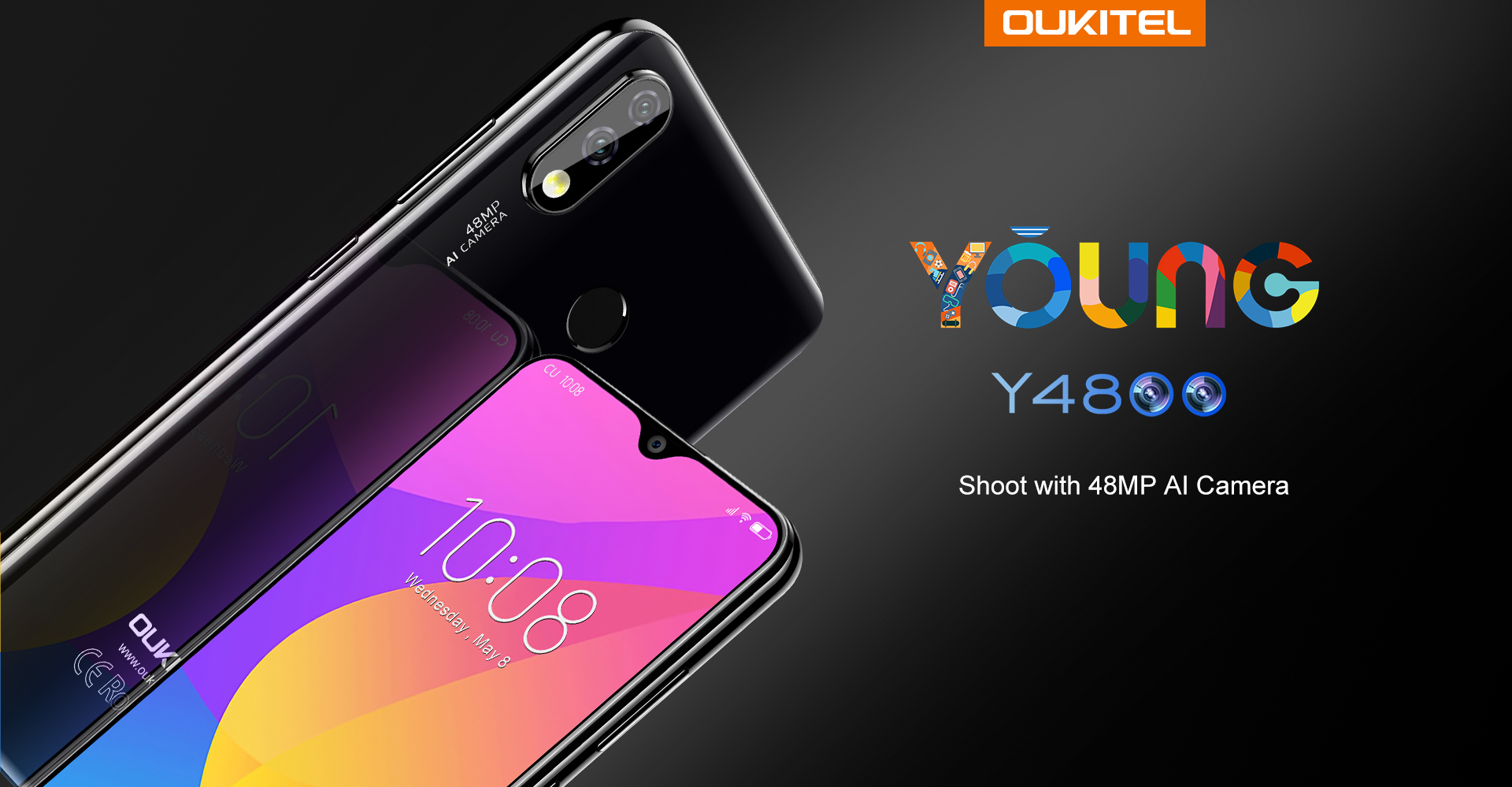
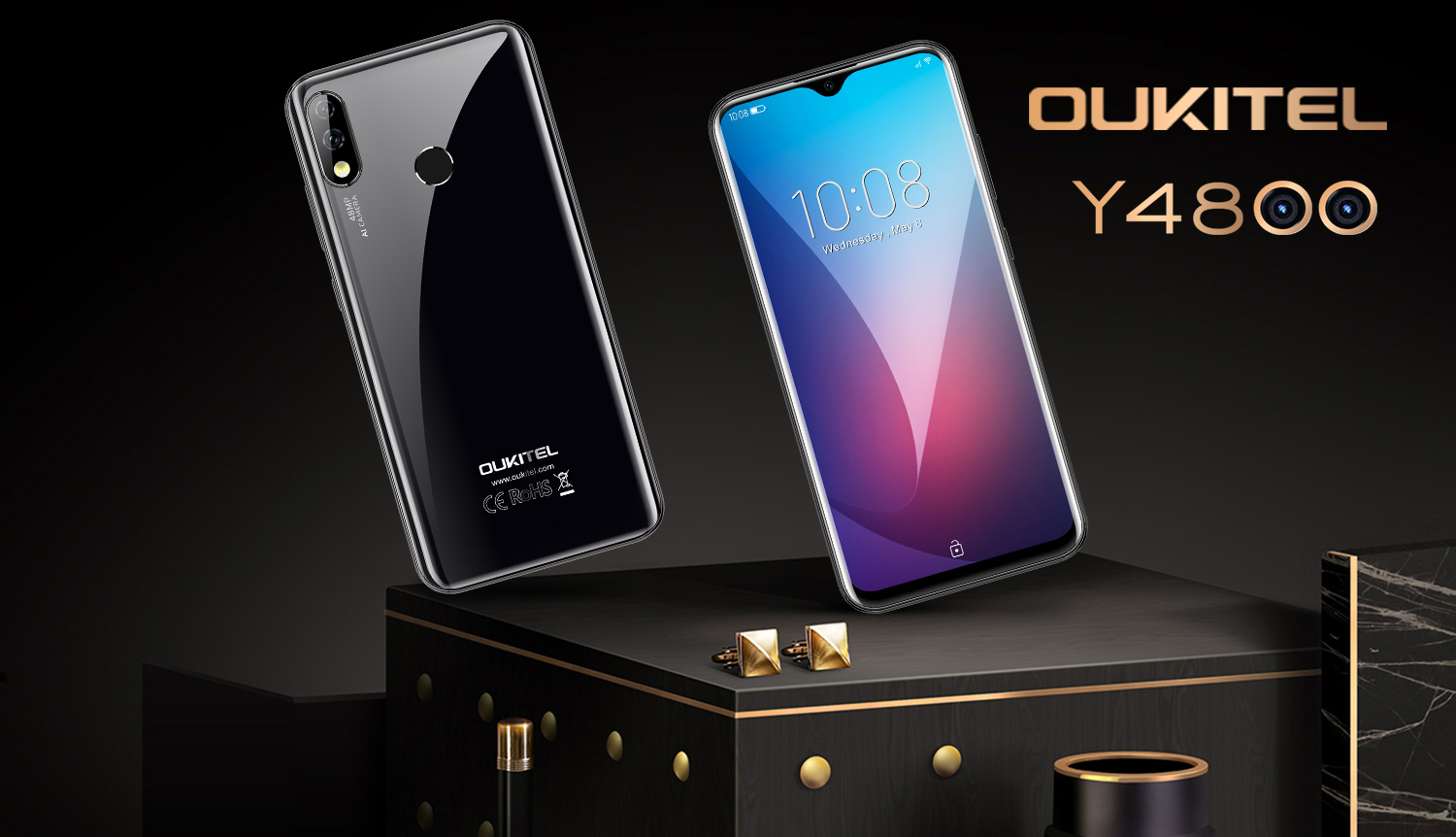
Young series is the new series of Oukitel aiming at offering energetic features like a great camera, beautiful design, and long standby battery. The first member of this series is the Oukitel Y4800 that, according to the company, is offering all of the above. The time has come for the Y4800 to go on presale so from July 22nd to July 29th you will have the chance to get it for just $199.99 along with great gifts. Let’s do a recap of what the Y4800 is all about.
48MP/5MP Camera: Flagship Shooting Experience
Keeping memories is the quintessence of a camera on your phone since it is the camera you always carry with you. And since the best camera is the one you carry with you, it better be of high quality. This is what the mid-range Oukitel Y4800 wants to bring to the category: flagship shooting experience at the price of a mid-ranger. The device comes with the hot 48MP main camera sensor as well as a 5MP auxiliary camera. The main camera uses the Samsung GM1 48MP sensor with f/1.8 aperture, 0.8µm pixel size, 1/2 inch sensor size, and 6-elements camera lens. The larger the sensor the more the light that it can absorb and that is perfect for low-light conditions.
The front camera is no slouch either as it hosts a 16MP Samsung sensor with f/2.0 aperture, 1.0µm pixel size, 1/3 inch sensor size, and 5-elements camera lens. It offers face beautify mode and group selfie mode, allowing you to record good group selfies during friends reunion.
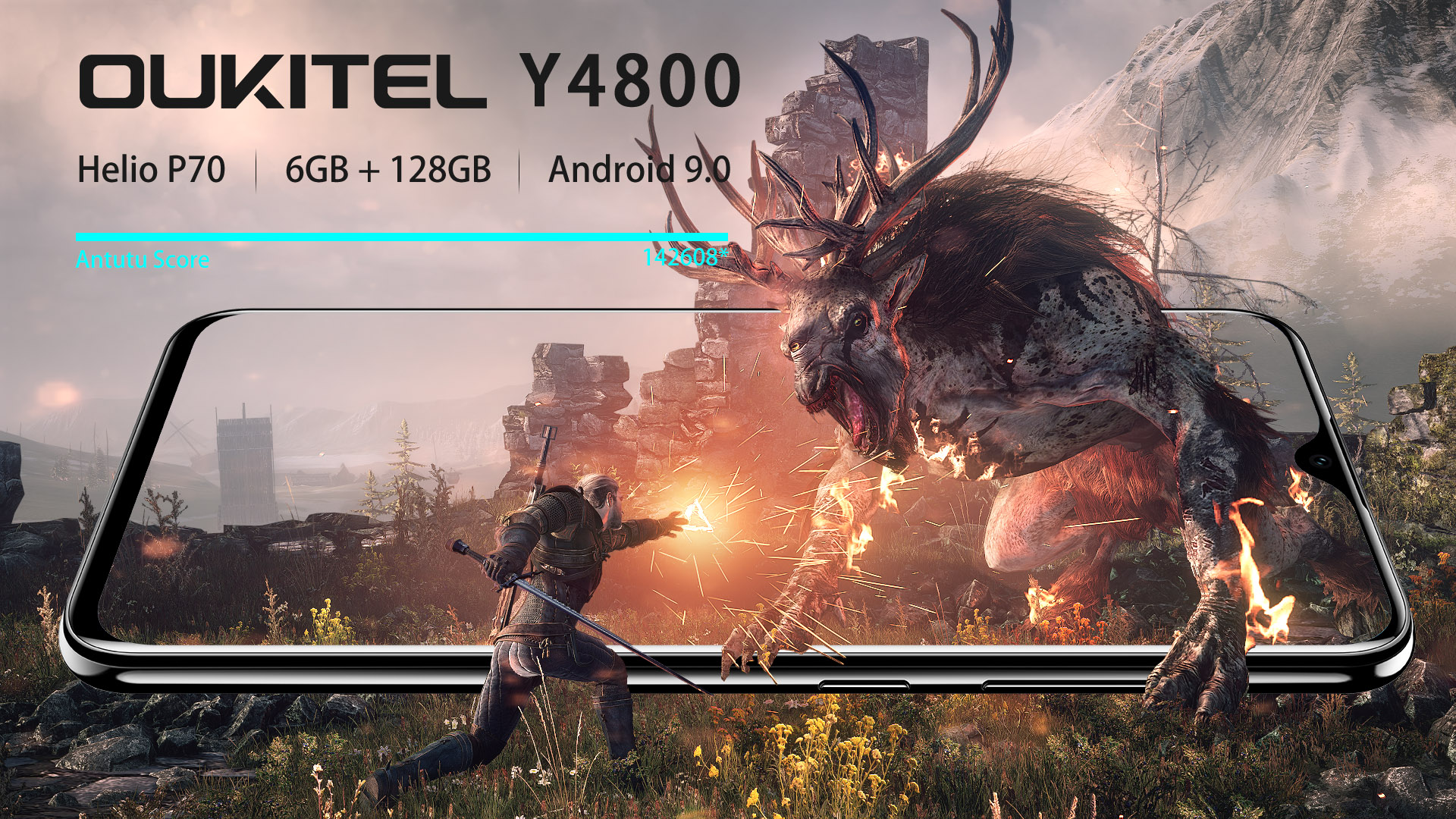
Helio P70 SoC with 6GB/128GB memory
Besides the camera, Oukitel also paid attention to the hardware used. The Y4800 sports the MediaTek Helio P70 octa-core SoC clocked at 2.0GHz backed by 6GB of RAM as well as 128GB of storage. Compared to the previous-gen SoC, the P70 offers 12% better performance, 25% reduced power consumption when playing games, resulting in better battery performance. The 4000mAh battery supports 9V/2A quick charging and is a perfect companion to the Android 9 Pie that features excellent power management. Lastly, the Y4800 support Face ID unlock even in the dark.
6.3 inch FHD+ Waterdrop Display and good hand feel
As you can see in the photos, the design is energetic and fashionable. The phone comes with an ample 6.3″ FHD+ display and 90% display transparency that allows for use even under bright sunlight. The aspect ratio is 19.5:9 and that makes the device narrow enough to handle with one hand while the Gorilla Glass 3 protects from scratches and stains. Also, despite the big battery, the phone has a quite slim profile at 8.25mm and the back cover adopts PC composite board material, that results in the impressive visual effect and pleasant touch feel.
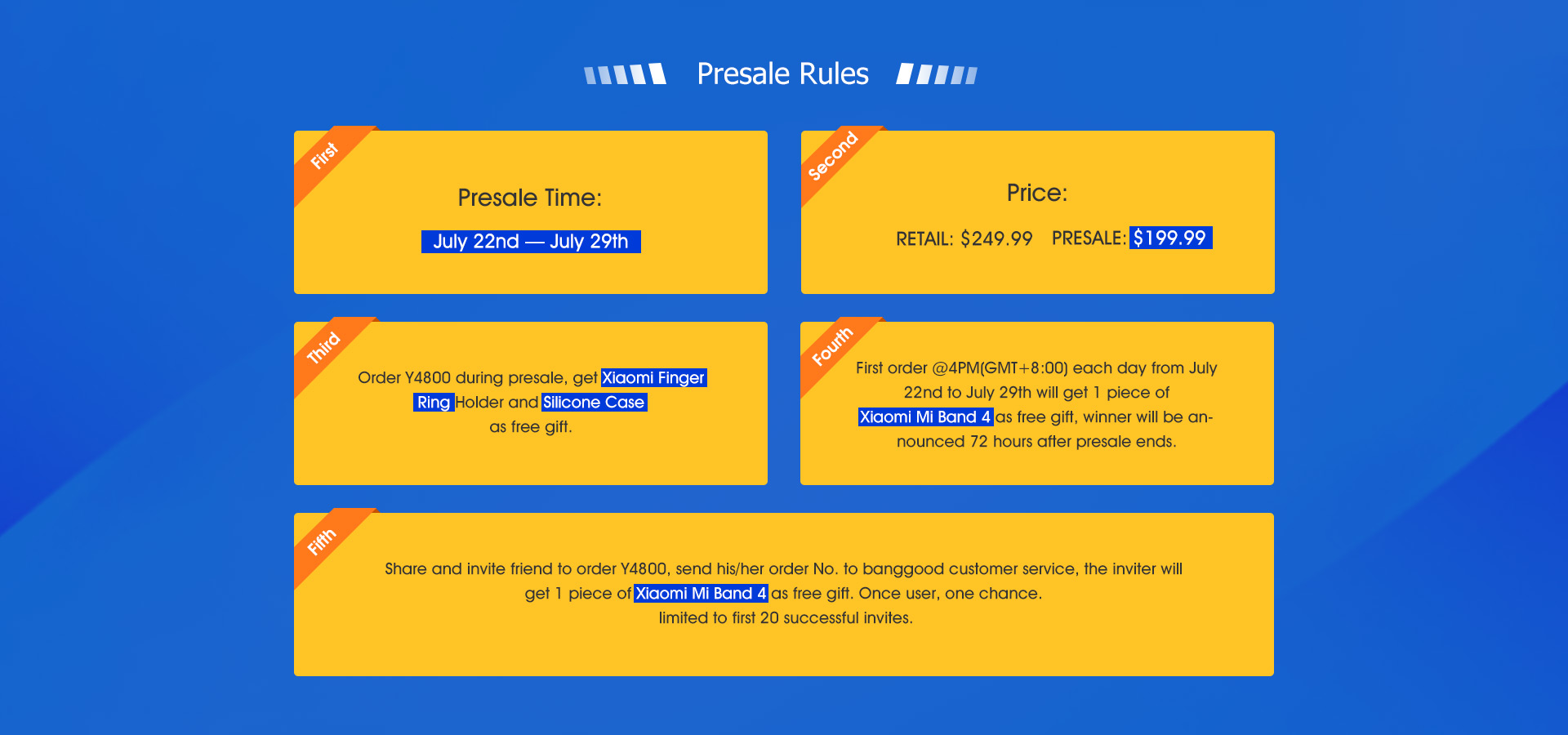
To hold the presale, Oukitel is cooperating with Banggood where you can make your order from July 22nd to 29th. The official retail price is $249.99 but during that week, you will get it with $50 off discount at $199.99. What’s more, you can get a free Xiaomi finger ring holder and silicone case as a free gift, and each day on 4 PM, the first order will get a Xiaomi Mi Band 4 as a free gift. Also, if you invite your friend or family to order Y4800 successfully, you can send their order number to Banggood customer service and the first 20 successful inviters will also get a free Xiaomi Mi Band 4. For more details on the activity, visit the promotion page.
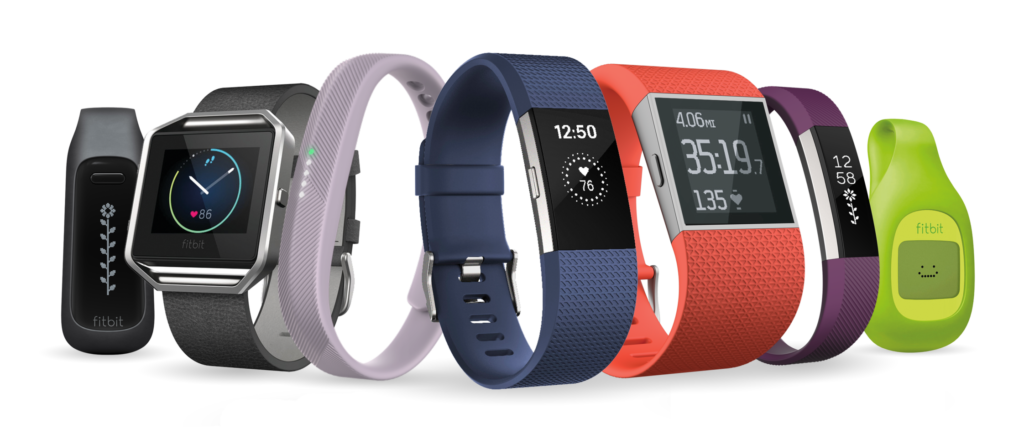
Data security has been a burning topic in recent times especially as the industry begins to migrate to 5G connectivity technology. Recently, researchers from Boston University (BU) detected a vulnerability in several high-profile Bluetooth devices. The vulnerability could allow third-parties to determine your location and other sensitive information. The fear is that this could be exploited by persons with sinister intentions to extract information that could be used for stalking or abuse. With Bluetooth devices almost everywhere, this finding should be of concern to you.
The susceptibility has to do with the way Bluetooth-enabled gadgets pair with one another. one device serves as the central connection and the other plays a peripheral role. The peripheral device sends out a signal that contains a unique address — similar to an IP address — and data about the connection. Most devices produce a randomized address which automatically reconfigures periodically. That’s meant to protect users’ privacy, but the BU researchers found that, using an open-source “sniffer” algorithm, they could identify Bluetooth connections even when their addresses changed.
Despite being susceptible to attack, individual information is not revealed. However, that lacuna could be used to follow Bluetooth gadgets and their clients. Android may get a go here. The scientists state Android gadgets don’t have all the earmarks of being defenceless, however, Windows 10 and iOS gadgets can be followed.
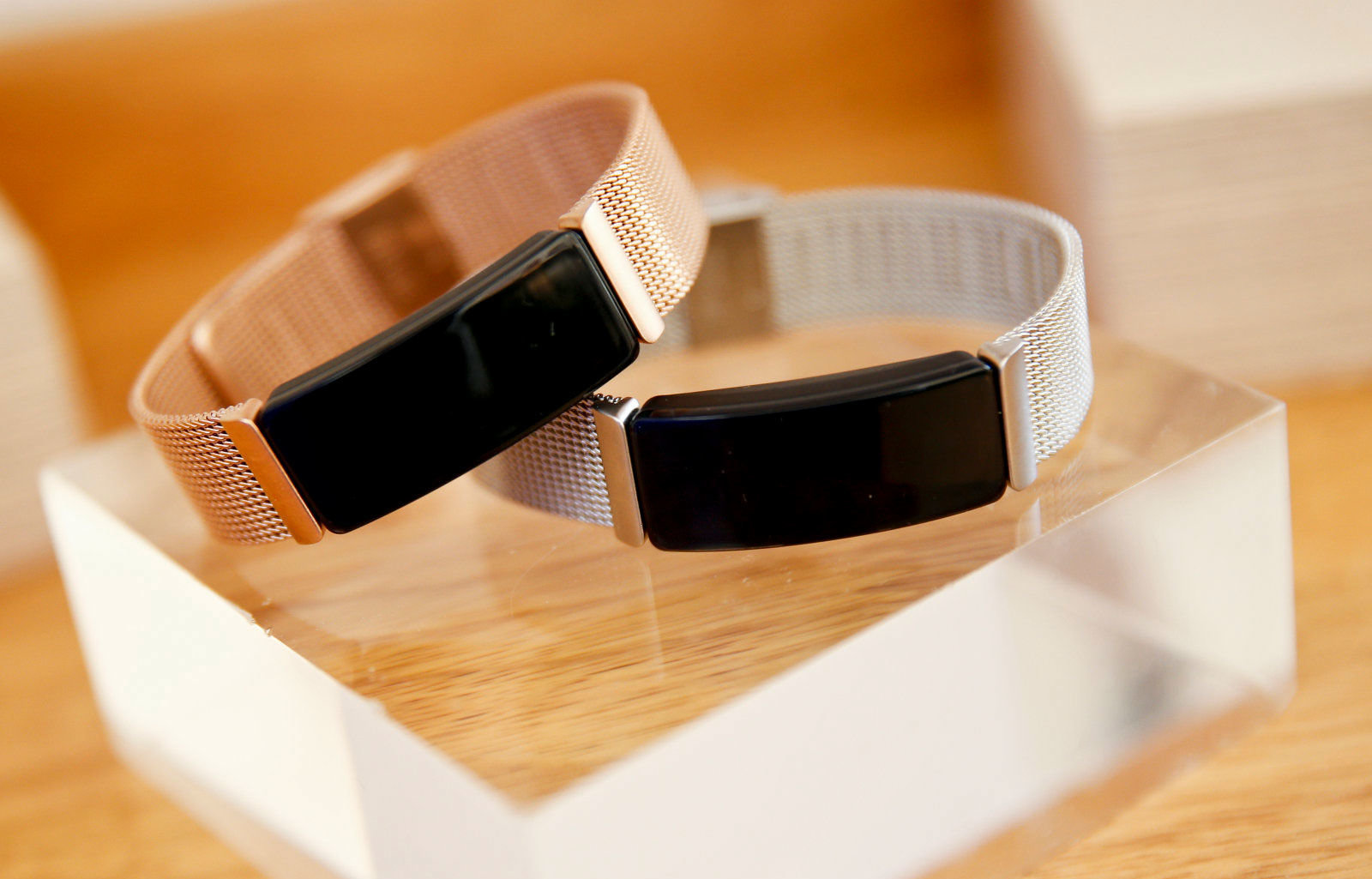
Of particular concern is Fitbit users’ vulnerability clients which are said to be the worst. According to the researchers, Fitbits don’t automatically update or randomize their addresses, making them even easier to track. However, a Fitbit spokesperson has responded to an inquiry about this by Engadget. He stated: “As the leader in connected health and fitness category, Fitbit is committed to protecting consumer privacy and keeping data safe. The trust of our customers is paramount and we carefully design security measures for new products, continuously monitor for new threats, and rapidly respond to identified issues.”
The company also said that Fitbit devices aren’t able to share personally identifiable information for any users and that it believes it would be extremely difficult to actually stalk someone using this method. “Bluetooth Low Energy (BLE) technology is widespread and allows all types of devices to connect easily without draining battery power. It’s important to note that this technology can only be used to confirm that an active tracker is nearby. No personally identifiable information is shared or accessible. It’s highly unlikely that someone could stumble across a particular device, know who it belongs to, and track the device’s movement,” the company’s statement says. Nevertheless, the company is also monitoring the situation carefully.
Japan recently removed South Korea from a White List of countries that were granted expedited export procedures. The move meant that companies exporting raw materials critical for semiconductor manufacture to South Korea would now have to wait for 90 days before their exports are cleared. The negative development is said to have affected Samsung‘s Galaxy Note 10 release but apparently, the company is taking measures to ensure there is no shortage of raw materials for future productions.
Reports from South Korea indicate that the tech giant has given suppliers for SET products such as home appliances and smartphones the go-ahead to secure an inventory of Japanese materials and components. The inventory will be stockpiled at Samsung’s expense, a formal letter the company reportedly sent out to manufacturers stated. The letter is said to have requested the suppliers to stockpile at least 90 days’ worth of parts and materials by August 15 at the latest. The letter also added that Samsung will shoulder all incurred and future costs.
The move is seen by market watchers as part of efforts by the global tech leader to placate the effect of a prolonged trade war between South Korea and Japan. “The Japanese government’s export restrictions on semiconductor materials may be widened,” said the letter, indicating there are concerns of the possibility of the trade war escalating.
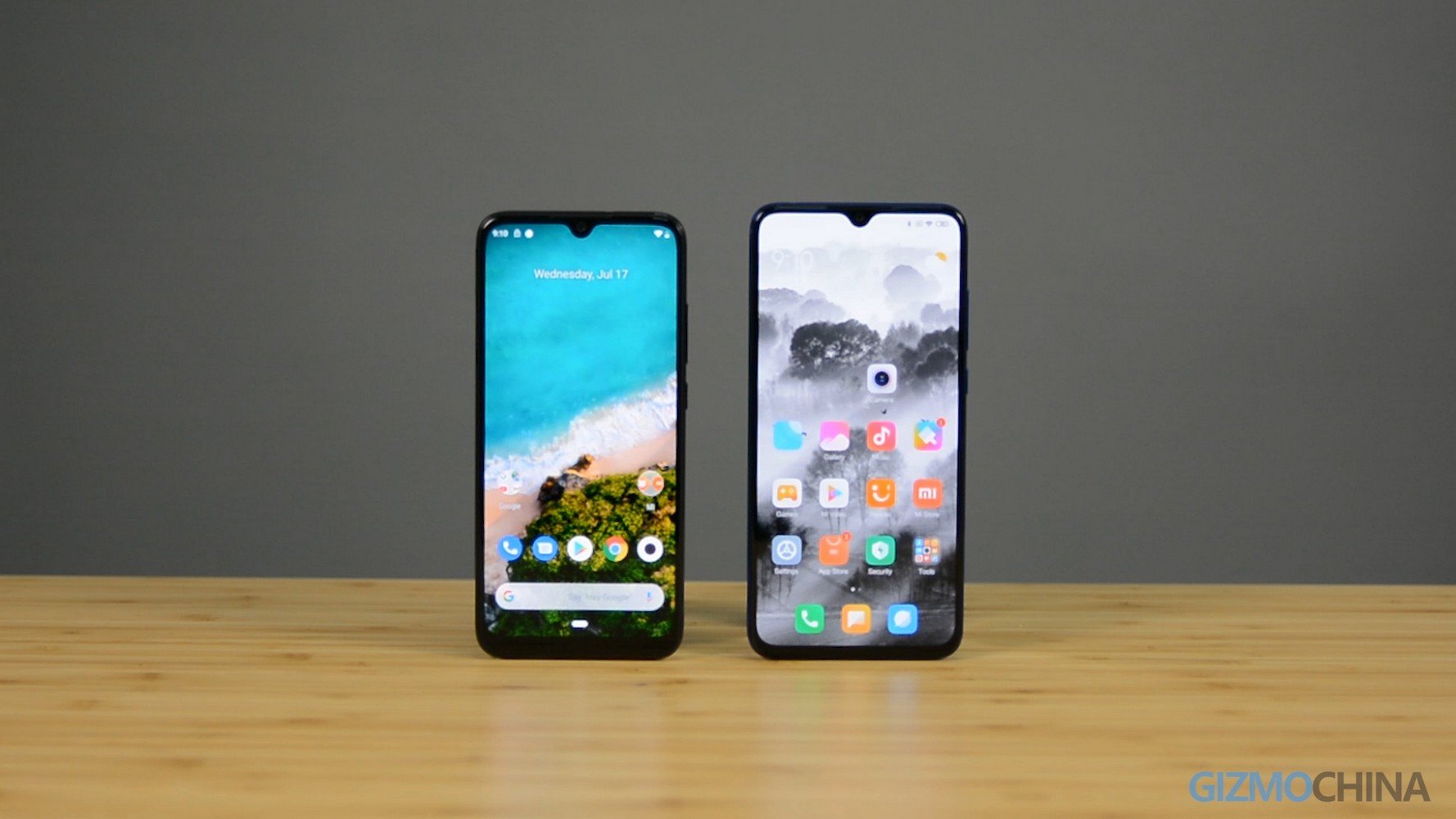
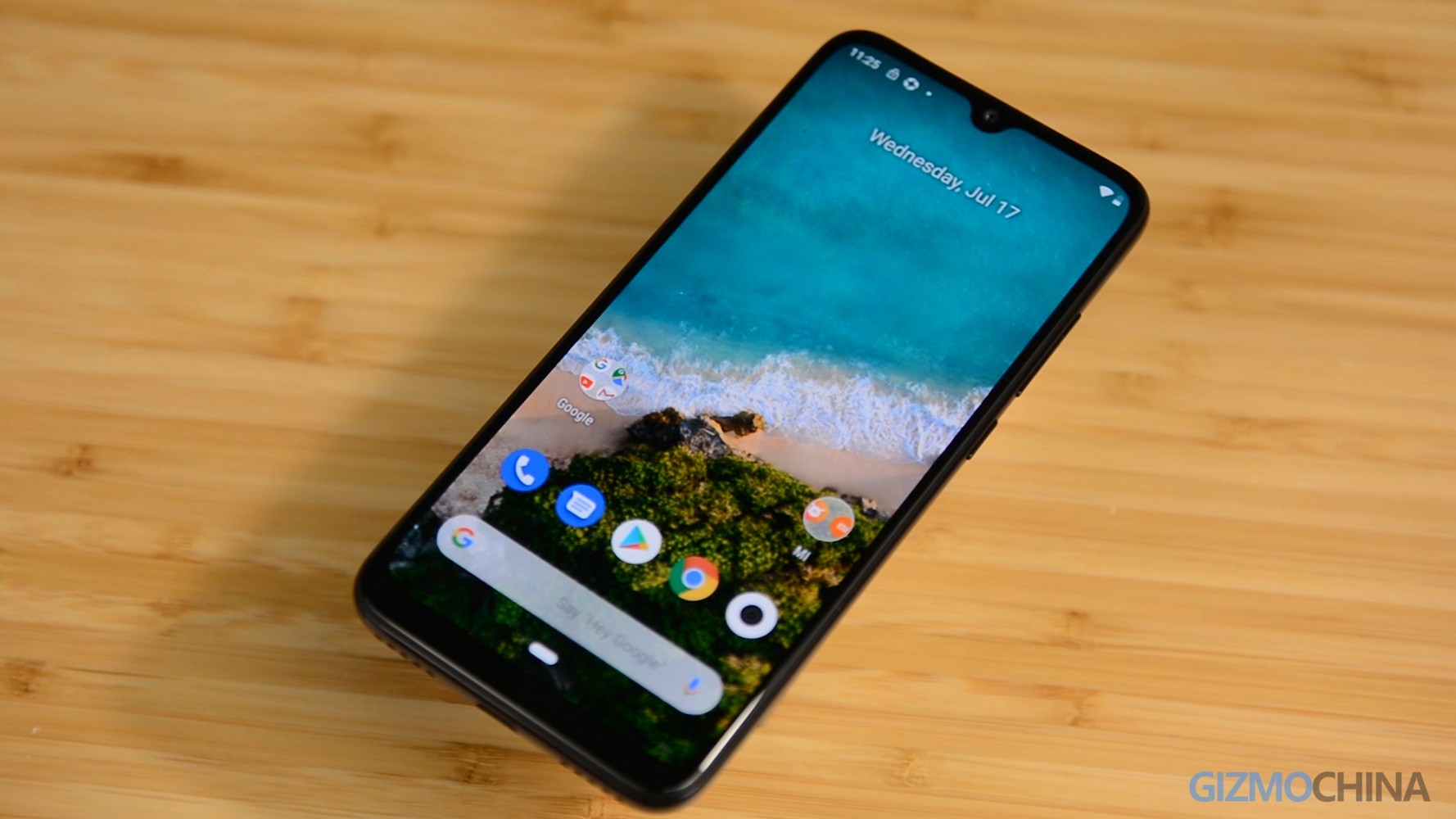
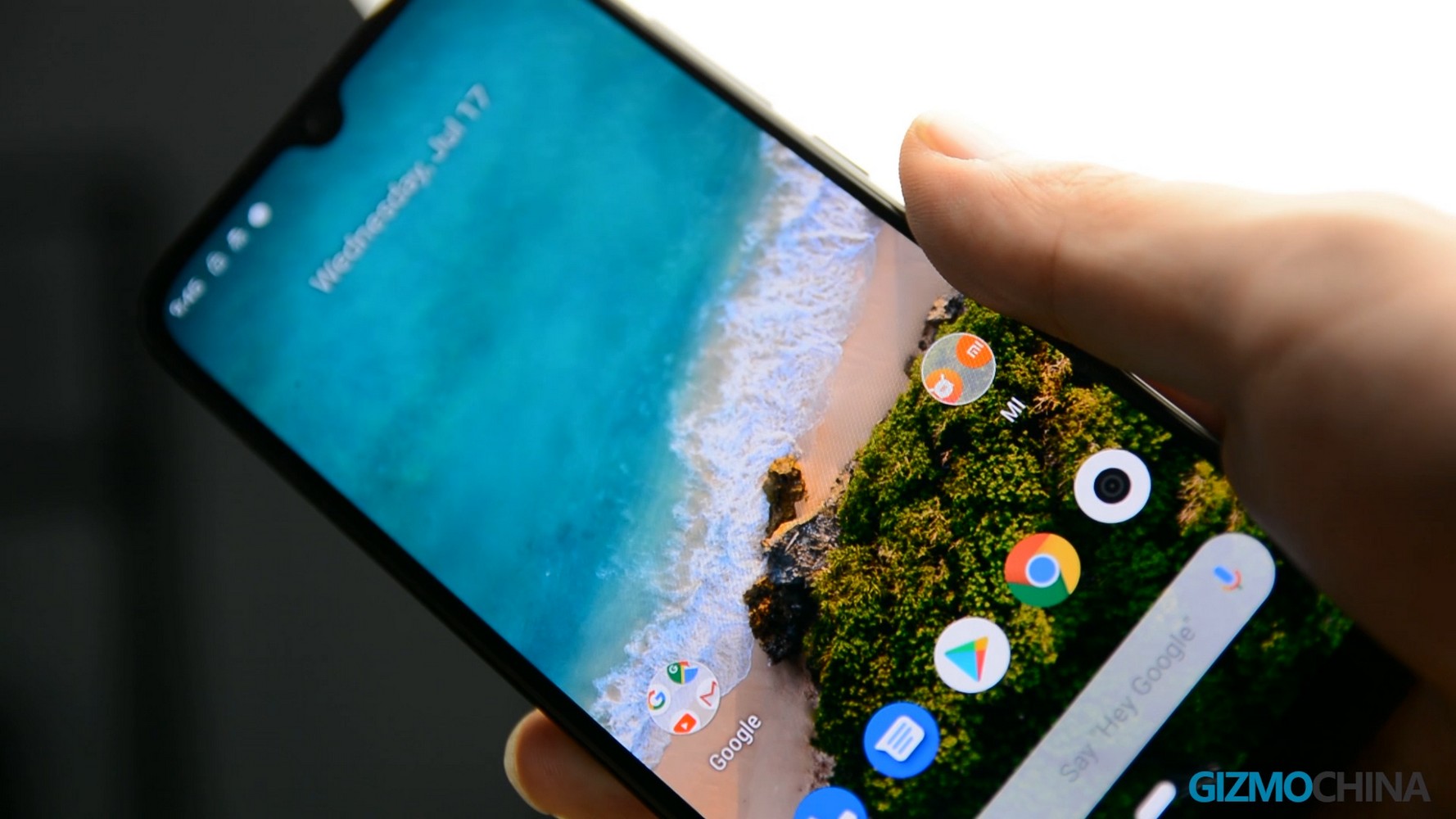
Xiaomi has built a good reputation in global budget phone market largely due to the success of the series A. The latest model of series A, Xiaomi Mi A3, was officially announced on July 17 in Europe for a starting price of 249 euros. However, for those who are familiar with Xiaomi latest products, it is not exactly a new model. The specs of Xiaomi Mi A3 is completely the same as the Xiaomi CC9e, which was released this month earlier. For software setups, the Xiaomi A3 runs the Android One, while the Xiaomi CC9e runs the MIUI. Due to different regional marketing, the twins have diverse missions. The CC9e is targeting the young who especially require high camera performance but with a budget price. The A3 more shoulders the mission to continue the global success of the A series in the budget segment.
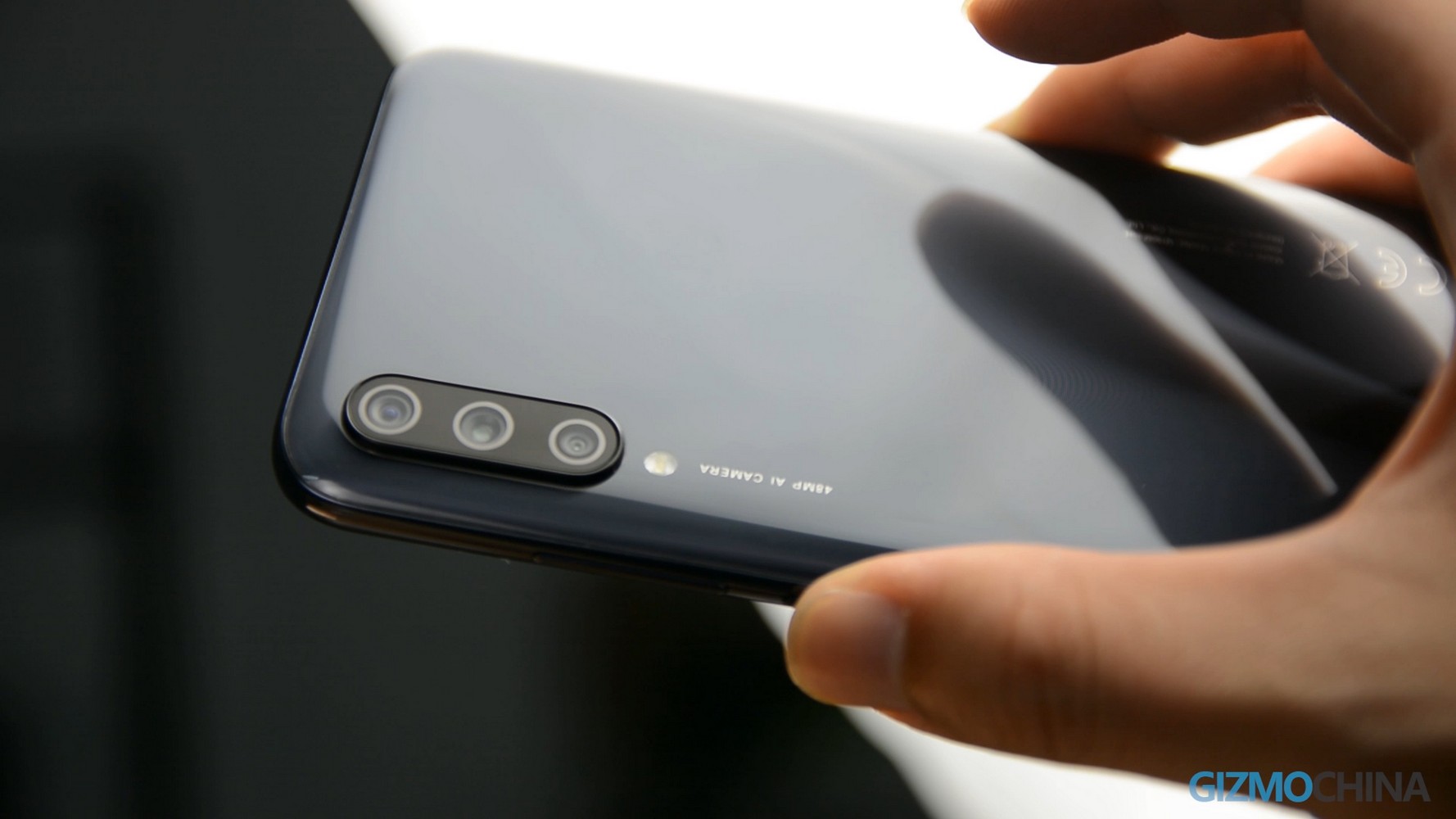
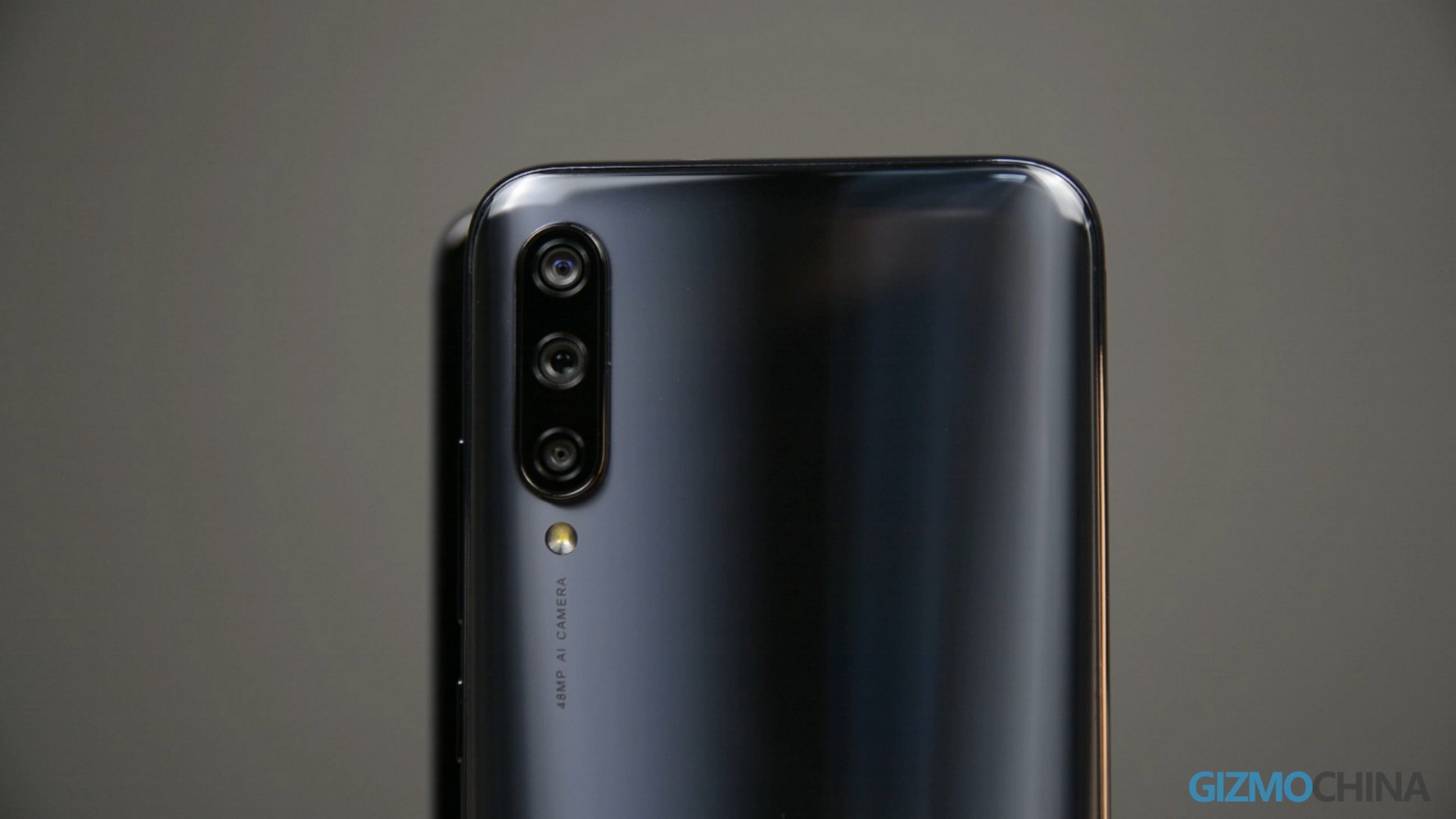
The Xiaomi A3 is a Mi9-appearance smartphone featuring the Snapdragon 665 processor, 48MP triple rear cameras, 32MP front camera, and a large 4030mAh battery. The great camera performance is the main highlight, which is never seen on other budget models. And it’s also the first model of A series to have an in-screen fingerprint sensor. The 720P display could be the most disappointing department. So will it please the consumers with outstanding pros and cons?
The CC9e and A3 is the simplified version of the CC9, reserving the same triple cameras and front camera. As for the global CC9, Xiaomi probably renames it as the Xiaomi A3 Pro. So, if you are more interested in the Xiaomi CC9 or the A3 Pro, please check our review video last week.
Appearance
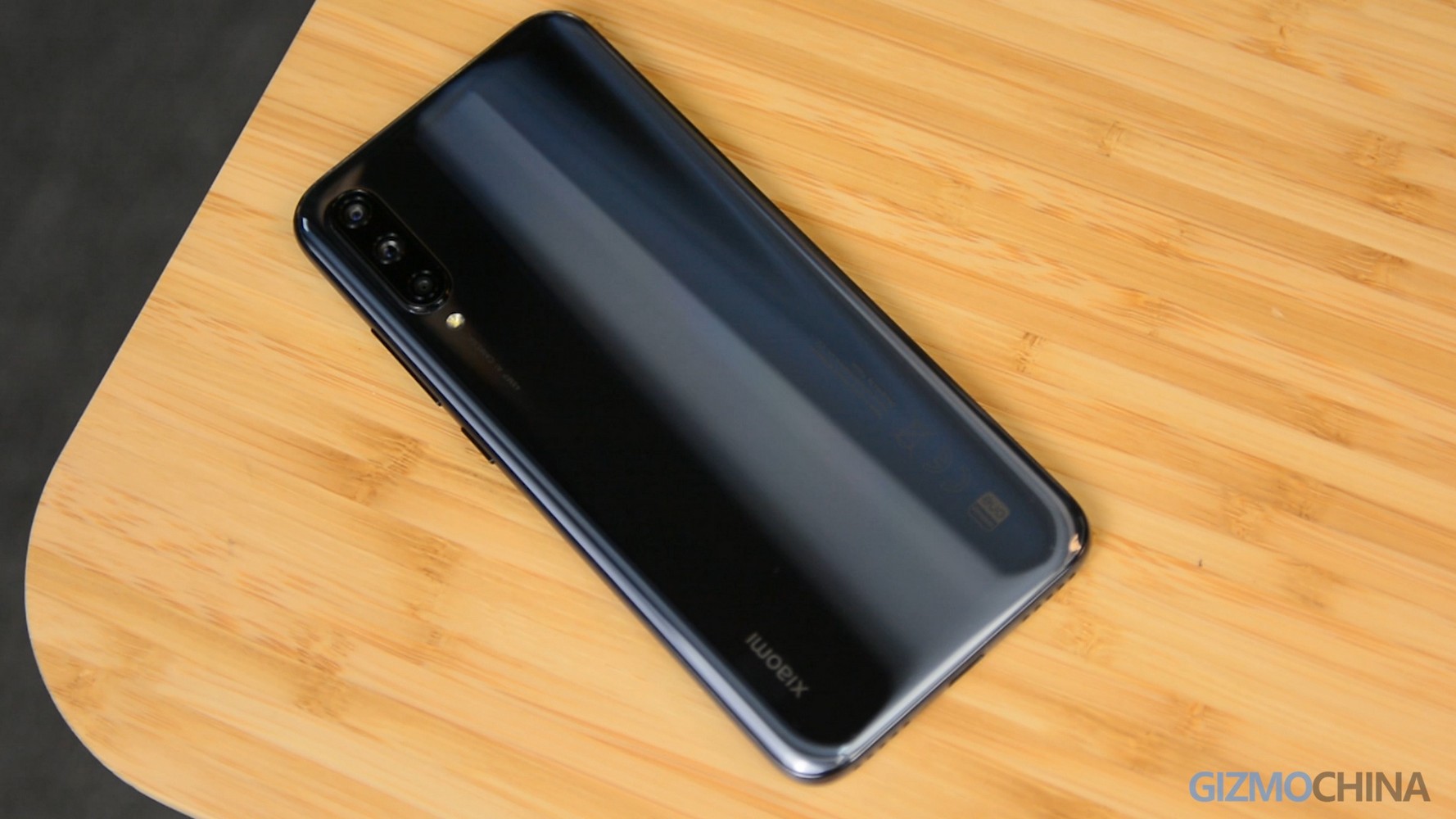
The appearance is nothing surprising as we learned that it continues the Mi9-design and CC9-design. So, we briefly compare the main details between the Xiaomi A3 and CC9:
The same color options as the CC9, White Lover, Blue Planet, Dark prince.
The same rear setups: Triple cameras are at the upper left, and the Xiaomi test logo is aligned vertically down the cameras.
A waterdrop notch with the same 32MP selfie camera.
Size is smaller than the CC9e due to the smaller display size, 6.08-inch 720p AMOLED display.
It feels a bit thinner and lighter, weighs 173g. The phone size provides a good handling experience.
Unfortunately, due to the budget pricing, A3 has a 6mm chin down the display, which is almost the most distinct change of the appearance here.
In the budget market, it’s pretty rare to have such back design, coming from the unique rear color technique and all-curved rear glass. And you don’t need to worry the glass durability because Xiaomi still uses the Corning Gorilla Glass 5 on the Xiaomi A3. The large 4030mAh battery is reserved in the A3, although it is thinner than the CC9. Considering its pricing as a budget phone, it’s definitely a surprise. The Xiaomi A3 supports both face unlock and in-screen fingerprint unlock. Though it’s not as fast as Xiaomi CC9, it won’t take you more than 1 second.
Cameras
Rear triple cameras
Another outstanding point is the camera, no matter the front or the rear combination. Yes, It does mean that you can have a flagship-level photography experience on a budget phone. As far as the cameras are concerned, the Xiaomi Mi A3 on the rear packs a SONY 48-megapixel primary camera with an f/1.79 aperture; a second 8-megapixel camera with an f/2.2 aperture and a third 2-megapixel camera with an f/2.4 aperture. It sports a 32-megapixel camera on the front for selfies, with an f/2.0 aperture. The camera combination here is the same as the Xiaomi CC9 has. The primary camera is the SONY IMX586 camera, which also can be found on Mi9 and OnePlus 7 Pro. The bad message is that all the cameras lack OIS, so it might not able to perform the stabilization as well as those flagships, can do.
1 of 5
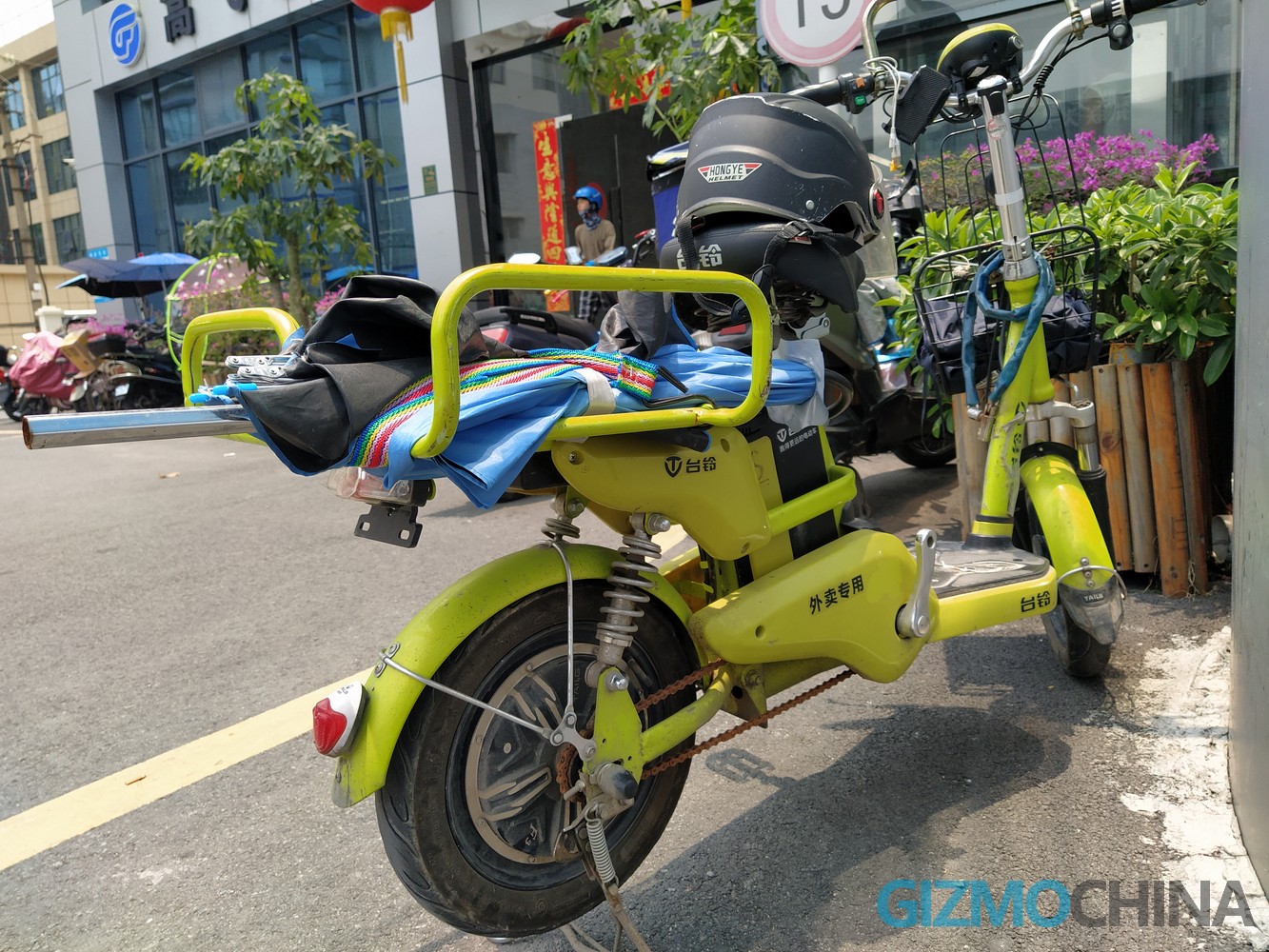
The 48MP primary camera ensures that the image reaches much detail so that you can have your second creation by cutting the image. Under low light conditions, It supports a ‘4 in 1’ big-pixel feature to help you shoot brighter photos with better detail. Under bright conditions, the Xiaomi A3 performs great with natural color reproduction and fine contrast. Its fast imaging speed is also impressive, which is useful to capture fleeting moments. Even in backlight environment, the Xiaomi A3 can also guarantee the imaging quality with a balanced exposure.
48MP (compressed)
normal-angle
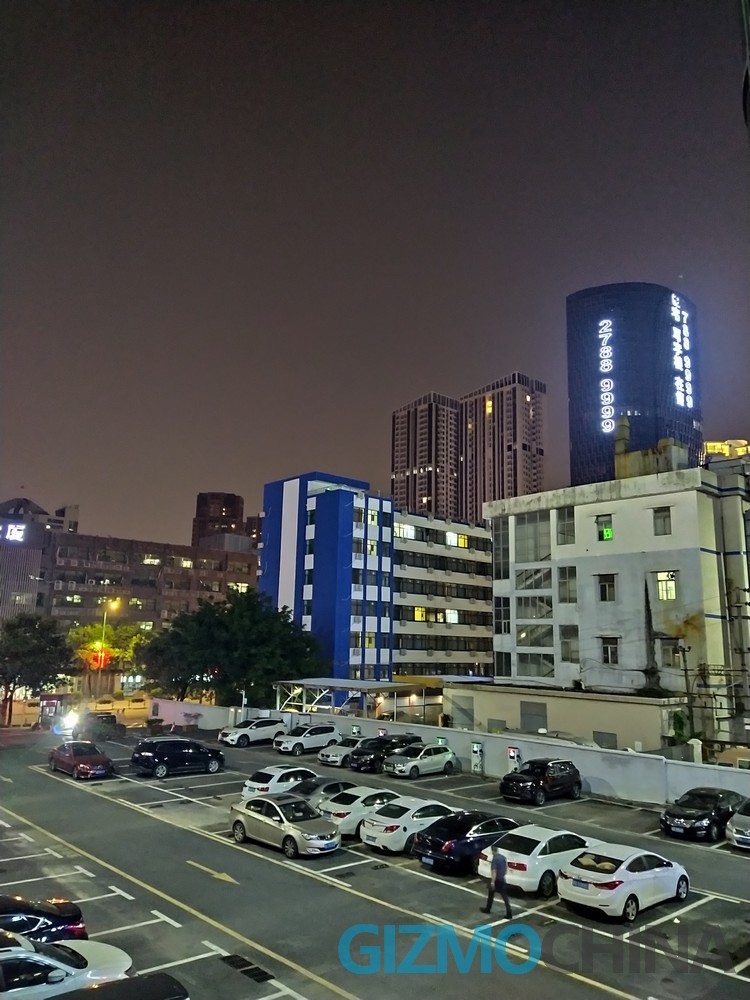
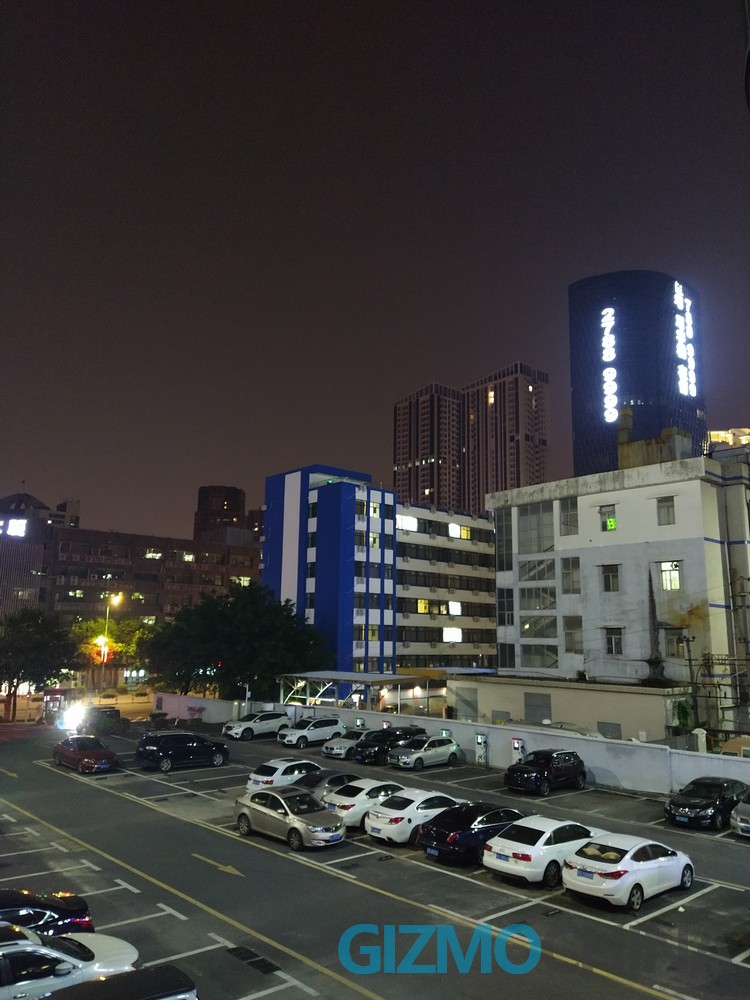
The night mode on A3 probably is the highlight of the camera performance. The general brightness got improved significantly and a balanced exposure shows better detail of both bright parts and dark parts. The dark sky has better brightness and more detail, while the bright text on the building is much clearer with correct exposure.
Night mode ON
Night mode Off
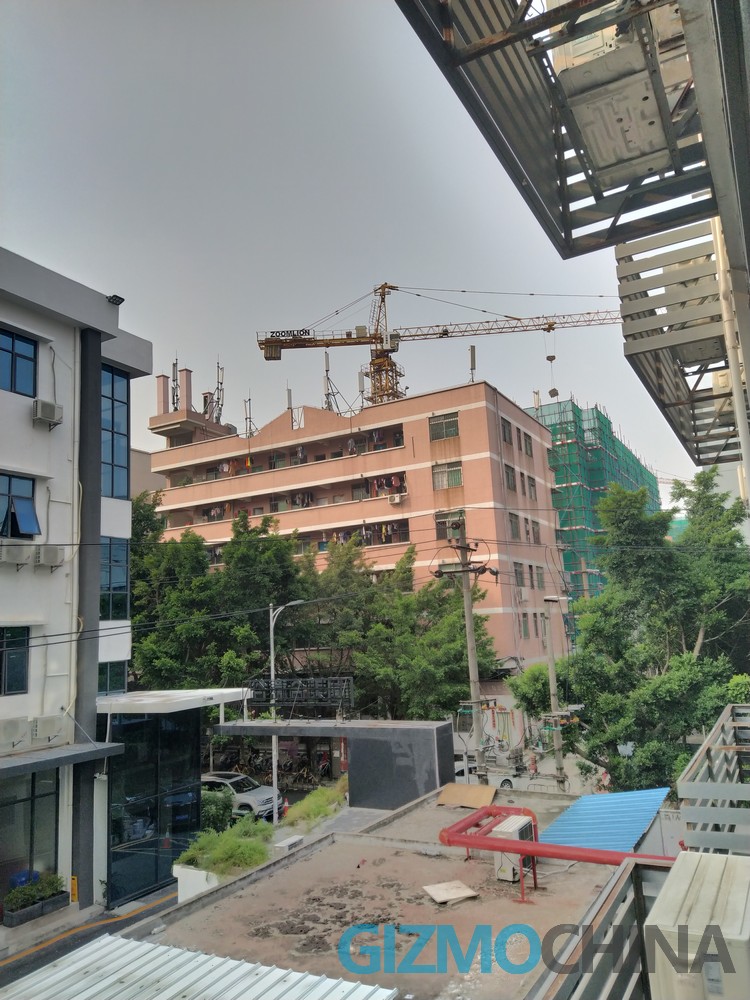
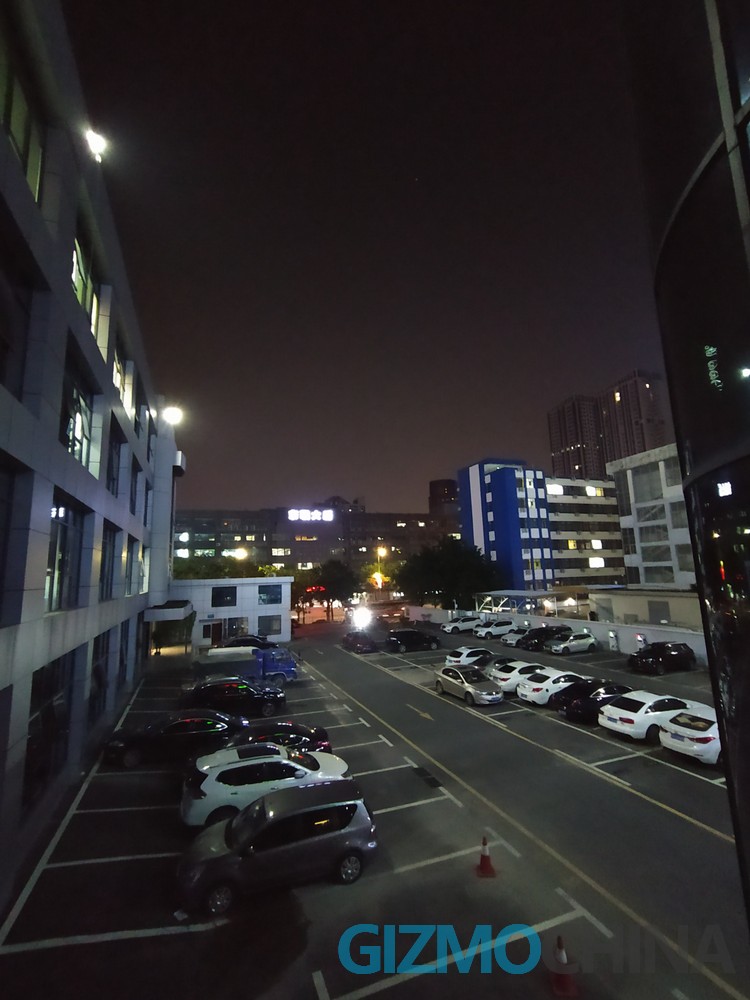
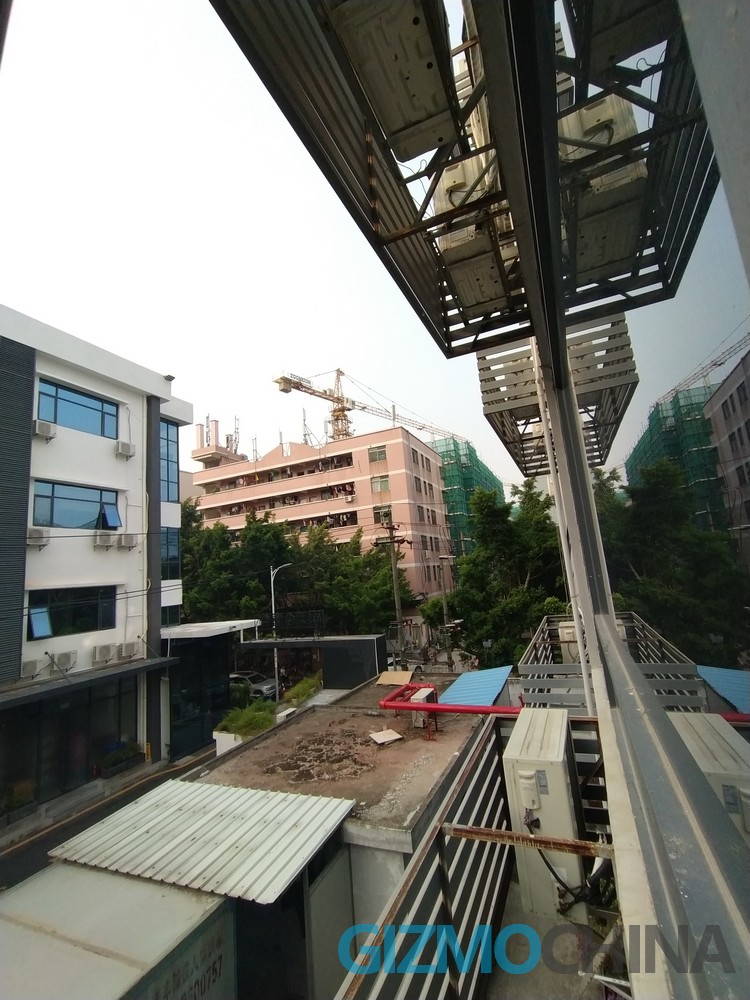
For the second wide-angle camera, it performs better when shooting landscape with bright conditions. The image has a good distortion correction and a strong visual sense. When we bring the wide-angle camera to low-light conditions, it got the same problem with the Xiaomi CC9, such as detail losing and shadow blurring. The third 2MP camera mainly does the depth calculation for portrait mode. With its work, we can have a natural background blurring and relatively correct edge detection for still life photography.
1 of 3
Wide-angle photo-night
Wide-angle photo
normal-angle
Front camera
The 32MP selfie camera is another selling point of the A3. Our colleague Nadine took self-portraits and compared it with the samples of the Xiaomi CC9. She found that due to the diverse camera Apps, those additional beauty features in CC9 disappeared in the A3. The natural tone of her skin and good texture does please her especially when she zooms in to look at the facial detail. And she said that after trying it at different scenes, the A3 camera recognizes her face well no matter under what kind of extreme lighting conditions.
As Nadine mentioned, it runs a basic camera App but not the Xiaomi camera App. We have no additional camera features like Mimoji, and post-editing features as well on the Xiaomi A3, while these features are found in the Chinese version, Xiaomi CC9e. We believe that such kind of additional features can make phone photography more interesting for users.
1 of 3
The main difference between the CC9e and A3 is their operating system. The Xiaomi A3 runs the latest Android One, while the CC9 runs MIUI. Android One is one of the best android original systems. It has proved its good performance on mid-range phones. No exception on the Xiaomi A3. It reaches a good fluency but laggy a bit when running most Android apps, and includes all the Google services and tools as well. And unlike the MIUI, it doesn’t require users to pay much learning cost. While the MIUI has a Chinese-language-based voice assistant, the Android One gives you a much universal one, the google assistant. So, it’s probably one important reason why you want to have a Xiaomi A3.
Drawbacks: Display
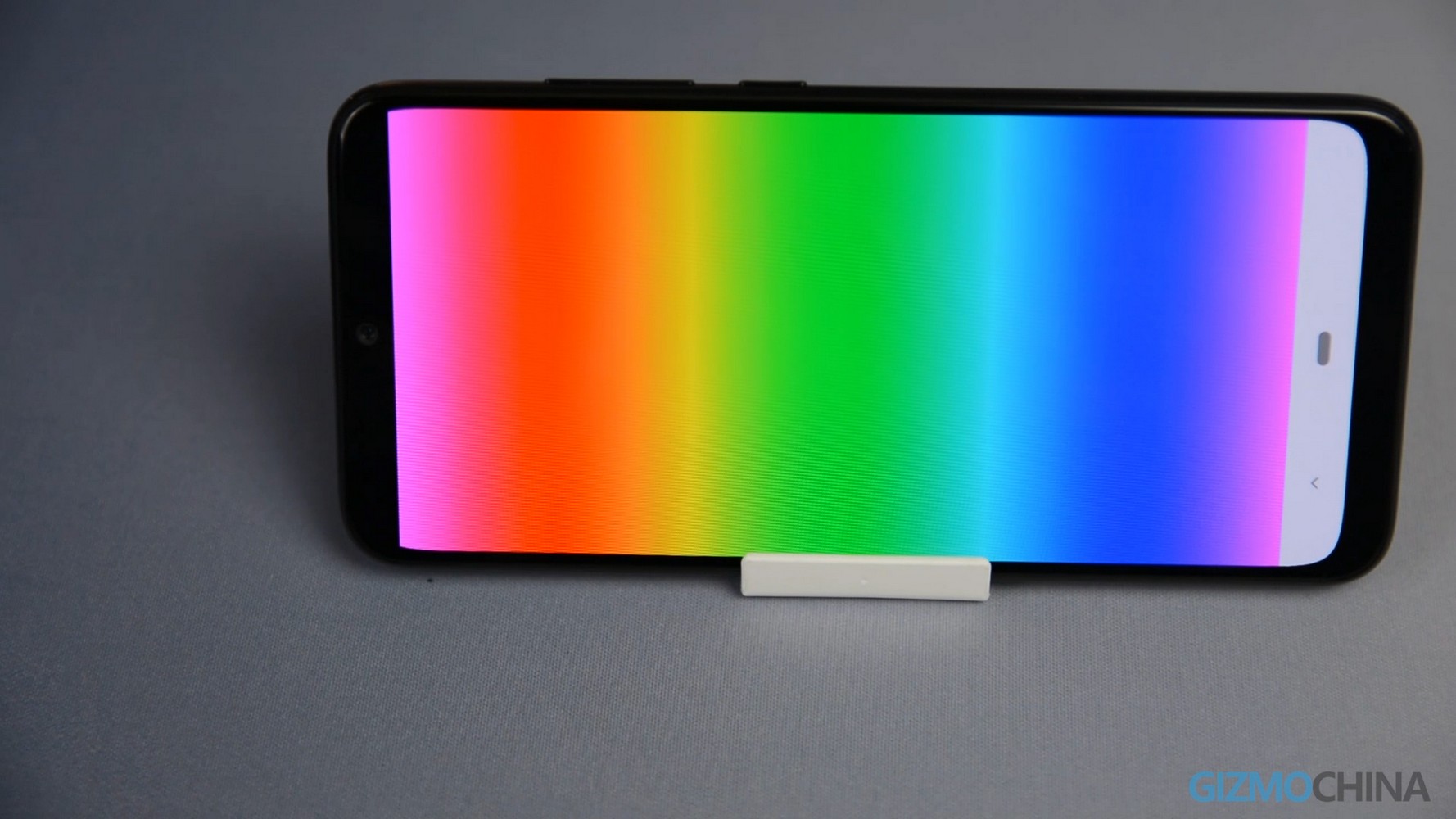
Xiaomi A3 features a 6.08-inch Super AMOLED 720 x 1560p display up front with a waterdrop notch. this 720p display definitely can be the biggest reason for you to give it up. When looking at it, the grainy experience does not please me at all. So, compared to those 1080p displays, there is nothing to praise. But due to the brand SAMSUNG of this 720p display, the A3 display still has a good display effect compared with most 720p displays. But sorry to tell you again, it’s just a 720p display.
1 of 2
Processor & performance
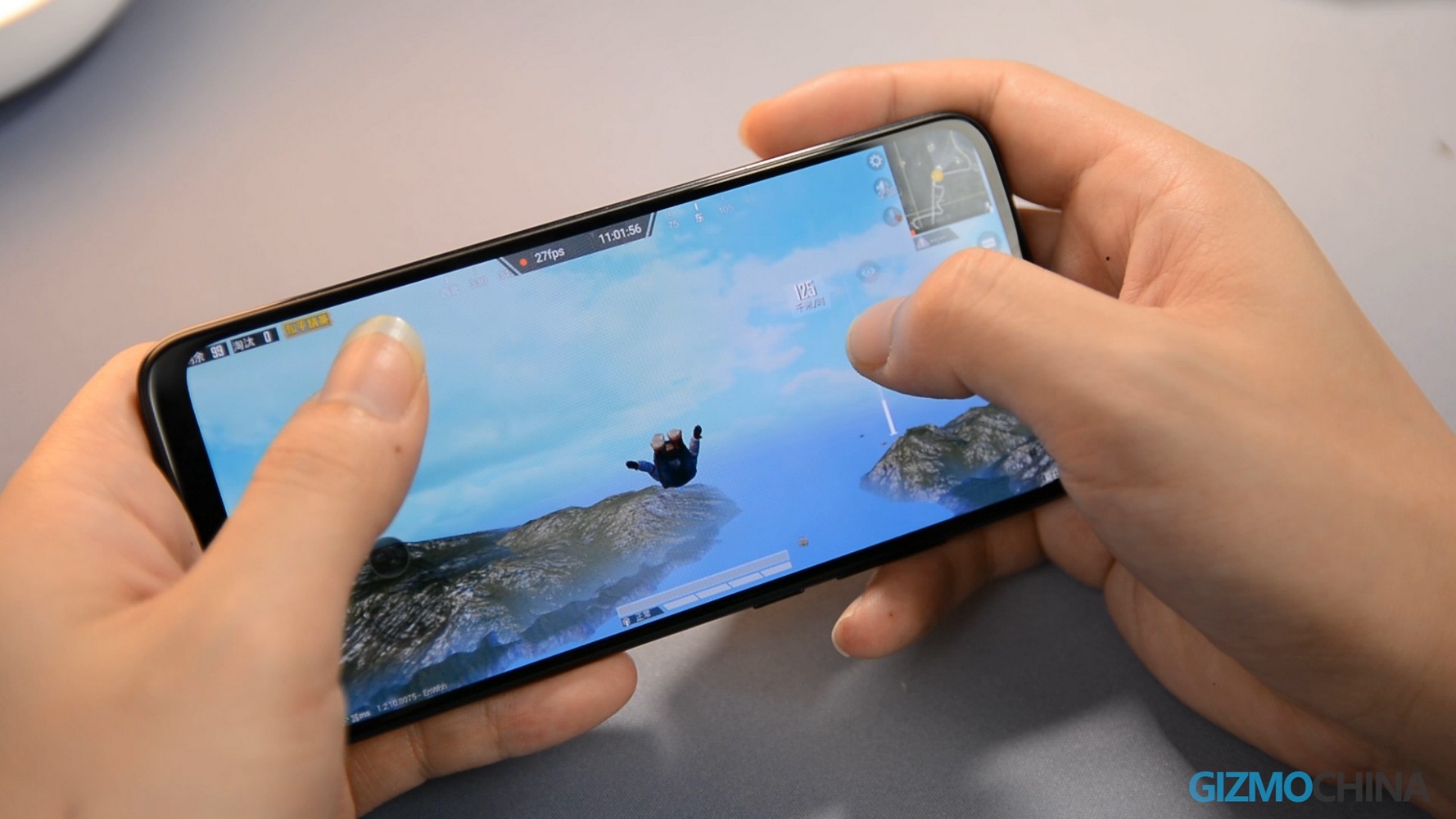
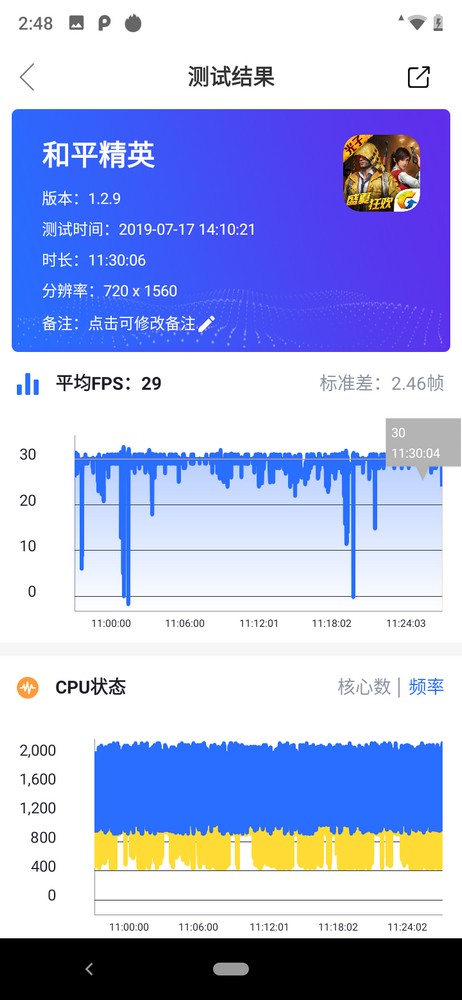
Another drawback of the Xiaomi A3 is the processor. The A3 is powered by a 2GHz Snapdragon 665 processor. And according to our sources, it comes with two memory versions, 4GB RAM 64GB ROM, and 6GB RAM 128GB ROM. The model in our hands is the 4GB RAM version. Unlike the Chinese version Xiaomi CC9e, Xiaomi A3 lacks a ‘Game Turbo’ feature which can slightly optimize the gaming performance. In our 30-min gaming test with PUBG Mobile, the frame rate reached 29fps when playing under mid-graphic settings. But it also got frequent fluctuation during the test. So it won’t be a great experience when playing the PUBG Mobile on the Xiaomi A3. Though it may be the same result when playing other games requiring fast response and fluent graphics, the A3 can still run most mobile games without problems.
1 of 2
Avg. 29fps
Battery & charging
As we mentioned, because the Xiaomi CC9 has a big battery capacity and a 720p display, you don’t need to worry about the power durability. But it doesn’t support any fast-charging solution. Using the included 10W charger, it takes more than 2 hours to get full-charged.
Conclusion
In conclusion, I would say that it’s definitely one of the best choices in the real budget market. It has pretty fast in-screen fingerprint unlock, triple rear cameras and 32MP front camera and so on. It’s no doubt that it is going to refresh the budget market and how producers making low-price models. But, at the same time, the 720P display could be so disappointing that it makes a hash of the good reputation of the A-series. Anyway, it is undeniable that the Xiaomi A3 is going to be a powerful challenger for the title of 2019 best budget phone.
China-based smartphone maker Xiaomi recently launched the Mi A3 Android One smartphone in Spain and will soon be made available in other regions. However, just days after its launch, the company has shared a disassembly video of the Mi A3.
The process is quite simple — remove the hybrid SIM card tray and once you open the back panel, all you need is a screwdriver to go all the way. The video shared by the company focuses on the camera — which is the highlight of the device.
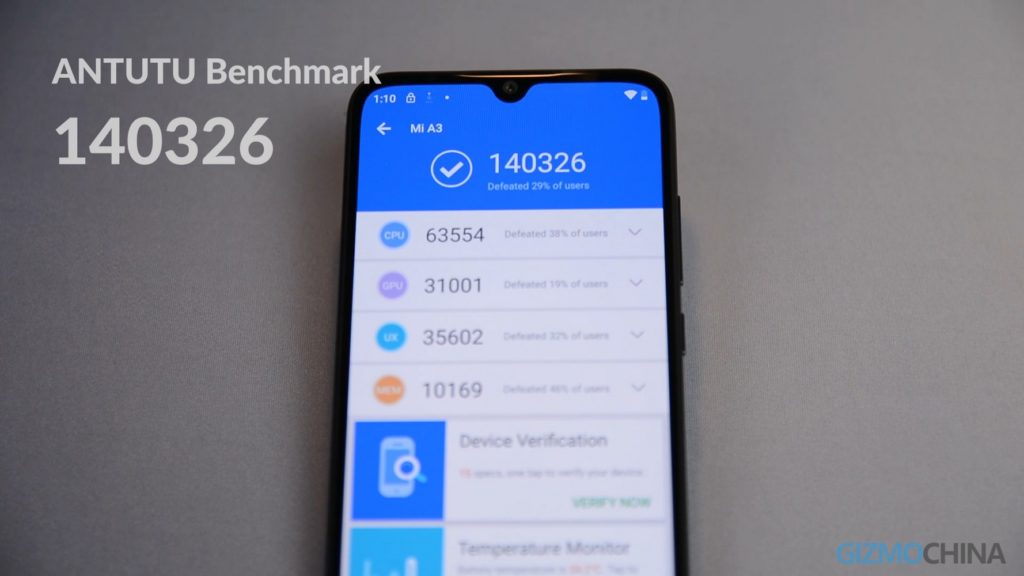
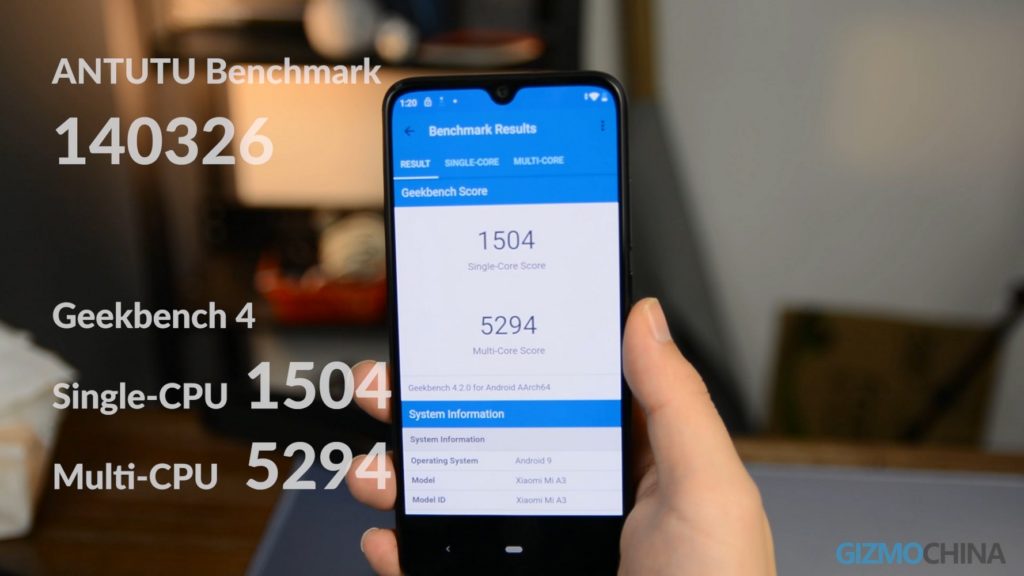
The company also points out the Qualcomm Snapdragon 665 chipset, the processor that is powering the smartphone but most are disappointed Xiaomi’s choice of the chipset. Also, the company skips past the display component, which uses an HD panel.
So, not only the users are disappointed with Xiaomi opting for an HD display panel on the third-generation Mi A-series smartphone, even the company is aware of its bad choice. This is quite disappointing given that the Mi A2 came with a Full HD display. So, with Mi A3, the company has moved a step backward.
It mentions that there’s a 0.915cc cavity for the loudspeaker, which is the same size as on the Redmi K20. The 4,030mAh battery has virtually the same capacity as the K20 battery too with the same 18W fast charging support. Except for the screen, chipset, and RAM, everything else seems quite similar to the Redmi K20.
A number of Chinese smartphone makers including Xiaomi, Huawei, OPPO, and ZTE have at least one 5G smartphone under their belt. Despite releasing these 5G models in Europe a few weeks back, they are not yet available for purchase in China. This is because China’s 5G rollout is still underway (licenses have been issued to carriers) and it doesn’t make sense to release these 5G models way before there’s actually any coverage. That changes next week as ZTE has announced that its Axon 10 Pro 5G model will be up for reservations starting July 23.
Reservations commence from July 23 but there is no word on a shipping date yet. On the other hand, Huawei revealed a few days back that its Mate 20 X 5G will go on sale on July 26. This could mean that customers will probably be able to get hold of the Huawei-made 5G model before ZTE. Huawei Mate 20 X 5G was already certified by TENAA a few days back. Today, its foldable 5G phone, the Mate X was also certified by the agency.
Apart from these two, it is said that there are two more 5G Huawei devices that were certified. It’s possible that one of these two is a Honor phone since the brand’s President, George Zhao had revealed that they had a 5G model incoming later this year.
These models should soon be joined by other 5G phones from brands like OPPO, Vivo, and OnePlus. It is worth noting that Xiaomi, Lenovo, and even Samsung’s 5G models weren’t included in the first batch of 5G certifications in China.
Looking for an inexpensive mini PC that doesn’t disappoint in terms of performance? You might want to give the Acute Angle AA-B4 Mini PC a test drive.
Designed to meet your daily needs, the Acute Angle AA-B4 Mini PC packs the powerful Intel Apollo Lake N3450 Quad Core processor for uninterrupted multitasking experience. With Intel’s equally competent HD Graphics 500 GPU under the hood, it offers an all-encompassing series for gaming dominance.
On top of that, the Acute Angle AA-B4 Mini PC ships with 8GB of RAM for advanced multitasking and offers a hearty 128GB SSD storage capacity for you to save your favorite music, videos, and other multimedia content. It made using high-quality logs, and aluminum alloy aviation aluminum.
Aside from that, the Acute Angle AA-B4 Mini PC features HDMI, RJ45, USB3.0, and 3.5MM audio jack in terms of interfaces. It adopts a unique built-in fan cycle heat dissipation process design to ensure efficient heat dissipation.
This feature-laden mini PC would normally set you back $199.99 on GearVita, but we will show how you can save a considerable amount of money at the time of checking out. You can get $51 off simply by applying coupon code ROAcuteMiniPC during the checkout process.
In other words, you can bring the original asking price of the Acute Angle AA-B4 Mini PC down to only $148.99 with the help of the aforesaid coupon. You can follow this link to take advantage of the coupon, which is likely to expire soon.
Patents are one of the biggest assets for any technology company and last month, Huawei decided to retaliate to the US trade ban by demanding Verizon to pay over $1 billion in total as fees for over 230 patents. Now, two US senators want to block Huawei from buying or selling US patents by introducing a new bill in the country.
The WSJ reports that the bill essentially seeks to give power to the US federal government to stop companies listed on its trade blacklist from buying, selling, or exclusively licensing US patents. It would give the government the authority to step in any domestic case relating to patent infringement. Further, the bill will force the blacklisted company to notify the Justice Department as well as the Patent and Trademark office of such a case and provide details on the infringement, financial implications, and damages demanded.
The bill is clearly aimed at Huawei who is currently in the government’s crosshairs. Naturally, the Chinese telecommunications giant is not happy with this bill. The WSJ report adds a statement from Andy Purdy, chief security officer for Huawei Technologies USA – “If (this bill is) adopted, it could have severe negative ramifications by creating global mistrust of the U.S. and its ability in upholding, as well as safeguarding intellectual property rights.”
While Trump’s comments from the G20 summit had eased some of the tensions between the US and China, there are still a lot of new developments worsening the situation. For example, US-based Cape, a cloud platform vendor for drone telepresence and data management, abruptly stopped support for the popular drone maker, DJI as well as other Chinese drone makers. On the other hand, a recent editorial for the state-run Globaltimes argues that China could anytime leverage its position in rare earth minerals to pressurize the US.
Overall, it looks like this trade war is far from over and we’ll see a lot more developments in the coming months.
Earlier this year, China-based Huawei had announced the Mate X smartphone, making it the first foldable as well as a 5G compatible smartphone from the company. However, the phone is yet to go on sale.
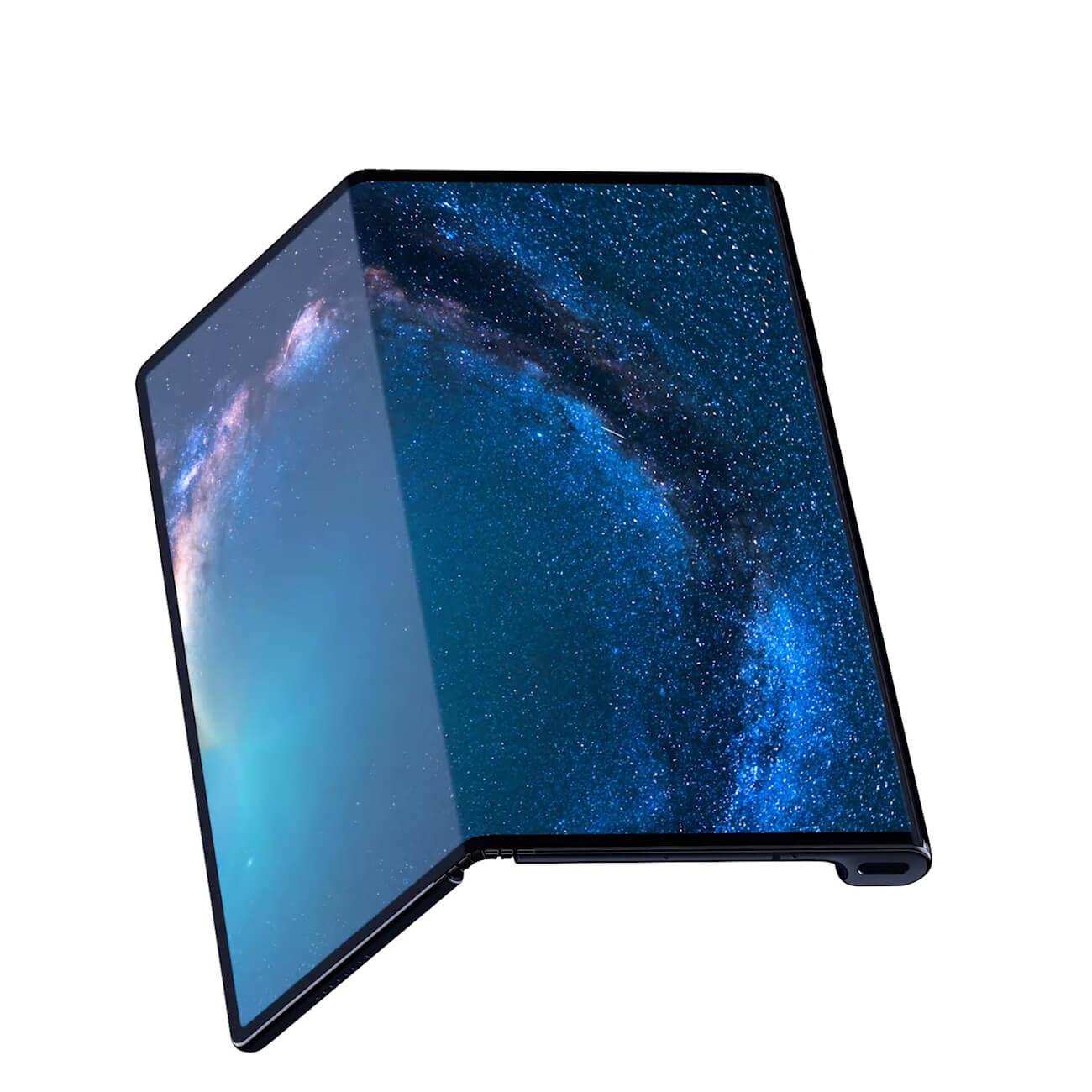
Now, the Huawei Mate X has appeared on TENAA, revealing the full specifications of the smartphone. It reveals that the foldable smartphone will come with an 8-inch external OLED display with 2480 x 2200 pixels screen resolution.
When folded, it transforms into a dual-display phone – one side is a 6.6-inch with 2480 x 1148 pixels resolution and 19.5:9 ratio while the other is a 6.38-inch display with 2480 x 892 pixels resolution and 25:9 aspect ratio.
Under the hood, the smartphone is powered by the company’s own Kirin 980 octa-core flagship processor clocked at 2.6GHz and comes in three variants based on the memory configuration — 6/8/12 GB of RAM and 128/256/512 GB of internal storage. It comes with the 7nm Balong 5000 modem which brings 5G support to the device.
The phone also comes with support for NM card allowing users to further expand the phone’s storage capacity up to 256 GB. As for the connectivity options, the device supports NFC, dual-frequency GPS, Bluetooth 5.0, Wi-Fi 802.11 b/g/n/ac, and USB Type-C port.
It features a 40-megapixel main sensor with f/1.8 aperture, an 8-megapixel telephoto lens with f/2.4 aperture, a 16-megapixel ultrawide lens with f/2.2 aperture and a ToF 3D camera. The Mate X is also equipped with a side-mounted fingerprint reader.
The TENAA listing also reveals that the device is running Android 9 Pie operating system out-of-the-box and is likely to have EMUI 9.1 custom interface on top. The phone is fuelled by a 4,400mAh battery and could support SupercCharge fast charging technology which supports up to 55W.
While the pricing of the Mate X has not been confirmed but as per the reports, the phone is expected to start at €2,299 (approximately $2,580). In comparison, the Samsung Galaxy Fold starts at $1,980, which is also not available for purchase at this point in time.
As per the rumors, the phone could go on sale in China for as high as 14,999 yuan (~$2191). For the global market, the price may even reach 17,000 yuan ($2,483). Since the Huawei Mate X has been certified by TENAA, it’s China launch seems imminent.
We use cookies on our website to give you the most relevant experience by remembering your preferences and repeat visits. By clicking “Accept”, you consent to the use of ALL the cookies.
This website uses cookies to improve your experience while you navigate through the website. Out of these, the cookies that are categorized as necessary are stored on your browser as they are essential for the working of basic functionalities of the website. We also use third-party cookies that help us analyze and understand how you use this website. These cookies will be stored in your browser only with your consent. You also have the option to opt-out of these cookies. But opting out of some of these cookies may affect your browsing experience.
Necessary cookies are absolutely essential for the website to function properly. This category only includes cookies that ensures basic functionalities and security features of the website. These cookies do not store any personal information.
Any cookies that may not be particularly necessary for the website to function and is used specifically to collect user personal data via analytics, ads, other embedded contents are termed as non-necessary cookies. It is mandatory to procure user consent prior to running these cookies on your website.