Advertisement

Pixel 4 XL CAD renders: no notch, no punch holes, five cameras

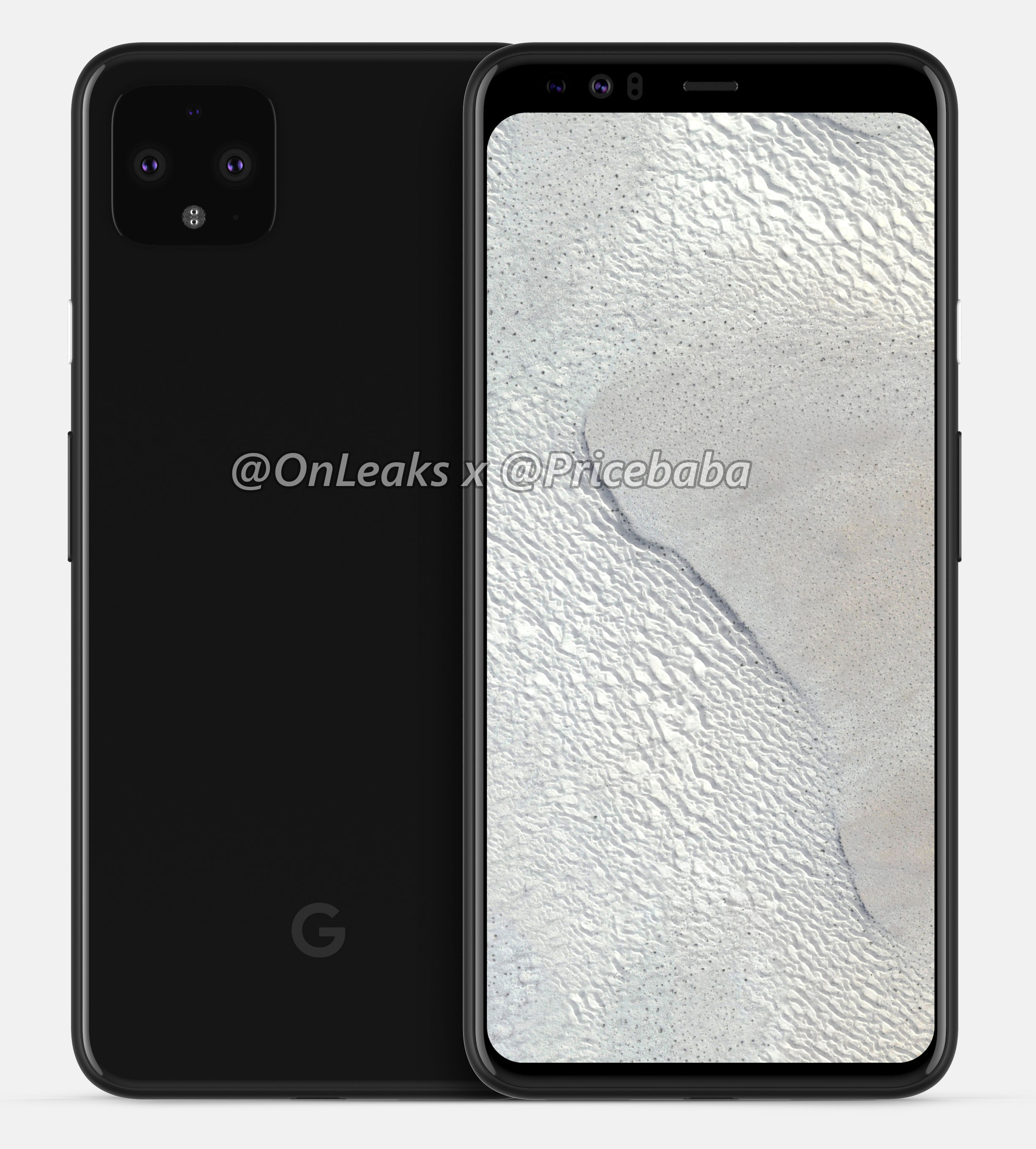
Nearly a month after CAD renders and an official render posted by Google itself of the Pixel 4 surfaced, we get our first look at its bigger brother, the Pixel 4 XL. Thanks to OnLeaks again (and of course his partnership with Pricebaba) we now know that the bigger Pixel 4 will have no notch, no punch hole display, nor a pop-up selfie camera.
Google Pixel 4 XL

The Pixel 4 renders didn’t show us what the front of the phone will look like but those of the Pixel 4 XL does. While there isn’t an ugly notch like that of the Pixel 3 XL, the top bezel is thick. Google is not aiming for symmetry as the chin is significantly thinner. We presume there will be outrage with respect to the design this year too.

The thick top bezel is home to dual cameras, sensors, and a slit for the earpiece. Since the chin is thinner, you don’t get stereo front-facing speakers. The display itself is said to be 6.25-inches in size and it sure is AMOLED. We also think there is a fingerprint scanner behind the panel as there isn’t one on the back or on the sides. The Pixel 4 XL may also support secure face unlock similar to Face ID as OnLeaks says there is a hollow part on the right side of the display for unknown parts.

[envira-gallery id=”263039″]

On the back, we get the same squircle camera module. It houses three cameras, a microphone and an LED flash. The second camera is believed to be a telephoto lens but the third is still unknown. The back is covered in glass and has a single color this time. The Google “G” logo sits close to the bottom.

The bottom of the phone is home to two slits which are both believed to be for stereo speakers. There is also a USB Type-C port in the middle. The power button and volume rocker are on the right. No audio jack which isn’t a surprise as Google removed it since the Pixel 2.

The Pixel 4 XL is expected to come with a Snapdragon 855 processor, 6GB of RAM, and run Android Q out of the box. It should arrive in October which is still three months away.

What do you think of the Pixel 4 XL? Will Google also confirm this leak?

(Source)

 

UP NEXT: Google won’t make Pixel tablets anymore; Will focus on Chrome OS laptops

Huawei’s HongMeng OS could launch on August 9 at HDC

Huawei has scheduled its largest ever Global developers conference in China on August 9 and it looks like the company will use the platform to announce its new HongMeng operating system. The news comes from China’s ifeng.com who seem to be sure that the new OS will meet us at the event. 

Hongmeng-768x401

This news doesn’t come as a complete surprise as the company’s head of consumer business, Richard Yu, had mentioned back in May to the CNBC that it’s new OS could be ready by fall in China this year. The Huawei Global Developer Conference is an important event for the Chinese smartphone giant, especially this year, with over 1,500 partners and 5,000 global developers are expected to attend the event. While this event is held every year, this time, it’s special because of its sheer size as well as the increased attention from global media on Huawei. Any OS needs a solid ecosystem of apps in order to be successful and what better platform than the Global Developers Conference to talk about its new HongMeng OS. Considering these circumstances, it’s very likely that Huawei will talk about its new OS at the event this year. 

Huawei’s new OS is not just built to run on smartphones. According to Richard Yu, the OS is “open to mobile phones, computers, tablets, TVs, cars, and smart wearable devices,” and will be compatible with all Android apps and web applications. Further, he added that “if the Android app is recompiled, running performance is improved by more than 60%.”

Editor’s Pick: Samsung expects sharp profit falloff, Huawei situation partially to blame?

These comments give us a fair idea as to what to expect from its HongMeng OS. It’s likely going to be a forked version of Android with support for all Android apps and services. Further, unlike the Android that we see today, which usually limited to smartphones and tablets, HongMeng OS could power a wide variety of gadgets including smartwatches, TVs, and cars. It looks like the OS was built from the ground up for smart devices. 

We’ll likely hear more about the HongMeng OS in the coming days. The Huawei Global Developers Conference (HDC) will be held in Songshan Lake, Dongguan from August 9 to August 11. So, you better mark your calendars. 


UP NEXT: Huawei patents under-display selfie camera in Germany

(Source)

OnePlus 7 Mirror Blue edition to go on sale in India on July 15

In May 2019, the OnePlus 7 smartphone was launched in India back as an Amazon Exclusive. The smartphone is currently available in two color variants, namely Mirror Grey and Red. While the lower-spec variant with 6GB of RAM is available only in grey, the high-end version with 8GB of RAM is available in both grey and red.

The Chinese smartphone manufacturer has just announced a new color scheme for the smartphone, which goes live on July 15 during the Amazon Prime Day sale. A dedicated page with a ‘Notify Me’ button for the OnePlus 7 Mirror Blue edition has now gone live on Amazon India.

oneplus-7-main

OnePlus 7 Mirror Blue Launch and Price

Describing the new color tone, OnePlus India in a Press Release said, “The OnePlus 7 Mirror Blue replicates the calmness of the deep blue ocean. To achieve the final tone, the phone has been put through a bi-dimensional double layer coating, which radiates a surreal glow as the light flows over it.”

The OnePlus 7 Mirror Blue goes on sale at 12AM IST on July 15, exclusively for Amazon Prime customers in India. The blue color scheme is available with 6 GB of RAM and 128GB of internal storage and it is priced at Rs. 32,999 (~$482).

As part of the Amazon Prime Day offer, HDFC Bank Credit and Debit card holders get a flat Rs. 1,750 (~$26) cashback on the OnePlus 7. The new color variant of the OnePlus 7 will be available at retail stores from July 20. On the Amazon Prime Day sale, the OnePlus 7 Pro will be available with Rs. 3,500 (~$51) instant cashback for HDFC bank card users.

OnePlus 7 Specifications and Features

The OnePlus 7 features a 6.41-inch Optic AMOLED display with full HD+ resolution of 1080 x 2340-pixels. The smartphone is powered by a Qualcomm Snapdragon 855 SoC with Adreno 640 GPU. It is available in two variants, with 6GB of RAM + 128GB of built-in storage and 8GB of RAM + 256GB of internal storage.

The smartphone features a dual-camera setup at the rear. The primary unit is a 48-megapixel Sony IMX586 sensor with an aperture rating of f/1.7 with optical image stabilization, phase detection auto focus and electronic image stabilization. The secondary unit on the setup is a 5-megapixel sensor with an aperture rating of f/2.4 for depth effect. The selfie camera uses a 16-megapixel Sony IMX471 sensor. The smartphone has a dual-tone LED flash at the rear.

The OnePlus 7 supports dual 4G VOLTE SIM cards, Bluetooth v5.0, Wi-Fi 802.11ac, NFC, USB Type-C (v3.1 Gen 1), and GPS/ A-GPS. Like its predecessor, it misses out on a headphone jack. It draws power from a 3,700 mAh battery with 20W Warp Charge support while the rear glass panel is Gorilla Glass 6-certified for additional protection.

UP NExT: Buy OnePlus 7 4G Phablet for Just $569.99 from Gearbest

Hisense U9e launches as the world’s first “dual-image” TV

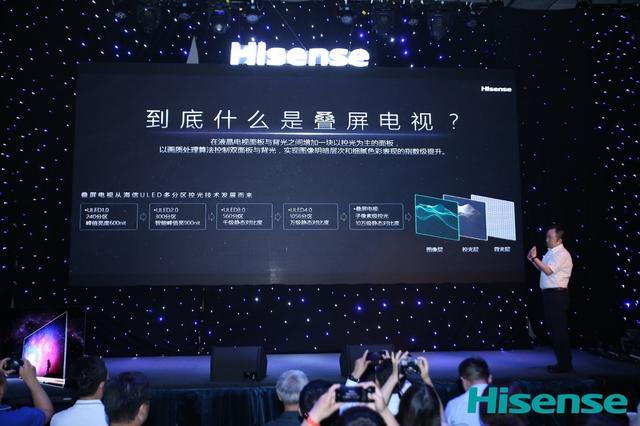
Today, Hisense launched the Hisense U9e which is the world’s first “dual-image” TV. No, the Hisense U9e doesn’t have dual displays neither does it show two video inputs at the same time. Technically, the TV actually has two display panels placed in front of each other – one color and one black and white – the result is an LCD TV with a contrast ratio ten times that of a standard LCD TV and a picture quality that rivals OLED and costs less.

Hisense U9e

The display technology was manufactured in partnership with BOE and is called BD Cell (we talked about it here). Hisense says it is proud the technology is fully Chinese.

As stated above, the display consists of two panels – a color panel which focuses on color control and the black and white panel which handles dimming, contrast, and details. There are also five chips inside the TV that efficiently control the backlight and images. Combined with the dual panels, the U9E has a contrast ratio of over 150,000, exceeding OLEDs; and a picture quality that is realistic.

The Hisense U9e is also said to exceed the peak brightness, color gamut, color accuracy and HDR certification requirements of OLED TVs.

The U9e will come in 55-inch, 65-inch, and 75-inch models. However, only the 65-inch model is available this year at a price of ¥17,999 (~$2616), making it even more expensive than Sony’s 65-inch LCD TV for 2019. The 55-inch and 75-inch models will be available next year. Hisense didn’t reveal when the 55-inch model will be available for purchase.

Hisense knows this is more expensive than your average TV but it says low-end and low-quality TVs negatively affect the TV industry. Right now, it is the first brand in China to offer high-end color TVs and has been developing these high-end displays for years. According to Wang Wei, a top executive “Hisense’s goal is to lead the high-end Chinese TV market”.

(Source)


UP NEXT: OnePlus TV launch rumored to take place very soon

Sony rumoured to be working on a foldable phone with a retractable rolling display

Chinese phone maker Royole was the first to unveil a working foldable phone, the Royole Flexpai but industry giants like Samsung, Huawei and Xiaomi have taken the shine off the Flexpai with their own foldable models. Sony may soon join the growing list of OEMs that have got a foldable phone.

A tipster recently made this bit known via a recent tweet. According to the tipster who goes by the name Max J and Twitter handle @Samsung_News_, Sony is also working on its own foldable device. He also revealed that prototypes being built by the company are equipped with an LG Display, a camera with a 10x Zoom capability. The device will also pack a rather smallish 3220mAh battery. This battery size may have been included in a bid to keep the size small.

In addition, the device is said to pack a Snapdragon 7250 SoC which is a mid-range chipset. This could be just for the test model as the foldable phone is expected to sport the Snapdragon 855 Mobile Platform and the Snapdragon X50 5G modem when it is launched. This also presents the possibility that the device will support 5G connectivity.

EDITOR’S PICK: Throwback Tech Thursday: We Revisit Samsung’s Crazy 10X Optical Zoom Smartphone

Furthermore, Sony’s foldable phone is said to have a retractable roll-out display just like the Galaxy Fold (You can see Samsung’s rollable OLED prototype in the video below). We’ll have to watch out for the measures Sony is putting in place to prevent dust from causing any damage as was the case with the Galaxy Fold. This new product could also be yet anoter effort by Sony to break into the global smartphone market.

UP NEXT: Nokia Daredevil may release as Nokia 5.2 soon

(source)

Xiaomi CC9’s Sky Replacement feature comes to the Redmi K20 series

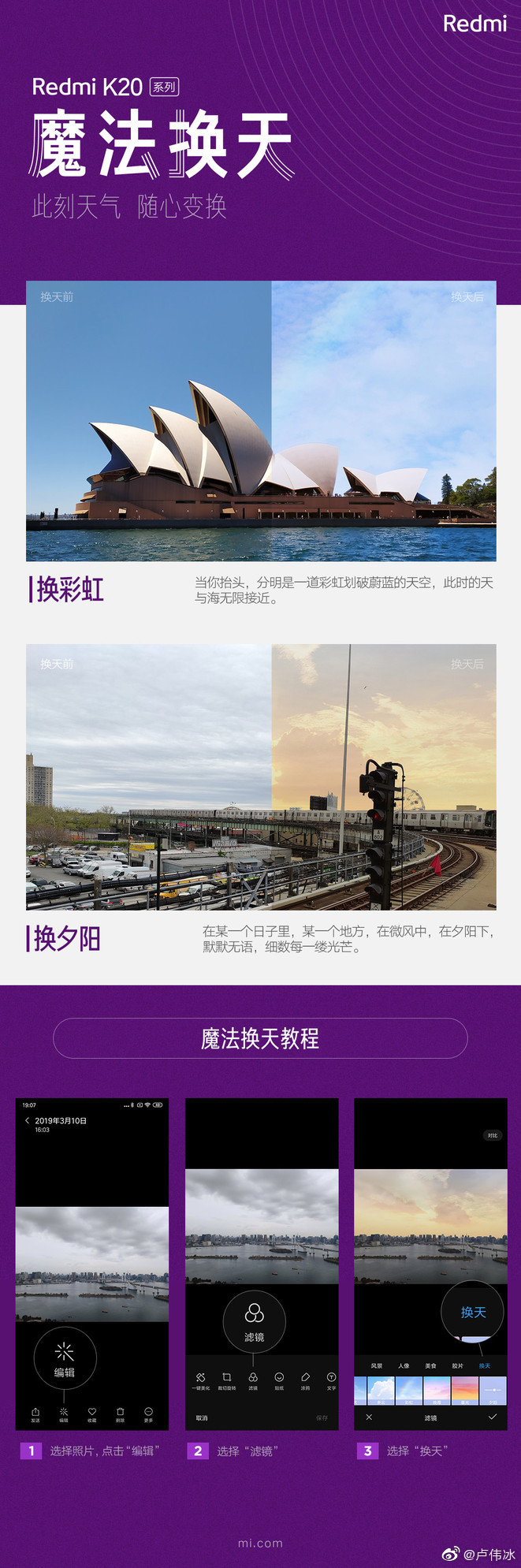
Back in May, Xiaomi added a feature to MIUI beta called “Sky” that allowed you to change the sky in photos to any from a set of presets. Initially thought to be a future that will come with MIUI 11, the feature came bundled with the Xiaomi CC9e and Xiaomi CC9. Now, it has been revealed the feature is also available on the Redmi K20 series.

The announcement was made by Redmi GM, Lu Weibing, on Weibo today. If you own the Redmi K20 or Redmi K20 Pro, all you have to do is go to your gallery, select a photo with the sky in it and choose edit. Listed among the filters is one called “Sky”, scroll through them and choose the one that best fits. You should also be able to adjust the strength of the filter.

It is not clear if there is a new update for the phone or all you have to do is update your gallery app. Do let us know if you already have the feature and what you did to get it.

MIUI Sky replacement

As shown in a demo video by XDA-Developers back when it was available in beta, the feature also works for downloaded images as long as the sky shows in the photo. So you should be able to alter your favorite wallpapers too.

We expect the feature will most likely roll out to more devices as time goes on.

(Source, Via)


UP NEXT: Xiaomi Android Q beta schedule: recruitment begins for Mi 9 beta testers

Live shots of upcoming Galaxy M30s’ rear shell reveal wider camera cutout

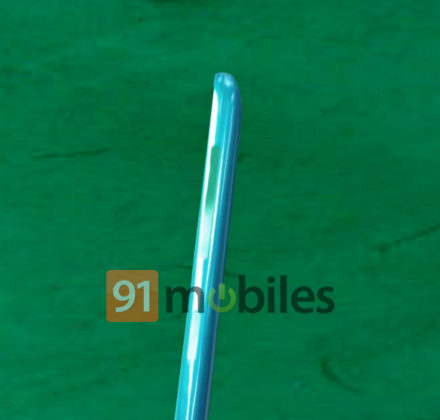
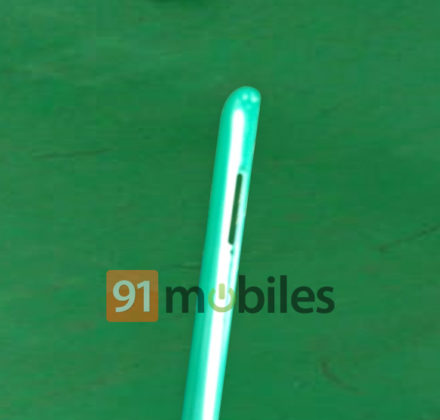
The Samsung Galaxy M30s is the next mid-range smartphone from the South Korean technology tech giant. According to 91mobiles, Samsung has begun conducting pre-production tests of the smartphone at their manufacturing facility in Noida. Live images of the back panel of the phone that have surfaced today have revealed that it will be sporting a single-tone glossy polycarbonate rear panel, with an oblong cut-out for the rear-mounted fingerprint scanner and the dual-camera setup.

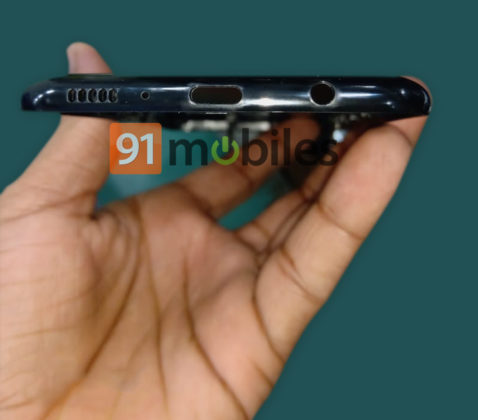
Based on the dimensions of the camera cut-out, the Samsung Galaxy M30s misses out on a triple-camera setup, and the unit is slightly wider and shorter than the Galaxy M30. At the bottom, there is a grille for the speaker, a USB Type-C port and an AUX port. The smartphone comes in at least three color variants, namely blue , black and white. The Samsung Galaxy M30s is expected to launch as early as August 2019. It is expected to be slotted between the Galaxy M30 and the Galaxy M40 in terms of pricing.

Samsung Galaxy M30s Specifications (Rumored)

According to initial speculations, the Samsung Galaxy M30s features an octa-core 1.74GHz Exynos 9610 chipset and has 4GB of RAM with up to 128GB of built-in storage. The device runs on the Android 9.0 Pie-based Samsung One UI custom OS.

The device is speculated to feature an Infinity V-display with a slightly better camera setup than the existing Galaxy M30 smartphone. The Samsung Galaxy M30s is rumored to be priced from Rs. 16,999 (~$248).

(source)

UP NEXT: Galaxy A80 gets a BLΛƆKPIИK edition, Galaxy Earbuds and Watch Active too

Hisense D6 rugged phone with 5400mAh battery pops up on TENAA

If you like rugged smartphones or have to use one because you are outdoors most of the time, then it should interest you that Hisense has a got a new one coming. The Hisense D6 as the phone is called not only has a rugged design but also packs a big battery to last you a while when away from a wall socket.

The Hisense D6 has a 5.99-inch 1080 x 2160 display. There is a slit for the speaker in the middle and on its left is a 16MP camera. The phone has a single rear camera which is a 12MP sensor and packs a fingerprint scanner on its back.

[envira-gallery id=”262982″]

TENAA says there is a 1.8GHz octa-core processor under the hood. The Hisense D6 will come with 3GB/4GB/6GB of RAM and 32GB/64GB/128GB of storage. It will also have a storage expansion slot for up to an extra 128GB of storage. Coming to the battery, the capacity is rated at 5400mAh and there is support for fast charging. Unfortunately, the phone runs Android 8.1 Oreo instead of Android 9 Pie.

The phone also packs more hardware buttons than your average phone too. On the right side of the phone is the power button and a red button while the left has an orange button and the volume rocker. What is above the power button doesn’t seem to be a button but the SIM tray judging from the hole beside it. The design of the Hisense D6 coupled with its big battery makes this phone heavy at 235 grams. It measures 167.8×81.3×12.3 millimeters and will come in black.

We have no information regarding when the Hisense D6 will arrive or if it will ever will. Its Snapdragon 675-powered U30 made an appearance at CES 2019 and was expected to launch at the Appliance and Electronics World Expo (AWE) in March. Up until this moment, the phone is still unavailable for purchase.

(Source)


UP NEXT: Hisense F30S powered by Unisoc’s Tiger T310 SoC to launch soon

Xiaomi clarifies about Mi CC9e Snapdragon 665 AnTuTu scores

Earlier this month, Xiaomi unveiled its all-new Mi CC9 series of smartphone, which includes Mi CC9 and Mi CC9e. The newly launched Mi CC9e is the first smartphone to be powered by the new Qualcomm Snapdragon 665 processor.

However, in the benchmark tests through AnTuTu, it had been revealed that the test score of Snapdragon 665 was lower than that of the Snapdragon 660. Qualcomm’s SD665 is supposed to be the successor of the SD660 SoC. While both the processor are about the same in terms of CPU, the new Andreno 610 is slower than the Adreno 512.

Xiaomi Mi CC9e

Now, Wang Teng, Product Director of Xiaomi has responded to the concerns that the AnTuTu benchmark score of the Mi CC9e powered by SD665 SoC has been increased. He has clarified why this happened.

He said that Mi CC9e is the first smartphone to be powered by SD665 SoC and going from the product to the final stage, it took around two to four months during which the performance of the chipset has been improved and optimized.

Earlier, when the reports about Qualcomm Snapdragon 665 showing better performance than SD660 overnight because of tweaks started surfacing online, the company asked them to provide proof for the claims. However, the users who were claiming this declined to provide any proof for their claims.

The Qualcomm Snapdragon 665 chipset, aka SM6125, was announced in April this year. It is an 11nm chipset made up of eight Kryo 260 cores in a 4+4 arrangement clocked at 2.0GHz. These are the same cores in the 14nm Snapdragon 636 processor but they are now on a smaller node which means better power efficiency.

The processor also puts AI at the forefront thanks to the Adreno 610 AIE GPU. The on-board third-generation AI is to work with the new Hexagon 686 DSP and Qualcomm Spectra 165 ISP for better low-light photography, better portraits, and better ways to interact with your environment.

The onboard AI engine also provides better security with support for 3D Face Unlock. Qualcomm claims the new AI features are 2x faster than that of the Snapdragon 660. It also supports Bluetooth 5.0 LPE, USB 3.1, up to 16MP dual cameras and a 48MP single camera, 4K at 30fps, and slow-motion recording up to 120fps at 1080p. Maximum display support is 2520 x 1080 (FHD+) and it comes with Quick Charge 3.0.

(Via)

Up Next: Purported Xiaomi Mi A3 (M1906F9SH) with 48 MP AI triple cameras gets certified by FCC

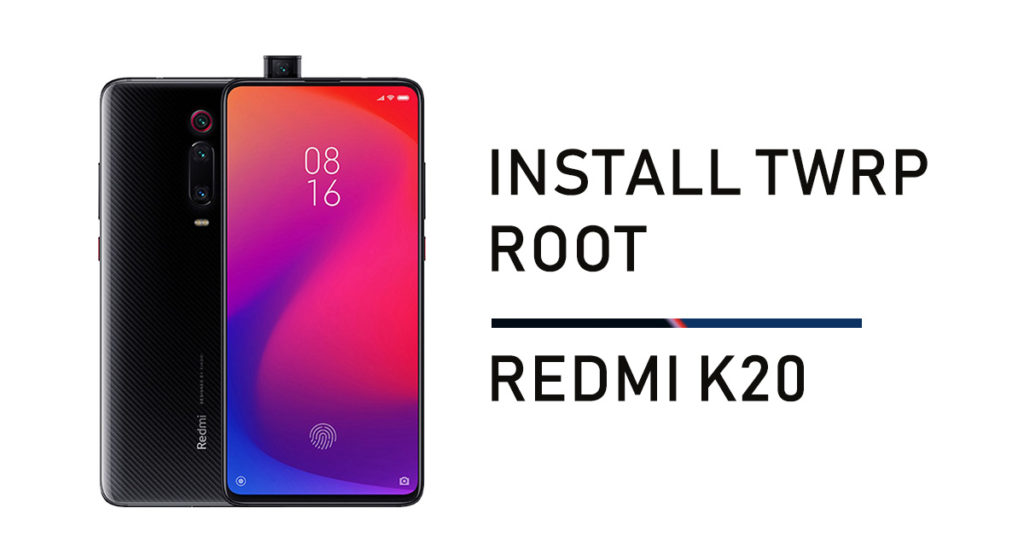
How to Install TWRP on Redmi K20 and Root with SuperSu?

Redmi launched the Redmi K20 Pro in China last month carrying high-end specifications. Due to the device’s affordability and competitive specs, it is getting tremendous response from buyers. It has even received enough attention in a short period from the third-party developers. The users can now install TWRP and root the Redmi K20 Pro.

Redmi K20 series is now coming to some new markets after the initial launch in China. The Redmi K20 Pro carries top-notch Snapdragon 855 SoC that features single core at 2.84GHz, three cores at 2.42GHz and the remaining four cores at 1.8GHz. The device is available with 6/8GB RAM and 64/128/256 GB Internal storage. In optics, there’s a triple rear camera module with 48MP+8MP+13MP primary camera and a 20 MP front camera for selfies. The device carries a premium look and has a pop-up module housing a front selfie camera. The device carries a connectivity option such as Wi-Fi 802.11 a/b/g/n/ac, Bluetooth v5.00, NFC, Infrared, USB Type-C, 3G, and 4G. The phone includes accelerometer, ambient light sensor, compass/magnetometer, gyroscope, proximity sensor, and fingerprint sensor.

Rooting the Redmi K20 Pro allows users to modify the system. It aids customizability on the device with the help of third-party recoveries, MODS and other tweaks. Before rooting, we need to install a custom recovery like TWRP to install external flashable files, SUperSU, Mods, etc. TWRP is easy to install and use custom recovery. It even facilitates the nandroid backup of your device easily and effectively. However, it will result in the loss of warranty.

Note: GizmoChina.com is not responsible for any damage to the device and data. Rooting also voids the warranty of your device. 

Pre-requisites

Steps to install TWRP on Redmi K20 Pro

Follow the steps below carefully, as missing any step would result in damaging the phone.

  1. Extract ADB tools in a folder.
  2. Download TWRP and move it into the extracted TWRP folder.
  3. Now, Enable Developer Mode option by heading to the Settings>About Phone>Build Number and tap it 7 times to enable developer option.
  4. Enable USB Debugging mode by heading to the Settings>Develper Option>Enable Debugging mode.
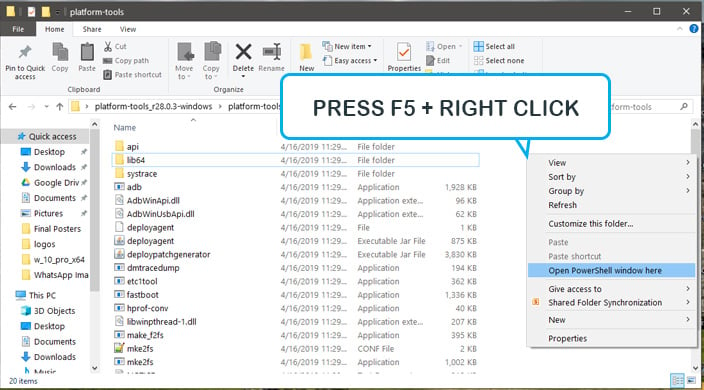
  5. Open command prompt in the extracted TWRP folder by pressing Shift + Right Click on the mouse.
    fastboot window
  6. Power off the device and then boot your device into the fastboot mode by pressing the power + volume up button simultaneously.
  7. Connect your device with PC via USB cable.
  8. Verify the device’s connectivity status by executing the command below:
    adb devices
  9. Type the command below to reboot into bootloader:
    fastboot reboot bootloader
  10. Once into the bootloader mode, flash the TWRP by the following command. (Note: Replace the TWRP.img with the name of recovery).
    fastboot flash twrp.img
  11. Once the installation is completed. You can type the command to reboot your device by typing:
    fastboot reboot

You have successfully flashed TWRP recovery on your device. Now, proceed with the below steps to root Redmi K20 Pro.

Steps to Root Redmi K20 Pro with SuperSu

SuperSu is a zip file by chainfire which allows users to gain root access. To flash it on the Redmi K20 Pro, follow the procedure below:

  1. Download the latest SuperSu zip on your Phone, and then move it to the rot of the device.
  2. Power off the Redmi K20 and then hold volume up + power button simultaneously to boot into the recovery.
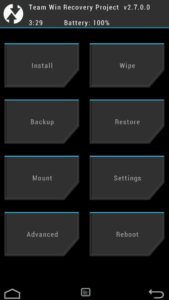
  3. Once in the TWRP recovery, press ‘Install‘ and then browse the SuperSu file.
    redmi k20 twrp recovery
  4. Now flash the SuperSu zip after swiping the slider below.
  5. After flashing, reboot your device and enjoy.

We hope you have successfully rooted the Xiaomi Redmi K20. If you have any issue or problem while performing the procedure above, then let us know via comments below.

Up Next: Top 4 Online Stores Where You Can Buy Xiaomi Redmi K20 Smartphone at Unbeatable Prices [Coupon]

Huawei market share in Thailand grows to 20% in the first five months of 2019

Huawei’s market share in many countries is declining because of the trade ban on the company by the United States. However, the company remains unscathed in Thailand, where the company’s share in the market grew.

The Chinese giant claims that its market share in Thailand grew to 20 percent in the first five months of 2019, compared to 15 percent last year. Also, Huawei is set to increase its Thai marketing budget by 30 percent this year.

The move to increase market budget is a key move for the company because the country is a strategic market in the region, according to Ingmar Wang, country director of Huawei Thailand’s consumer business group.

huawei logo

Also, the company will keep launching new products powered by the Android operating system as a first priority. It is noteworthy that the company has made its own mobile OS but is yet to set a timeline for the launch of its own HongMeng OS, which is said to be still in development.

Ever since the news of the ban on Huawei by the US broke, there have been many rumors about Huawei’s products but the company responded immediately to clarify. The company has confirmed that despite the ban, Huawei smartphones and tablets will keep functioning normally in all aspects, with continued support from Android.

Further, the company will continue to provide security updates and after-sale services to all existing Huawei smartphones and tablet products that have been sold, or that are still in stock in stores globally.

The situation of Huawei with the United States is a bit confusing at this time as US President Donald Trump recently said that the ban on US firms supplying technology to Huawei would be lifted, but the US Commerce Department said the ban would remain.

Several distributors of Huawei, including Synnex, Jaymart, TG, Com7, and CSC, as well as two big operators (AIS and True), showed support for Huawei by announcing a warranty campaign. The special warranty of two years offers full refunds for new Huawei customers if the phone stops supporting Google and Facebook’s applications.

Mr. Wang, Country Director of Huawei Thailand’s consumer business group said that the company plans to invest 160 million baht in 5G testing projects in Thailand and 700 million baht in cloud services. Advanced Info Service and True Move H Universal Communication performed 5G network tests using the Huawei Mate 20 X 5G which will be launched in Thailand in the near future.

(Via)

Up Next: Honor claims to have shipped more than 15 million units of the Honor 8X series smartphone

Honor claims it shipped over 15 million units of the Honor 8X series

The Honor X series will be getting new members on July 23. The biggest change will be the new Kirin 810 processor which launched with the Huawei Nova 5. Ahead of the launch, Honor claims the Honor 8X series from last year as set a record with respect to toal units shipped.

Glory 8X series global shipments exceeded 15 million

Speaking at a Kirin 810 meeting, Vice President of Honor, Xiong Junmin, said that as at today, 8th of July, the total global shipments for the Honor 8X series has crossed 15 million units. Seeing as the Honor 8X and Honor 8X Max were released in September 2018, that means it took 9 months to get to that point.

Mr. Junmin added that the Honor 8X series was the best selling smartphone online for four months following its release. It also sold 10 million units in 173 days, the fastest for any Honor smartphone and was a best seller during this year’s 618 shopping festival.

The Honor 9X and Honor 9X Pro will be expected to set new records when they go on sale. Honor is banking on the Kirin 810 which it says cost a lot to develop. The Honor 9X series have been reported to have AMOLED displays, a first for the X line. Last week, it was revealed the 9X has a pop-up selfie camera, dual rear cameras, 6GB of RAM and 128GB of storage. It has also been reported that it will launch alongside an external gamepad that connects to its USB-C port.

(Source)


UP NEXT: Honor CEO teases Honor Band 5 on Weibo

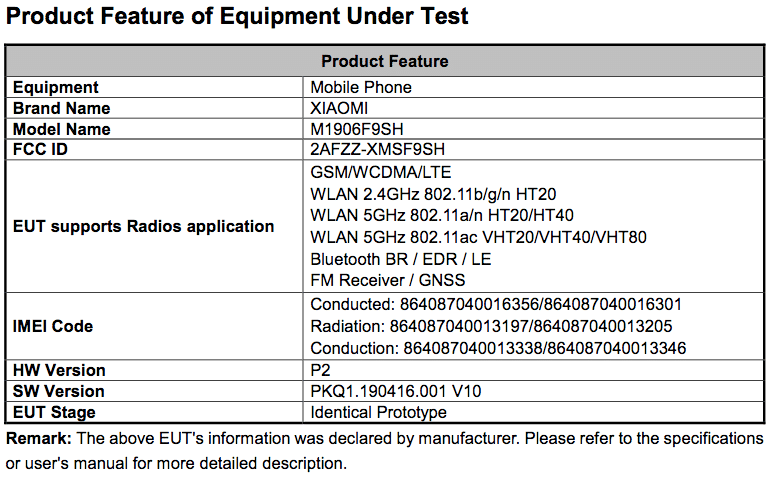
Purported Xiaomi Mi A3 (M1906F9SH) with 48 AI triple cameras FCC certified

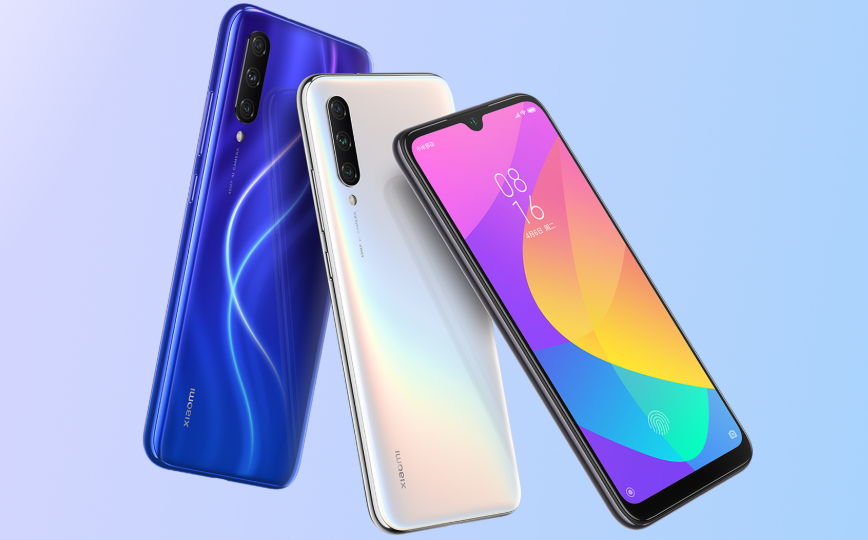
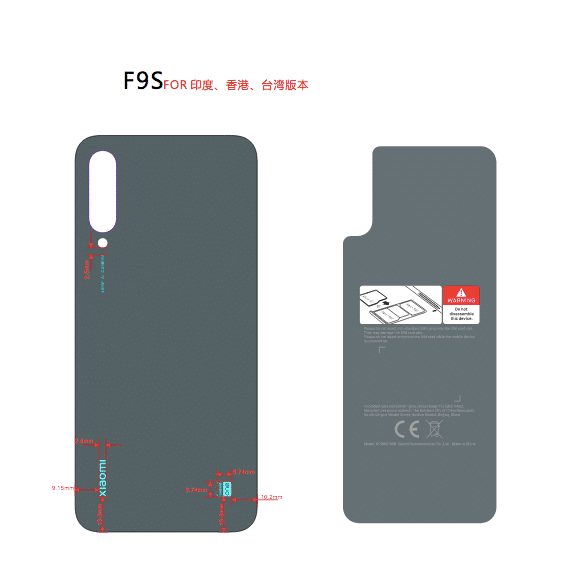
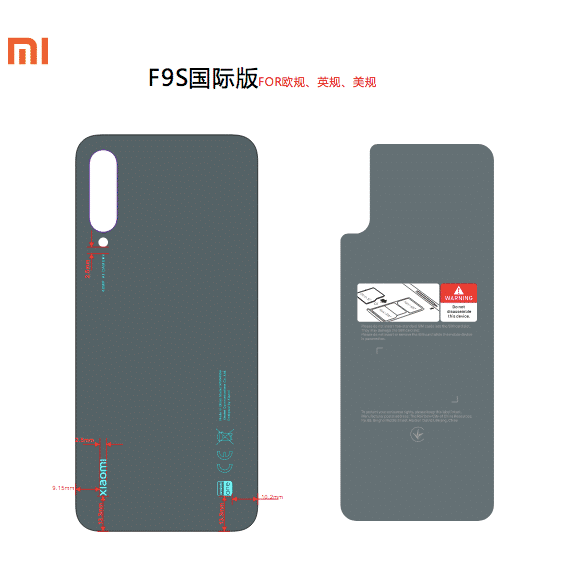
Xiaomi has recently launched the Mi CC9 and Mi CC9e smartphones in China. The model number of the Mi CC9e smartphone is M1906F9SC. A variant of the smartphone with model number M1906F9SH has received approval from the Federal Communications Commission (FCC) in the U.S. The images of the rear side of the phone that have appeared in the FCC documents confirm that it is an Android One phone with triple rear cameras. Hence, it appears the Mi CC9e smartphone could be releasing outside of China as Xiaomi Mi A3 Android One smartphone.

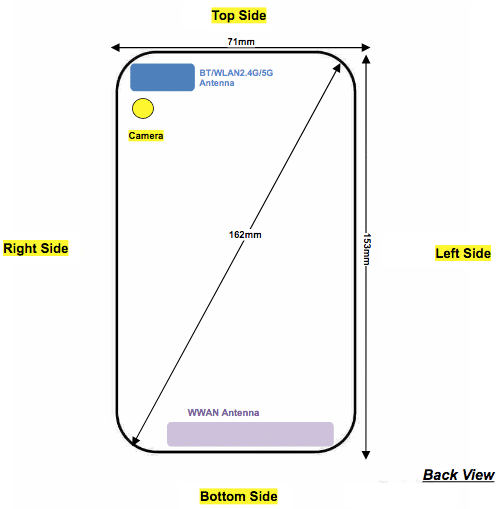
The M1906F9SH Xiaomi phone that has been certified by FCC has also received approval from Eurasian Economic Commission (EEC) in the recent past. The smartphone has also been approved by Singapore’s IMDA authority. The images of the phone that have surfaced in FCC documents reveal that the smartphone measures 153 x 71mm. The smartphone measures 162mm diagonally. The dimensions of the M1906F9SH is exactly same as the Mi CC9e phone. Hence, the purported Mi A3 will be equipped with a 6.01-inch display with waterdrop notch like the Mi CC9e.

The images of the rear panel of the M1906F9SH show that it has an elongated cutout for the vertical camera setup followed by a hole for the LED flash. The “48MP AI Camera” text can be seen below it. The logos for Xiaomi and Android One is available on the bottom side of the phone’s back panel. None of the specs of the phone have been revealed through its FCC certification. It is very likely to arrive with identical specs as the Xiaomi Mi CC9e smartphone.

Xiaomi Mi CC9e Specifications

The Xiaomi Mi CC9e has a 6.01-inch S-AMOLED display that supports HD+ resolution of 720 x 1560 pixels and 19.5:9 aspect ratio. The Gorilla Glass 5 panels are flanked on the front and rear sides of the smartphone. The MIUI 10 based Android 9 Pie OS runs on the device. The Xiaomi Mi A2 Android One phone from last year had come with full HD+ 5.99-inch display with 18:9 aspect ratio. There is a possibility that Mi A3 will continue to carry support for full HD+ resolution.

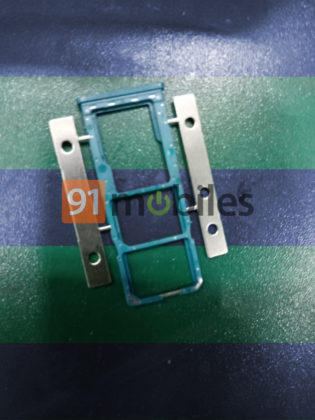
The Snapdragon 665 powers the Mi CC9e along with up to 6 GB of RAM. Its highest variant has 128 GB of native storage. The MIUI 10 based Android 9 Pie OS runs on the device. It features a microSD card slot for additional storage.

Xiaomi Mi CC9e

The 4,030mAh battery of the Xiaomi Mi CC9e supports 18W fast charging. The handset is equipped with an under-display fingerprint sensor. The rear side of the phone is flanked with 48-megapixel + 8-megapixel + 2-megapixel triple camera setup and it has a frontal shooter of 32-megapixel. In China, the 4 GB RAM + 64 GB storage, 6 GB RAM + 64 GB storage and 6 GB RAM + 128 GB storage editions of the phone are respectively priced at 1,299 Yuan (~$188), 1,399 Yuan (~$203) and 1,599 Yuan (~$232). It comes in White, Dark Blue and Black colors.

UP NEXT: Xiaomi gives away free Redmi Airdots with Redmi K20 purchases in China

Nokia Daredevil may release as Nokia 5.2 soon

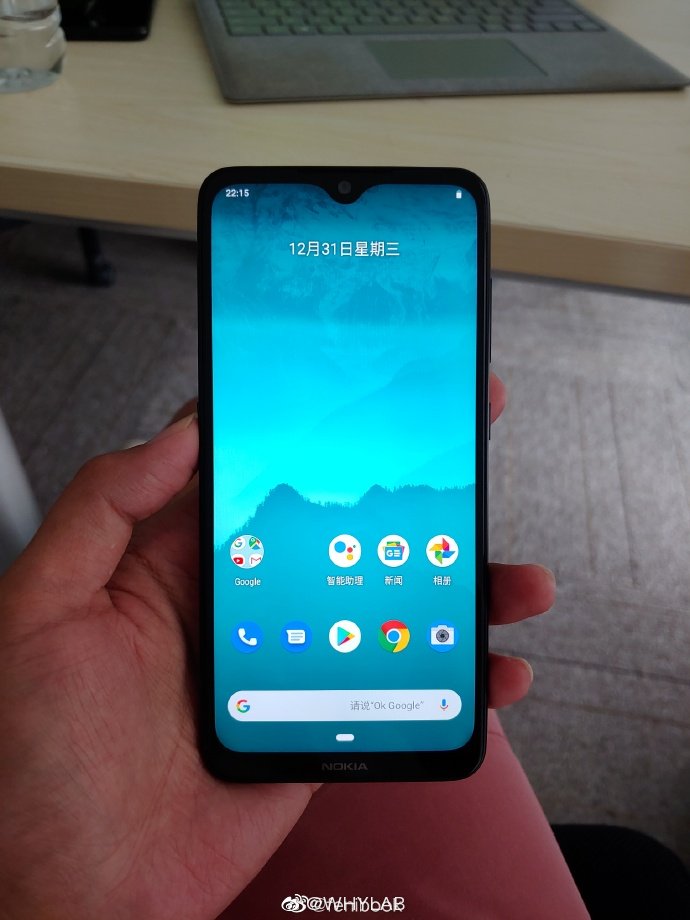
In the previous week, leaked specs and images of the upcoming Nokia Daredevil smartphone had surfaced on Baidu forums. The “Nokia Daredevil” moniker is just a codename and it may release in the market with a different name. Soon after its last week’s appearance, the rumor mill started speculating that it could either be the Nokia 6.2 or Nokia 5.2. Folks at Nokia Anew Twitter account have claimed that the smartphone may release in the market as Nokia 5.2.

Last year, HMD Global did not release any Nokia 4 series smartphone. The tweet claims that the new Nokia 4 (Nokia 4.2) is the successor of the Nokia 5.1 phone from last year. Hence, the Nokia 5.2 is bound to arrive with some advanced specs. The leak claims it will be slotted in the “more expensive segment” since it is expected to come with features like ZEISS optics, PureDisplay and OZO Audio that are available on high-end models from the company. Hence, it appears that the Nokia Daredevil that is rumored to arrive with all these specs may debut in the market with Nokia 5.2 name.

Nokia TA-1198

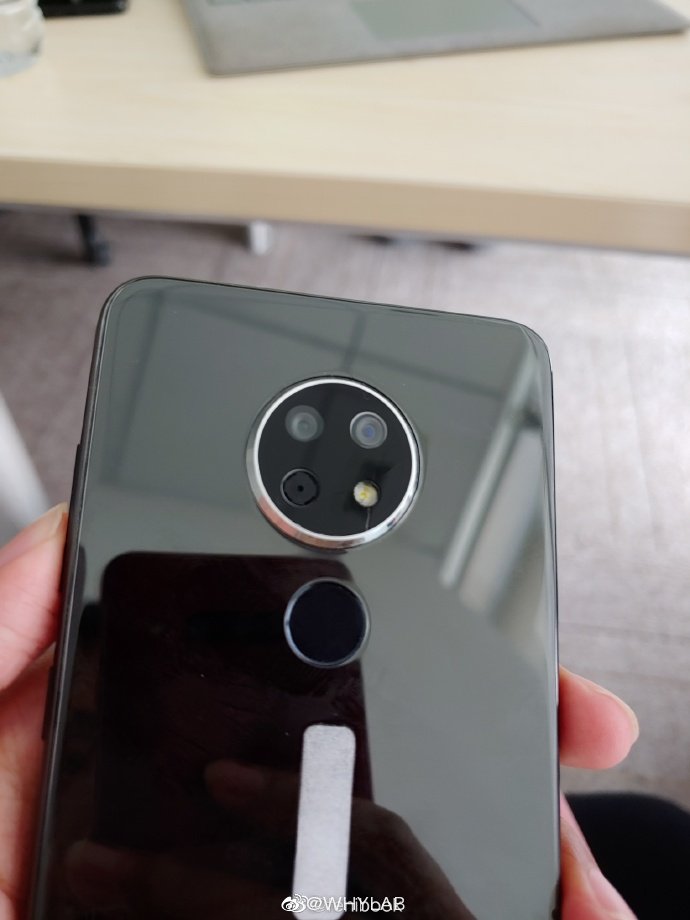
The images of the Nokia Daredevil phone that had surfaced in the last week had revealed it is equipped with a waterdrop notch enabled display surrounded by thick bezels. The glass back of the smartphone has a circular module that comprises of three camera sensors and an LED flash. It is rumored to feature a 48-megapixel ZEISS optics main sensor and a superwide lens. The smartphone will also carry support for Night Mode function for shooting brighter shots in dim-light conditions.

Nokia TA-1198

The purported Nokia 5.2 will be an Android One. The smartphone will be powered by Snapdragon 660. The handset is backed by a 3,500mAh battery. The handset also features a 3.5mm audio jack, a rear-mounted fingerprint sensor, a USB-C port and a hardware button for Google Assistant. The model number of the smartphone is TA-1198.

There is no information available on the launch date of the smartphone. Hopefully, more details of the phone will appear in the coming days.

(source)

Nokia 9 PureView may release in August in India, claims report

HMD Global has started teasing the arrival of Nokia 9 PureView smartphone in India. Tweets showcasing the prowess of the penta-lens setup of the phone are now being released by the Finnish firm in the county. All the tweets are claiming that the smartphone is “coming soon,” but there is no word on its launch date. According to 91mobiles, the Nokia 9 PureView won’t be available for purchase this month.

The publication claims an HMD Global distribution partner from India has revealed to it that even though the Finnish firm is saying that the phone launches in India in this month, the smartphone will be made available for purchase in August. The Nokia 9 PureView had originally debut at the Mobile World Congress (MWC) 2019 tech trade show in February this year. In March, HMD Global had teased the arrival of the Nokia 9 PureView in India. However, its launch was delayed. According to the HMD Global executive, the launch of the Nokia 9 PureView has been delayed in India because the brand wants to “serve the market with what is relevant to the market.”

Nokia 9 PureView Specifications and Features

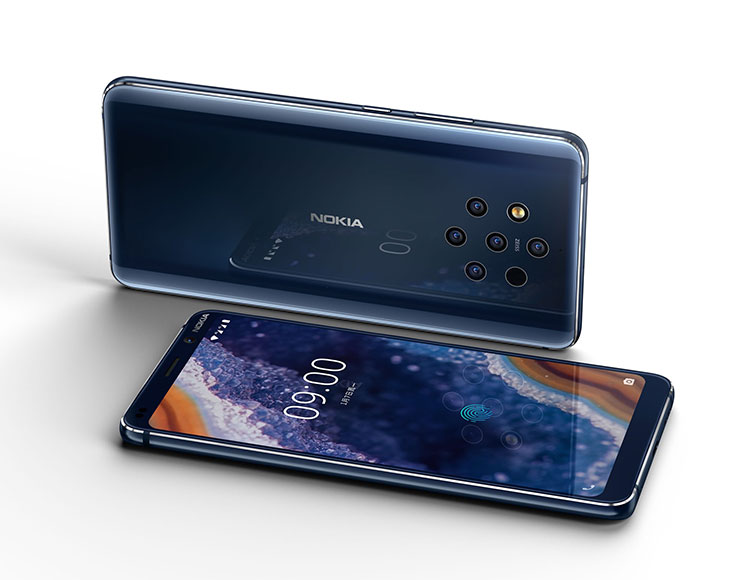
The Nokia 9 PureView’s penta-lens setup is equipped with three 12-megapixel monochrome sensors and a pair of 12-megapixel RBG lenses. The handset is fitted with a 5.99-inch pOLED panel with 18:9 aspect ratio and it carries support for quad HD+ resolution and HDR10. It is the first Nokia phone to feature an in-display fingerprint sensor. The Nokia 9 PureView is yet another Android One phone from the company that runs on Android 9 Pie OS.

Nokia 9 Pureview

The smartphone is powered by Snapdragon 845 chipset that most of the Android flagship phones in 2018. It is coupled with 6 GB of RAM. The native storage of the phone is 128 GB. It features a 3,320mAh battery that supports rapid charging and wireless charging. For shooting selfies, it features a front-facing camera of 20-megapixel. It is speculated that the smartphone may debut in India with a price tag of Rs. 46,999 (~$684).

(source)

UP NEXT: Nokia 6.1 gets price cut in India, now available for Rs. 6,999 ($102)

Nokia 6.1 gets price cut in India, now available for Rs. 6,999 ($102)

Last year, Finland-based HMD Global launched the Nokia 6.1 smartphone in India. Initially, the phone was available in just one variant packing 3GB of RAM and 32GB of internal storage. Later, the company also launched a new variant with 4GB of RAM and 64 GB of onboard storage.

The base model of the Nokia 6.1 was being sold for Rs. 8,999 (~$) 131in India, almost half of its original launch price of Rs. 16,999 (~$248). Now, the company has slashed the price of the smartphone in India by Rs. 2,000 (~$29).

Nokia-6.1

With the new price cut, the Nokia 6.1 is now available for just Rs. 6,999 (~$102) for the 3GB RAM model while the 4GB RAM model costs Rs. 9,999 (~$146). While Nokia’s official online store has updated the pricing, Flipkart and Amazon are still to update the pricing.

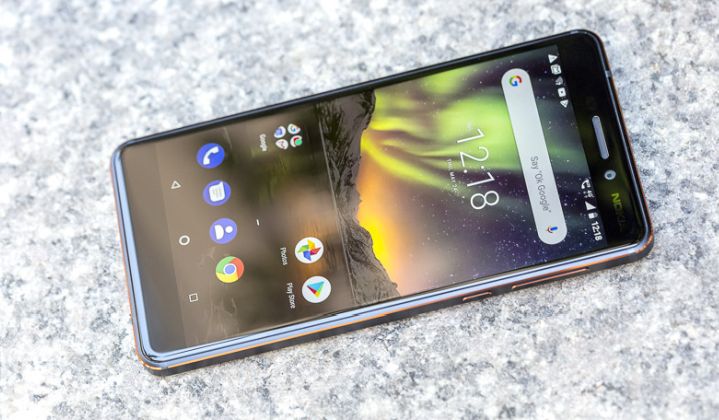
The Nokia 6.1 comes with a 5.5-inch 2.5D display with ‘damage-resistant’ Corning Gorilla Glass on top. It features Full HD display with 1920 x 1080 pixels screen resolution, having a pixel density of 401ppi.

Under the hood, the device is powered by Qualcomm‘s Snapdragon 630 processor clocked at 2.2GHz. There’s also a microSD card slot, which enables users to further expand the phone’s storage capacity.

As for the camera, there’s a 16-megapixel camera on the back which has f/2.0 aperture, phase detection autofocus, and dual-LED flash. The phone also features an 8-megapixel front-facing camera with a 1.12um sensor and f/2.0 aperture for taking selfies and video calling. There’s a fingerprint sensor placed on the back panel for added security.

On the connectivity front, the phone offers hybrid Dual SIM slot, 4G VoLTE, Wi-Fi 802.11 b/g/n, Bluetooth v5, GPS, USB Type-C port, 3.5mm audio jack, FM Radio. It also features dual speakers, dual smart amplifiers, and Dolby Atmos. The phone is running on Android Oreo operating system and is powered by a 3,000mAh non-removable battery.

Up Next: Nokia TA-1198 Specifications and photos surfaces online; sports circular camera housing

Xiaomi gives away free Redmi Airdots with Redmi K20 purchases in China

Xiaomi are feeling pretty generous this time around. The company is currently giving away a free pair of Redmi Airdots with every Redmi K20 unit purchased in China. Now, while the Redmi Airdots aren’t exactly the most expensive earphones at $20 on average, these are still a huge bargain. It’s incredible that we can already have such affordable wireless earbuds.

The Redmi Airdots are to this day one of the best options for entry-level bluetooth audio. They come with a 40mAh battery, as well as a 300mAh charging box. They can allegedly withstand up to 4 hours of continuous music playback, or 12 with the charging box. They charge up relatively quick as well, going from empty to full in a mere hour.

In terms of design, they’re also not really anything too special. They do look pleasant with the soft black finish, pretty sleek and simple. They’re really well made to be crowd pleasing, and I doubt anyone could really complain about the design. They were already a great pair of TWS earphones, but as a bundle with the Redmi K20? It’s a fantastic deal for anyone.

Considering how the Redmi K20 was already an almost unbeatable value, Redmi is really knocking it out of the park. We’re a bit curious how Pocophone’s POCO F2 will ever hope to stand up to this. Xiaomi’s gotten to a point where a lot of their products are competing with their other products, and we wonder where this will lead to from here.

UP NEXT: Xiaomi patents a new periscope lens technology in China

(Source)

Vivo V1921A full specifications and images appear on TENAA

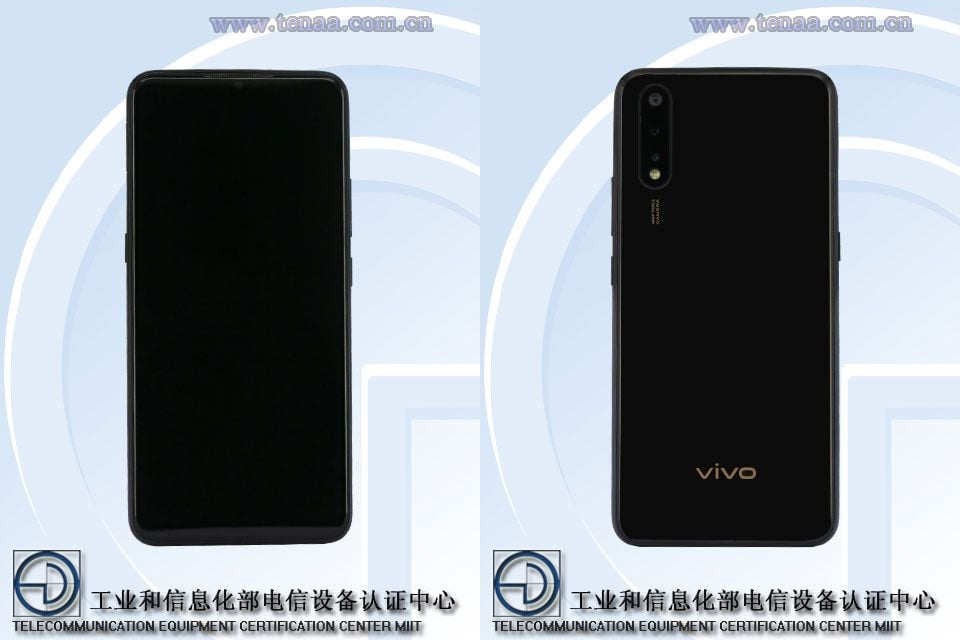
A new Vivo phone with model number V1921A was recently spotted on the database of China’s TENAA telecom authority. The listing of the phone had carried only minimum specs of the smartphone. The TENAA listing of the Vivo V1921 is now updated with its full specifications. It also carries the images of the smartphone.

The Vivo V1921 has a 6.38-inch AMOLED display. The waterdrop-style notch screen offers support for 1080 x 2340 pixels full HD+ resolution. The minimum capacity of the Vivo V1921A is 4,420mAh battery. Its typical capacity could be 4,500mAh battery. The 3C listing of the phone that had appeared in the recent past had revealed that its charger carries support for 22.5W fast charging.

The smartphone boots to Android 9 Pie OS. Being a Vivo device, the final product will feature FunTouch OS UI. The backside of the phone has a vertical triple camera setup. It includes a 48-megapixel primary sensor, a secondary sensor of 8-megapixel and a 2-megapixel lens. The front notch is the home for its 32-megapixel selfie camera.

Vivo V192A TENAA

A hardware key for accessing the Jovi AI assistant seems to be available on the left side of the smartphone. Its right side is equipped with a volume rocker and a power button. The dimensions of the phone are 159.53 x 75.23 x 8.13mm and it weighs 189.6 grams.

The exact identity of the Vivo V1921A smartphone is not known yet. However, the handset seems to bear resemblance with the recently unveiled Vivo iQOO Neo gaming phone. The iQOO Neo also features the same sized waterdrop notch display, in-screen fingerprint scanner, 4,500mAh battery, and up to 8 GB of RAM. Even the dimensions of the newly spotted Vivo V1921 is similar to the iQOO Neo handset. However, the Vivo V1921A seems to feature a different chipset and is equipped with better cameras. The iQOO Neo handset has an “iQOO” branding on the rear side of the phone, but the Vivo V1921A features a “Vivo” logo on its back. Hence, it can be said that it won’t end up as an iQOO phone.

(source)

UP NEXT: Vivo iQOO Neo is now available for purchase in China, price starts at 1,798 yuan ($261)

Xiaomi patents a new periscope lens technology in China

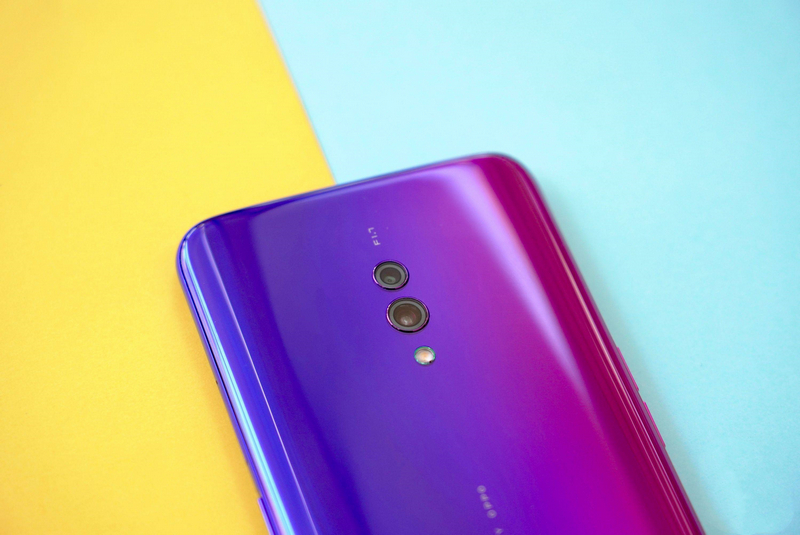
Flagship smartphones from Chinese brands Huawei and Oppo, namely Huawei P30 Pro and Oppo Reno 10X Zoom uses a periscope lens to enhance the photography experience. Now, it seems that another Chinese smartphone company Xiaomi will soon join the list.

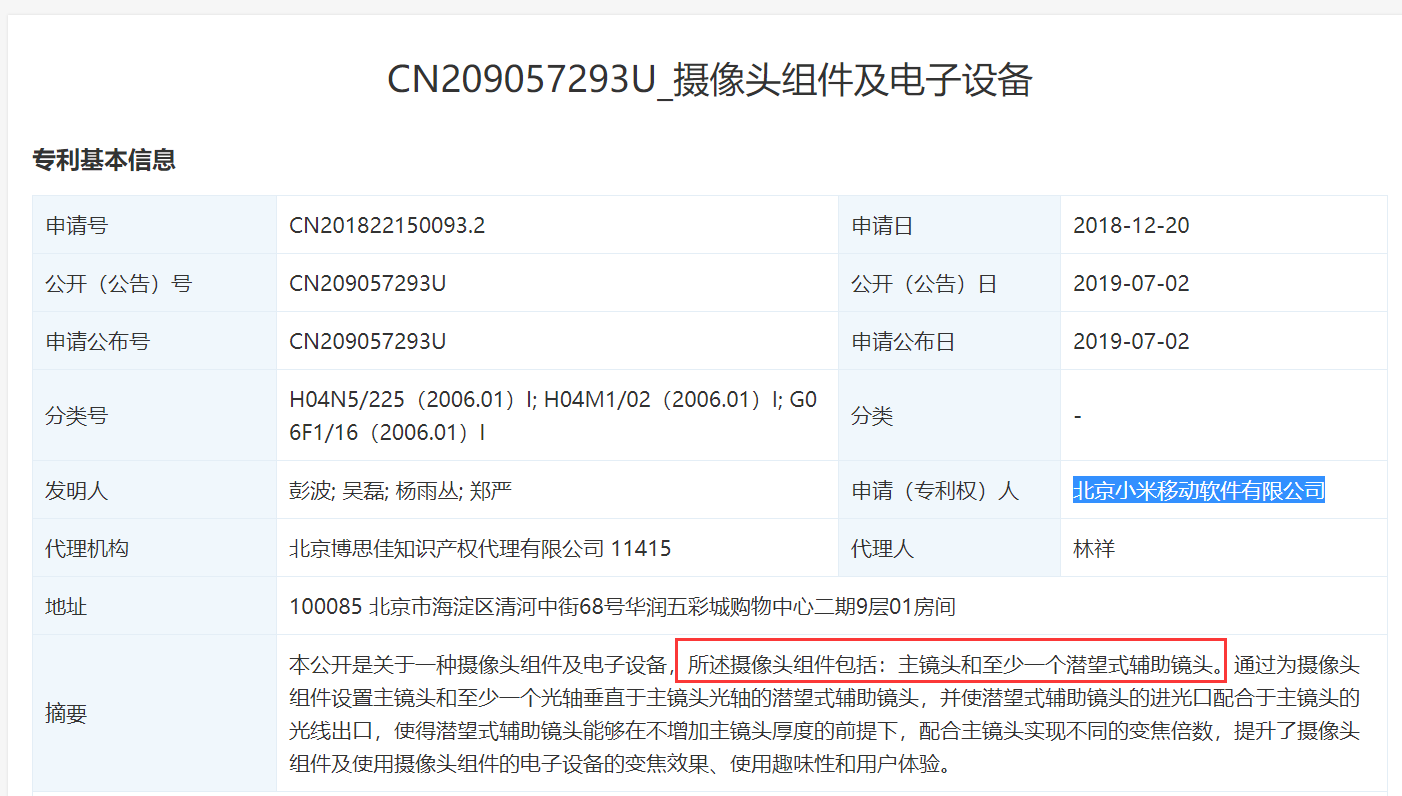
This is being speculated as the company’s recent application titled “Camera Components and Electronic Devices” was unveiled. The patent carries an application number CN201822150093.2, dated December 20, 2018, which was released to the public on July 2.

Xiaomi Periscope Lens Patent

The patent from the company shows that the camera components described in Xiaomi’s patent scheme include the main lens as well as at least one potential auxiliary lens. It shows that by setting up the main lens and at least one optical axis perpendicular to the main lens light axis, and by making the inlet of the periscope assist lens fit with the light outlet of the main lens, the periscope auxiliary lens can be used without increasing the thickness of the main lens.

It is not yet known in which of its upcoming smartphones will Xiaomi use this new camera technology. However, it’s being speculated that the company could use this in the Mi MIX series given that it’s the most expensive series from Xiaomi. Do note that this is just a speculation and the technology could come up in some other device. But, it’s still worth looking forward to the Mi MIX 4 which is likely to house periscope lens.

(Via)

Up Next: Xiaomi trademarks “Xiaomi Express”, which might be the company’s own delivery service

OPPO K3 to launch on July 19 in India, claims report

Last week, Amazon India began teasing on the arrival of the upcoming OPPO K3 smartphone. The smartphone was unveiled in China in May will be coming to India to replace the OPPO K1 smartphone. Fresh information shared by 91mobiles revels that the OPPO K3 will go official in the third week of this month.

Citing information received from retail sources, the publication has revealed that the OPPO K3 will be launching on July 19 in India. Unfortunately, the leak has no details on the specs and pricing of the OPPO K3.  The specs of the phone are no secret since it has ben already announced in China.

OPPO K3 Specifications

The OPPO K3 features a 6.5-inch AMOLED display. The predecessor model had featured 6.4-inch AMOLED screen. The notch-less screen of the OPPO K3 supports full HD+ resolution of 1080 x 2340 pixels and 19.5:9 aspect ratio.  The display is protected by Gorilla Glass 5 and it is embedded with an in-screen fingerprint sensor.

oppo k3 review

The Snapdragon 710 chipset is present under the hood of the device. It features up to 8 GB of RAM and up to 256 GB of native storage. There is microSD card slot on the device for more storage. The smartphone is backed by a 3,765mAh battery that carries support for 20W VOOC 3.0 Flash Charge technology.

The rear side of the OPPO K3 features a dual camera setup a 16-megapixel primary sensor and a 2-megapixel depth senor. It has a pop-up selfie snapper of 16-megapixel. The ColorOS 6.0 based Android 9 Pie comes preloaded on the device.

OPPO K3 Price in China

The OPPO K3 is available in multiple variants in China such as 6 GB RAM + 64 GB storage, 8 GB RAM + 128 Gb storage and 8 GB RAM + 256 GB storage. They are respectively priced at 1,599 Yuan (~$232), 1,899 Yuan (~$275) and 2,299 Yuan (~$333). The color variants of the OPPO K3 are Nebula Purple, Morning White and Farm Black. Probably, the smartphone may land in India with a starting price of around Rs. 15,999 (~$233).

(source)

UP NEXTOPPO A9x 8 GB RAM appears on TENAA