As the summer is getting hot, Ulefone going to make it even hotter with the special summer promotion they just launched and that will go on until July 20th. The promotion includes the Armor series as well as the entry-level S series. Let’s see some more details about the devices offered.
Ulefone Armor 6
The Ulefone Armor 6 is the star of the event and comes with IP69K/IP68/MIL-STD-810G certification and a UV sensor. There is also a 6.2″ FHD+ notch display, dual rear camera with 21MP/13MP sensor combo, a 13MP selfie shooter, wireless charging, fingerprint and face unlock, global network support, NFC with Google Pay, and Android 8.1 Oreo. The processor that powers the Armor 6 is the Helio P60 SoC accompanied by 6GB or RAM and 128GB of internal storage. Lastly, the battery is big at 5000mAh and supports 18W fast charging and wireless charging. You can get it for just $389.99 on Amazon US and 329.99€ on Amazon FR. That’s a $40 and €30 price cut respectively.
Ulefone Armor 6E
As another representative of the Armor series, Armor 6E is also certificated by IP68/IP69K protection grade and MIL-STD-810G. It is powered by the latest Helio P70 AI SoC backed by 4GB of RAM plus 64GB of internal storage. As a rugged phone, it supports underwater mode that enables you to shoot videos/pictures while diving or swimming. It is a 6.2″ FHD+ display device with Gorilla Glass 5 protecting it and there’s a dual camera setup on the back with 16MP/2MP configuration as well as an 8MP selfie shooter. The battery under the cover has 5000mAh capacity and supports 10W Qi wireless charging while other features include face and fingerprint unlock, Android 9.0, NFC with Google Pay, and global network coverage with 4G Band 66 included. Its price during the promotion is just 32399 JPY on Amazon Japan, 3600 JPY off the official price.
Ulefone Armor 3/3T
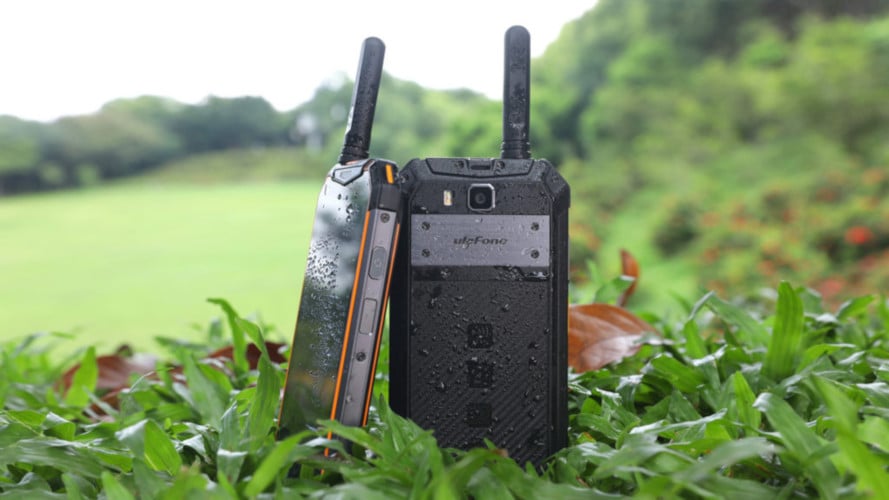
Also present, is the Armor 3/3T duo. They share the same hardware, with Armor 3T having walkie-talkie function as an extra feature. As rugged phones, they come with IP68/IP69K and MIL-STD-810G certification and a huge, 10300mAh battery. The display is a 5.7″ FHD+ one with 18:9 aspect ratio and they are powered by Helio P23 accompanied by 4GB of RAM and 64GB of storage. The rear camera hosts a 21MP Sony sensor while the front shooter a 13MP one. Lastly, both support NFC with Google Pay and come with Android 8.1. The promotion price for the Armor 3 is $319.99 (a $30 price slash) on Amazon US.
The Armor 3T that supports 1W/2W hardware intercom (400-470MHz) and can work with common interphones costs just €294.99 on Amazon Germany store (€30 off).
Ulefone Note 7
Lastly, the entry-level 3G smartphone, Note 7 equipped with 3 card slots (2 SIMs and 1 microSD) is also available during the promotion. The device features a 6.1″ waterdrop screen with a 5MP selfie shooter while the rear camera hosts 3 sensors (8MP/2MP/2MP). It is powered by the MT6580 quad-core SoC backed by 1GB of RAM and 16GB of internal storageand the battery capacity is 3500mAh. It also supports face unlock and comes with Android 8.1 (Go Edition) OS. It is available for just €54.99 on Amazon FR and €66.99 on Amazon DE.
The summer sales promotion started today and will finish on July 20th. For more details about other models and promotions, you can visit Ulefone’s official store on Amazon.
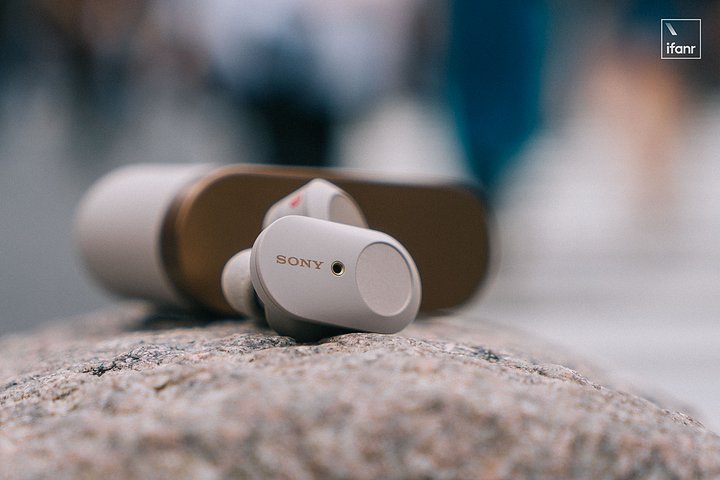
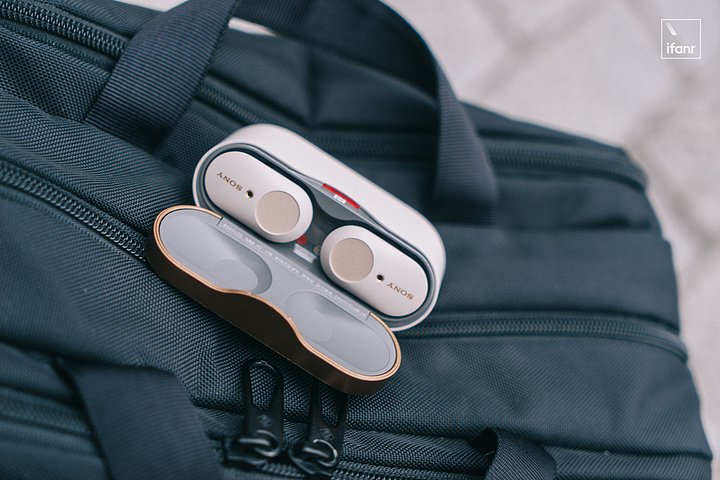
On Friday, July 5th, Sony unveiled its new generation of true wireless noise-canceling headphones that carry the WF-1000XM3 moniker.
Taking the disconnection related problem that users experienced earlier into consideration, Sony seems to have left no stone unturned in a bid to make this generation of products unique, yet capable of delivering the improved overall user experience. Keeping in line with that, the Japanese tech behemoth decided to dump the nickname “Frequency Reduction Bean.”
Breaking from the tradition, Sony gave the new generation the WF-1000XM3 label, instead. With this move, Sony is hoping to give its users a whole a new feel as far as the product is concerned.
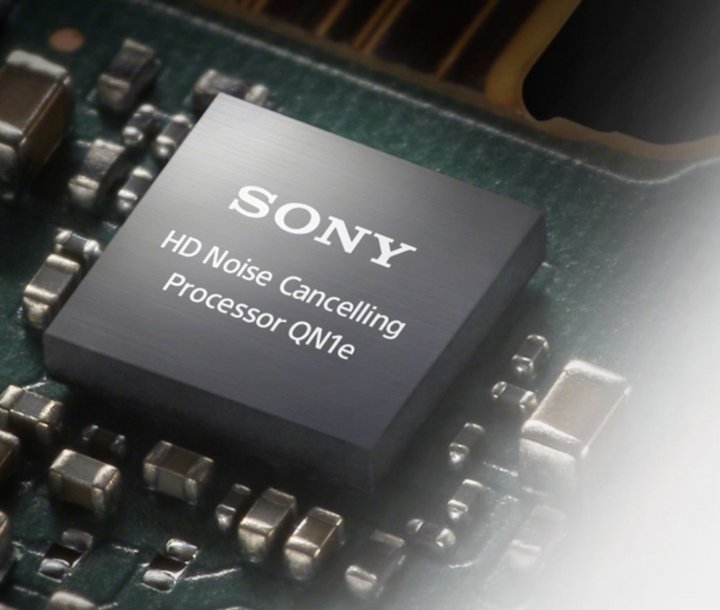
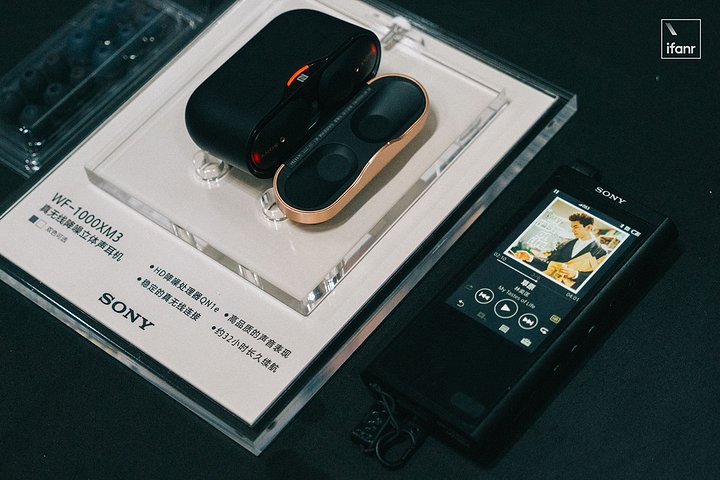
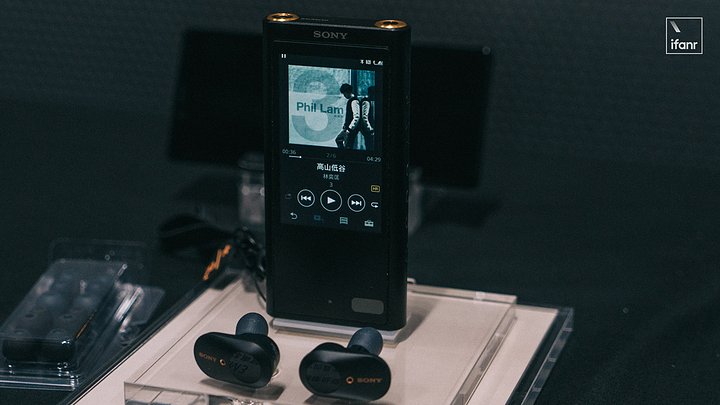
The WF-1000XM3 packs the QN1e HD noise reduction processor which enhances the noise reduction effect, while enabling the device to have 24-bit lossless audio processing capability at the same time. After Sony rolled out the DSEE HX technology update, a significant improvement was noticed in the sound of the WF-1000XM3.
Additionally, the overall battery life of the WF-1000XM3 has been increased to more than 24 hours, which makes daily communication easier than ever before. Taking these parameters into consideration, it seems safe to say that the Sony WF-1000XM3 is the most balanced true wireless noise-canceling headset.
At the time of release, we pointed out that some users aren’t quite confident about the stability offered by Sony’s true wireless noise-canceling headphones. Let’s check out few questions mentioned below:
What kind of changes in the transmission performance can be expected after improving the audio and noise reduction performance?
Unlike the previous generation, will the product eliminate the problem related to chain scission and delay?
Will the headphones lose stability in the case of large interference?
Will adding support for 24-bit lossless audio change the overall listening experience?
And so on…
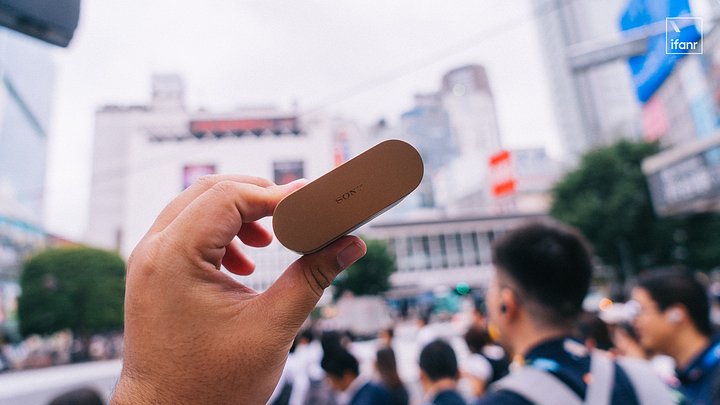
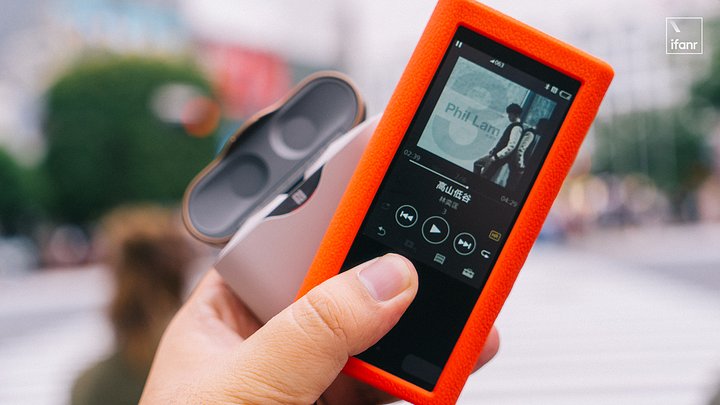
To find answers to these burning questions, we decided to take the WF-1000XM3 to the Shibuya Crossroad, which is deemed as one of the busiest and most complex wireless locations in Japan. Here’s what we found out about the device’s performance in the super crowded urban area.
The Elegant Experience of Wearing the Device
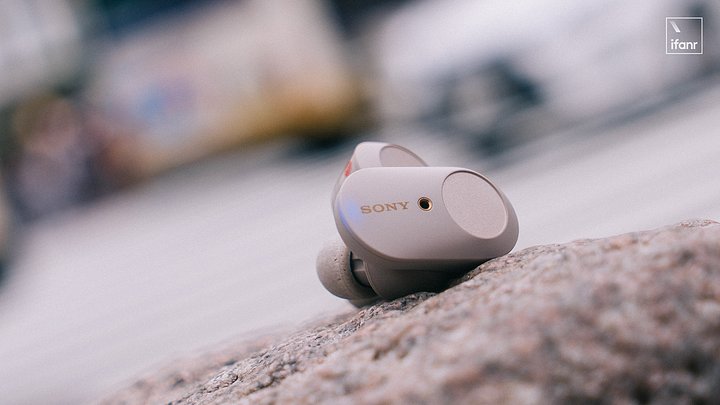
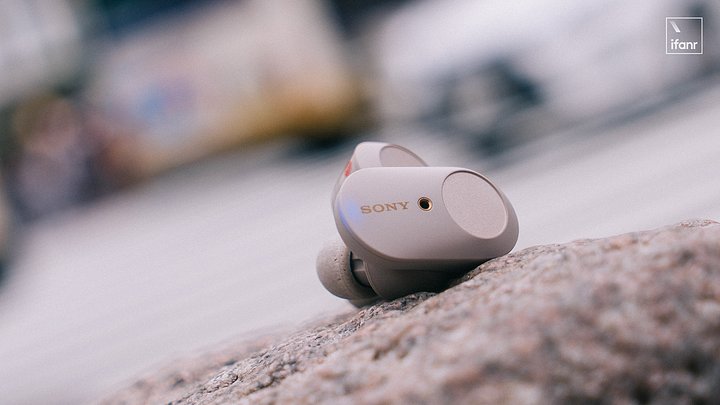
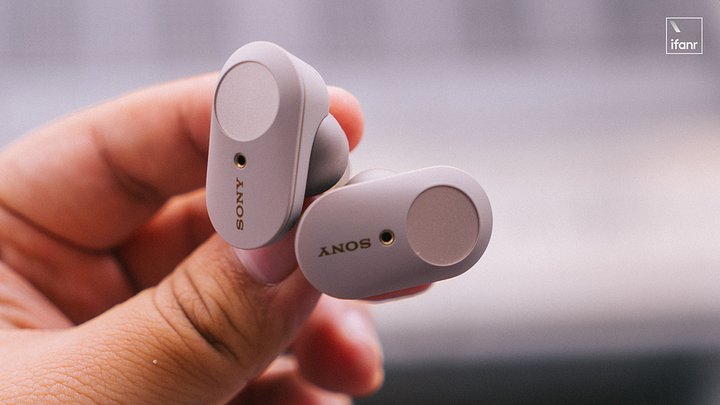
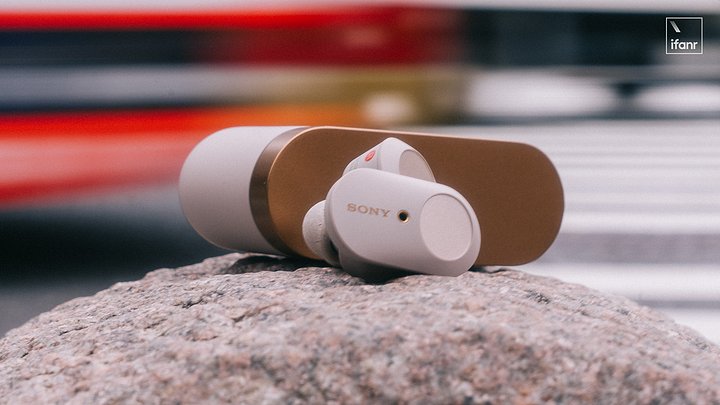
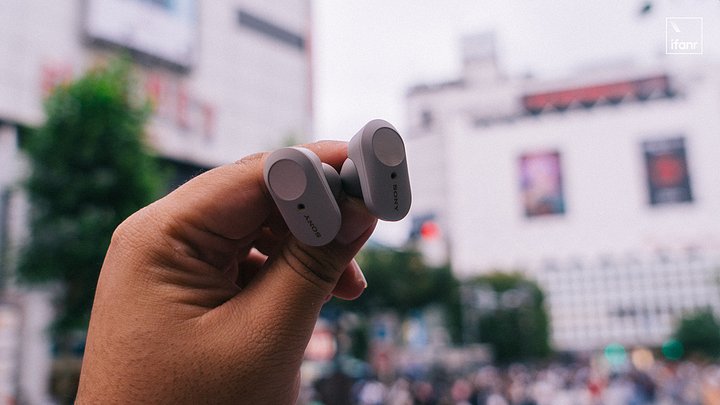
On the design front, Sony has changed the shape of the earbuds in this generation, and the WF-1000XM3 was replaced with a design similar to the WF-SP series.
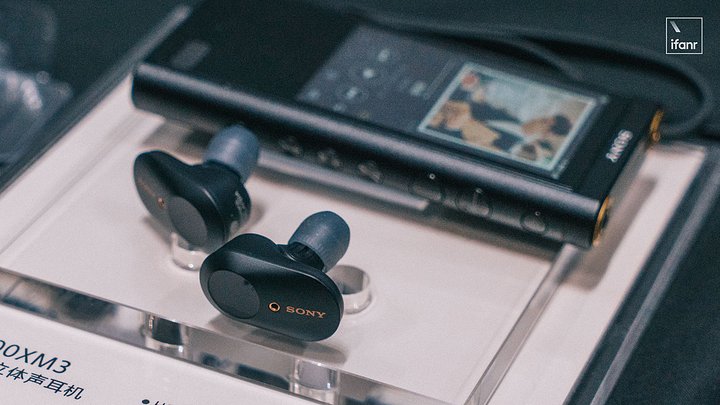
Featuring a front-mounted touch panel, the WF-1000XM3 got rid of the mechanical button. This enabled users to perform tasks like switching the noise reduction mode, accessing the playback control functions simply by tapping and touching this disc at various frequencies.
Aside from that, Sony included an interaction found on the WH-1000XM3 head-mounted noise-canceling headphones. As soon as a user places his hand on the earphone, the device activates the ambient sound automatically. The WF-1000XM3 mode eliminates the need to clicking several times in order to exhale the interaction of the ambient sound mode.
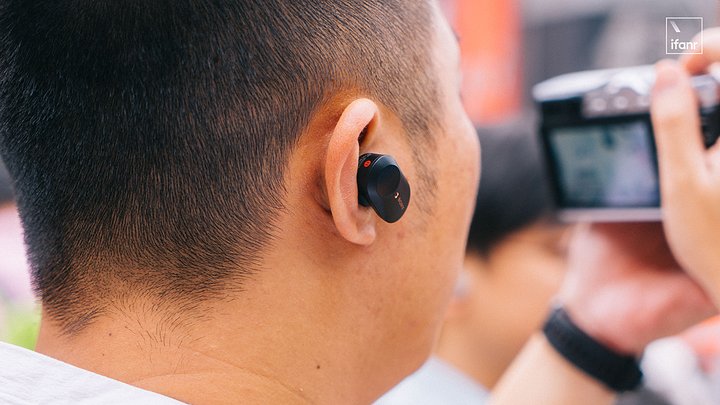
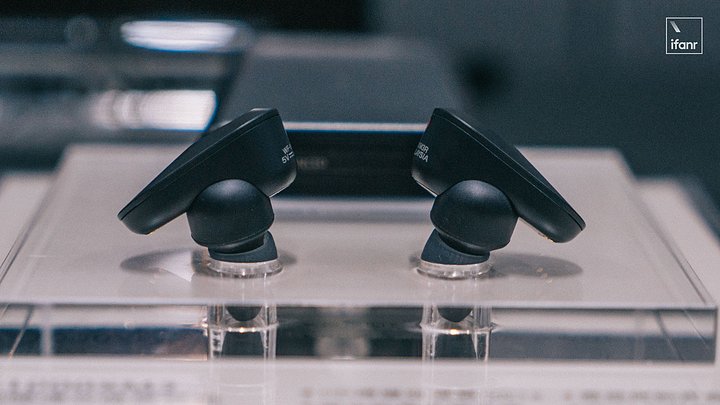
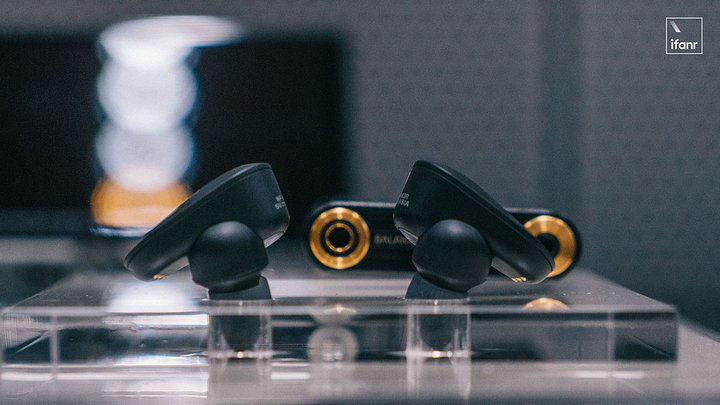
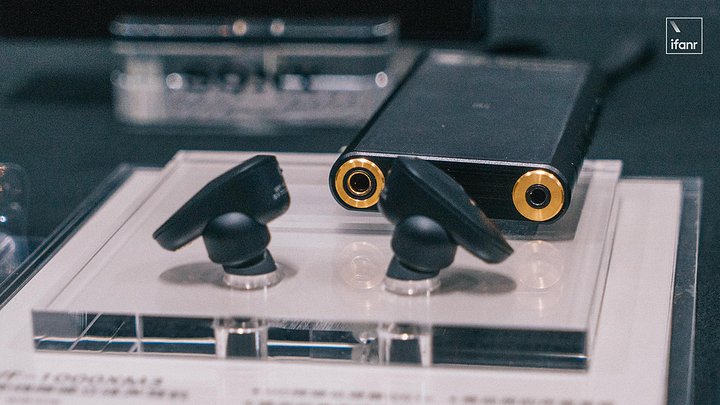
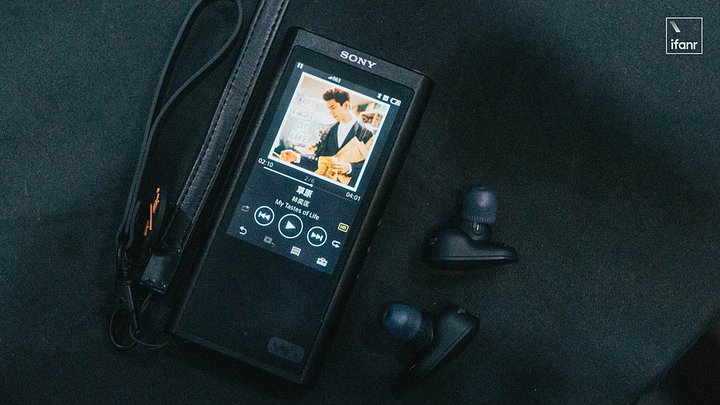
To make it easy-to-wear earbuds, Sony radically overhauled the in-ear structure of the WF-1000XM3. The new design of the WF-1000XM3 allows you to fix it in the ear despite the absence of an external “shark fin” fixed structure. When placed in the ear, the in-ear structure comfortably fills the ear of the wearer with the help of the support available between the structure and the ear. This saves the time a user invested in looking for a plug-in structure that fits them. Moreover, the user didn’t need to ensure they carried their ear hooks as well.
On top of that, Sony gave the headphones a more slender appearance. The protruding portion of the earphone body features a curvature that sits comfortably in the ear, allowing the user to fix the earphone exactly in the position of the human tragus. The extended part includes a microphone for radio, which brings the microphone closer to the mouth while enhancing the quality of the radio at the same time.
In other words, it is tried, and it looks like the WF-1000XM3 is highly like to meet the expectations of the users in terms of performance.
On Friday, July 5th, Sony unveiled its new generation of true wireless noise-canceling headphones that carry the WF-1000XM3 moniker.
Taking the disconnection related problem that users experienced earlier into consideration, Sony seems to have left no stone unturned in a bid to make this generation of products unique, yet capable of delivering the improved user experience. Keeping in line with that, the Japanese tech behemoth decided to dump the nickname “Frequency Reduction Bean.”
Breaking from the tradition, Sony gave it the WF-1000XM3 label. With this move, Sony is hoping to give its users a whole a new feel as far as the product is concerned.
The WF-1000XM3 packs the QN1e HD noise reduction processor which enhances the noise reduction effect, while enabling the device to have 24bit lossless audio processing capability at the same time. After Sony rolled out the DSEE HX technology update, a significant improvement was noticed in the sound of the WF-1000XM3.
At the time of release, we pointed out that some users aren’t quite confident about the stability offered by Sony’s true wireless noise-canceling headphones:
What kind of changes in the transmission performance will take place after an improvement in the audio and noise reduction performance?
Unlike the previous generation, will the product eliminate the problem related to chain scission and delay?
Will the headphones lose stability in the case of large interference?
Will adding support for 24-bit lossless audio change the overall listening experience?
To find answers to these burning questions, we decided to take the WF-1000XM3 to the Shibuya Crossroad, which is deemed as one of the busiest and most complex wireless environment in Japan. Here’s what we found out about the device’s performance in the super crowded urban area.
Featuring a front-mounted touch panel, the WF-1000XM3 got rid of the mechanical button. This enabled users to perform tasks like switching the noise reduction mode, accessing the playback control functions simply by tapping and touching this disc at various frequencies.
Aside from that, Sony included an interaction found on the WH-1000XM3 head-mounted noise-canceling headphones. As soon as a user places his hand on the earphone, the device activates the ambient sound automatically. The WF-1000XM3 mode eliminates the need to clicking several times in order to exhale the interaction of the ambient sound mode.
To make it easy-to-wear earbuds, Sony radically overhauled the in-ear structure of the WF-1000XM3. The new design of the WF-1000XM3 allows you to fix it in the ear despite the absence of an external “shark fin” fixed structure. When placed in the ear, the in-ear structure comfortably fills the ear of the wearer with the help of the support available between the structure and the ear. This saves the time a user invested in looking for a plug-in structure that fits them. Moreover, the user didn’t need to ensure they carried their ear hooks as well.
On top of that, Sony gave the headphones a more slender appearance. The protruding portion of the earphone body features a curvature that sits comfortably in the ear, allowing the user to fix the earphone exactly in the position of the human tragus. The extended part includes a microphone for radio, which brings the microphone closer to the mouth while enhancing the quality of the radio at the same time.
In other words, it is tried, and it looks like the WF-1000XM3 is highly like to meet the expectations of the users in terms of performance.
Following the removal of the extra fixed structure, the WF-1000XM3 no longer needs additional adjustments to be worn comfortably, as opposed to the several changes required to fix the external structure of the WF-SP700N and WF-SP900 for convenience. Sony also revamped the lumen wear ear design to offer fitting comparable to the IER-M7 and IER-M9. While the stability is not more than what the WF-SP700N and WF-SP900 offer, it is still better than the WF-1000X.
If you fancy using user-ear headphones, I do not want to suggest a wide range of fixed structure when worn, but recommend the WF-1000XM3 for a more comfortable wearing experience.
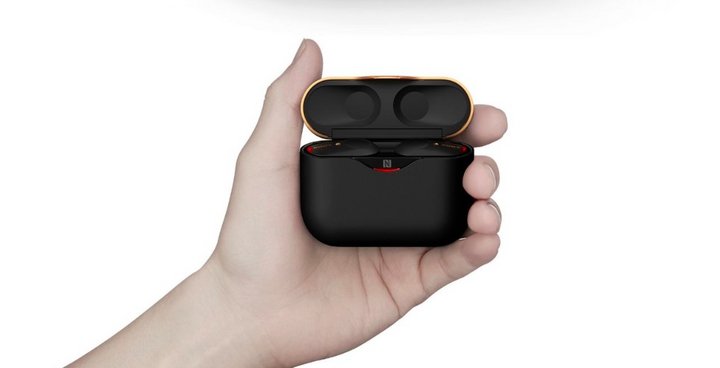
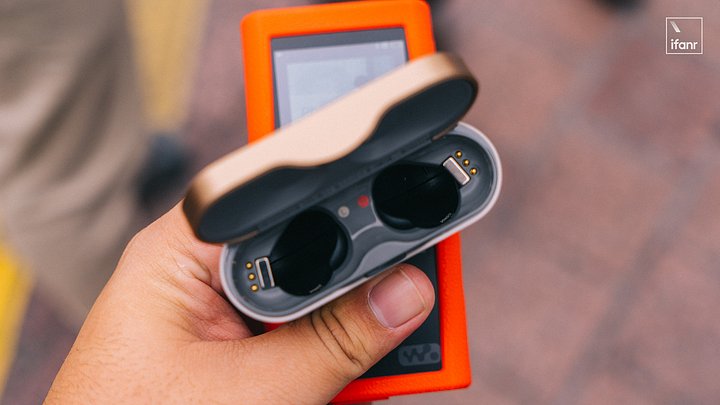
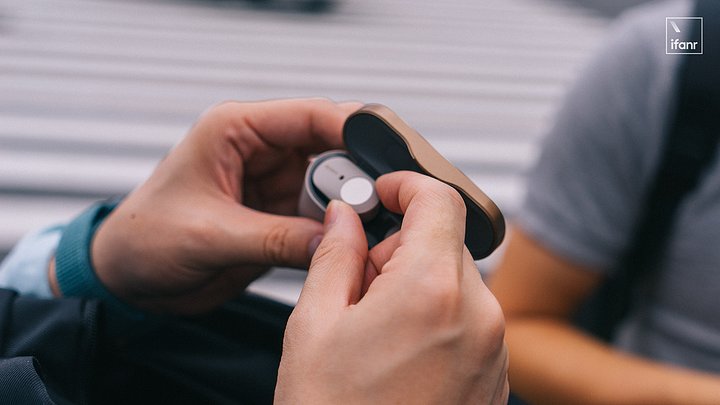
The WF-1000XM3 is housed in a comparatively bigger battery case than its precursor, and can efficiently achieve a volume similar to the WF-SP900.
The aforesaid battery case has a crisp magnetic structure that keeps the headphones steady despite the absence of physical snaps and minimizes the hassle of hard snap losses. The earphones need to placed on the top of the charging box in a flat position, and the charging prompts that can be seen when you wear the earphone shows the percentage of the battery life left on the earphone along with other details.
The larger charging box represents the bigger battery capacity. According to Sony, the WF-1000XM3 delivers a stand-alone time of 6-8 hours, and when placed inside the charging box it can easily deliver an impressive 24-32 hour battery life.
To meet the varied needs of a generation of endurance performance, the upgrades introduced in the WF-1000XM3 not only includes a large battery, but also a larger charging case. Furthermore, the overall feel offered by earbuds is also noteworthy.
In addition to that, Sony re-arranged the placement of the NFC module for the WF-1000XM3 charging case, placing it in the back of the cover. While most earbuds have the NFC located at the bottom, the rear placement of the NFC in the WF-1000XM3 makes pairing a bit harder.
In my opinion, if the NFC is located on the back of a box just under the flat place, NFC pairing would be a lot easier and comfortable.
While there’s a significant improvement in the noise reduction department, there’s still scope for improvement.
The WF-1000XM3 update brings improvements to two of the most vital aspects including noise reduction and connection stability.
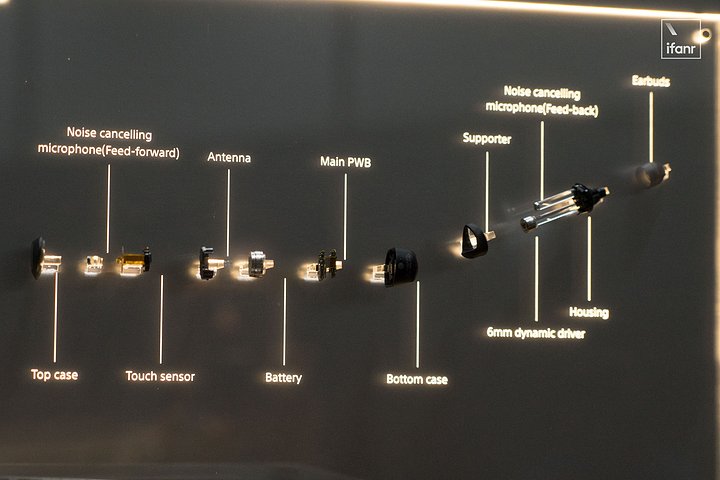
To achieve noise reduction, the WF-1000XM3 relies on the QN1e, which is touted as the latest HD noise reduction processor. The QN1e can be described as the QN1 HD noise reduction processor, which powered the head-mounted noise-canceling headphones WH-1000XM3, which is designed for the small-volume true wireless noise-reduction headphones.
Unlike the head-mounted QN1, the QN1e processor brings the maximum specification of audio support down to 24-bit from 32-bit. Although there are a few more changes in the rest of the parameters, it is worth mentioning here that the specific performance remains almost the same.
This is similar to Sony’s official 4x noise reduction boost when the company introduced the QN1, but this time it can also be implemented on the new QN1e.
In comparison to the original WF-1000X, the WF-1000XM3 offers significantly enhanced noise reduction. It is evident that Sony has not only improved the noise reduction performance but also enhance the noise reduction quality. Furthermore, noise control is also relatively better than the WF-1000X and WI-1000X second-generation 1000X products.
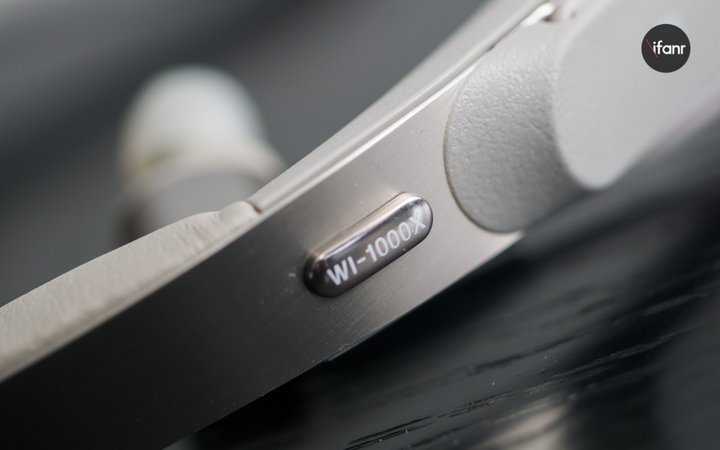
The QN1e’s WF-1000XM3 offers noise reduction capability that’s close to the noise reduction circle available on the WI-1000X. Despite trying it out in heavy traffic, the WF-1000XM3 didn’t fail to provide quiet playing environment for music playback. As if that weren’t enough, the WF-1000XM3 minimizes the effect of noise on people in situations like aircraft, subways, etc, without ceasing to deliver regular noise.
Sony adopts the SENSE ENGINE noise reduction technology for the WF-1000XM3, allowing users to automatically adjust the noise reduction effect. All you need to do is to connect your smartphone and run the Headphone Connect app. The headset uses the phone’s sensor to determine the user’s environmental information and adjusts the active noise reduction effect to provide a suitable noise reduction performance.
The noise reduction performance of the WF-1000XM3 remains unchanged. The QN1e noise-reducing processor provides a noise reduction effect to the earphone. Thanks to its closed and ear-in-ear design, the WF-1000XM3 delivers the noise reduction capability which is comparable to the WI-1000X so that you can wear it even in crowded places like subway stations. You do not need to make any sort of noise reduction in scenarios like airplanes.
Coming to connection stability, the WF-1000XM3 shows noteworthy improvements.
We tried connecting the WF-1000XM3 to a smartphone to play video and music in the conference venue and found that there wasn’t an obvious delay in the headset’s performance. The video, on the other hand, delivered basic sound and picture synchronization without any sort of problem. Aside from that, we tried using the WF-1000XM3 in a more complex wireless room and found that the stability was not lost even with multiple devices turned on.
The aforesaid changes are still pending the connection mode of the WF-1000XM3.
As far as connection configuration is concerned, the WF-1000XM3 adopts the Bluetooth 5.0 technology and employs the true wireless solution, paired with an independent connection between the two ears. This allows you to independently connect both headphones to the playback device. This configuration mode is way better than the bridge mode available on the previous generation. To achieve stability, the delay will be minimized to a specific extent, which provides a better stability experience than the original.
Nevertheless, it cannot be overlooked that there’s still room for improvement in terms of stability for the WF-1000XM3.
On a super crowded street, the WF-1000XM3 shows a stuttering phenomenon. In the SBC (sound quality priority) mode, this stuttering phenomenon is still noticeable. By reducing the distance between the earphone and the playback device, you can improve the stability of the earphone, but you are still likely to experience some level of instability.
Given that the Shibuya wireless environment is more complicated than a regular area, it seems safe to say that the WF-1000XM3 delivers a reasonably good output.
The WF-1000XM3 is still capable of delivering superior performance even if you use it in specific environments like office or airplane. But if you fancy running on the street, we suggest you adjust the connection mode to SBC (connection priority) to further improve stability.
There’s a huge improvement in the sense of hearing with fuller bass and more prominent details.
As far as sound configuration is concerned, the Sony WF-1000XM3 features a 6mm moving coil unit, and the QN1e processor has an independent DAC and amplifier, which processes audio information without any sort of problem. The highly competent QN1e processor is designed to handle 24bit lossless music; however, the transmission limitations of the WF-1000XM3 limits this processing parameter.
Sony has employed its DSEE HX digital sound enhancement engine technology for the WF-1000XM3. The DSEE HX can efficiently process as well as compensate non-lossless music while enhancing the quality of damaged sound sources. It also improves the playback and listening effects of the device.
The WF-1000XM3 is quite similar to the WI-1000X, given that it produces very prominent vocal and sound resolution. On the downside, it could be slightly on the cold side. The sound produced by the headphones can be described as more Sony-specific “digital flavor”.
Unlike a slew of other Sony True Wireless Headsets, the WF-1000XM3 offers a thicker bass performance, with a more noticeable layering of the sound. Much to the relief of music lovers, it doesn’t deliver a paper-thin sound quality like the WF-SP series offered.
After the enhancement, the vocals are now more prominent, and the details are also improved than the older models. Regrettably, the vocals seem a bit too prominent at times, and there’s sharpening the transition which makes the sounds dry. Nevertheless, the overall sound performance of the WF-1000XM3 is relatively better than the previous generation.
The previously launched models tend to boost the thickness of the sound while neglecting the sound details. The WF-SP Sport True Wireless Series focuses a bit too much on the sound details, as well as mid-high band performance which removes the thickness out of the sound.
The WF-1000XM3 is designed to eliminate the above-mentioned shortcomings. It makes the headphones deliver a more balanced sound, without losing Sony’s signature style.
If you loved the sound style delivered by Sony’s earphones, the WF-1000XM3 will meet your expectations without an iota of doubt.
The Arrival of New Headphones, Users Are Looking Forward to the 1000X Series of the Updates
The WF-1000XM3 can be deemed as an ideal turnaround for Sony’s true wireless headsets.
It addresses multiple concerns including poor connection stability, battery life, a significant delay in sound, which have been associated with the previous generation of products. Moreover, the sound quality and noise reduction effect have been improved as well. Regardless of whether it is for any true wireless headphones that have active noise reduction feature or Sony True Wireless Headset, the WF-1000XM3 is worth giving a test drive.
The WF-1000XM3 is also a great choice for those who prefer a true wireless headset that minimizes noise without demanding other features such as the high-standard transmission mode of LDAC, aptX HD. The only downside is that it will set you back a 100 yuan more than the older models. The WF-1000XM3 carries a competitive 1699 yuan price tag.
It is worth mentioning here that despite its improved performance, the WF-1000XM3 still has a lot of room for improvement, especially in the stability department.
For instance, the stability offered by the headphones in the outdoor environment can be improved. The playback can be more stable in situations where the phone and player are not placed close to each other. Moreover, it will be a great improvement if Sony adds support for LDAC or aptX HD in the WF-1000XM3. If this isn’t achieved, the availability of the QN1e chip which boasts 24bit lossless music processing capability is not justified.
It will be interesting to see if Sony’s next noise-canceling headphones will address these concerns. We’ll need to wait and watch!
While it is not a true wireless product, it offers reliable connection stability along with stronger transmission capabilities than the WF-1000XM3. Thanks to LDAC and aptX, it delivers 24-bit high-quality music wireless playback with the help of the QN1e processor. Wireless noise-canceling headphones that are crammed with these kinds of features are likely to garner more popularity among users.
Details about Sony’s next-generation product are still scarce. If the company is gearing up to launch a similar product, it is unlikely to make an appearance before the IFA 2019. If you are waiting with bated breath for the next product, it looks like you are in for a big disappointment. Note that the company hasn’t yet updated its noise reduction circle.
Keeping watching this space for more updates and drop your valuable comments below, what you think about Sony’s amazing WF-1000XM3 earbuds.
Huawei has filed two trademark applications at the European Union Intellectual Property Office (EUIPO). The trademarks are “Cine-Lens” and “Camera Matrix” and from the name, it is obvious they are camera-related.
The trademark applications were filed yesterday, July 17, and filed under class 9. The trademark application for “Cine-Lens” says it falls under “cinematographic” and “cameras” for smartphones while “Camera Matrix” falls under “optical lenses” for smartphones.
If we had to take a guess, we would say Cine-Lens is a camera feature similar to the LG V40 ThinQ‘s Cine Shot. Cine Shot allows you to create cinemagraphs with the phone’s cameras.
For those who don’t know what a cinemagraph is, it is a sort of still photo with certain parts moving. For example, you can have a cinemagraph where the steam from a steam-engine is flowing out but the train is static. Below is an example of a cinemagraph.
Image source: Android Authority
We think Cine-Lens is Huawei’s version of the feature. Cinemagraphs are actually not new. The Lumia 920 and Lumia 820 can shoot cinemagraphs. The Moto Z3 Play can do so too.
For “Camera Matrix”, we believe Huawei is trademarking its square-housing camera arrangement. Nothing more, nothing less.
If our guess is correct, Cine-Lens should launch with future Huawei devices, maybe even the Mate 30 series. It should also be available to older devices too via a software update.
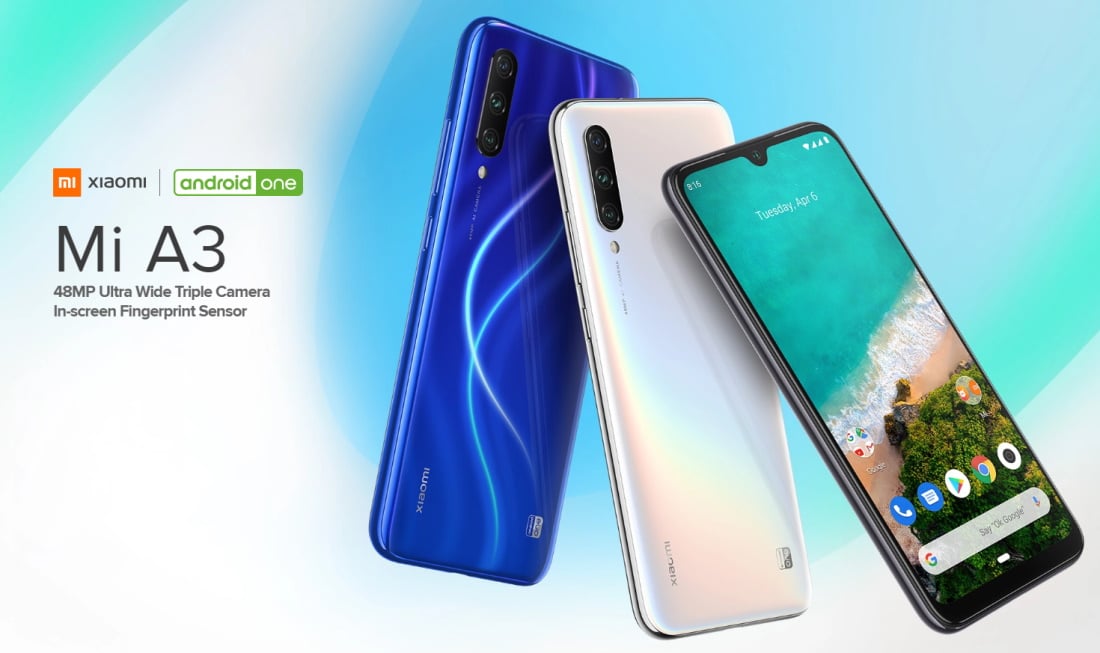
Yesterday, Xiaomi took the wraps off the Mi A3 smartphone for the first time in Spain. The company is reportedly planning to introduce the model for the Asian market starting with Malaysia on July 31. Already, invites have been sent out to the media ahead of the launch event billed to hold in the country’s capital, Kuala Lumpur.
The Mi A3 has been confirmed to be a rebadged Mi CC9e which was earlier launched in China. As usual, the phone won’t be launched in China just like its predecessors but other Asian markets including India will likely get the Mi A3 soon. The major highlight on the A3 is no doubt the stock Android OS it runs which some find appealing than the MIUI overlay. But then, Xaomi disappoints by including an HD+ resolution screen on the device.
As a reminder, the device features 6.088-inch HD+ display with an in-display fingerprint sensor, Snapdragon 665 processor, and a large 4030mAh battery. The triple cameras remain the same as the Mi CC9e which includes a 48MP primary sensor, an 8MP wide-angle sensor, and a 2MP depth sensor. At the front, there is a 32MP selfie sensor. The phone comes in two memory versions – 4GB+64GB priced at €249 ($280) and 4GB+128GB priced at €279 ($315). It’s currently available for pre-orders in Spain and would go on sale on July 24.
During the P30 launch event in March, Huawei launched the FreeLace Bluetooth headset alongside the Freebuds Lite. The headset has been available in two colour variants on VMall. The company has now released two more colour variants of the FreeLace on the e-commerce platform.
The two colour options are Midsummer Purple and Emerald Green. The Purple variant comes with the Nova logo stamped on it. The two variants are presently available to pre-order on Huawei’s VMall for 499 yuan.
The FreeLace headset has a designed that would be most appealing to sportspersons and those who like listening to music while exercising. It comes with a collar (over-the-shoulder design) which would prevent it from falling off easily while running. There is also a magnetic clasp in each ear which helps keep the earbuds together. Apart from organising the earbuds, the magnetic clasp also functions during calls. It allows users to receive calls by just detaching the pair and placing them on your ears. After the call, you just need to remove the buds from your ears and attach the two and the call will be ended. The same feature will also start or stop music depending on whether you’re placing them in your ears or removing them. The cables are anti-tangling specs which won’t tangle easily.
The Huawei FeeLace comes with a USB-C port which offers fast data transfer and fast charging of the gadget. Just 5 minutes of charge can deliver up to 4 hours of audio playback. A full single charge can deliver up to 18 hours of continuous playback. Apart from the fast wired connection, the headset can also be paired with other gadgets wirelessly using Bluetooth.
As for the audio quality, the earphones are powerful, driven by the 9.2mm titanium-plated drivers, which brings solid audio for anyone that simply wants a pair of workout earbuds. The design delivers wind noise reduction capability which cuts out audible audio infractions. There is an in-line remote for various controls, including activation of Google Assistant.dset midsummer purple version has a new logo on the “nova” printed on it, and the midsummer purple version is more flexible with the new logo.
Before the Nova 5i launched alongside the Nova 5 and Nova 5 Pro last month, there were reports of a Nova 5i Pro too but Huawei didn’t announce it at the launch event.
A schematic diagram from its manual was leaked afterward, confirming the device does exist. Now, promo materials have also surfaced, revealing all there is to know, save for the price and launch date, about the upcoming device.
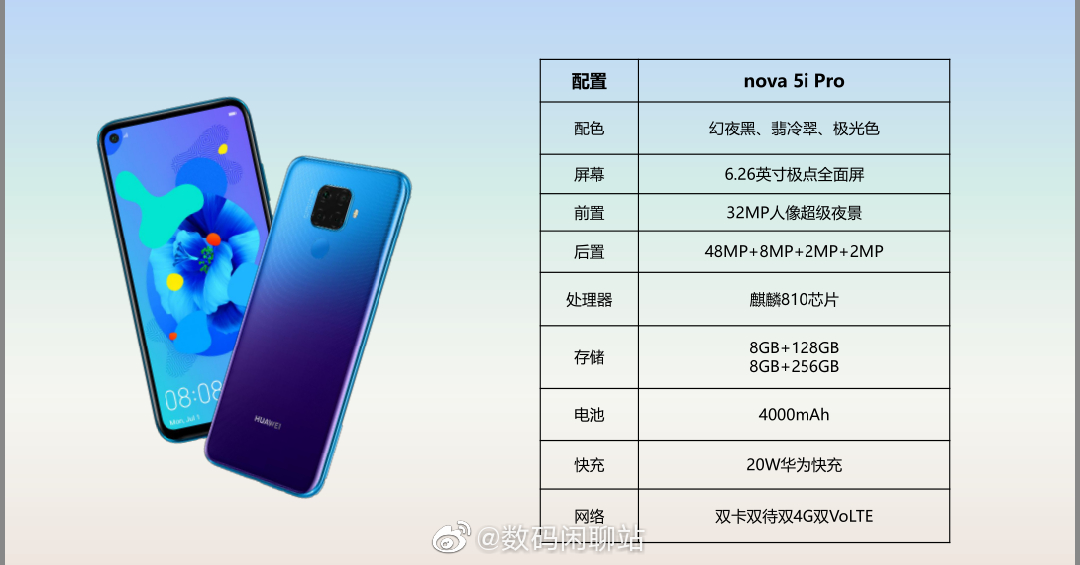
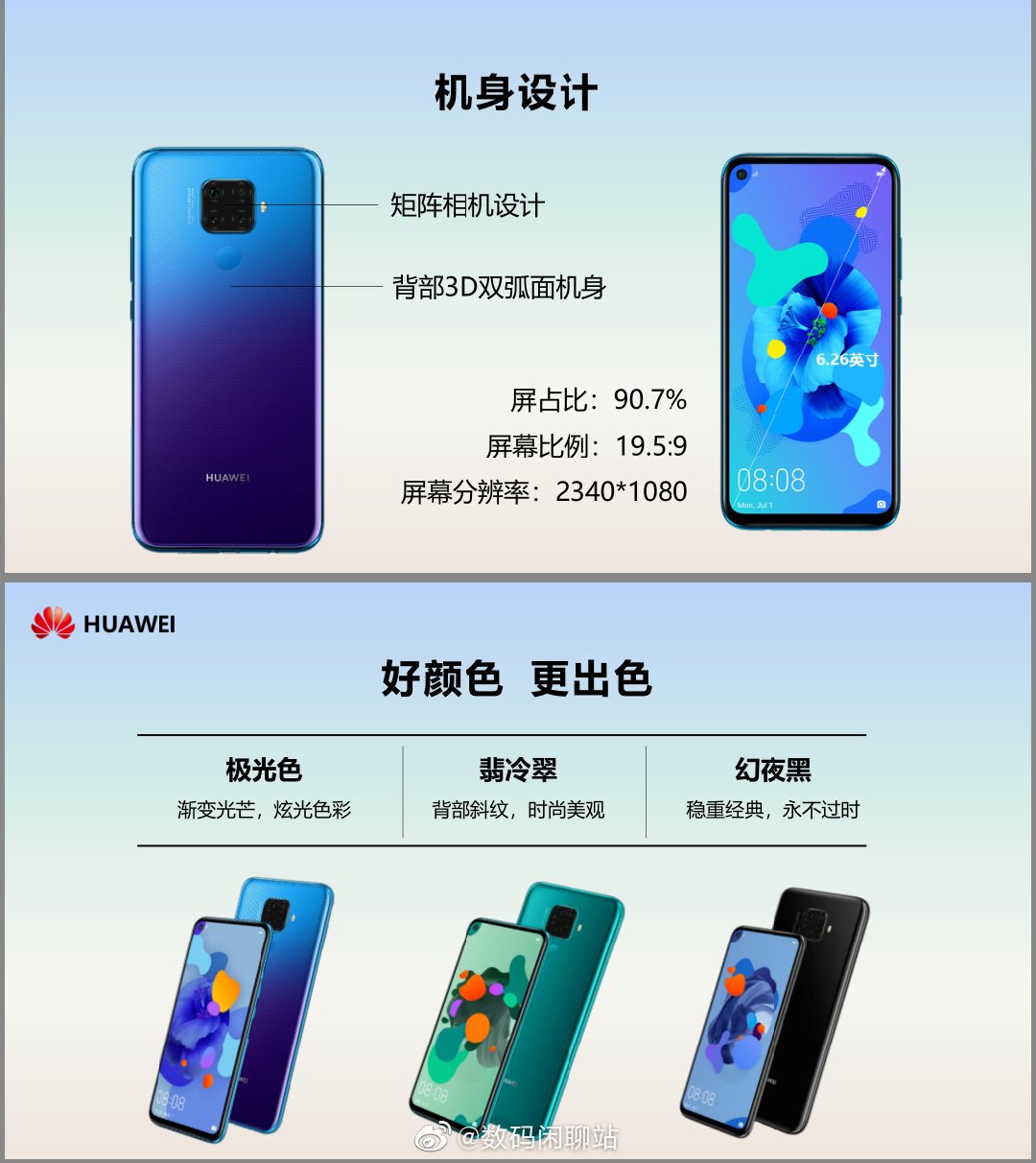
The Nova 5i Pro will have a punch-hole FHD+ display like the non-pro model albeit smaller at 6.26-inches. The display has a 19.5:9 aspect ratio and a 90.7% screen-to-body ratio. Inside the hole which sits at the top left corner is a 32MP camera.
The phone will adopt the Mate 20 Pro’s Matrix camera design but house four sensors instead of three. The primary camera is a 48MP sensor and it is paired with an 8MP super wide-angle camera, a 2MP sensor with a macro lens, and a 2MP depth sensor. Flanking the housing on the right is the LED flash and below it is a fingerprint scanner.
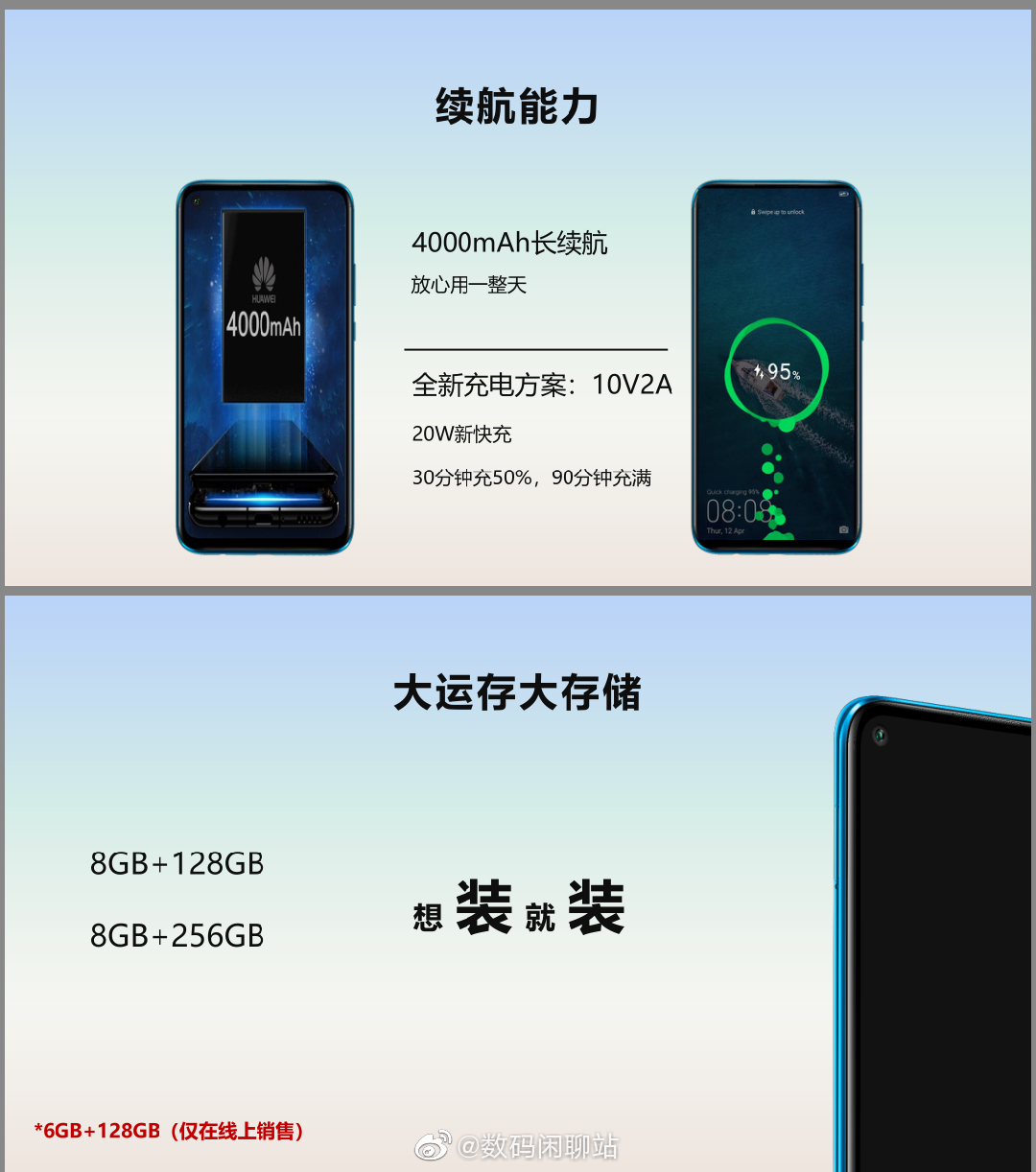
The Nova 5i Pro swaps the Kirin 710F of the Nova 5i for the newer and more powerful Kirin 810. It has 8GB of RAM and will come in 128GB and 256GB versions. There is a 4000mAh battery under the hood and it has support for 20W fast charging. Huawei says the phone can charge to 50% in 30 minutes and will take 90 minutes to charge to 100%.
The Nova 5i Pro will come in three colors – Aurora, Emerald, and Midnight Black. The back of the phone has a 3D curve but we are not sure if it is glass or plastic.
The Nova 5i Pro specs in the promo materials are identical to those of the TENAA-certified Huawei SPN-AL00 and Huawei SPN-TL00 which have been reported to be variants of the Mate 30 Lite. If that is the case, the Nova 5i Pro will launch in Europe and other markets as the Mate 30 Lite.
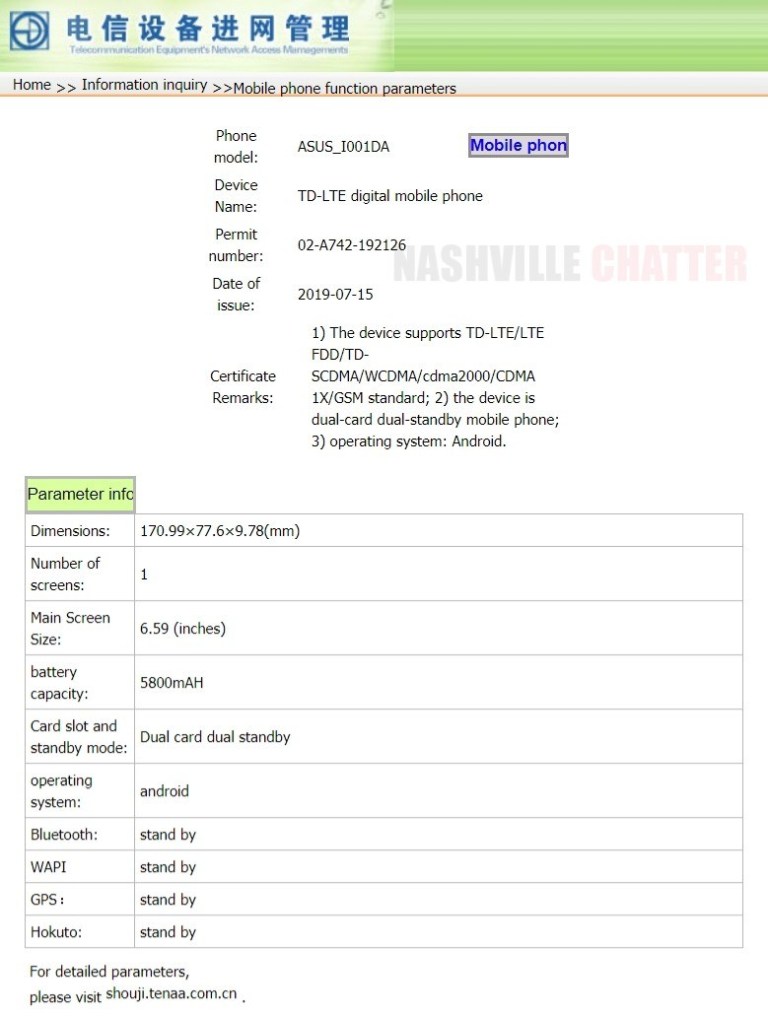
The ROG Phone 2 will launch next week as the first Snapdragon 855+ powered device. The phone already appeared on Geekbench and live photos also leaked online. Now, it has been spotted on TENAA and the listing reveals some new details.
This is a partial listing, so only a few specs have been made public. To start with, the phone has a 6.59-inch display, which has been confirmed to have a 120Hz refresh rate.
The display size is not the only thing that has increased, TENAA also revealed the phone is getting a bigger battery. The battery capacity is a whopping 5800mAh, a huge increase from the 4000mAh capacity of last year’s ROG Phone.
That increase in battery capacity also plays a part in the increase of the thickness of the phone from 8.3mm to 9.78mm. The device is 170.99mm tall and 77.6mm wide.
[envira-gallery id=”264992″]
There are also pictures of the ROG Phone 2. In front, you can see the bezels are slimmer while the back has also gotten a redesign. There are now two LED flashlights and only one air vent. There is also no fingerprint scanner which means there should be one under the AMOLED display. The ROG Aura logo is still there and like on its predecessor, it should have an RGB light and double as a notification LED.
The volume rocker and power button are still positioned on the right side and on the left is the side-mount connector for accessories like a cooling fan or dock.
The ROG Phone 2 will run Android Pie out of the box and have 12GB of RAM.
The newly-released Blackview BV6100 is the world’s biggest display rugged phone since it sports a 6.88″ screen and to spice things up, the Chinese manufacturer went with a design different from all other rugged devices, choosing glass both for the front and the back of the device. Definitely a device to keep in mind when looking for an affordable rugged phone. So, let’s take a look at its specs and features.
Fully Equipped
As the market is very competitive, for a device to succeed an affordable price isn’t enough. Blackview knows this and for that reason, the BV6100 is more than just another rugged device. It sports a huge, 6.88″ display, ideal for watching movies or playing games. And they even implemented a dedicated split-screen button to make multitasking even easier on the big display. What’s more, in the box you will find a ring-grip case for handling the phone with one hand without the fear of dropping it.
For those who travel a lot, the BV6100 comes with all 4 positioning protocols: GPS, Glonass, Beidou, and Galileo. It the first device of the company that comes with all 4 protocols and navigating with it has become more accurate than ever. What’s also great is the fact that they didn’t skimp on other premium features found on premium smartphones like the latest OS version and AI support. The BV6100 comes with the latest Android 9 Pie and with AI features being its main draw, the new OS also comes with interesting traits like an adaptive battery, gesture-based navigation, an official dark mode along with a few tricks that will help you reduce your interaction with the phone with “Digital Wellbeing”.
Better outdoors experience
Outdoor use can become dangerous for a smartphone as humidity, rain, and accidental drops on hard terrain are common. The BV6100 comes with IP68/IP69K and MIL-STD-810G certifications to avoid all this. You can even shoot photos underwater with the special mode in the camera app. The phone won’t face any problems with hydraulic pressure according to the company. Of course, many hours away from a power socket requires a big battery and the new model takes care of that with its 5580mAh large-capacity battery that delivers up to 600h of standby.
Suitable for formal occasions too
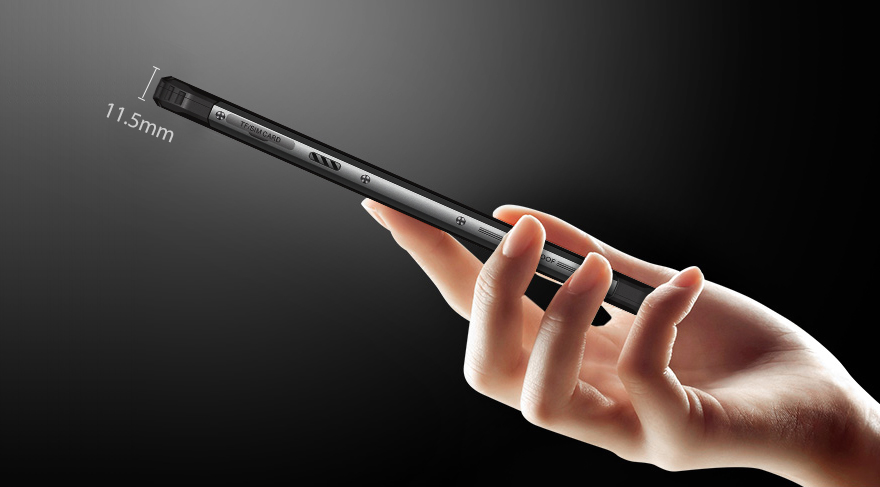
Most rugged phones are a little bit… ugly. In fact, they are so ugly that if you are formally dressed, you can’t bring them with you as they will ruin your outfit. With the BV6100, Blackview tries to break this stereotype by delivering an all-glass phone and a body thickness of just 11.5mm. No, it isn’t as sleek as some other normal devices but it is stylish enough for every occasion.
Lastly, it comes with a side-mounted fingerprint sensor as well as AI face unlock for instant unlocking and secure payments. Payments are also available via the NFC that supports the Google Pay service. The Blackview BV6100 is now available for preorder until July 25th and costs just $149.99. You can learn all about the phone and the promotion here.
OPPO has officially announced the A9 in India. The smartphone goes on sale on July 20, and will be available at retail and online stores. The key highlights of the OPPO A9 are tall aspect ratio display, big battery, Ultra Night Mode for impressive low-light shots and Hyper-boost which enhances the gaming performance. The Chinese manufacturer had launched the same smartphone in April in China with a starting price of 1,399 Yuan (~$203).
OPPO A9 Specifications and Features
The OPPO A9 gets a 6.53-inch full-HD+ display with a resolution of 1080 x 2340 pixels. The device sports a screen-to-body ratio of 90.7 percent, along with an aspect ratio of 19.5:9. It gets a waterdrop notch with Corning Gorilla Glass 5 protection.
The OPPO A9 is powered by an octa-core MediaTek Helio P70 SoC that includes Mali-G72 MP3 GPU. The device is available in two variants, with 4GB and 6GB of RAM. The device packs in 128GB of internal storage, which is expandable up to 256GB through a microSD card.
The primary camera setup on the OPPO A9 houses a 16-megapixel unit with an aperture rating of f/1.8, along with a 2-megapixel secondary lens. The rear camera setup also includes a dual-tone LED flash. The OPPO A9 uses a 16-megapixel camera at the front with an aperture rating of f/2.0. The front camera is designed to recognize nearly 130 forehead points, which is used for the face slimming feature.
The smartphone runs on Android 9.0 Pie-based Color OS 6, and draws power from a 4,020 mAh battery. The device features a rear-mounted fingerprint scanner. Connectivity options on the OPPO A9 include dual SIM slots with LTE, Bluetooth 4.2, Wi-Fi 802.11, GPS/A-GPS and AUX port with a dedicated mic and active noise cancellation.
OPPO A9 Price and Availability
The OPPO A9 has arrived in India in two color variants, namely Fluorite Purple and Marble Green. Its sales will begin sold in the country from July 20. It carries a price tag of Rs. 15,490 (~$225) for the 4GB + 128GB variant.
China-based smartphone brand ZTE had announced the Axon 10 Pro 5G smartphone a couple of months back. Now, the device is all set to go on sale in its home country China as it has received all the necessary licenses.
The ZTE Axon 10 Pro 5G will be available for purchase in China through the company’s official online store ZTE Mall as well as through Tmall.com and JD.com. The smartphone will be available in both Single-SIM and Dual-SIM models.
The smartphone, which is IP68 certified to ensure that it’s dust-proof and waterproof, comes equipped with a 6.47-inch AMOLED display having a waterdrop notch, Full HD+ screen resolution as well as an in-screen fingerprint reader.
The Snapdragon 855 mobile platform powers the device and for 5G connectivity, the SD855 chip is paired with the Snapdragon X50 5G modem. It comes with up to 12GB of RAM and up to 256GB of internal storage.
On the backside, the phone has a triple camera setup that includes an OIS enabled 48-megapixel main sensor, an ultra-wide 20-megapixel lens, and an OIS assisted 8-megapixel telephoto lens with 3x optical zoom capabilities. The front notch houses a 20-megapixel selfie camera.
In the software department, the smartphone comes running MiFavor 9.1 user interface based Android 9.0 Pie operating system out-of-the-box. The device is powered by a 4,000mAh battery that comes with wireless charging support as well as support for Quick Charge 4+ fast charging technology.
On July 23, Honor will be holding a launch event in China to announce the Honor 9X series of smartphones. The Chinese firm is also expected to announce MagicBook Pro notebook at the same event. The Chinese firm has also started receiving pre-orders of the new Honor Band 5 by making a deposit payment. The fitness band will also go official alongside the Honor 9X series in the coming week.
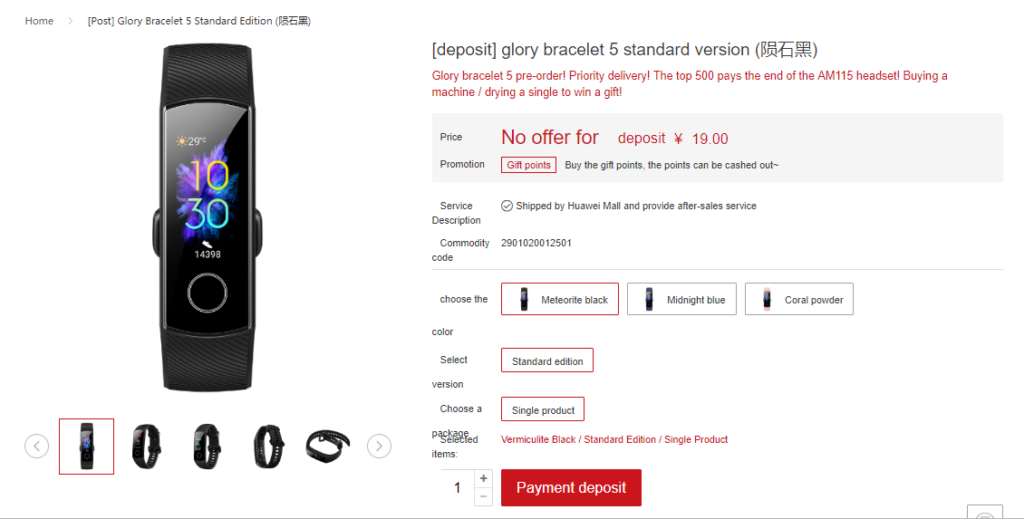
Multiple platforms such as Vmall, Tmall, Suning and JD are receiving the pre-orders of the Honor Band 5 even though it has gone official yet. Customers can pre-order the fitness band by making a deposit payment until July 23. The final payment can be done between 6 PM on July 23 and 6 PM on July 24. People who participate in the blind order of the Band 5 will be provided with priority delivery service.
The Chinese retailer sites are carrying the pre-orders of standard edition of the Honor Band 5. This indicates that there could be an advanced model that may get revealed on July 23. The pre-order listing of the Band 5 shows that it can be availed in colors like Ochre Black, Midnight Blue and Coral Pink. The first 500 customers who book the fitness band will be offered AM115 headphones. The images of the Band 5 shows that it largely resembles the predecessor Honor Band 4 fitness band.
The specifications of the Honor Band 5 standard edition are not mentioned on its product page. However, recent reports have revealed that the smartband will be featuring a large-sized color display. It will be packed with many health-centric features include blood oxygenation measurement. It is an important function since low oxygen count in the blood can lead to hypoxemia dizziness. There is no information available on the pricing of the smartband yet.
If there’s one thing Honor loves more than releasing some pretty great products, it’s spokespeople. The company has had multiple brand ambassadors for almost every product they’ve made, and it seems to be working for them. So, with the brand new Honor 9X, people have been questioning who will be the product ambassador this time around. Well, we might actually have an idea of who it’ll be, at least when it comes to China.
Honor President George Zhao went to Weibo earlier today, and his post is fairly intriguing. Here, he basically talks about popular Chinese anti-drug drama “Icebreaking Action”, claiming he watches it on weekends. He then drops that an actor from the show will be an ambassador for the Honor 9X. Shortly after that, Chinese actor Huang Jingyu (also known as Johnny Huang) posts a selfie via Honor 9X.
Now, Huang Jingyu has been pretty famous as of late, featuring in multiple popular Chinese dramas and being slated to be in many other upcoming shows as well. It makes sense that Honor would want him to be their ambassador, considering he’s currently one of the more popular stars in China. There have even been images of the man using the Honor 9X in other places, so it seems pretty clear he’ll be it.
Huang Jingyu’s most successful and well-known work is the modern navy film “Red Sea Action”. He has well shaped the image of the sniper sniper Gu Shun in the film. The total box office of the movie reached 3.651 billion yuan. Huang Jingyu has also been nominated for the 34th Volkswagen Film Hundred Flowers Award for the best newcomer.
Since the past couple of years, Vivo has been actively introducing new and unique innovative technologies to its smartphones. After introducing features like full-screen display, pop-up front-facing camera, in-display fingerprint sensor, and others, the company is now introducing a new feature called “Dual Wi-Fi Acceleration”.
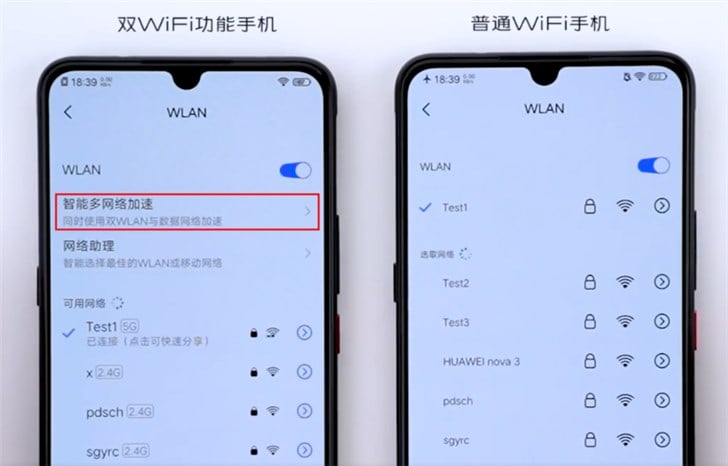
As the name indicates, the “Dual Wi-Fi Acceleration” feature can allow users to connect two Wi-Fi connections on the same device at the same time. Users can connect to another Wi-Fi connection on top of the main Wi-Fi.
The company claims that connecting two Wi-Fi networks at the same time can provide a mobile stable connection for gaming as well as faster and smoother web browsing experience. The device supports connecting both 2.4GHz and 5GHz Wi-Fi at the same time.
A small video clip shared by the company shows a smart multi-network acceleration option in the phone which has Dual Wi-Fi feature enabled. When clicked on the option, it can connect to another Wi-Fi once the main Wi-Fi gets connected.
China-based Vivo has recently launched the Vivo S1 smartphone in Indonesia earlier this week, which is set to launch in India soon. Now, the company is also gearing up to launch the Vivo Z5 smartphone in China.
Another smartphone from Vivo carrying model number V1916A with support for 5G technology has been certified by 3C, which is being speculated to be the upcoming Vivo iQOO 5G smartphone.
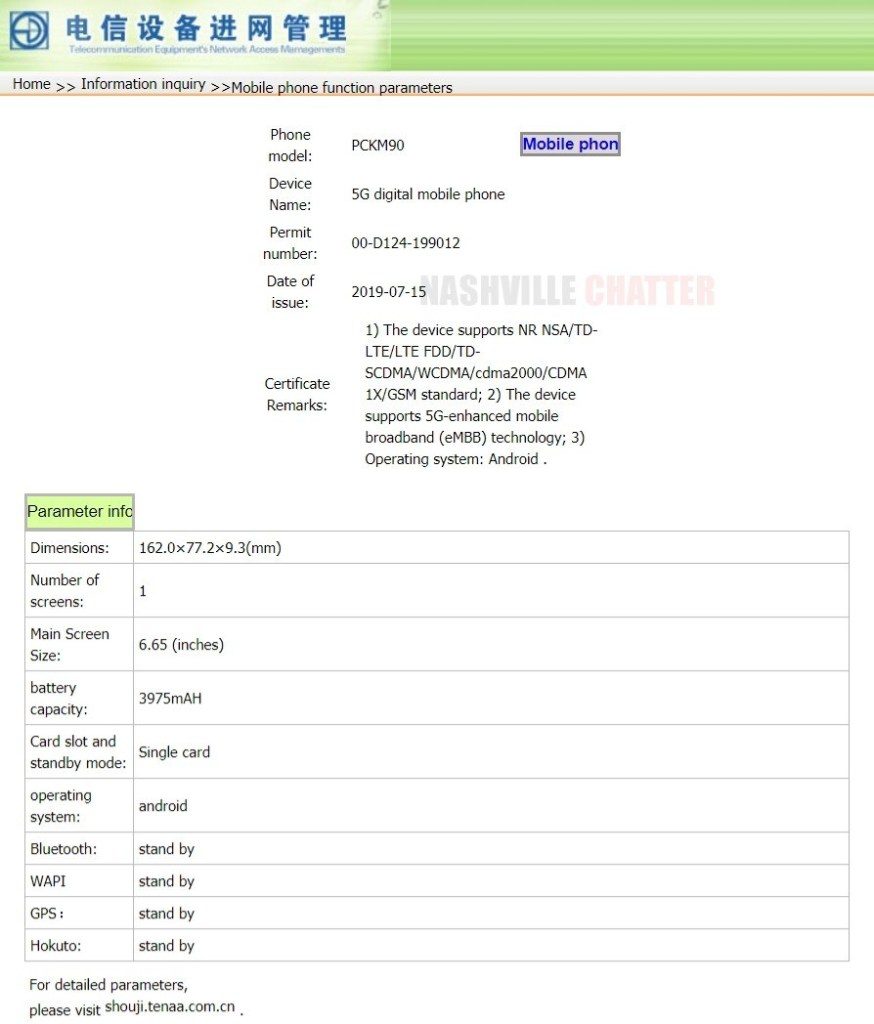
The OPPO Reno 5G smartphoneis available in European markets with a price tag of 899 euros. The handset is yet to arrive in China. Now that numerous Chinese smartphones OEMs are preparing to release their first 5G phones in the market, OPPO too is gearing up to debut the Reno 5G in the Chinese markets. Yesterday, a 3C listing of the smartphone was spotted. Today, the TENAA listing of the Reno 5G has cropped up.
The PCKM90 model number belongs to the OPPO Reno 5G smartphone for China. The 3C listing of the phone had revealed that it carries support for 5G networks. The listing also revealed that the smartphone will be shipped with 20W charger.
The PCKM90 TENAA listing has minimum information on its specifications. It reveals that the phone’s dimension is 162 x 77.2 x 9.3mm. The smartphone is equipped with a 6.65-inch display and the size of its battery is 3,975mAh battery. These specs resemble with the OPPO Reno 5G that’s available in Europe. The TENAA listing of the Reno 5G will be soon updated with its entire specs and images in the near future. There is a possibility that the Reno 5G will go official in China later in this month or in August.
The OPPO Reno 5G is fitted with a 6.6-inch AMOLED display without notch. The display is protected by Gorilla Glass 6. The full HD+ display has a fingerprint scanner beneath. The ColorOS 6 based Android 9 Pie OS runs on the device.
The Snapdragon 855 chipset powers the smartphone along with 8 GB of RAM. It has an inbuilt storage of 256 GB. There is a hybrid SIM slot on the device for expanding its storage. The 4,065mAh battery of the phone is equipped with 20W VOOC 3.0 Flash Charge technology. It has a pop-up selfie camera of 16-megapixel that is assisted by an LED flash. The back side of the phone features a triple camera unit with Sony IMX586 48-megapixel main lens, an 8-megapixel ultrawide lens and a periscope 13-megapixel telephoto lens with 5x optical zoom support.
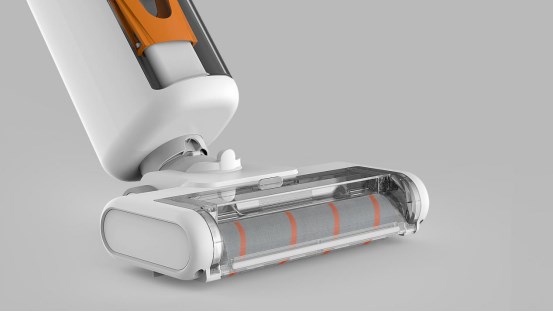
The latest Xiaomi crowdfunded product is a brand new wireless floor cleaner. This one is manufactured by veteran mop makers Shuwa Mantle, and it’s basically a bit of everything. It can sweep your floors, it can vacuum them, and it can even mop them up after that. Of course, it’s also got a whole bunch of other features on board, so let’s take a closer look.
First of all, let’s take a closer look at the design here. It’s quite a clean look overall, incredibly simple all around. The colour scheme is pretty basic, mainly just white with a few blots of orange here and there. The construction seems to be pretty good as well, Overall, it’s a very simple, even understated design here.
In terms of function, it has a suction suction duct design commonly used on vacuum cleaners. It has a suction force of 7200pa, which allows it to absorb dust and liquids with ease. It can also self clean by utilizing two separate water tanks that keep the front roller and brush clean after use. Functionality seems to be king, there’s really no nonsense here.
Of course, it’s completely wireless, which means there are no wires to deal with. It’s easy to carry around thanks to its smaller size, and the handle section can also be rotated by 60°. There’s really not much else to say about it, it’s just a good, functional floor cleaner. The floor cleaner is already available for pre-order with two different brushes at 1299 yuan ($189), and it begins shipping on the 31st of August.
An SSD (solid-state drive) is a mass storage device that acts like an HDD (hard disk drive). With SSD garnering huge popularity among tech buffs, more and more tech companies are now coming up with high-end SSD storage hubs.
Regrettably, solid-state drives aren’t quite easy on the pocketbook. Much to the relief of cost-conscious buyers, reliable flash storage brands MINIX and Netac have collaborated with GeekBuying to offer the MINIX NEO C, and the Netac N500S solid-state drives at lowered prices.
MINIX NEO C SSD
Compatible with the Apple MacBook, MacBook Air, and the MacBook Pro, the MINIX NEO C Storage, USB-C Multiport SSD Storage Hub is a highly reliable storage companion. It is marketed as the first device in the world that combines SSD storage with additional data and display output ports for super-fast transfer and superior convenience.
The MINIX NEO C SSD offering 240GB storage capacity would normally set you back $128.99, but you can now get your hands on this model for a reduced price of just $99.90. Moreover, you can extend this 23 percent discount with the help of coupon code 3FFKGMMX.
The coupon helps you save $19.91 more by reducing the original asking price of the MINIX NEO C SSD to just $79.99. You can follow this link to grab the discount and use the coupon which is likely to expire soon. Note that the promo will end in just five days.
Known for manufacturing solid-state drives that you can rely on, Netac is now offering its N500S 960GB SSD for a reduced price of just $104.99 on GeekBuying. Without this 34 percent discount, the N500S 960GB SSD carries a steep $159.99 price tag.
On top of that, you can use coupon code 3EBLVY4G for an extra $5 off. In other words, you can bring the already lowered retail price of the Netac N500S 960GB SSD further down to only $99.99 simply by applying the aforesaid coupon before you click on the ‘Place Your Order’ button.
Despite carrying a reduced price sticker, the Netac N500S is an irresistible solid-state drive. Designed for professional use, it adopts the wear-leveling algorithm for an extended life circle of the SSD. Moreover, it comes with the NANDXtend error correction feature that considerably improves the data read and write performance.
You can visit this link to check out more details about the Netac N500S 960GB SSD and grab the discount before the promo ends.
The Amazon Prime Day has come to an end offering amazing deals to who were patient and waited for the right time to buy what they needed. But that doesn’t mean that all deals are over. Alldocube is still offering discounts on selected products like the iWork10 Pro that is currently on offer for $229.99 on Amazon. Just hurry because it won’t last for very long. Check out the deal here.
Sporting a big 10.1″ FHD IPS touchscreen display the iwork10 Pro delivers a great viewing experience. Moreover, the iwork10 Pro is powered by an Intel Atom X5-Z8350 processor and it packs an Intel HD Graphics-Gen8 GPU with 12 EU for improved performance than the previous generation. It runs on dual Windows 10 + Android 5.1 OS and draws its juices from a big capacity battery of 6500mAh. The offer includes the detachable keyboard too. Learn more on the official product page.
The Xiaomi Mi A3 was officially announced yesterday in Spain for a starting price of 249 euros ($280). It’s a solid smartphone in the budget segment featuring the new Snapdragon 665 processor, 4GB of RAM, 48MP triple cameras, and a large 4030mAh battery. One of its major highlights is its in-display fingerprint sensor, not usually seen in this price segment. The display is the only major department where Xiaomi seems to have let us down but is it really very bad? That’s what we find out in our Xiaomi Mi A3 video review.
We got the phone pretty early so we could publish this Mi A3 review pretty quickly. We have talked about the phone’s disappointing HD+ display as well, so you’ll get a fair idea how it looks in real life. We compare it with the elder brother, the Mi CC9 as well so that you know what you are missing out.
Finally, our sources had mentioned that there should be a rebranded Xiaomi Mi CC9 model for the international market in September. We still don’t know what it’ll be called but it’s very likely that it ends up as the Xiaomi Mi A3 Pro. If you have missed out on our Xiaomi Mi CC9 review, you can check that out from here!
And don’t worry, a full Xiaomi Mi A3 review article is also on the way. It should be up in a couple of days.
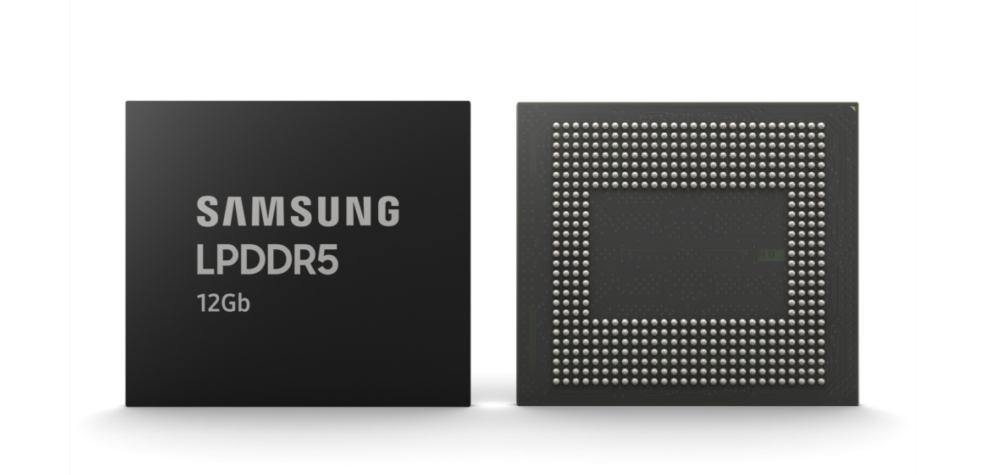
12GB RAMs have become a norm among top-end flagships this year. However, all of the current 12GB RAM smartphones use the old LPDDR4X standard. But that’s going to change in the second half of the year as Samsung Electronics has just announced the mass production of industry’s first 12Gb (Gigabit) LPDDR5 mobile DRAM. These high-end DRAMs are targeted at 5G and AI powered flagships that are set to debut later this year.
Back in March this year, Samsung kicked off the mass production of 12GB LPDDR4X RAM modules. But now, we’ll soon see the mass production of 12GB LPDDR5 RAM modules based on these new 12Gb mobile DRAM chips. For those who are a bit confused after reading the above sentence, know that eight 12Gb (Gigabit) LPDDR5 DRAM chips are packaged together to make one 12GB (Gigabyte) RAM module. This is because Gigabit is eight times smaller than a Gigabyte. And the RAMs, ROMs, and other memory products that we use are usually represented in Gigabytes, and not Gigabits.
The new 12Gb LPDDR5 DRAMs have an increased data rate of 5,500 megabits per second (Mb/s), which is 1.3 times LPDDR4X’s 4266 Mb/s data rate. This also means that the 12GB RAM package is able to transfer 44GB of data in a second. Samsung adds that the new chip consumes up to 30 percent less power than its predecessor, thanks to new circuit design.
It’s possible that we’ll see this 12GB LPDDR5 RAM package inside the Galaxy Note 10 flagship (probably with the new Snapdragon 855 Plus chipset) that’ll launch in August. Samsung also revealed its plans to develop 16Gb LPDDR5 DRAM chips next year to power future flagships.
Fitness enthusiasts who fancy keeping a track of their health and monitor various activities usually end up spending a lot of money on high-end fitness gadgets like smartwatches and fitness bands.
Those who go for inexpensive smart tech options, on the other hand, are highly likely to compromise on quality. If you have restlessly been waiting for smartwatches and wristband prices to drop, Gearbest’s got your back!
Touted as one of China’s best online stores for electronic items, Gearbest has launched the Smart Watches & Wristband Top Deals promo, offering the best of smart tech at unbeatable prices. Loaded with top-end smartwatches, the activity page has been split into multiple categories.
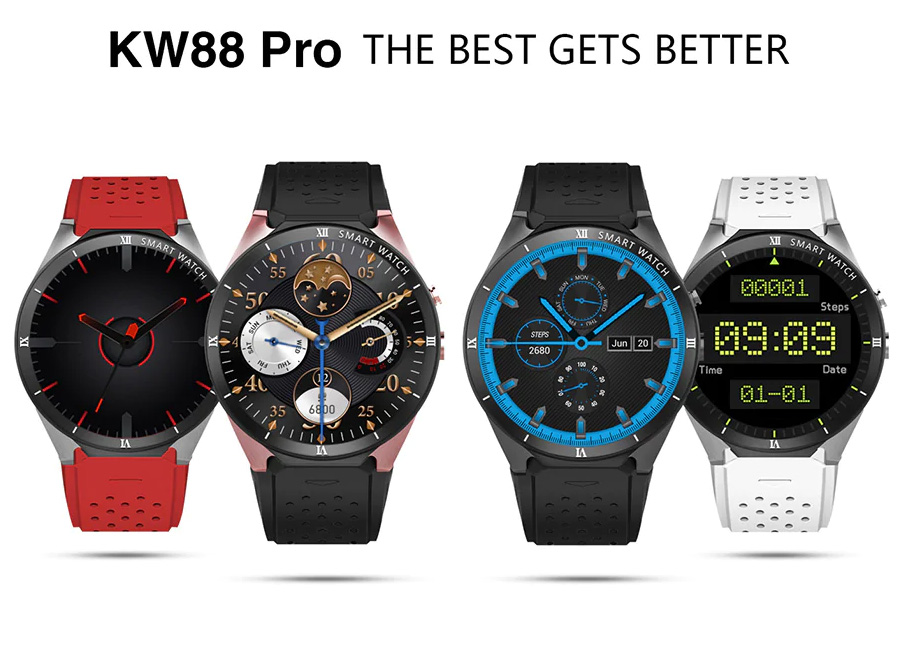
The first section called Limited Coupon features the well-received KW88 Pro smartwatch phone and the KR03 smart bracelet from KingWear. Each of these devices has been assigned specific coupons that can be applied at checkout for significant discounts.
The KingWear KW88 Pro 3G Smartwatch Phone usually retails for $122.65, but you can now buy it for just $83.99, thanks to a 32 percent discount. Likewise, the KingWear KR03 Smart Bracelet which retails for $48.75 is now available for a dropped price of just $23.99. This is a 51 percent drop in the device’s original selling price.
The next category called, New Arrival is teeming with all sorts of smartwatches and other electronic items like the i80 TWS Bluetooth 5.0 Earphone, i60 TWS Bluetooth 5.0 Earphone, i100 TWS Binaural Bluetooth 5.0 Wireless Earphone, etc. More importantly, all items included in this category carry considerably reduced prices.
KingWear fans can head straight to the following category dubbed, Top KingWear Deals. Under this section, Gearbest users can get their tech greedy hands on their favorite KingWear-branded smart wear without burning a hole in their pocket.
Likewise, the Smart Watches and the Smart Wristband sections feature a slew of well-received smart wearables that normally cost a bomb. As part of Gearbest’s recently kicked off promo, you can now buy these devices for reduced prices. Moreover, you can even get gifts.
For example, the Alfawise I7E Full Touch Real-Time Heart Rate ECG Monitor Smart Watch normally retails for $32.86, but you can now buy it for just $28.99, under the Smart Wristband category. If your cart value exceeds $49.99, you can get one item as a gift.
Music lovers who like listening to their favorite music on the go might want to check out the Headphones & Earphones section, which is crammed with top-branded music accessories. You can avail noteworthy discounts on various items from leading manufacturers like Alfawise, Gocomma, and more.
You can follow this link to visit the activity page and take advantage of the discounts before the promo comes to an end.
We use cookies on our website to give you the most relevant experience by remembering your preferences and repeat visits. By clicking “Accept”, you consent to the use of ALL the cookies.
This website uses cookies to improve your experience while you navigate through the website. Out of these, the cookies that are categorized as necessary are stored on your browser as they are essential for the working of basic functionalities of the website. We also use third-party cookies that help us analyze and understand how you use this website. These cookies will be stored in your browser only with your consent. You also have the option to opt-out of these cookies. But opting out of some of these cookies may affect your browsing experience.
Necessary cookies are absolutely essential for the website to function properly. This category only includes cookies that ensures basic functionalities and security features of the website. These cookies do not store any personal information.
Any cookies that may not be particularly necessary for the website to function and is used specifically to collect user personal data via analytics, ads, other embedded contents are termed as non-necessary cookies. It is mandatory to procure user consent prior to running these cookies on your website.