Advertisement

EMUI 9.1 public beta recruitment announced for 14 Huawei and Honor models

Huawei recently announced an upgrade to the custom EMUI ROM. The EMUI version 9.1 brings along several new features. The tech giant also listed a total of 49 models that would get the update. As with all versions of EMUI, the stable ROM is yet to roll out. However, the public beta for select models is currently ongoing and this means the stable version will roll out soon. The company recently rolled out the public beta for the first batch of models which had the Huawei Mate 20 series and other models.

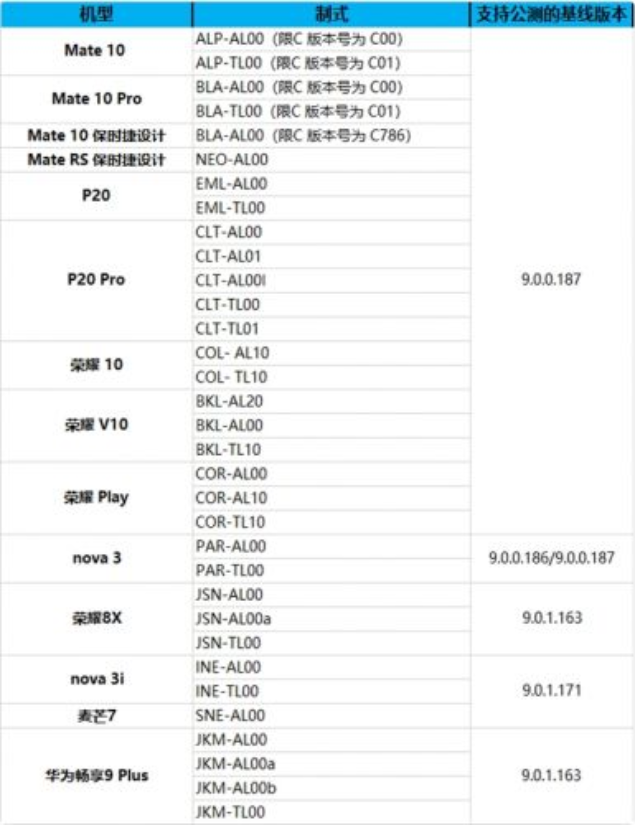
Huawei has now announced the second batch of models that can join the public beta program. The list is made up of just 14 models with the Mate 10 series leading the pack. The models include Huawei Mate 10, Mate 10 Pro, Mate 10 Porsche Design, Mate RS Porsche Design, P20, P20 Pro, Nova 3, Nova 3i, Maimang 7, Enjoy 9 Plus, Honor 10, Honor V10, Honor Play, and Honor 8X. The Chinese tech giant also reeled out some models that will soon get the EMUI 9.1 public beta version. The models are Huawei Mate 9, Mate 9 Pro, Mate 9 Porsche Design, P10, P10 Plus, Nova 4, Nova 4e, Nova 2s, Honor 9 and Honor V9. The beta program is open to those who sign up for it. If you are an enrollee, you’ll need to be running the latest EMUI 9.0 version for your model before you’ll be able to get this upgrade. Also, you’ll need to ensure there is at least 6GB of storage space on the phone so as to avoid the risk of the upgrade failing.
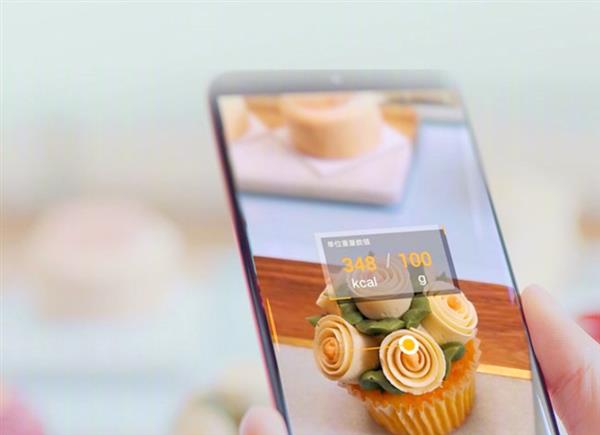
Huawei’s EMUI 9.1 adopts a minimalist design, thanks to Android 9.0’s deep customization optimization. This version also brings improvements in wallpapers, themes and icons. There are also several improvements to the overall user apps which makes it easier to use the UI. There are also improvements in artificial intelligence (AI) features covering various aspects such as health, office, entertainment, travel and more.

EMUI 9.1

In terms of health, EMUI 9.1 allows users to connect their smartphones with the treadmill using NFC. This enables data from the treadmill to be synchronised with the smartphone using the Huawei Sports Health app. While the treadmill is in use, the user can obtain key motion data such as distance, duration, pace, and calories in real time. It can also link equipment such as watches and accessories to provide users with accurate and comprehensive indoor running data and sports guidance. After the Huawei Sports Health App binds devices and social apps, you can synchronize data and refresh the step list.

Android system performance revolution! Upgrade EMUI 9.1 to add value to Huawei Mate 20 Series

Huawei has been pursuing the synergy of mobile and PC office systems and has developed the Huawei Share “One Touch” feature. With a single touch, the phone and Huawei MateBook can establish a connection and quickly transfer pictures, videos and documents. It is reported that it takes only 1 minute to transfer 500 photos and 35 seconds to transfer 1GB video. It also allows users to extract the text on the picture and share on the clipboard.

Android system performance revolution! Upgrade EMUI 9.1 to add value to Huawei Mate 20 Series

In addition, EMUI 9.1 also implements “AR measurement”, which not only measures the line segment and area but also measures the volume with one click. What’s more interesting is that when the family and friends are in the same box, “Huawei AR measurement” can also measure the heights of all members of the family at one time.

EDITOR’S PICK: XIDU: A look at the story and product lineup of the emerging start-up with potentials
EMUI 9.1

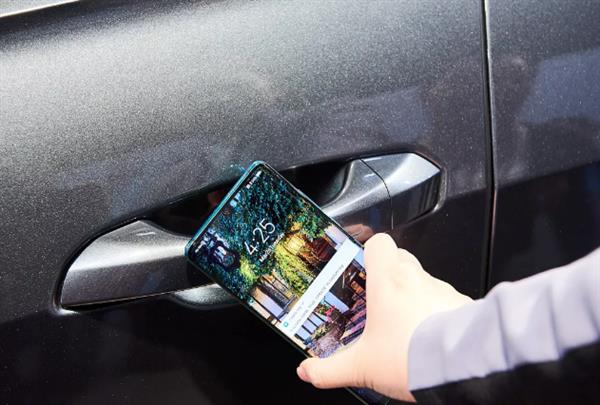
In terms of smart travel, EMUI 9.1 has more depth integration between mobile phones and cars. Huawei has already reached an agreement with BMW and other car manufacturers to launch the mobile phone key function. Without a physical car key, the mobile phone can complete a series of operations such as driving the car, starting the car engine, locking the car, etc., which is very convenient. Huawei mobile phone keys follow the CCC 1.0 standard of the Car Connectivity Consortium. The key and algorithm logic is stored in the hardware chip, which will not be accessed and copied by third-party programs, effectively protecting the safe use of mobile phone keys. Even when the phone is out of battery power, the phone key function can continue to be used after the phone is powered off. At this point, it can be used up to 15 times in 24 hours. If the mobile phone is lost, you can easily log into the website of the car manufacturer or change the mobile phone to log in and change the lock code.
EMUI 9.1 also comes with an upgrade to the new GPU Turbo graphics acceleration technology. The feature adds support for 51 domestic games in addition to the already supported 60 domestic games, bringing a low-power full-frame gaming experience.

Furthermore, EMUI 9.1 brings improvements to Huawei’s voice assistant as well as smart dual 4G SIM card switching, automatically switching SIM cards based on the one with the best internet coverage. At the same time, you can also set the traffic for each SIM card. After the setting, there will be a smart reminder of data usage so that the data limit will not be exceeded.


UP NEXT: Xiaomi Mi Band 4 leaks once again, flaunting a coloured display

(source)
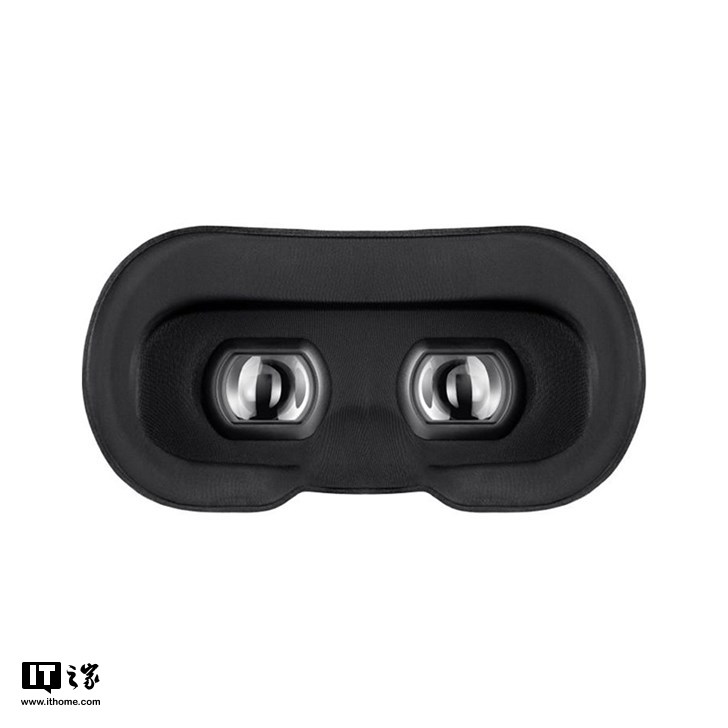
Xiaomi’s Mi 3D Cinema Headset is a home theater on your head

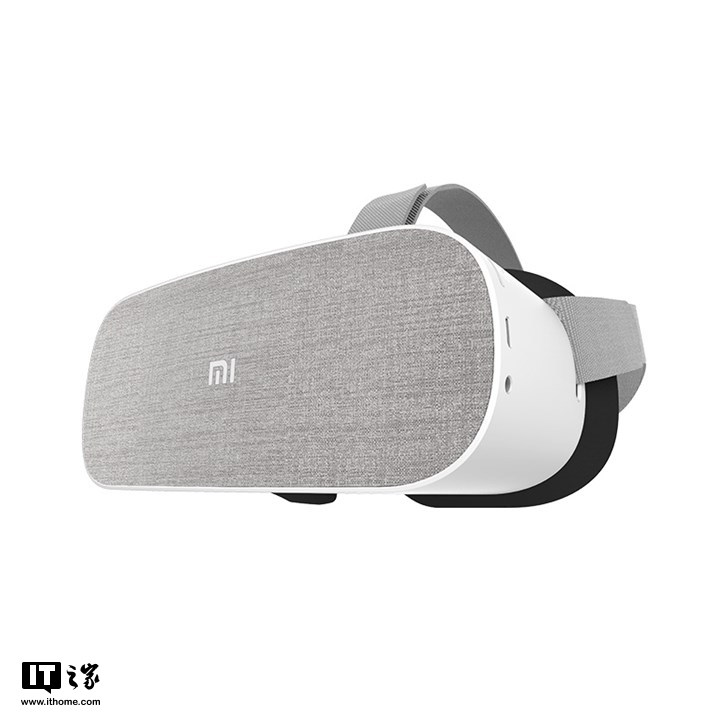
Whenever I think of Xiaomi, I usually associate them with almost every tech product under the sun. There are barely any market that Xiaomi hasn’t dipped their toes in, and when there is, it’s just a matter of time. The Chinese giant’s have never really been big on cinema headsets, but that’s changing now. Say hello to the Mi 3D Cinema Headset, a home theater system that sits on your head.

The Xiaomi Mi 3D Cinema Headset has dual 2.54-inch 1080p screens, both with a color gamut of 95% NTSC. They support full 3D visual effects and have a diagonal field of view of 63°. This is apparently equivalent to watching a 954-inch display from 20 meters away. Apparently the screens can work independently from each other, though I’ve no idea why one would want that. Plus, there’s also full 3D support, which is great.

Despite how the thing looks, it is NOT a VR headset. The headset works via screen casting, meaning that it needs to work in tandem with a different device for playback. Thankfully, the Mi 3D Cinema Headset supports all devices that run either iOS, Android, Windows or Mac OS. In terms of specs, the headset has 2GB of RAM and 16GB of storage, as well as a battery that can last for 3 hours of media playback.

Now, this is all fine and dandy, but what’s the cost? The Xiaomi Mi 3D Cinema Headset will set you back at a pretty 1299 yuan, or about $188. This may seem steep, but when compared to similar products like the Cinego at $499, it’s a bargain. This isn’t exactly a populated market, and Xiaomi clearly wants to set a standard here. Whether they’ll succeed or not remains to be seen.

UP NEXT: Xiaomi wants 50% of Indian marketshare

(Source)

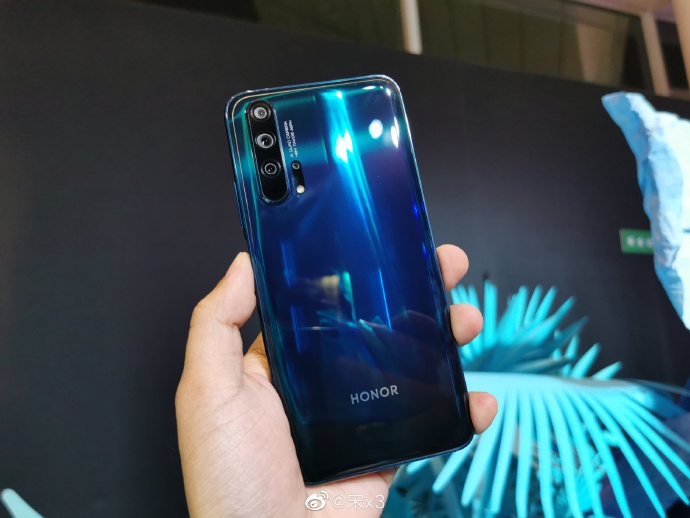
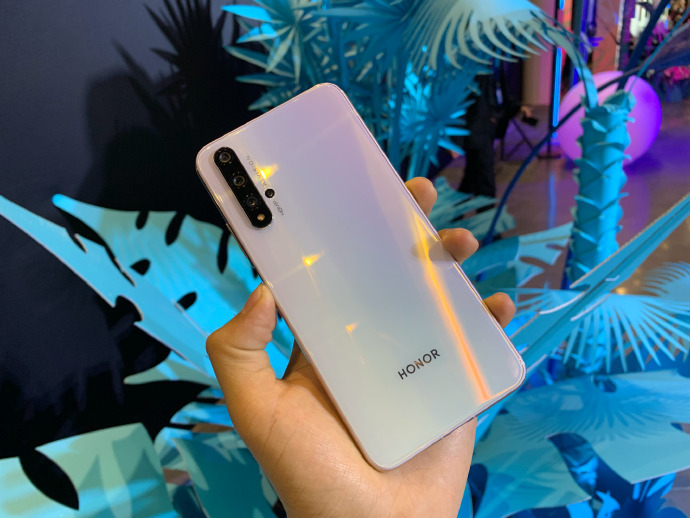
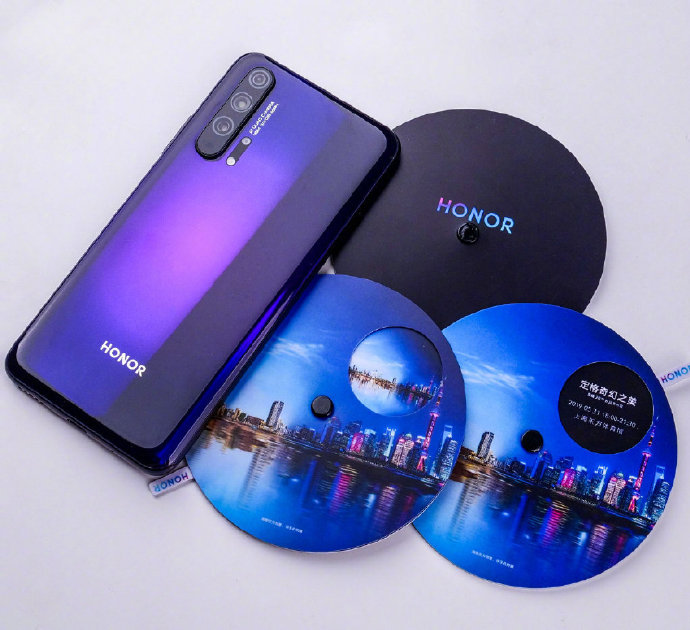
Honor 20 and Honor 20 Pro launched in China; Pricing starts at just 2,699 yuan (~$390)

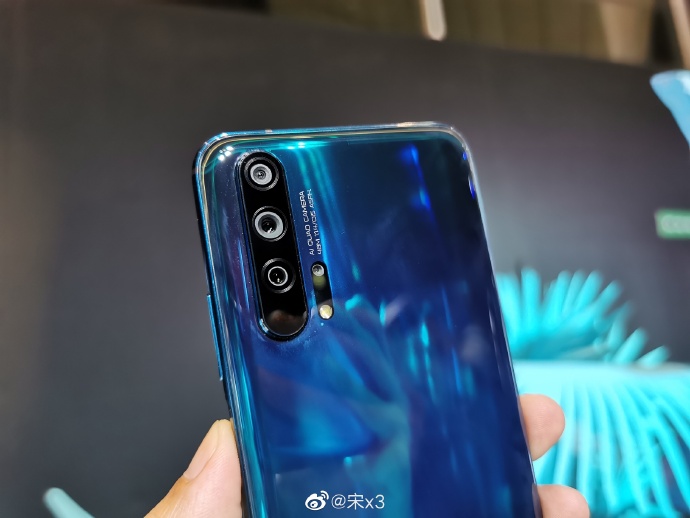
Huawei’s Honor brand has unveiled its latest smartphones – the Honor 20 and the Honor 20 Pro in its home market, China. The flagship models were first launched last week at an event in London. The launch event gave us the opportunity to get an in-depth knowledge of the specifications and features of both smartphones. Here’s a brief recap, as well as the pricing and availability details for the Chinese market.Honor 20 Pro

Honor 20 and Honor 20 Pro Specs

The Honor 20 models both have a punch hole display like that of the Honor View 20. They both equally pack the same 6.26-inch All-View Display with the punch-hole housing a 32MP camera in both phones.Honor 20 Pro

The models are powered by the Hisilicon Kirin 980 flagship chipset. In China, the Honor 20 and Honor 20 Pro are both available in 8GB+128GB and 8GB+256GB memory options. Honor 20

The camera aspect is where the Honor 20 series excel. The Honor 20 Pro packs a quad-camera setup comprising a 16MP f/2.2 super-wide angle camera, a 48MP main Sony IMX586 camera with an f/1.4 aperture. The f/1.4 aperture is the largest on a mobile phone. Finally, there is an 8MP f/2.4 Telephoto camera and a 2MP f/2.4 Macro camera. Both the 48MP primary sensor and 8MP telephoto lens have 4-axis OIS. There is also a laser autofocus module for superfast focusing. The Honor 20 Pro also supports up to 30x digital zoom.Honor 20 Pro

On the other hand, the Honor 20 has almost similar configuration except that the 48MP camera has an f/1.8 aperture. Also, the 8MP f/2.4 Telephoto camera is swapped for a 2MP dept of field sensor.  Honor 20  price China

Honor 20 & Honor 20 Pro: Prices and Availability

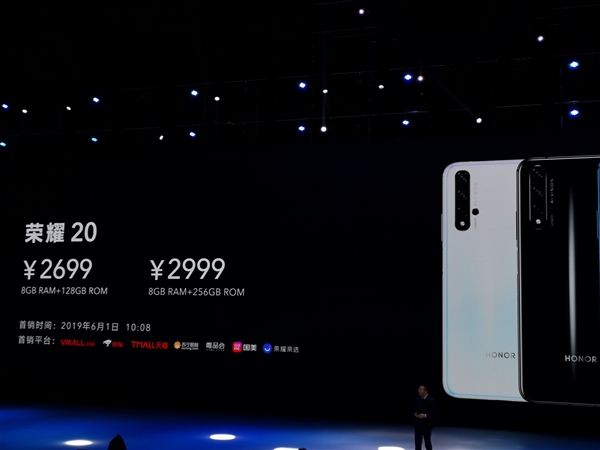
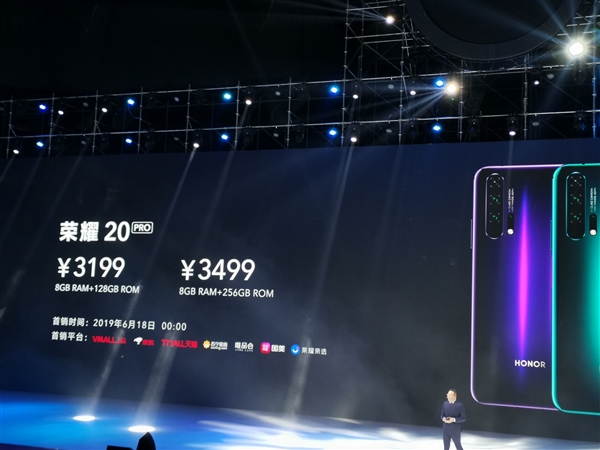
The Honor 20 Pro landed Europe with a starting price tag of €599 while the Honor 20 price starts at €499. However, in China, the devices come with much lower price tags. As for their prices, the Honor 20 8GB+128GB variant is priced at 2699 yuan ($390) while the 8GB+256GB version comes in at 2999 yuan ($434). On the other hand, the Honor 20 Pro 8GB+128GB model is priced at 3,199 yuan ($462) and the 8GB+256GB version costs 3499 yuan ($506). Considering that these are 8GB RAM phones, coupled with the sleek design and powerful hardware, the prices are just spot-on.

The Honor 20 is expected to go on sale at 10:08 AM UTC+8 on June 1. While the Honor 20 Pro sale will commence at 0:00 on June 18. The models will be sold simultaneously on VMall, Huawei official mall, Jingdong, Tmall, Suning Tesco, Honor official website.

Honor releases the Rubik’s Cube Bluetooth Speaker

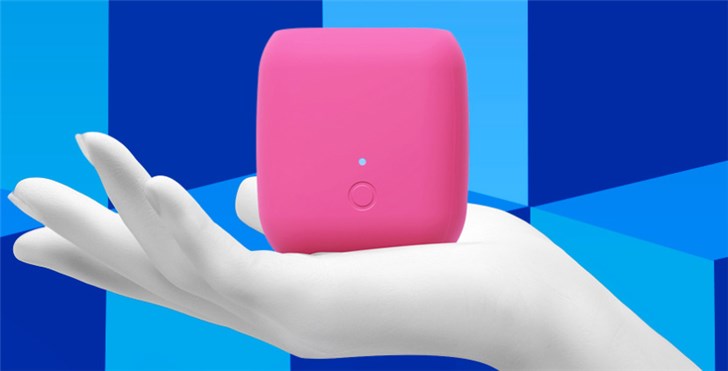
While we’ve been hearing a lot from Huawei lately, their sub-brand Honor has been relatively quiet. We saw them launch the Honor 20 and Honor 20 Pro earlier this month, but other than that they’ve been silent. That is, of course, until earlier today, where the company made a big announcement. An announcement that puts the Honor 20’s to shame. Behold, the Honor Rubik’s Cube Bluetooth Speaker is now official.

Rubik's Cube Bluetooth Speaker

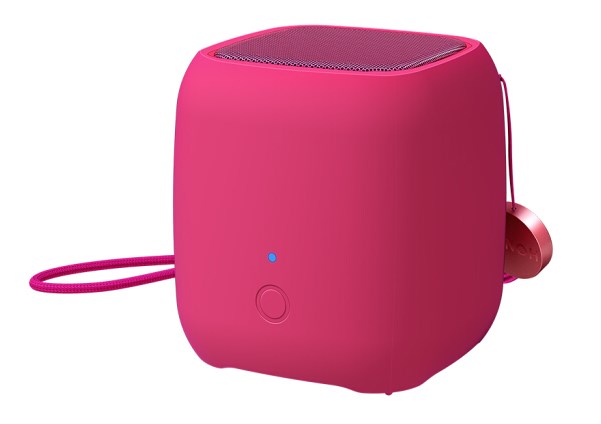
We joke, but this still seems like a pretty nifty little bluetooth speaker. For starters, it’s quite the cheap little piece at just 99 yuan, or $15. It features 3W full range sound, and it supports Bluetooth 4.2. We’d like to have seen Bluetooth 5.0, but it’s fine for the price. It also has a 660mAh battery, which can apparently last for 4 hours of music playback.

The Honor Rubik’s Cube Bluetooth speaker measures in at 54 x 54 x 55mm and weighs about 120g. It has a woven lanyard, which means you can hang it just about anywhere. The little thing also only comes in one colour option, that being the cheerful raspberry red you can see in the pictures. The power button lets you turn it on, pair the device, answer calls, and even pair your Cube with another Cube.

It’s nothing special, but it’s a cheap and cheerful little speaker with an adorable design. It’s already available for purchase over at Jingdong Mall. While I’m personally not all to interested in having a small bluetooth speaker like this, I can definitely see the appeal. You could just easily toss it into a bag to take anywhere, since it’s so small and cute.


UP NEXT: Huawei still No.2 Worldwide, Apple sales slump

(Source)

Xiaomi Mi Band 4 leaks once again, flaunting a coloured display

Xiaomi‘s Mi Band is one of its most popular products to date with the affordable, durable and features-filled Mi Band 2 contributing to the popularity. The Band 2 got a fitting upgrade last year, giving birth to the Band 3. This year, Xiaomi is expected to launch the Mi Band 4 and going by last year’s Band 3 launch, the wearable device should have been released by now. While we await official word on the Mi Band 4, a couple of leaks have appeared online suggesting some of the upgrades that would accompany the device.Xiaomi Mi Band 4

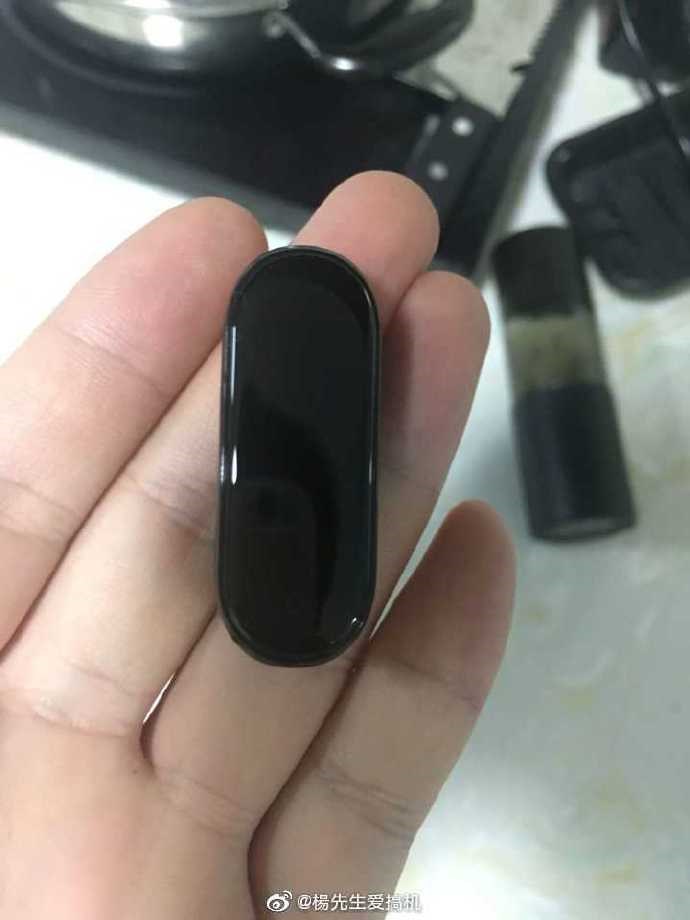
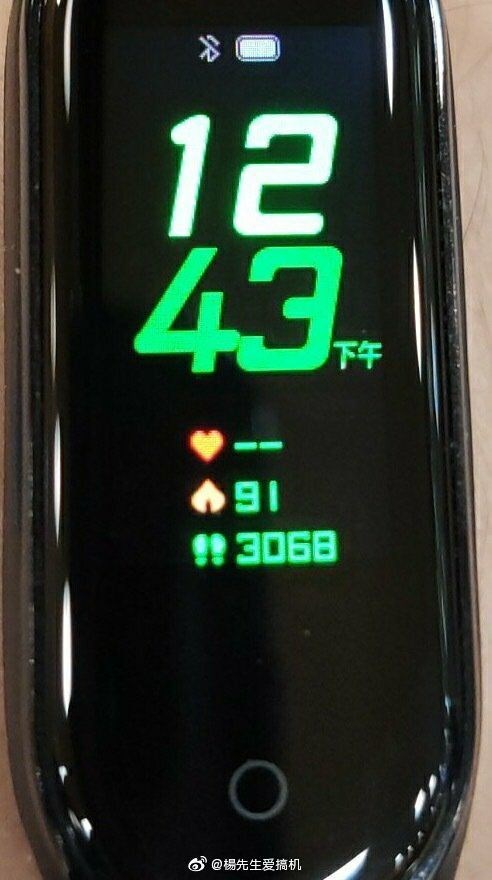
A couple of leaked photos of a device said to be the Mi Band 4 has appeared online showing the design and reaffirming the presence of coloured display onboard the Band 4. The design of the device could easily be passed for the Mi Band 3 except for the coloured display.

EDITOR’S PICK: Honor Band 4 unboxing pictures: Better than the Mi Band 3?

Earlier leaks, however, show that the Band 4 will have some design changes from the previous iteration. One of such features is an upgrade of the battery capacity which is bumped up from a 110mAh cell to a 135mAh cell. Also, you won’t need to dismantle the device from the housing when it is to be charged. This promises to be an impressive improvement considering the previous models have a charging system that requires a dismantle before it can be charged. Mi Band 4

Recently, the Mi Band 4 was reported to have received Bluetooth certification. The device is confirmed to arrive in two models with model numbers XMSH08HM and XMSH07HM.  One of the models will come with NFC just like the Mi Band 3. Both models will, however, have support for Bluetooth 5.0 protocol. The appearance of the Band 4 on NCC’s website gave us our first official look at the design and it is no different from this leaked model.

We await official words from Xiaomi about the Band 4. We’ll keep you posted when something new drops.

UP NEXT: Amazfit Verge Lite launched: Brings improved 20 days battery life but cheaper 499 yuan ($72) price

(via)

TCL flexible OLED production to commence in Q4 2019 – Report

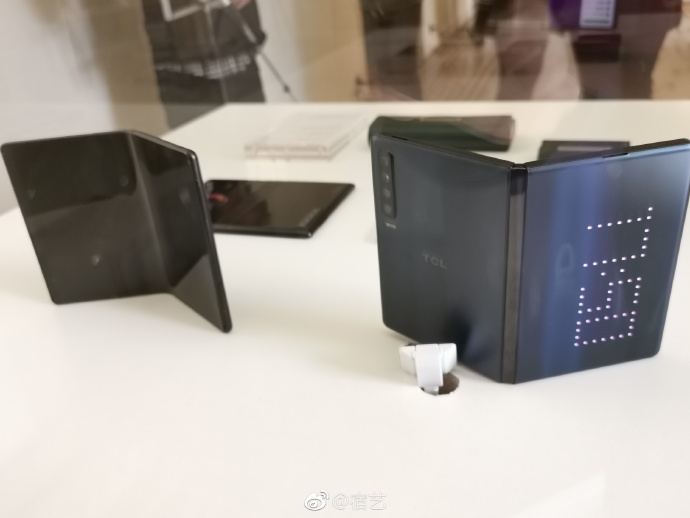
The next big thing in the smartphone industry after 5G is no doubt foldable phones. TCL showed us back in February some prototypes of the foldable models it was working on and promised to go commercial a foldable model. The Chinese company has now hinted that it would start production of the flexible OLED panels that would be on the phone. TCL Foldable phones

The company reportedly acquired LTPS equipment from Japan and South Korea for its plant in Wuhan, China, the production of AMOLED panels is expected to commence in Q4 2019. The production will be done through its display division called Huaxing Optoelectronics. The flexible OLED panels will also likely be shipped to other OEMs.

EDITOR’S PICK: China Mobile’s ultra-cheap 5G phone coming at the end of June

TCL is confident its display division Huaxing can attain double-digit growth both in annual sales and profit. The LTPS-LCD production for Q1 2019 reached $27.2 million, ranking third in the world among companies with a single plant. The tech giant also disclosed that it has reached an agreement with some top-class phone manufacturers for flexible OLED orders.

TCL’s flexible OLED panels may likely also feature on smart TV and not just on smartphones. Recall that Huawei is said to be working on its own smart TV. The report has it that Huaxing will produce the 65-inch panels for the Huawei TV, while the 55-inch model would be manufactured by BOE.


UP NEXT: Huawei retains 2nd spot worldwide sales, Apple sales slump

(source)
ASUS ZenFone 6 likely to launch on June 16 in India

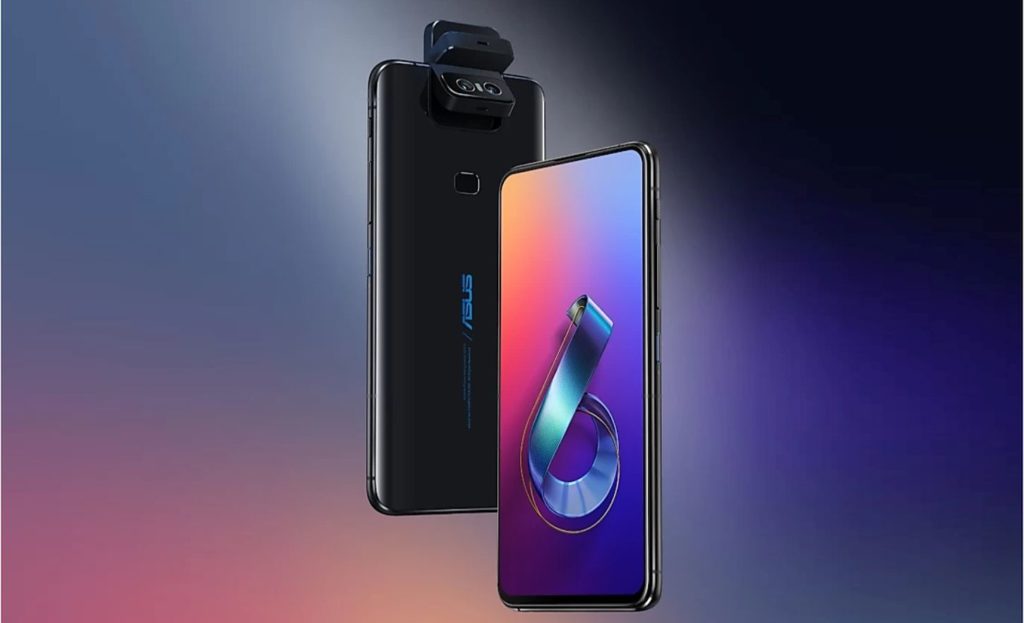
Taiwan-based ASUS had held a launch event in Spain earlier this month to unleash the ZenFone 6 flagship phone. Apart from interesting flagship specs, the USP of the phone is that it is equipped with a unique pop-up camera. India’s Flipkart e-commerce site has a landing page for the smartphone which indicates that it will be launching soon in the country. According to Tech Radar, an anonymous source has revealed to it that the smartphone claim that it may go official in India on June 16. However, the Taiwanese firm is yet to confirm the launch date of ZenFone 6 for India.

The landing page of the smartphone on Flipkart has revealed plenty of information on its specs and features. It states that the phone is equipped with 6.4-inch NanoEdge Display and it is powered by Snapdragon 855 mobile platform. It features a flip camera system with the popular Sony IMX586 48-megapixel sensor. The 5,000mAh battery packed inside the phone carries support for Quick Charge 4.0.

ASUS ZenFone 6

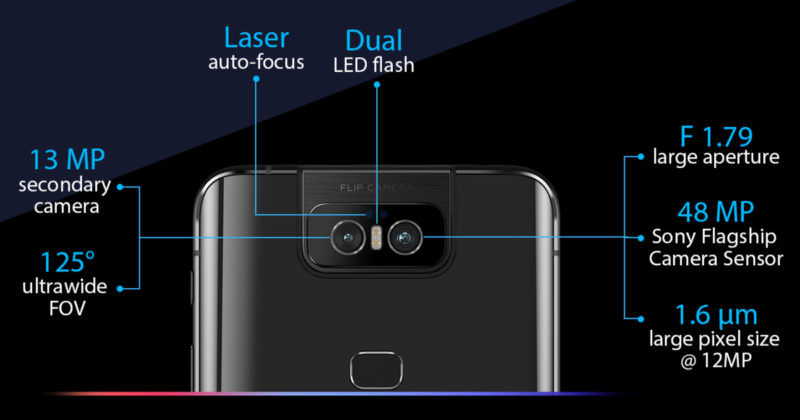
Assisting the f/1.79 aperture 48-megapixel sensor inside the pop-up camera setup includes is a secondary 13-megapixel lens with 125-degree field of view. The camera module also includes laser autofocus and dual-LED flash. Since there is no front camera on the device, the rear cameras can flip up to capturing topnotch selfie shots. Some of the photography features that are available on the ZenFone 6 are Portrait Mode, Pro Mode, Super Night Scene Mode, 4K video shooting at 60 fps with EIS, up to 480fps slow-motion video recording and time-lapse. A fingerprint sensor is also available on the rear side of the device.

ASUS ZenFone 6-camera

The marvelous full HD+ notch-less display of the ZenFone 6 is protected by Gorilla Glass 6. It carries support for HDR10 and DCI-P3 color gamut. The handset offers a screen-to-body ratio of 92 percent. The SD855 chip on the device will be assisted by 8 GB of RAM. It will come with an inbuilt storage of 256 GB.  A lower variant featuring 6 GB of RAM and 128 GB of storage could be also available in India. The ZenUI 6 based Android 9 Pie OS that offers near stock UI experience will come preloaded on the device.

In Europe, the two storage variants of the ASUS ZenFone 6 are respectively priced at 499 euros (~$556) and 599 euros (~$668). Last year, the ZenFone 5Z had rivaled with the OnePlus 6 phone in India. It is expected the upcoming ZenFone 6 will take on the recently released OnePlus 7 Pro smartphone.

UP NEXT: Asus Zenfone 6 gets a new update enhancing the Camera Experience

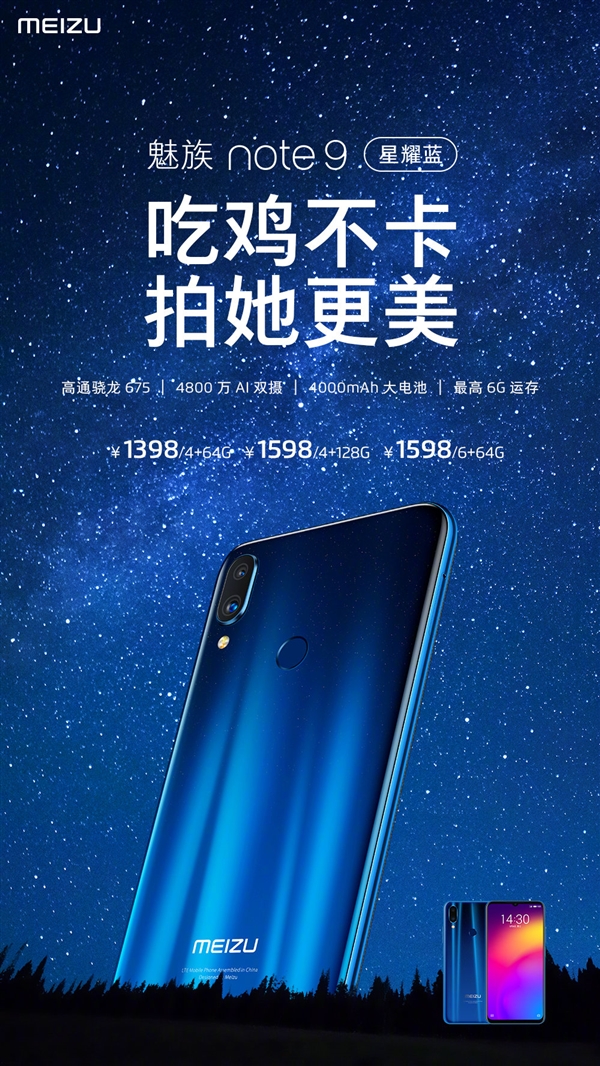
Meizu Note 9 gets a refresh with the release of a Starlight Blue Variant

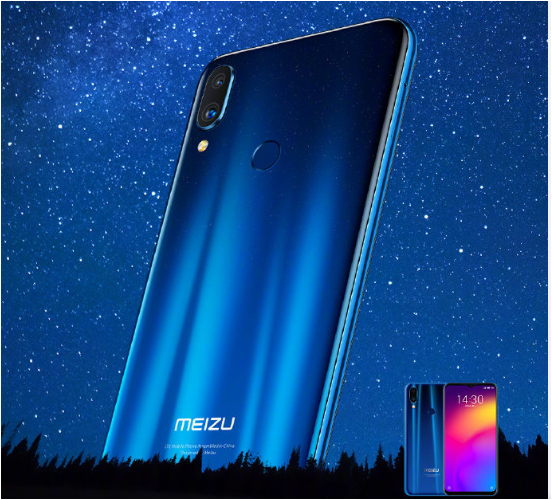
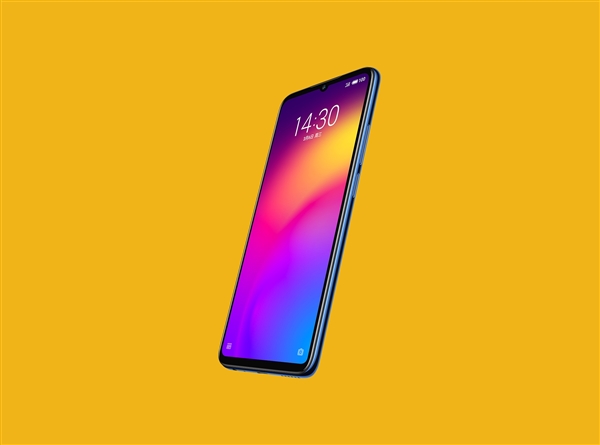
Meizu has announced on its Weibo page, the launch of a new variant for the Meizu Note 9 and it is a Starlight Blue colour variant. The Meizu Note 9 was first launched in March this year and even though the device was listed to come with a Blue variant, it wasn’t made available until now. The model retains the pricing of other variants and starts at 1398 yuan ($202) for the 4GB+64GB storage variant. The 4GB+128GB version and 6GB+64GB version are both on sale for 1598 yuan ($231).Meizu Note 9 Starlight Blue

The Meizu Note 9 features a 6.2-inch IPS LCD display with a waterdrop-style notch. It adopts the 19.5:9 aspect ratio with a screen ratio of 89.23%. The display has a full HD+ resolution of 1080 x 2244 pixels. The device comes with 4GB/6GB of RAM with 64 GB/128 GB storage options which can’t be expanded.Meizu Note 9 Starlight Blue

EDITOR’S PICK: OPPO K3 Review: Budget Phone With Pop-up Camera And Full Screen

There is a big 4000Ah battery onboard with support for 18W mCharge rapid charging technology. Meizu even included an 18w charger in the retail box. The phone runs Android 9 Pie OS customized with the latest Flyme 7.2 UI. The device comes with some customizations which makes it suitable for hardcore gaming such as Hyper Gaming, which focuses on optimizing the frame rate and power consumption of the game. There is also Game mode 3.0 which reduces the interference of notifications, calls and other information on the screen while playing games.Meizu Note 9 Starlight Blue

The Meizu Note 9 is fitted with a dual camera setup arranged vertically at the rear. It includes a modified 48-megapixel Samsung ISOCELL Bright GM1 sensor as its primary lens and a depth sensor of 5-megapixel. The Note 9 comes with support night scene photography and offers features like handheld night scene mode and tripod mode. At the front, there is a 20MP sensor housed on the waterdrop notch. The other features of the Meizu Note 9 include rear-mounted fingerprint reader, face recognition 3.0 for unlocking in dim conditions, 4G VoLTE, dual-SIM support, Wi-Fi 802.11ac, Bluetooth 5.0, GPS, USB-C and 3.5mm audio jack.


UP NEXT: Samsung Galaxy A10e pops up on Geekbench with surprising specs

(source)
OPPO patent design for rotating selfie camera phone spotted

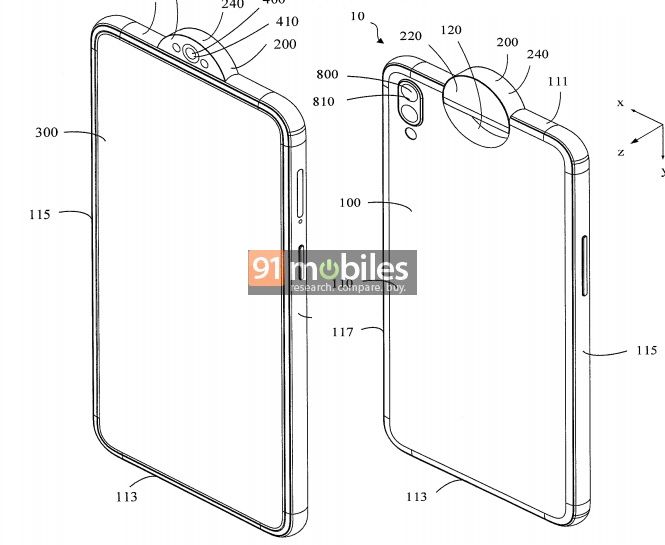
OPPO N1 announced in 2013 was touted as the world’s first rotating camera smartphone. It didn’t feature a selfie snapper, but a rotating camera module with dual LED flash that could be used for capturing selfies as well as regular shots as rear camera. It appears that the OPPO could be soon launching a new smartphone with a rotating camera setup since a new patent design has been approved by the United States Patent and Trademark Office (USPTO).

OPPO-rotating-selfie-camera-patent

The patent design shows that the smartphone is fitted with a display with ultrathin bezels. It features a dual camera setup on its rear. At the top side of the device, there is a semi-circular module that is assisted by three gears. It includes a camera sensor for shooting selfies. The gears help in bringing the camera sensor above the display.

The implementation of the rotating camera is similar to the ASUS ZenFone 6. While the patent filings don’t mention it, the camera module could be equipped with some sensors including an LED flash. The Chinese firm had filed the patent in October 2018 with UPSTO and it was approved on May 28.

OPPO-rotating-selfie-camera-patent

The OPPO Find X flagship phone from last year came with a slider assembly that include the front and rear cameras. The Snapdragon 855 chipset powered OPPO Reno phone that was unveiled recently came with a unique “Shark Fin” shaped pop-up camera module. There is no confirmation on when the company will be a new phone with a rotating camera module. Probably, a new flagship smartphone arriving next year could be equipped with a rotating camera module.

What do you think about the new OPPO smartphone design? Share us your views by posting your comments below.

UP NEXT: OPPO K3 Review: Budget Phone With Pop-up Camera And Full Screen

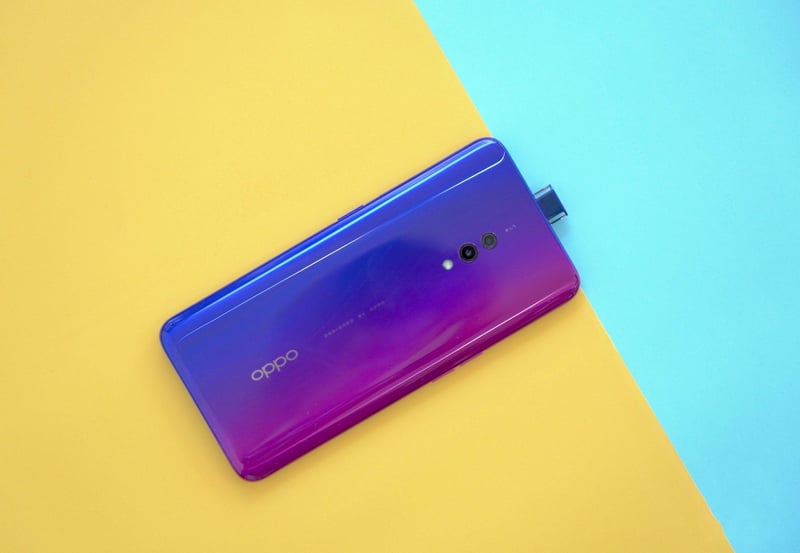
OPPO K3 Review: Budget Phone With Pop-up Camera And Full Screen

OPPO launched a new product line last year, which focuses on online marketing, called K series.

OPPO K1 impressed us last year with its design, color and in-display fingerprint. This year, OPPO launched OPPO K3, which has an update on the predecessor. Let’s take a look.

Design:

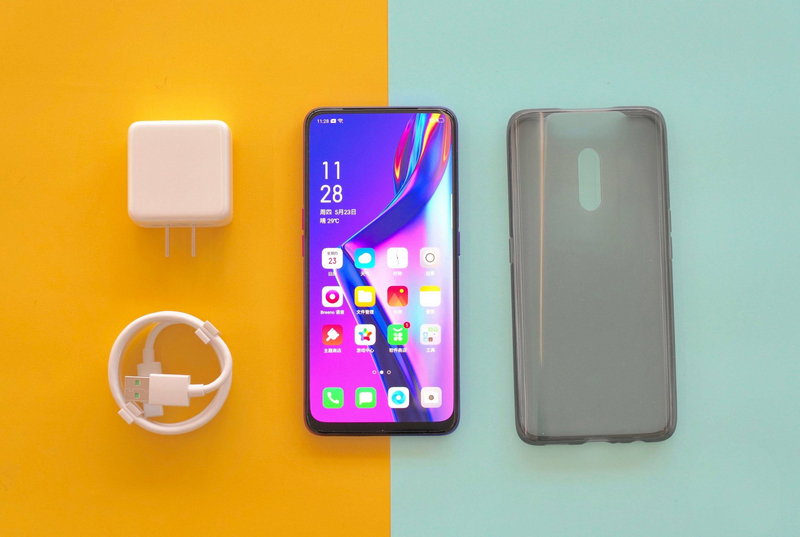
Difference from the other budget phone, OPPO K3 comes with full screen and pop-up front-facing camera.

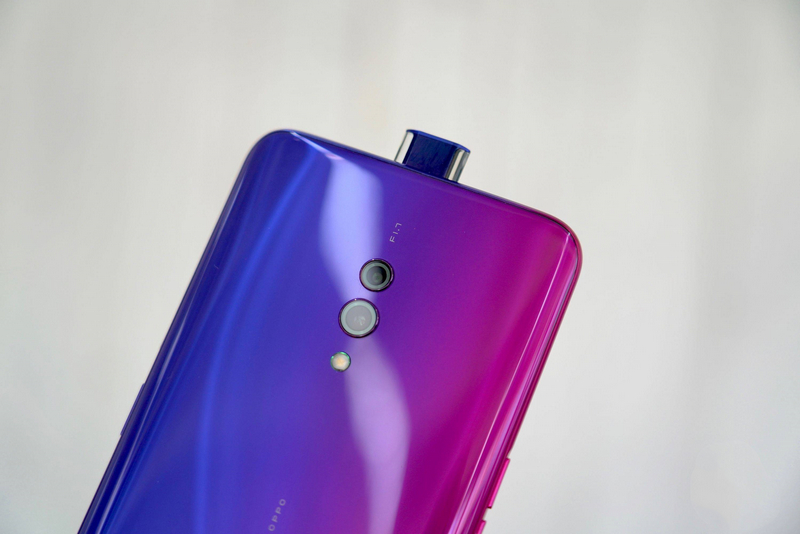
The pop-up mechanism is set on the middle of top side. The front-facing camera of OPPO K3 will rise when taking selfies and unlocking the phone by face in 0.74 second.

OPPO claims that the pop-up mechanism module of K3 can be used over 200,000 times. On average, it’s used 100 times a day for five years.

Although the handset comes with pop-up mechanism, OPPO K3 is capable of water repellent, which is enough for daily use.

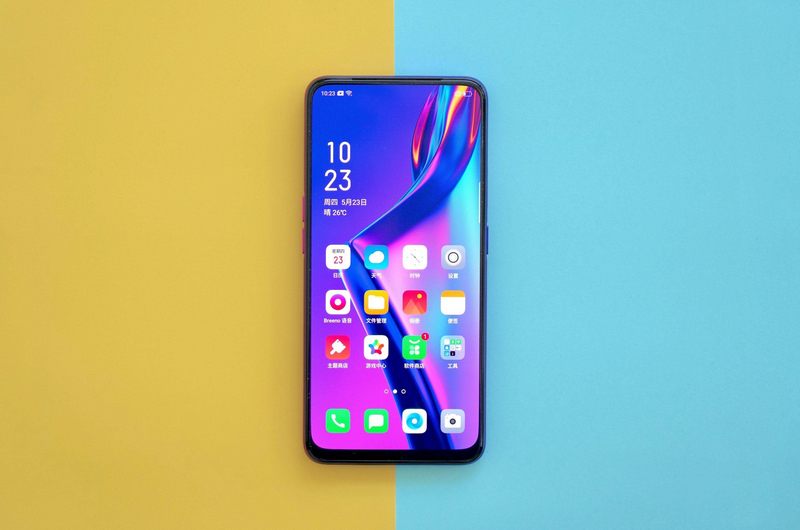
OPPO K3 comes with a 6.5-inch Samsung AMOLED screen having the resolution of 2340 x 1080 pixels, which rivals most of the mid-to-high end smartphones.

The screen of OPPO K3 shows cool tone normally, and users can manually adjust the color tone in setting.

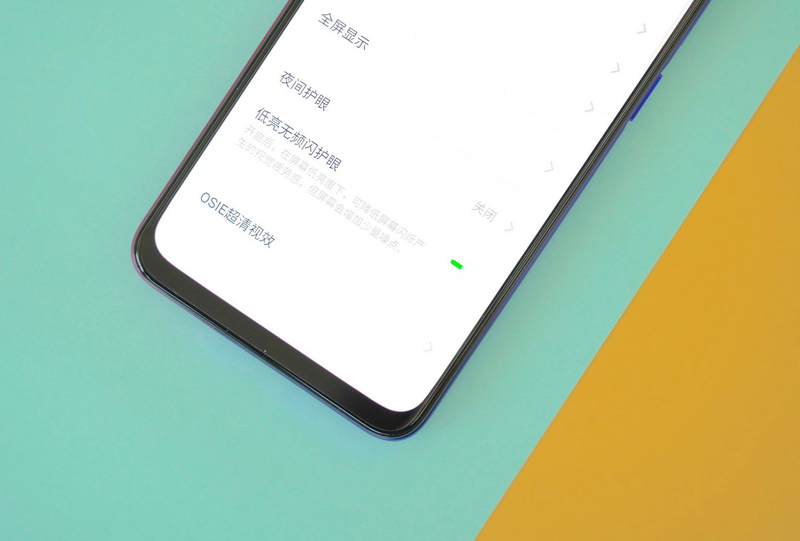
OPPO K3 keeps bezel-less, although the bottom bezel is a little wider, the screen-to-body ratio of K3 is up to 91.1%.

In addition to the amazing screen, OPPO K3 ships with in-screen fingerprint coupled with compensation transmission, which is to gain clearer fingerprint image.

OPPO K3 comes with one of the best in-screen fingerprint tech at the marketing, which is faster than OPPO K1 and as same as OPPO Reno.

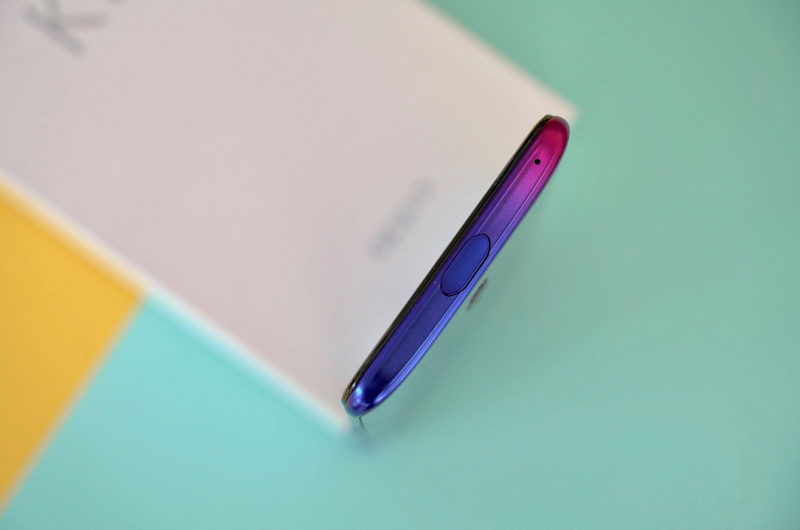
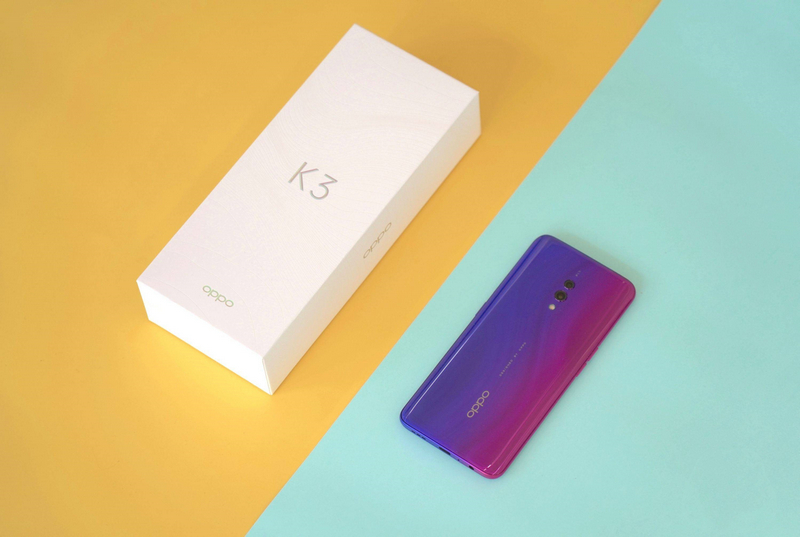
Because of the marketing target and pricing, OPPO K3 adopts plastic body instead of metal and glass body. Through higher level of processing, OPPO K3 still achieves a good look.

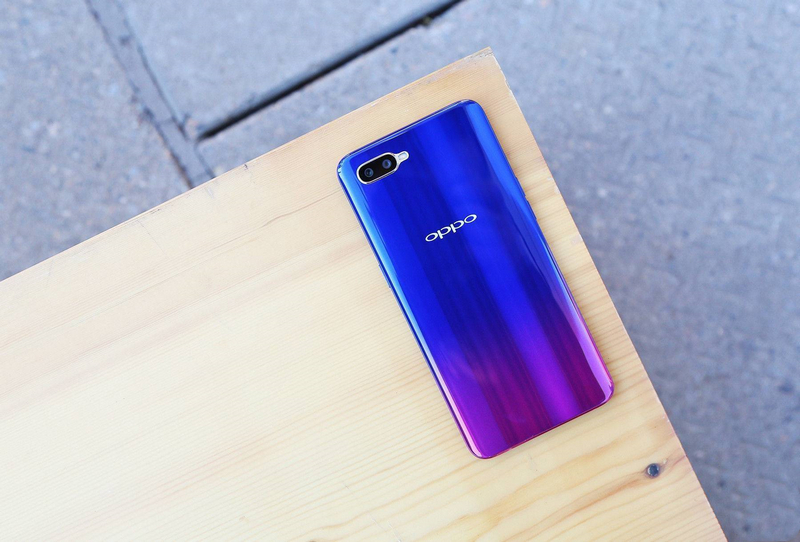
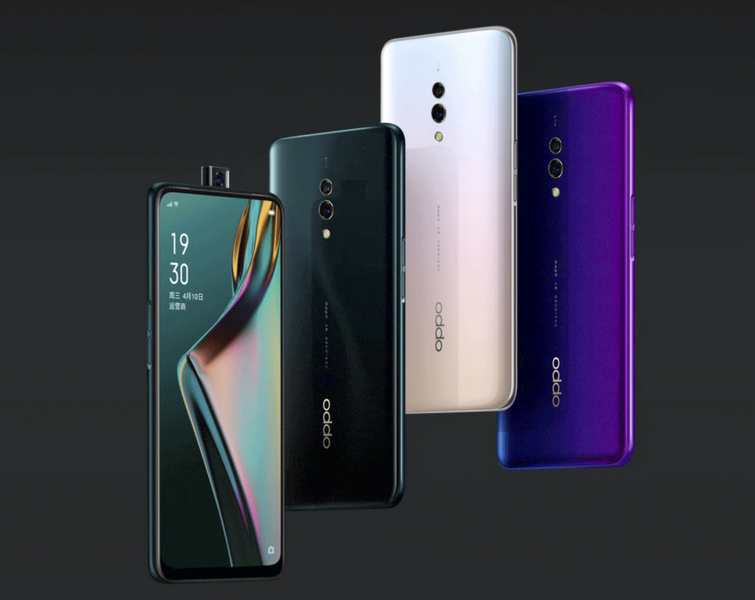
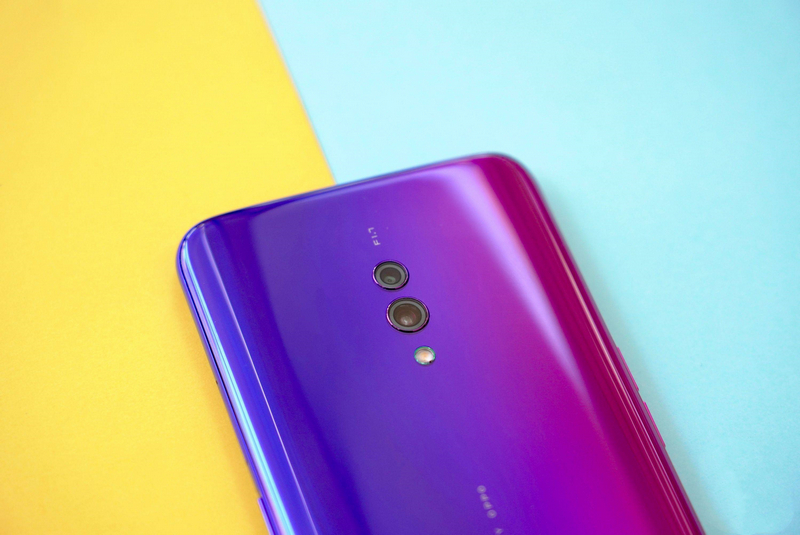
The middle frame and back cover of the handset are processed separately. Look at the image, the middle frame of Nebula Purple variant adopts mat processing, and the gradient color corresponds to the back cover.

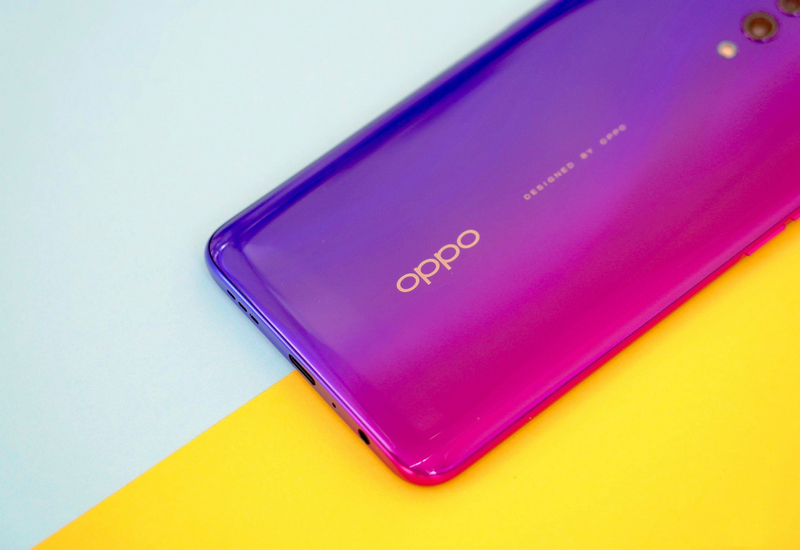
Look at the back cover, OPPO K3 uses 3D stereo technology. The two sides of the handset is obviously cured, which looks thinner. The rear camera is set at center with little protrusion, and the protective ring around the camera is slightly higher than the back cover.

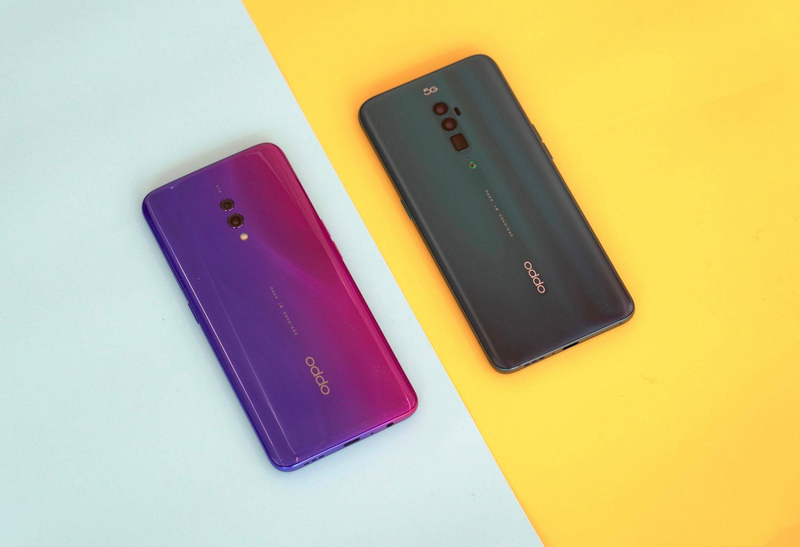
In addition to Nebula Purple, OPPO K3 also offers Black and Morning White variant.

Performance:

OPPO K3 is powered by Snapdragon 710 processor, and arrives with 6/8GB of RAM and storage between 64GB, 128GB and 256GB. The operation system is ColorOS 6.0 based on Android 9.0.

OPPO K3 also retains full software optimization capabilities, including GameBoost 2.0 which has a certificate of TÜV.

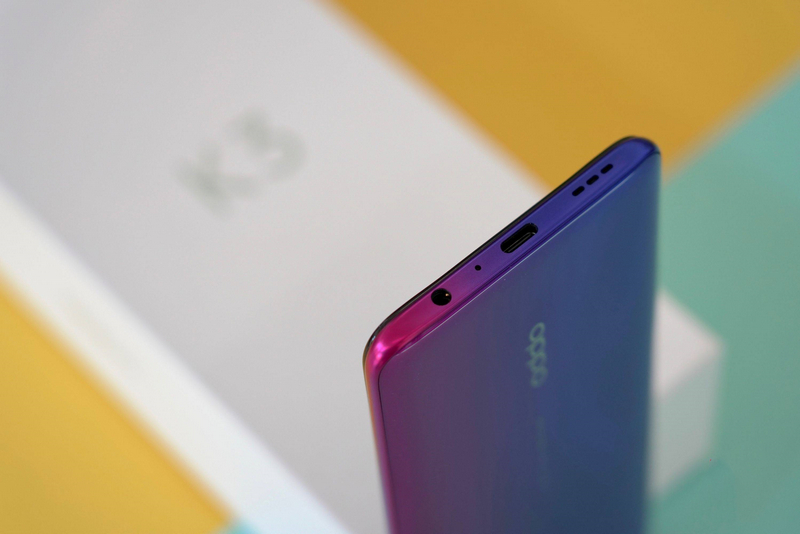
OPPO K3 reserves 2×2 Wi-Fi, keeps 3.5mm earphone jack, and supports Dolby Atmos.

OPPO K3 is fueled by 3765mAh battery with VOOC 3.0 flash charging, which is enough for daily use. It can charge 55% in 30 minutes.

Camera:

OPPO K3 ships with 16MP front-facing camera with IMX 471 sensor, which has AI capabilities.

In the rear camera, OPPO K3 chooses a dual camera design of main camera and depth of field lens. The 16MP camera with IMX519 and f/1.7 aperture is one of two in the main setup on the back.

This sensor is first launched at OPPO R15, which can’t get an edge on night shot.

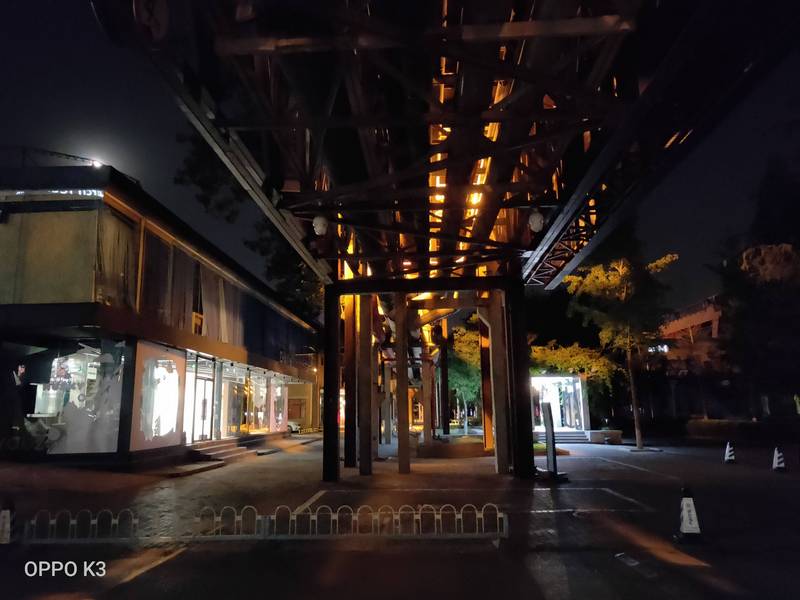
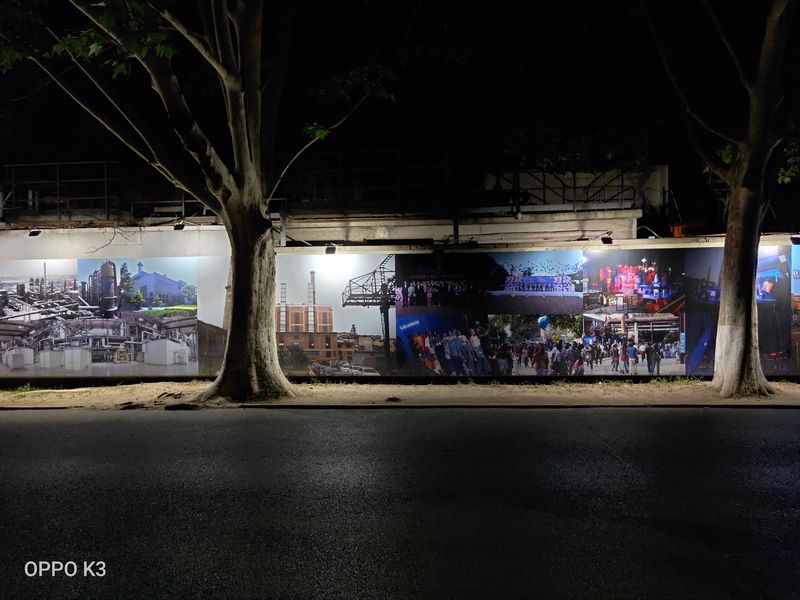
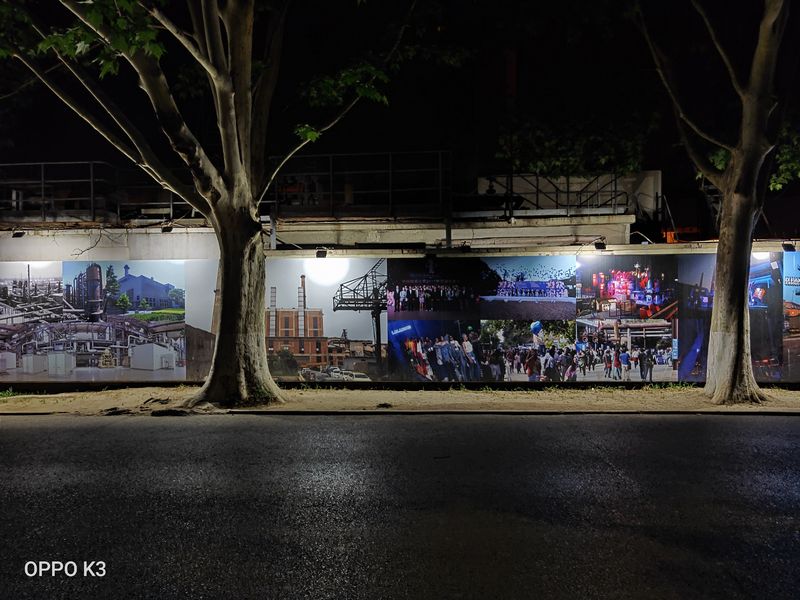
In order to optimize the night shot mode, OPPO K3 comes with handheld night mode. The handheld shots take longer than OPPO Reno, and it need to take at least 4s in low light.

The camera samples below are shot in auto mode by OPPO K3.

[envira-gallery id=”256532″]

Conclusion:

OPPO K3 is priced at about $269 (6+64GB) and $319 (8+128GB). If you want to get a budget phone with excellent screen, you should consider OPPO K3.


Huawei launches 5G lab in South Korea, keeps event lowkey

Huawei Technologies unveiled an open lab for next-generation 5G wireless network in South Korea on Thursday, but kept the launch low-key given its recent blacklisting by the United States, a key security ally of the Asian nation. Instead, it chose to restrict the invitations to anonymous Korean tech and enterprise bosses, the Reuters reports.

Huawei Korea said that telecom giants’ absence stems from the fact the event was exclusively designed for small and medium-sized enterprises who are seeking to enhance their partnership with the Chinese company. Huawei said it planned to invest about $5 million in the lab in the Junggu district of Seoul. It did not provide any more details on the location and did not invite media to the launch.

According to a Huawei Korea spokesperson, “after hearing some small businesses suffered from the latest controversy, we decided not to hold a media event. It’s an exaggeration to say that we scaled down the event substantially. The only thing canceled was a media event,”.

Currently, Huawei provides its 5G network equipment for a small South Korean carrier LG Uplus. LG Uplus has said it does not plan to remove Huawei gear, but promised to step up security checks. The two bigger carriers, SK Telecom and KT, do not use Huawei gear.

Earlier this month, the U.S. government banned Huawei’s equipment in its market, citing security concerns, and has been pressuring other countries to boycott its products. The now storied saga is still ongoing, but the effects have spread quickly. South Korea is in an awkward situation between the U.S., a key military ally, and China, its top trading partner, taking a cautious stance over the trade tension.

UP NEXT: Huawei is still No.2 worldwide, Apple sales slump

(Source)

Huawei retains 2nd spot worldwide sales, Apple sales slump

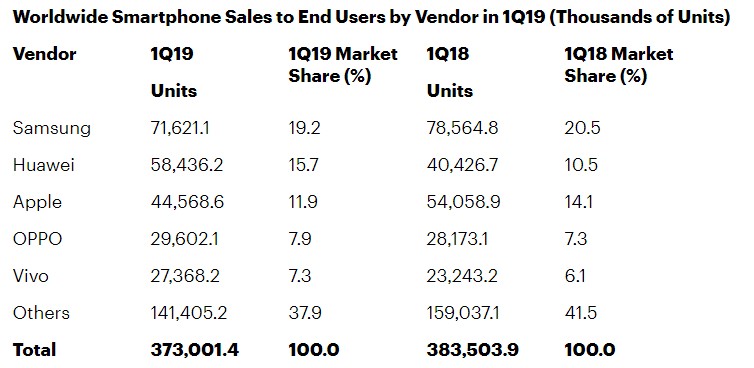
Smartphone sales fell 2.7 percent in the first quarter to 373 million units worldwide, according to the latest study from Gartner. The US and China, the two countries that sell the most smartphones, saw sales decline by 15.8 percent and 3.2 percent, respectively. Samsung still leads, but Huawei has surprisingly managed to maintain its second place, narrowing the gap with number one thanks to sales in China despite the US ban!

The Huawei ban saga is one of the most interesting things to have come out of the tech world in recent years, but it hasn’t stopped them. Huawei achieved the highest year-over-year growth among the world’s top five – Samsung, Huawei, Apple and Chinese smartphone makers OPPO and Vivo. Huawei sold 58.4 million smartphone units in the quarter, with growth across all regions, the report showed.

“Demand for premium smartphones remained lower than for basic smartphones, which affected brands such as Samsung and Apple that have significant stakes in high-end smartphones,” Anshul Gupta, Senior Research Director at Gartner, said in a statement.

The U.S., Apple’s largest smartphone market, saw total smartphone sales fall by 15.8% during the first quarter. “Apple is facing longer replacement cycles as users struggle to see enough value benefits to justify replacing existing iPhones,” Gupta said. Even though Apple cut iPhone prices in several markets, the move wasn’t enough to stoke demand and raise sales.

Apple Logo

Companies that have either shunned Huawei completely or restricted buying from the company include Google, Softbank’s ARM, Analog Devices, U.S. chipmakers Intel Corp, Qualcomm Inc, Xilinx Inc, Broadcom Inc, Japanese electronics maker Panasonic Corp and BT Group’s EE. Of that list, only Panasonic has continued trade with Huawei. The WiFi, Bluetooth SIG and SD associations have also relisted the company as a partner.

UP NEXT: Huawei Mate 20 Pro back on Android Q beta list

(Source)

Huawei Nova 5i AnTuTu benchmarks leak specs; Launch could be nearing

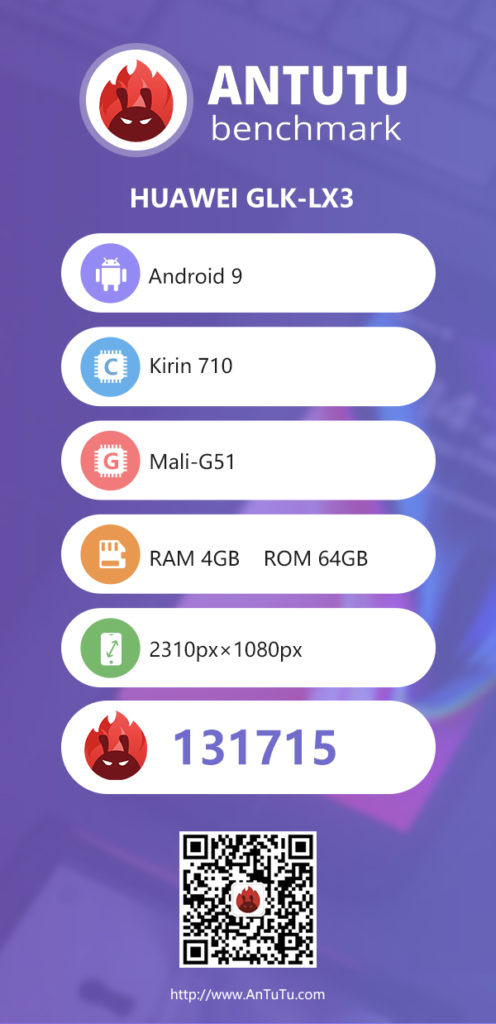
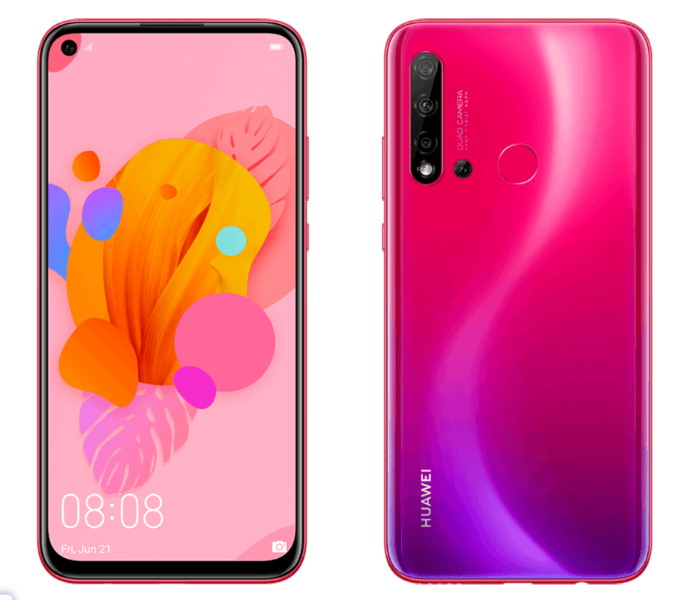
Huawei Nova 5i is an upcoming smartphone that is expected to go official in June along with the Nova 5 phone. On Thursday, the smartphone was spotted with its model number GKL-LX3 on Geekbench. Now, the same model number has been spotted on AnTuTu benchmarks to reveal some of its key specs.

The GKL-LX3 is fitted with a display that carries support for full HD+ resolution of 1080 x 2340 pixels. As Geekbench listing had suggested, AnTuTu listing has confirmed that it is powered by the Kirin 710 chipset and 4 GB of RAM. The handset has an internal storage of 64 GB. The Android 9 Pie coupled with EMUI 9.1 will come preinstalled on the device. The average benchmarking score recorded on AnTuTu by the smartphone is 131,715.

HUawei Nova 5i AnTuTu

Recently, the Nova 5i was approved by FCC in the U.S. and NCC in Taiwan. These certifications revealed that the Nova 5i will be arriving in 64 GB and 128 GB storage options. Both models may feature 4 GB of RAM. For additional storage, there will be a microSD card slot on the device. The Nova 5i will be backed by a 3,900mAh minimum capacity battery that will offer 10W charging. The typical of the battery will be 4,000mAh.

It is easier to speculate on the other specs of the phone as a recent report had revealed that the Nova 5i will be releasing as P20 Lite (2019) smartphone in some markets. The P20 Lite (2019) will be featuring a punch-hole display of 6.4 inches. It will be coming with a rear-mounted triple camera setup that may include a 24-megapixel main lens, an 8-megpixel superwide lens and a depth sensor of 2-megapixel. For snapping selfies, it is expected to sport a 16-megapixel camera inside the small hole on the display. In Europe, it could be priced between 280 euros (~$310) and 330 euros (~$365). It will come in color variants like Midnight Black, Crush Blue and Charming Red.

(source)
UP NEXT:  Huawei Mate 20 Pro gets reinstated to the Android Q beta program

China Mobile’s ultra cheap 5G phone coming at the end of June

China Mobile is China’s main telco service provider, but they also have a solid stable of smartphones under their lineup. Their devices tend to be more affordable but still of decent quality, which has led to them garnering some fans. Today’s news however is quite interesting, because China Mobile has plans for an ultra cheap 5G smartphone. Not only that, but their cheap 5G smartphone is allegedly coming later next month!

“The devices will cost CNY2,000 (USD289) but eventually fall to around CNY1,000 ($148)” claimed Jian Qin, vice president of the Beijing-based firm. While this may not seem to be all that cheap, keep in mind that the competition right now is ridiculously expensive. The average price for a 5G phone right now $1000, so this is some pretty cheap 5G.

Jian also had other things to say. “In order to facilitate mainstream use, China Mobile is exploring a multi-dimensional billing model that will grant users access to fifth-generation networks without having to change SIM cards or phone numbers,” he added. He also believes that the price for 5G will go down with mass adoption, but anyone could’ve really had told us that, it’s not a hard concept to grasp.

This is some extremely exciting news to hear for techies like us with not too much cash. While we love 5G development, it’s not a stretch to say that the current crop of 5G devices are way outside the realm of affordability we can accept. With this upcoming China Mobile device, we’ll finally begin to see 5G become a bit more mainstream. These are definitely some exciting times.

UP NEXT: Huawei 5G equipment spotted on BBC Breakfast

(Source)

While 5G is still in its infancy, China Mobile and Tsinghua University team up to work on 6G!

A couple of months back, when US president Donald Trump spoke of 5G technology, urging the US to speed up the process of deployment, he also urged for the development of 6G in the US. Some section of the media found it funny, especially since 5G technology with blazing fast internet speed was still being tested. Well, it is apparently not too early to start discussing 6G. China Mobile and Tsinghua University have announced a strategic patnership framework that would see both institutions deploy their respective advantages to promote the alliance of “production and learning”, accelerate the innovation of key basic technologies, and lead the transformation and industrialization of technological innovations. Details of the agreement include that the two sides will conduct scientific research cooperation in the future mobile communication networks, next-generation Internet and mobile Internet, industrial Internet, artificial intelligence and other key areas for 6G. A joint research institute will also be established to create leading technologies, solutions and products, and promote the technological transformation and application of results.

At the same time, the two sides will carry out joint training of higher-level talents, explore synergistic innovation mechanisms for industry, academia and research, promote the deep integration of innovation chain, industry chain, capital chain, policy chain and talent chain, and stimulate new kinetic energy of science and technology innovation cooperation.

Editor’s Pick: Throwback Tech Thursday: Nokia N9’s Weird Selfie Camera Revisited

It is understood that China Mobile has a full-time R&D team of more than 10,000 people, and its annual science and technology expenditure exceeds 20 billion yuan. It has undertaken 172 major scientific research projects and patent applications exceeding 16,000.

5G technology takes over from 4G and offers new opportunities in not just telecommunication but also health care, the automobile industry and several other sectors. 5G is said to be 100 times faster than the present 4G technology. 6G may still be some light years away but we just can’t imagine the speed it will offer, considering the potentials of 5G.

UP NEXT: Huawei equipment for 5G spotted during BBC Breakfast program

(source)
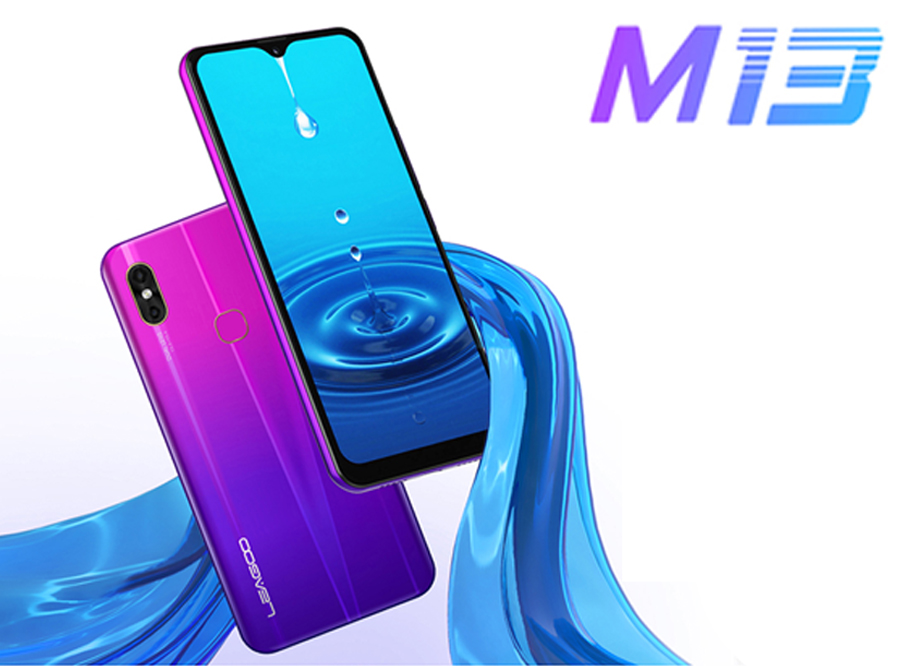
Buy Leagoo M13 Smartphone for Just $79.99 from Banggood

OTEDA Group Holding Limited-owned Leagoo brand is known for making smartphones that boast an impressive array of features. Living up to its reputation, Leagoo unveiled its long-awaited M13 smartphone in March this year.

There are no prizes for guessing that the recently unveiled phone is loaded with jaw-dropping features and top-end specs that would sweep smartphone lovers off their feet. Surprisingly, this feature-rich smartphone won’t set you back a pretty penny.

While you’d normally end up shelling out a lot of money on high-end smartphones, the Leagoo M13 has gone up for pre-order bearing a considerably lowered price tag on Banggood. The Chinese online store that offers the best bang for your buck recently launched the ‘M13 New Arrivals’ promo.

As part of its latest promotion, Banggood will be doling out a noteworthy 50 percent off on the Leagoo M13 smartphone. On top of that, the online store will either be offering a free product or free order to one lucky buyer each day. Buyers will be randomly selected for this 5-pieces giveaway.

The 4GB RAM+32GB ROM variant of the M13 smartphone carries a $159.99 price tag, but thanks to the aforesaid discount you can now buy it for just $79.99 from Banggood. In addition to this great discount, those who order over $19.99 will be eligible for free shipping.

An absolute steal at this price, the Leagoo M13 offers the following features:

  • 1 Inch HD IPS display with 1280 x 600 pixels resolution
  • MediaTek MT6761 Cortex-A53, Quad Core, 2.0GHz processor
  • IMG GE8300 @ 660MHz GPU
  • 4GB RAM, 32GB ROM
  • 0MP+2.0MP rear-mounted cameras with F/2.2 aperture
  • 0MP front shooter with F/2.4 aperture
  • Android 9.0 Pie OS
  • Built-in 3000mAh battery

You can visit the promotion page by clicking here to check out the full specification and avail the discount, which will be valid for the Twilight, and Phantom Black color versions of the phone. The discount will be valid for the first 499 pieces, while the remaining 999 pieces will carry an $89.99 price tag.

Samsung Galaxy Note 10 could ditch physical keys and headphone jack

Samsung has already launched its Galaxy S-series flagship smartphones a few months back and the South Korean giant is now gearing up to launch the next-generation Galaxy Note-series flagship smartphone.

While the Galaxy Note 10 launch is still months away, information about this upcoming smartphone has now started surfacing online. In the latest leak, it is said that the next-gen Galaxy Note smartphone could ditch physical keys and headphone jack.

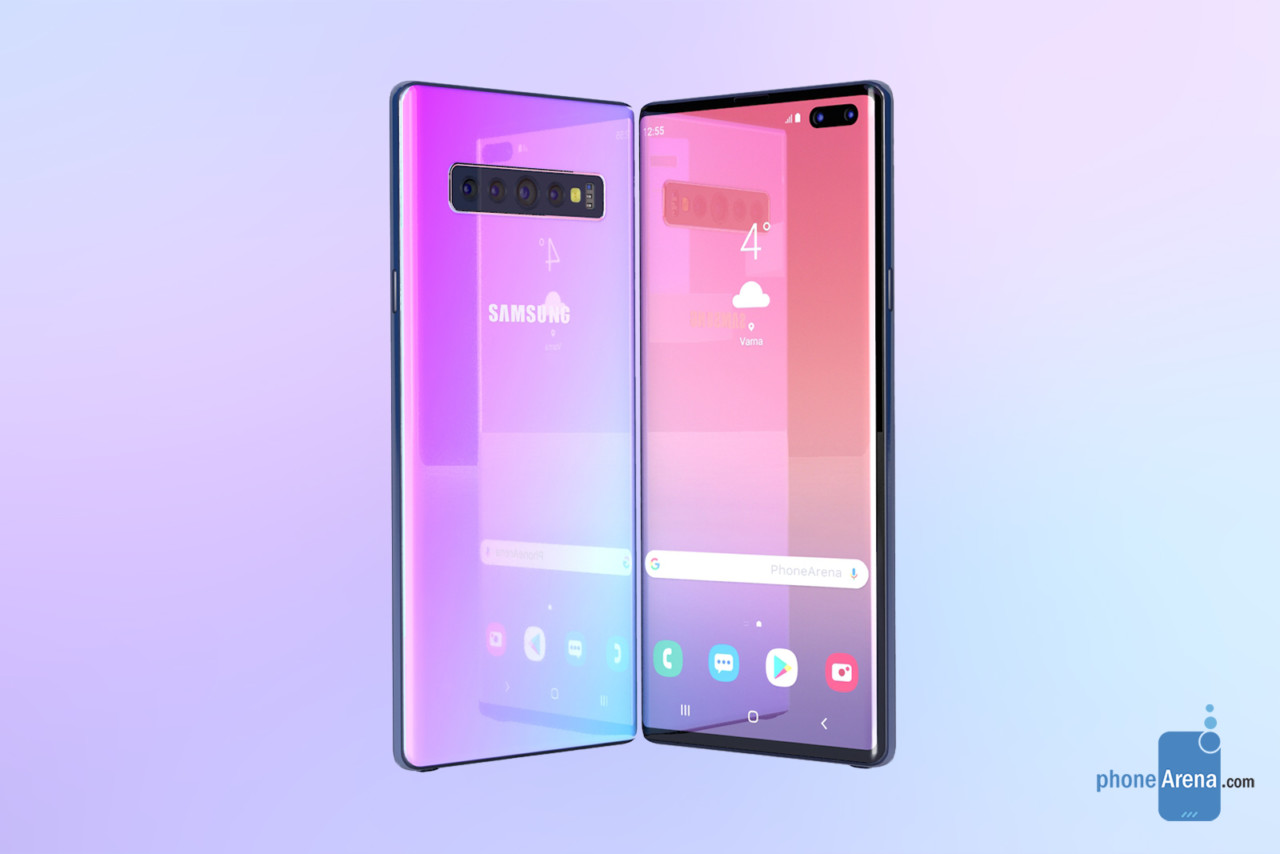
Samsung Galaxy Note 10 Concept Render

So, if the information turns out to be true, then the Samsung Galaxy Note 10 will come without a 3.5mm headphone jack as well as there won’t be the Bixby button along with the power button and the volume rocker keys.

While a couple of mid-range smartphones from Samsung doesn’t come with a 3.5mm headphone jack, Samsung is the only major smartphone maker that still sells flagship smartphones with a 3.5mm headphone jack. But it seems that that is about to change.

Instead of the physical buttons, the company could use prominent/raised capacitive or pressure-sensitive areas to act as a sort of fake buttons. It is not yet known if the company is planning to carry these changes over to the Galaxy S11 next year.

As per the reports, Samsung is expected to launch two smartphones under the Galaxy Note 10 lineup with different screen sizes. The phone could come with a 6.28-inch display and another with a 6.75-inch display. However, nothing much is known yet.

Read More: Samsung Galaxy M40 render leaked; 32MP triple camera and 16MP front-facing camera confirmed

We advise you to take all this information with a pinch of salt as nothing has been officially confirmed by the South Korea-based company yet. We’ll have to wait for more information to surface online to know for sure.

(Source)
Latest Xiaomi crowdfunder is an Acupressure Massager

Xiaomi crowdfunding is always a fun topic, because it’s so unpredictable what’s coming next. Last month we saw the MIJIA Handheld Vacuum Cleaner, a truly wonderful product, come through with 20 million yuan. This time, we’ve got an egg-looking Acupressure Massager. Intriguing indeed, let’s take a closer look at why it is what it is.

Essentially, what the Acupressure Massager does is allow one to massage very specific points on their body. It’s a nifty little thing if you frequently suffer from things like neck pains, back pains and carpal tunnel. Using it is pretty simple, just point the massager where you want, turn it on, and apply pressure. The ecstatic lady in the picture gives a pretty clear image of how to use it.

The massager has two speeds that can be adjusted, 50 rpm and 90 rpm. It apparently also features interchangeable heads, allowing for more accurate ways to alleviate body pains. It’s also quite silent, so it’s completely usable in office spaces according to them. The thing is battery powered however, and it needs to be charged on a dock.

The Acupressure Massager comes in at a decent 320g, with three colour options to choose from. You’ve got your standard black and white, but there’s also a pretty pink option available. The thing costs 119 yuan, which translates to about $18. It’s really not too bad of a price for something like this. As per usual, all Xiaomi crowdfunding products are available on their site, but it’s possible we’ll see it hit some stores in the future.

UP NEXT: Xiaomi wants 50% of Indian marketshare

(Source)
Redmi GM believes Xiaomi can conquer 50% of India marketshare

Today we’ve got a spicy topic to discuss. In an interview with Sina Tech, Redmi GM Lu Weibing claimed that Xiaomi could possibly conquer 50% of the Indian smartphone marketshare in the future. He also cites how Xiaomi have been ranked number 1 in the Indian market for seven consecutive quarters now.

This is some staggering confidence, but it’s definitely not unfounded. Xiaomi is doing unbelievably well in India, with seven of their devices being in the top 10 best selling list. Still, we find it extremely hard to believe that the company can break 50% marketshare. In Q1 of 2019, despite selling plenty of units, still only held 29% of the market. We’re glad Xiaomi’s enthusiastic at least, and we’d love to see accomplish this.


Now, with Xiaomi’s new lineup, we’d say it’s possible they could come closer to achieving their goal. The company’s latest products cover almost every single segment of the market. They’ve got the Redmi GO on the extreme low-end, the Redmi Note 7 line on the mid-range, the Redmi K20 for the budget flagship market and the Mi9 itself as a premium flagship. We’re looking at Xiaomi that’s covering all grounds here, even more than before.

It isn’t surprising to see why Xiaomi is doing so well in India. The brand mostly caters to the mid-range segment, where the growth is phenomenal. In the past quarter, Xiaomi launched a number of smartphones, headlined by the Redmi Note 7 Pro and Redmi Go. The Redmi Note 7 Pro, in particular, turned out to be both a critical and commercial success.

UP NEXT: Xiaomi Mi9T coming soon?

(Source)

Get Great Discounts on Amazfit-Branded Smartwatches [Coupon]

Bent on improving the way people connect with each other and the internet, Amazfit has a reputation for offering top-end smart wearables that adopt state-of-the-art technology, coupled with data-driven innovations.

In a bid to make the world more connected, Amazfit teams up with Xiaomi and the company’s sole partner of wearables Huami to come up with awe-inspiring smart wearables from time to time. On the downside, these devices aren’t easy on the pocketbook.

Much to the delight of cost-conscious buyers, leading online stores GearVita and Gearbest are now offering select smart wearables from Amazfit at considerably lowered prices. So without further ado, let’s delve into the details.

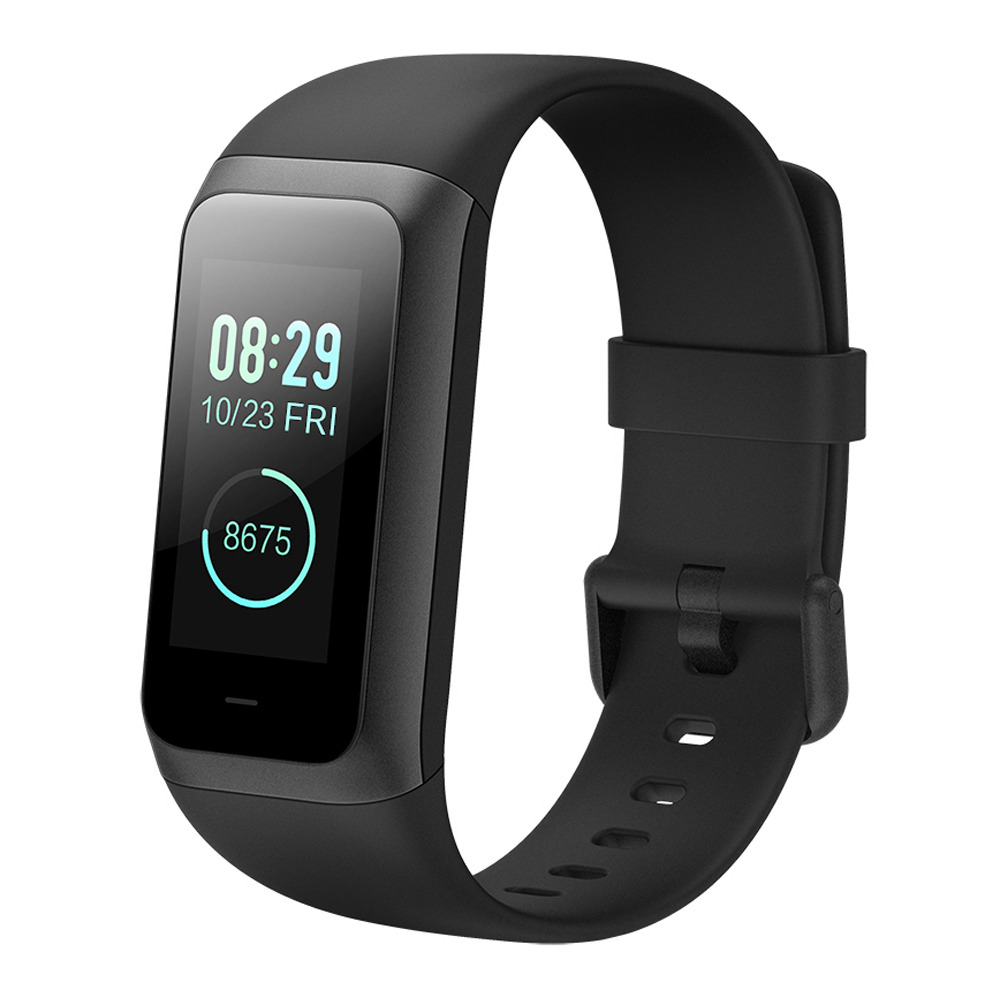
Huami Amazfit Cor 2 Fitness Smartband Global Version

The Huami Amazfit Cor 2 sports an easily readable 1.23 Inch capacitive color IPS touch screen with an HD resolution of 80 x 160 pixels. It comes with corning gorilla glass material on top for added protection and is housed in a high-quality 316L stainless steel frame.

The Amazfit Cor 2 fitness band usually retails for $69.99, but you can buy it for just $45.99 from GearVita. As if that weren’t enough, you can extend this 34 percent discount by applying coupon code ROHMCor2 at the time of checking out.

The coupon helps you get an extra $4 off. In other words, you can reduce the original asking price of the Amazfit Cor 2 fitness band to just $41.99 simply by applying the aforesaid coupon before placing your order.

You can follow this link to avail the discount. Note that the promo is slated to end soon.


Xiaomi Amazfit Stratos / Pace 2 Smartwatch Global Version

The Xiaomi Amazfit Stratos Pace 2 smartwatch is a great choice for both sports as well as business. This simplistic, yet stylish smartwatch is housed in a 3D carbon fiber texture case and has hard anti-scratch ceramic bezel with crystal 2.5D curved glass, ultra-fine minute scale, 316L stainless steel buttons, reflective color touch screen and more.

The global version of this feature-rich smartwatch would normally set you back $310.67, but you can now buy it for just $155.99 from Gearbest. This is a significant 50 percent reduction in the device’s original asking price.

On the downside, this discount will only be valid for the first 412 pieces. The promo was on the verge of wrapping up at the time of writing. You can follow this link to grab the discount.


Xiaomi AMAZFIT A1608 Bip Lite Version Smart Watch

The AMAZFIT A1608 Bip Lite Version adopts the Bluetooth 4.0 technology for a faster and more stable connection with your smartphone. Aside from a sleep monitor, the device has a heart rate monitor that provides detailed information about your heart rate anytime anywhere.

While you’d normally end up shelling out $75.37 on this Xiaomi-branded smartwatch, Gearbest is giving you a chance to buy it for a reduced price of just $59.99. This is a noteworthy 20 percent drop in the device’s original selling price.

Xiaomi AMAZFIT A1608 Smartwatch International Version with Corning Gorilla Glass Screen Heart Rate / Sleep Monitor Geomagnetic Sensor GPS ( Xiaomi Ecosystem Product )- Black

It is worth noting that there were only 13 pieces remaining for this promo, which will come to an end shortly. You can choose between three eye-catching color options including bright orange, black and deep green. Click here to take advantage of the discount now.