On Sept. 1, Vivo will announce the Vivo Y500 in China. Ahead of the launch, the brand has been gradually confirming key details of the device. In a new development, a premature China Telecom product library listing has emerged, revealing its entire specifications well before the official announcement.
Vivo Y500 specifications (rumored)
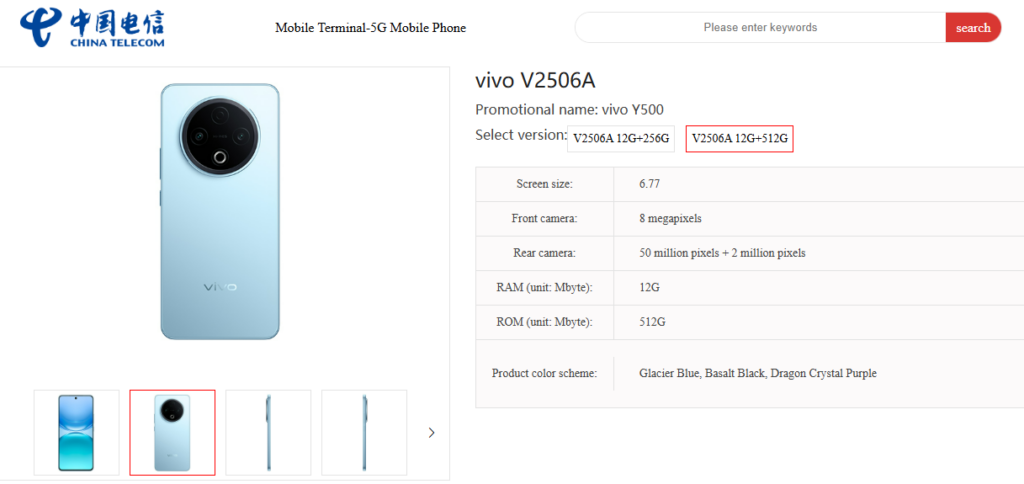
Vivo Y500 China Telecom listing
As per the China Telecom listing, the Vivo Y500, which bears the V2506A model number, will measure 163.10 x 75.90 x 8.23mm and weigh 213 grams. The device will be equipped with a 6.77-inch AMOLED display that supports an FHD+ resolution of 2392 x 1080 pixels. While it is not mentioned in the listing, the screen is expected to support a 120Hz refresh rate.
Vivo Y500 via China Telecom listing
On the photography front, the Vivo Y500 will feature an 8-megapixel selfie camera and a 50-megapixel + 2-megapixel dual-camera unit on the back. Under the hood, the device will feature the MediaTek Dimensity 7300 (MT6878) chipset, 12GB of RAM, up to 512GB of storage, and an 8,200mAh battery.
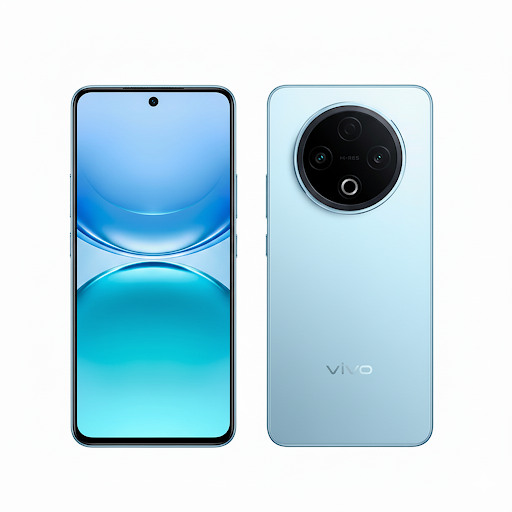
Vivo Y500
The brand has already confirmed that the Y500 will support 90W fast charging and have an IP68/69-rated body. It will also have NFC and an in-screen fingerprint sensor, among other features.
The China Telecom listing reveals that the Vivo Y500 will be sold in two configurations: 12GB+256GB and 12GB+512GB. It will be available in three shades, namely Glacier Blue, Basalt Black, and Dragon Crystal Purple. At present, there is no information about the price of the device.
For more daily updates, please visit our News Section.
Several Chinese smartphone brands, such as Oppo, Realme, OnePlus, iQOO, Redmi, and Nubia, are expected to announce their next-generation flagship phones in October this year. However, reports have claimed that Vivo may unveil the Vivo X300 series by the end of September. A new leak, courtesy of tipster Smart Pikachu, reveals that the Vivo X300 series will also break cover in October.
Vivo X300 series launch timeframe (rumored)
Vivo X300 series launch timeframe by tipster Smart Pikachu
As can be seen above, the tipster has claimed that the Vivo X300 series will be announced in October. Based on the extended holiday period in China, which includes the National Day from October 1 to 8 and the Mid-Autumn Festival on October 6, the Vivo X300 series may launch after Oct. 8.
The Vivo X300 series will be powered by the Dimensity 9500 chipset. Unlike last year’s X200 series, which included three models, namely the X200, X200 Pro Mini, and X200 Pro, the upcoming X300 lineup will have two models: the X300 and X300 Pro. However, the Vivo X300 is expected to sport a compact form factor featuring a 6.3-inch screen like the X200 Pro Mini.
The tipster mentioned that the Vivo X300 series will arrive with a new generation of Zeiss coating on the cameras, which should enhance optical performance. Alongside the smartphones, Vivo is also set to release a new pair of earbuds. He added that the company reportedly plans to strengthen its presence in the IoT and wearable space in 2026, with several flagship-level redefined devices in the pipeline. As far as the Vivo X300 Ultra is concerned, reports suggest that it may debut in the second quarter of 2026.
Currently, Vivo is gearing up to launch the Vivo Y500 in China. Set to launch on Sept. 1, the Dimensity 7300-powered phone is expected to ship with a 120Hz AMOLED display, an 8,200mAh battery with 90W charging, and 50-megapixel dual cameras.
For more daily updates, please visit our News Section.
The smartphone industry has long since moved into the 5G era, but the final wave of 4G flagships from the late 2010s still has plenty to offer. These were the devices that closed the book on an entire generation, pushing 4G hardware and design to their peak before 5G became the new baseline.
Even in 2025, these phones hold their own. For streaming, social media, gaming, or video calls, 4G LTE is more than capable. What makes them appealing today is that they were engineered as premium devices, meaning top-tier cameras, high-end displays, and fast processors, qualities that many mid-range 5G phones still struggle to match.
iPhone 11 Pro / Pro Max
The iPhone 11 Pro was Apple’s final high-end iPhone to launch without 5G, making it the definitive 4G flagship in Apple’s lineup. Even six years later, the A13 Bionic chip keeps it fast, and iOS support ensures it runs the latest features in 2025. The 5.8-inch Super Retina XDR OLED screen looks sharp and bright, while the stainless steel build continues to feel luxurious.
Apple’s first triple-camera system still delivers excellent results. The wide, telephoto, and ultra-wide lenses are supported by Night Mode and Deep Fusion HDR, producing photos that can hold their own against mid-range phones today. Strong battery life, Face ID, and IP68 durability add to its longevity. For iOS fans, the 11 Pro remains the last great 4G iPhone worth owning.
Samsung Galaxy S10+
The Galaxy S10+ was the end of an era for Samsung, a flagship packed with features that have since disappeared. Its 6.4-inch Quad HD+ AMOLED display remains one of the best from its time, and it was the last Galaxy S-series flagship to include both a headphone jack and microSD slot.
Performance from the Snapdragon 855 or Exynos 9820 still handles everyday use with ease. The versatile triple-camera setup with wide, ultra-wide, and telephoto options delivers results that compare favorably to modern mid-rangers. Samsung ended software updates in 2023, but the S10+ is still a polished and versatile device that represents the final true 4G flagship from Samsung’s Galaxy S line.
Huawei P30 Pro
The Huawei P30 Pro closed Huawei’s Google-supported era while introducing groundbreaking camera tech. Its Leica quad-camera system with a 40MP RYYB main sensor and 5× periscope zoom was revolutionary, and its Night Mode made it one of the best low-light shooters ever. Even in 2025, the zoom capabilities rival many newer phones.
Beyond photography, it offered a 6.47-inch OLED display, a 4,200 mAh battery with 40W charging, and wireless charging, all powered by the Kirin 980 chip. As Huawei’s last 4G global flagship with Google services, the P30 Pro is more than just a phone; it is a piece of smartphone history that still works beautifully.
Google Pixel 4 XL
The Pixel 4 XL may not have had the flashiest hardware, but its software-driven photography made it one of the most influential 4G phones. The dual-lens setup was modest, but Google’s computational photography introduced astrophotography and refined Night Sight, producing photos that still stand out in 2025.
The Snapdragon 855 with a clean Android build keeps it responsive, and the 90Hz OLED display gives it a modern touch. Battery life was its weak spot, but for anyone seeking the pinnacle of Google’s camera-first philosophy in a 4G device, the Pixel 4 XL still makes sense as one of the last great 4G Pixels.
OnePlus 7T
The OnePlus 7T embodied the “flagship killer” spirit at the very end of the 4G era. With the Snapdragon 855+ and a smooth 90Hz AMOLED screen, it was designed for speed and fluidity. OxygenOS kept it snappy, and even in 2025 it remains one of the cleanest Android experiences.
Its triple-camera system, including a 48MP main sensor, 12MP telephoto, and 16MP ultra-wide, was complemented by a macro mode that allowed extreme close-up shots, a unique feature even today. Combined with 30W Warp Charge and solid build quality, the 7T stands as one of the most balanced and enduring 4G flagships.
Conclusion
These devices were not just flagships of their time; they were the final wave of phones that perfected 4G LTE before the industry shifted to 5G. Each offered something distinct: the iPhone 11 Pro with long-lasting iOS support, the Galaxy S10+ with unmatched versatility, the Huawei P30 Pro with groundbreaking zoom, the Pixel 4 XL with computational photography, and the OnePlus 7T with raw performance at a lower price.
And while these 2019 models defined the end of the 4G flagship era, Huawei’s modern Pura 80 and Pura 70 series continue the story. Due to U.S. restrictions, they still ship as 4G-only phones outside China, making them the most powerful 4G smartphones you can buy in 2025.
In an age where 5G is everywhere, these last great 4G flagships prove that speed is not everything. They show how great design, powerful processors, and advanced cameras can keep a device relevant long after its network era has passed.
For more daily updates, please visit ourNews Section.
JBL has launched Soundgear CLIPS, new open-ear headphones that attach to the ear like an accessory. The product is launching alongside JBL Sense PRO, which is built for high-end audio and advanced calling.
The CLIPS use JBL OpenSound with air conduction. The SonicArc shape places the driver for better bass response and reduces sound leakage so others cannot hear what is playing. A Bass Boost algorithm enhances low-end output. Four microphones with AI call processing make voices clear even in noisy places.
The earclips are made from soft TPU with a flexible arc shape for all-day comfort. They are IP54 rated for dust and water resistance. Touch controls are built in and can be customized through the JBL Headphones app. A compact, color-matched case makes them easy to carry.
Battery life reaches 32 hours, with 8 hours in the earbuds and 24 more in the case. A 10-minute speed charge adds 3 hours of use.
The design features translucent finishes with metallic tints. The five color options are Copper Ghost, Black Ghost, White Ghost, Blue Ghost, and Purple Ghost. The clip-on style allows users to pair them with earrings or sunglasses.
Pricing & availability
JBL Soundgear CLIPS will be available in October 2025 for €129.99 on JBL.com.
As mentioned above, JBL has also launched the Sense PRO offers features like Hi-Res Audio Wireless, Adaptive Bass Boost, Personi-Fi 3.0, and 38 hours of playtime.
For more daily updates, please visit our News Section.
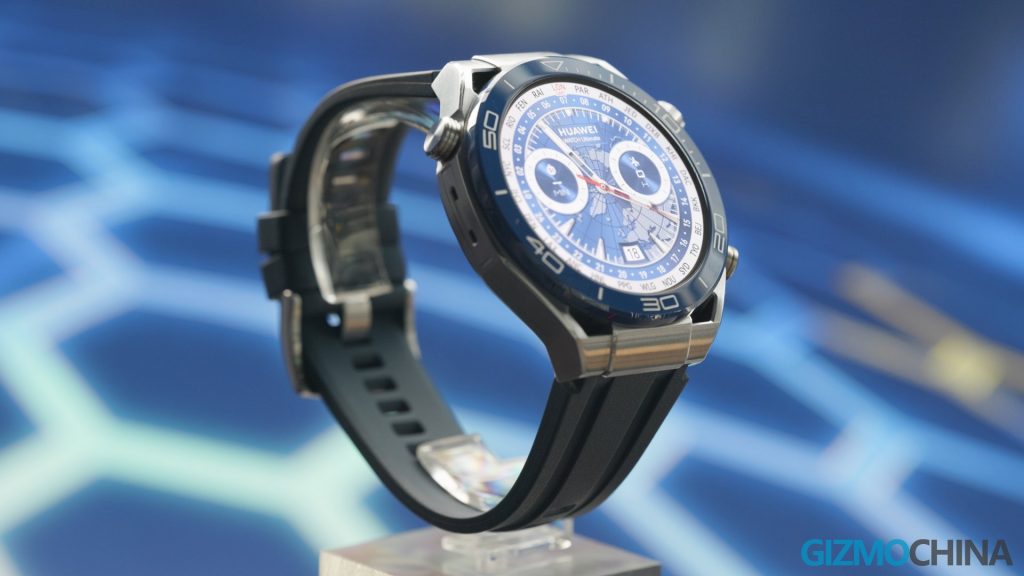
Huawei is preparing to introduce its next smartwatch, the Watch GT 6, at an event in Paris on September 19, 2025. The company has started teasing the device with the tagline “Ride the Wind,” hinting at a focus on outdoor sports and fitness tracking.
The Watch GT 6 is expected to bring upgraded GPS features, using Huawei’s Sunflower Positioning System for more accurate navigation during activities like cycling, running, skiing, and golf. These advanced modes were previously limited to the GT 5 Pro, but now look to be part of the regular GT lineup. Huawei also promises improved battery life, with endurance likely close to two weeks, in line with the Watch GT 5’s performance. The device will run HarmonyOS 5.1 and include the usual health tools such as heart rate and sleep tracking.
Design-wise, the GT 6 is expected in 41mm and 46mm sizes, featuring an octagonal bezel and a rotating crown. While Huawei hasn’t confirmed colors yet, leaks point to Brilliant Gold, Flowing Purple, Saddle Brown, Floating White, and Phantom Black for the standard model. The Watch GT 6 Pro, on the other hand, may come in Glacier Gray, Amber Brown, Titanium Silver, Field Green, and Yadan Black.
The watch is expected to be priced between $300 and $350, putting it up against rivals like the Samsung Galaxy Watch 8 and Apple Watch Series 11.
With its mix of extended battery life, fitness-focused features, and a classic design, the Watch GT 6 is shaping up to be Huawei’s next big push in the smartwatch space.
boAt is set to add two new Dolby Atmos soundbars to its Aavante Prime range. The Aavante Prime 6250DA and Aavante Prime 7050DA are listed on the company’s official site and online retailers ahead of launch.
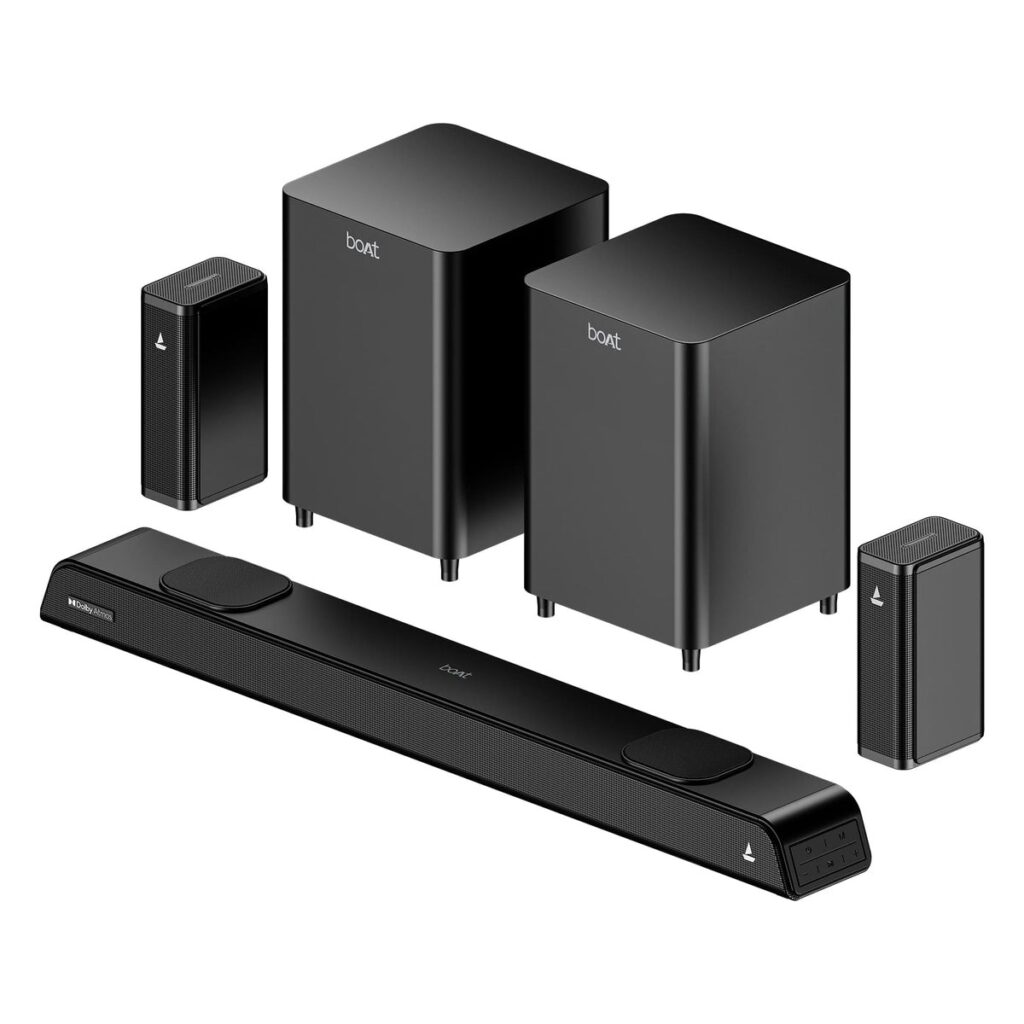
boAt Aavante Prime 6250DA
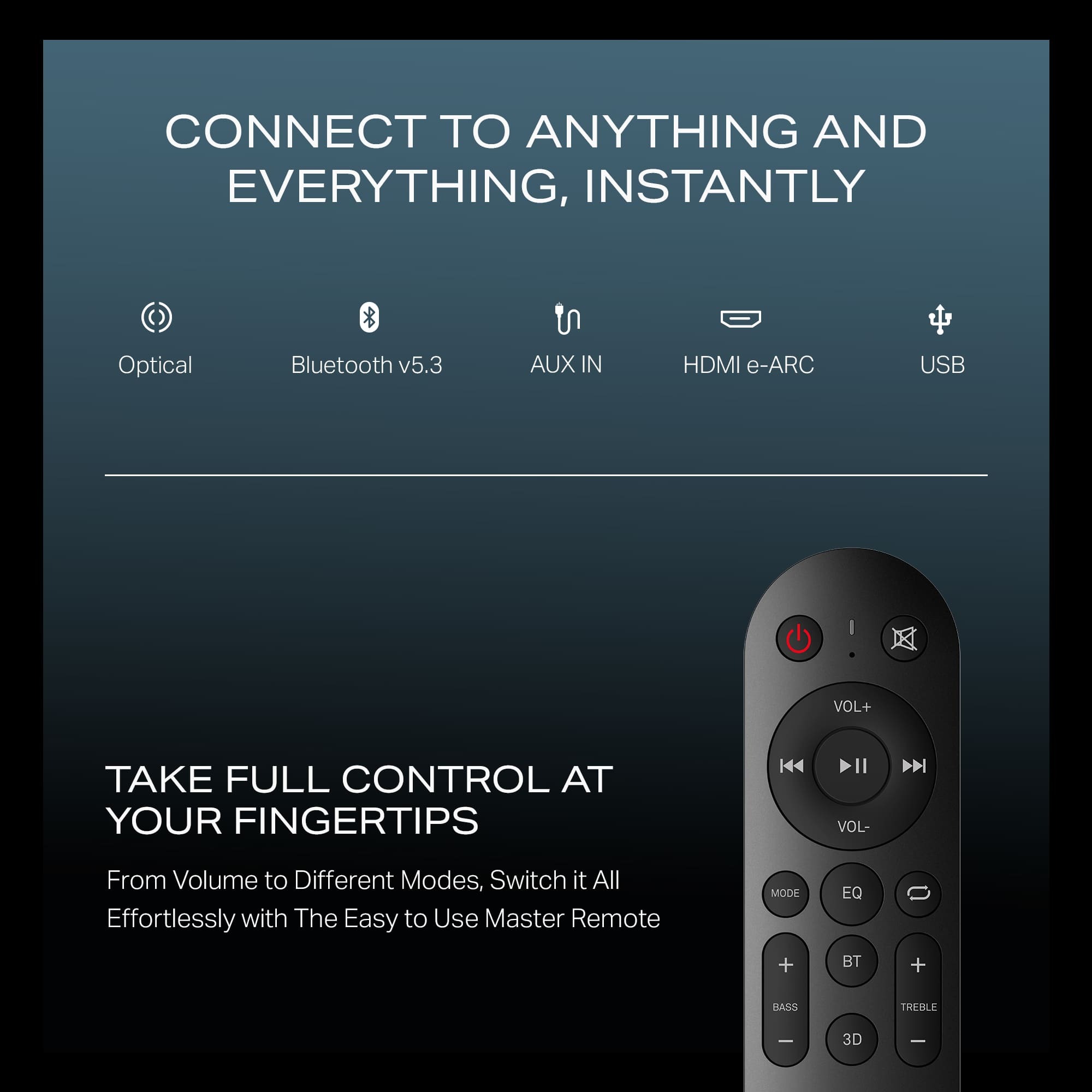
The Aavante Prime 6250DA features a 5.2.4 channel setup with dual wired subwoofers and dual wireless rear satellites. It delivers 625W RMS output with Dolby Atmos and boAt Signature Sound. The soundbar supports multiple input options and includes dedicated modes for movies, music, sports, and news. It has a matte finish design and comes with a remote for control.
The Aavante Prime 7050DA offers a 7.1.4 channel system and produces 700W RMS output. It also supports Dolby Atmos and comes with the same sound modes. The model features a modern matte finish and ships with a remote.
Both soundbars include Bluetooth v5.3, HDMI eARC, USB, AUX, Coaxial, and Optical ports for connectivity. A one-year warranty is provided.
boAt is expected to launch the new models in September 2025, with availability likely timed around Flipkart’s Big Billion Days and Amazon’s Great Indian Festival. Official pricing will be announced at the launch.
In other news, boAt has introduced the Stone Arc series of portable RGB wireless speakers, comprising the Stone Arc Pro Plus, Stone Arc Pro, and Stone Arc. All three models feature Spatial Audio, IPX5 splash resistance, RGB LED lighting, and up to 12 hours of playback.
For more daily updates, please visit our News Section.
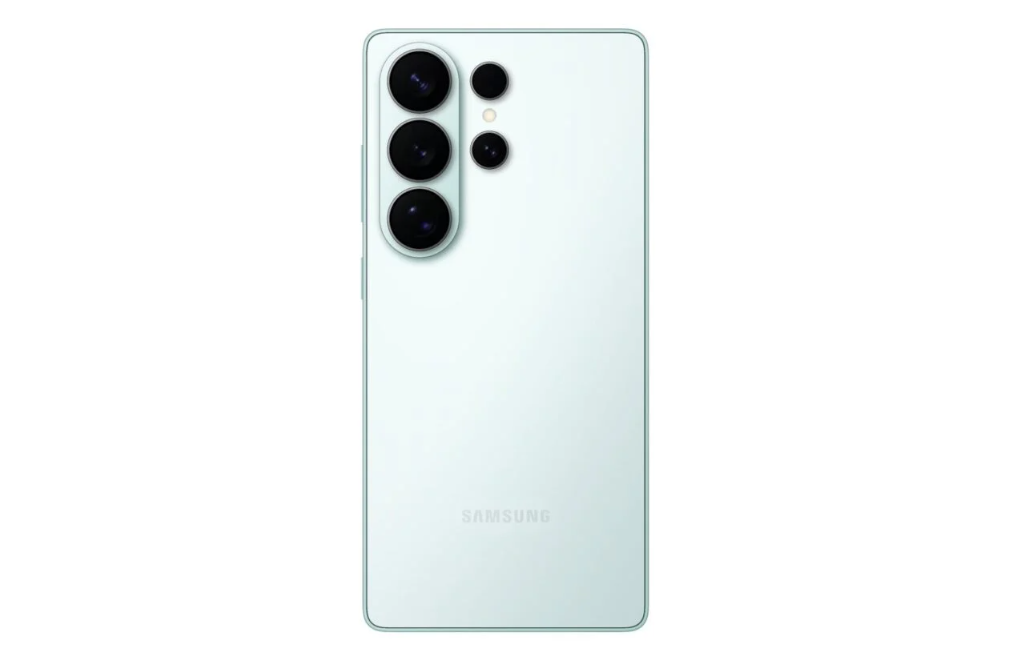
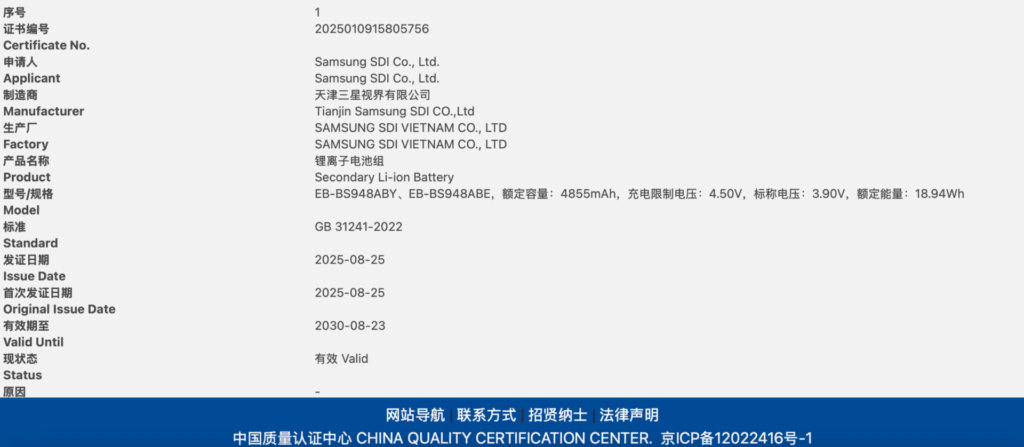
Samsung’s next Ultra flagship is now a little less mysterious, thanks to a fresh listing on China’s Quality Certification Center (CQC). The certification confirms that the Galaxy S26 Ultra will once again ship with a 5,000mAh battery (rated at 4,855mAh, model EB-BS948ABY). That’s the exact same cell used in the Galaxy S25 Ultra — and every Ultra model going back to the S20 Ultra in 2020.
Galaxy S26 Ultra render
Leaks had suggested the S26 Ultra might finally see a bump to 5,400mAh or even 5,500mAh, but the certification shuts that down. Samsung is instead relying on faster charging as its key upgrade, with the phone expected to support 60W wired charging. That’s a step up from the 45W standard the company has been sticking with since the S22 Ultra.
Efficiency isn’t exclusive to S26 Ultra
Samsung’s other play is efficiency. The S26 Ultra is almost confirmed to run on the Snapdragon 8 Elite 2, paired with software optimizations in One UI 8 (Android 16). In theory, that means better battery life even with the same capacity.
But here’s the catch: those same chipsets and Android-level optimizations will also power upcoming flagships from Oppo, Vivo, OnePlus, and Xiaomi. Many of those rivals are already testing or launching phones with 7,000mAh+ batteries and charging speeds well past 80W. In comparison, Samsung’s efficiency gains may not translate into a noticeable edge — at least not against devices that combine both larger batteries and faster charging.
Samsung is expected to unveil the Galaxy S26 Ultra in January 2026, with pricing to start at or above the S25 Ultra’s $1,299 launch price. Alongside its unchanged battery capacity, the S26 Ultra is expected to bring a refreshed design with more rounded corners and Samsung’s familiar 200MP camera setup.
For loyal Samsung fans, the Ultra will still deliver strong all-day endurance. But in the bigger picture, the lack of a capacity bump could make it harder for Samsung to keep pace with Chinese rivals pushing battery life into entirely new territory.
Apple has officially sent out invitations for its next big event, where the iPhone 17 series will make its debut. The launch, branded as the “Awe dropping” event, is set for September 9th, 2025, at 10AM PT.
As expected, the spotlight will be on the company’s new smartphones. Apple is planning four models this year: a refreshed base iPhone 17, two Pro editions, and an all-new iPhone 17 Air with a slim design. The event will also bring updates to the Apple Watch lineup.
According to Bloomberg, the standard iPhone 17 won’t look too different from the iPhone 16 but will carry a larger screen and improved cameras. The iPhone 17 Pro and Pro Max are said to feature a redesigned back with an expanded camera area that spans across the width of the phone.
The biggest shift, however, comes from the thinner iPhone 17 model. Apple is introducing a design that’s about 2 millimeters slimmer than existing devices. The trade-off will be a shorter battery life and a single rear camera, but Apple is betting that the sleek form factor will appeal to new buyers.
As for the price, the iPhone 17 could start at $799, while the Pro is expected to come in at $1,099 and the Pro Max at $1,199. The Air will sit somewhere in between, ranging from $899 to $1,299.
iPhone 17 Pro renders
Looking ahead
Beyond the iPhone, Apple is also expected to announce an updated Apple Watch Series 11, Apple Watch Ultra 3, and Apple Watch SE 3 . The company is lining up a busy product cycle for the entire 2026 with a faster Vision Pro headset, a refreshed iPad Pro running on the M5 chip, and even new versions of the HomePod mini and Apple TV all in the pipeline.
For more daily updates, please visit ourNews Section.
JBL plans to shake up the open-ear earbuds market with its newly announced Sense Pro model. As first reported by NotebookCheck and confirmed in JBL’s own announcement, these earbuds fuse high-quality sound with a design intended for real-world comfort—launching this October in Europe at €179.99 and the UK at £159.99.
The Sense Pro uses JBL’s OpenSound air conduction tech, paired with 16.2 mm diamond-like carbon drivers to deliver rich sound without sealing your ear. JBL’s Adaptive Bass Boost adjusts output dynamically for fuller, cleaner bass, and Spatial Sound expands the stereo effect for a more immersive experience.
For calls, the earbuds pack four mics with AI-powered noise reduction and a voice pickup sensor—designed to make your voice stand out even in busy environments.
The adjustable titanium alloy split ear hooks give them a secure, comfortable fit ideal for workouts or long sessions. They also boast IP54 dust and water resistance—stronger than the Powerbeats Pro 2’s IPX4 rating.
Battery-wise, they last up to 8 hours on their own and 38 hours with the case—about six hours more than JBL’s Soundgear Clips. A 10-minute quick charge delivers around 4 hours of playback.
You’ll get colors like gray, blue, purple, white, and black, plus app-based customization for EQ, playback controls, and Spatial Sound settings.
These earbuds stand out in the open-ear space by combining solid audio specs, practical comfort, and durability. JBL is betting on active users—runners, commuters, and multitaskers—who want sound without isolation.
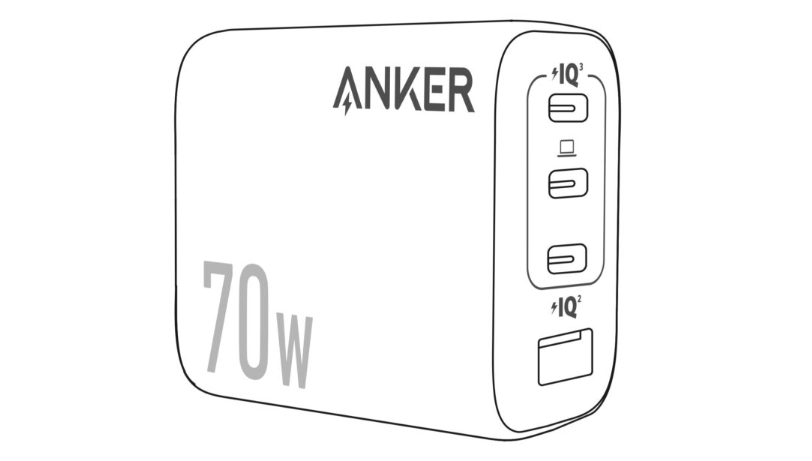
Anker looks set to add another product to its Zolo accessory lineup, this time a 4-port wall charger that was recently detailed by @AnkerInsider and reported by NotebookCheck. The compact adapter, model number A121C, is designed to handle a total of four devices at once without taking up much space.
The charger includes three USB-C ports, each capable of delivering up to 70W, plus a USB-A port rated at 22.5W. The maximum shared output is 70W, which means if you’re using two ports at the same time, you’ll get up to 67.5W, and slightly less (around 64.5W) if all four are active. That’s typical behavior for multi-port chargers, but still enough to top up a laptop, phone, and accessories together at a decent speed.
Design-wise, Anker is going with a foldable plug for easier travel. The charger is expected to come in both black and white finishes. Early leaks suggest a US launch sometime in 2026, with pricing likely between $50 and $60. That would place it right against Belkin’s 67W charger ($49.99) and Apple’s 70W adapter ($59).
Like other recent Anker products, the Zolo charger is said to use GaN technology, which helps with efficiency and heat management. While the exact release date hasn’t been confirmed, the appearance of early listings hints that it’s not far off.
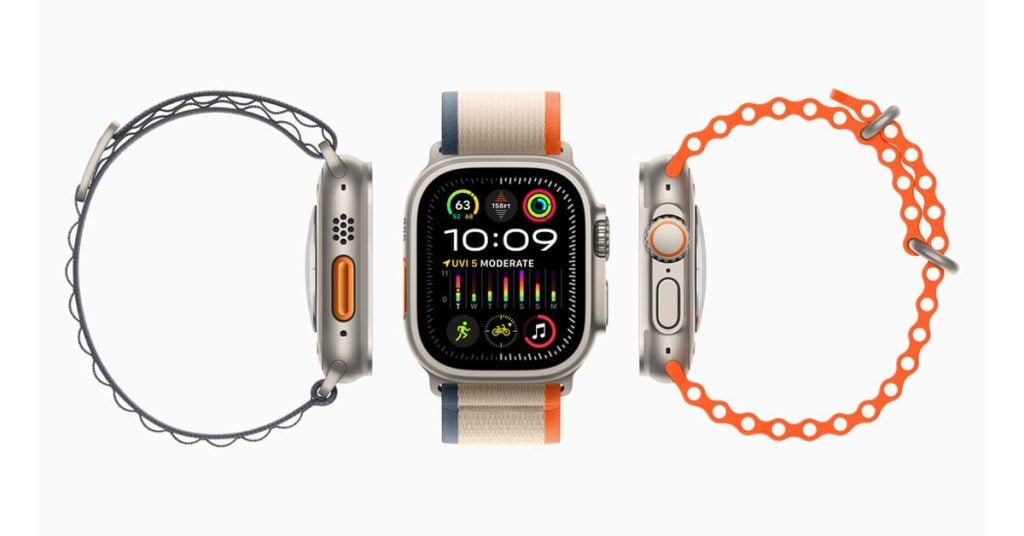
A new comparison of smartwatch health sensors has given the Apple Watch Ultra 2 the edge over some of its biggest rivals. The study by bioinformatics scientist Rob ter Horst (The Quantified Scientist on YouTube), looked at how accurately top wearables track heart rate and sleep.
Apple Watch Ultra 2
Heart rate and sleep tracking
For heart rate testing, Horst used a Polar H10 chest strap as the benchmark. The Apple Watch Ultra 2, running watchOS 26 beta, delivered results that were nearly identical to the strap during indoor runs. The Huawei Watch 5 was on par, while others showed more noticeable gaps: the Galaxy Watch 7 came close with about a 3% deviation, but devices like the Garmin Forerunner 570 (7%), Garmin Fenix 7 (9%), and Whoop MG (6%) were less precise.
Outdoors, during running and cycling, the Ultra 2 held its lead, while the Forerunner and Whoop slipped further behind with deviations climbing to 12–15%.
Sleep data was compared against the Hypnodyne ZMax EEG device, which itself is considered around 83% accurate. The Apple Watch Ultra 2 scored 73% for REM and deep sleep, and 86.5% for light sleep. That put it ahead of rivals like the Oura Gen 4 ring, Whoop 4.0, and Garmin Fenix 7.
Takeaway
While this was a single-user test and broader studies would be needed to confirm the results, Horst’s findings suggest the Apple Watch Ultra 2 offers some of the most reliable wrist-based health tracking currently available. Chest straps are still more dependable for weight training, where wrist tension can interfere with readings, but for runners, cyclists, and everyday sleep tracking, Apple’s top watch looks hard to beat.
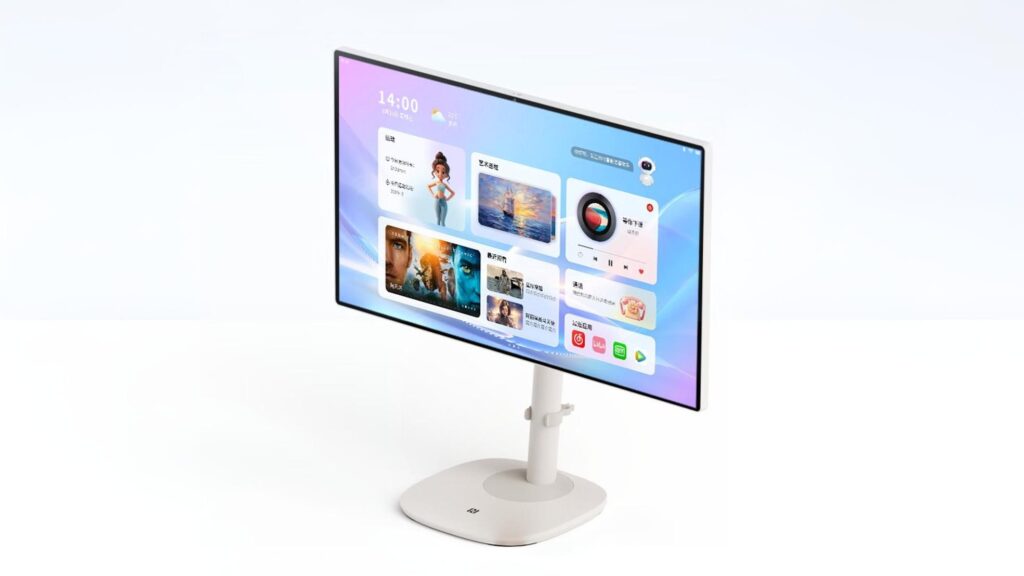
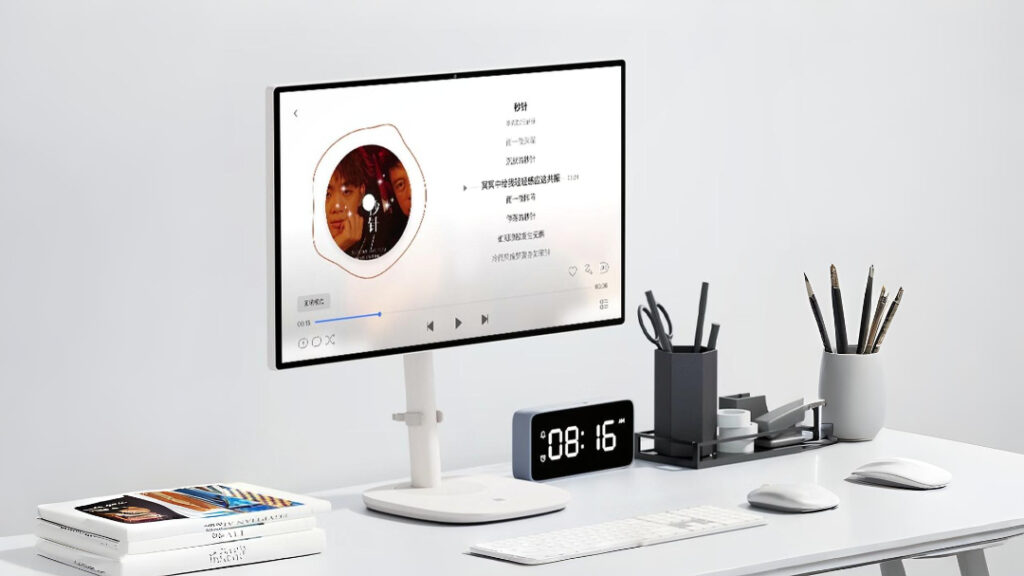
KTC has introduced the 24.5-inch Desktop Companion A25Q8 in the Chinese market. It is priced at 1,299 yuan ($182) and is now listed on JD.com. The new model adopts a shorter stand, making it look closer to a conventional desktop monitor compared to earlier Companion devices.
KTC A25Q8 Monitor Specifications
The A25Q8 all-in-one AI smart device is designed to cover multiple everyday needs, from office work and online classes to entertainment, live streaming, and even family karaoke. It features a 24.5-inch display with a resolution of 1920 × 1080 at 60Hz.
The screen features AF coating and carries TÜV Rheinland hardware low blue light certification, ensuring eye protection while maintaining vivid color reproduction. The device supports adjustable brightness, making it suitable for both work and leisure use.
It comes with an integrated 8-megapixel ultra-wide camera that supports multiple scenarios such as live streaming, video calls, and home security monitoring. The camera includes a push-pull physical privacy cover for added safety. Alongside the camera, the system sports an internal microphone for voice interaction, online classes, and conferencing.
For sound output, it equips a quad-speaker system with two 8W and two 4W drivers located at the back of the device, delivering strong and immersive audio for media playback, calls, and karaoke.
The device runs on an eight-core RK3576s processor with 8GB RAM and 128GB storage, ensuring smooth multitasking. It operates on Android 14 with access to major Chinese streaming apps and integrates the Doubao AI large model for interactive learning, conversation practice, writing enhancement, and instant knowledge support.
For connectivity, the system supports dual-band Wi-Fi 6, Bluetooth 5.2, and NFC one-touch screen casting with bidirectional control. It includes a full-function Type-C port for wired expansion and can function as a wireless office terminal, an extended laptop screen, or a large display for tablets. It also serves as a home KTV setup with synchronized lyrics, touch-based song selection, and dual-mic support.
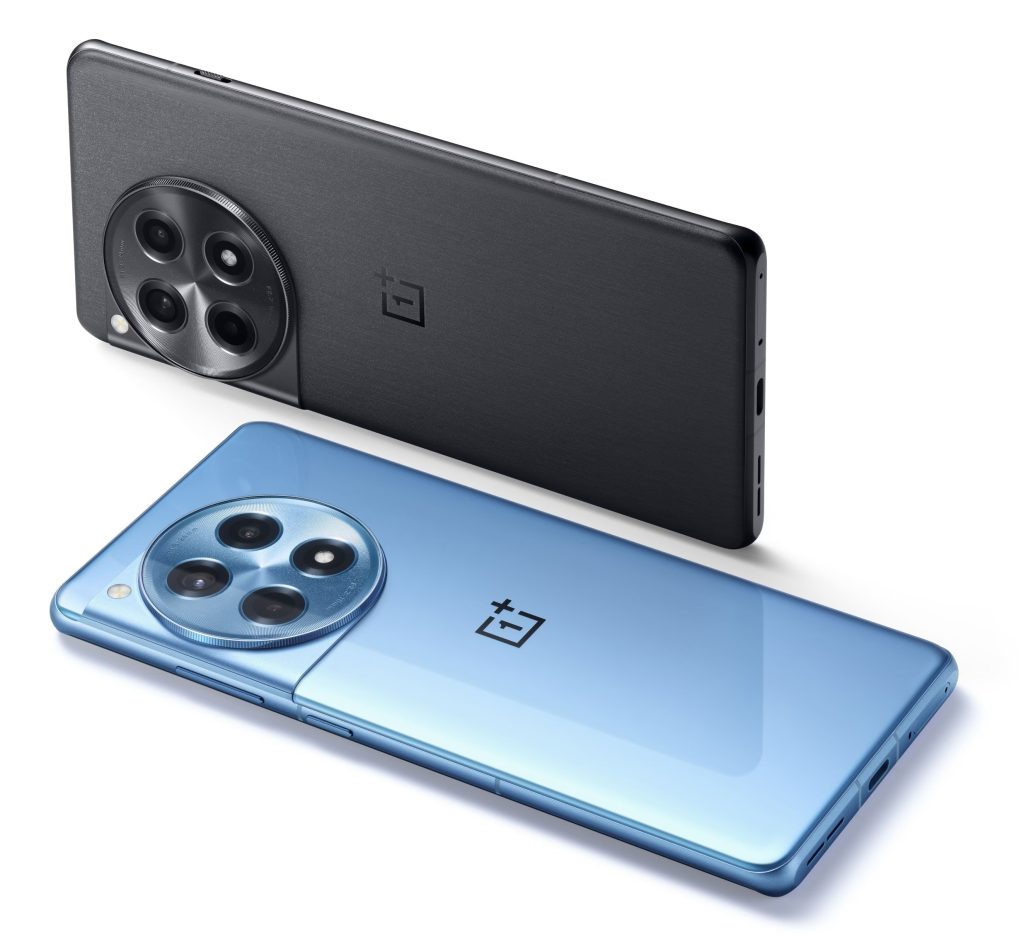
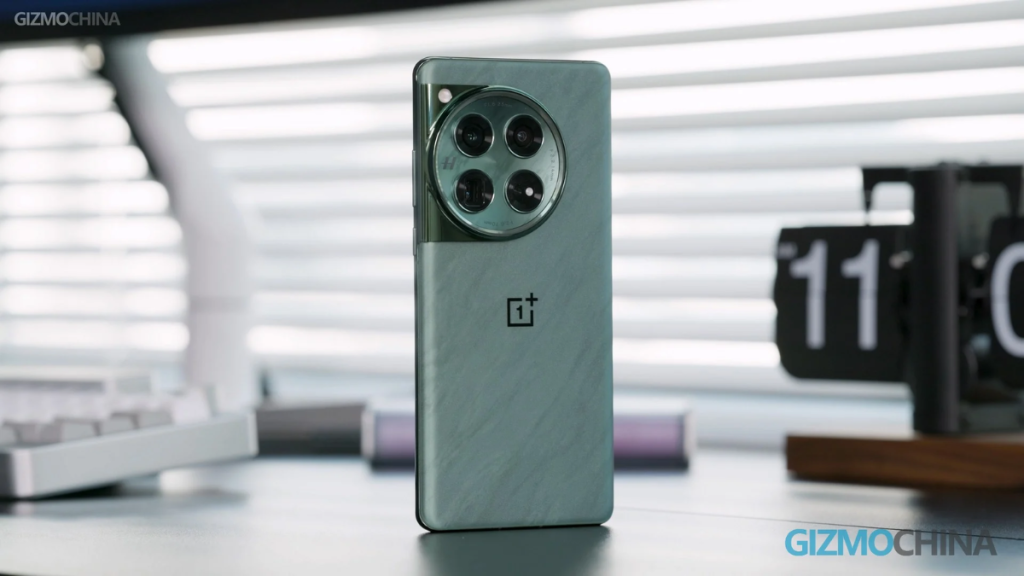
OnePlus has started rolling out OxygenOS 15.0.0.850 for the OnePlus 12R. The update is live in India in batches under build number CPH2585_15.0.0.850(EX01). A wider rollout will follow in the coming days.
OnePlus 12R
Floating Window and Split View
The update improves animations for opening, repositioning, and resizing floating windows. Split View is no longer limited to fixed ratios. Users can now adjust the ratio as needed, including in landscape mode, by dragging the divider to change the size of the two apps.
Recent Tasks and Notifications
When recent tasks are stacked, users can swipe down on an app to modify its lock status. All notifications received in landscape now appear as simplified banners. Swiping down on a banner opens the app in a floating window, while tapping a button on the banner opens the app in a floating window instead of full screen. The position of banner notifications has also been adjusted in landscape to reduce distractions.
Private Safe Updates
Private Safe now supports sharing images and videos. Users can customize album covers, sort and view content by time, and add files directly under the “Other files” category.
Network and Security
BeaconLink has been added, allowing users to send text, image, and voice messages to nearby people without an internet connection. The feature is available under Settings > Mobile network > BeaconLink.
The update also includes the August 2025 Android security patch to strengthen system security.
Rollout Details
As with other OTAs, this release is incremental. A small number of users will receive it first, followed by a broader rollout. Users in India can report issues directly through the OnePlus Community App under the Bug Report section and can check for the update manually in Settings > System > System Updates.
For more daily updates, please visit our News Section.
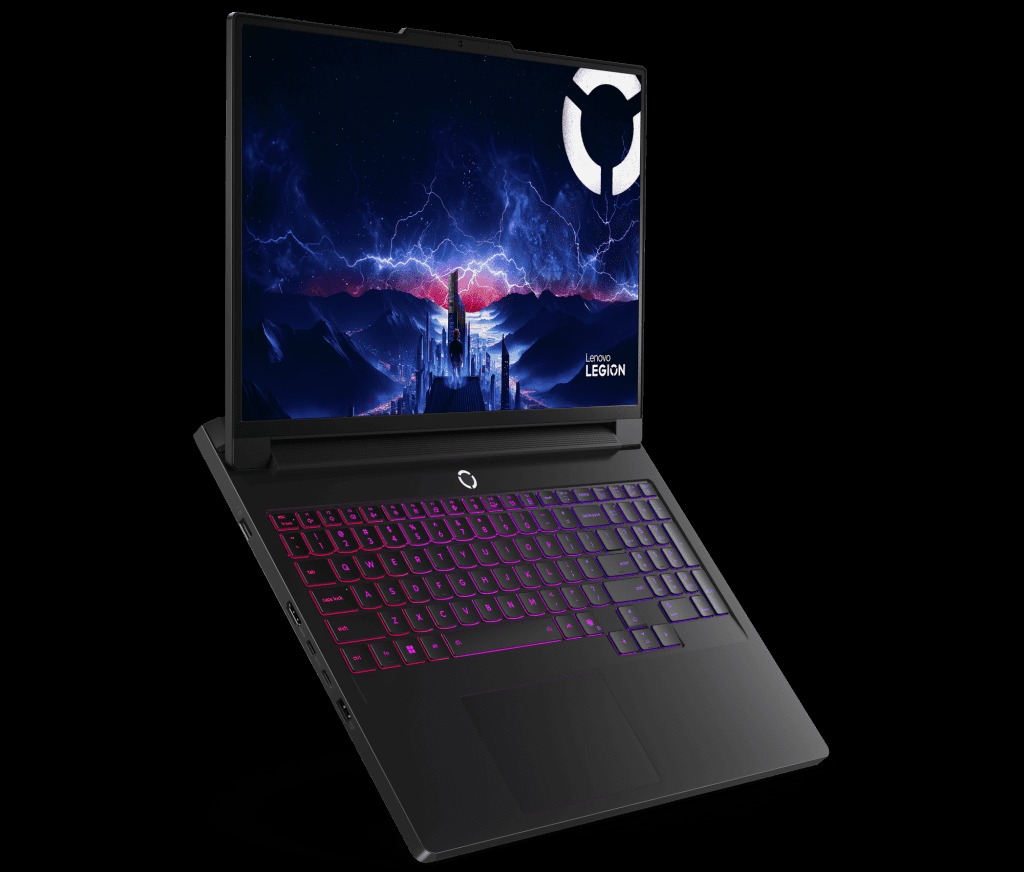
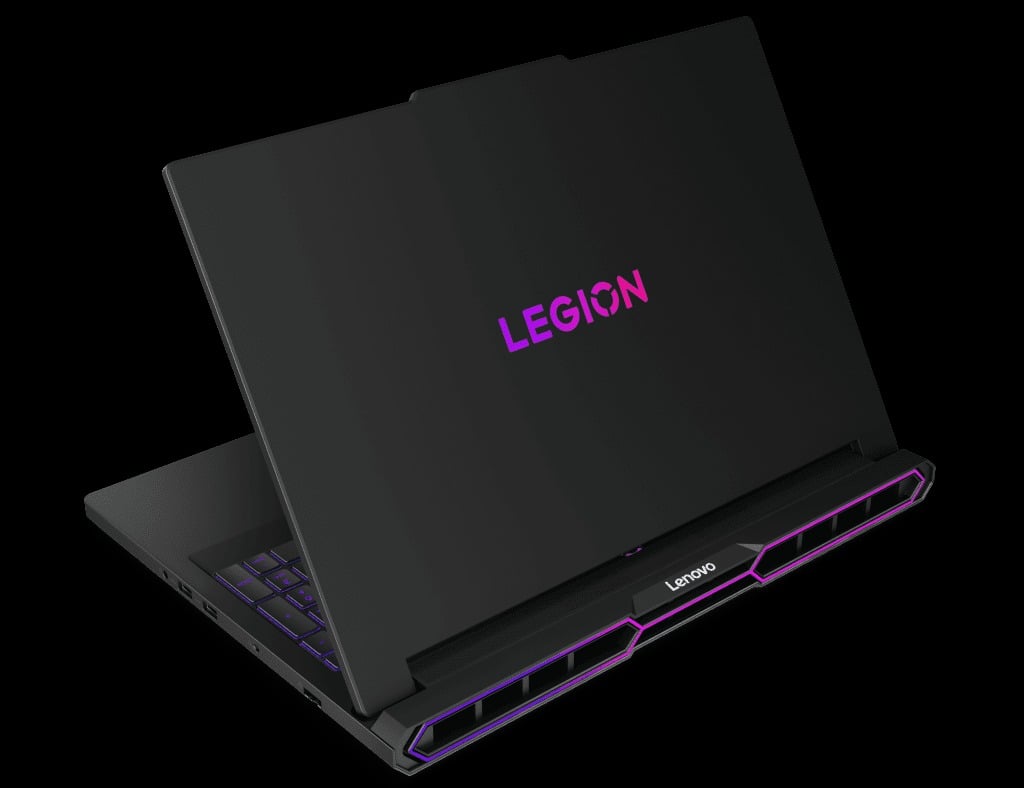
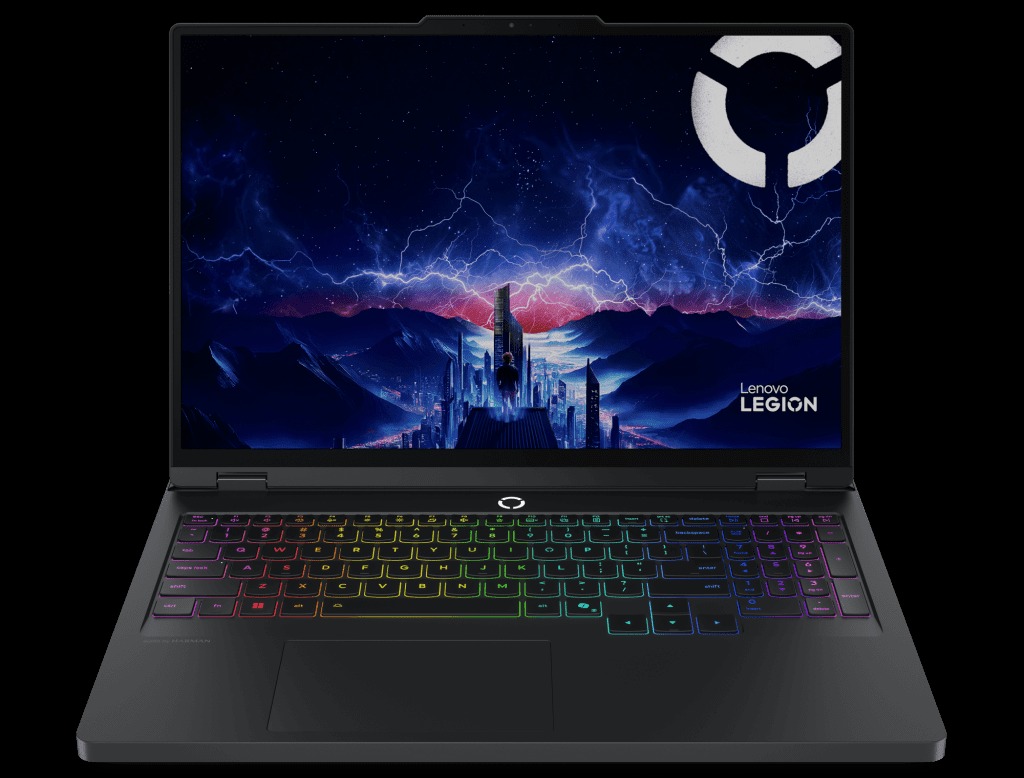
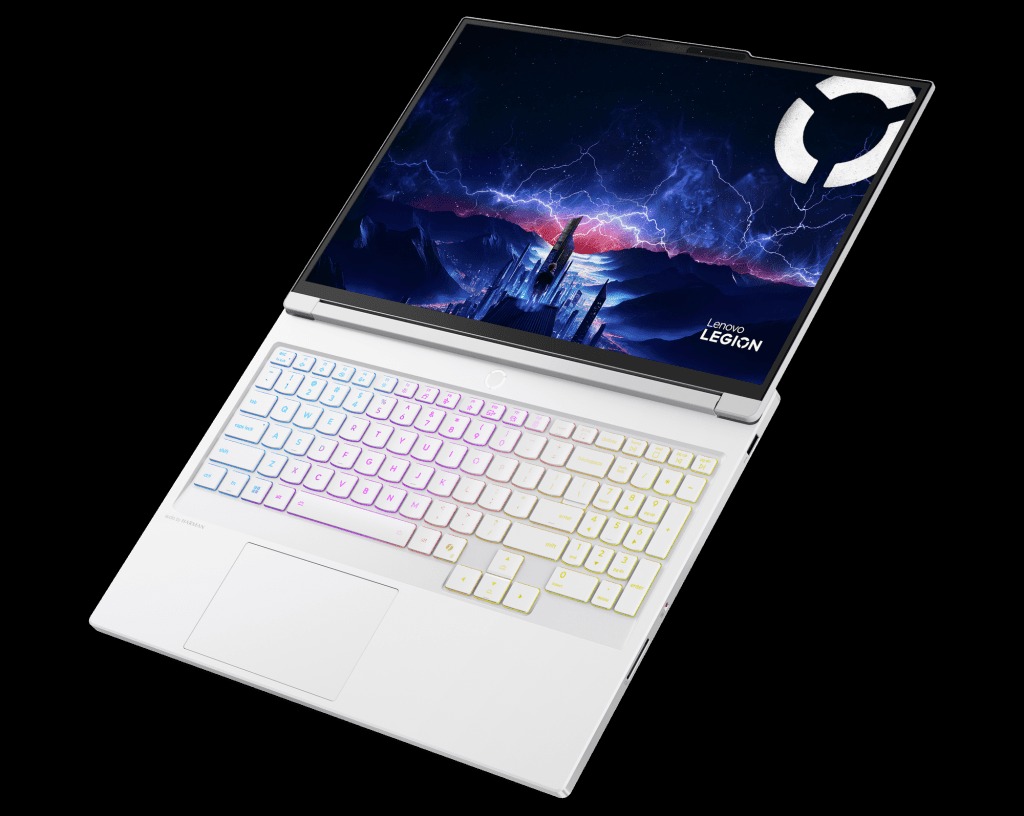
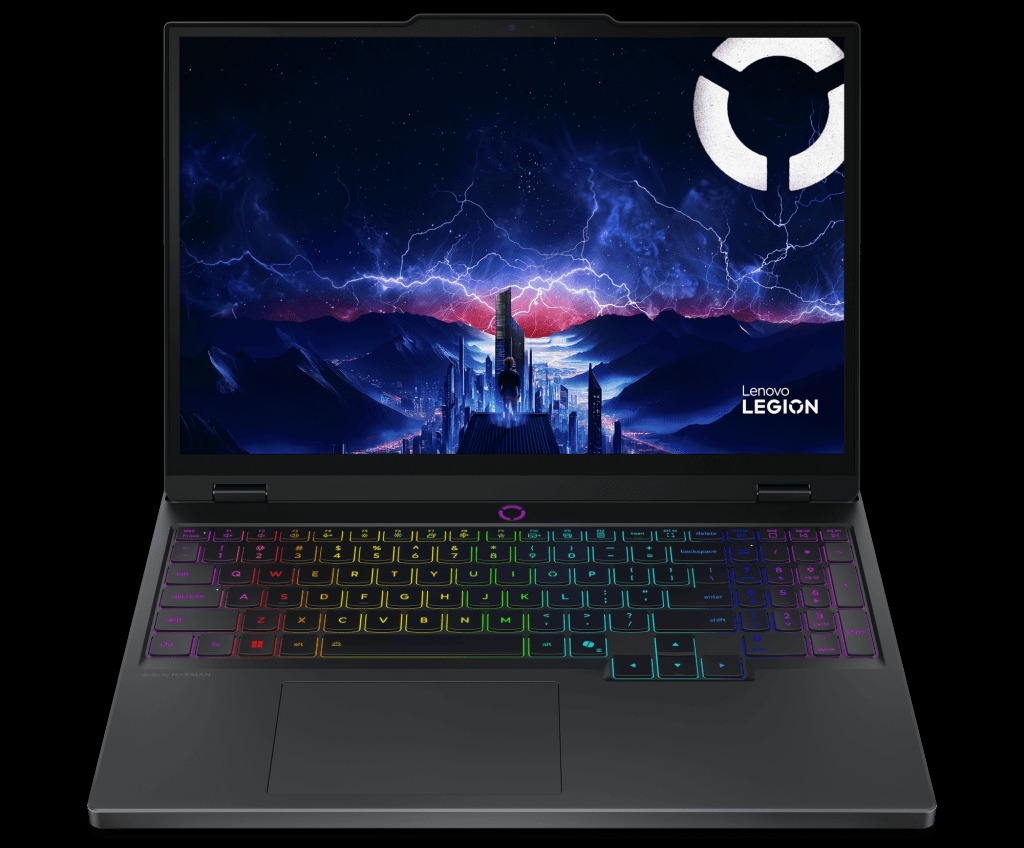
Lenovo has introduced its Legion Gen 10 gaming laptop lineup in India, showcasing the devices at an event held at the Taj Palace. The company unveiled the Legion Pro 7i, Legion Pro 5i, Legion 7i, and Legion 5i, each featuring upgraded hardware, AI-assisted performance tools, and improved thermal designs. Under the theme “Reach Your Impossible,” Lenovo is targeting both competitive gamers and professionals who need high-performance machines for demanding workloads.
Legion Pro Series
The flagship models in this launch are the Legion Pro 7i (16″, 10) and the Legion Pro 5i (16″, 10). Both laptops are powered by Intel Core Ultra 9 275HX processors and paired with NVIDIA’s latest GeForce RTX 5090 and RTX 5070 GPUs, respectively. For users who prefer AMD, Lenovo also announced the Legion Pro 5 (16″, 10) with up to an AMD Ryzen 9 9955HX CPU.
Legion Pro 7i
The Legion Pro 7i is aimed at top-tier gamers who require maximum performance, while the Legion Pro 5 and 5i target serious gamers looking for strong, consistent output across AAA and competitive titles.
Legion Pro 5i
Key specifications of the Pro series include support for up to 64GB DDR5 memory, 2TB PCIe Gen 5 storage, and large battery capacities of up to 99.99Whr in the Pro 7i. Lenovo’s Coldfront Vapor technology with hyperchamber design allows the Pro 7i to push up to 250W TDP and the Pro 5 series up to 200W. The AI Engine+ with Scenario Detection dynamically adjusts CPU and GPU wattage in Performance and Balance modes for optimized frame rates.
The 16-inch PureSight OLED display runs at up to 240Hz with 500 nits brightness and sub-0.5ms response times. Connectivity includes multiple USB-A and USB-C ports, HDMI 2.1, RJ45 Ethernet, and Wi-Fi 7 support.
For customization, the Legion Pro 7i features per-key RGB lighting, while the Pro 5 and 5i offer 24-zone RGB lighting. All models come with the Legion Space app, allowing users to optimize performance and manage social media or streaming workloads.
Legion 7i (16″, 10)
The Legion 7i (16″, 10) is designed for gamers who need a lighter, thinner device without sacrificing power. Lenovo claims the model is 7% lighter and 10% thinner than its predecessor. It features an all-metal chassis, making it durable for professionals using demanding software such as SolidWorks alongside AAA games.
The laptop includes a 16-inch PureSight OLED display at 240Hz with 100% DCI-P3 support and a 1,000,000:1 contrast ratio. It is powered by Intel Core Ultra 9 HX processors and an NVIDIA GeForce RTX 5070 Laptop GPU. Lenovo’s Coldfront Hyper technology manages up to 145W TDP for stable thermal performance.
Additional features include customizable per-key RGB on the TrueStrike keyboard, an 84Whr battery, and Wi-Fi 7 for low-latency connectivity.
Legion 5i (15″, 10)
The Legion 5i (15″, 10) is a compact and performance-focused laptop powered by the Intel Core Ultra 9 275HX processor. It comes equipped with an NVIDIA GeForce RTX 5070 Laptop GPU, ensuring smooth performance across the latest gaming titles.
It features a 15-inch WQXGA OLED PureSight display with a 165Hz refresh rate and 100% DCI-P3 coverage for accurate colors. Weighing under 2kg, the Legion 5i is up to 13% lighter and thinner than the previous generation. The Eclipse Black A-cover adds durability for gamers who need a portable yet capable device.
Pricing and Availability
The Lenovo Legion Pro 7i starts at ₹2,49,990 and is available exclusively on Lenovo.com. The Legion Pro 5i, Legion 7i, and Legion 5i will be made available in India shortly through Lenovo.com and Lenovo Exclusive Stores. Customers will also be able to configure custom builds via Lenovo’s online platform.
For more daily updates, please visit our News Section.
Hisense has officially brought its flagship UX ULED TV lineup to India, introducing massive 100-inch and 116-inch models powered by RGB-MiniLED 4K technology. These new smart TVs promise incredible brightness, deep contrast, and a premium viewing experience aimed at home theater enthusiasts.
Massive new Hisense UX ULED 4K Smart TVs Debut
The brand has officially unveiled the UX ULED series with huge screens in India. The starting model has a 100-inch screen size, while the top variant offers a 116-inch size. Both models feature RGB Mini-LEDs that feature thousands of dimming zones and an impressive peak brightness up to 8,000 nits. Hisense also feature the H7 picture engine with a 2-TOPS NPU and Hi-View AI Engine X for real time picture adjustment.
Hisense UX ULED RGB-MiniLED 4K TV
Hisense’s new TVs support 3D Colour Master PRO with PANTONE™ validation, HDR10+, Dolby Vision IQ, and IMAX Enhanced. You get a 165Hz gaming mode with VRR, FreeSync Premium Pro, and Game Bar as well. The duo run on the VIDAA Smart OS that supports 28 languages and 8 years of updates. For audio, Hisense UX ULED series features a 6.2.2 CineStage X Surround system that includes top firing speakers and a subwoofer.
Connectivity options include Wi-Fi 6E, Bluetooth 5.3, three HDMI 2.1 (HDMI-3 eARC), USB 3.0, USB 2.0, Ethernet, ATSC 3.0, and USB Type-C Display Port. Hisense pairs the smart TVs with a solar powered backlit USB-C remote. The Hisense UX ULED RGB-MiniLED series has a starting price tag of 999,999 INR for the 100-inch model, while the 116-inch option is available for 2,999,999 INR. These are listed on Amazon and Flipkart, along with offline retailers.
For more daily updates, please visit our News Section.
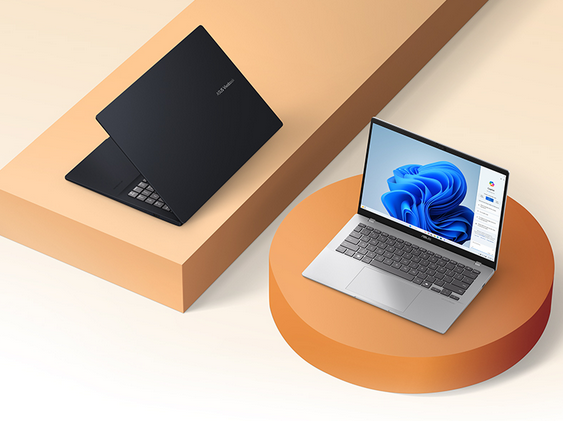
After sharing a teaser last week, ASUS has just dropped the new Ryzen AI series powered Vivobook S14 (M3407KA) and Vivobook 14 (M1407KA) in the Indian market. But alongside these new models, the company has also refreshed two of its existing Vivobook laptops with the latest gen Intel Core Ultra 2 series processors.
ASUS Vivobook S14 & Vivobook 14
ASUS Vivobook S14
Talking about the new launches first, the Vivobook S14 is the more expensive notebook with a 14-inch OLED screen that has an FHD+ resolution, 95% DCI P3 color gamut, and a 16:10 aspect ratio. On the other hand, the Vivobook 14 has a 14-inch LCD panel with FHD+ resolution and TÜV Rheinland certification for reduced blue light and flickering. Both models also arrive with military grade durability (MIL-STD 810H) and weigh under 1.5 kilograms.
However, the main highlight is the new AMD Ryzen AI series processor on both models. Like the new premium Zenbook 14, the duo comes with a starting Ryzen AI 5 chipset, which can be upgraded to a Ryzen AI 7. This is paired with 16GB of DDR5 RAM and 512GB of SSD storage. ASUS powers the Vivobook S14 with a sizeable 70Whr battery pack, while the Vivobook 14 gets a smaller 42Whr cell. Other notable features include WiFi 6, Windows 11 Home, FHD IR camera with Windows Hello and privacy shutter, a 3.5mm audio jack, and 65W charging support.
ASUS Vivobook 14
Refreshed Vivobook 15 & Vivobook 14
Alongside these two new models, ASUS also brought refreshes to the existing Vivobook 15 (X1504VA) and Vivobook 14 (X1407CA) models. The two are similar to their predecessors in many ways, but the primary change is with their processors. The newer Vivobook 14 model packed the first gen Intel Core Ultra H series processors, which have now been upgraded to Core Ultra Series 2. So you can buy this model with an Intel Core Ultra 5 255H CPU. On the other hand, the larger 15.6-inch Vivobook 15 gets the low powered Intel Core i3-1315U since it’s a budget laptop.
Pricing Details
The ASUS Vivobook 14 (M1407KA) has a starting price tag of 65,990 INR, while the Vivobook S14 is being sold for 75,990 INR. These are available for purchase from the brand’s official website and Amazon India. Meanwhile, the Vivobook 14 (X1407CA) and Vivobook 15 (X1504VA-BQ323WS) are listed for 42,990 INR and 39,990 INR, respectively, on the ASUS e-store and Flipkart.
For more daily updates, please visit our News Section.
The new school year is around the corner, and AliExpress is making it easier for students, parents, and teachers to prepare with its Back-to-School Sale. The promotion offers exclusive discount codes, allowing shoppers to save more while purchasing essential gadgets and supplies.
Upgrade Your Tech
Back-to-school shopping often involves more than just stationery. Today’s students rely heavily on technology to stay productive, connected, and organized. From laptops and tablets for note-taking and assignments to headphones for focused studying, having the right tech gear can significantly enhance the learning experience. This sale provides an opportunity to upgrade essentials at lower costs.
What to Expect
AliExpress has curated a wide range of back-to-school essentials. Some of the most popular categories include:
Laptops and tablets for classwork and study sessions
Headphones and earbuds, including noise-canceling options
Smartwatches and fitness bands for managing schedules and health
Stationery, backpacks, and ergonomic accessories
Tech essentials such as USB drives, chargers, and study gadgets
Exclusive Discount Codes
Shoppers can take advantage of tiered discounts using the following codes:
✨ Spend $10, Save $2 ➡️ FBZBB2 ✨ Spend $25, Save $5 ➡️ FBZBB5 ✨ Spend $35, Save $7 ➡️ FBZBB7 ✨ Spend $50, Save $10 ➡️ FBZBB10 ✨ Spend $70, Save $14 ➡️ FBZBB14 ✨ Spend $100, Save $20 ➡️ FBZBB20 ✨ Spend $125, Save $25 ➡️ FBZBB25 ✨ Spend $199, Save $30 ➡️ FBZBA30 ✨ Spend $259, Save $45 ➡️ FBZBC45 ✨ Spend $349, Save $60 ➡️ FBZBC60 ✨ Spend $459, Save $70 ➡️ FBZBC70 ✨ Spend $599, Save $120 ➡️ FBZBC120
The Back-to-School Sale is valid until August 28. With exclusive discount codes and a wide range of products, this is a limited-time opportunity to purchase essential tech and supplies at reduced prices.
OnePlus has started rolling out OxygenOS 15.0.0.850 for the OnePlus 12 in India. The update is incremental and will first reach a small group of users before becoming widely available in the coming days. The build version is CPH2573_15.0.0.850(EX01).
The update brings smoother animations when opening, repositioning, and resizing floating windows. Private Safe has also been improved with several new features. Users can now share images and videos directly from Private Safe, customize album covers, sort and view media by time, and add files directly under the “Other files” category.
Split View has been made more flexible. Instead of being restricted to fixed ratios, users can now adjust the ratio as needed. In landscape mode, the divider between two apps can be dragged to change their size.
Recent tasks and notifications have also been refined. App lock status can now be changed by swiping down on an app in the recent tasks screen. Notifications in landscape mode appear as simplified banners designed to reduce interruptions. Swiping down on a banner opens the app in a floating window, and tapping a button in the banner now opens the app in a floating window instead of full screen. Banner positions in landscape mode have also been adjusted to minimize distractions.
A new network feature, BeaconLink, allows users to send text, image, and voice messages to nearby devices without an internet connection. It can be accessed under Settings > Mobile network > BeaconLink.
The system has been updated with the August 2025 Android security patch to improve security. To check for the update manually, go to Settings > System > System Updates.
For more daily updates, please visit our News Section.
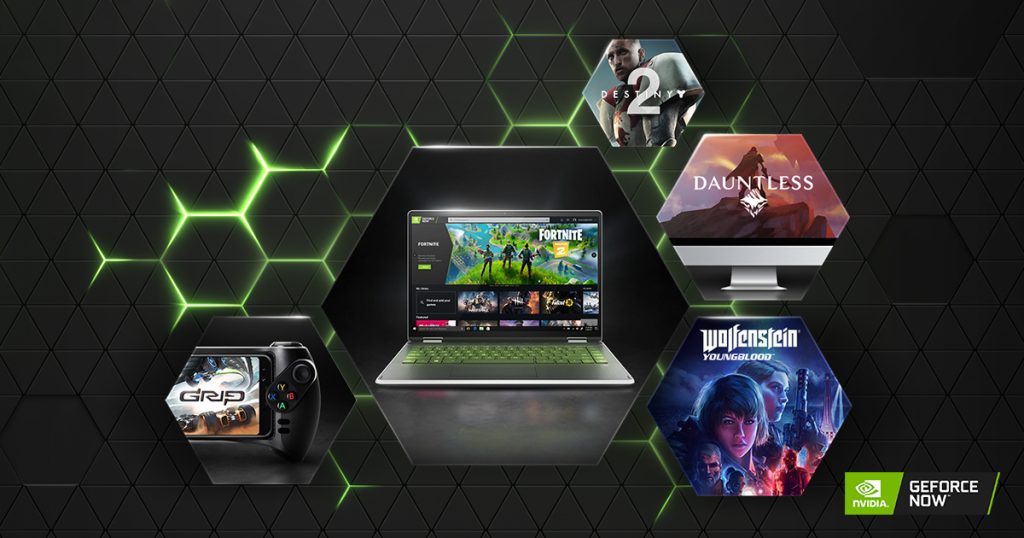
Nvidia has just announced that it will be expanding its GeForce Now service to India soon. The company’s cloud gaming will be powered by up to an RTX 5080 GPU, bringing high end gaming performance for a subscription.
Nvidia GeForce Now India Launch Confirmed
Nvidia has confirmed its partnership with Brothers Picture to help bring GeForce Now to the region. To recall, this service is already available in certain other markets and is finally expanding to India as well. The tech giant has revealed some of the upcoming lineup of AAA games that will be powered by GeForce Now, which includes Call of Duty: Black Ops 7. Apart from this, it has confirmed that more than 4,500 other titles will also be supported.
Nvidia GeForce Now
For those unaware, cloud gaming basically eliminates the need for a powerful gaming PC to enjoy high fidelity games. So even gamers on a budget laptop or weaker PCs can enjoy next gen titles with the help of an internet connection. After getting the subscription, Nvidia uses Indian data centers and the latest RTX powered systems for high resolution gaming, up to 4K resolution and 240fps. There will be multiple tiers for this subscription, which includes a free model with ad support and the performance and Ultimate plans.
The brand recommends a minimum connection speed of 25Mbps to enjoy the Ultimate tier of GeForce Now. Having a fiber optic connection and over 100Mbps broadband speeds will also help lower latency and make the experience more seamless by reducing latency. Mobile gaming is still dominant in India owing to its accessibility. But the subscription service could make PC gaming more affordable. Nvidia aims on rolling out the cloud gaming subscription in November 2025.
For more daily updates, please visit our News Section.
Samsung is gearing up to launch its first XR headset—codenamed Project Moohan—and it’s shaping up to be a serious challenger in the mixed reality space.
Launch Window, pricing & availability
According to NewsWorks, the headset will debut at Samsung’s Galaxy Unpacked event on September 29, 2025. It’s expected to go on sale in South Korea around October 13, with global availability following by late October or early November.
Price is estimated between ₩2.5 million and ₩4 million (~$1,800–$2,000), undercutting the Apple Vision Pro’s $3,500 tag.
Project Moohan runs on Google’s Android XR platform and is powered by Qualcomm’s Snapdragon XR2+ Gen 2 processor, alongside 16GB RAM and dual Sony micro-OLED displays at 90Hz. It also supports multi-camera tracking, likely around 12 cameras, and uses an external battery pack.
A recent earnings call confirmed that Samsung is still planning a 2025 launch for its XR headset, reaffirming the project’s legitimacy after months of silence.
According to Road to VR, the headset is also expected to integrate features like hand and eye tracking, as well as optional VR controllers. Samsung might tease the headset during the July 2025 Unpacked, giving an early preview ahead of the full reveal.
With its pricing, Google-backed platform, and competitive hardware, Project Moohan is shaping up as a more accessible alternative to the Vision Pro—and a strong play for Samsung in the XR arena.
We use cookies on our website to give you the most relevant experience by remembering your preferences and repeat visits. By clicking “Accept”, you consent to the use of ALL the cookies.
This website uses cookies to improve your experience while you navigate through the website. Out of these, the cookies that are categorized as necessary are stored on your browser as they are essential for the working of basic functionalities of the website. We also use third-party cookies that help us analyze and understand how you use this website. These cookies will be stored in your browser only with your consent. You also have the option to opt-out of these cookies. But opting out of some of these cookies may affect your browsing experience.
Necessary cookies are absolutely essential for the website to function properly. This category only includes cookies that ensures basic functionalities and security features of the website. These cookies do not store any personal information.
Any cookies that may not be particularly necessary for the website to function and is used specifically to collect user personal data via analytics, ads, other embedded contents are termed as non-necessary cookies. It is mandatory to procure user consent prior to running these cookies on your website.