Casio has expanded its Vintage lineup in the US with two new models, the ABL100WE-2A and ABL100WE-7A. Both models are priced at $94.95 and retain the familiar retro digital design that has defined Casio watches for decades.
The exterior design is simple and traditional. The watches feature a square, chrome-plated resin case that measures 41.6 x 37.9 x 8.2 mm. They come with a stainless steel band and an adjustable clasp. The display is a standard digital LCD protected by resin glass. The total weight of the watch is 60 grams.
The watches feature an accelerometer for tracking movement and can display up to 999,999 steps, with daily goals ranging from 1,000 to 50,000 steps. They also show a seven-hour activity graph and offer step reminders with a display alert and beep when activity is low.
For connectivity, the watches use Bluetooth to sync step data with the Casio Watches app, automatically adjust the time, and access world time for around 300 cities. The app also lets you manage watch settings and includes a phone finder feature.
These operate on a standard CR2016 coin cell battery, which has an estimated life of two years. Talking about other specs, it includes basic water resistance, a 1/100-second stopwatch that can store up to 200 records, a 60-minute countdown timer, five daily alarms, dual time swapping, an hourly time signal, and an amber LED backlight.
During Xiaomi Group’s earnings call on the evening of August 18, President Lu Weibing confirmed that the Xiaomi Robot will make its public debut at the 2026 World Robot Conference, which runs from August 19 to 23 in Beijing.
Lu was pretty clear about the priority: the most important application right now is on production lines in smart manufacturing factories, where robots can take over some of the manual work. On the technical side, Xiaomi is aiming for universality, both in the robot’s body size and in the models that power it.
The company has gone with a full-size humanoid form that stands about 1.7 meters tall. Lu also made it clear that Xiaomi won’t develop the robot in isolation. Instead, it’ll tie into the broader “people, cars, and home” ecosystem, looking at ways it can work together in smart factories, intelligent transportation, and even household settings.
This public reveal builds on some earlier internal testing. Back in July, Xiaomi founder and CEO Lei Jun shared results from the robots’ four-month “internship” at an automobile factory. At a self-tapping nut installation station that required dual-sided work, the success rate climbed from 90.2% to 98%.
The robots later moved into new roles in the final assembly workshop, hitting 90% success rates on tasks like folding center-console side covers and handling material boxes, marking the first time they’d handled long-duration work with flexible parts.
These factory trials show Xiaomi’s practical approach: get the performance solid in controlled industrial settings first, then show it more widely. When the World Robot Conference opens, this will be the first chance for the public to see how the company’s humanoid platform actually performs outside internal testing, and how it might fit into manufacturing and everyday scenarios.
Fairphone is bringing its repairable smartphone to the US in a much bigger way. The company just launched the Fairphone 6+ in the Netherlands, and it’s the first Fairphone handheld to be officially sold in the US by the company itself.
The Fairphone 6+ is not a major change in and out. Instead, the company took the Fairphone 6 and gave it a faster chip, more RAM, and a few other upgrades while keeping the same repairable design. This includes 12 replaceable components, a removable battery, and the company’s promise of long-term software support.
Fairphone 6+ Specifications
The biggest hardware change is on the inside. The Fairphone 6+ runs on Qualcomm’s Snapdragon 7s Gen 4 processor and comes with 12GB of RAM, up from 8GB on the Fairphone 6. There’s 256GB of built-in storage, and you can expand it to 2TB via an microSD card.
The phone has the same 6.31-inch FHD+ LTPO OLED display and 120Hz refresh rate as its predecessor. Despite the plus in its name, the screen isn’t any bigger.
The camera setup is also unchanged. There’s a 50MP Sony LYT-700C main camera and a 13MP ultrawide camera on the back, along with a 32MP selfie camera.
Fairphone is sticking with one of the features that makes its phones unusual: a battery you can actually replace yourself. The 4,415mAh battery is rated to retain at least 80% of its capacity after more than 1,000 charging cycles. It supports charging at up to 30W.
The phone is also built to survive everyday accidents. It has an IP55 rating for dust and water resistance and carries MIL-STD 810H certification for drop resistance. At 193 grams, it’s not heavy either.
Of course, repairability remains the main reason to consider a Fairphone. The 6+ is made from 12 easily replaceable parts that users can replace if and ever a component breaks.
The Fairphone 6+ ships with Android 16 and is promised for seven years of software updates, including six major Android upgrades. Fairphone is also offering a five-year warranty.
Fairphone says more than half of the phone’s body is made from fair or recycled materials. The company puts its carbon footprint at 30kg of CO2e, which it says is the lowest figure for any phone in its current lineup.
Price and Availability
The Fairphone 6+ comes in Forest Green, Horizon Black, and Cobalt Blue. It costs $649 in the US and €649 in Europe.
The US launch is arguably the more important part of this announcement. Previous Fairphone phones were available in the country through Murena. Still, buyers had to get a version running Murena’s /e/OS software, and the Fairphone 6 was considerably more expensive in the US at $899. The 6+ is now being sold directly by Fairphone for $649.
For more daily updates, please visit our News Section.
Casio has expanded its US G-Shock lineup with the GBA-950 series, a trio of analog-digital hybrid watches aimed at casual runners and fitness trackers. Originally released in Japan earlier this year, the watches are now available stateside in limited quantities for $165.
The watches are available in three distinct colorways: a black base with an orange dial (GBA-950-1A4), a white body with a blue dial (GBA-950-7A2), and a yellow-green body with a black dial (GBA-950-9A3).
The GBA-950 comes with a redesigned strap developed with Outsense inc., using origami-inspired folds to improve wrist comfort. The design helps prevent the watch from digging into the skin while allowing the carbon fiber-reinforced case to sit more naturally. The bezel and band are also molded into a single piece using bio-based resins.
For fitness tracking, the watch keeps things simple. It does not include a built-in GPS or a heart rate sensor. To track distance accurately, you need to pair the watch with the Casio Watches app on your phone via Bluetooth. The watch uses your phone’s GPS to calibrate your stride length. After that initial calibration, the watch can estimate your running distance, pace, and calories burned using its internal sensors, even if you run without your phone.
The watch face includes a small digital display at the 3 o’clock position that shows your current exercise intensity on a five-level scale, along with readouts for daily step counts and lap times. The physical hands and hour markers are coated with a phosphorescent material for visibility, and there is a built-in double LED backlight for running at night.
Because it lacks a touchscreen and continuous biometric sensors, the GBA-950 runs on a standard CR2025 coin battery, which Casio says should last around two years.
It also retains standard G-Shock specifications, including a shock-resistant build and 200 meters of water resistance. The series is available to purchase now through Casio’s US website.
Vivo has quietly unveiled a mid-range 5G smartphone called the Vivo Y31T 5G in India. It combines a large battery, 120Hz display, 50-megapixel dual rear cameras and IP68/IP69 protection. Here is everything you need to know about the new phone.
The Vivo Y31T 5G features a 6.75-inch LCD panel with a 1608 x 720-pixel resolution and up to a 120Hz refresh rate. The display offers 1250 nits HBM brightness and 83% NTSC color coverage, along with TÜV Rheinland Low Blue Light certification.
Under the hood, the phone uses the Snapdragon 4 Gen 2 chipset, built on a 4nm process with an octa-core CPU clocked at up to 2.2GHz. It comes with LPDDR4X RAM and UFS 3.1 storage, while Extended RAM support adds up to 6GB through software optimization.
Vivo Y31T 5G
The Y31T 5G carries a 7200mAh typical battery with 44W FlashCharge support. Vivo claims up to 62 hours of music playback, 32 hours of video playback, 10.2 hours of navigation, and 11.4 hours of gaming under its laboratory conditions. It has a 50-megapixel main rear camera with a 2-megapixel bokeh sensor, while an 8-megapixel camera handles selfies.
The Y31T 5G runs OriginOS 6 based on Android 16, and brings AI-driven features, such as AI Erase, AI Captions, AI Transcript Assist, AI Creation, and AI SuperLink connectivity enhancements. It carries IP68 and IP69 ratings and supports underwater photography up to 1.5 meters for 30 minutes under specified conditions.
Vivo Y31T 5G
It also offers other features, such as a side-facing fingerprint sensor, dual speakers, two nano-SIM cards, 5G connectivity, Wi-Fi, Bluetooth, GPS and USB Type-C.
Vivo has listed the Y31T 5G in 4GB+128GB, 6GB+128GB and 6GB+256GB configurations. Color options include Festive Red, Seashore Green and Noble Gold. At present, there is no information about the pricing of the device.
For more daily updates, please visit our News Section.
After more than a year since the last Buds generation, CMF by Nothing just shared a teaser on X with the simple caption “A hint of what’s next.” The low-angle shot shows a stem-style earbud with white stems, two visible mics, a metallic silver body, and those signature orange silicone tips.
The design clearly points to a regular in-ear model in the CMF Buds family rather than something open-ear. The current range includes the Buds 2, Buds 2a, Buds 2 Plus, and Buds Pro 2 (the Buds 2 series launched in April 2025). This new one looks like it could be the next step. It’s also very different from the Clip Pro that CMF dropped just a few days ago.
A follow-up teaser cleared things up a bit: the earbuds are called Buds Neo, and they’ll be unveiled on August 20. The post also showed colorful Smart Dial charging cases, that familiar CMF touch that lets you control volume and playback with a physical dial. This puts the Buds Neo firmly in the brand’s more affordable audio range, where they’ve built a name for offering solid features without the high price tag.
So far CMF hasn’t shared any actual tech details, including driver size, noise cancellation claims, battery life, or codecs. Given their track record, though, we can expect decent audio quality, Nothing X app support, and a few practical improvements over the previous models.
For reference, the current CMF Buds 2 come with 11mm drivers and claim up to 13.5 hours on the earbuds with ANC off (55 hours with the case), while the Buds 2 Plus step up to 12mm drivers and offer 14 hours on the buds with ANC off (61.5 hours total). In Amazon India right now, the Buds 2 are priced around ₹2,799 and the Buds 2 Plus sit at about ₹3,299.
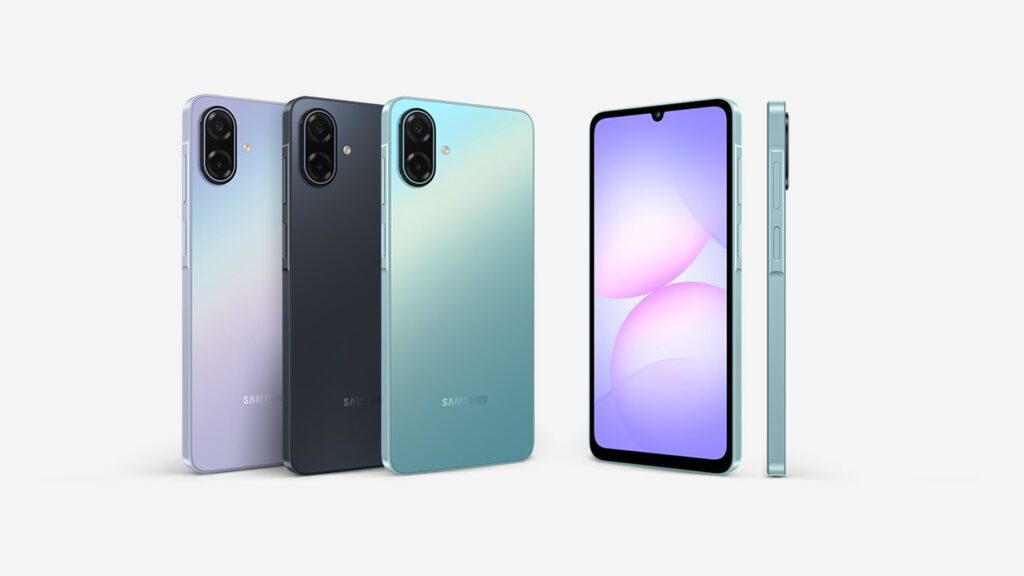
Samsung’s next budget phones are starting to show up online. Fresh traces of the Galaxy A08 and Galaxy A07s have appeared in Google’s systems, suggesting the company is getting ready for another round of affordable devices.
According to 91Mobiles, both models recently popped up in the Google Play Console. The Galaxy A08 (model number SM-A085F) is expected to run a MediaTek Helio G99 chip with dual Mali-G57 GPUs and 8GB of RAM. It looks like it’ll have a basic HD waterdrop-notch screen (720×1600 resolution) and ship with Android 17.
The Galaxy A07s (SM-A077M) uses the same processor and GPU setup, but drops down to 4GB of RAM and comes with Android 16 out of the box. Both phones stick with the reliable Helio G99, which already powered the earlier models like the A07 4G and should handle everyday stuff and light multitasking without much trouble.
There are a few more clues floating around. The A08 has shown up in Wi-Fi Alliance and BIS (India) databases under variants like SM-A085F/DS, which usually points to a launch somewhere around August 2026, roughly a year after the previous A07 4G. FCC filings also suggest a bigger battery than the A07’s 5,000mAh unit. The rated capacity sits around 5,830mAh, so it’ll probably be marketed as a 6,000mAh phone, with Samsung’s standard 25W wired charging.
Design-wise, the phone is expected to stick to the brand’s usual waterdrop notch on the front and a dual-camera setup on the back. So far it looks like the A08 will be the slightly better-equipped version with more RAM and a newer Android version, while the A07s plays the role of the cheaper option.
These Play Console sightings just confirm that both phones are moving forward and that Samsung isn’t planning to leave the ultra-budget segment anytime soon.
The M100 is built around a 6.9-inch LCD display with a 1600 × 720 resolution and a 120Hz refresh rate. Xiaomi also says the display includes eye-protection features and is protected by Corning Gorilla Glass. Meanwhile, the phone’s durability features include dust and splash resistance, and it is also rated for up to 500,000 fingerprint touches.
It comes in three colors: Midnight Black, Starry White, and Wilderness Green. The back has a four-dimensional micro-curved design, while the camera area includes RGB dynamic lighting.
Redmi M100 packs a big battery and a Snapdragon processor
The big feature of the Redmi M100 is probably the battery. It packs a huge 7,900mAh cell that supports 45W wired and 22.5W reverse wired charging. It is also compatible with the PPS charging protocol, so users can use compatible third-party fast chargers.
The phone is powered by Qualcomm Snapdragon 4 Gen 5 mobile platform. The 4nm chip has an octa-core CPU and is also available in other Xiaomi phones like Redmi 17 5G.
For photography, you get a 13MP main camera on the back. It supports features such as film filters, portrait mode, night mode, live photos, dual-view shooting, Pro mode, and document scanning.
The front camera is a 5MP sensor with features including beauty mode, face recognition, portrait mode, and night mode.
The Redmi M100 runs Xiaomi’s Surge OS 3 out of the box. Rounding out the specs is NFC, a side-mounted fingerprint scanner, and a 3.5mm headphone jack.
Redmi has also included a senior care mode for older users. It offers larger icons and fonts, media and ringtone volume of up to 300%, and the option to block unwanted calls. These features are designed to make the phone easier to read, hear, and use.
Redmi M100 Price
The Redmi M100 starts at 1,799 yuan (~ $266) for the 8GB+128GB version. The 6GB+256GB model costs 1,999 yuan (~ $296), while the top-end 8GB+256GB version is priced at 2,199 yuan (~ $325).
iQOO just dropped a new mid-range phone that’s all about one thing: lasting forever. The Z11S is the company’s first phone with a massive 10,000mAh battery. The company worked with CATL on this high-energy-density battery pack. It uses second-generation semi-solid tech and something they call “Magic Cube Packaging 2.0” to squeeze in all that capacity.
The phone is 8.59mm thick and weighs 225 grams. It’s only 11 grams heavier than the Galaxy S26 Ultra, even though it packs exactly double the battery capacity. Charging is 44W wired. It’s not the fastest out there, and topping up that huge battery will take a while. But once it’s full, the phone should last more than two days for most people.
Inside is a MediaTek Dimensity 7500 octa-core chip built on TSMC’s N4P process. It uses ARM’s latest C1 cores. According to iQOO, the Z11S hits around 1.31 million on AnTuTu V11 and offers a 24% jump in single-core performance. They’re also promising five years of smooth use.
The screen is a 6.83-inch AMOLED with 2800 × 1260 resolution, 10-bit color, P3 gamut, up to 2000 nits full-screen brightness, and a smooth 144Hz refresh rate. It covers 94.47% of the front and has full-brightness DC dimming so it’s easier on the eyes. Colors available are Snow White, Dark Rock Black, and Floating Light.
The back of the phone is a bit more interesting than it looks at first. The shiny ring wrapping around that rounded-square camera module is apparently metal, which should give the camera hardware a bit more protection if the phone takes a fall.
The camera system itself is a little disappointing, though. Official product shots clearly show two lenses on the back, one of which houses the infrared remote control sensor. The other is the 50MP rear camera with an f/1.8 aperture. Up front there’s an 8MP camera with autofocus. Still, the official sample photos do leave a pretty good impression of what the main camera can do.
Tecno has finally launched the Pova 8 Pro 5G in India. The smartphone focuses on practical hardware additions, specifically a larger-than-average battery, high water resistance ratings, and a secondary screen on the back panel.
Tecno Pova 8 Pro 5G Specifications
The device has a 6.78-inch 1.5K AMOLED screen with a 144Hz refresh rate. It uses 2592Hz PWM dimming, which is intended to reduce screen flicker in low-light environments, and is protected by Corning Gorilla Glass 7i. The phone also carries IP68, IP69, and IP69K ratings, meaning it is tested to withstand dust, standard water submersion, and high-pressure water jets.
Inside, the phone runs on a 4nm MediaTek Dimensity 7400 Ultimate processor. Tecno has also included a secondary graphics chip to help maintain frame rates in supported mobile games. The device uses LPDDR5X RAM and UFS 2.2 storage, and is available in two configurations: a base model with 8GB of RAM and 256GB of storage, and a higher-tier version with 12GB of RAM and 512GB of storage.
The battery is a 6,500mAh cell, which offers more capacity than the 5,000mAh standard found in most current smartphones. It supports 45W wired charging and 10W wired reverse charging. It also includes bypass charging, a feature that allows the phone to draw power directly from the charging cable during heavy use, bypassing the battery to reduce heat generation.
For cameras, the main shooter uses a 50-megapixel Sony LYTIA 700C sensor with OIS. This is paired with an 8-megapixel ultra-wide camera on the back and a 13-megapixel camera on the front. Both the front and rear cameras support 4K video recording at 30fps.
The phone ships with Android 16. It includes a few built-in software tools, such as an AI call assistant capable of recording and transcribing both standard cellular calls and WhatsApp calls. The assistant supports English, Hindi, Bengali, and Marathi. It can generate text summaries of conversations, extract action items, and categorize contacts based on the context of the call.
The back of the phone features a triangular camera layout and what Tecno calls the Alive Matrix Display. This is a small dot-matrix screen made of 177 Mini LEDs. It is designed to show basic information like battery status, timers, and caller ID. It can also function as a desk clock when the phone is placed face down on a table.
Pricing and Availability
The Pova 8 Pro 5G comes in Tundra Green, Arc White, and Graphite Black. The 8GB/256GB model costs Rs. 49,999, and the 12GB/512GB version is priced at Rs. 54,999. It goes on sale in India on August 21, 2026, through Flipkart and physical retail stores.
iQOO has just launched the Neo 11 Ultra, its latest entry in its gaming-oriented Neo line. The phone builds on the familiar formula Neo is known for: offering top-tier gaming hardware at a lower price than iQOO’s flagship models. Here’s what the new iQOO Neo 11 Ultra brings, along with its price.
The phone ships in a new Wind Chaser color, plus the classic Black and White. The back has a matte, fingerprint-resistant finish paired with a matte metal frame. Visually, you get a horizontal camera module for its two lenses, and the phone is 9.13mm thick.
iQOO Neo 11 Ultra color options
The Neo 11 Ultra is the first phone to use MediaTek’s Dimensity 9500M, a version of the Dimensity 9500 with one fewer GPU core. It’s paired with LPDDR5X Ultra memory and UFS 4.1 storage. iQOO also added its own cooling system, an 8K “Ice Dome” vapor chamber, along with a separate chip called Q2 that handles upscaling games to 2K resolution.
The screen is a 6.83-inch, 2K panel that uses a new light-emitting material from Visionox. It runs at up to 144Hz, and iQOO rates it at 2000 nits of brightness across the full screen, with a peak of 4500 nits in small areas. The panel also uses circular polarization to cut blue light exposure, and touch sampling is claimed at 500Hz.
The rear camera setup is fairly modest for the segment. It has a 50MP main camera with optical stabilization and an 8MP ultra-wide lens. The front camera is 16MP.
Like most Chinese flagships these days, the iQOO Neo 11 Ultra uses a big 9100mAh silicon-carbon battery. For the record, it’s the largest battery iQOO has put in a Neo phone. It supports 100W wired charging. iQOO says it lasts about 13.7 hours of continuous mobile gaming, or 23 hours of video playback.
The phone uses reinforced glass on the front and an aluminum frame, and iQOO says it survived a drop test from 1.2 meters onto marble flooring. It’s rated IP68 and IP69 for water and dust resistance, and includes an ultrasonic fingerprint sensor that iQOO says still works with wet hands. Other additions include a three-antenna WiFi system, a 400Hz gyroscope for vibration feedback in games, and iQOO’s new OriginOS 6 software.
The August 2026 security update is rolling out to Samsung devices, and just like last month, it’s a smartwatch getting the first bite. After the Galaxy Watch 5 Pro, the update expanded to the Galaxy Fold 8 series and a few more devices, and it will continue to roll out to more devices. We’ve curated a list of Galaxy devices that have received the August 2026 security patch.
According to the official security bulletin, the August 2026 security patch fixes over 58 security vulnerabilities from Google and Samsung. Of those, 38 come from Google, which includes 8 critical-level fixes and 30 high-level fixes, while the remaining 18 fixes are specific to Samsung devices.
It’s important to keep the security patch level up to date to ensure the device remains unaffected by the latest vulnerabilities. It’s therefore best to install security patches as soon as they become available for your device.
These Galaxy devices have received the August 2026 security update
Galaxy Z series
Galaxy Z Fold 8
Galaxy Z Fold 8 Ultra
Galaxy Z Flip 8
Galaxy Z TriFold
Galaxy Z Fold SE
Galaxy Z Fold 7
Galaxy Z Flip 7
Galaxy Z Flip 7 FE
Galaxy Z Fold 6
Galaxy Z Flip 6
Galaxy Z Fold 5
Galaxy Z Flip 5
Galaxy Z Fold 4
Galaxy Z Flip 4
Galaxy S series
Galaxy S26
Galaxy S26+
Galaxy S26 Ultra
Galaxy S25
Galaxy S25+
Galaxy S25 Ultra
Galaxy S25 FE
Galaxy S24
Galaxy S24+
Galaxy S24 Ultra
Galaxy S24 FE
Galaxy S23
Galaxy S23+
Galaxy S23 Ultra
Galaxy S23 FE
Galaxy S22
Galaxy S22+
Galaxy S22 Ultra
Galaxy A, M, F series
Galaxy A57
Galaxy A56
Galaxy A55
Galaxy A54
Galaxy A26
Galaxy A23 5G
Galaxy A05s
Galaxy A04
Galaxy A04e
Galaxy M56
Galaxy M55
Galaxy Tab series
Galaxy Tab S10+
Galaxy Tab S10 Lite
Galaxy Tab S10 Ultra
Galaxy Tab S10 FE
Galaxy Tab S10 FE+
Galaxy Tab S9
Galaxy Tab S9+
Galaxy Tab S9 Ultra
Galaxy Tab S8
Galaxy Tab S8+
Galaxy Tab S8 Ultra
Galaxy XCover series
Galaxy XCover 7 Pro
Galaxy XCover 7
Galaxy Watch series
Galaxy Watch 5
Galaxy Watch 5 Pro
Galaxy Watch 4
Galaxy Watch 4 Classic
The rollout has been slower than usual. Samsung usually rolls out monthly security updates at a much faster pace, but this month has been disappointing. Hopefully, it will improve in the coming days.
If your Galaxy device is on the list, the update may be ready for download. Go to Settings > Software updates and tap Download and install. Note that the update usually rolls out in batches, and so, it can take a few days to reach all the users.
We’ll update the list as and when Samsung rolls out the August 2026 security update to more Galaxy devices. You can bookmark the page or join our Telegram channel to stay updated.
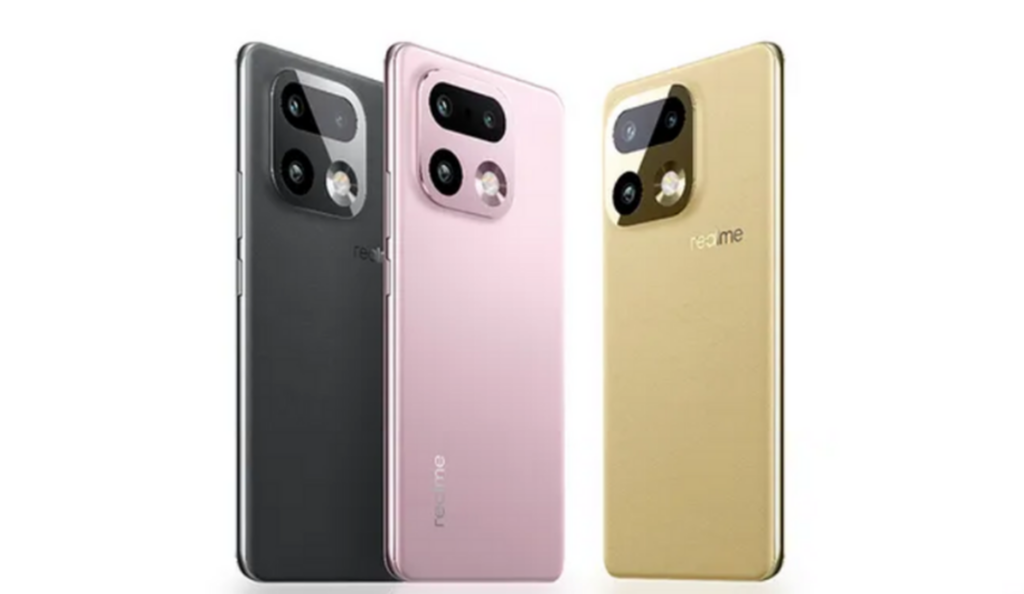
There have been some internal restructuring changes within the Oppo group, which oversees both OnePlus and Realme. As part of the changes, OnePlus will remain active in China and India, while it has already exited the European and US markets. Meanwhile, Realme has become inactive in China but will continue launching smartphones in other markets. While OnePlus has been releasing multiple phones across different price segments, Realme has largely focused on budget-oriented models in recent months.
The last time the rumour mill revealed details about the Realme 17 Pro+ was back in May. Now, the rumors surrounding the smartphone have resurfaced, with a new leak from tipster Digital Chat Station revealing details about its display and camera setup.
In the latest leak, DCS has shared details about an upcoming smartphone from Realme’s numbered series, and the camera specifications suggest that he could be referring to the Realme 17 Pro+. According to the leak, the phone will feature a 6.78-inch flat OLED display with a 1.5K resolution and an ultra-high refresh rate. While DCS has not specified the exact refresh rate, the panel could support at least 144Hz, similar to the previous generation.
The leak also mentions a triple-camera setup led by a 200-megapixel primary sensor. It will reportedly be paired with an 8-megapixel ultra-wide camera and a 50-megapixel periscope telephoto camera. If a previous report is to be believed that the periscope camera could use Samsung’s JN5 sensor and offer 3.5x optical zoom, while the primary camera could feature Samsung’s HP5 sensor.
Realme 16 Pro+
Details about the chipset and battery capacity remain unknown for now. For reference, the Realme 16 Pro+ featured a 7,000mAh battery with support for 80W wired charging. The Realme 17 Pro+ could retain a similar capacity or even go higher, especially since some Realme 16-series models are equipped with batteries as large as 8,000mAh. More details about the phone’s remaining specifications are expected to emerge in future leaks.
At present, there is no information about the Realme 17 Pro+’s launch timeframe. The tispter claims that the device will remain exclusive to the overseas market, meaning it won’t be released in China.
For more daily updates, please visit our News Section.
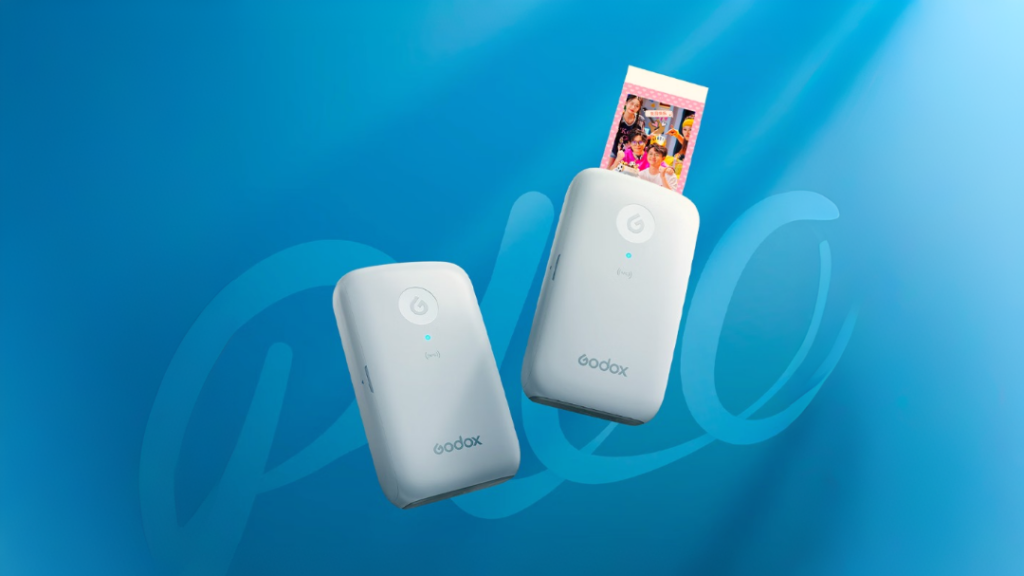
Godox has launched the new P100 Portable photo printer in China. It is priced at 699 yuan ($104) and is designed as a compact, easy-to-use device for printing photos directly from a smartphone. The standard package includes the printer and a 10-sheet cartridge of dye-sublimation paper. Godox sells 20-sheet replacement cartridges separately.
The P100 is designed with portability in mind. It weighs around 320 grams and measures 142.5 x 86.8 x 26.8 mm, making it compact enough to carry like a thick power bank. It sports a simple, modern design with rounded edges, allowing it to be comfortably held in one hand or packed into a bag. The printer comes with a USB-C charging port and supports a 5V/2A input, so it can be charged using most standard phone chargers.
Inside, the P100 uses a 1256 print heating head. It prints at a resolution of 300 dpi and supports up to 16.7 million colors. The dye-sublimation process generally offers better color accuracy than Zink, though it requires a specific type of paper and ink ribbon.
Godox handles this by using an all-in-one cartridge system. The photo paper and the ribbon are housed in a single unit. When the printer runs empty, you just open the side compartment and swap the whole cartridge out without needing any extra tools. The physical paper size is 97 x 53 mm, leaving an actual printed image area of 86 x 53 mm.
The printer features an automatic lamination process that serves as the final step of printing. It applies a clear protective film over each photo, helping shield the image from water, dust, and fingerprints. The coating also reduces the effects of everyday friction and humidity, helping keep printed photos in better condition for longer.
You connect to the printer via Bluetooth. If you have an NFC-enabled phone, you can tap it against the printer for quicker pairing. All the actual printing is handled through the Godox Cam app, available on iOS and Android. The app includes standard editing tools like filters, frames, and collage layouts. It also features a built-in ID photo maker, which formats your pictures to standard sizes for passports and visas, complete with options to change the background color.
With the trifold and new wide-fold, Samsung now has four foldables under its name. If a new report is to be believed, the company is planning to add a fifth member next year.
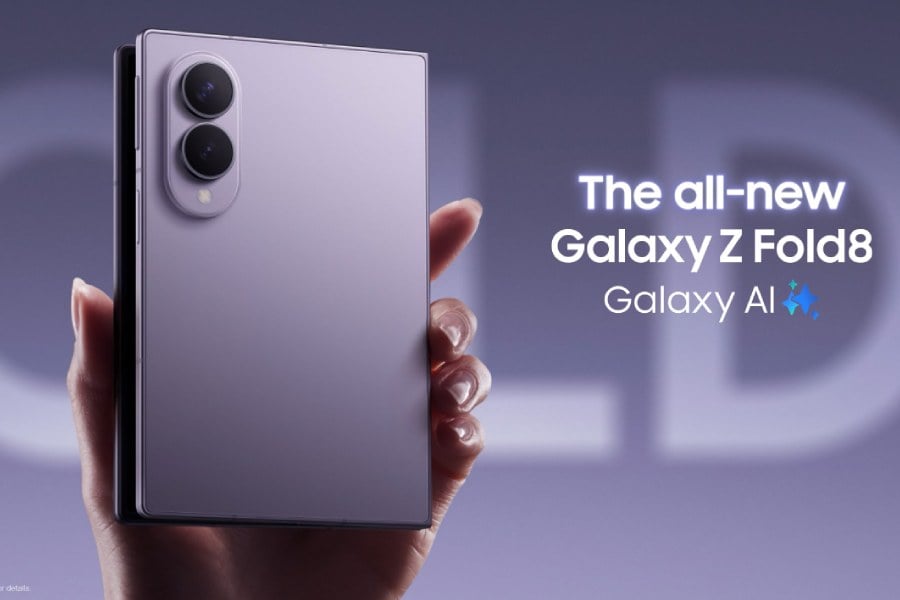
According to a new ETnews report citing industry sources, the company is now planning five separate foldable models for 2027, and two of them will share the same wide-format design that’s driving the Galaxy Z Fold8’s sales right now.
Samsung’s foldable lineup for 2027 leaks
Here’s the full lineup as it’s being described to partners:
the Galaxy Z Fold9 (wide-format),
a second, still-unnamed wide-format Fold,
the Galaxy Z Fold9 Ultra (the traditional tall-and-narrow shape),
the Galaxy Z Flip9, and
the Galaxy Z TriFold2.
This push toward wide foldables isn’t a guess. You already saw the reasoning play out with the Galaxy Z Fold8, which ditched the tall 21:9-style body for a shorter, 4:3 inner screen built for video and everyday scrolling. And it’s already doing well in the market.
Galaxy Z Fold 8, Z Fold 8 Ultra, and Z Flip 8
The Fold8 reportedly made up 70% of pre-orders within the Galaxy Z8 series, and the whole lineup pulled in 1.44 million pre-orders in South Korea, a 39% jump over last year’s numbers. With results like that, it’s not surprising Samsung wants a second wide model rather than treating the Fold8 as a one-off.
What’s different about the new Wide Fold, according to sources, is the aspect ratio. Instead of copying the near-square 4:3 screen on this year’s Fold8, the next one is said to target a shape better suited to watching video — something closer to widescreen. The project is still early, so nothing about display size, hinge design, or pricing has been locked down yet.
The Redmi Watch 6 Lite and Watch 6 Active have been making the rounds in the rumor mill, but little did we know that Xiaomi has already launched the two watches in Nepal.
The Redmi Watch 6 Lite and Watch 6 Active went official in Nepal a couple of weeks back and are now available through physical stores for now, with online listings expected to follow.
The Redmi Watch 6 Active costs NPR 10,999 (~ $70). Whereas the Redmi Watch 6 Lite is more expensive at NPR 14,999 (~ $98).
Redmi Watch 5 Active and Watch 6 Lite Specifications
Both watches carry the same 44.50 x 39.40 x 9.90mm body, a plastic frame, and a TPU strap, with a slightly sharper, boxier shape than the previous generation. The Active now comes with an IP68 rating, an upgrade over the water-only rating on its predecessor. The Lite has a 5ATM rating and adds a red home button on a small side bump. And this is the only thing that tells the two apart at a glance.
The bigger change on both watches is the screen. Neither the Watch 5 Active nor the Watch 5 Lite had AMOLED panels, and this year both new watches do. The Active gets a 1.85-inch AMOLED at 390 x 450 pixels. The Lite gets a larger 1.96-inch panel at 410 x 502 pixels with higher peak brightness. Both support always-on display.
Where they differ is fitness tracking. The Lite includes a 9-axis motion sensor with a compass, satellite positioning, an ambient light sensor, and support for more than 150 sports modes, plus 5 ATM water resistance for swimming.
The Active keeps things basic, with heart rate, SpO2, and step tracking, and no satellite positioning. Both offer up to 18 days of runtime on light use and 12 days of normal use from a 470mAh battery. Both connect over Bluetooth 5.3 and support calls from the watch.
The TV market has changed quite a bit in the last few years. You no longer need to spend over Rs 1 lakh to get a good 4K TV, and Mini-LED models have also started making their way into the sub-Rs 70,000 segment.
If you are planning to buy a new TV, we have picked some of the best options available in India right now. The list includes Mini-LED TVs for better picture quality, along with larger 4K models if you simply want more screen for your money.
How to choose a 4K TV in 2026?
The first thing to consider when buying a new 4K TV is the size. A 43 or 55-inch TV is a good fit for most living rooms, while 65-inch and 75-inch models make more sense if you sit farther away or want a more cinematic experience. A bigger screen, however, does not automatically mean a better picture.
This is where Mini-LED TVs have an advantage. They use a larger number of smaller LEDs for backlighting, allowing the TV to control brightness more precisely. This results in better contrast and brighter highlights compared to a regular LED TV. For under Rs 70,000, Mini-LED is arguably the sweet spot if picture quality is your priority.
You should also look at the refresh rate if you plan to game on the TV. A 120Hz or 144Hz panel can make games and fast-moving content look smoother, while features such as VRR can make a noticeable difference when using a console. For regular Netflix, YouTube, and DTH viewing, though, a 60Hz TV is still perfectly fine.
43-inch, 60Hz, 4K Processor X1, Google TV, Dolby Atmos
Rs 44,990
Hisense E8S 55-inch Mini-LED TV
The Hisense E8S is one of the best options here if picture quality is your priority. It gets a 55-inch 4K Mini-LED panel with a 144Hz refresh rate, along with Dolby Vision and HDR10+ support. The Mini-LED backlighting also gives it better contrast than a conventional LED TV, which makes it a good fit for movies and streaming.
It is also a strong option for gaming, thanks to VRR and ALLM support. The TV gets four HDMI ports and a 2.1-channel audio setup, so you have enough connectivity for consoles and other devices.
The Xiaomi Quantum MagiQ S is a value-for-money Mini-LED TV that offers a lot for its price. It comes with a 55-inch 4K Mini-LED display with up to 120Hz refresh rate support and up to 1,200 nits of peak brightness. This makes it a good option if you want better contrast and brighter HDR content within your budget.
It also gets a good selection of I/O ports, including three HDMI ports, two USB ports, and eARC. You also get Google TV, 34W speakers with Dolby Audio and DTS:X, and Dolby Vision support.
The TCL QD-Mini LED TV is another good pick if you want a Mini-LED TV without spending a lot. It boasts a 55-inch screen with 4K resolution, Dolby Vision, and HDR10+, making it a great display for movies, shows, and sports.
It also supports VRR of up to 144Hz and ALLM as well, which means you can play your favourite titles without compromising on the gaming experience. It runs Google TV and packs a 2.1-channel audio setup, making it a complete package for around Rs 60,000.
If screen size matters more to you than Mini-LED, Samsung’s 65-inch Crystal Vision TV is worth considering. It gives you a large 4K display with a 120Hz refresh rate, which makes it a good option for watching sports and playing games on a bigger screen.
The TV does miss out on the better contrast offered by Mini-LED, but Samsung’s Tizen platform, 30W speakers and large 65-inch screen make it an all-rounder. It is a good pick for buyers who want a big-screen TV from a familiar brand without extending their budget further.
The LG Nano TV gets a 4K display with HDR10 and HLG support, along with LG’s webOS 26 smart TV platform. It also supports 4K upscaling, which can help make lower-resolution content look better on the 4K panel.
If you are looking for a TV specifically for gaming, this one may not be the right option. But for casual gaming, it’s pretty decent, as it gets 60Hz refresh rate, and comes with ALLM and VRR. It also ships with AI features, including AI Sound Pro, which enhances the overall audio experience.
The Sony BRAVIA 2 II is a good option for smaller rooms where a 65-inch or larger TV might be overkill. It has a 43-inch 4K display with Sony’s 4K Processor X1, which is meant to improve picture quality and upscale lower-resolution content. You also get Google TV, making it easy to access popular streaming services.
It runs at 60Hz, so this is not the TV to pick if gaming performance is your top priority. But for a bedroom or smaller living room, the combination of Sony’s picture processing, Google TV, and Dolby Atmos support makes it a well-rounded option for most.
What’s the difference between LED, Mini-LED, and OLED?
LED is the most affordable but offers average contrast, Mini-LED improves brightness and contrast with more precise backlighting, while OLED offers the best picture quality with true blacks but usually costs more.
Which is the best budget 4K TV under Rs 70,000?
The LG NANO 4K UHD AI TV is a good budget TV, as it offers a 55-inch 4K display, HDR support, and webOS 26 for under Rs 50,000.
Which is the best Mini-LED TV under Rs 70,000?
The Hisense E8S is the best Mini-LED TV on this list, thanks to its 144Hz Mini-LED display, Dolby Vision support and a great selection of I/O ports. It is one of the most complete TVs you can get in this price range.
Which is the best 65-inch TV under Rs 70,000?
The Samsung Crystal Vision 65-inch is a good option if you want a large screen with a high refresh rate. Its 120Hz panel makes it particularly suitable for sports and gaming as well.
Which is the best TV for gaming under Rs 70,000?
The Hisense E8S and TCL QD-Mini LED are two of the best options for gaming. Both have 144Hz panels along with VRR and ALLM, a crisp 4K resolution, and in-built speaker setups, making them better suited to all sorts of gaming.
So, which of these TVs is your pick? Let us know in the comments below.
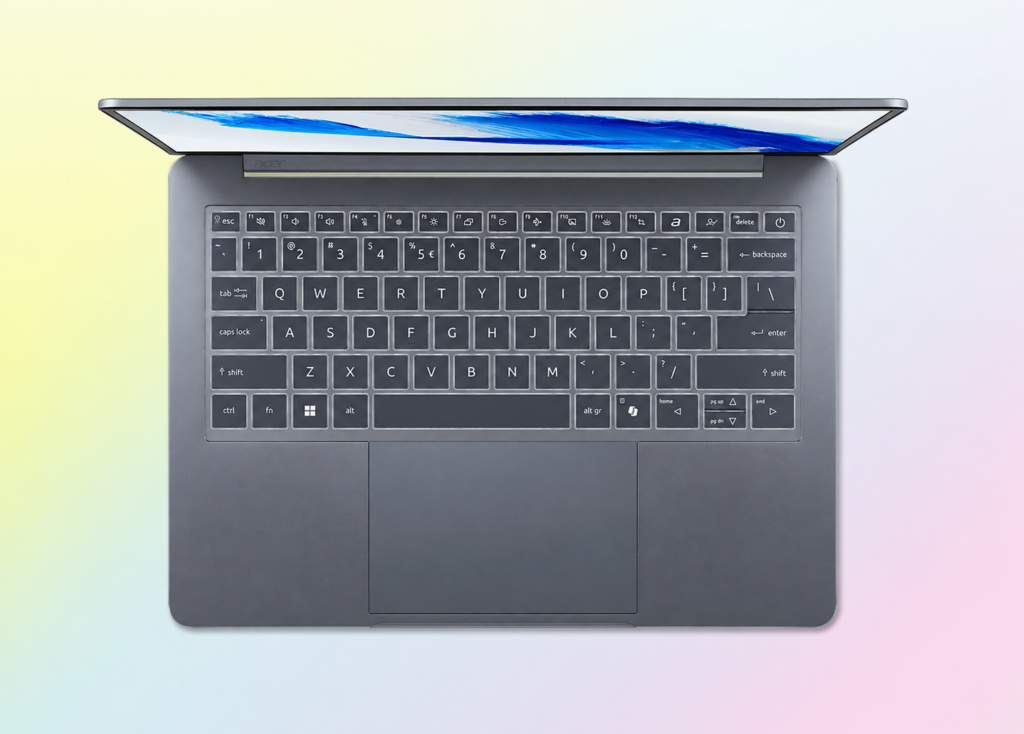
Acer is giving its Go Air lineup a fresh look for 2026 with a lightweight laptop aimed at users who want portability without giving up everyday performance. The new Acer Go Air combines a slim metal body with a high-capacity battery and a modern display.
Acer Go Air (2026) specifications and features
Acer Go Air (2026)
The Acer Go Air (2026) measures just 12.99mm in thickness and weighs around 1.19kg. Its all-metal body is available in multiple pastel-inspired shades, while the 180-degree hinge allows the screen to be positioned flat for more flexible use. The laptop also features a full-size keyboard with backlighting and Fn+F shortcuts for switching between Silent, Balanced and Performance modes.
The laptop features a 16-inch 16:10 display with a 120Hz refresh rate, 100% sRGB coverage, an 88% screen-to-body ratio and DC dimming. Acer has also included its BlueLightShield technology. For video calls, the laptop gets a Full HD IR webcam with a physical privacy shutter and face recognition support.
Acer Go Air (2026)
Under the hood, the Go Air uses a second-generation Intel Core processor based on Intel’s new 18A process. It comes with LPDDR5 memory and SSD storage, while connectivity includes two Thunderbolt 4 ports. The laptop also has a four-speaker setup, Wi-Fi and Bluetooth support, making it suitable for work, study, entertainment and video conferencing.
Acer Go Air (2026)
The Acer Go Air (2026) packs a 70Wh battery rated for up to 19 hours of use. It supports 100W USB Type-C charging and can reach 50% charge in around 30 minutes.
Acer Go Air (2026) price and availability
Acer Go Air (2026)
The laptop starts at 5,499 Yuan, which is approximately $815. It is currently restricted to the Chinese market, with colors including pastel purple, green, silver and other soft-toned finishes. For buyers in other regions, the Acer Aspire Go 14 (2026) offers a similar alternative.
YouTube is about to change one of the platform’s most visible numbers, and it could affect how creators and viewers read the view count. Starting next week, the site will update its public view-counting system across every type of content, with the goal of making things more consistent and clearer for everyone.
From August 24, YouTube will start counting a public view the moment any video begins to play, from the very first frame, with no minimum watch-time requirement. This new rule will apply globally to long-form videos, Shorts, live streams, and everything else. Until now, regular videos generally needed people to watch for about 30 seconds before the public counter went up, while Shorts already counted a view as soon as playback started. That inconsistency made it harder to compare performance across different formats.
YouTube says the update comes from creator feedback asking for a clearer, more unified picture of exposure. By switching everything to the same first-frame rule that Shorts already used (introduced last year), the platform wants to cut down on metric confusion and help creators better show their audience size to brands and sponsors. As a result, public view counts are expected to climb faster than before, especially on videos that only get brief attention.
The change won’t affect advertising revenue or eligibility for the YouTube Partner Program. YouTube will keep its older, more engagement-focused measurement under a new name: “Engaged views.” Creators can still find that data in YouTube Analytics under Advanced Mode to see how many people actually stick around past the opening moments. Earnings will continue to be based on engaged Shorts views and engaged watch hours.
Existing videos will keep their current public totals; only new plays after August 24 will follow the updated system. The move brings YouTube closer to how platforms like TikTok and Instagram count views, focusing more on exposure while still offering deeper engagement numbers behind the scenes.
Turning your regular bike into an e-bike usually means buying a whole new bike. If you’re not willing to spend that much, Asus has a perfect gadget for you. The company recently launched the Oxiis E250G1 Intelligent Bike Booster, a clip-on device that straps to almost any bicycle and gives it up to 50km of electric-assisted range and a top speed of 32 km/h.
The device is made up of a motor and a removable battery, both of which can be mounted on the seat post. The motor sends power to the rear tire through a set of rollers rather than a chain or hub swap.
Asus says the setup works with city bikes, road bikes, and folding bikes, so you don’t need a dedicated e-bike frame to use it. It’s a similar idea to what Yamaha tried with the Booster Easy e-bike, though here the motor bolts onto a bike you already own instead of coming built into a new one.
Asus Oxiis E250G1 Specifications
On the power side, the Oxiis E250G1 has a rated output of 250W and can peak at 500W. It also includes Adaptive Boost Technology, which reads the slope ahead and adjusts how much assistance you get when climbing. You can pick between three modes: Eco for stretching the battery, Normal for daily commutes, and Sport for steep climbs or moments when you need real muscle.
Keeping the device running is a 158.4Wh battery pack that can be removed for charging. In Eco mode, you’ll get roughly 50km of range; switch to Sport, and that drops to about 10km since you’re drawing more power.
According to the brand, a full charge takes around two hours, and luckily it uses a 100W USB Type-C Power Delivery charger.
Weight-wise, the whole unit comes in at 3.7kg with the battery attached. It can fit on tires from 16 inches up to 29 inches, plus 700C wheels, and can handle tires up to 60mm wide. The seatpost clamp adjusts for diameters between 25.4mm and 34.9mm, so it should fit most standard bike frames.
The device also has built-in smart taillights that can sense when you’re braking and light up accordingly. As for speed, the Oxiis E250G1 tops out at 32 km/h, though that number may be capped at 25 km/h depending on local regulations, since many countries limit how fast pedal-assist devices can legally go.
Pricing and availability haven’t been announced yet.
We use cookies on our website to give you the most relevant experience by remembering your preferences and repeat visits. By clicking “Accept”, you consent to the use of ALL the cookies.
This website uses cookies to improve your experience while you navigate through the website. Out of these, the cookies that are categorized as necessary are stored on your browser as they are essential for the working of basic functionalities of the website. We also use third-party cookies that help us analyze and understand how you use this website. These cookies will be stored in your browser only with your consent. You also have the option to opt-out of these cookies. But opting out of some of these cookies may affect your browsing experience.
Necessary cookies are absolutely essential for the website to function properly. This category only includes cookies that ensures basic functionalities and security features of the website. These cookies do not store any personal information.
Any cookies that may not be particularly necessary for the website to function and is used specifically to collect user personal data via analytics, ads, other embedded contents are termed as non-necessary cookies. It is mandatory to procure user consent prior to running these cookies on your website.