At the ongoing CES 2025 event, Lenovo has introduced two high-performance gaming monitors, the Legion Pro 34WD-10 and Legion R34w-30, designed to meet the needs of both competitive gamers and multitasking professionals.
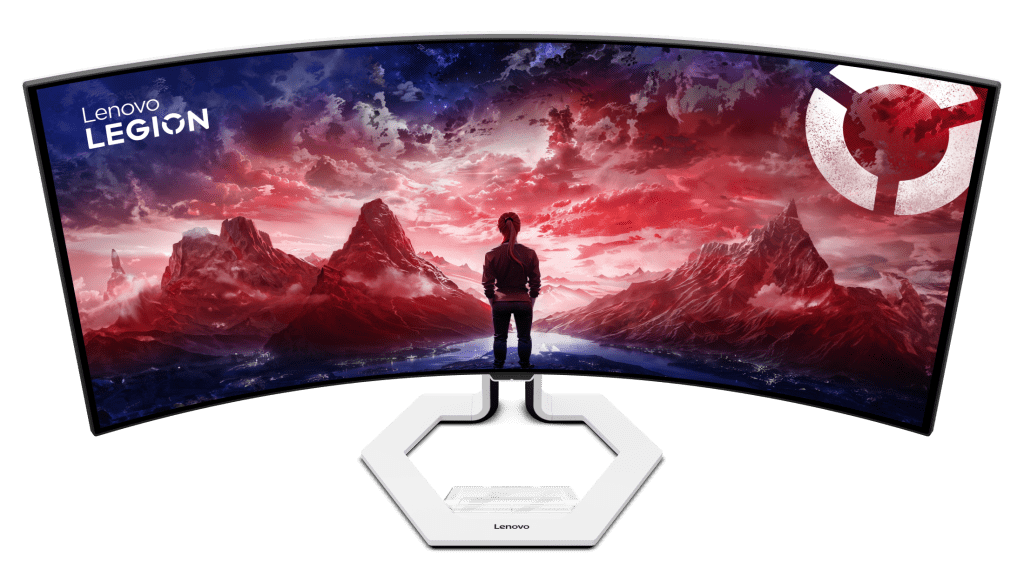
Lenovo Legion Pro 34WD-10: Immersive OLED Display
The Legion Pro 34WD-10 features a 34-inch WQHD PureSight OLED display with an 800R curvature for immersive gaming. With a 240Hz refresh rate, 0.03ms response time, and Delta E<2 color accuracy, the monitor delivers smooth performance and vibrant visuals. The display supports 98.5% DCI-P3 and 99% sRGB color gamuts, ensuring vivid and precise colors.
Lenovo Legion Pro 34WD-10 Gaming Monitor
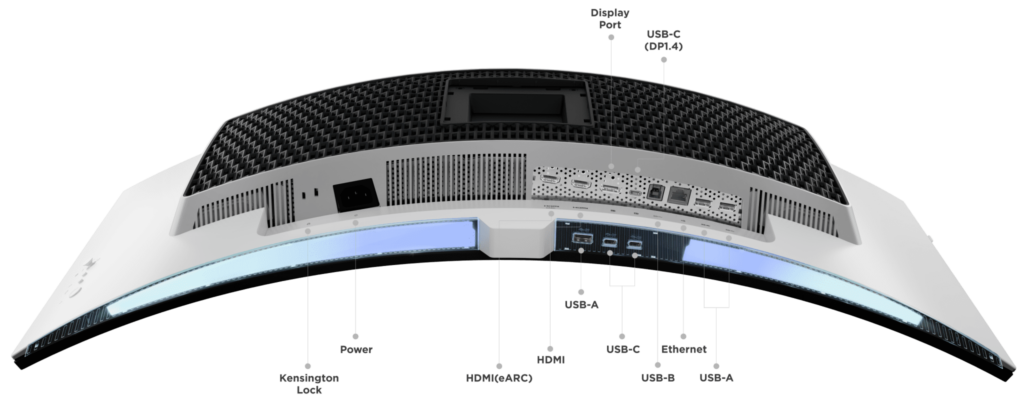
Designed for versatility, the monitor includes a USB-C one-cable solution offering up to 140W power delivery, triple USB-A ports, dual USB-C ports, and a 2.5G RJ45 Ethernet passthrough. Its AI-driven Anti-Burn-in algorithm prevents pixel burn-in, while user detection optimizes power efficiency by putting the display to sleep when not in use.
For productivity, Lenovo TrueSplit enables up to three virtual monitors, and a built-in KVM switch simplifies swapping between devices. Gaming enhancements include customizable Game Modes, Dark Boost for balanced brightness, and a Crosshair Magnifier for precise aiming.
Lenovo Legion R34w-30: Ultra-Wide Versatility
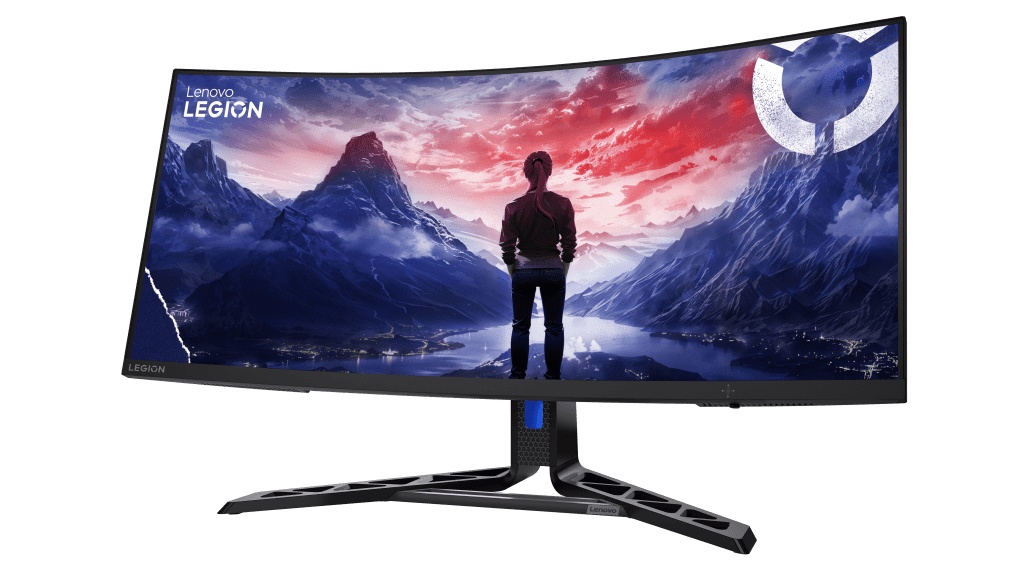
Lenovo Legion R34w-30 Monitor
The Legion R34w-30 offers a 34-inch UWQHD display with a 1500R curvature and a 21:9 aspect ratio. It features a 180Hz refresh rate and 0.5ms response time for fast-paced gaming. With 99% sRGB and 90% DCI-P3 color gamut coverage, the monitor ensures vibrant and accurate visuals.
Equipped with two HDMI 2.1 ports and a DP 1.4 port, the Legion R34w-30 allows seamless switching between video sources, making it ideal for gaming and multitasking. Currently, pricing and availability details of these monitors are under wraps.
In other news, Lenovo has introduced two new gaming tablets, the Legion Tab (2025) and Legion Go, ahead of CES 2025. The Legion Tab (2025) is a flagship model featuring an 8.8-inch LCD with a 165Hz refresh rate, Snapdragon 8 Gen 3 processor, 12GB RAM, 256GB storage (expandable to 1TB), and a 6,550mAh battery with 45W fast charging.
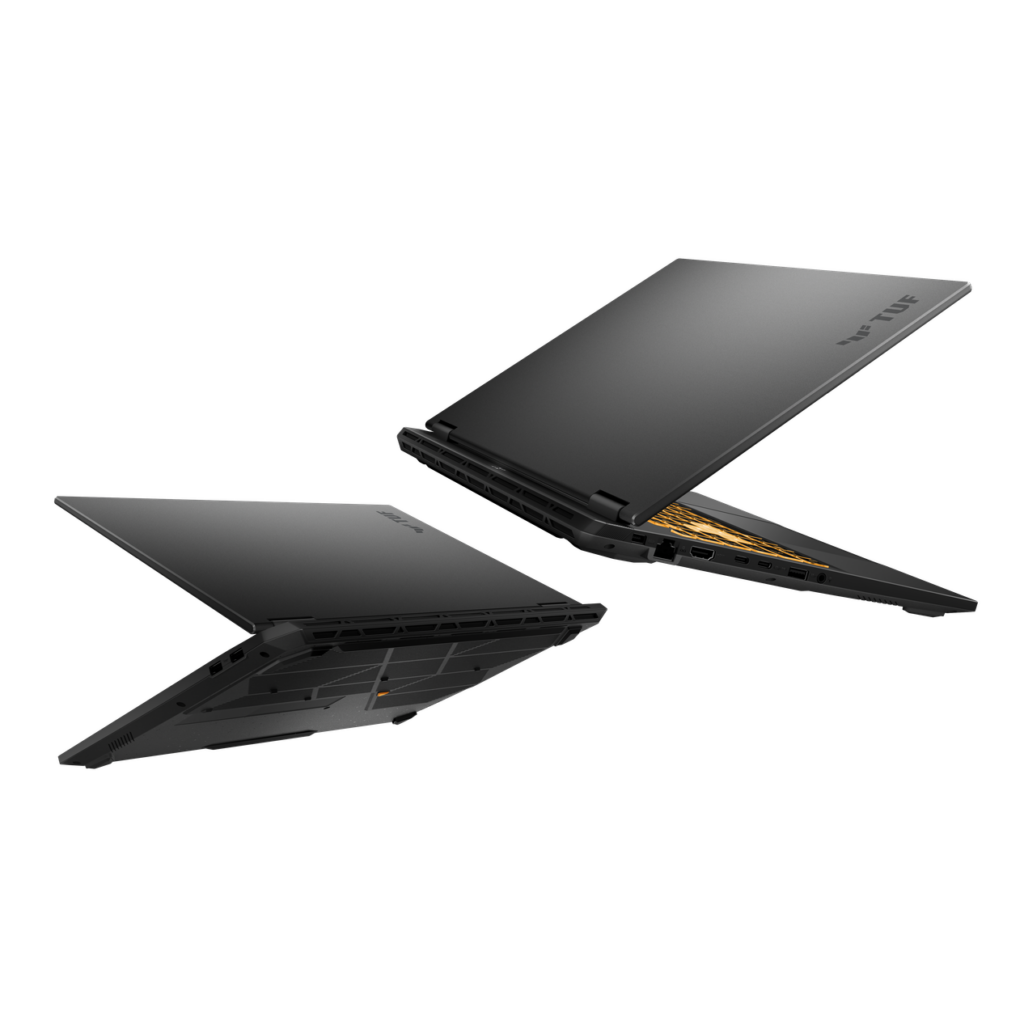
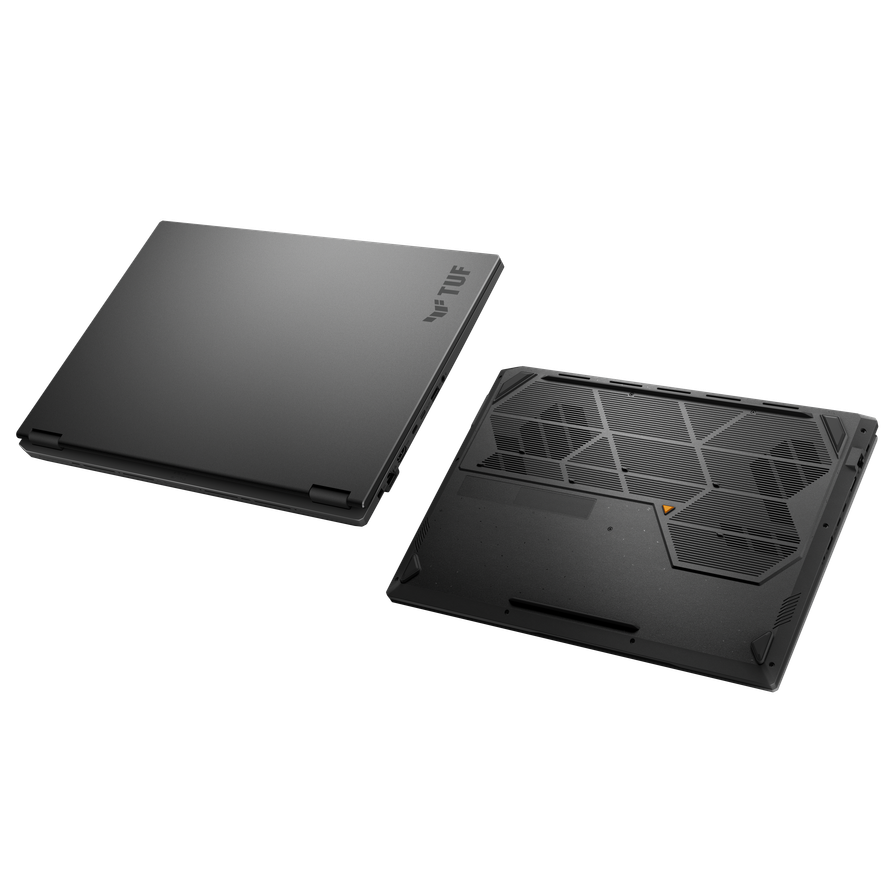
At CES 2025, ASUS has unveiled its 2025 TUF Gaming laptop series, which includes the lineup’s first 18-inch model, the TUF Gaming A18. Alongside the A16 and F16 models, these laptops feature updated processors, GPUs, and display options designed to provide strong performance at a competitive price.
ASUS TUF GAMING F16
TUF Gaming A18: 18-Inch Display
The TUF Gaming A18 is the first 18-inch laptop in the series. It features a 2.5K resolution display with a 240Hz refresh rate, 16:10 aspect ratio, 500 nits of brightness, and 100% DCI-P3 color coverage. It is powered by up to an AMD Ryzen™ 7 260 processor and an NVIDIA GeForce RTX™ 5070 Laptop GPU, making it capable of handling demanding games.
ASUS TUF GAMING A18
The A18 supports up to 32GB DDR5 5600MHz RAM and up to 2TB PCIe Gen 4 SSD storage, providing sufficient multitasking capability and storage space for large gaming libraries.
A16 and F16 Models
The A16 and F16 models are equipped with next-generation processors. The A16 offers up to an AMD Ryzen™ 7 260 processor, while the F16 includes up to an Intel Core™ Ultra 9 Processor 275HX. Both models support up to 32GB DDR5 5600MHz RAM and up to 2TB PCIe Gen 4 SSD storage.
ASUS TUF GAMING A16
These laptops come with 16-inch displays featuring a 2.5K resolution, 165Hz refresh rate, and 100% sRGB color coverage, providing a balance of visual clarity and smooth gameplay.
Cooling and Battery Features
The lineup incorporates 2nd Gen Arc Flow Fans™ with improved airflow and quieter operation. Full-width heatsinks and strategically placed vents enhance thermal efficiency, helping to manage heat during extended gaming sessions.
Each model is equipped with a 90Wh battery that supports fast charging via USB-C®, with up to 100W power delivery. These features aim to provide reliable performance for users on the move.
Design and Build
All models meet MIL-STD 810H standards for durability. They feature a 180-degree hinge, RGB backlit keyboards, and a practical design suited for gaming or professional use. Dual PCIe Gen 4 SSD and DDR5 RAM slots allow for easy upgrades.
Connectivity and Audio
The laptops include Wi-Fi 6E, Bluetooth 5.3, multiple USB ports, HDMI 2.1, and RJ45 LAN connectivity. The F16 model also supports Thunderbolt 4. Dolby Atmos and Hi-Res Audio enhance the sound experience, while AI noise cancellation improves communication clarity.
Pricing & availability
Pricing and availability details of the 2025 ASUS TUF Gaming laptop lineup have yet to be disclosed.
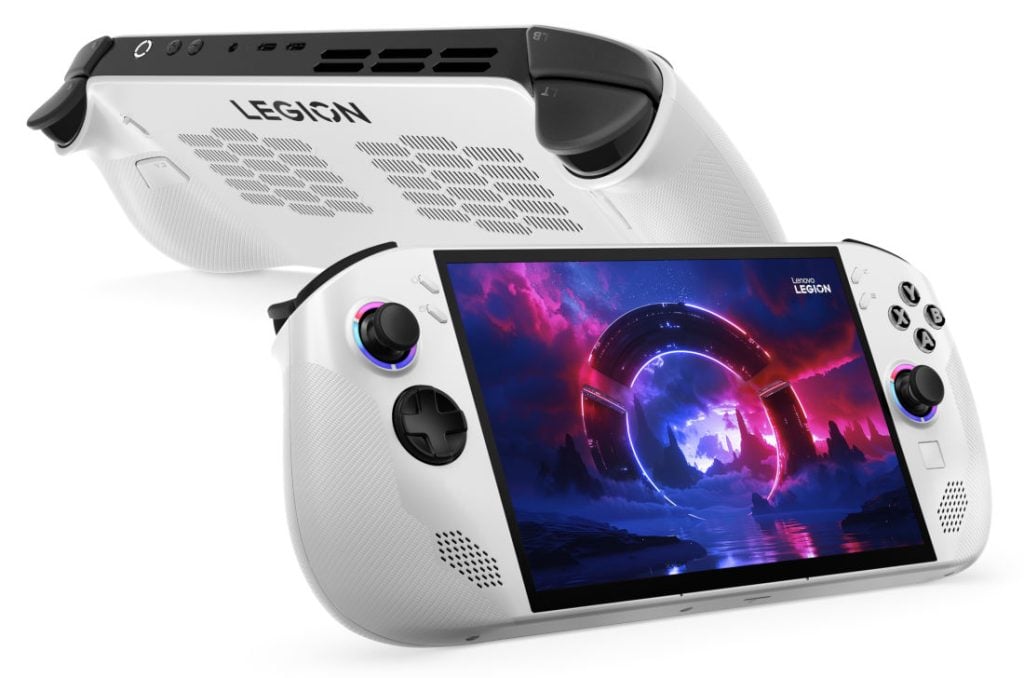
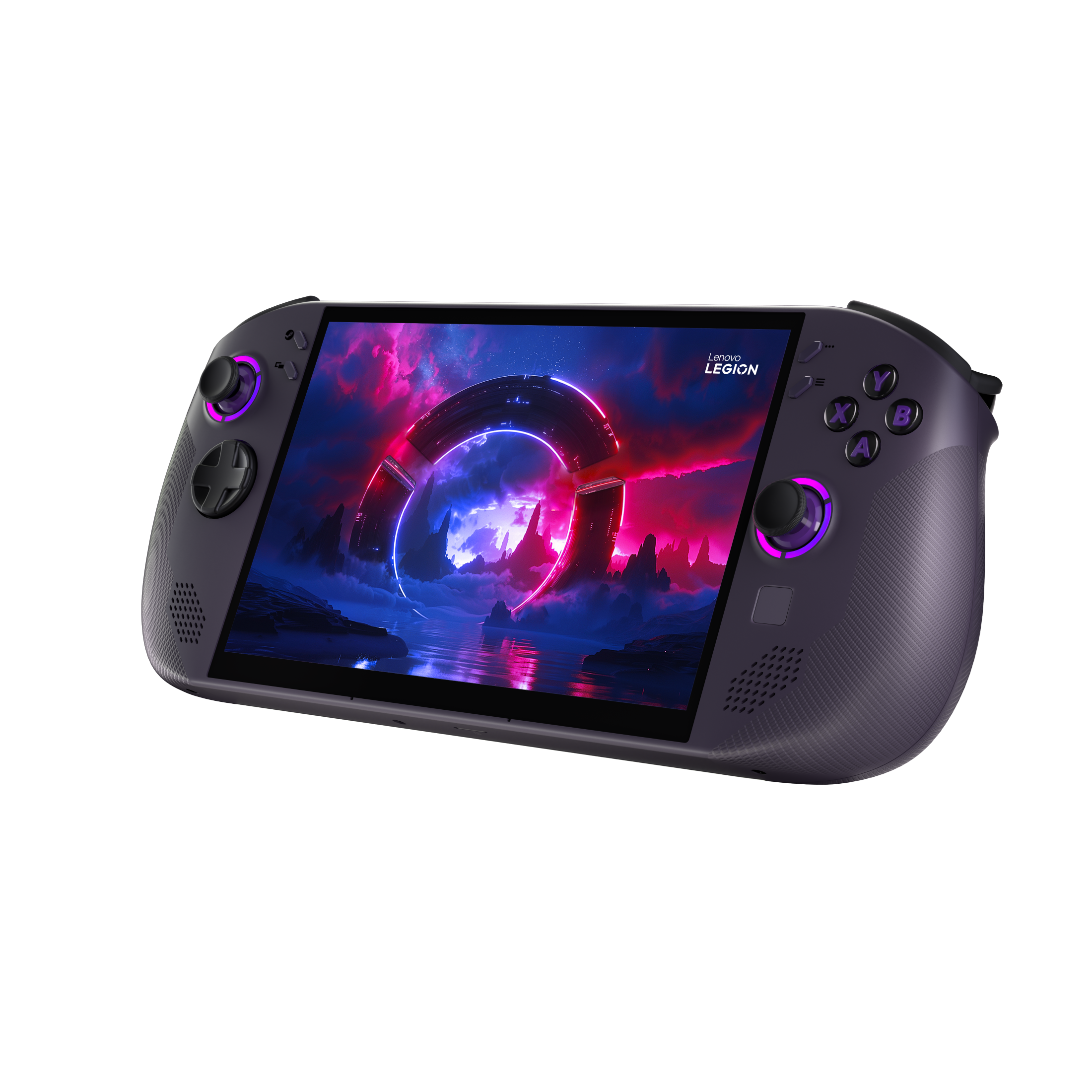
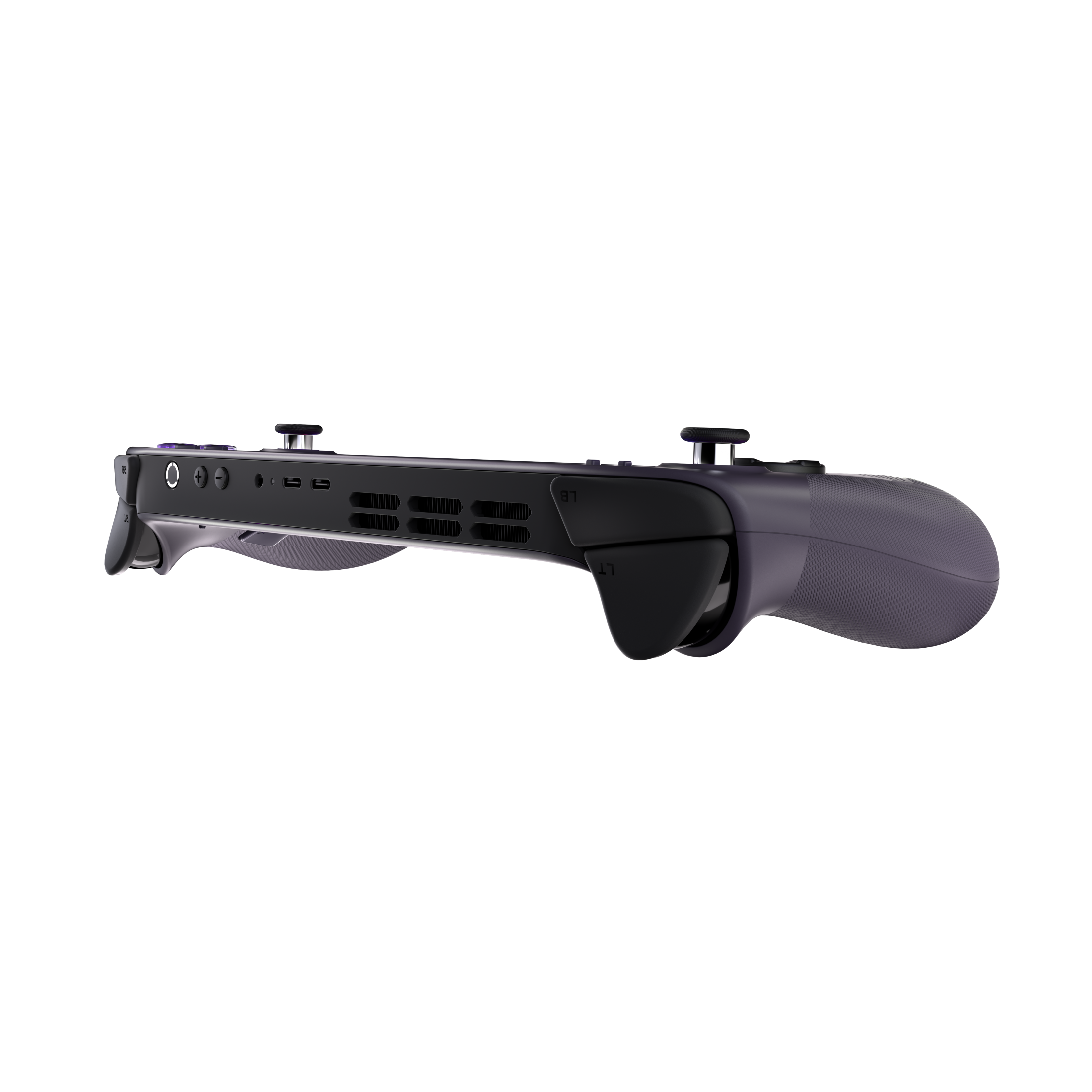
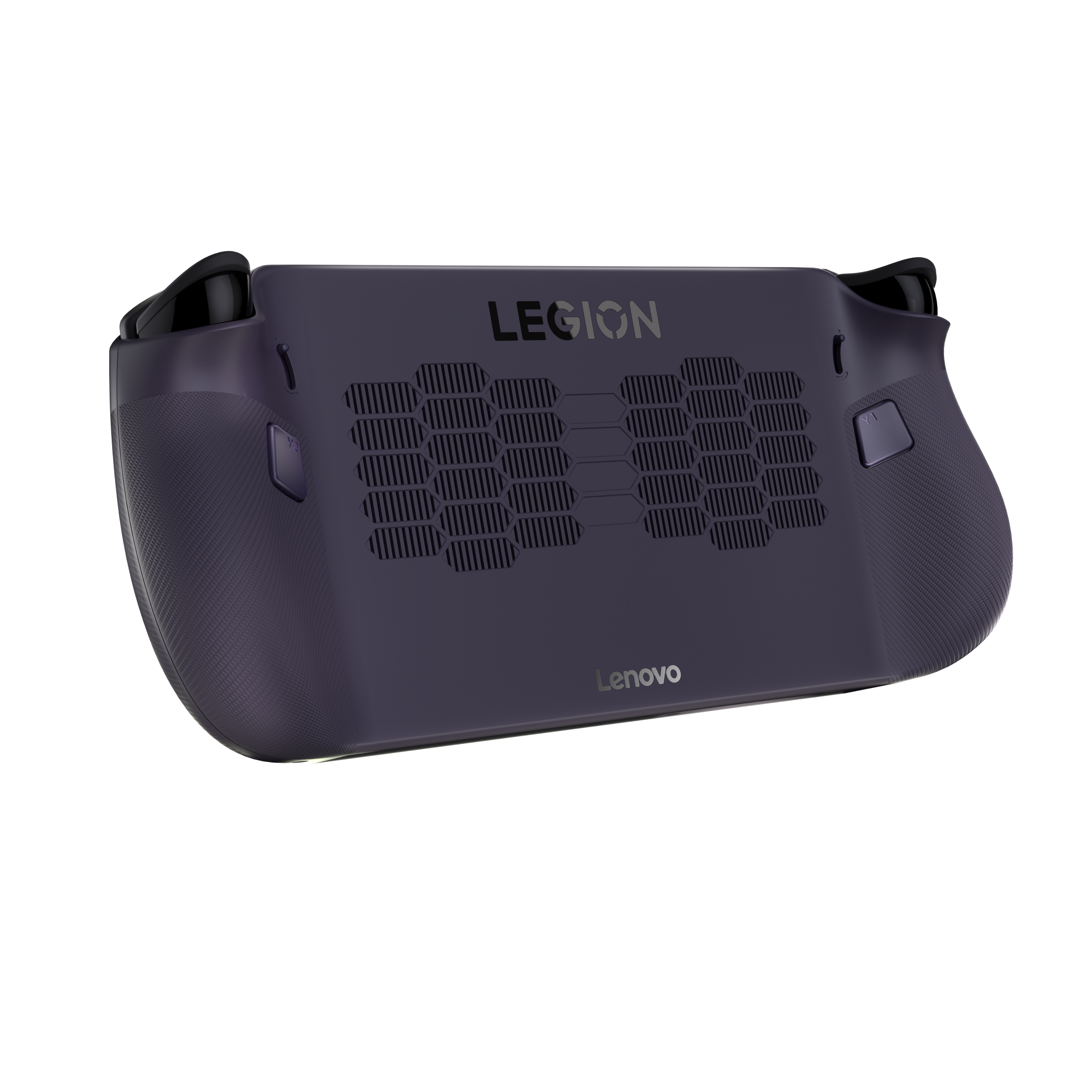
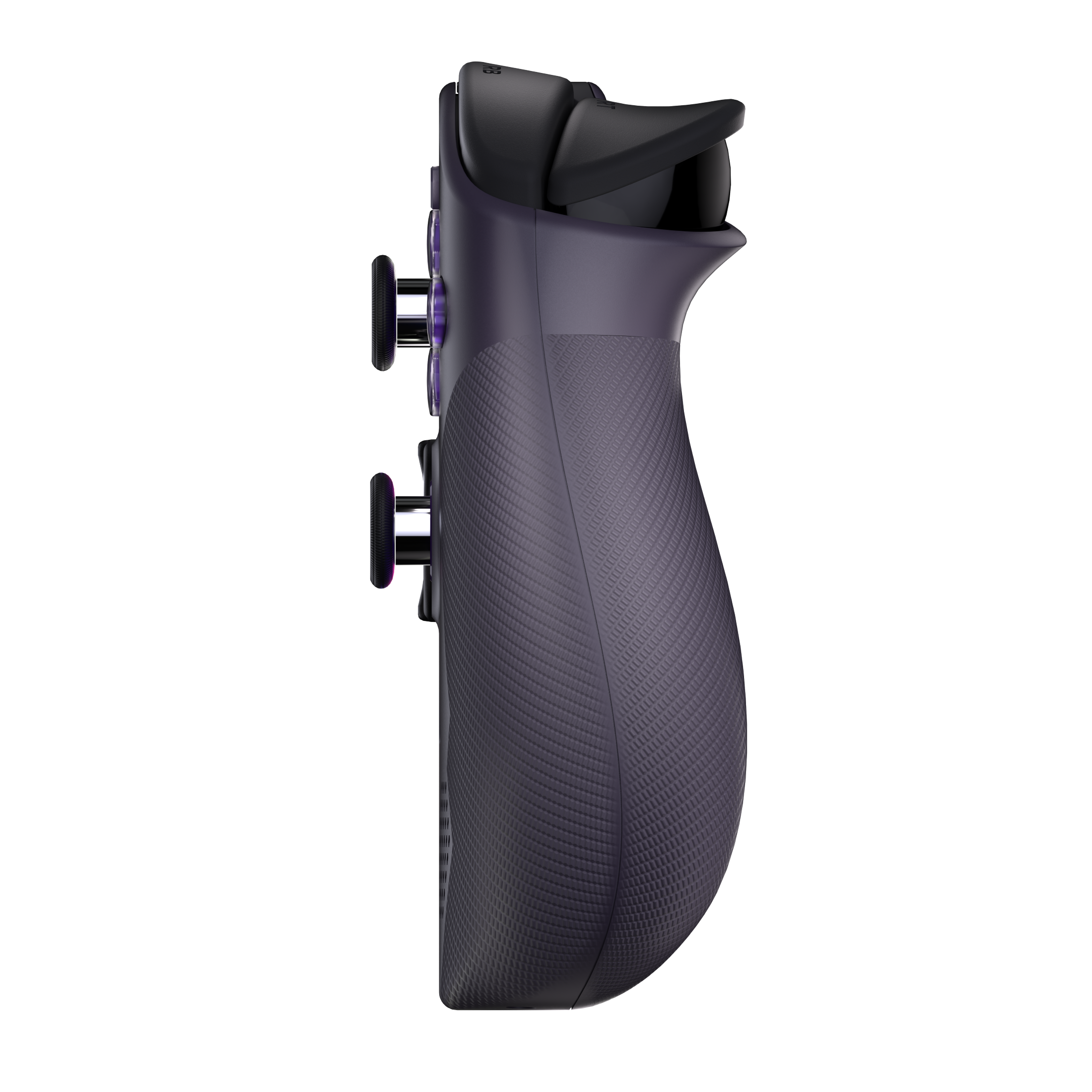
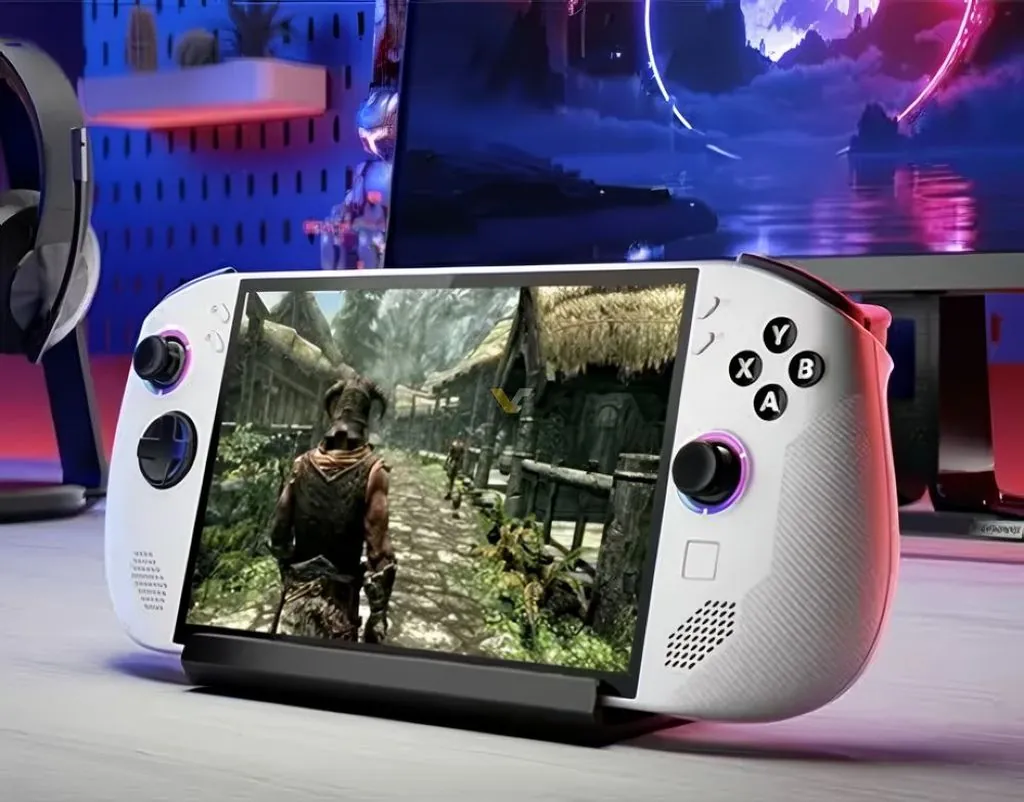
Lenovo has announced three additions to its Legion Go handheld gaming lineup at CES 2025. The new models include the Legion Go S, available in both Windows and SteamOS versions, and a prototype of the next-generation Legion Go. These devices mark Lenovo’s continued efforts in the handheld gaming market.
Lenovo Legion Go S Windows version
Lenovo Legion Go S (Windows-Based Model)
The Legion Go S (8″, 1) is a Windows-based gaming device featuring an 8-inch WUXGA (1920 x 1200) 16:10 PureSight touch display with a 120Hz refresh rate. Users can choose between the AMD Ryzen Z2 Go processor, exclusive to Lenovo, or the AMD Ryzen Z1 Extreme processor. The device supports up to 32GB of 7500MHz LPDDR5X RAM, offering robust performance for gaming needs.
It is powered by a 55.5Whr battery and weighs 1.61 lbs (730g). Connectivity options include Wi-Fi 6e, two USB 4 ports, and a microSD card reader for additional storage or connecting peripherals.
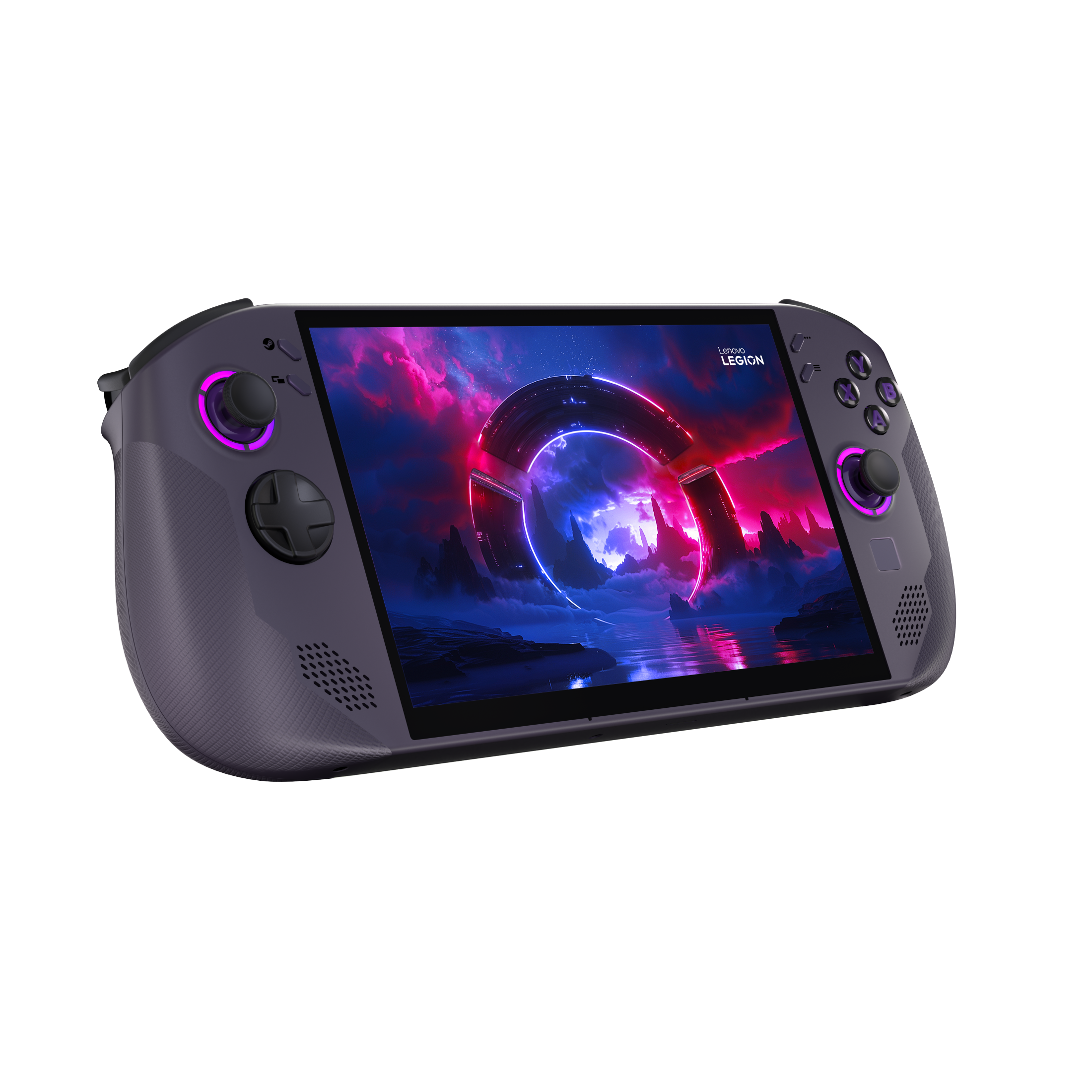
Lenovo Legion Go S (SteamOS Version)
The SteamOS version of the Legion Go S is Lenovo’s first officially licensed handheld gaming device powered by Valve’s SteamOS. The hardware is identical to the Windows model, but the operating system is tailored for gaming. SteamOS provides access to the Steam Store, Steam Library, cloud saves, and Remote Play for streaming PC games.
This version is designed for users who are heavily invested in the Steam ecosystem. It also supports the Legion Screen Protector, which features 9H hardness glass for screen protection while maintaining touch sensitivity.
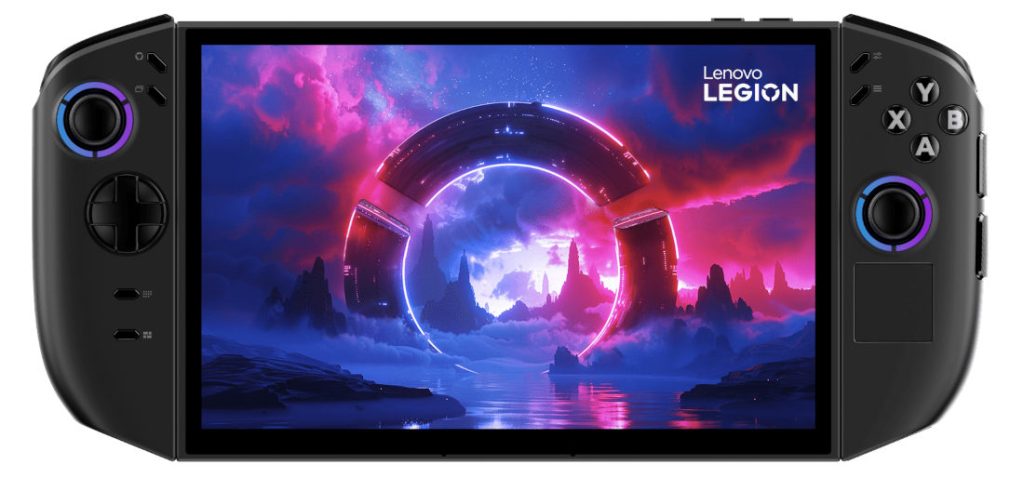
Lenovo Legion Go (8.8″, 2) Prototype
Lenovo has introduced a prototype of the next-generation Legion Go (8.8″, 2). It features an 8.8-inch OLED PureSight touch display with a resolution of 1920 x 1200, a 144Hz refresh rate, 500 nits of brightness, and Variable Refresh Rate (VRR) support for smooth gameplay.
The prototype is powered by the AMD Ryzen Z2 Extreme processor with RDNA 3.5 graphics, paired with up to 32GB of 7500MHz LPDDR5X RAM. It suggests storage options of up to 2TB SSD and includes a larger 74Whr battery. Design changes include Lenovo’s TrueStrike controllers with a rounded shape and circular D-pad for improved ergonomics.
Key Specifications Across Models
Lenovo Legion Go (Prototype)
Display: 8.8″ WUXGA (1920 X 1200) OLED 16:10 (144Hz / 97% DCI-P3 / 500 nits / 10 Point Touch)
Processor: AMD Ryzen Z2 Processor 3.3GHz
Graphics: Integrated AMD Radeon 780M Series (Z2)
Memory: Up to 32GB 7500Mhz LPDDR5X
Storage: Up to 1T PCIe SSD (Gen4)
Operating System: Windows 11
Battery: 74Whr / 4 Cells
Dimensions & Weight:
Tablet Only: (mm): 206 x 136.7 x 22.95 / (inches): 8.11″ x 5.38″ x 0.90″ / 890g / 1.96 lbs.
Tablet w/ Controllers: (mm): 295.6 x 136.7 x 42.25 / (inches): 11.64″ x 5.38″ x 1.66″ / 1079g / 2.38 lbs.
Lenovo Legion Go S (SteamOS & Windows)
Display: 8″ WQXGA (1920 X 1200) LCD 16:10 (120Hz / 500 nits / 10 Point Touch Support / 100%sRGB)
Processor: Up to AMD Ryzen Z1 Extreme (3.3Ghz, 8 Core, 16 Threads)
Graphics: Up to Integrated AMD Radeon 700M Series
Memory: Up to 32GB 6400Mhz LPDDR5X
Storage: Up to 1T PCIe SSD (Gen4) (2242, 2280 compatible)
Operating System: SteamOS
Battery: 55.5Whr / 3 Cells
Dimensions & Weight: (mm): 299.0mm x 127.55mm x 22.6mm / (inches): 11.77″ x 5.02″ x 0.88″ / 740g / 1.63 lbs.
The Lenovo Legion Go S (8″, 1) will be available starting January 2025, with a starting price of USD 729.99. Additional configurations are expected to launch in May 2025, starting at USD 599.99. The SteamOS-powered version of the Lenovo Legion Go S (8″, 1) is also set to be available in May 2025, with a starting price of USD 499.99.
Xiaomi has launched the new Mijia Corded Vacuum Cleaner in China, featuring an upgraded cyclone motor while retaining the specifications of the 2022 model. It is priced at 189 yuan ($26) and is available on Xiaomi Youpin. Let’s check out its key specs.
Mijia Corded Vacuum Cleaner Specifications
The vacuum cleaner sports a powerful 16kPa suction, generated by an upgraded cyclonic airflow design and a 600W high-performance motor. This combination allows it to effortlessly lift dust, dander, and other debris from various surfaces.
The product comes with a newly upgraded gun-style design, enhancing ergonomics and ease of use. It equips a 0.5L transparent dust cup, making it easy to see when it needs emptying. The dust cup is easily detachable for convenient, one-handed emptying, keeping hands clean.
The redesigned structure, coupled with optimized airflow and a dust separation cyclone tower, delivers powerful suction for thorough cleaning throughout the house. The device offers a wide operating radius of up to 6 meters, thanks to a 5-meter exposed power cord and a 1-meter body extension.
The product is equipped with a 5-layer filtration system, capable of capturing 99.7% of particles, including microdust and allergens as small as 0.3 microns. Its advanced filtration system includes a cyclone dust separation channel, a stainless steel micro-mesh, a high-density filter cotton layer, and a filter core, all designed to ensure clean and allergen-free air exhaust. These filters are washable, making the unit both eco-friendly and cost-effective.
For added versatility, it comes with multiple attachments, including a slim 4cm floor brush, a crevice nozzle, and a bristle brush, enabling users to tackle different cleaning tasks with ease. The floor brush, with its 240mm wide suction port, effectively covers a large cleaning area and can clean under low furniture without needing to move heavy items.
The vacuum cleaner is constructed from durable ABS material and features a one-button switch for easy operation and closely spaced linear vents for efficient heat dissipation.
Xiaomi also recently introduced the Xiaomi Smart Dumbbells, featuring motion sensors, an LED display, and app integration, alongside the Xiaomi Mijia Top-Flow Pro Air Conditioner, which offers rapid cooling and heating capabilities and runs on HyperOS.
At CES 2025 in Las Vegas, the HDMI Forum pulled the curtain back on HDMI 2.2, the latest upgrade to the ubiquitous video/audio standard. Promising twice the speed of its predecessor and better synchronization between audio and video, HDMI 2.2 sounds like a big deal on paper. But what does this really mean for the average consumer? Let’s break it down.
Let’s start with the headline: HDMI 2.2 doubles the bandwidth of HDMI 2.1, jumping from 48 Gbit/s to a staggering 96 Gbit/s. For context, HDMI 2.1 supports 4K at 144 frames per second (fps), which is already more than enough for most gamers and cinephiles.
But with HDMI 2.2, we’re now looking at support for 8K at 240 fps and 4K at a whopping 480 fps. There’s more — even 12K and 16K resolutions are technically possible too, but those are future-proof features that will likely be more for marketing than immediate practicality.
According to the HDMI Forum, the doubled bandwidth will enable improvements in data-intensive applications such as AR (augmented reality) and VR (virtual reality) and commercial applications such as large-format illuminated signage, medical imaging, and machine vision.
2. A Solution to Audio-Video Lag
One of the more tangible benefits of HDMI 2.2 is the introduction of the Latency Indication Protocol (LIP). If you’ve ever noticed that the audio from your soundbar is just a half-second behind the video on your TV, you’ll appreciate this feature.
LIP aims to reduce that lag by syncing audio and video more precisely, especially in setups involving AV receivers or soundbars. The new protocol allows TVs to read timing information from connected devices to smooth out delays. It’s a quality-of-life improvement that home theater enthusiasts will appreciate.
3. New Cables (Sort of)
Here’s the inevitable part: HDMI 2.2 comes with a new cable specification. Dubbed Ultra96, these cables are designed to handle the full 96 Gbit/s bandwidth. However, before you panic and start budgeting for a complete rewiring of your entertainment center, there’s good news.
The physical HDMI port isn’t changing. In other words, your existing HDMI cables will still fit into HDMI 2.2 ports. For most current use cases—like 4K at 120 Hz gaming or movie nights with your Blu-ray player—your existing ultra-high-speed HDMI cables will likely do just fine. Ultra96 cables will only be necessary if you’re planning to take full advantage of HDMI 2.2’s maximum bandwidth.
There is a small catch. Cables longer than 3 meters might start showing limitations, and devices pushing resolutions beyond 4K could require digital compression (DSC). For shorter runs, your current setup is probably safe for now.
4. What About Gaming?
HDMI 2.2 could finally challenge DisplayPort’s dominance in high-refresh-rate gaming. HDMI 2.1 already supports 4K at 120 fps, but DisplayPort has been the go-to for higher refresh rates like 240 fps. With HDMI 2.2, that line starts to blur.
The added bandwidth means 4K gaming at 240 fps could become a reality, all while benefiting from HDMI’s other features like eARC (enhanced Audio Return Channel) and HDMI-CEC for device control. This could make HDMI 2.2 the default for TVs, soundbars, and AV receivers, giving gamers more options outside the traditional monitor setup.
5. Not Every Device Will Have It All
The HDMI Forum has maintained its tradition of allowing manufacturers to choose which features to implement. This means that while HDMI 2.2 opens the door to new possibilities, not every device will offer the maximum performance. For example, a gaming console might cap out at 40 Gbps even if the HDMI 2.2 standard allows for 96 Gbps.
This flexibility isn’t necessarily a drawback. In practice, even HDMI 2.1’s 40 Gbps is more than adequate for 4K gaming at 120Hz. As such, HDMI 2.2’s higher bandwidth will likely be reserved for future applications and display technologies that go beyond what is currently available.
6. How Soon Will HDMI 2.2 Hit the Market?
Don’t expect HDMI 2.2-enabled devices to be available on the market anytime soon. If we look at past trends, it may take a few years before consumers see widespread adoption. HDMI 2.1 was introduced in 2017 but only became standard in TVs around 2020/2021. So the first HDMI 2.2 products could take a year or more to appear on the market.
And the rollout will likely be staggered. Premium TVs and gaming monitors may adopt the technology first, and over time, HDMI 2.2 will trickle down to mid-range and entry-level products, following the pattern seen with previous HDMI versions.
7. The Future of TV
The real question isn’t whether HDMI 2.2 will improve picture quality—it will—but whether the content will be there to match. Native 8K content is rare, and 8K TVs themselves are niche products. While gaming PCs can push resolutions and frame rates to the limit, most streaming services and Blu-rays are still operating in the 4K realm.
There’s also the issue of display technology. Many TVs today max out at 10-bit color depth, while HDMI 2.2 is capable of handling 12-bit. Until display panels catch up, some of HDMI 2.2’s capabilities will remain theoretical.
8. Conclusion: Don’t Sweat It Yet
HDMI 2.2 is exciting, but it’s more about laying the groundwork for future tech than offering immediate, must-have upgrades. For now, there’s no rush to buy new cables or gear.
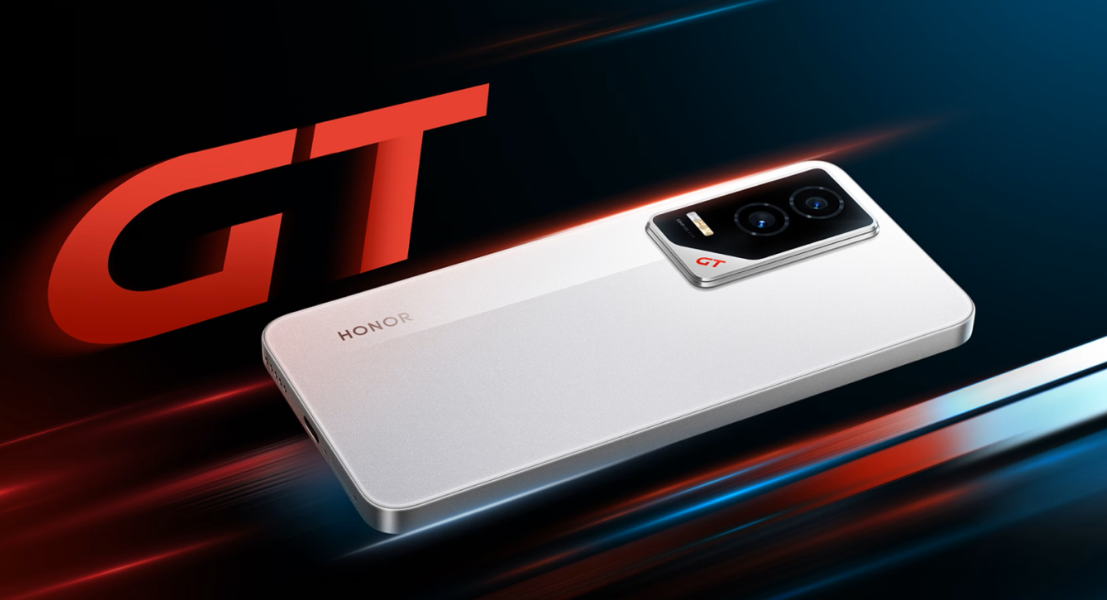
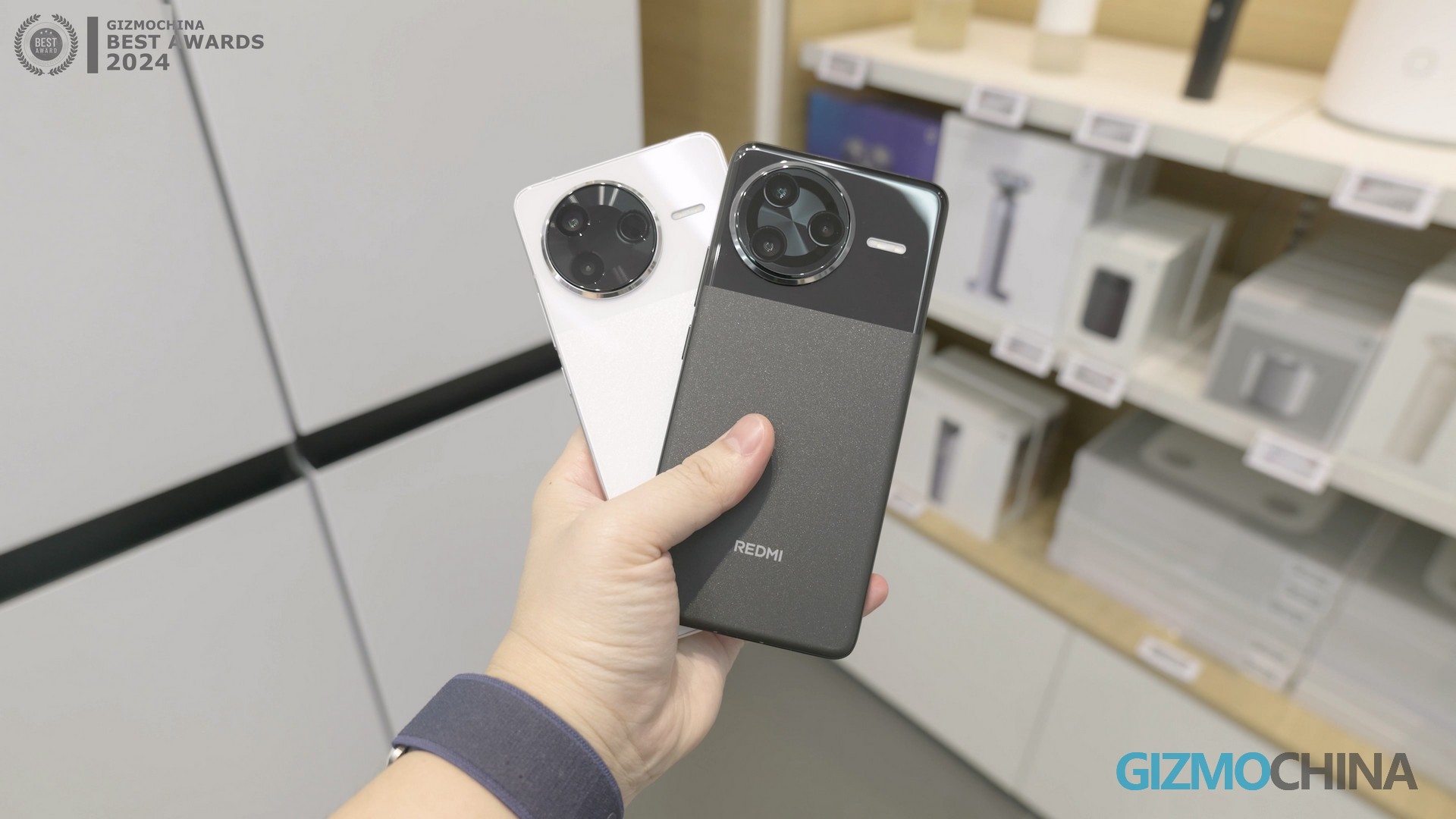
Choosing between the Redmi Turbo 4 and the Honor GT highlights the evolving competition in mid-range smartphones, where performance, design, and value are more critical than ever. Both devices pack impressive features, but their unique strengths cater to different user needs. This comparison dives into key aspects like design, specs, cameras, and pricing, to help you decide which device aligns better with your lifestyle and priorities.
The Redmi Turbo 4 impresses with an IP68 rating, offering superior water and dust resistance compared to the IP65 rating of the Honor GT. Both phones feature AMOLED displays with 120Hz refresh rates, but the Turbo 4 edges ahead with Dolby Vision, HDR10+, and HDR Vivid support, alongside a peak brightness of 3200 nits, making it exceptional for outdoor viewing. The Honor GT counters with a slightly larger 6.7-inch display and a screen-to-body ratio of ~90.8%, offering a more immersive viewing experience. However, its 4000 nits peak brightness feels overly niche, primarily benefiting HDR content.
The Redmi Turbo 4 takes the lead for display quality, thanks to its HDR capabilities and extreme brightness, while the Honor GT is more visually appealing with a slimmer bezel design.
2. Specifications
Honor GT
The Honor GT packs the cutting-edge Snapdragon 8 Gen 3 chipset, delivering unmatched performance, especially for gaming and multitasking. Meanwhile, the Redmi Turbo 4’s Dimensity 8400 Ultra is no slouch but falls slightly behind in raw power. The Redmi Turbo 4 boasts a larger 6550 mAh battery with 90W fast charging, whereas the Honor GT offers a smaller 5300 mAh battery but compensates with faster 100W charging and 5W reverse charging.
The Honor GT’s chipset and faster charging are ideal for performance enthusiasts, but the Redmi Turbo 4’s larger battery is a better choice for power users needing extended uptime.
3. Camera
Honor GT
The Redmi Turbo 4 sports a 50MP f/1.5 main sensor, promising better low-light performance with a larger aperture. Its secondary 8MP ultrawide sensor, while adequate, is outshined by the Honor GT’s 12MP ultrawide with autofocus, which offers greater versatility. Honor GT’s main camera also features a larger sensor size but has a narrower aperture, affecting low-light photography slightly. Both phones excel in video capture, offering 4K and gyro-EIS.
The Redmi Turbo 4’s superior aperture is better for night shots, while the Honor GT’s ultrawide camera stands out for versatility, making it a better choice for diverse photography needs.
4. Pricing
The Redmi Turbo 4 is priced at around $290, while the Honor GT costs approximately $310. Considering the Honor GT’s advanced chipset and slightly better camera setup, the additional cost seems justified for users prioritizing performance and versatility. Conversely, the Redmi Turbo 4 delivers excellent value for those focused on display quality and battery life.
Both phones are competitively priced, but the choice depends on individual priorities. Redmi Turbo 4 suits budget-conscious users, while the Honor GT offers better overall performance for a marginally higher price.
The Redmi Turbo 4 features cutting-edge HDR standards and a massive battery, making it ideal for media consumption and extended usage. The Honor GT stands out with reverse wired charging, Wi-Fi 7 compatibility, and the latest Snapdragon 8 Gen 3, ensuring future-proof performance. Both offer premium builds, but the Turbo 4’s IP68 rating and exceptional brightness are rare at this price.
Redmi Turbo 4 caters to everyday users who prioritize longevity and visuals, while the Honor GT appeals to tech enthusiasts seeking top-tier performance and unique features like Wi-Fi 7.
Motorola has launched the Moto G05 in Europe, the Middle East, Latin America, and Asia-Pacific last month. Now, it has brought the same entry-level device to the Indian market. Though the price of the Moto G05 is affordable, the phone carries a number of prominent and useful features.
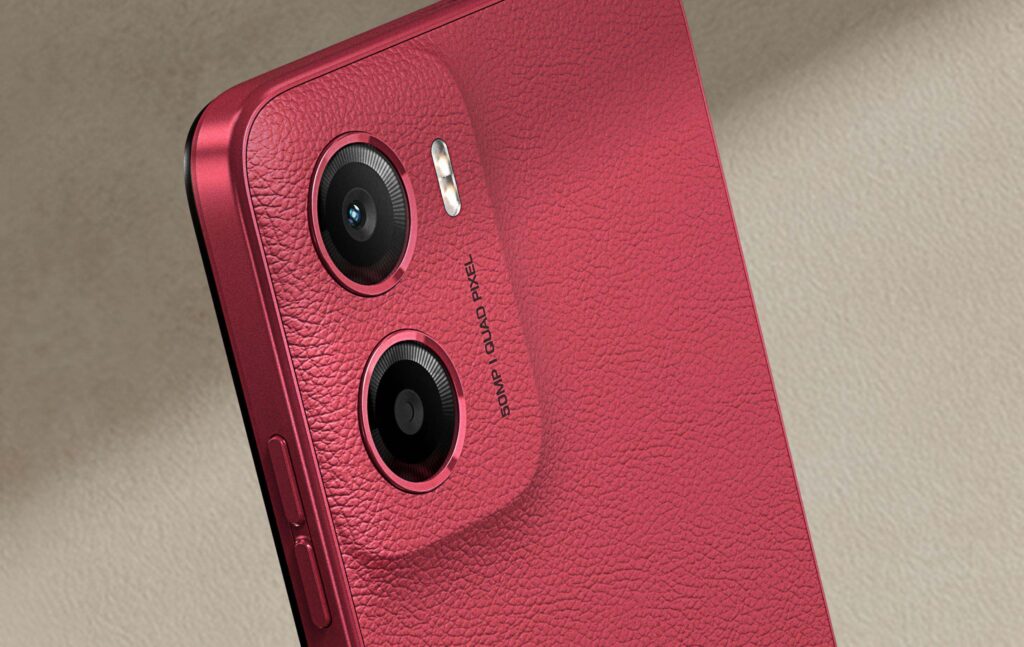
Moto G05 in Palm Red color
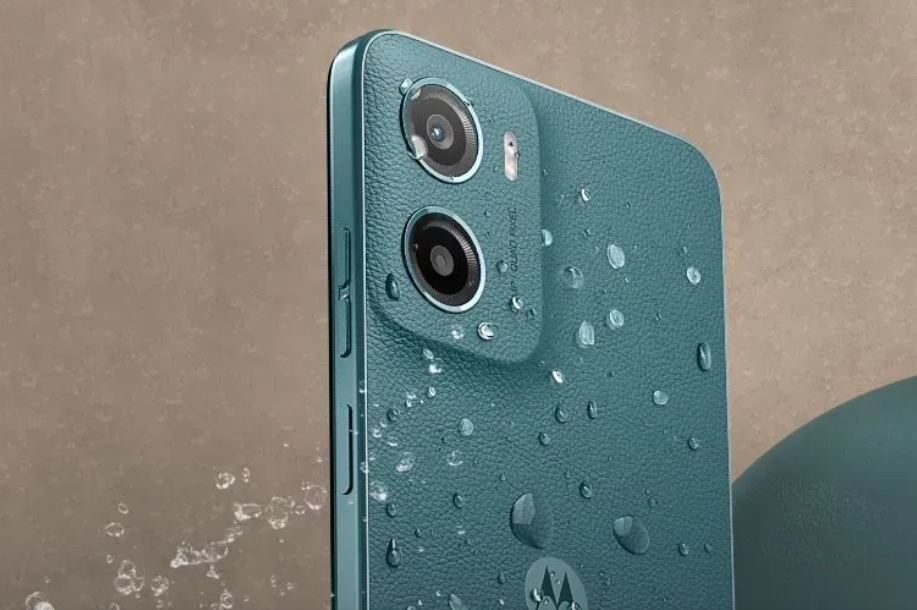
The Moto G05 is something special in its class with a (sort of) premium design. Its back panel has a vegan leather finish, and that gives it a premium feel. It comes in two color options: Palm Red and Forest Green. This is paired with an IP52 water-repellent finish, Corning Gorilla Glass 3 on the front, and a side-mounted fingerprint scanner.
Price and availability
The Moto G05 comes only in a 4GB + 64GB configuration. This will be on sale in India from January 13 at 12 PM IST through Flipkart as well as the Motorola website. Priced at just Rs. 6,999, the Moto G05 offers great value for money.
Specifications and features
The phone packs a 50-megapixel main camera and an 8-megapixel front-facing shooter. The hardware is standard for this segment, but Motorola has included some interesting software-based enhancements.
The AI-powered portrait mode delivers impressive edge detection and creates a professional-looking background blur. Additionally, the front camera automatically switches to “group mode” when the phone is rotated to landscape orientation, making group selfies more convenient.
Under the hood, the Moto G05 runs on the MediaTek Helio G81 Extreme SoC, a notable upgrade from the Unisoc T606 found in the Moto G04. The phone features a 6.67-inch HD+ (720 x 1,612 pixels) LCD display with a 90Hz refresh rate—slightly larger than its predecessor’s 6.56-inch panel.
The display achieves a peak brightness of 1,000 nits, making it one of the brightest LCDs in its class. It comes with Motorola’s “Display Color Boost” that brightens up dark areas and saturates colors for better visibility outdoors.
The Moto G05 has a battery capacity of 5,200mAh, up from 5000mAh of the Moto G04. This G05 supports fast charging at 18W using a USB Type-C port. Android 15 is preinstalled, along with Motorola’s Hello UI, making it fresh and user-friendly out of the box. And if you are already using a Motorola device, here’s the complete list of devices that will receive Android 15.
The phone measures 165.67 x 75.98 x 8.10mm and weighs 188.8g. It also has a 3.5mm headphone jack, which is going to be rare for devices in 2025. However, it lacks 5G support, which might be a disadvantage for some users. It only offers dual 4G LTE connectivity. Nonetheless, for the price, the Moto G05 offers a well-rounded package, combining a premium feel, useful features, and reliable performance.
Asus has officially launched the Zenbook 14 (2025) series. This latest iteration boasts cutting-edge Intel Core Ultra/Ryzen AI processors, vibrant OLED displays, and a host of user-centric features, making it a compelling choice for both creators and everyday users. Let’s check out its key specs.
Asus Zenbook 14 (UX3405CA) comes in multiple configurations, catering to diverse user needs. At its core, the laptop is powered by either an Intel Core Ultra 9 285H, Ultra 7 265H, or the AMD Ryzen AI 7 350 processor, depending on the variant. It is paired with up to 32GB of LPDDR5X-7467 RAM and 1TB PCIe 4.0 SSD storage.
The laptop features a stunning 14-inch Lumina OLED display available in two resolution options: a 1920×1200 model with a 60Hz refresh rate and a 2.8K model with a 120Hz refresh rate. It comes with 100% DCI-P3 color gamut support and 600 nits peak brightness, ensuring vibrant and accurate colors. It delivers exceptional visuals with HDR compatibility, a 1,000,000:1 contrast ratio, and TÜV-certified hardware-level blue light reduction. The display also supports 0.2ms response time, ensuring smooth performance for gaming and content creation.
Asus has paid close attention to portability with this new model. The Zenbook 14 features a lightweight (approximately 1.19kg) and slim (14.9mm profile) chassis crafted from a premium aluminum and magnesium alloy. It offers an impressive 18-hour battery life powered by a 75Wh battery that supports wide-range charging from 5-20V, including power bank compatibility.
In terms of connectivity, it includes two Thunderbolt 4 ports, one USB-A 3.2 Gen 1 port, an HDMI 2.1 port, and a 3.5mm audio jack, providing versatility for a wide range of peripherals.
The 2025 Zenbook 14 introduces several enhancements to improve user experience. The laptop includes an exclusive Copilot key on its ErgoSense keyboard, allowing quick access to AI-powered tools. The AI assistant tool provides tools like document summarization, AI art generation, and voice command controls.
For touch variants, the device offers optional smart gestures that enable users to adjust brightness, volume, and video playback directly from the touchpad. It also includes AI-powered noise reduction for video calls and dual microphones, along with a 1080p IR webcam with motion tracking and privacy features.
2. Pricing and Availability
Asus Zenbook 14 (UX3405CA) starts at $1,000 for the base model with an Intel Core Ultra 7 265H, 16GB RAM, 512GB storage, and a 1920×1200 OLED display.
The premium variant, priced at $1,300, includes an Intel Core Ultra 9 285H, 32GB RAM, 1TB storage, and a 2.8K 120Hz OLED screen.
The laptops will launch in China on January 13, 2025, with a global release on February 10, 2025, and more configurations arriving by March 16, 2025.
MSI has unveiled their MEG VISION X AI 2nd gaming desktop at CES 2025, earning two CES Innovation Awards for its innovative design and technical capabilities. This new system represents MSI’s latest advancement in high-performance computing for both gaming and creative work.
Smarter Control with AI HMI
The desktop’s most notable feature is its 13-inch FHD AI HMI touchscreen that functions as an intelligent control center. This screen comes equipped with built-in speakers and a microphone, enabling users to interact with MSI’s suite of AI applications. The system actively monitors user activity patterns and automatically adjusts settings to optimize performance. Users can customize their experience through various widgets, while the screen doubles as a secondary display to enhance productivity and creative workflows.
Powerful Performance and Storage
For processing capabilities, MSI has chosen top-tier components, incorporating NVIDIA GeForce RTX 50 Series GPUs alongside Intel Core Ultra 9 285K processors. The system’s architecture includes 4 DDR5 UDIMM slots and utilizes SSD Gen 5.0 technology, delivering a significant 1.18x improvement in AI model training speed. To ensure consistent performance during demanding tasks, MSI has implemented an additional 8-pin PCIe power connector, providing stable power delivery to the GPU.
Advanced Cooling
The cooling solution, named Silent Storm Cooling AI, demonstrates MSI’s attention to thermal management. This system employs a dedicated air chamber design and AI-controlled fans, working in conjunction with comprehensive SSD temperature monitoring. The addition of Glacier Armor heatsinks achieves a notable 25% reduction in component temperatures during intensive operations, helping maintain optimal performance levels.
Faster Connectivity with Wi-Fi 7
Connectivity has been enhanced with the integration of Wi-Fi 7 technology, enabling transfer speeds of up to 5.8 Gbps – a 2.4x improvement over previous standards. This upgrade significantly improves streaming quality, file transfer speeds, and overall wireless performance for users requiring high-bandwidth connections. Details about the pricing and availability of the MEG VISION X AI 2nd Gen gaming desktop will be announced at a later date. Stay tuned for updates.
Lenovo has just unveiled the Legion Go S series of handheld gaming consoles. But as the portable gaming console market gets new entries every year, it’s harder for Lenovo to stand out. So let’s see what makes the Lenovo Legion Go series special.
The company expanded its gaming handheld lineup with three new models at CES 2025. This includes a Windows based model along with a special SteamOS powered version. But that’s not all, there was a prototype of a future high-performance model as well.
This makes the Legion Go S the first handheld outside of the Steam Deck to support SteamOS. While Windows is a popular platform for PCs, SteamOS is designed with gaming in mind. It was built to offer a console like experience and various quality of life features to streamline the experience.
These optimizations have enabled the Steam Deck running on SteamOS 3.0 to even offer higher gaming performance. So despite the compact form factor, it offers decent performance even in AAA games.
2. Specifications
On the front, the Legion Go S sports an 8-inch LCD display with a 16:10 aspect ratio, 120Hz refresh rate, 500 nits of peak brightness, touch support, 100% sRGB color gamut, and 1920 x 1200 resolution. Under the hood, this gaming handheld is equipped with up to an AMD Ryzen Z1 Extreme and Integrated AMD Radeon 700M series.
This processor is paired with up to 32GB of 6400MHz LPDDR5X RAM and up to 1TB of PCIe SSD Gen4 storage. A sizeable 55.3Whr battery pack powers both the SteamOS and Windows models, which support 65W wired fast charging via USB Type C. For audio, gamers get a twin 2W integrated speaker along with an audio jack combo as well.
Other notable features include WiFi 6E, Bluetooth 5.3, one microSD card reader, two USB4 ports, and 740 grams in weight. Lenovo launched the Legion Go S in two color options, namely Glacier White (Windows) and Nebula Violet (SteamOS).
3. Pricing and Verdict
The Windows variant Lenovo Legion Go S was announced with a starting price tag of $729, with additional configurations expected to launch for around $599. On the other hand, the Lenovo Legion Go S powered by SteamOS is expected to launch for around $499, making it more affordable than the Windows options.
So it is in line with most handheld gaming consoles in the market right now in terms of both specs and pricing. But the SteamOS definitely makes it a handheld to look out for.
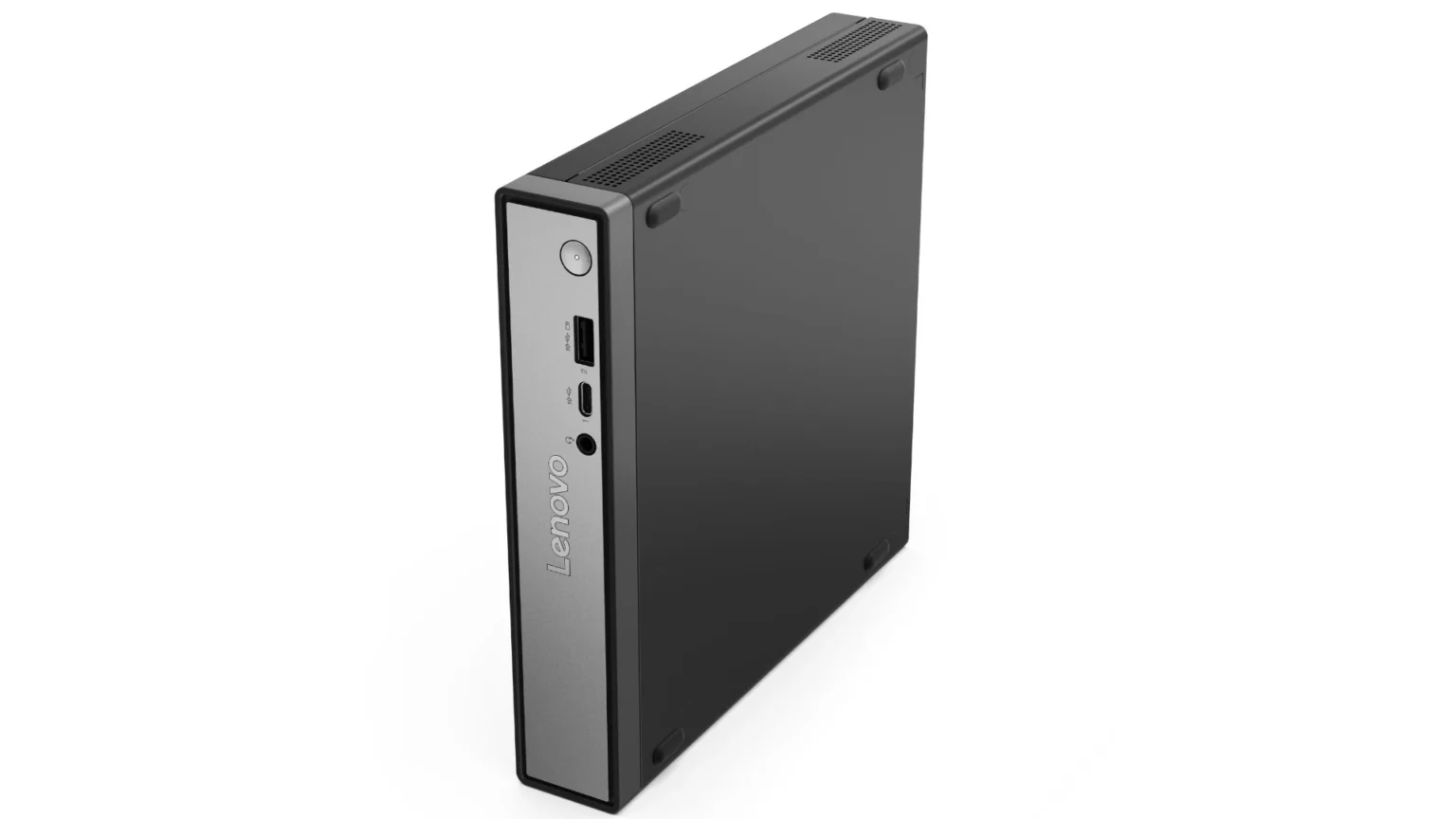
Lenovo has officially unveiled its new Snapdragon X series powered ARM mini desktop PC. The Windows based mini PC is called the IdeaCentre Mini x, which brings capable performance in a compact form factor. But Apple recently took the mini PC market by storm with the M4 powered Mac Mini (review). So can Lenovo take on the iPhone maker with its latest ARM mini PC? Read on to find out.
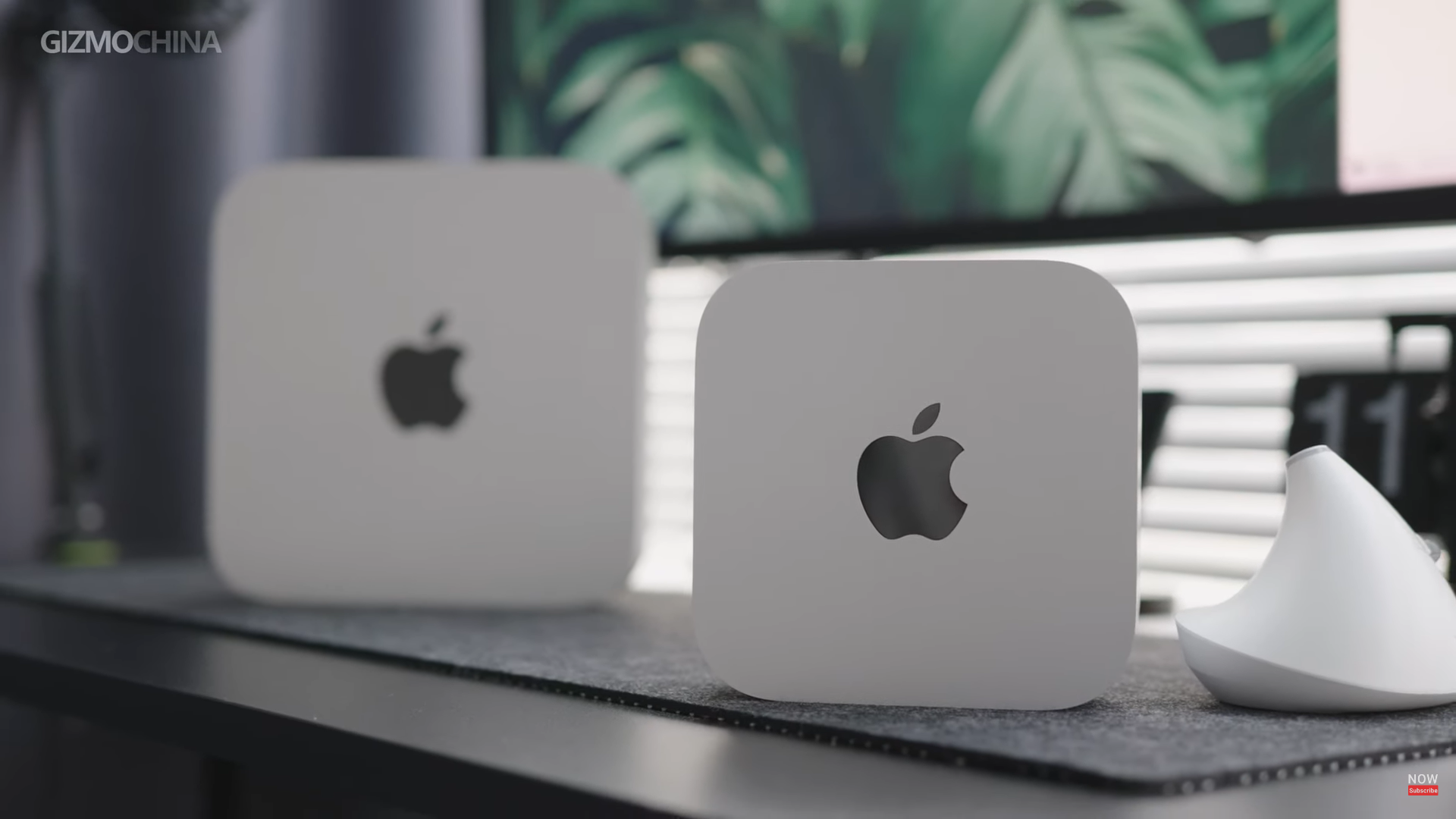
Apple is known for the premium design and build quality that it offers on its products. The Mac mini is no exception, bringing the metal body in a compact form factor. The Cupertino based giant took things a step further, packing impressive specs in a body that measures just 2 inches in height and width and 5 inches in depth. It also measures just 1.6 kilograms, making it very light and portable.
But challenging the new Mac mini is Lenovo with the IdeaCentre Mini x. With the demand for smaller more eco-friendly devices growing, the global mini PC saw a rise in 2024. So to meet the growing interesting in compact computing, Lenovo introduced its first mini desktop computer that uses Qualcomm processors for impressive specs that take up very little space.
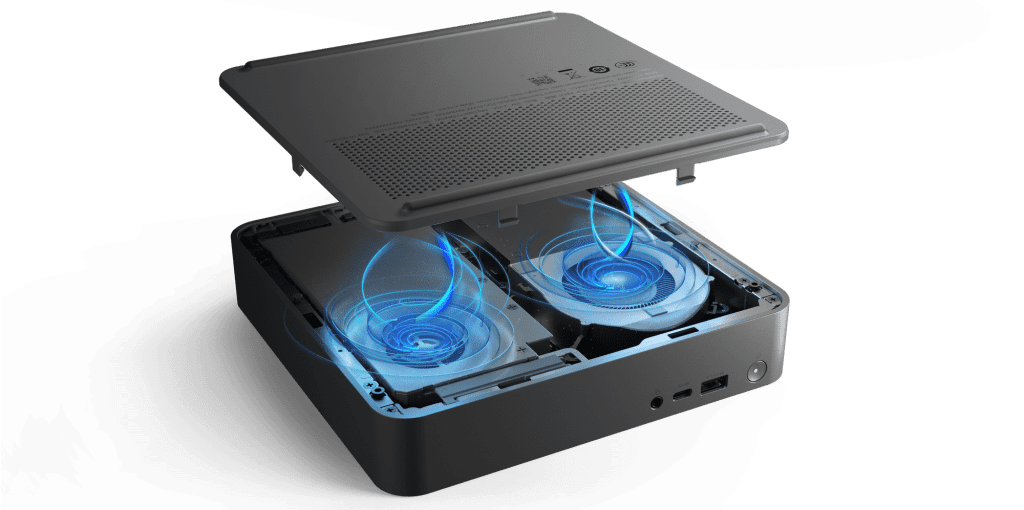
Just like the Mac mini, it features metal accents but with a 1 liter sized body (7.6 x 7.5 x 1.6 inches) that weighs 1.8 kilograms. In other words, it brings productivity that takes up very little space. The case is also made easy to open, which is helpful for users wanting to make upgrades. It is not fanless and packs fans for thermal dissipation.
2. Performance
Apple’s Mac mini is equipped with the M4 processor which has proven to be quite powerful. Despite its small body, the brand designed this mini PC to be used for both office use, video editing, and other kinds of productivity. Meanwhile, Lenovo’s new Mini ARM PC is powered by Qualcomm’s Snapdragon X series of chips. This includes the Snapdragon 8 Elite and Snapdragon 8 Plus.
The Snapdragon X Plus has already proven to outperform the Apple M2 and M3 chips in Cinebench, while the Snapdragon 8 Elite offers performance similar to the M4. While Apple still takes the lead in single core performance by a small margin, the Snapdragon X Elite is quite competitive in the multi core benchmarks. So depending on the applications you use, the choice may matter between Windows or MacOS platforms.
3. Ports
Apple only offers a limited selection of ports on the M4 Mac mini. You get 2x USB-C, 3x Thunderbolt 4 (USB-C), HDMI, 3.5mm headphone jack, and Ethernet. On the other hand, the IdeaCentre Mini x has a 1x USB-A 3.2 Gen 2, 1x USB-C 3.2 Gen 2, and a headphone jack on the front. Meanwhile, the rear has 2x USB-A 3.2 Gen 2, 1x USB-A 2.0, 1x USB-C 4, 1x HDMI 2.1, 1x DisplayPort 1.4 connection, and an ethernet port. So Lenovo clearly has an advantage in this regard.
4. Pricing & Verdict
Both mini PCs are quite similar in terms of pricing as well. The latest Mac mini starts from 599 US Dollars, which makes it a competitive choice for users who need performance on a set budget. While it’s great that Apple finally starts the base option with 16GB of RAM, there is only 256GB on the starting model.
The exact starting configuration of the Lenovo IdeaCentre Mini x is still unclear, but we do know that it carries a $659.99 starting price. It goes up to 32GB of RAM and up to 1TB of internal storage, so the base option may include 16GB RAM with 512GB storage.
All of this combined, makes Lenovo’s new ARM mini PC a great alternative to Apple’s Mac mini. ARM still has some annoyances on Windows, which is predominantly used by x86 based processors. But later iterations can make Windows an even more viable rival to the Mac mini.
The year 2024 has been an incredible one for smartphones, with every category pushing boundaries and redefining innovation in mobile technology. From budget-friendly options to premium flagships, rugged devices to foldables, and even phones tailored for gaming or vlogging, this roundup highlights the absolute best smartphones of 2024 in their respective categories. So let’s have a final look at the Best of 2024.
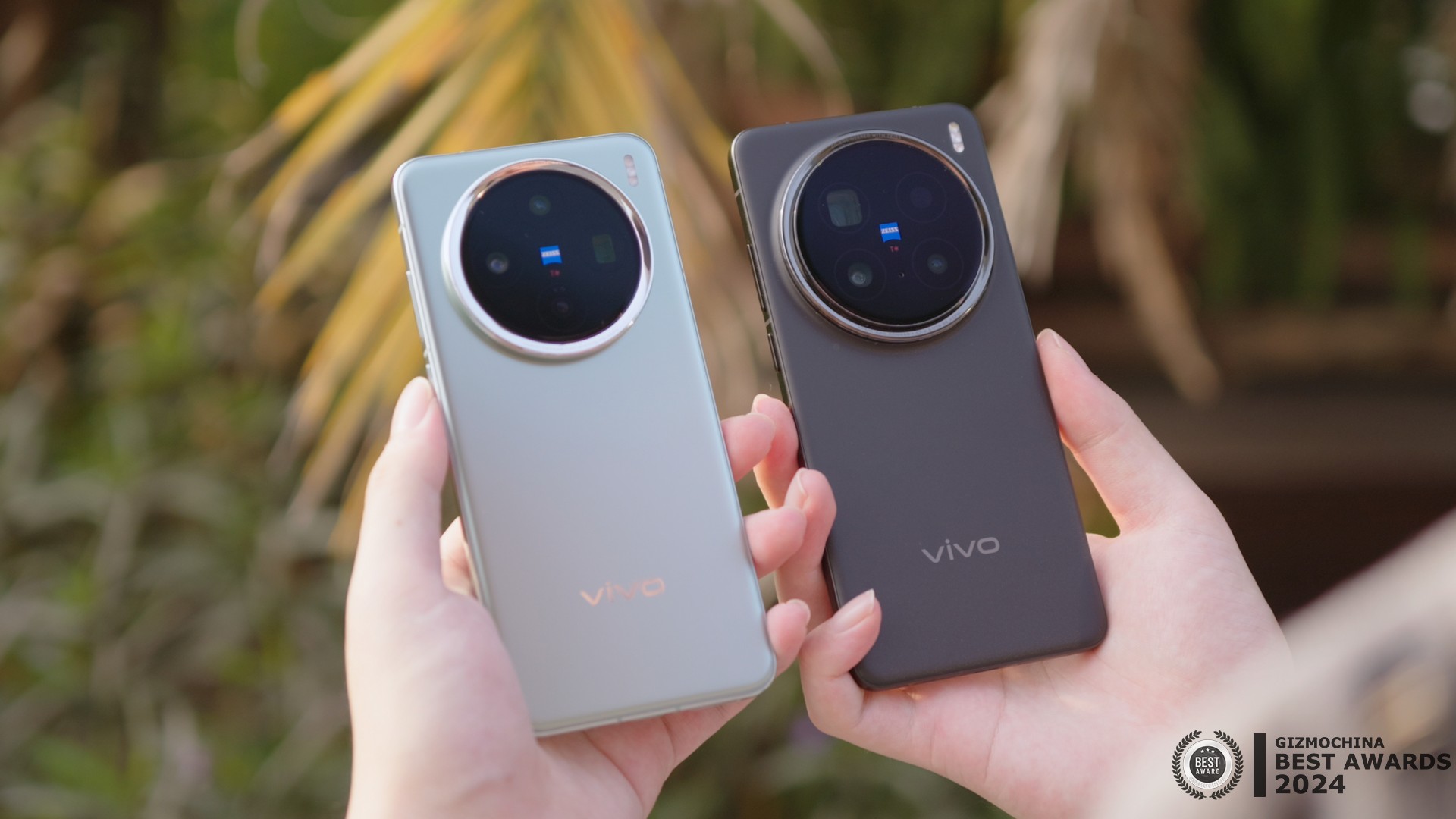
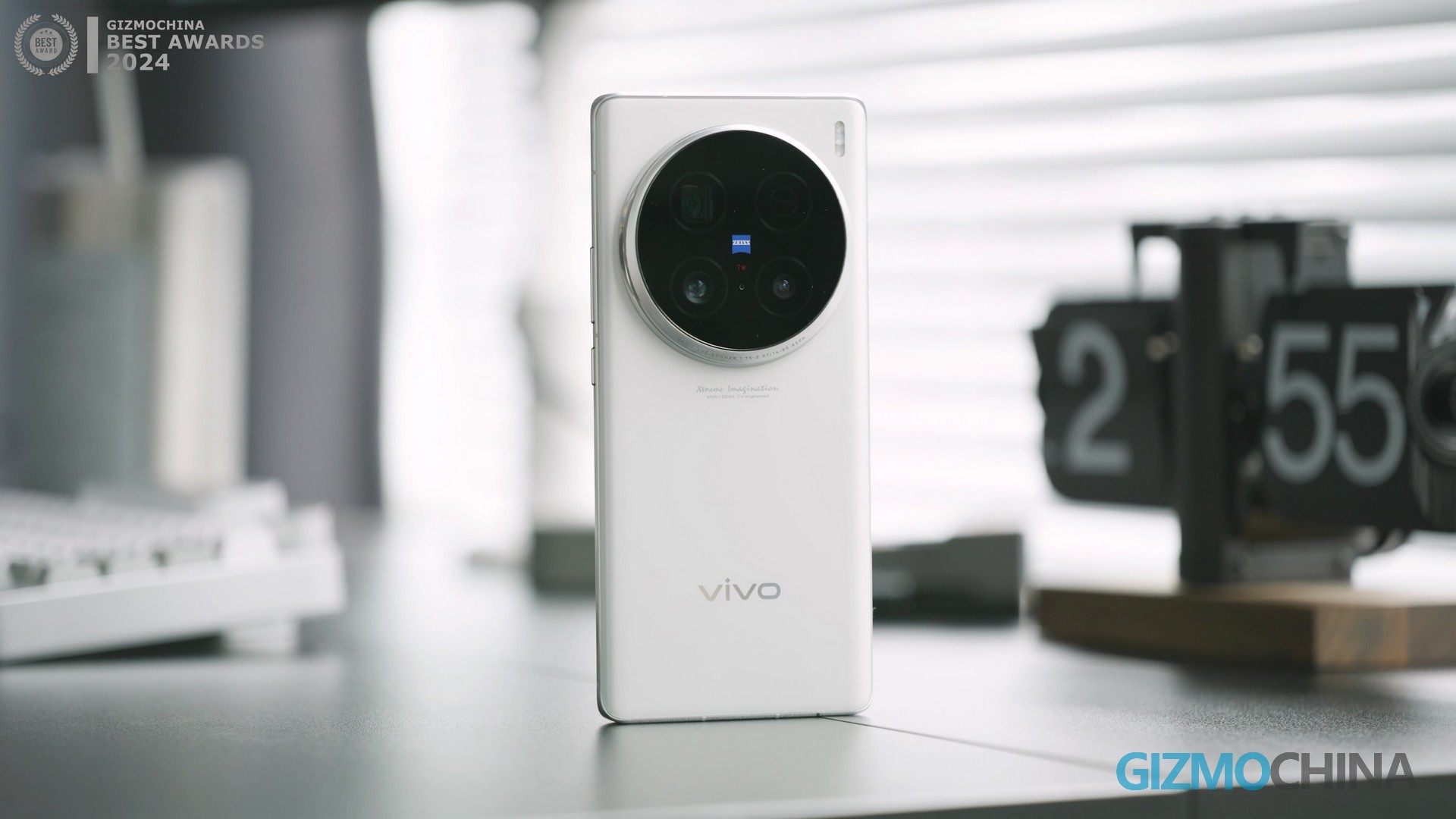
The vivo X100 Pro was our pick for the for the Best Flagship Smartphone of 2024. It is the brand’s latest and most premium smartphone, focus on imaging and design. It’s known for its camera-centric phones, Vivo continues its streak with ZEISS-branded optics and a premium glass and metal build that ensures a solid, ergonomic feel in the hand. The 6.78-inch AMOLED panel offers a 120Hz refresh rate, 1.5K resolution, and excellent color accuracy.
Running on MediaTek’s Dimensity 9400 chipset, the Vivo X200 Pro delivers performance comparable to Snapdragon 8 Elite devices. Vivo’s efficient thermal management ensures consistent performance even during extended gaming sessions.
Where the Vivo X200 Pro truly shines is its camera system. The 50MP 23mm wide sensor captures stunning details, while the ultrawide lens and a whopping 200MP periscope telephoto lens provide versatility for all shooting scenarios. Vivo’s V3+ imaging chip further improves portraits, and low-light photography, making it a go-to choice for photography enthusiasts. On the software side, the device ships with FunTouch OS 15, Vivo’s take on Android 15. Keeping all things powered is a 6000mAh cell with 90W wired and 30W wireless charging.
2. The Best Book-style Foldable Smartphones of 2024
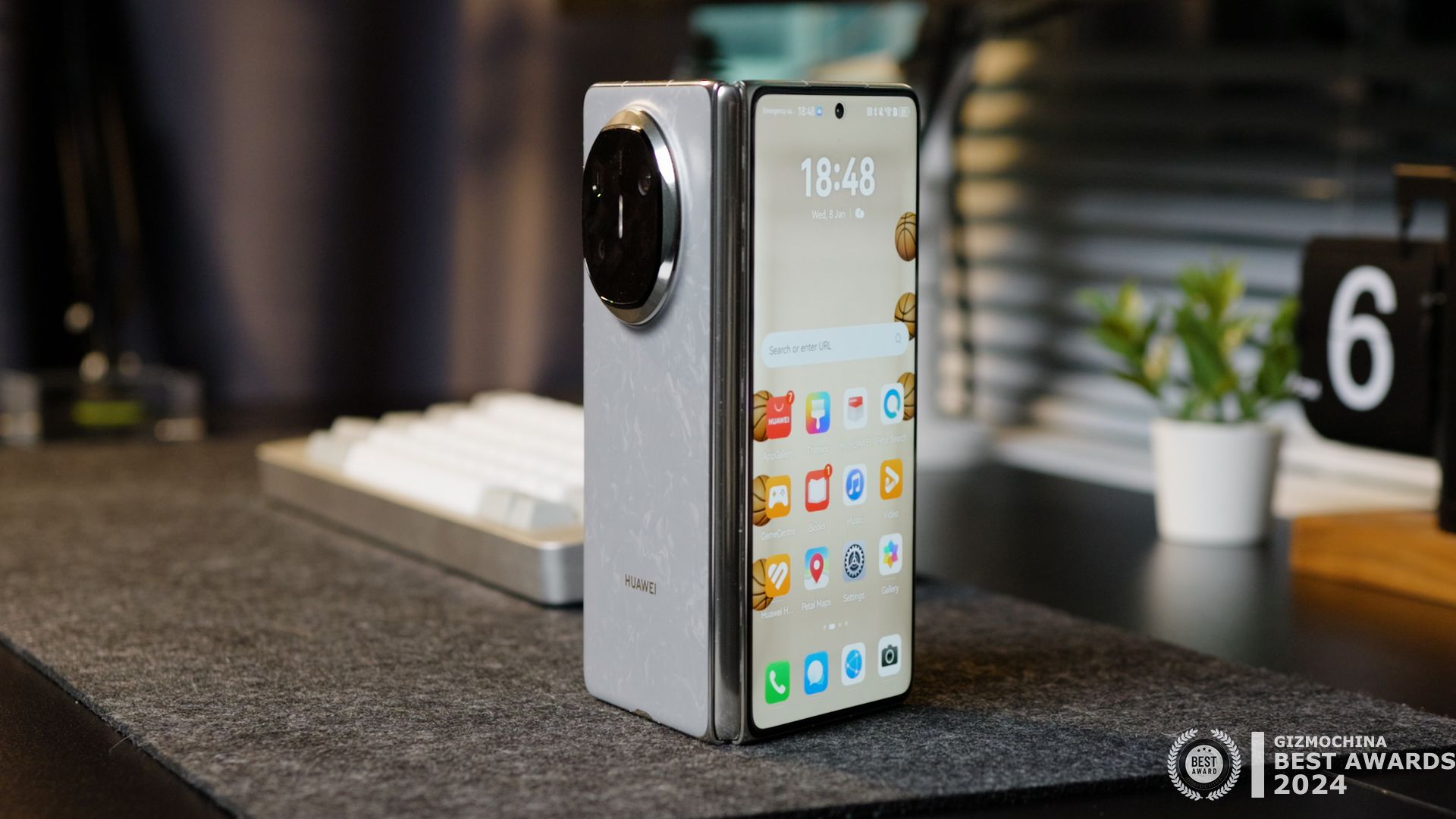
Huawei Mate X6
The ultra premium foldable smartphones are a popular category in the smartphone segment. The Huawei Mate X6 pushed the boundary in innovation with triple network satellite communication, an industry-first for global-mass-market smartphones. It features a basalt water drop hinge for improved durability and thermal performance.
It comes with a 7.93-inch foldable OLED display offering a peak brightness of 1,800 nits and a 6.45-inch cover screen with 2,500 nits brightness. Both displays support 1-120Hz LTPO refresh rates and 1440Hz PWM dimming.
The Mate X6 incorporates a basalt water drop hinge for improved durability and thermal performance. Its camera system is equally impressive, led by a 50MP main sensor with variable aperture, a 48MP periscope telephoto lens, and a 40MP ultra-wide camera. It also offers dual 8MP selfie cameras on its inner and outer screens. For 2024, we think that the Mate X6 has met few comparable rivals in the book-style foldable phones category.
3. The Best Flip-style Foldable Smartphones of 2024
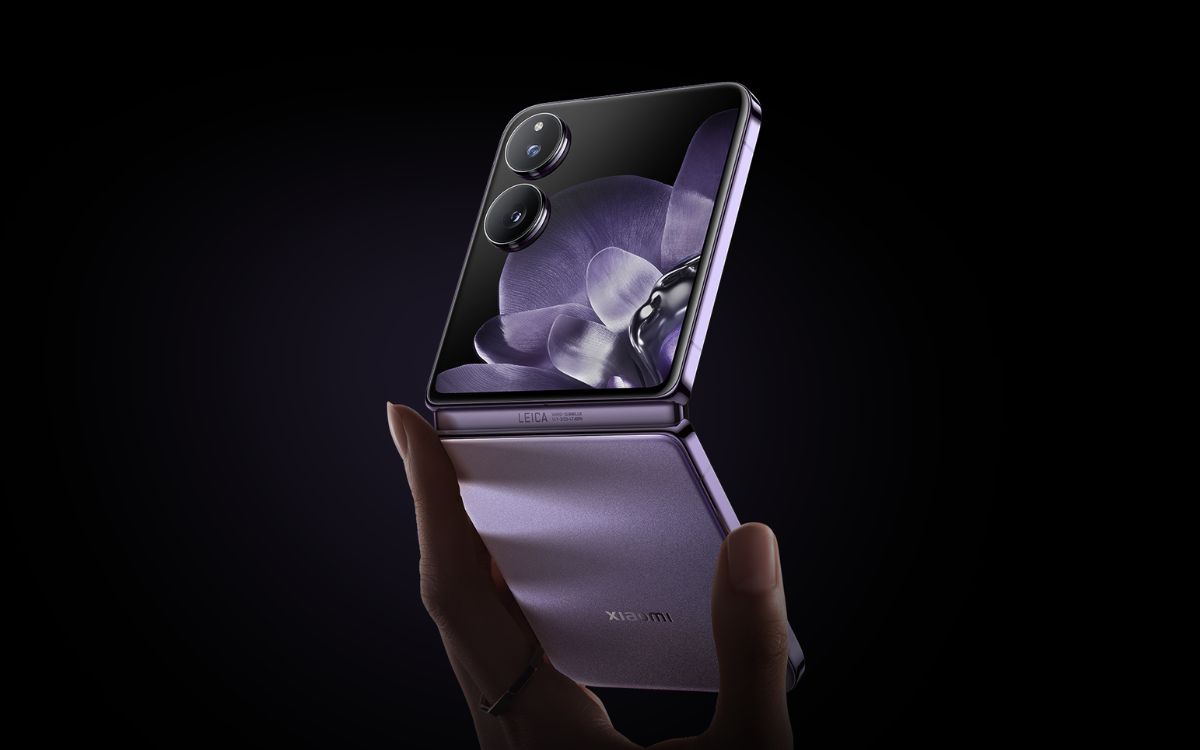
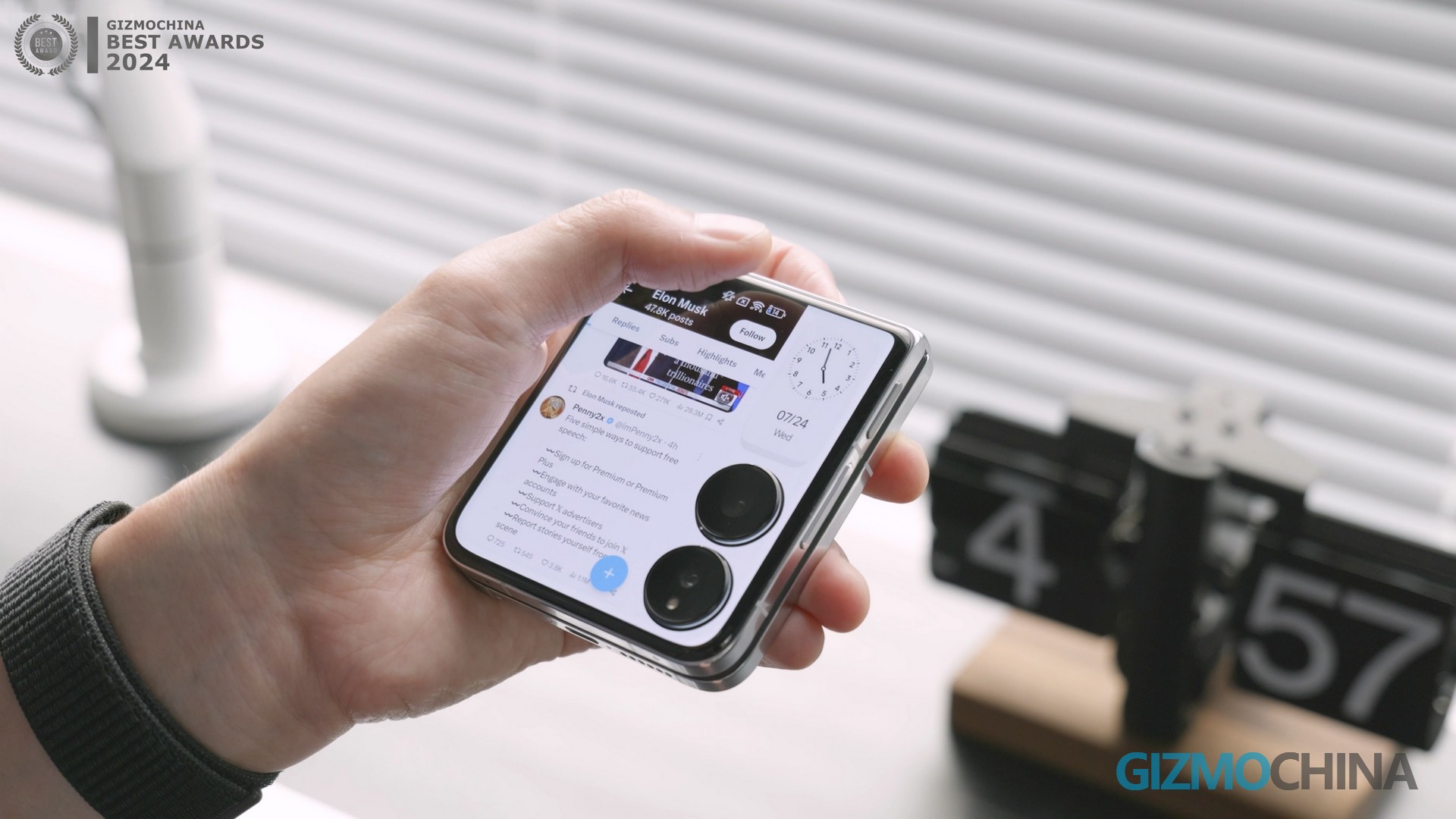
Xiaomi MIX Flip
Xiaomi finally entered the clamshell folding flip phones in 2024, and despite this, it managed to achieve the crown for the best flip phone. The Xiaomi MIX Flip (Review) packs a tall main display and a sizeable cover panel as well. It also offered cutting edge flagship level performance with the Snapdragon 8 Gen 3. The flip phone also brings Lecia powered 50MP dual cameras on the rear. All of this is priced for less than Samsung’s Galaxy Z Flip 6.
4. The Best Compact Flagship Smartphones of 2024
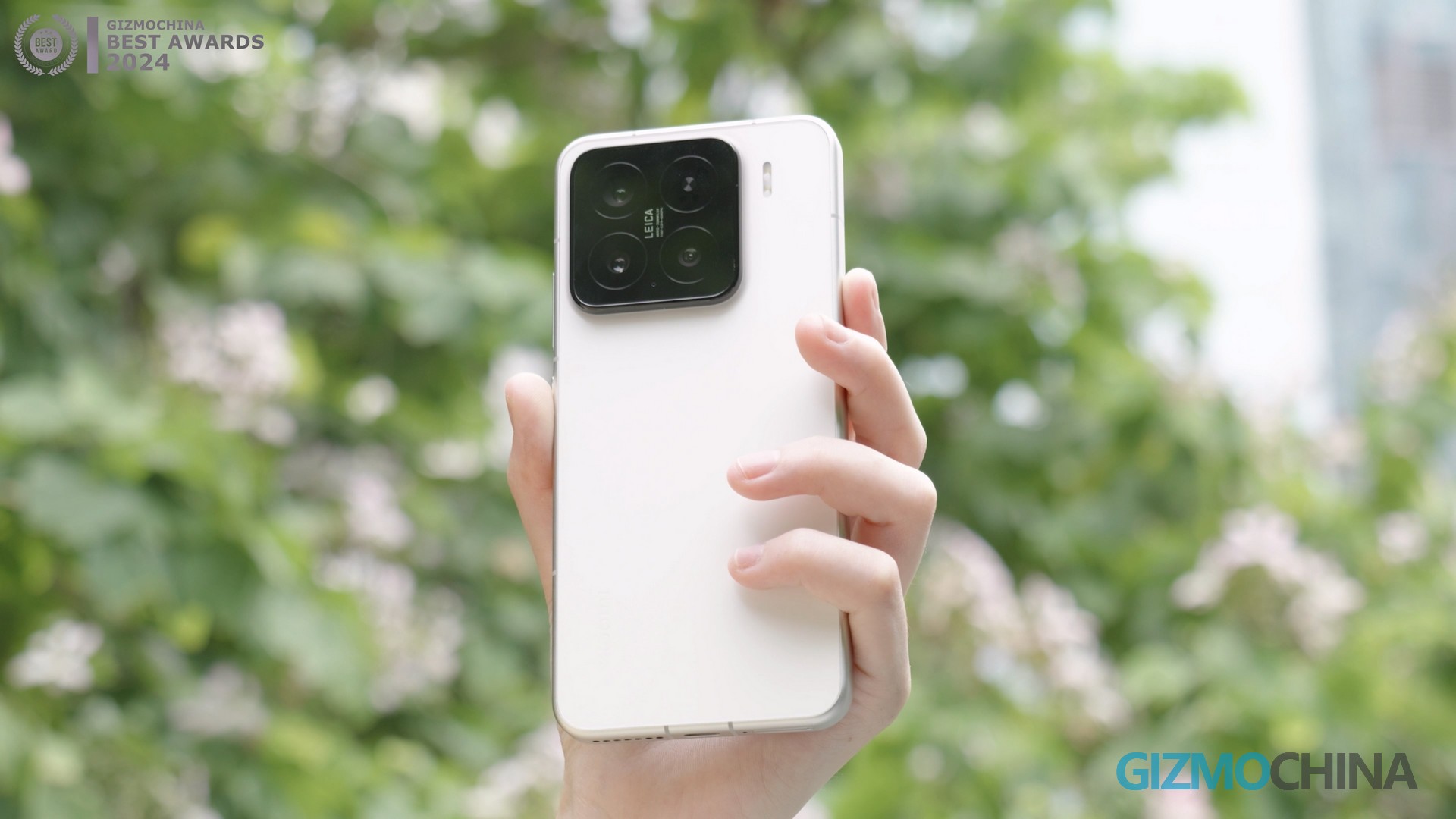
Xiaomi 15
The Xiaomi 15 is the best compact flagship phone of 2024. It packs a flagship level specs and features in a compact form factor. It has Qualcomm’s latest and greatest Snapdragon 8 Elite processor, a big battery, a stunning AMOLED display with a 120Hz refresh rate, and a versatile triple camera system.
5. The Best Affordable Flagship Smartphones of 2024
OnePlus’ latest flagship is the OnePlus 13 that arrived with improvements across the board. While it is more affordable than some premium models, this model is easily the best affordable flagship phone thanks to flagship-level performance, Snapdragon 8 Elite, stunning AMOLED display, triple 50MP cameras, and much more.
OnePlus 13
6. The Best Flagship Killer Smartphones of 2024
Redmi K80 Pro
We chose Xiaomi’s Redmi K80 Pro as the best flagship killer smartphone in 2024. For just around $500, the K80 Pro offers great value thanks to standout features like the Snapdragon 8 Elite, 120W wired fast charging, massive 6,000mAh battery, and a 2K AMOLED display.
7. The Best Camera Smartphones of 2024
Vivo X100 Ultra
Vivo debuted the X100 Ultra in the middle of 2024 as its newest flagship phone. But what made it stand out was its impressive photography experience. The Vivo X100 Ultra brings Zeiss branded triple cameras with a one inch main sensor, which makes it the best camera smartphone of 2024.
8. The Best Selfie Camera Smartphones of 2024
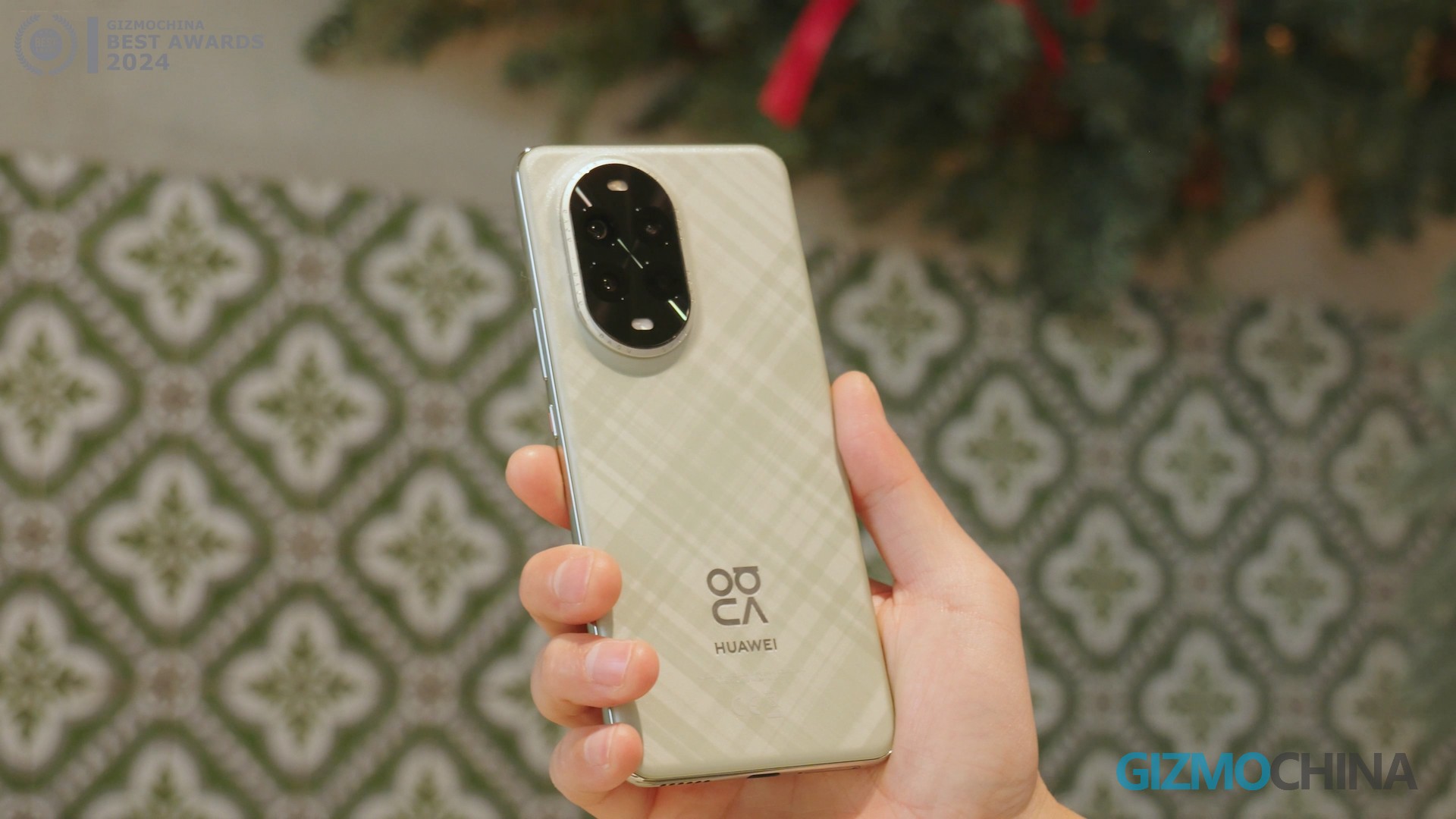
Huawei Nova 13 Pro
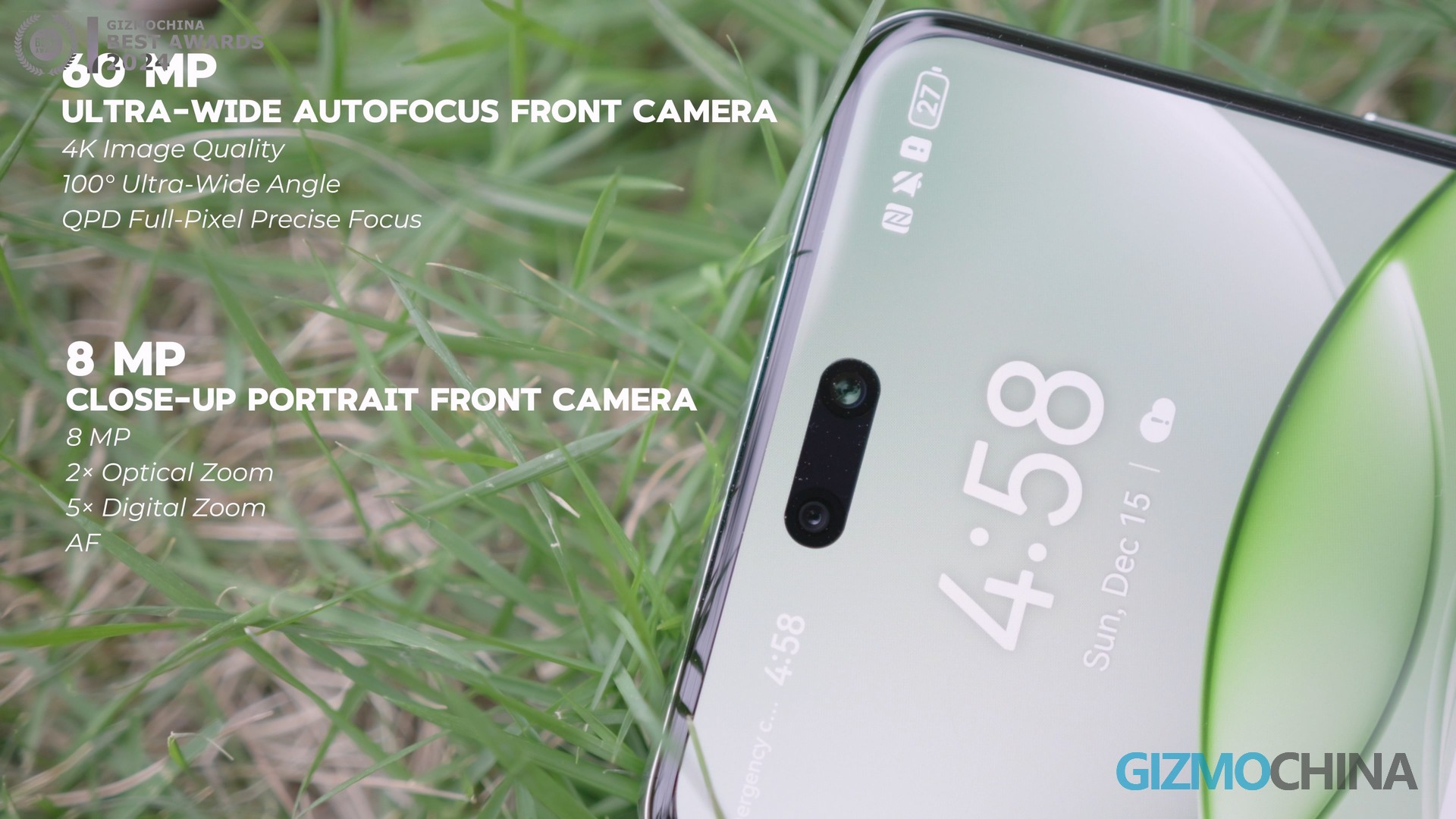
Huawei with its front facing cameras offers the best selfie camera experience with the Nova 13 Pro. It features a dual camera setup on the front with a 60MP main sensor with autofocus and AI-powered features along with an 8MP ultra-wide angle lens for selfie enthusiasts.
Especially, the 60MP main selfie camera that offers autofocus and is powered by Huawei’s XD Portrait Engine. This helps refine facial features, smoothen out skin tones, and adjust lighting as well.
And another 8MP selfie portrait shooter amazingly offers a 2X optical zoom and up to 5x digital zoom for close-up portrait and macro shots. This is unique for smartphones. During our experience, the nova 13 Pro could truly offer better functionality as well. So it is our pick for the best selfie camera phone of 2024.
9. The Best Rugged Smartphones of 2024
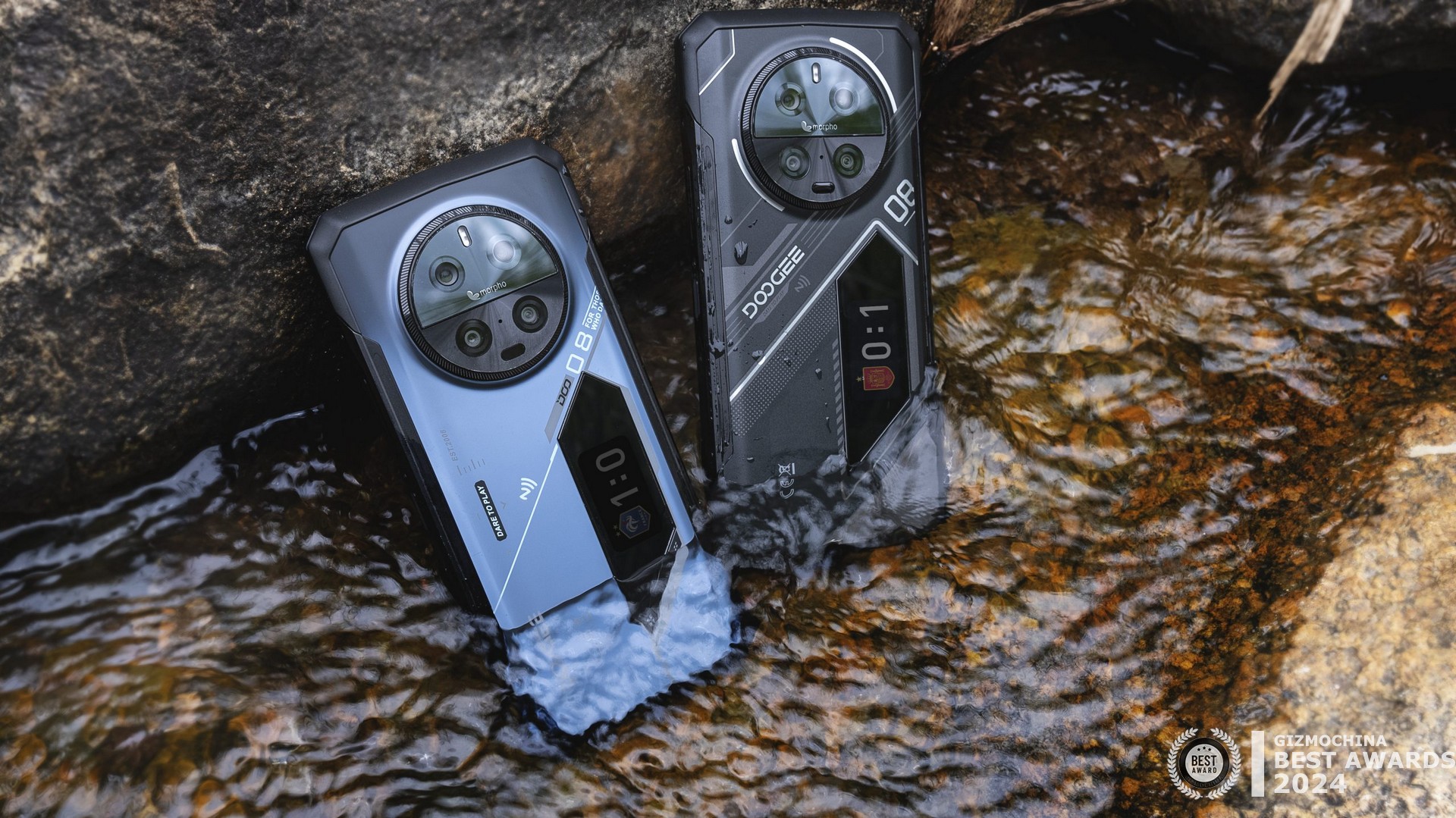
DOOGEE V40 Pro
For those working in extreme and rough environments, tech companies have smartphones with tough durability. DOOGEE is known for making outdoor smart consumer electronics, and the DOOGEE V40 Pro is our pick for the best rugged smartphone of 2024. It arrives with a MIL-STD-810H miltary standard along with an IP68 and IP69K rating. This means that it has been tested in low pressure altitudes, drop shocks, humidity, high-temperature water jets, and even dust and 1 meter of water immersion.
The rugged V40 Pro is powered by Dimensity 7300, which already beats a lot of rugged options over smoothness and performance. And it adds a small windowed screen on the back. I believe it’s a real convenience for those who work or adventure outdoors. And all of this is packed in a refreshing new E-Sports inspired gaming design. This makes it look better than most rugged phones as well.
We’ve also made a comparison video between the V40 Pro and the standard one. You can also check the video on Gizmochina YouTube Channel.
10. The Best Gaming Smartphones of 2024
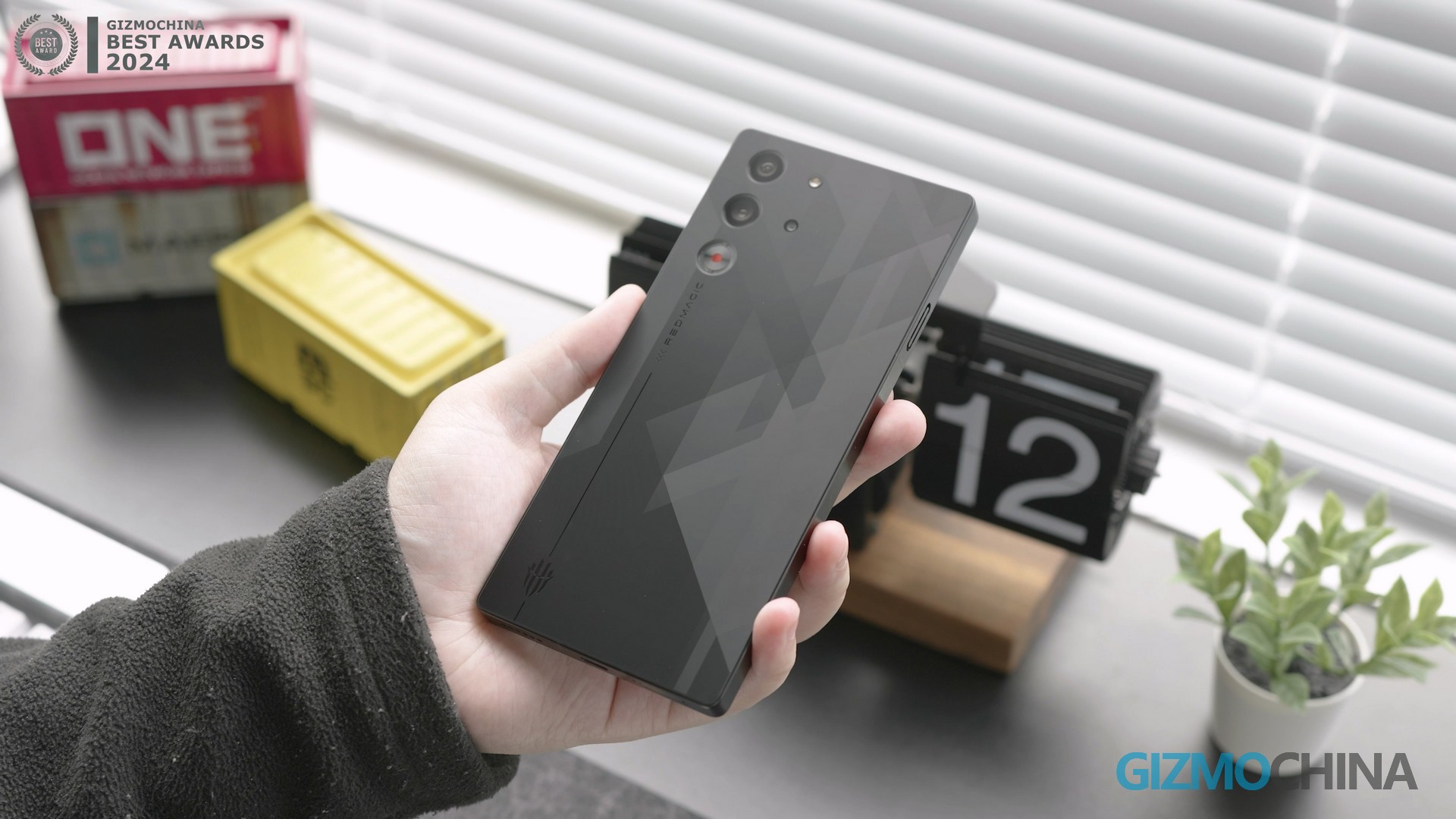
Red Magic 10 Pro+
For the best gaming smartphone of 2024, we went with the Red Magic 10 Pro+. Apart from the blazing fast Snapdragon 8 Elite, the flagship gaming phone features a smooth 144Hz OLED display with a 960Hz touch sampling rate and even a should triggers to simulate a console controller experience. You also get a massive 7,050mAh battery pack and up to a whopping 24GB of RAM.
11. The Best AI Smartphones of 2024
The Oppo Find X8 Pro packs cutting edge technology like the MediaTek Dimensity 9400 chipset and a sweet Hasselblad optimized camera system on the back. But what makes it extra special is the deep integration of AI. The OS brings various AI powered features from the AI Toolbox suite. This includes productivity features like AI Summary, AI Speak, and AI Writer. All of these help summarize, bring forth key information, and record the details you might need later on while also offering alternative suggestions. This also extends to the photography experience with AI letting you unblur pictures, bump the resolution, and more. Lastly, the OS also features Google’s Gemini.
12. The Best Affordable Vlogging Smartphones of 2024
Infinix Zero 40 5G
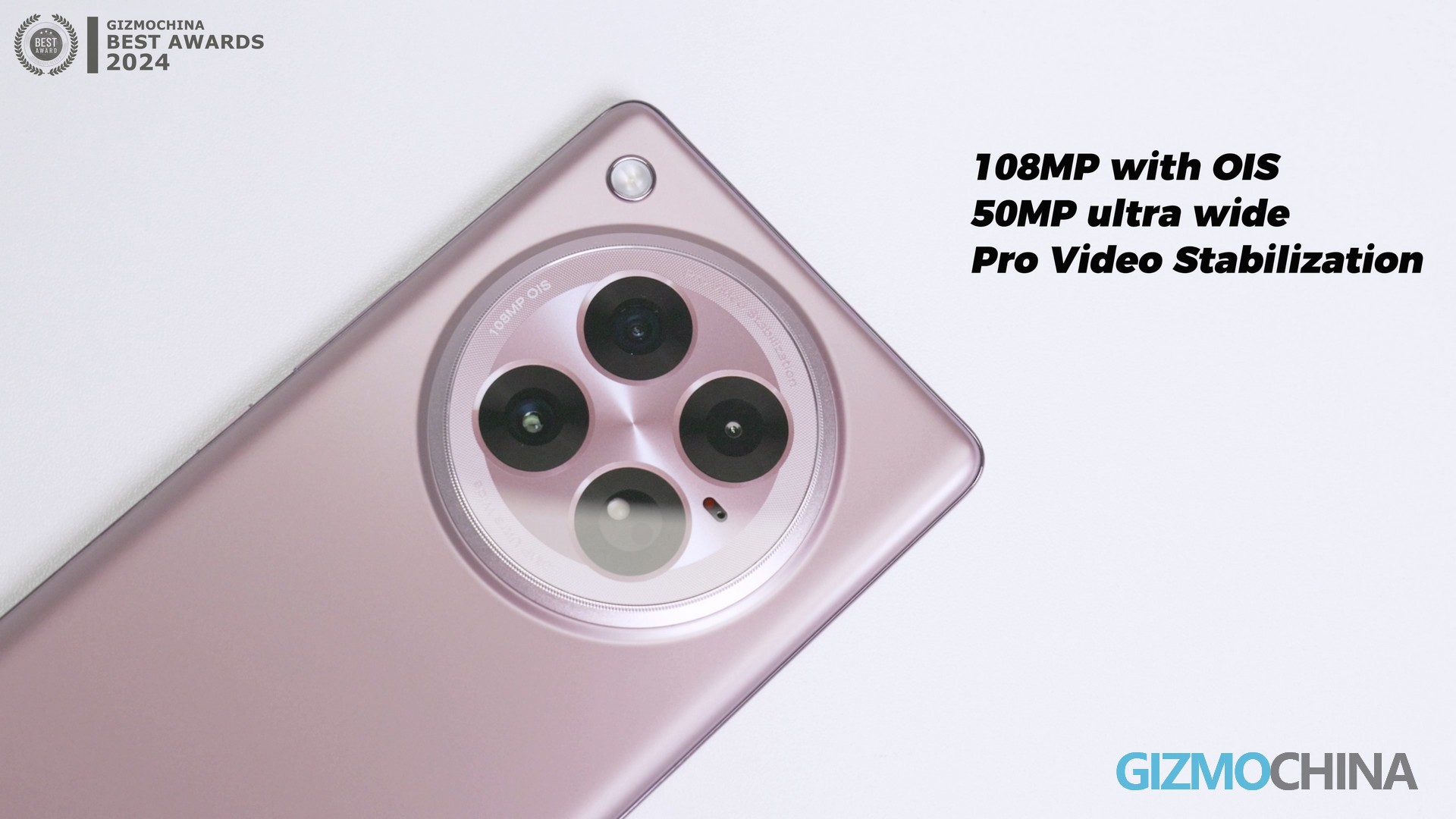
While the more expensive options in the flagship or best camera segment are great for vlogging, Infinix released the Zero 40 5G as a dedicated vlogging phone on a budget, which is why we gave it the crown as the best affordable vlogging smartphone. The rear packs a 108MP main camera, while the front houses a 50MP selfie shooter. Users can capture 4K video recordings at 60fps that makes it perfect for content creators.
The front doesn’t disappoint either with a 50MP camera for selfies and video calls. But impressively, Infinix has brought support for 4K videos and 60fps as well. Content creators often have to invest quite a bit to get the best video quality. But Infinix has managed to bring a great package without breaking the bank. All of this is packaged in a sleek 7.9mm body. Other notable features include an AMOLED screen, Dimensity 8200 Ultimate, and a 5000mAh battery with 45W wired fast charging and 20W wireless fast charging.
At this budget, there aren’t plenty of options for vlogging isn’t, but the Zero 40 5G is a model dedicated to this and is easily our pick for the best affordable vlogging phone.
13. The Best Mid-range Smartphones of 2024
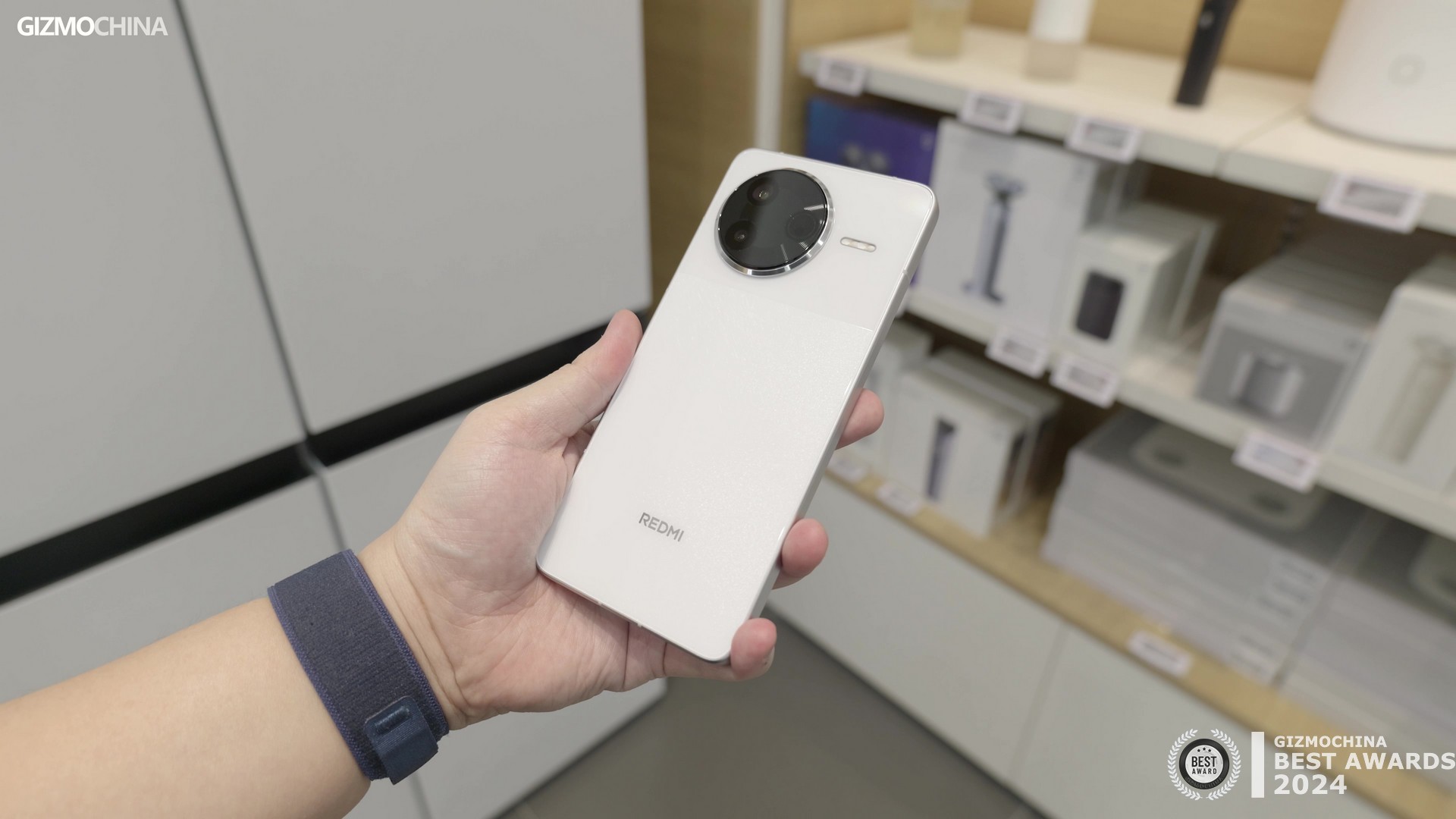
Redmi K80
The mid-range segment is easily one of the toughest category considering the sheer number of options a buyer has. But Xiaomi has been a veteran in this price point, with the Redmi K80 being a clear winner. For under $400, the flagship grade Snapdragon 8 Gen 3 chipset, 2K AMOLED display, huge 6550mAH battery with 90W fast charging, and IP68 rating helps it easily bag the best mid-range smartphone of 2024.
14. The Best Budget Smartphones of 2024
Nothing Phone (2a)
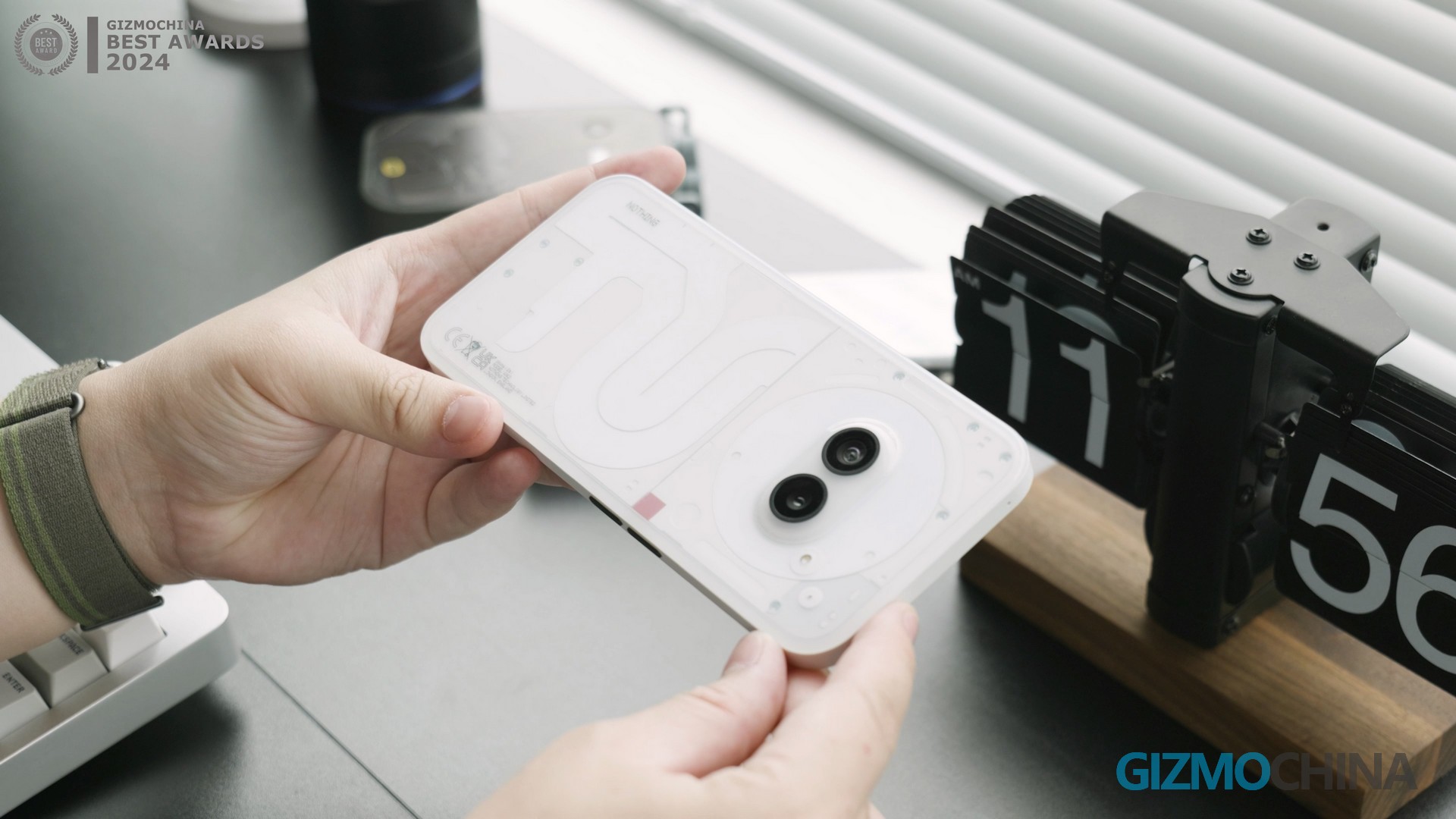
In the budget smartphone category, there are a few standouts that hit the right balance of price to performance or price to value ratio. And none do it better than the Nothing Phone (2a). We chose it as the best budget phone of 2024 thanks to its intuitive and unique Glyph LED interface, along with a package of solid specs like 120Hz AMOLED display and Dimensity 7200 SoC. There is also 4K recording from the 50MP dual cameras on the rear and a reliable 5000mAh battery pack.
15. The Best Entry-level Smartphones of 2024
Tecno Pop 9
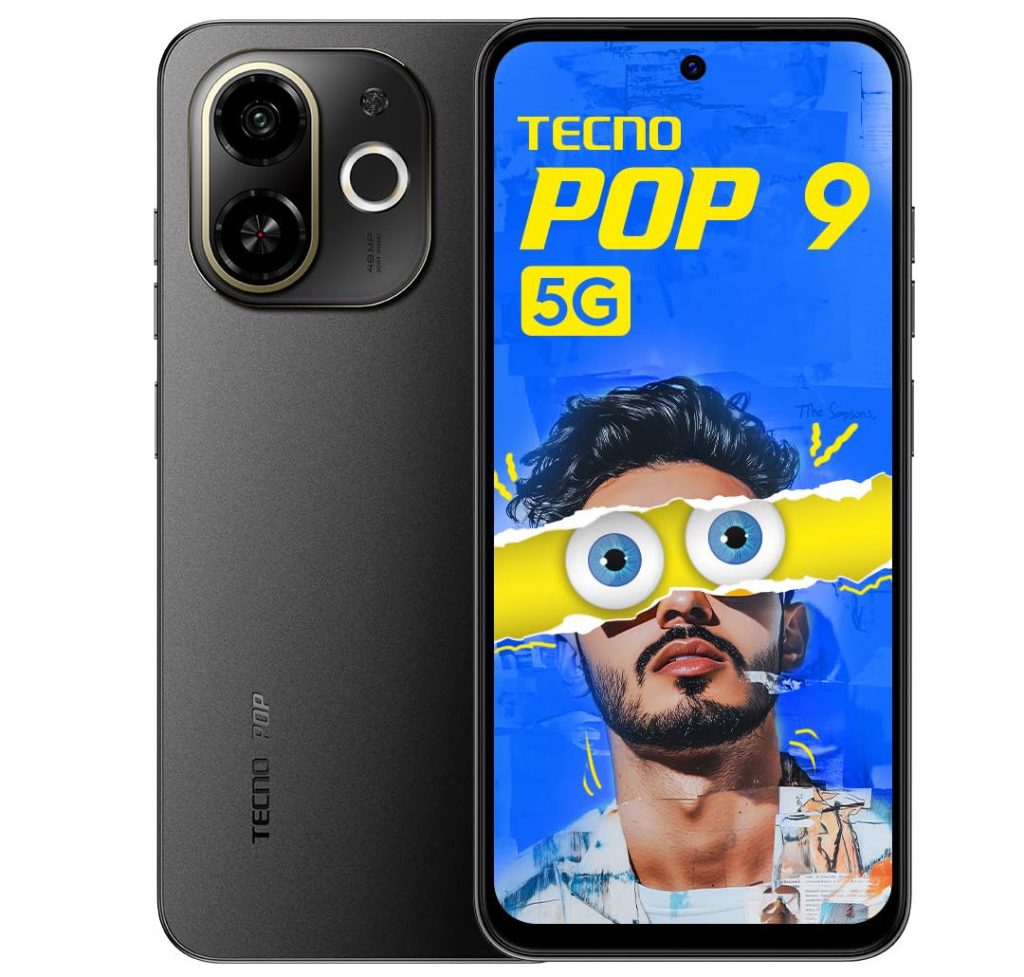
Reaching the end of this list, we have the best entry level smartphone of 2024. The Tecno Pop 9 was our pick as the winner as it brings a lot to the table. You get an attractive design paired with an IPS LCD display with a 120Hz refresh rate. The Dimensity 6300 is a capable processor, which is fueled by a large 5,000mAh cell. All of this for just over $100 makes it a great deal.
The OnePlus R series of smartphones was first introduced in 2021 as an affordable entry to the flagship experience. Since then, the brand has been releasing new models annually.
Each new model arrived with minute upgrades over its predecessor. The series has now matured over 4 years.
The latest OnePlus 13R is the most refined device in the lineup so far. It is close to a proper flagship now.
Let’s go through what makes it better than its forerunners.
The OnePlus 13R houses a year-old flagship chipset like its predecessors. It comes powered by a Qualcomm Snapdragon 8 Gen 3 chip.
This silicon only comes second to the latest Snapdragon 8 Elite found inside the phone’s bigger sibling, OnePlus 13. It is fast enough to handle all the demanding games (including ray tracing) and AI tasks.
The chip is paired with LPDDR5x RAM and UFS 4.0 storage. Most importantly, the handset starts with double the storage (256GB) and more RAM (12GB) compared to previous models. It is also offered in a 16GB + 512GB version.
Further, it boots OxygenOS 15 based on Android 15. OnePlus promises 4 Android updates and 6 years of security updates.
OxygenOS 15 is probably the smoothest software on smartphones at the moment with its fluid animations across the UI. It also offers several useful AI features.
2. Proper Three Lens Camera Setup
One of the drawbacks of the OnePlus R series has been its cameras. The OnePlus 13R finally fixes it with a useful three-lens camera system.
The phone no longer has the pointless 2MP macro snapper found on its predecessors. It is replaced with a functional 50MP Samsung JN5 2x telephoto shooter for portraits.
The 8MP ultrawide unit remains the same and so is the 16MP selfie camera. However, the primary camera is now an OIS-assisted 50MP Sony LYT-700 sensor instead of the older IMX890.
3. Humongous Battery and Flat Display
The OnePlus 13R is backed by a huge 6,000mAh battery like the OnePlus 13. It supports 80W wired charging to fill the cell in under an hour.
Also, the device sports a flat display like most flagships now. The 6.78-inch OLED panel offers a resolution of 2780 x 1264 pixels (1.5K) and 450 PPI.
The Corning Gorilla Glass 7i-protected screen refreshes at 120Hz (LTPO) and can hit a peak brightness level of 4500 nits. Under High Brightness Mode (HBM), it is rated to reach 1600 nits.
The phone is also IP65-rated for dust and water resistance.
4. Ecosystem Features
Thanks to a refined OxygenOS 15, the user experience is now better if you happen to own other OnePlus devices. The brand’s tablets, earbuds, and watches play nicely with the phone.
Every other product offers some type of interoperability. OnePlus is the only Chinese OEM to achieve this in global markets in a proper way.
With improvements in the future, it could give competition to Samsung and Apple.
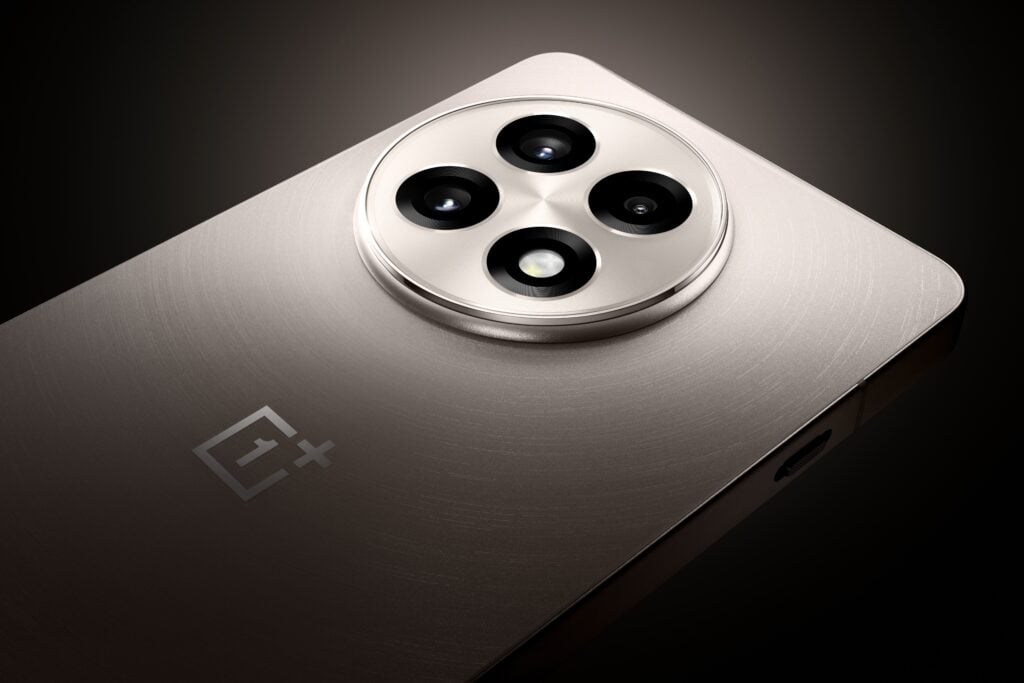
The OnePlus 13 and OnePlus 13R just made their global debut in India. Alongside these high-end smartphones, the company also unveiled a bunch of accessories that support magnetic charging. These include the new OnePlus 13 Magnetic Cases and the OnePlus AirVOOC 50W Magnetic Charger. So let’s check it out.
OnePlus 13 Magnetic Cases
One of the notable upgrades of the OnePlus 13 was the inclusion of magnetic wireless charging. Just like the Apple iPhones, the OnePlus 13 Magnetic Cases are fully compatible with MagSafe accessories and the brand’s very own magnetic charging. So the brand released special cases that support Magnetic Charging. All of these cases were designed to be slim, to help avoid adding too much bulk to the premium phone.
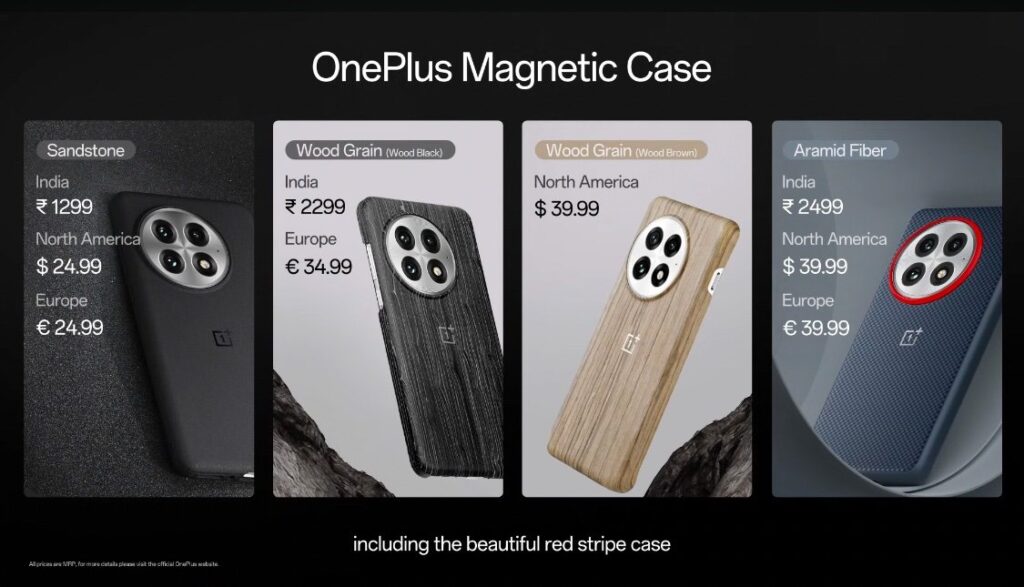
OnePlus 13 Magnetic Cases (Sandstone, Wood Grain, Aramid Fiber)
There are four variants in total, but only three are available in India. This includes the Aramid Fiber, Wood Grain (Wood Black), and Sandstone cases. The Wood Brown variant of Wood Brown is only available in the US. The Sandstone case costs Rs 1,299 in India, while the Wood Grain, and Aramid Fiber cases have a Rs 2,299 and Rs 2,499 price tag respectively.
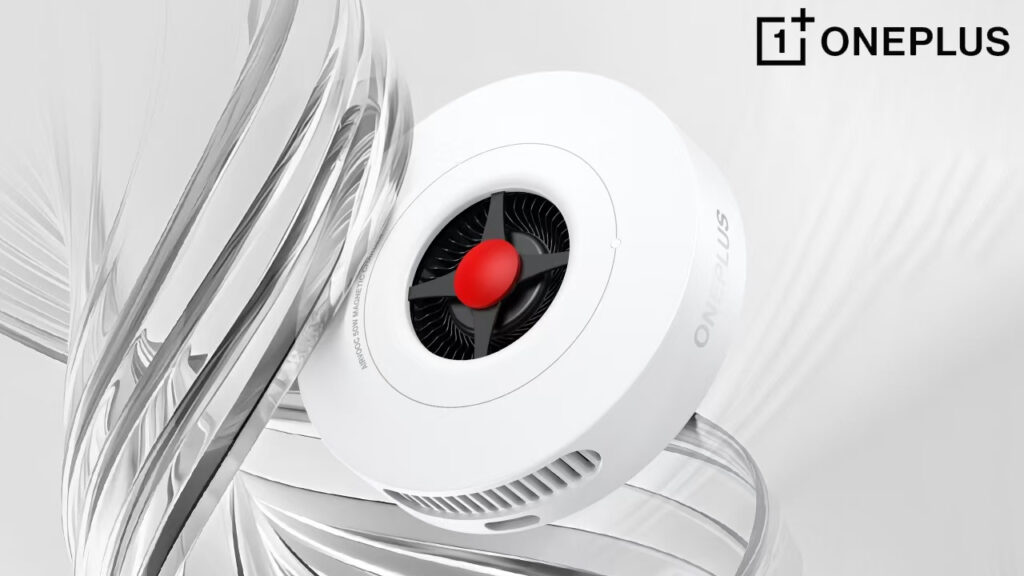
OnePlus AirVOOC 50W Magnetic Charger
OnePlus AirVOOC 50W Magnetic Charger
Alongside these cases, OnePlus officially unveiled the AirVOOC 50W Magnetic Charger. The wireless charger provides fast and efficient magnetic functions. Thanks to the 50W wireless charging support, the OnePlus 13 can charge to full in about 75 minutes. The OnePlus AirVOOC 50W Magnetic Charging costs Rs 5,999 and should be available from the OnePlus India online store later this week. You can also click here to check out 7 alternatives to the OnePlus 13.
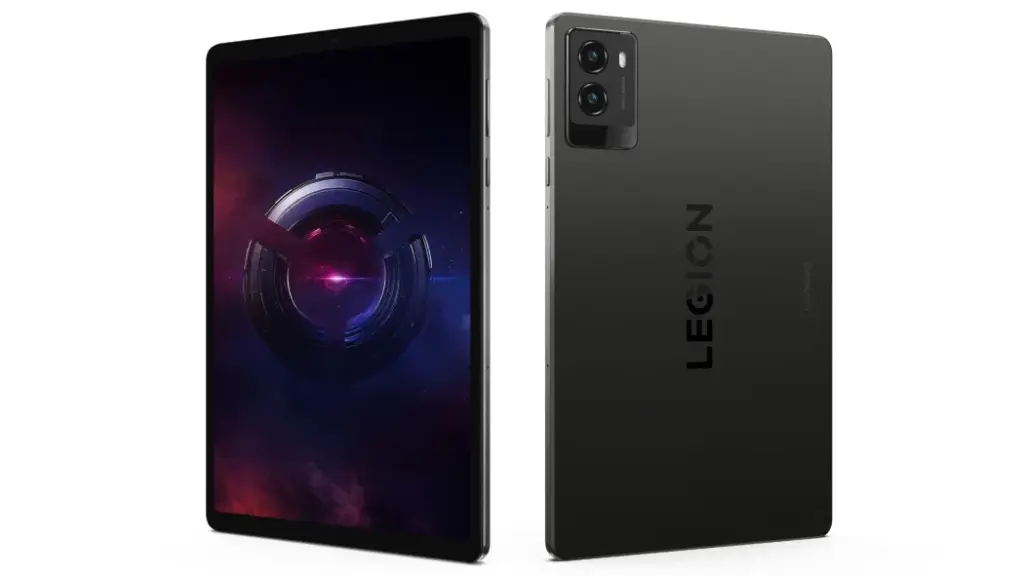
Lenovo has just debuted a pair of new gaming tablets that will be showcased at the CES 2025 event. The company unveiled the Legion Tab (2025) and the Legion Go tablets. The former is the flagship model, which brings high-end specs and features. So let’s check it out.
Lenovo Legion Tab (2025) – What makes it special?
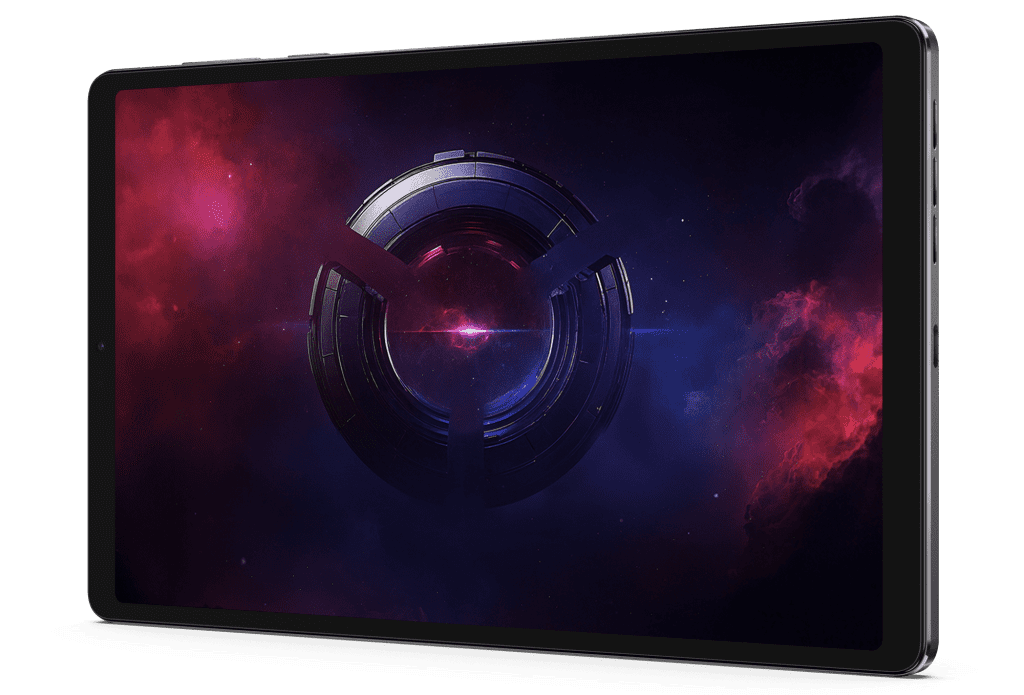
Lenovo Legion Tab 2025
For mobile gaming enthusiasts, there are a couple of features that are key for an improved gameplay experience. Displays and processors are two of the biggest examples of this. In both regards, Lenovo doesn’t disappoint with the 8.8-inch LCD screen with an impressive 165Hz variable refresh rate, 98% DCI P3 color gamut, DC Dimming, up to 500 nits of peak brightness, and HDR10 support.
Under the hood, it is equipped with the Snapdragon 8 Gen 3, which is paired with 12GB of LPDDR5X RAM and 256GB of internal storage. Users can even expand the storage by up to 1TB via a microSD card slot. A large 6,550mAh battery pack powers the Legion Tab (2025), which supports 45W wired fast charging. With these specs, you can expect top notch performance from this tablet for gaming or regular use.
For photography, the rear has a 13MP camera and the front houses an 8MP shooter for selfies and video calls. Other notable features include WiFi 7, Bluetooth 5.4, Android 14 OS based ZUI 16.1 custom skin (3 years of guaranteed OS updates), and a slim 7.79 body. This model arrives after the company launched the previous Legion Tab model, which was announced in India back in July 2024.
Pricing and Availability
The Lenovo Legion Tab (2025) was unveiled in a single Eclipse Black color option, which has a starting price tag of 499.99 US Dollars. It will go on sale later this month, although the exact regions of availability is still unclear. So stick around for more updates.
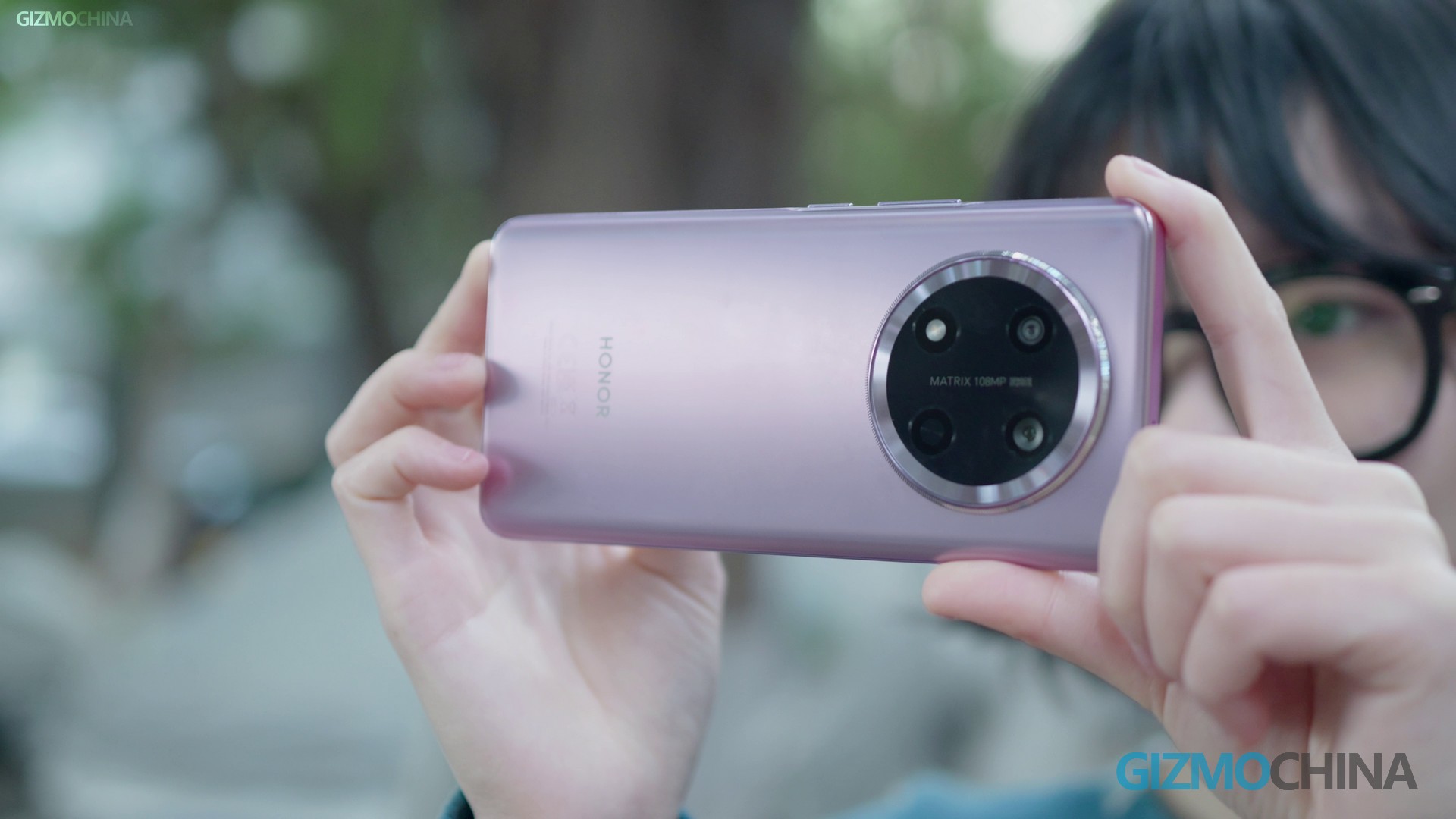
In the past 2024, smartphone brands have become more competitive in the global marketplace. Among them Honor Magic is standing out with the latest upgrade of Magic 7 series, especially regarding network capability. The standard version even nailed the top spot in AI features. If you’re like me and are about getting the best bang for your buck while still enjoying the Magic7 experience, you should check out the new Honor Magic7 Lite.
Design
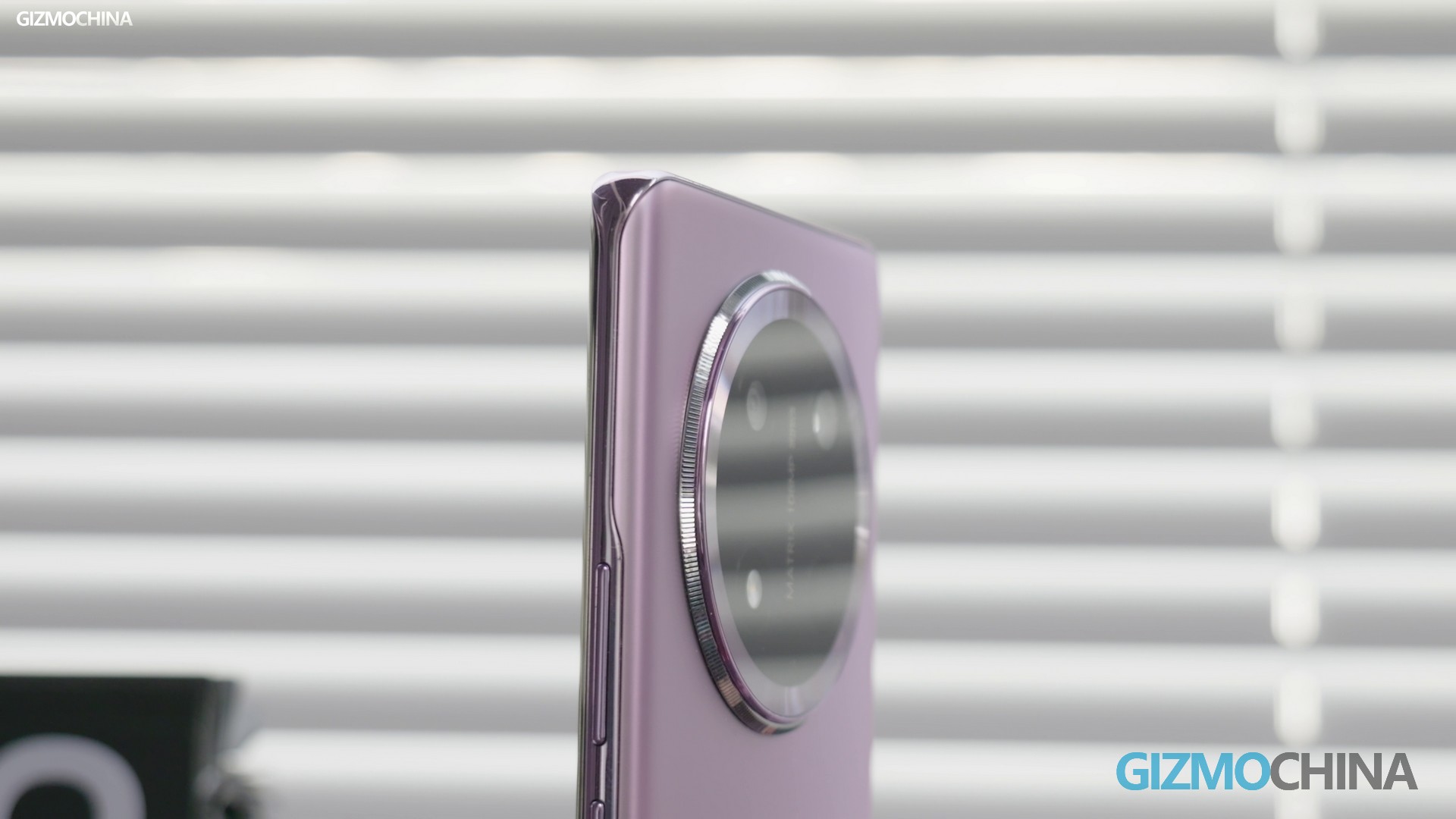
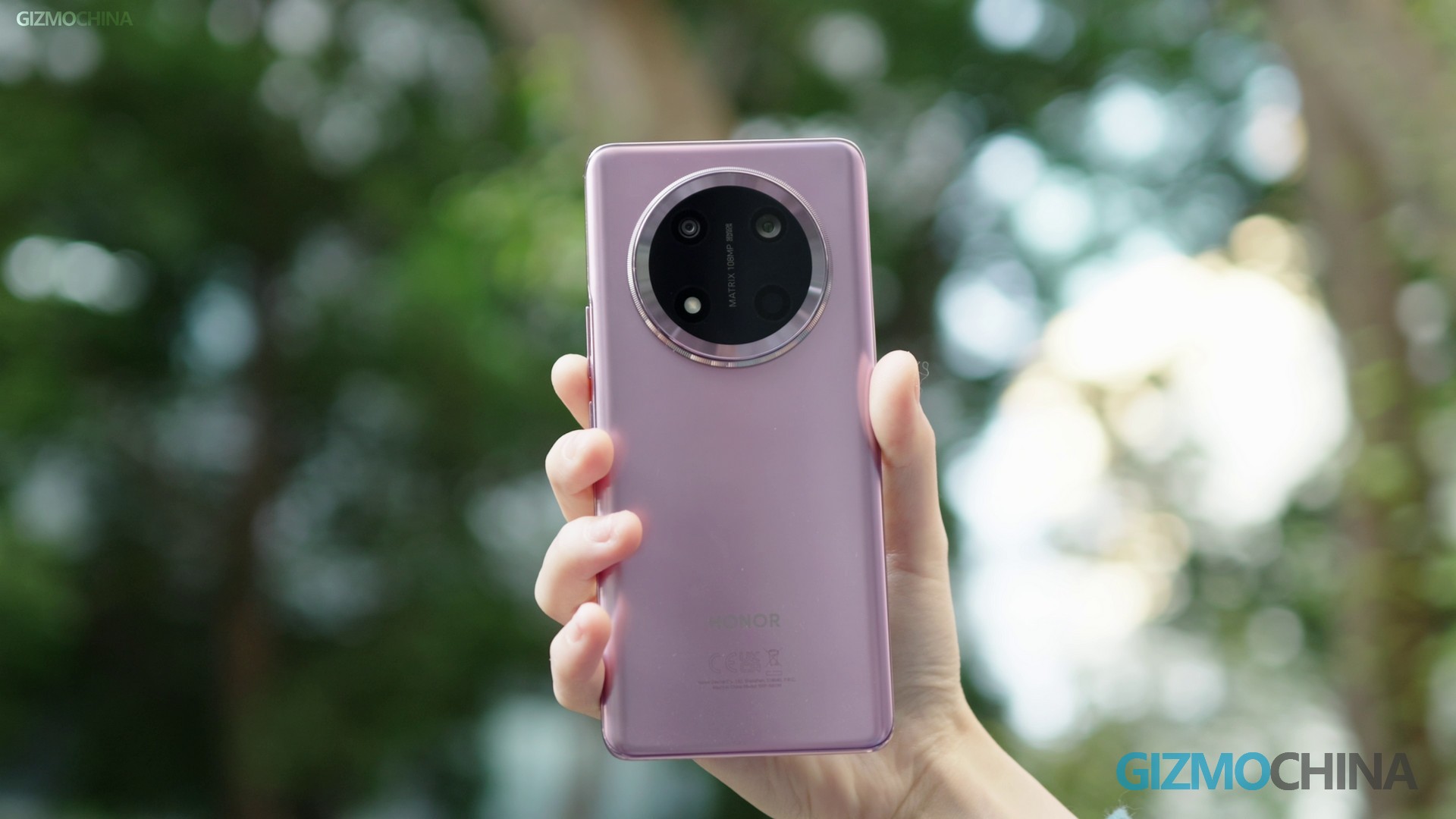
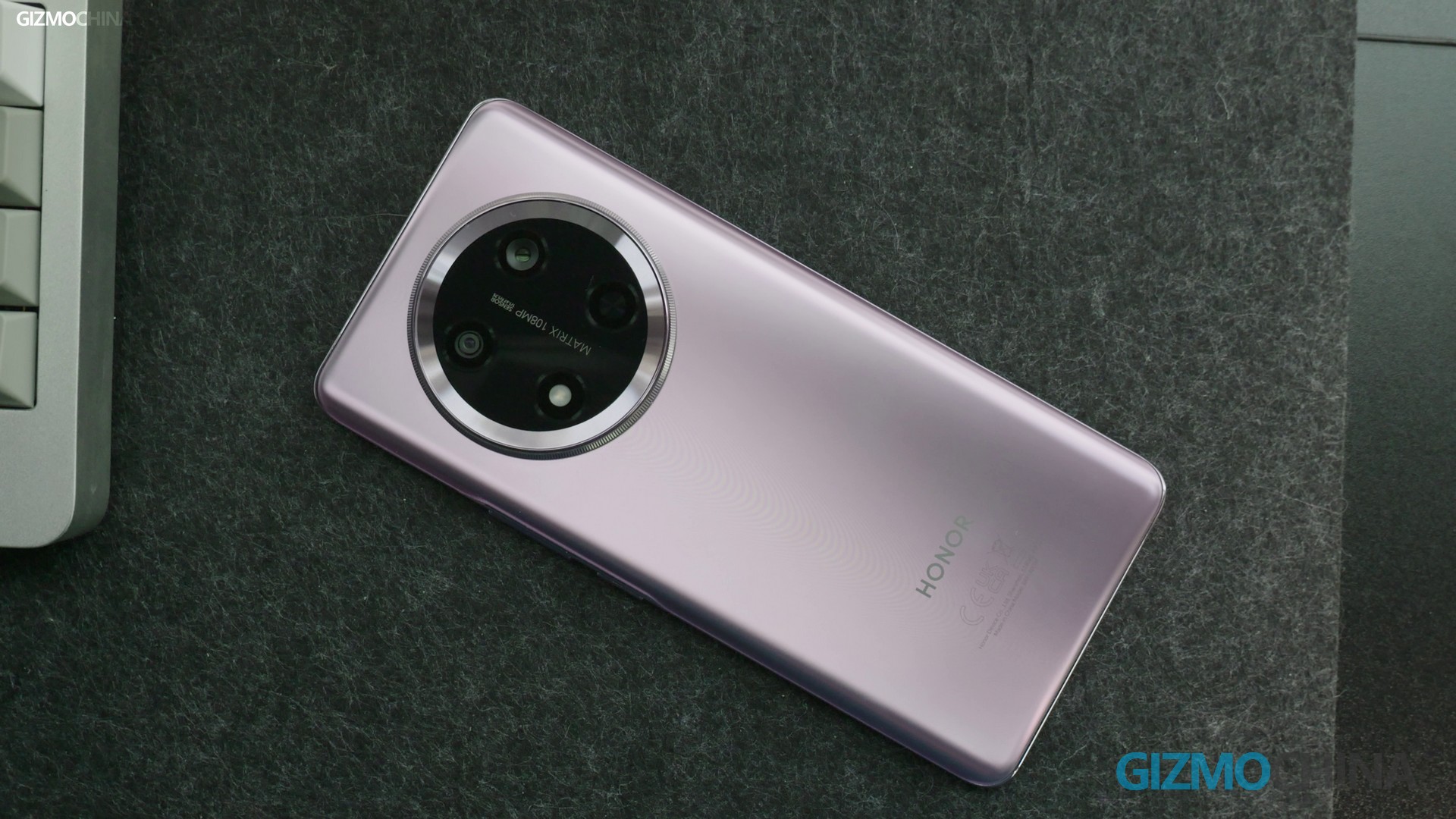
When I first handed on the Honor Magic7 Lite, there was a quick illusion that it looks like the Honor X60 Pro. They look similar except for the color. But we don’t have a problem with that, as it keeps up with Honor’s classic design which has been proven to be solid-built. But here’s the kicker: this is the lightest and thinnest phone in the series, while more importantly, the phone also has some tough attributes. At least check out the camera bump, being thinner than a coin, really impressive.
This Lite version is all about durability, especially on the screen and back. It feels way more solid than the previous models. It’s got these excellent protective shields and super-strong glass that cover it against daily knocks and drops.
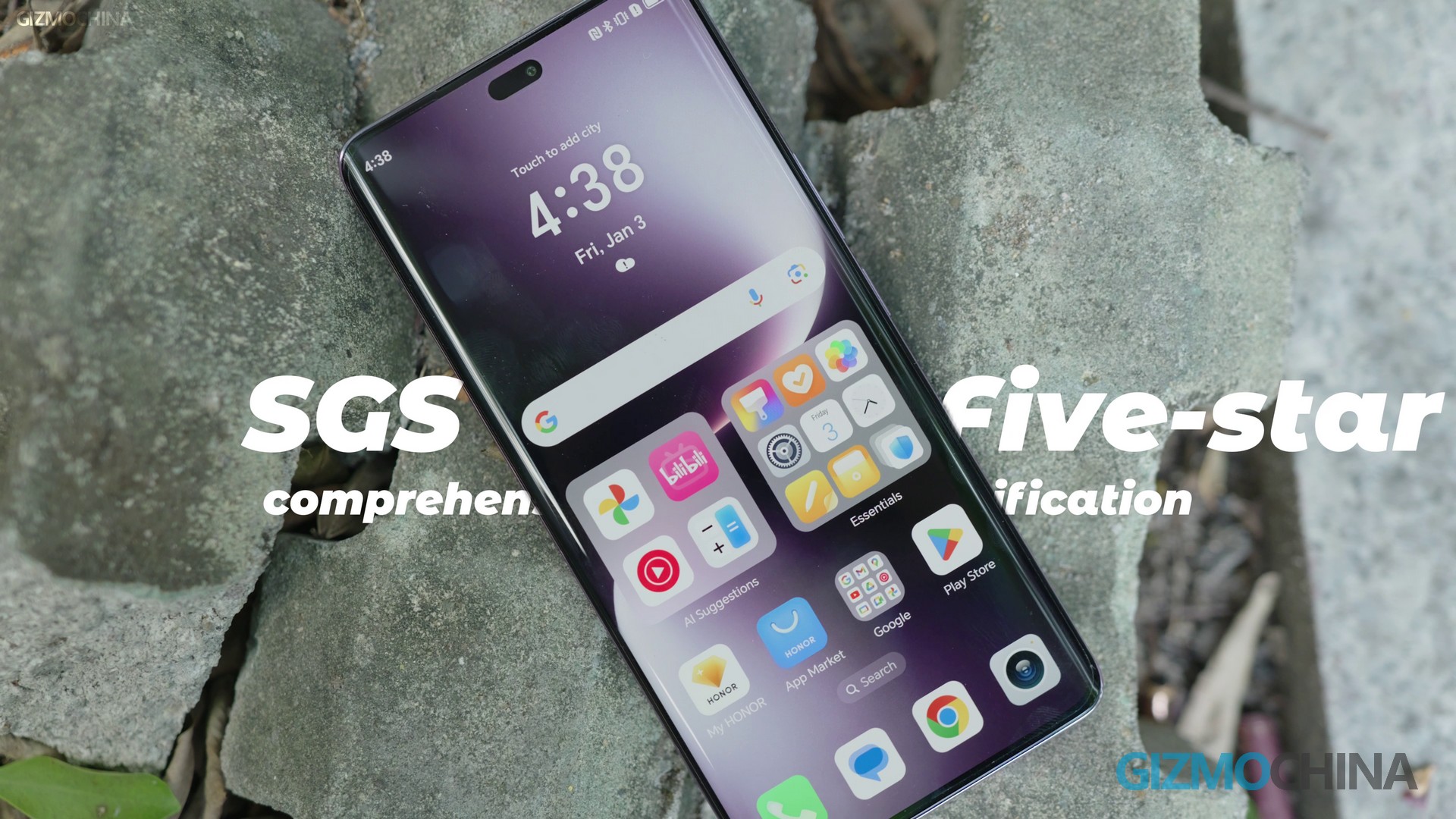
Paired with the industry’s first Cushioning Airbag Protective Case and a Fully Wrapped Curved Screen Protection Layer, you’ve got a phone that can take a hit (But I don’t recommend you test it, as it’s not perfectly guaranteed by the warranty policy). But the brand has done it for you: The Lite model’s screen even got an SGS certification of 5-Star Drop Resistance.
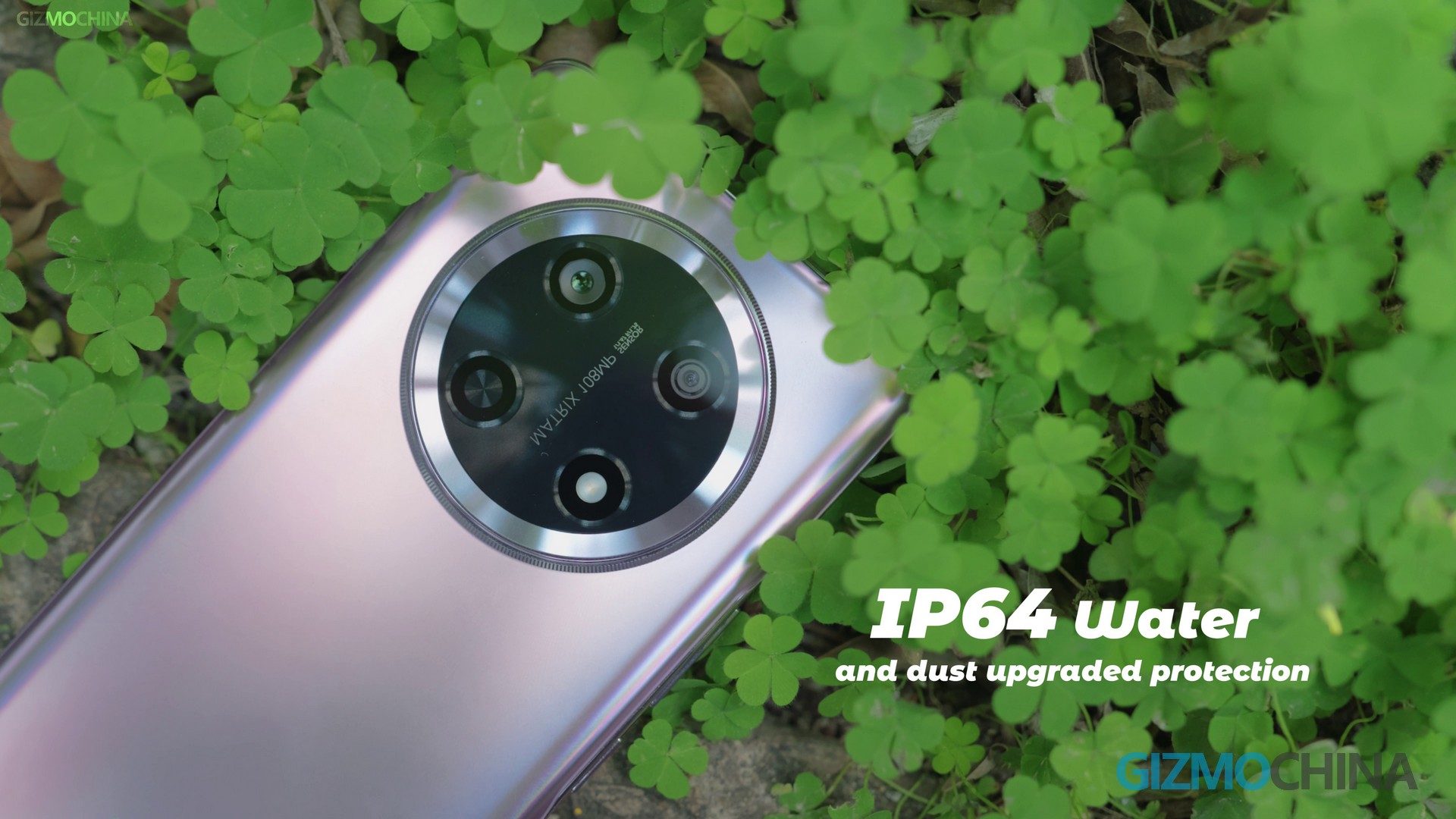
And guess what? Its dust and water-resistant level is IP64, which is rare for light phones at this price.
Display
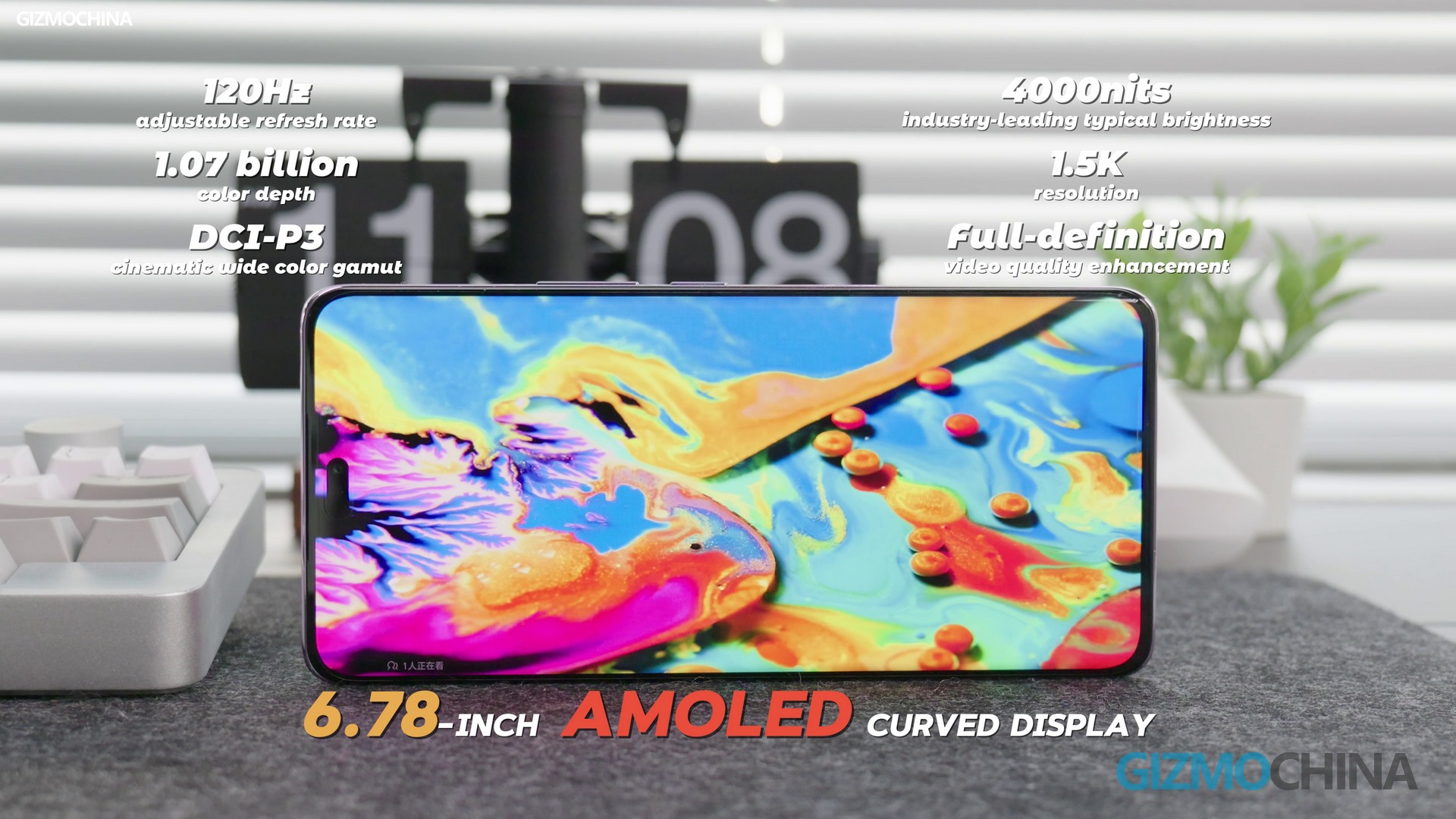
Regarding the display, the Honor Magic7 Lite has an OLED curved screen with pop colors and super-sharp details. It has a 120Hz refresh rate and can get as bright as 4000nits (spot peak brightness), so the images look really fabulous no matter where you are.
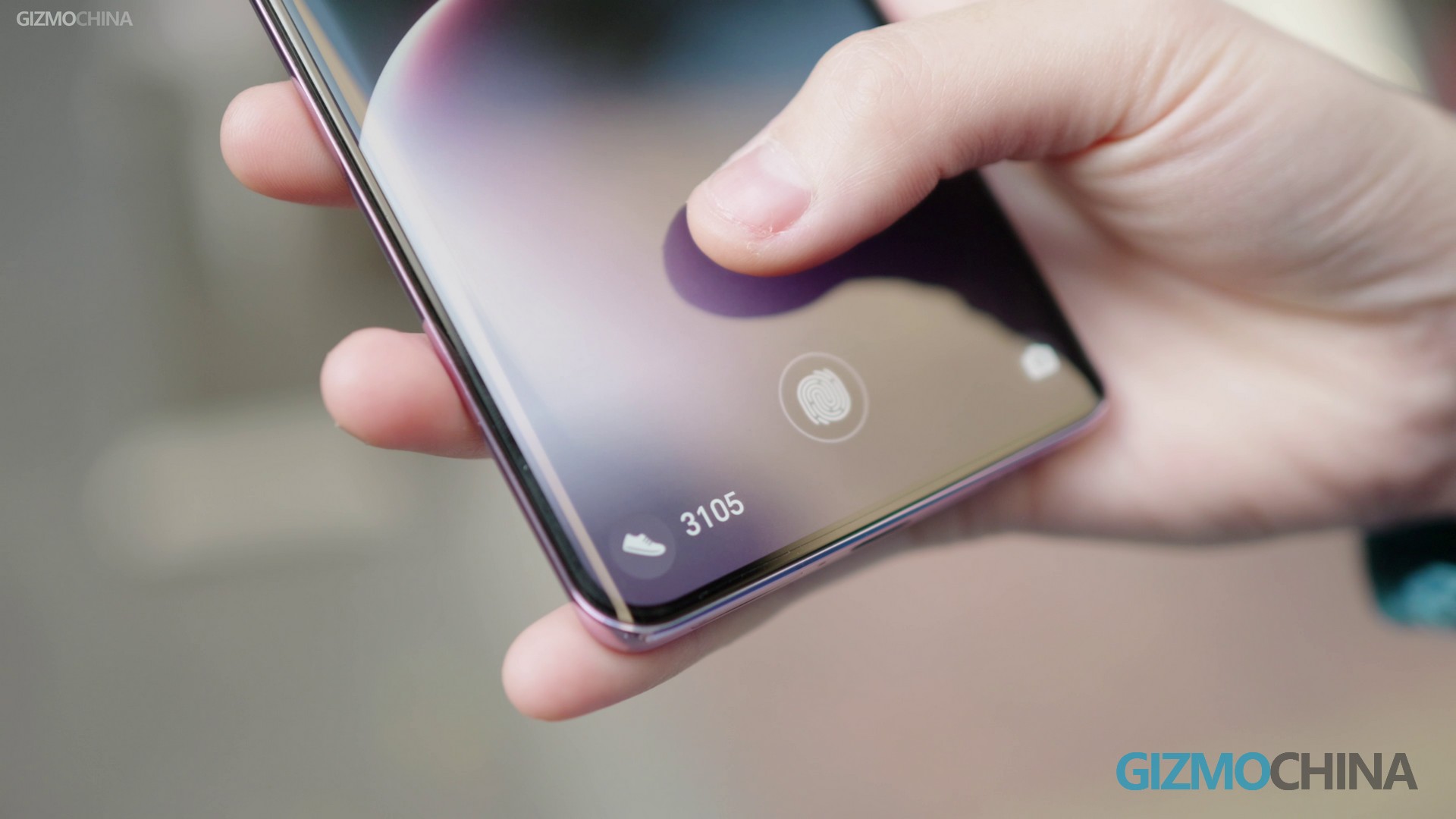
Even in the dark, this display with 3840Hz flicker-free PWM dimming also reduced damage on the eyes. The Lite version has simplified things, like optical fingerprint unlocking instead of ultrasonic. But it still supports phone unlock with your face, and both the facial and fingerprint unlock are pretty fast.
Performance
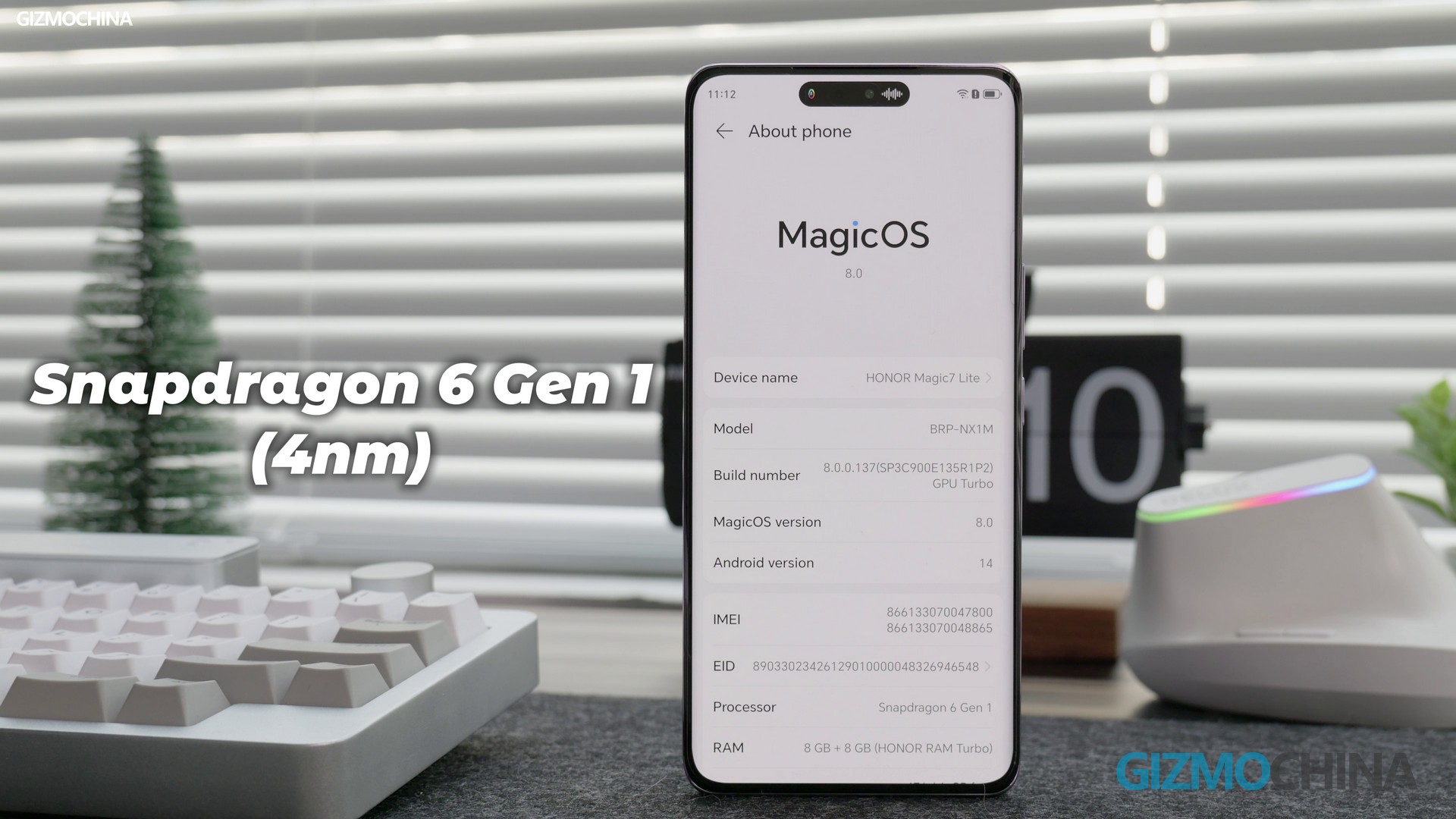
The Honor Magic7 Lite is running on the Snapdragon 6 Gen 1 processor. It’s not the fastest, but it’s enough for everyday and lite gaming, plus handling your daily grind and multitasking like a charm. The new chipset’s graphics performance has significantly increased compared to the last generation, making it a good fit for smooth gaming and other heavy tasks.
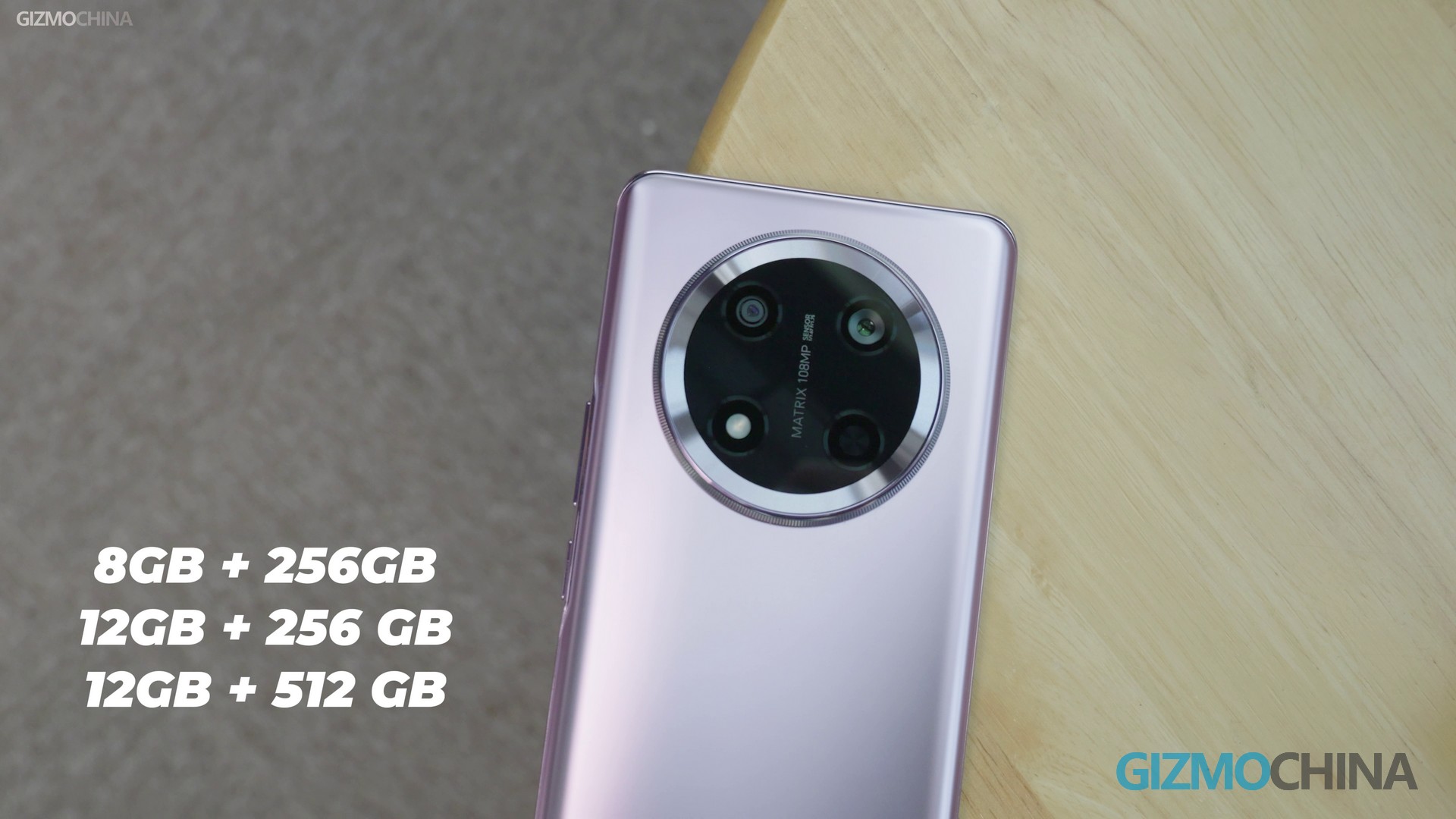
It’s running MagicOS 8, which is based on Android 14, and it’s made to be super user-friendly. With 8GB of RAM and 256GB or 512GB storage options, you can choose a larger storage to make you more comfortable when dealing with plenty of large files.
Smart Features
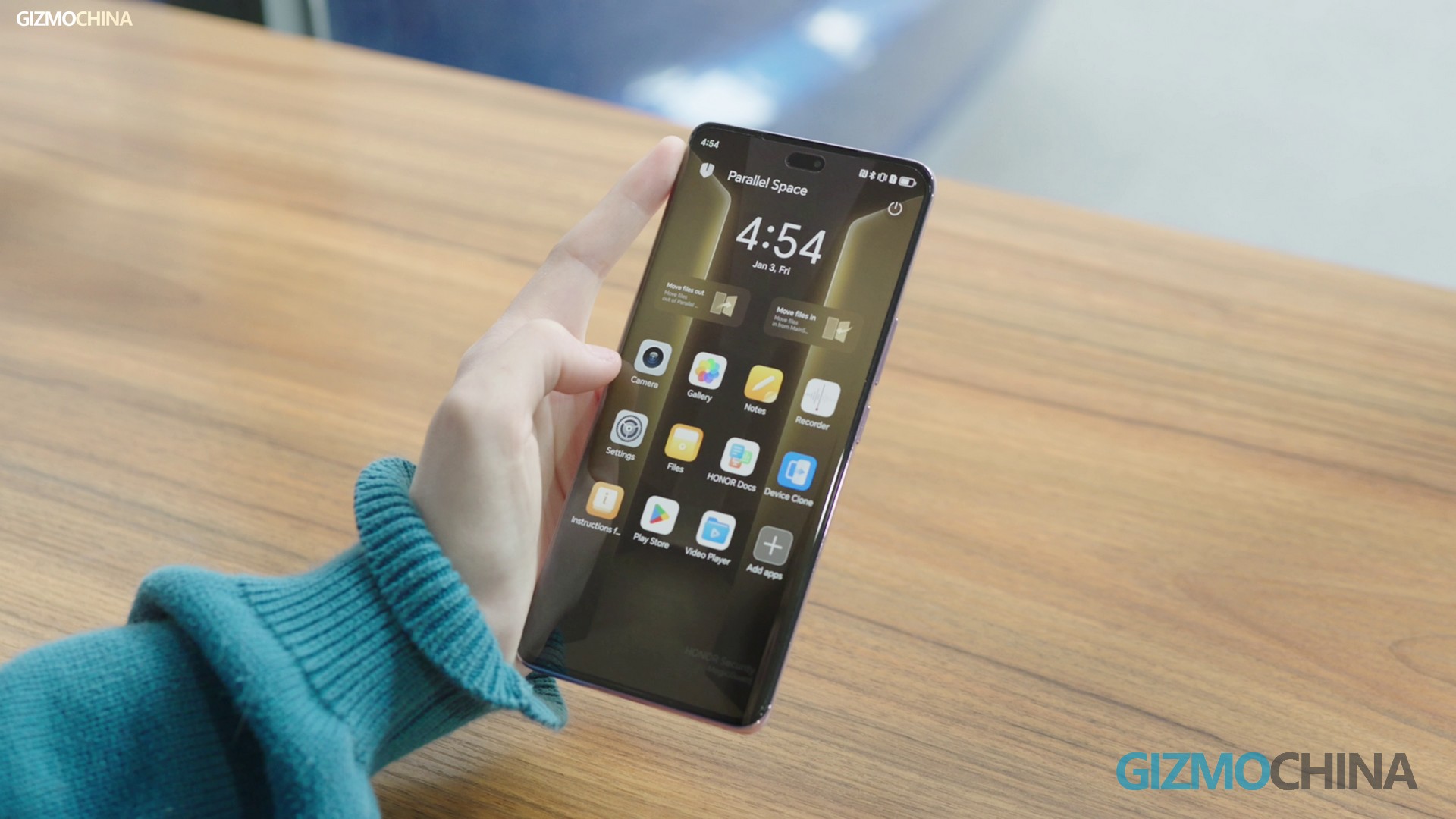
The new features of MagicOS also got succeeded to the Honor Magic7 Lite. The impressive new features like Magic Capsule, Magic Portal, and Parallel Space are still available on the Lite, making your user experience effective and personalized. For example, Magic Capsule can effectively save time dealing with notifications, just tap the bar for more information and have essential operation with the notifications without getting in the apps.
Magic Portal is even more remarkable; it can figure out what you’re trying to do with texts, images and files, and guide you to the apps you need in a single dragging step. Now it works with many apps, from Google and Microsoft apps to all your social media favorites.
Parallel Space lets you use two accounts at once, like having two phones in one, which is fantastic if you want to keep work and play separate.
Battery Life and Charging
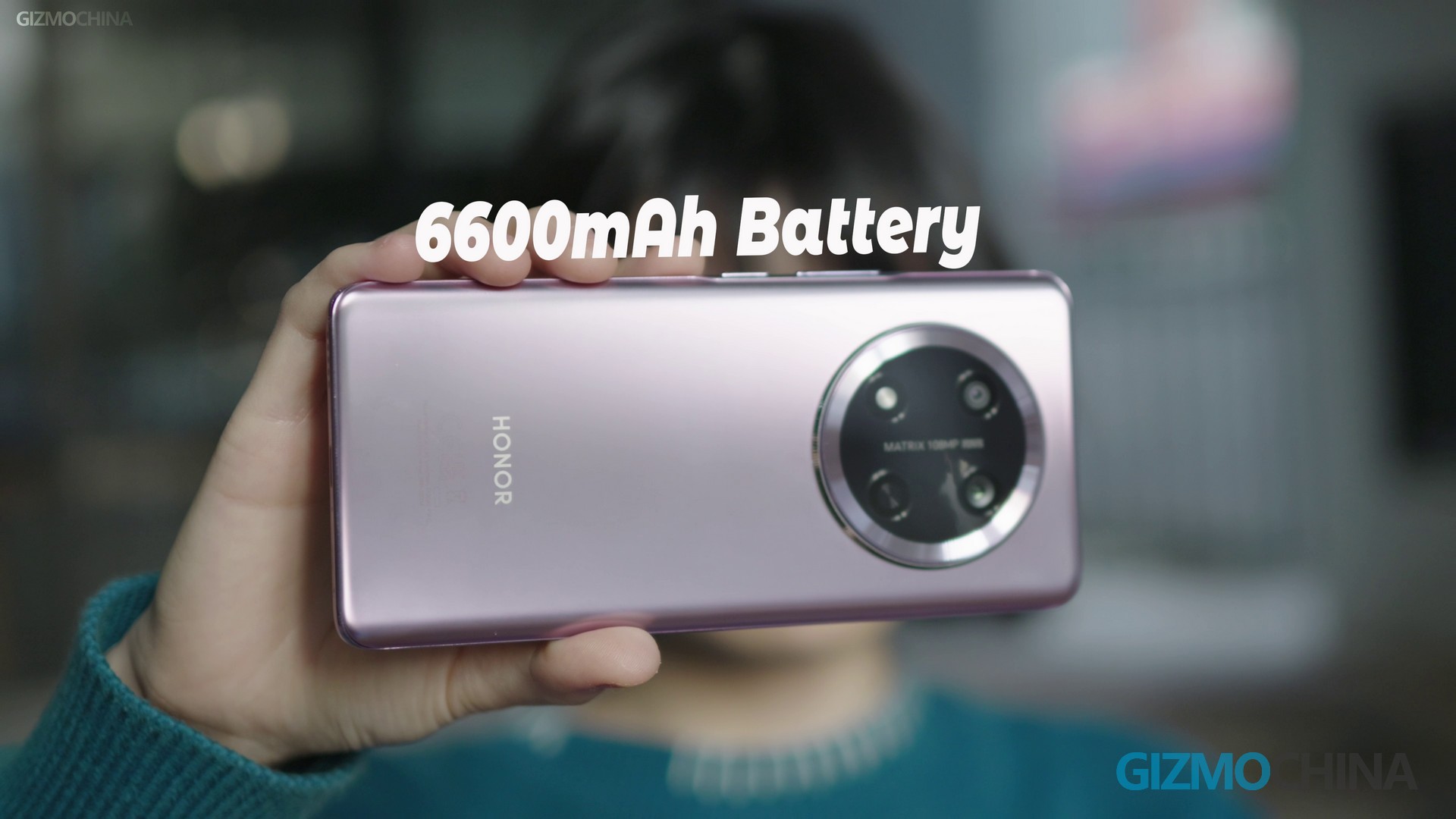
The light Honor Magic7 Lite packs a 6600mAh battery, a big jump from the last generation. It supports 66W fast charging, so you’ve got excellent battery life. But unfortunately, no charger is included in the package. Note that and get one if you are considering buying the phone.
Camera Configuration
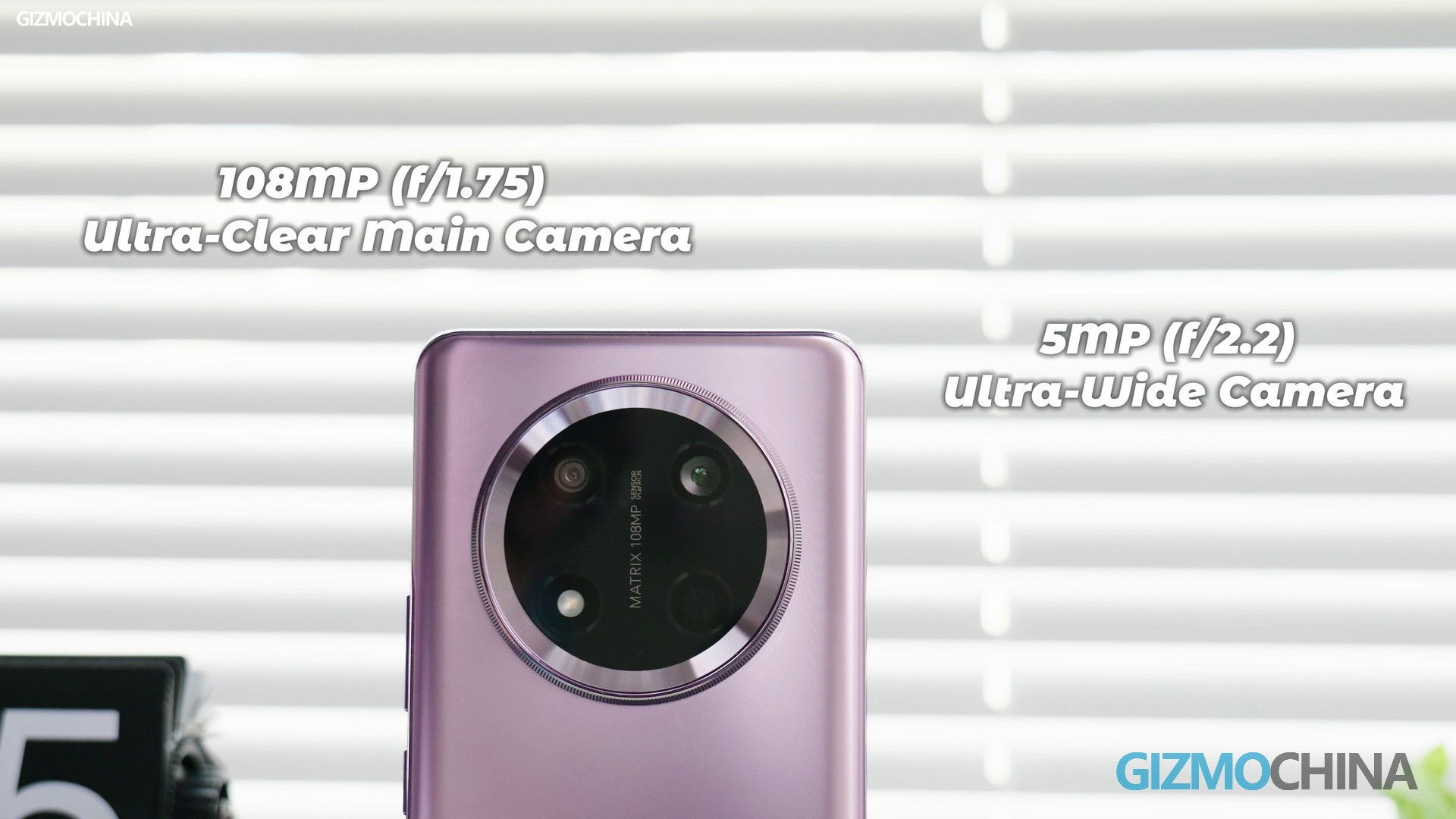
The cameras have a 108MP primary camera and a 5MP ultra-wide-angle lens, so they can take great pictures, whether it’s in bright daylight or pitch-black nights.
It’s got 3x lossless zoom and three portrait modes that are perfect for portraits. The camera’s got OIS to keep your video shooting steady. Plus, you can tap this mode to nail those action shots.
The camera can automatically recognize subtle expressions like smiles and jumping, giving you detailed and impressive snapshots. The AI eraser is still excellent; Honor’s AI algorithm can accurately identify objects and erase them naturally and accurately.
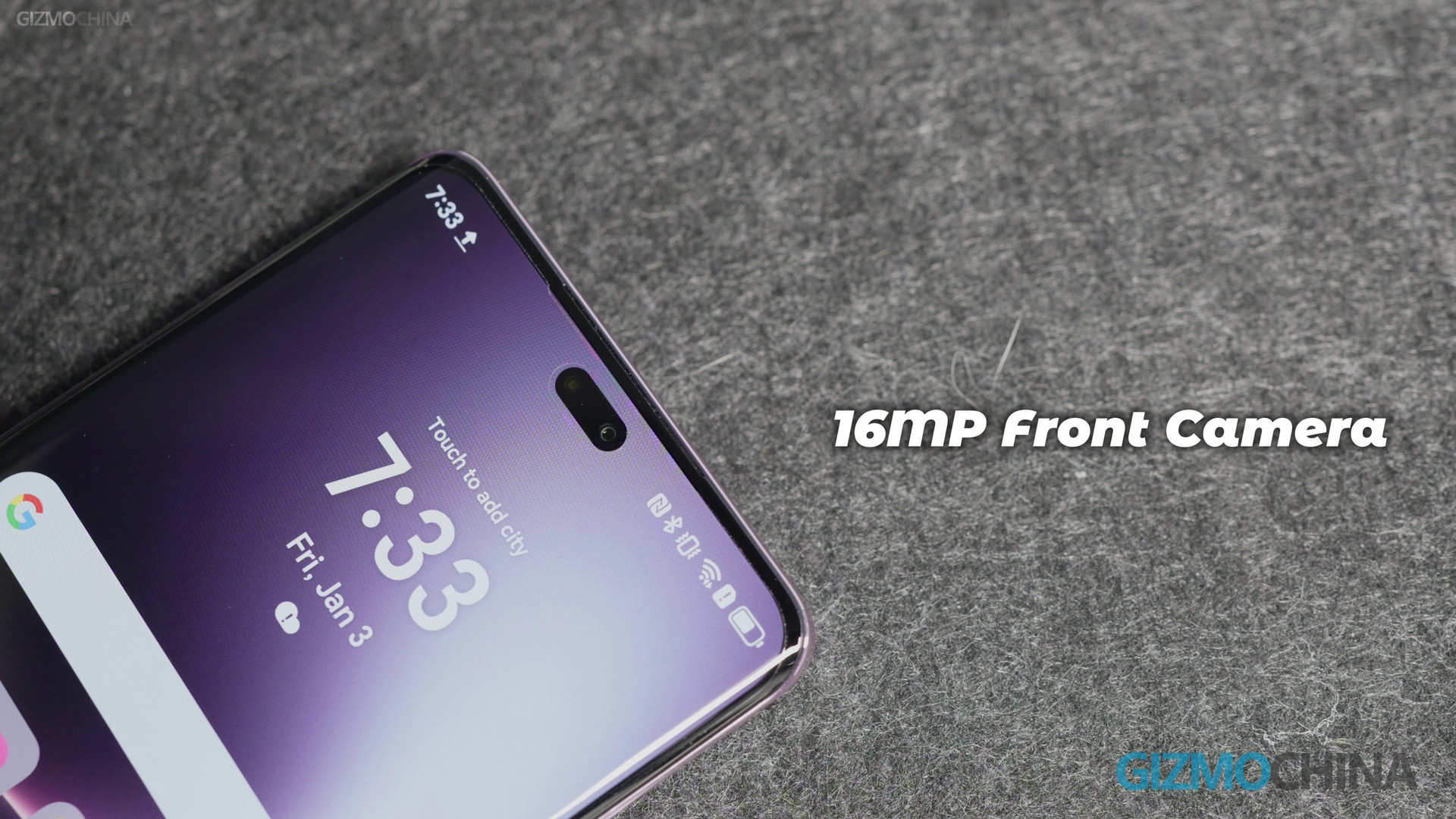
Surprisingly, the 16MP front camera supports OIS optical stabilization, which is more than enough for vlog and selfie portrait shooting.
Conclusion
To wrap it up, the Honor Magic7 Lite is a mid-range smartphone that gives you a lot for such a price tag. It’s almost one of the most versatile pick among the similar mid-rangers. If you’re not after top-tier performance but want a phone that looks good but also reliably tough, lasts all day, and has good camera system as well, you are probably the one they are after. Again, especially since it is incredibly durable and reliable, the Magic7 Lite is likely making a difference in the market.
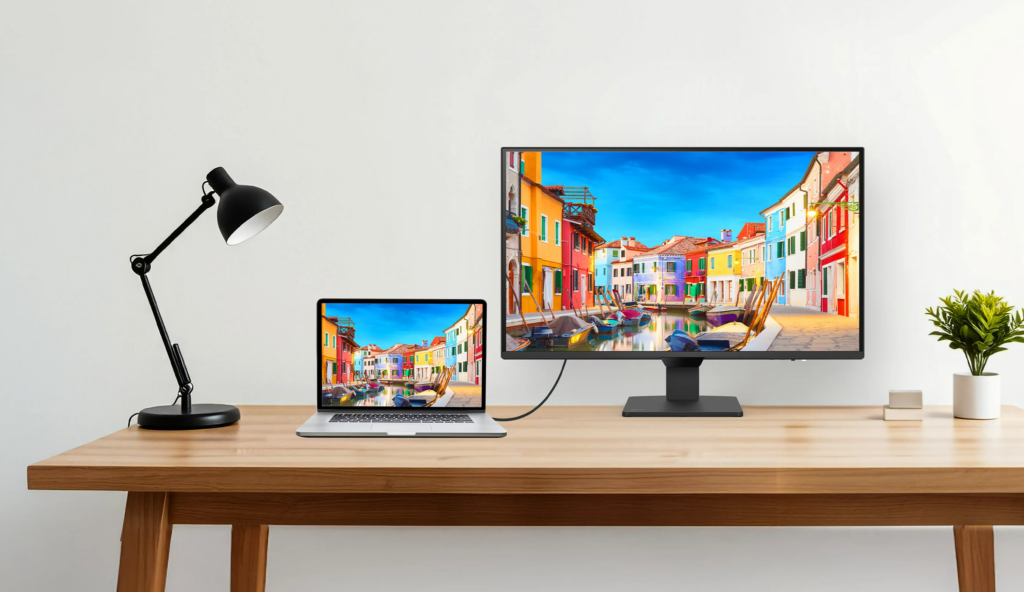
BenQ has launched the GW2790Q monitor, catering to professionals and creatives who require color accuracy, smooth performance, and advanced eye care. With its 27-inch QHD display, 100Hz refresh rate, and extensive eye comfort features, this monitor promises a seamless and immersive experience. Whether for work or leisure, the GW2790Q is designed to meet a variety of needs with its versatile connectivity options and specialized modes.
BenQ GW2790Q key features
BenQ GW2790Q monitor
The BenQ GW2790Q features a 27-inch IPS screen that offers a QHD resolution of 2560 x 1440 pixels and a 100Hz refresh rate. The 99% sRGB color coverage guarantees true-to-life colors, making it an ideal choice for tasks requiring color accuracy. The monitor’s native 1500:1 contrast ratio further sharpens images, adding depth and immersion to both professional and personal use.
A standout feature of this monitor is its extensive eye care technologies. The Brightness Intelligence Gen 2 adjusts the screen’s brightness based on ambient lighting, reducing strain during prolonged use. Additionally, Low Blue Light Plus and Flicker-Free technologies are incorporated to minimize eye fatigue. Certified by TÜV Rheinland for low blue light and flicker-free performance, the GW2790Q is designed to keep your eyes comfortable even during extended hours of use.
For connectivity, the GW2790Q offers dual HDMI 2.0 and DisplayPort 1.2, enabling effortless connection with multiple devices. Whether you’re working with a laptop, desktop, or gaming console, the monitor ensures seamless transitions and stable performance. Plus, its compact design saves space without compromising on functionality, fitting perfectly in any setup.
For those with specific visual needs, the GW2790Q includes specialized modes such as an M-Book for MacBook users, an E-Paper for comfortable reading, and a Coding Mode for clear text clarity. It also supports Color Weakness Mode, ensuring a more accessible experience for users with color vision deficiencies.
BenQ GW2790Q price and availability
Available at a special launch price of Rs 14,990 (~$175), the BenQ GW2790Q is a highly versatile monitor designed to enhance both your work and leisure time.
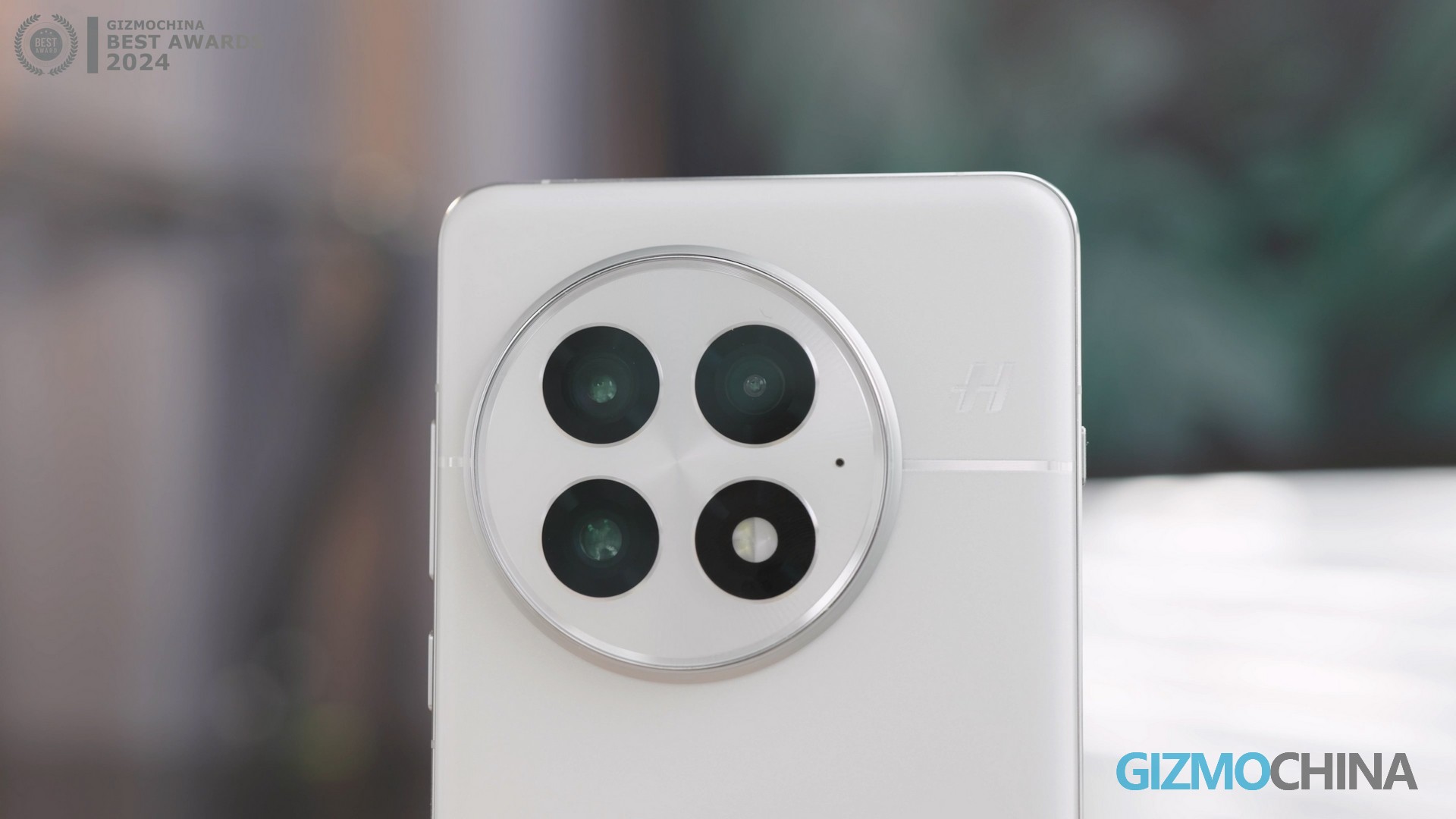
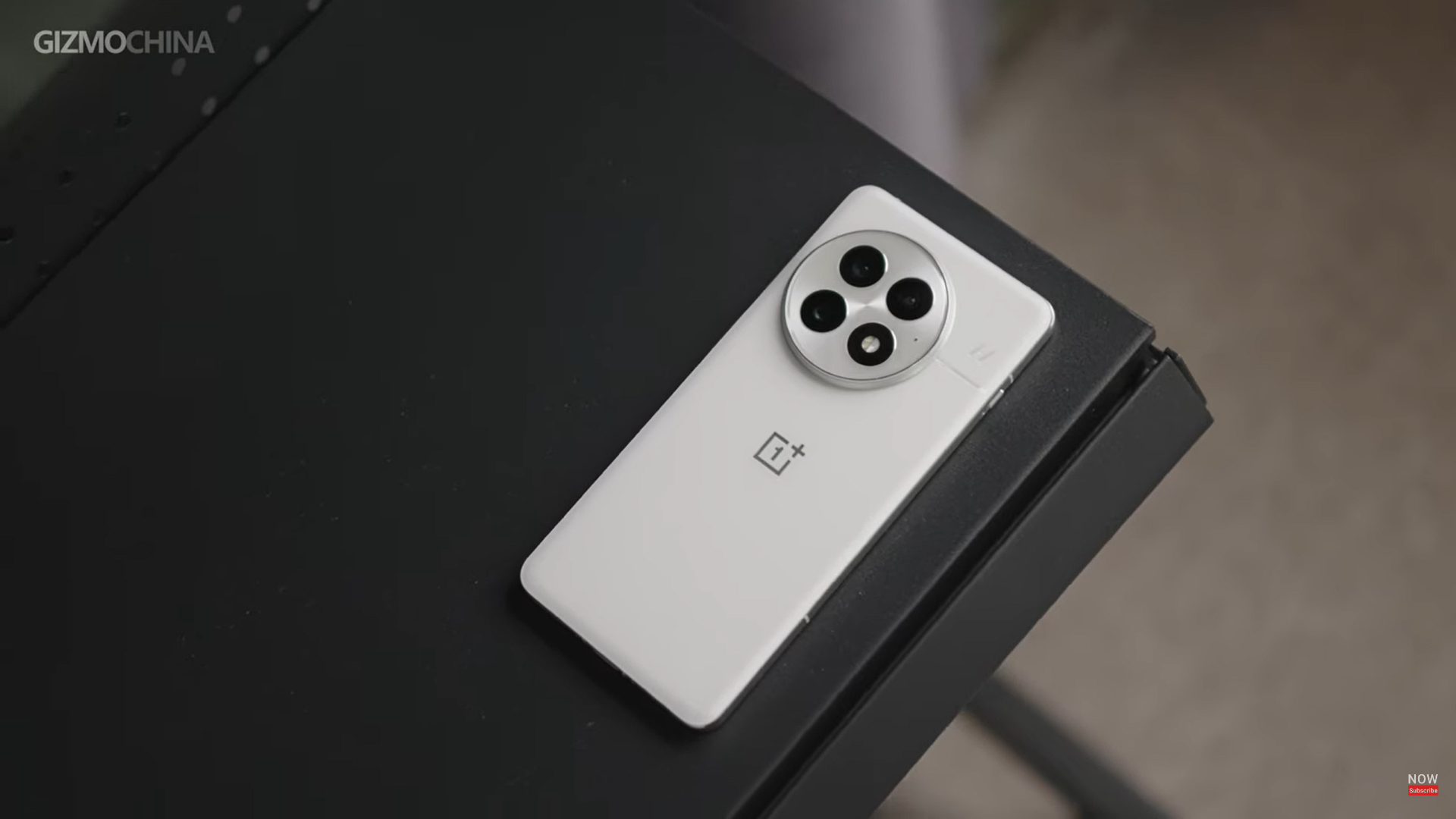
The OnePlus 13 has arrived, packed with impressive specs and refined design. The OP13 continues the brand’s tradition of powerful performance with the Snapdragon 8 Elite, a massive 6.82-inch AMOLED display with a 120Hz refresh rate, and blazing-fast 100W wired charging and 50W magnetic wireless charging.
OnePlus 13
The camera system, co-developed with Hasselblad, promises improved image quality, particularly in low-light conditions. OxygenOS remains a clean and smooth Android skin, though some may miss the distinct identity it once held. But with a crowded flagship market, is the OnePlus 13 the right phone for you? Let’s look into its features and explore some compelling alternatives.
The iPhone 16 Pro Max is a premium offering from Apple and comes with the Apple A18 Pro chip, ensuring unmatched performance and efficiency. While it’s considerably more expensive than the OnePlus 13, Apple’s ecosystem, seamless integration with other Apple devices, and premium build quality often justify the price for loyal users. The iPhone 16 Pro Max features a massive 6.9-inch OLED Super Retina display with ProMotion, offering smooth visuals. Furthermore, it has a versatile triple-camera system featuring a 12-megapixel periscope telephoto camera with 5x optical zoom support.
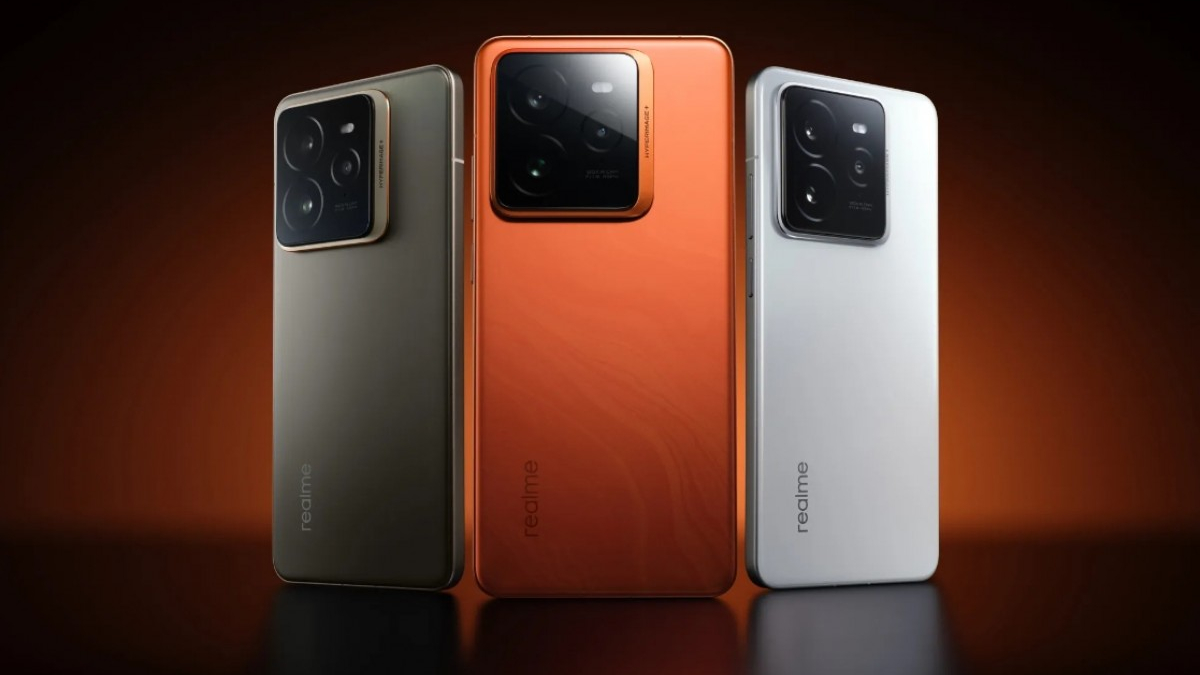
2. Realme GT 7 Pro
Realme GT 7 Pro
Priced at Rs 59,999, the Realme GT 7 Pro is another powerful alternative that rivals the OnePlus 13. Powered by the Snapdragon 8 Elite, the Realme GT 7 Pro delivers incredible performance, along with an AMOLED 1.5K 120Hz display with micro-quad-curved edges. Its camera setup, featuring a 50-megapixel main sensor, an 8-megapixel ultra-wide lens, and a 50-megapixel periscope telephoto camera with 3x optical zoom, makes it a great option for mobile photographers. The Realme GT 7 Pro houses a 5,800mAh battery with 100W charging support. For users who prefer an Android device with a balance of performance and affordability, the Realme GT 7 Pro is a great choice.
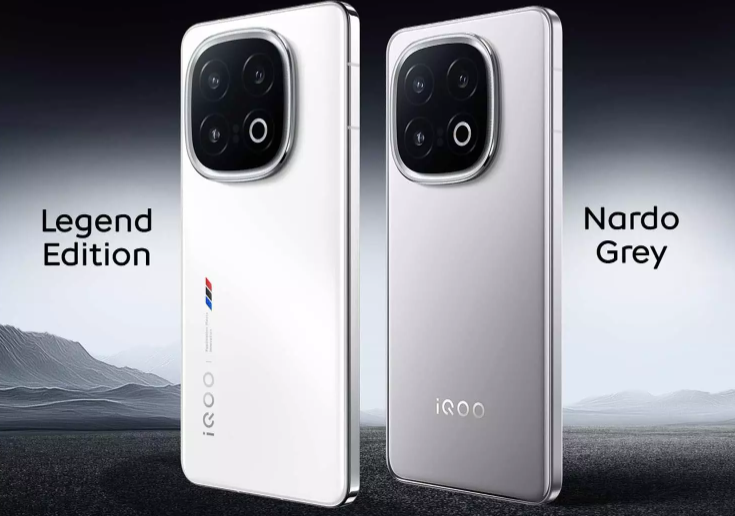
3. iQOO 13
iQOO 13
The iQOO 13, powered by the Snapdragon 8 Elite, is another top alternative to the OnePlus 13. Known for its high-performance specifications, the iQOO 13 comes with a 6.78-inch flat AMOLED display with a 120Hz refresh rate, ensuring smooth visuals. It has a decent camera system with a 50-megapixel primary sensor, a 50-megapixel ultra-wide snapper, and a 50-megapixel telephoto camera with 2x optical zoom. The iQOO 13’s massive 6,000mAh battery supports 100W fast charging, but lacks wireless charging. With a design focused on performance and innovation, the iQOO 13 is an excellent flagship for those looking for a high-end smartphone experience.
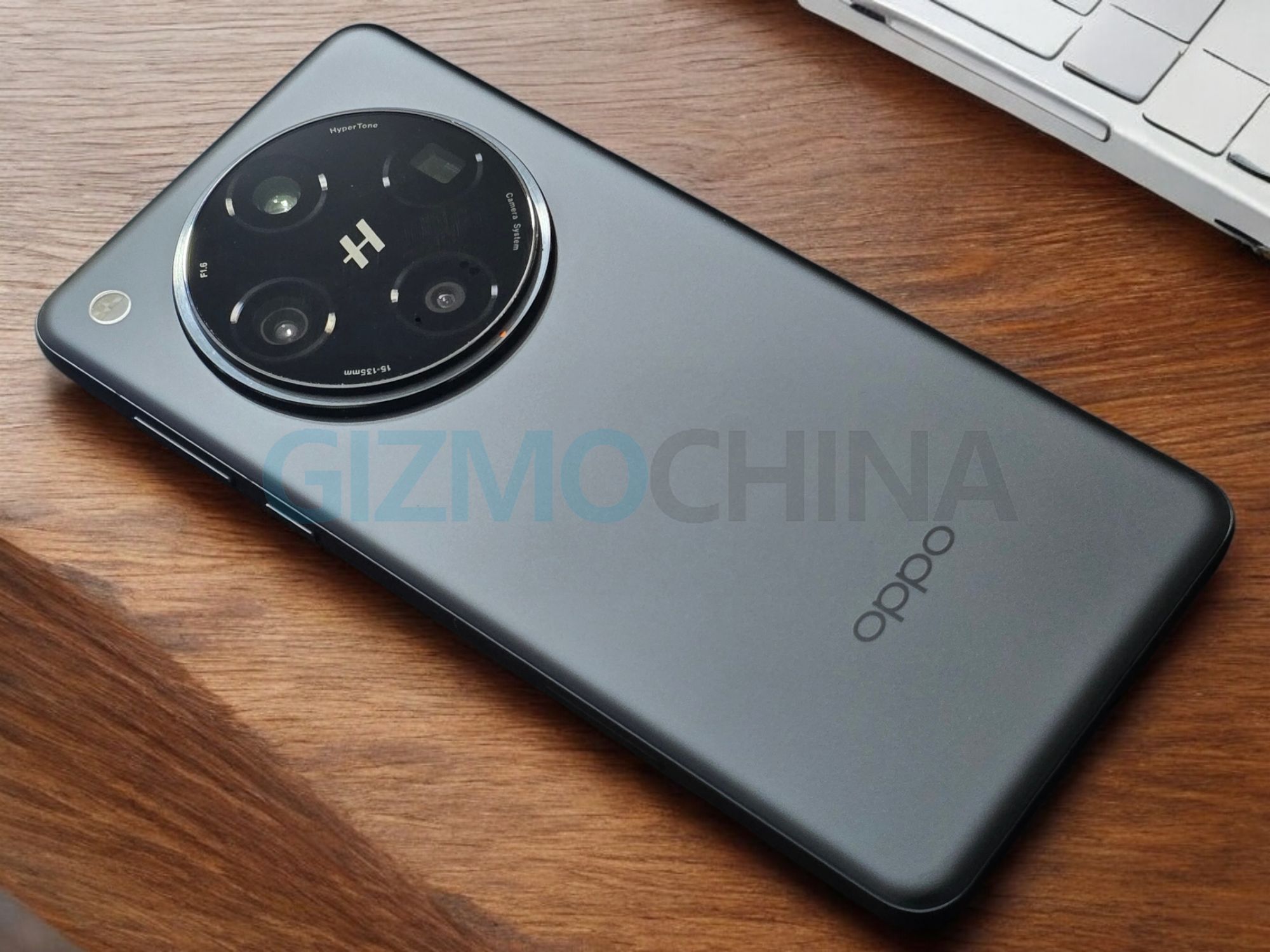
4. Oppo Find X8 Pro
Oppo Find X8 Pro
The Oppo Find X8 Pro, powered by the Dimensity 9400 chipset, offers a great balance of performance and design. It features a 120Hz AMOLED with a micro-quad-curved design, a sleek appeal with an all-metal frame, and a powerful camera setup. The Find X8 Pro is perfect for those who value a high-quality display, long battery life, and exceptional camera performance. With a camera system that includes dual periscope telephoto cameras, it’s a great alternative for users who love mobile photography. Oppo’s ColorOS also provides a smooth user experience, ensuring that the device runs flawlessly. This phone is priced at Rs 99,999.
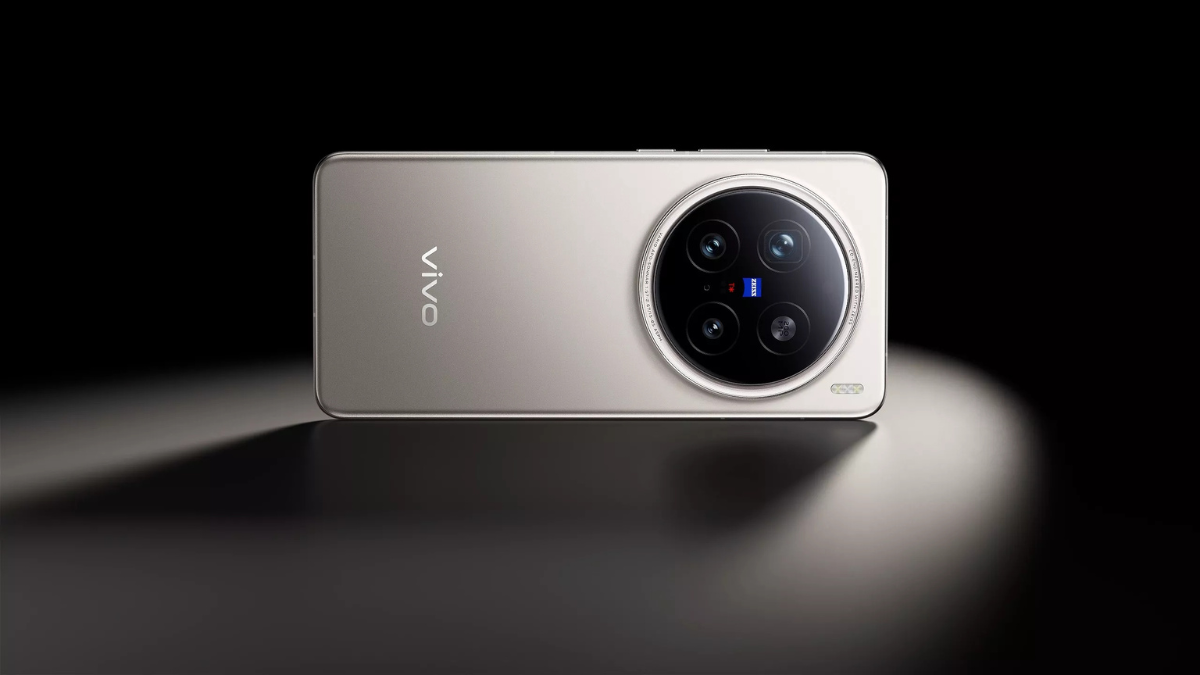
5. Vivo X200 Pro
Vivo X200 Pro
Priced at Rs 94,999, Vivo’s X200 Pro, also powered by the Dimensity 9400 chipset, is a worthy competitor to the OnePlus 13. This flagship device comes with a 6.78-inch AMOLED micro-quad-curved display, offering a 120Hz refresh rate for fluid visuals. It also features an excellent camera system, featuring a 50-megapixel main camera, a 50-megapixel ultra-wide lens, and a 200-megapixel periscope telephoto camera with 3.7x optical zoom. Vivo’s Funtouch OS adds a layer of customization and fluidity, and the phone’s large battery ensures a long-lasting performance. The Vivo X200 Pro offers high-end specifications with an attractive design, making it another excellent option for those looking for alternatives to the OnePlus 13.
[beehiiv_newsletter]
6. Samsung Galaxy S25 Plus
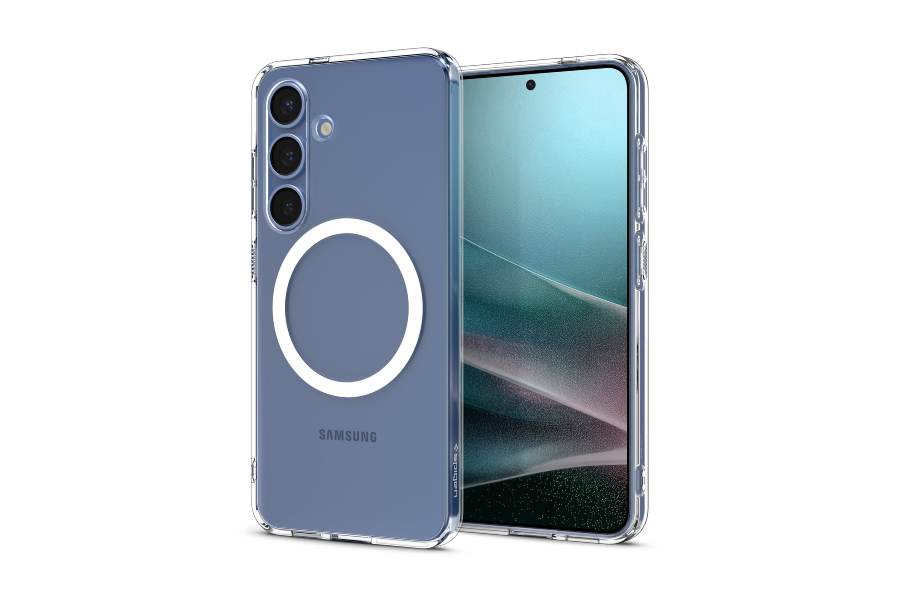
Samsung Galaxy S25’s leaked case image
The Samsung Galaxy S25 Plus, launching on January 22, 2025, is another formidable competitor to the OnePlus 13. Powered by the Snapdragon 8 Elite for Galaxy, this device promises top-tier performance, a stunning Dynamic AMOLED 2X display, and an enhanced camera setup. With a focus on display quality and photography, the Galaxy S25 Plus is expected to offer one of the best mobile experiences on the market. If you’re a fan of Samsung’s premium offerings or want the best display technology available, the Galaxy S25 Plus is an excellent choice. For those seeking a more versatile camera setup and additional features, the Galaxy S25 Ultra will be available, though it will come at a higher price.
7. Xiaomi 15 Pro
Xiaomi 15 Pro
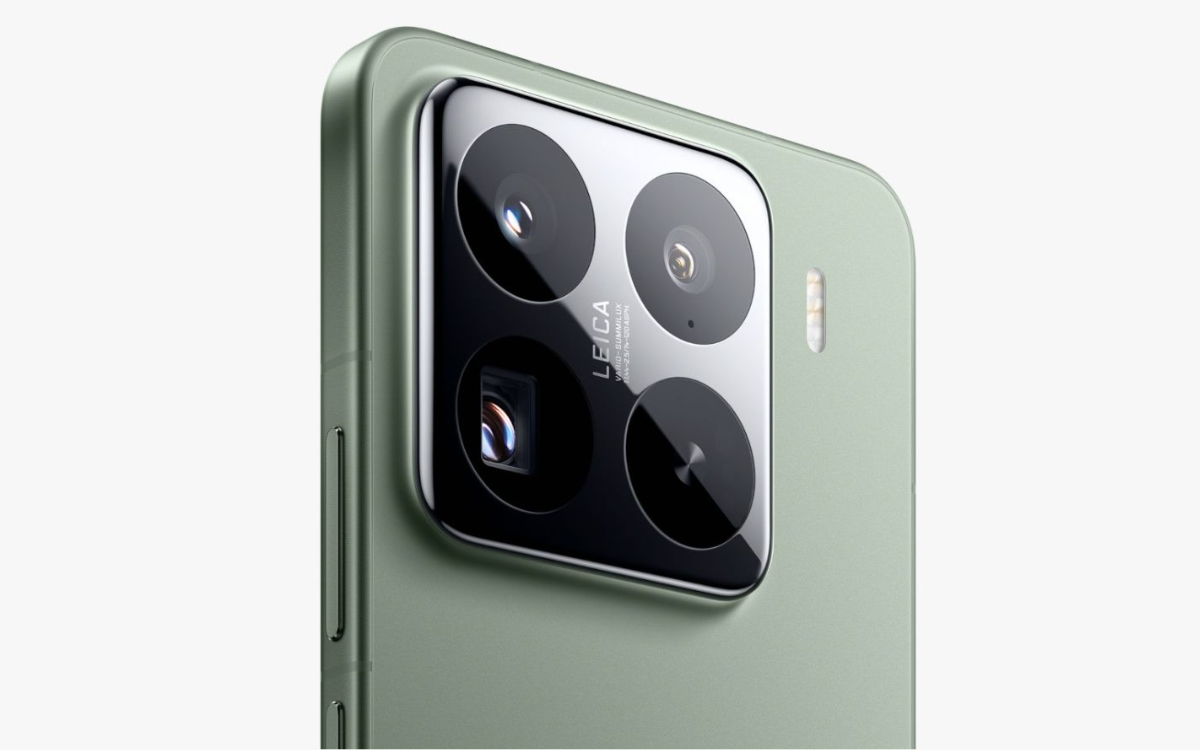
Although the Xiaomi 15 Pro has yet to launch globally, it’s expected to be another top contender in the flagship market. With the Snapdragon 8 Elite and a focus on design and performance, the Xiaomi 15 Pro is set to rival other flagship devices like the OnePlus 13. With a 50-megapixel (main), 50-megapixel (ultra-wide), and 50-megapixel (3x periscope) triple camera setup, the Xiaomi 15 Pro promises to revolutionize mobile photography. This phone is expected to hit the global market within Q1 2025.
Lenovo introduces two new highly advanced laptops on CES 2025. With its world-first camera-under-display tech for a borderless screen and a dual screen Yoga Book 9i for absolute creativity and productivity.
Lenovo Yoga Slim 9i (14″, 10)
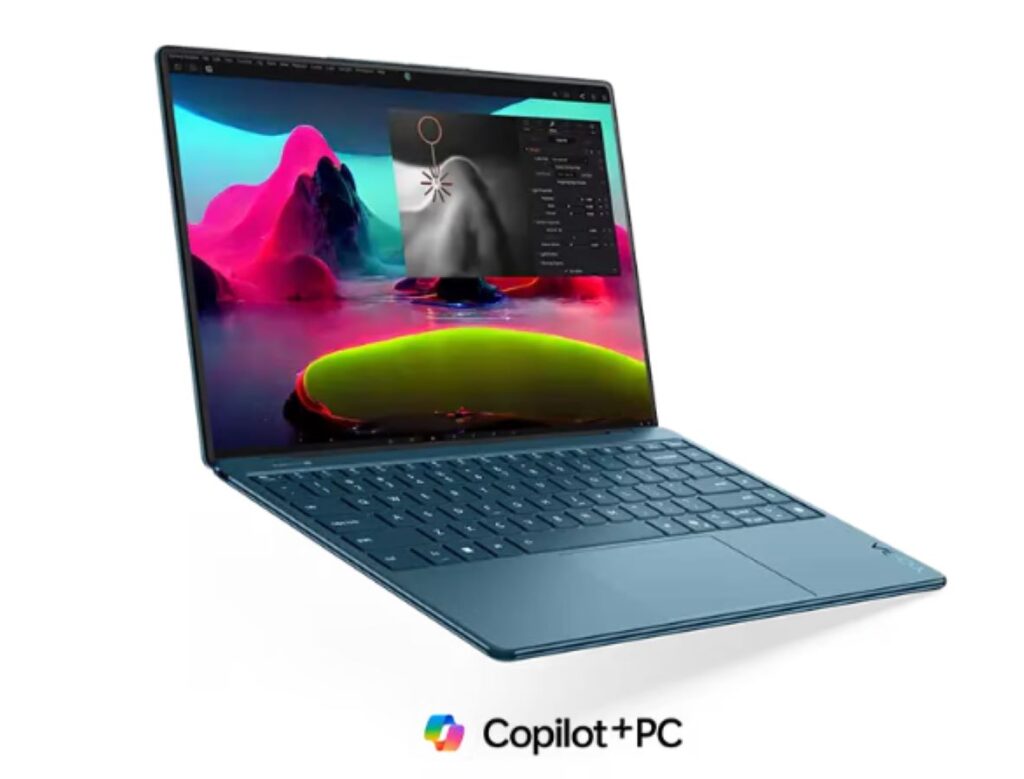
Lenovo Yoga Slim 9i, first camera-under-display
The Lenovo Yoga Slim 9i (14″, 10) redefines the laptop display, thanks to camera-under-display technology. It makes possible an extremely thin bezel and an impressive 98% screen-to-body ratio, the highest ever on a laptop. The 14-inch 4K 120Hz PureSight Pro OLED display boasts unmatched visuals with Delta E<1 color accuracy, 100% sRGB, P3, and Adobe RGB support. The screen is TÜV Low Blue Light and Eyesafe certified, ensuring longer, comfortable usage.
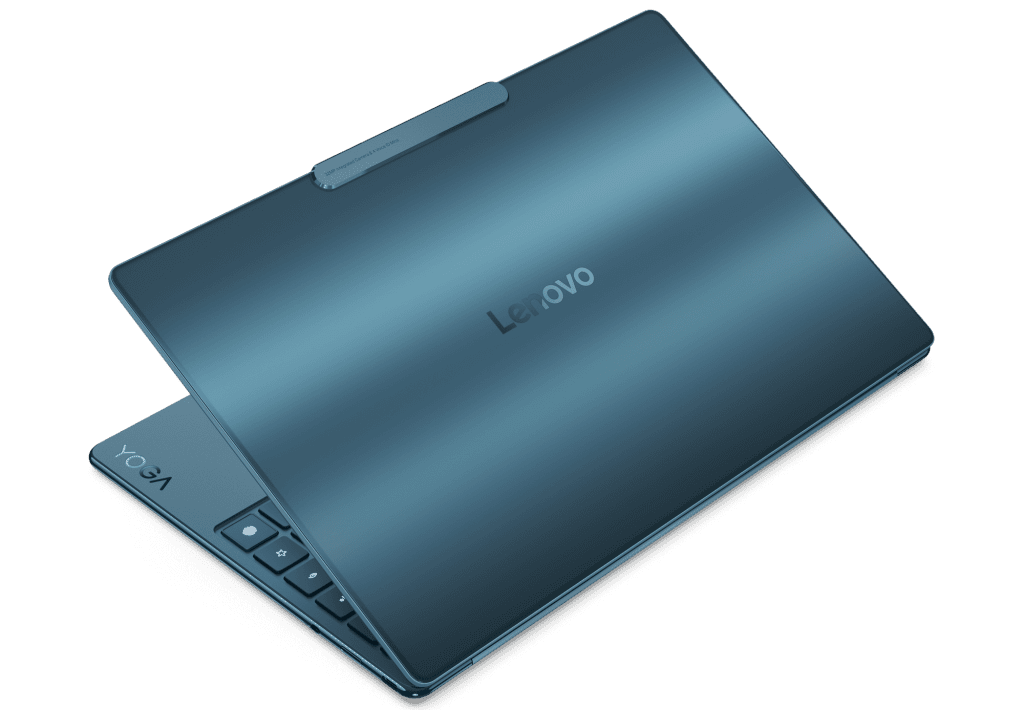
Lenovo Yoga Slim 9i (14″, 10)
The strength of this screen is served by impact-resistant glass that prevents pressure, drop, and scratch impacts. Slim and lightweight at 1.19kg, the laptop is equally powered by an Intel Core Ultra 7 processor, which supports a 48 TOPS NPU. Lenovo’s AI Core uses this NPU to optimize creative apps and readjust performance in real time.
The Yoga Slim 9i is designed for creators, providing up to 17 hours of battery life with a 75WHr battery and AI-enhanced efficiency. Two Thunderbolt 4 ports make it easy to connect accessories while staying productive on the go. The laptop’s AI capabilities reduce workflow bottlenecks, so creators can stay in their flow for longer.
Lenovo Yoga Book 9i: A portable creative studio
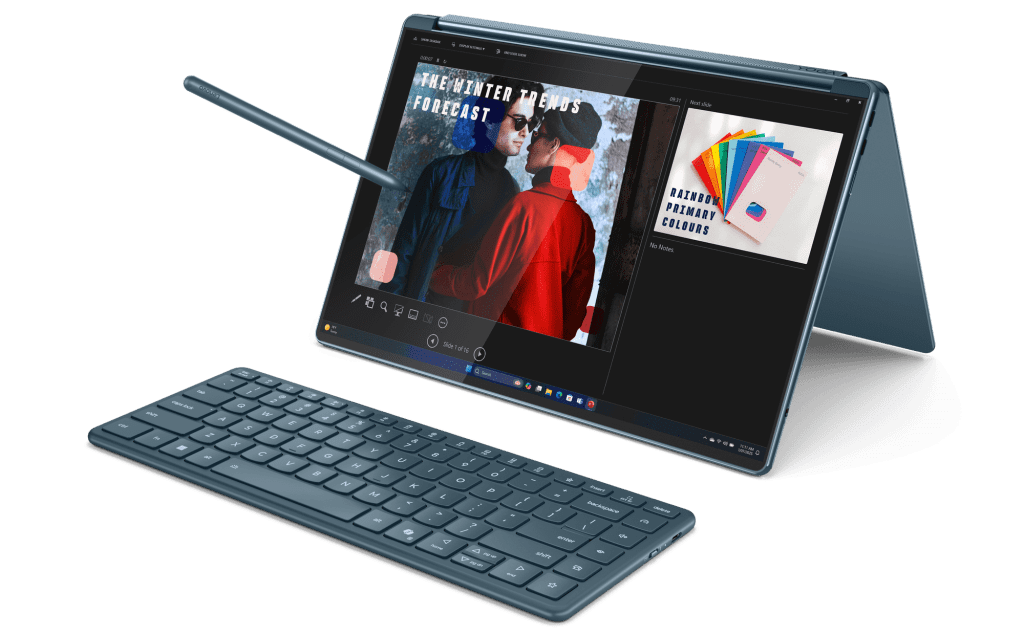
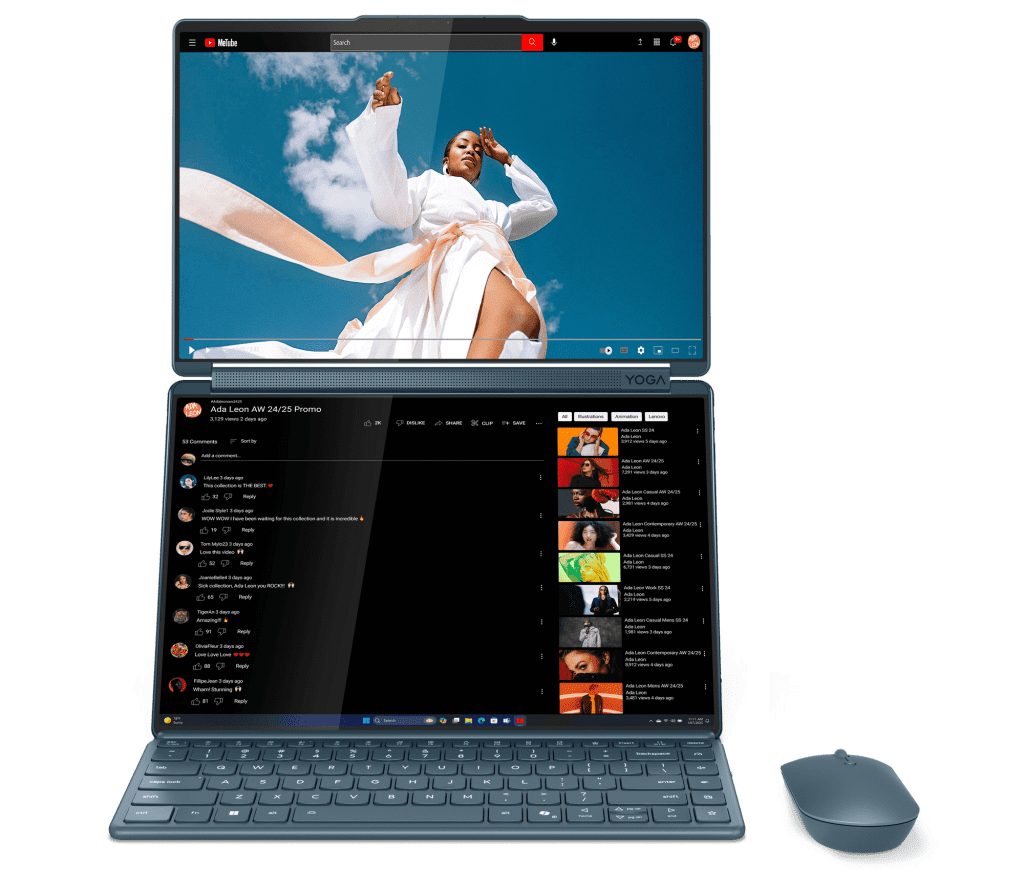
The Yoga Book 9i (14″, 10) is a flexible and convertible laptop that features two 14-inch OLED PureSight touch displays with a 120Hz variable refresh rate, 500 nits of brightness, and 100% DCI-P3 support. They are accompanied by a 360-degree rotating soundbar with Dolby Atmos speakers for immersive audio.
The dual-screen design supports unique use cases. Users can draw on one screen while using the other as a canvas or multitask during video calls. The Yoga Book 9i comes with a Bluetooth keyboard, Yoga Pen, and Folio stand, providing multiple ways to interact and enhance productivity.
AI-powered features optimize workflows and extend battery life, making the Yoga Book 9i a reliable tool for creatives. It is thinner and lighter than its predecessor, offering improved portability without compromising performance.
The Yoga Book 9i (14″, 10) sports an 88WHr battery for longer runtime, and weighs only 1.22kg excluding the keyboard. Meanwhile, ASUS debuts its 2025 ROG Zephyrus G14 & G16 ultraportable gaming laptops with RTX 5080, which you can check out here.
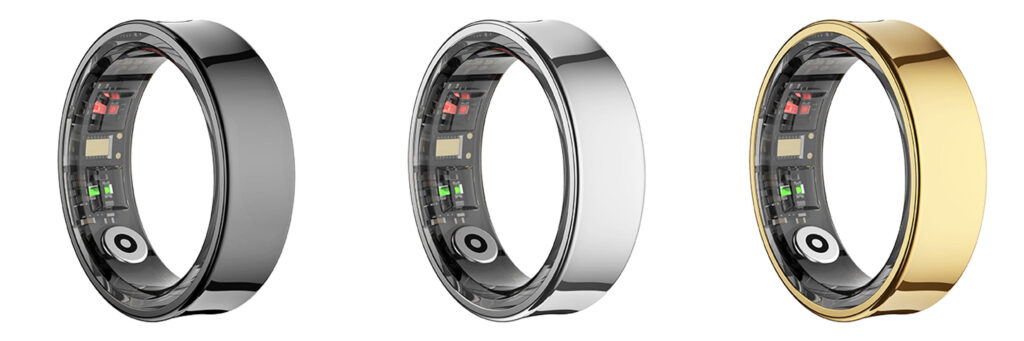
The QRing Smart Ring 3 is here, offering a range of features that combine health monitoring with a sleek design. If you’re looking for a stylish, affordable wearable with top-notch functionality, here are five key reasons why the QRing 3 should be on your radar:
One of the most significant upgrades in the QRing 3 is the addition of body temperature monitoring. This new feature allows you to track your body temperature in real time, helping you stay on top of your health with insights into normal ranges, fever thresholds, and hypothermia detection.
2. Titanium Alloy Construction
Crafted with a titanium alloy outer finish, the QRing 3 offers a premium feel while remaining lightweight and durable. The robust design ensures that it can withstand daily wear, combining durability with a sleek, modern look.
3. Expanded Size Range
The QRing 3 now includes a size 13 option, making it more accessible to a wider range of users. This ensures a perfect fit for anyone looking to enjoy the benefits of the QRing in comfort.
4. New Silver Color
The QRing 3 introduces an elegant new silver color option, providing users with more choices for personal expression. It’s a sleek addition to the existing finishes, offering a stylish and sophisticated look.
5. Comprehensive Health Metrics
This smart ring doesn’t just track body temperature—it also measures heart rate, resting heart rate, and blood oxygen levels (SpO2). All of these are crucial for keeping track of your overall wellness and staying on top of any health changes.
6. Activity and Sleep Tracking
The QRing 3 excels in tracking your physical activity, including step count, distance, active minutes, calories burned, and even workout sessions. Additionally, it monitors sleep quality by recording sleep stages, duration, and vital signs throughout the night.
7. Extended Battery Life with Charging Case
Thanks to the free charging case included with every purchase, the QRing 3 offers an impressive battery life of up to 60 days on standby. This added convenience ensures that you don’t need to worry about charging your ring frequently.
8. Affordability Without Compromise
Priced at just $99, the QRing 3 offers premium features at an affordable rate, with no subscription fees for the app. Plus, exclusive launch discounts and offers, such as a $50 saving when purchasing two rings, make it an even better deal.
The QRing Smart Ring 3 combines essential health-tracking features with a stylish, functional design, making it a standout option for anyone looking to enhance their wellness routine.
We use cookies on our website to give you the most relevant experience by remembering your preferences and repeat visits. By clicking “Accept”, you consent to the use of ALL the cookies.
This website uses cookies to improve your experience while you navigate through the website. Out of these, the cookies that are categorized as necessary are stored on your browser as they are essential for the working of basic functionalities of the website. We also use third-party cookies that help us analyze and understand how you use this website. These cookies will be stored in your browser only with your consent. You also have the option to opt-out of these cookies. But opting out of some of these cookies may affect your browsing experience.
Necessary cookies are absolutely essential for the website to function properly. This category only includes cookies that ensures basic functionalities and security features of the website. These cookies do not store any personal information.
Any cookies that may not be particularly necessary for the website to function and is used specifically to collect user personal data via analytics, ads, other embedded contents are termed as non-necessary cookies. It is mandatory to procure user consent prior to running these cookies on your website.