Redmi unveiled the Pad Pro in May 2024 in China. Equipped with the Snapdragon 7s Gen 2, it is the most powerful tablet from Redmi. However, a new Weibo post by a reliable leaker reveals that the brand is working on a gaming-focused tablet.
Redmi gaming tablet in works
DCS released a Weibo post in August to reveal that Redmi is working on a flagship tablet with a compact design and an LCD screen. At that time, he claimed that the device was in the prototyping phase. He also claimed that the device will break cover in 2025.
DCS appears to be discussing the same device in a recent Weibo post. This time, he asserts that the device will prioritize gaming and feature a Snapdragon 8-series chipset.
In terms of performance, the upcoming Redmi gaming tablet may outperform the upcoming Xiaomi Pad 7 series of flagship tablets. The Pad 7 lineup is expected to include two models, such as the Pad 7 and Pad 7 Pro. According to reports, these devices will be powered by the Snapdragon 8 Gen 2 and Snapdragon 8 Gen 3 chipsets, respectively. Both produces are expected to feature 11.16-inch LCD panels.
Nubia has recently launched a gaming tablet dubbed the Red Magic Nova in China. It features a 10.9-inch LCD panel, a Snapdragon 8 Gen 3 Leading Version chipset, and a 10,100mAh battery with 120W fast charging support. It went official with a price tag of 3,999 Yuan (~$565) in China.
The upcoming Redmi gaming tablet could be a similar offering. Hopefully, more details of the device will surface in forthcoming reports. In related news, Redmi is also working on the Redmi K80 series of smartphones, which is likely to include the Redmi K80e, Redmi K80, and Redmi K80 Pro smartphones. These devices may feature the Dimensity 8400 (upcoming), Snapdragon 8 Gen 3, and Snapdragon 8 Gen 4 chipsets, respectively. The K80 lineup is expected to break cover in November in China.
Several 2024 flagship smartphones are expected to launch this month, with many powered by MediaTek’s Dimensity 9400 chipset. In line with current trends, these brands are integrating numerous AI features into their custom skins, most of which are based on Android 15. But what about AI processing capabilities? According to official sources, the Dimensity 9400 is specifically designed to meet the demands of AI processing.
The chipset supports Google’s Gemini Nano with multimodality, featuring an 8th-generation NPU that offers hardware acceleration for text, image, and speech processing. This reportedly results in a 41% boost in AI capabilities compared to its predecessor. MediaTek has partnered with Google to ensure smartphone manufacturers can integrate more AI features, aiming to enhance user experience.
On-device processing ensures user privacy reduces network dependence
One key advantage of this improved NPU and support for on-device AI processing is enhanced user privacy and security, as more data will be processed locally rather than relying on cloud servers. On-device AI also reduces dependence on network connectivity for feature functionality.
Speaking of the implementation, Vivo’s Android 15-based OriginOS 5 custom skin is rumored to include AI-powered features such as voice transcription, real-time translation, beauty filters, and even AI-controlled NPCs to enhance gaming experiences. OriginOS 5 will debut with the vivo X200 series this month, powered by the Dimensity 9400.
Similarly, the Oppo Find X8 series, also featuring the Dimensity 9400, is expected to introduce new AI features like the “AI Note Assistant”, designed to simplify information storage and retrieval.
That said, the implementation of AI features still depends on the smartphone manufacturers and there’s not much information about the Android 15-based custom skins yet.
Aside from its powerful NPU, the Dimensity 9400 also brings substantial CPU and GPU improvements. The chipset is rumored to have a 1+3+4 core cluster consisting of a Cortex-X925 prime CPU core clocked at 3.626 GHz, three Cortex-X4 cores clocked at 2.80 GHz, and four power-efficient Cortex-A725 (or Cortex-A720) cores.
The Dimensity 9400 is fabricated using TSMC’s N3E (3nm) process node, which is expected to be 30% more power efficient than its predecessor.
Honor has officially announced that the Honor X60 series will be launched at 7:30pm (local time) on Oct. 16. This series is expected to include at least three models and will feature 35W and 66W fast charging options. The phones will continue to offer dual-curved displays, high durability, and impressive battery life, with further enhancements.
Honor X60 series to ride on the success of X50 lineup
The Honor X50 series, released in July 2023, has achieved remarkable success with over 15 million units sold in less than 15 months, averaging one sale every 2.7 seconds. Despite its slim 7.98mm profile, the combined height of these sold units exceeds the height of 13 Mount Everests. The X60 series will build on the X50’s strengths, likely focusing on aspects like performance and durability.
[beehiiv_newsletter]
Honor X60 series: What to expect?
A recent report revealed almost everything about the Honor X60. The device is expected to feature a 6.8-inch AMOLED display that offers an FHD+ resolution and a 120Hz refresh rate. Under the hood, the device will have the Dimensity 7025 chip, 12 GB of RAM, 12 GB of virtual RAM, 256 GB of storage, and a 5,800mAh battery with 35W fast charging support. The device will feature a 108-megapixel primary camera on the back and an 8-megapixel selfie camera. It will run on MagicOS 8-based Android 14.
Last year’s Honor X50 series included multiple models, such as the Honor X50i, Honor X50i+, Honor X50, Honor X50 Pro, and Honor X50 GT. These devices were powered by the Dimensity 6020, Dimensity 6080, Snapdragon 6 Gen 1, and Snapdragon 8+ Gen 1 (for Pro and GT models), respectively. As far as the X60 lineup is concerned, it will at least include three models, such as the Honor X60, X60 Pro, and X60 GT. However, the GT model may debut a bit later this year.
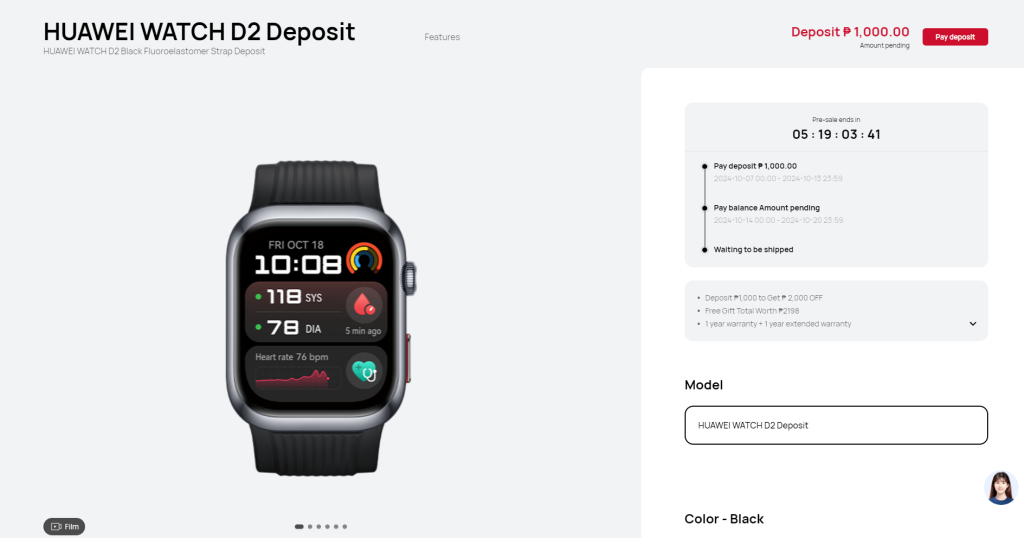
Huawei is set to launch its highly anticipated Watch D2 smartwatch in the Philippines on October 14, 2024. The company has already started accepting pre-orders for the device, allowing consumers to secure their units ahead of the official release.
The Watch D2, which was initially launched in Europe, offers advanced health monitoring features that set it apart from other smartwatches on the market. One of its standout features is Ambulatory Blood Pressure Monitoring (ABPM), which enables continuous blood pressure tracking throughout the day and night. This provides users with valuable insights into their cardiovascular health and helps identify potential issues early on.
The Watch D2 features a built-in micropump and inflatable wrist strap, ensuring accurate blood pressure measurements. Unlike other smartwatches that rely on optical sensors, the Watch D2’s innovative design provides more reliable readings.
In addition to blood pressure monitoring, the Watch D2 also offers a comprehensive suite of health-tracking features. These include Beat-by-Beat ECG Analysis, SpO2 monitoring, Heart Rate monitoring, Stress Level monitoring, and Skin Temperature monitoring. The Watch D2’s TruSense system allows users to measure nine body indicators with just a single tap, providing a comprehensive overview of their overall health.
The Watch D2 boasts a stunning 1.82-inch AMOLED display with a 2.5D floating design, ensuring vibrant and clear visuals. It also supports GPS, allowing users to view routes directly on the screen. The smartwatch is available in Black and Gold color options and comes with a choice of fluoroelastomer or cream leather straps to suit individual preferences.
HUAWEI WATCH D2 pre-order details
To encourage pre-orders, Huawei is offering a ₱1000 ($18) deposit and a ₱2000 ($35) discount to customers who reserve the Watch D2 in advance. Additionally, buyers will receive freebies worth ₱2198 ($39), including a third-gen Huawei Scale Bluetooth Edition. The company is also providing a 1-year warranty and a 1-year extended warranty service for the Watch D2.
The race to launch the first smartphone powered by Qualcomm‘s next-generation chipset, the Snapdragon 8 Elite, has taken an unexpected turn.
While rumors have long been hinting that the Xiaomi 15 series will be the first to debut with the new Snapdragon chip, now it seems the OnePlus 13 might be the first to do so.
The plot twist comes from a teaser video posted by Snapdragon on its official Weibo account. The video doesn’t reveal much about the chipset itself, except that it will have Oryon CPU cores.
The main highlight, though, is a smartphone with a circular camera island in the top-left corner. It’s easy to guess this is a OnePlus phone, as this design has been a hallmark of OnePlus since the OnePlus 11.
Is OnePlus 13 the first to launch with Snapdragon 8 Elite?
Digital Chat Station, the reputable tipster has also weighed in to add some interesting details. First, they confirmed the official name of the next-gen chip—Snapdragon 8 Elite (though the Chinese translations may suggest “Extreme Edition,” that’s just a mistranslation).
More interestingly, the tipster pointed out that the phone shown in Qualcomm’s teaser is a Snapdragon 8 Elite prototype with a design similar to the OnePlus 13. This naturally raises the question—could OnePlus be the first to launch with the Snapdragon 8 Elite?
Even the tipster refrains from outright confirmation. DCS states, “It’s not hard to doubt it, so can OnePlus get the first release?” This leaves room for interpretation.
It’s important to note that this remains speculation, and neither OnePlus nor Qualcomm has officially commented on the launch timeline for the Snapdragon 8 Elite or the device featured in the teaser.
However, the wait for confirmation shouldn’t be long, as we are likely to see the first Snapdragon 8 Elite phone, whether from OnePlus or Xiaomi, this month. We will keep you posted on any updates.
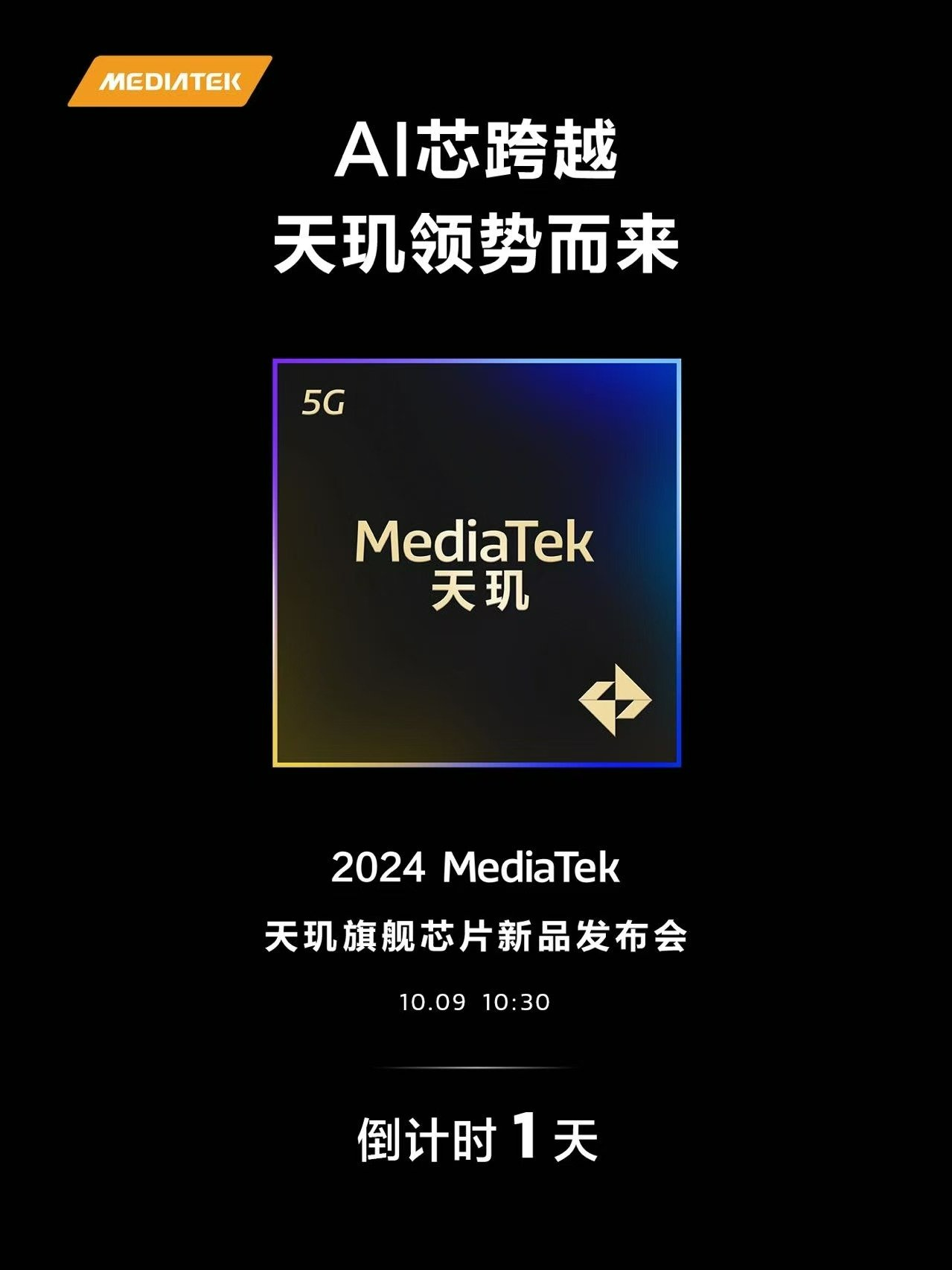
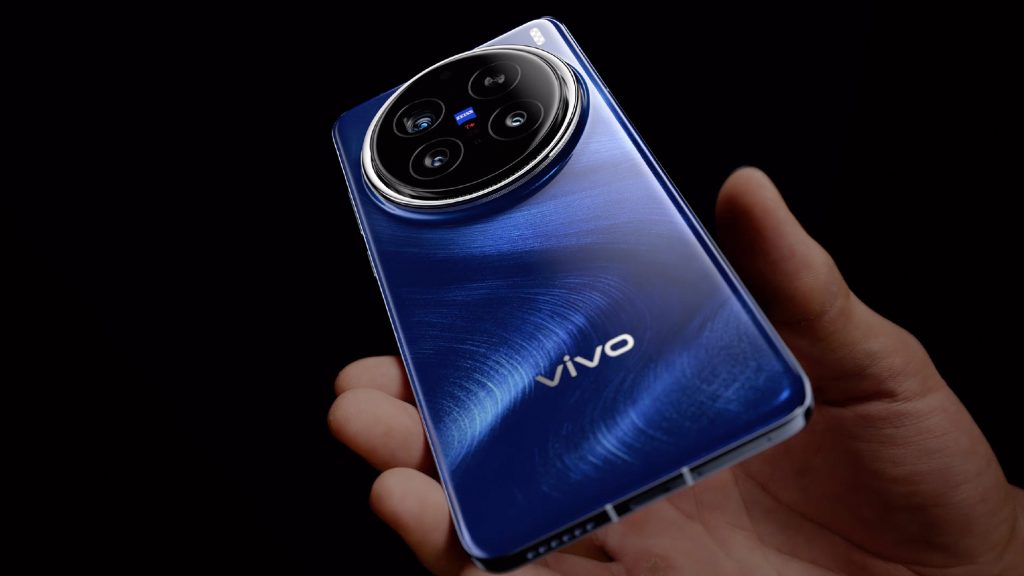
Vivo has officially announced that the X200 series will be launched at 7pm on Oct. 14 in China. This new series not only brings significant upgrades but also debuts the MediaTek Dimensity 9400, the first 3nm chip in the Android ecosystem, built on TSMC’s 3nm process. MediaTek has also confirmed that it will announce its next-generation chip on Oct. 9 in China. Although the Taiwanese tech giant has not made a specific announcement, it seems that they will unveil the all-new Dimensity 9400 tomorrow.
Vivo X200 series to feature MediaTek Dimensity 9400 chip
Vivo X200 series launch dateMediaTek Dimensity 9400 launch date
According to reports, the Dimensity 9400 features the new Arm Cortex-X925 prime CPU core, delivering a 36% improvement in performance and a 41% boost in AI capabilities compared to its predecessor, the Cortex-X4. Additionally, the chip includes the Mali-G925-Immortalis MC12 GPU, touted as Arm’s most powerful and efficient GPU to date. In tests, the GPU achieved 134fps in the GFXBench Aztec 1440P off-screen Vulkan scene, outperforming the A18 Pro by 86% and the Snapdragon 8 Gen 3 by 41%.
Vivo has confirmed that the X200 series will include three models: Vivo X200, X200 Pro, and X200 Pro Mini. These will be the first phones to feature the Dimensity 9400 SoC. Regarding the chip’s performance, the X200 Pro Satellite Edition, equipped with this chip, has achieved an impressive AnTuTu score exceeding 3 million, making it the first Android flagship to do so.
Vivo X200 series to arrive with top-notch cameras
The Vivo X200 series is expected to provide an exceptional photography experience. A highlight of the X200 Pro is that it will flaunt a 200-megapixel f/2.67 85mm periscope telephoto lens with a V3+ imaging chip, covering focal lengths from 15mm to 85mm. It is the same periscope telephoto lens that’s available on the Vivo X100 Ultra.
The X200 Pro and X200 Pro Mini are both expected to come equipped with the Sony LYT818 f/1.57 23mm main sensor. For optically zoomed shots, the X200 Pro Mini is expected to feature a 70mm mid-telephoto periscope lens.
According to reports, the X200 will come with a 50-megapixel Sony IMX921 primary camera and a 50-megapixel Sony IMX882 (or LYT-600) telephoto camera. All three phones are expected to feature a 50-megapixel Samsung JN1 lens for ultra-wide shots.
Oppo is set to launch the Find X8 series devices this month. However, that’s not the only new product lineup the company will launch this month. The mid-range Oppo K12 Plus will be launched on October 12, positioned as a device that focuses on battery life and performance.
The Oppo K12 was launched in April this year with the Snapdragon 7 Gen 3 chip. The upcoming phone has already appeared on Geekbench with a single and multi-core score of 744 and 2573 respectively.
Oppo K12 Plus specifications:
The phone packs a 6.7-inch FHD+ AMOLED display on the front and a 6400 mAh battery inside, which supports 80W fast charging. However, despite packing a massive battery, the phone maintains a sleek form factor, measuring 162.47×75.33×8.37mm and weighing only 193 grams.
While the company hasn’t revealed much about the phone yet, it was previously rumored to equip the Snapdragon 7 Gen 3, the same chip that is used by the standard model. However, the moniker suggests that there could be a performance improvement, which can be achieved with better thermal management and a different software tuning. Nonetheless, nothing is concrete about it, and readers should take it with a pinch of salt.
The overall design language of the Plus model is also expected to resemble the one the company released in April this year. To give you a clearer picture of what to expect, here’s a rundown of the Oppo K12‘s specifications.
The K12’s display reaches a peak brightness of 1100 nits and has an FHD+ resolution, which translates into a pixel density of 394ppi. This phone packs UFS 3.1 fast storage chips and comes in a total of three storage and memory configurations: 256GB 8GB RAM, 256GB 12GB RAM, and 512GB 12GB RAM.
Speaking of cameras, the K12 packs a 50MP + 8MP dual camera setup on the back, paired with a 16MP selfie shooter.
When it comes to powering up the device, it supports 100W wired fast charging, so users can expect a similar (if not faster) charging speed with the Plus model.
The upcoming Oppo Find X8 series and Vivo X200 series of flagship phones, slated for launch later this month, will arrive with many exciting features. Among them is support for innovative off-network communication capabilities. However, the principles and technologies behind these features differ significantly between the two brands.
Find X8 series’ off-network communication
Oppo Find X8 off-network communication
Oppo’s off-network communication feature, dubbed BeaconLink globally, was first introduced with the Oppo Reno 12 series of smartphones. It is built on Bluetooth 5.4 technology, which includes new characteristics such as bidirectional communication without a direct connection, enabling devices to communicate within a certain range without the need for an internet connection.
This feature is designed for short-distance communication, with an effective range of a few hundred meters. This makes it suitable for scenarios where users need to stay connected without relying on traditional network infrastructure.
Vivo X200 series’ off-network communication
Vivo X200
Vivo’s Vice President and General Manager of Brand and Product Strategy, Jia Jingdong has confirmed that the X200 series will be equipped with an off-network communication feature utilizing LoRa (Long Range) technology, distinct from WiFi and Bluetooth. LoRa operates similarly to a walkie-talkie, using specific frequency bands that allow for longer communication ranges, spanning several kilometres.
This makes it particularly useful in environments where traditional network connectivity is unavailable or unreliable. LoRa’s extended range offers a significant advantage for users needing robust communication capabilities over greater distances.
Launch Dates and Global Availability
The Oppo Find X8 and Find X8 Pro are slated for launch on Oct. 21 in China. These devices have already received multiple certifications globally, indicating that they will be available in various markets outside of China by the end of the year.
Meanwhile, the Vivo X200, X200 Pro, and X200 Pro Mini are expected to debut on Oct. 14 in China. The X200 series is likely to be released globally in the first quarter of 2025.
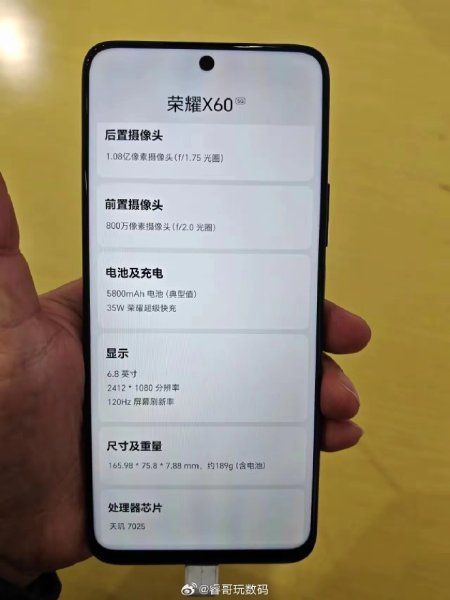
Honor introduced the X50 smartphone in July last year. More than a year later, the company seems finally ready to launch its successor, the Honor X60. A recent leak has now revealed the front design and key specifications of the upcoming phone.
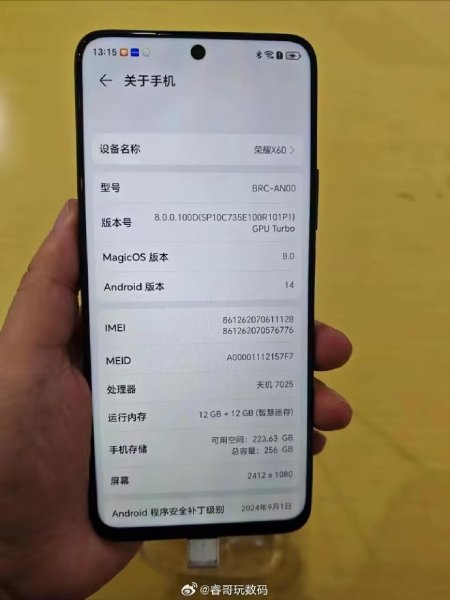
The leak, shared by a Weibo user, includes an image of the Honor X60’s About phone page. Here, we can see the phone with a flat screen, unlike the curved display of its predecessor. The punch-hole cutout on the front also seems a bit bigger this time around.
Honor X60 Specifications
As for the specifications, the Honor X60 features a 6.8-inch FHD+ screen with a 120Hz refresh rate. It’s powered by the MediaTek Dimensity 7025 chipset, while its predecessor used the Snapdragon 6 Gen 1 SoC.
Both chipsets use a combination of Cortex-A78 and Cortex-A55 CPU cores. The Dimensity 7025 features 2×2.5 GHz Cortex-A78 and 6×2.0 GHz Cortex-A55 cores, while the Snapdragon 6 Gen 1 has 4×2.2 GHz Cortex-A78 and 4×1.8 GHz Cortex-A55 cores.
On paper, the Snapdragon should perform slightly better and should also be more efficient due to its 4nm manufacturing process, compared to the 6nm process on the Dimensity 7025.
The device ships with 12GB of RAM (expandable virtually up to 12GB) and 256GB of internal storage. On the software side, it runs MagicOS 8, based on Android 14.
For the camera, the “About phone” page only lists a 108MP main rear lens with an f/1.75 aperture, but there’s no information about the additional lenses. On the front, it has an 8MP camera with an f/2.0 aperture.
All this is kept on by a hefty 5800mAh battery that will be refueled by a 35W charger. The battery and charging speed are the same as the Honor X50, so you can expect a 50% charge in just 30 minutes.
Despite the large battery, the phone is still quite compact and lightweight. It measures 8mm thick and weighs just 189 grams.
Get ready for Amazon Prime Big Deal Days on October 7-8, where you can enjoy massive savings on TECLAST tablets, laptops, and more. With huge discounts and exclusive offers, this is the perfect time to upgrade your tech at unbeatable prices. Let’s check out some of the most exciting products available during the sale.
TECLAST T60
The TECLAST T60 delivers an impressive balance of performance and design, making it a great option for work, entertainment, and gaming. Priced at $175.99 (discounted from $229.99), this tablet offers premium features at an affordable price.
Stunning Display and Sleek Design
The T60 features a 12-inch screen with a slim 6.5mm bezel and a 92% screen-to-body ratio, offering an immersive viewing experience. Weighing just 558g and with a thickness of 7.8mm, it’s lightweight and easy to carry. The CNC-machined aluminum unibody has a sandblasted finish for a sleek, modern look.
Powerful Performance
Powered by the UNISOC T620 chipset, the T60 ensures smooth multitasking with up to 20GB of RAM (8GB built-in plus 12GB expansion). It comes with 256GB of internal storage, expandable up to 1TB via a MicroSD card, providing ample space for apps and files.
Long Battery Life
With an 8000mAh battery, the T60 supports up to 10 hours of daily usage. The 18W USB-PD rapid charging ensures a quick return to full power.
Smart Camera and Sensors
The T60 has a 13MP rear camera and a 5MP front camera for clear photos and video calls. It also features light, hall, proximity sensors, and a gyroscope, enhancing the user experience in games and apps.
At its current price, the TECLAST T60 offers fantastic value with high-end features for a range of uses.
The TECLAST P30 tablet brings a blend of power, design, and functionality at an affordable price of $74.99 (down from $89.99). Designed for everyday use, it delivers a solid experience whether you’re working, browsing, or enjoying entertainment.
Powerful Performance
At the heart of the TECLAST P30 is the Unisoc T606 CPU, providing smooth and seamless multitasking. This processor offers improved efficiency, enabling the tablet to handle multiple apps with ease, making it ideal for users who need reliability for daily tasks.
Elegant Design
The P30’s azure blue body gives it a stylish, premium look. The tablet is not only visually appealing but also durable, with a solid build that feels good to hold. Its sleek design enhances its overall aesthetic, making it an elegant companion for both work and play.
Optimized Android 14 Experience
Running on the latest Android 14, the P30 offers enhanced features such as a landscape-optimized Parallel View for better multitasking and a convenient Taskbar for quick access to apps. Additionally, the tablet includes robust parental control options, ensuring safe usage for families.
Stunning Display and Ample Storage
The P30 comes equipped with a 1280×800 TDDI Fully Laminated Display, offering vivid visuals and sharp clarity. For storage, the tablet boasts up to 12GB LPDDR4 RAM and 128GB of internal storage, which can be expanded up to 1TB with a MicroSD card, providing plenty of space for all your apps and media.
Global Connectivity
Stay connected with Dual-band Wi-Fi and Bluetooth 5.0, ensuring fast, reliable, and efficient wireless communication. Whether you’re streaming audio to your headphones or browsing the web, the P30 ensures a smooth, connected experience.
The TECLAST F16 Pro laptop delivers a perfect balance of power and portability at an affordable price of $259.99 (discounted from $324.99). Designed for professionals, students, and on-the-go users, it combines robust features with a sleek design, making it an ideal companion for both work and entertainment.
Powerful Performance
At the heart of the F16 Pro is the Intel® Gen 12th Alder Lake N95 Processor, which reaches speeds of up to 3.4GHz with Turbo Boost. This ensures fast and efficient multitasking, whether you’re running demanding applications or managing multiple tasks simultaneously.
Ample Storage and Memory
The F16 Pro comes with 16GB of RAM and a 512GB SSD, offering plenty of storage and smooth performance. This combination provides quick access to files and applications, making it perfect for users who need to handle large amounts of data efficiently.
Immersive Display
Featuring a 15.6-inch IPS display with narrow 6mm bezels, the F16 Pro offers vibrant colors and sharp details. The wide viewing angles make it suitable for both work and entertainment, ensuring an enjoyable visual experience whether you’re streaming videos or working on documents.
Lightweight and Portable
Weighing just 1.65kg, the F16 Pro is easy to carry around, making it great for users on the move. Its 135° ergonomic design adds comfort during prolonged usage, allowing you to work or study with ease.
Enhanced Typing and Connectivity
The backlit keyboard enhances the typing experience, especially in low-light environments, while the large trackpad provides smooth navigation. With multiple I/O ports, including Type-C, USB3.2, and HDMI, the F16 Pro ensures easy connectivity for all your devices. Running on Windows 11 Pro, it offers a secure, user-friendly environment.
The TECLAST N15 offers impressive performance and portability at a discounted price of $129.99 (down from $189.99). This mini PC is designed for users who need a powerful, compact device that can handle a variety of tasks, from office work to creative projects and gaming.
Lightweight and Portable Design
Weighing around 400g, the N15 is ultra-portable, with an elegant, compact design that fits easily into any workspace. Its durable aluminum alloy body ensures resilience, making it ideal for both personal and professional use.
Powerful Processor for Smooth Performance
The N15 is powered by the Intel N5095 processor, a 10nm chip based on the 11th generation Jasper Lake architecture. With quad-core, quad-thread capabilities, a turbo frequency of up to 2.9GHz, and a 4MB high-speed cache, this mini PC delivers smooth multitasking and reliable performance for demanding applications.
Flexible Storage Options
Equipped with 16GB of dual-channel DDR4 RAM and a 512GB PCIe 3.0 NVMe SSD, the N15 offers plenty of storage and fast data access. The flexibility to upgrade or replace the RAM and SSD gives users the freedom to expand their storage needs as required.
Enhanced Visuals and Connectivity
Featuring Intel UHD graphics with 16 execution units, the N15 supports three 4K monitors, making it ideal for extended workspaces and immersive visuals. It also includes a full range of ports—HDMI, DisplayPort, full-function Type-C, and six USB ports, ensuring seamless connectivity for all devices. A COM port is available for easy printer connection.
Silent Cooling System
The N15 uses a nickel-plated heat pipe and a large heat dissipation area of over 16,000mm², combined with quiet turbo fans for effective cooling without overheating, ensuring smooth, uninterrupted performance.
Xiaomi has unveiled the Mijia 6L Multi-Functional Electric Hot Pot, designed for versatile and efficient home cooking. It will be available for crowdfunding from October 9 to October 16, priced at 249 yuan ($35) for backers, with a retail price of 329 yuan ($47).
Deliveries are expected to begin on October 23, allowing early supporters to experience the new cooking solution before it hits the general market. Let’s check out its key specs.
Xiaomi Mijia 6L Electric Hot Pot Specifications:
The Mijia 6L Multi-Functional Electric Hot Pot features a spacious 6-liter capacity, making it suitable for family meals or guests. Xiaomi has integrated advanced heating technology that ensures even cooking, with a temperature difference of less than 2°C across the cooking surface.
The appliance comes with a detachable body, which easily separates from the base. This makes it simple to clean up after meals, as the pot can be lifted off the heating base without any hassle. It is constructed with a food-grade non-stick inner pot and resists sticking even during tasks like frying or grilling, making it a versatile tool for a variety of cooking techniques.
The Mijia 6L Electric Hot Pot features a powerful 2000W wing-shaped heating element that can boil 2 liters of water in just 7 minutes. It offers six adjustable heat settings for various cooking needs: 400-600W for gentle soups, 800W for warming, 1200W for slow cooking, 1600W for even cooking, and 2000W for quick boiling, making it ideal for fast meal preparation.
To add even more convenience, Xiaomi has equipped the appliance with eight preset cooking programs. These include options for Mixed Boil, Fresh Meat, Seafood, Bone Meat, Vegetables & Mushrooms, Frozen Foods, Noodles, and a Custom setting.
Each program allows users to customize cooking times, and the appliance automatically stops heating once the set time is reached, reducing the risk of overcooking and helping to conserve energy. Furthermore, the hot pot’s intelligent memory function remembers the initial cooking times for each preset, making it easy to recreate meals with a single touch.
Xiaomi has also focused on safety and usability. It includes a 1.4-meter power cord, giving users flexibility when placing it in the kitchen. The tempered glass lid allows for easy monitoring while cooking, and heat-resistant handles ensure safe handling.
Additionally, the hot pot is equipped with non-slip foot pads, which provide stability on countertops, and a dry-burn protection feature that prevents overheating when the pot is empty.
Xiaomi recently launched two new Mijia home appliances as well featuring its HyperOS: the Mijia Pro Cross 508L Refrigerator and a new Mijia Air Conditioner. The Mijia Pro Cross 508L Refrigerator offers a slim design, while the Mijia Air Conditioner includes top airflow and self-cleaning functions, enhancing convenience and efficiency in the home.
October is the battle month for several 2024 flagships including the vivo X200 series, Xiaomi 15 series, Oppo’s Find X8 series and Honor’s Magic 7 series. However, Q4 isn’t entirely reserved for flagships. Now Weibo tipster “看山的叔叔” reveals some key details about the Huawei Nova 13 and Nova 13 Pro.
Although he claimed the specifications were for the Honor Magic 7 series, based on previous rumors, it’s safe to assume that they belong to the Nova 13 and Nova 13 Pro. The discussion in the comments section also supports this.
Huawei Nova 13 specifications:
The Huawei Nova 13 is expected to come in four different color options: Starry Black, Green, Feather White, Feather Purple. The phone will offer a glass back and under-display optical fingerprint scanner in the front.
Speaking of cameras, there is a 60-megapixel shooter in the front and a 50-megapixel + 8-megapixel combo on the rear. The phone will reportedly come in two different storage and memory configuration–12GB+256GB and 12GB+512GB, and will support 100W fast charging.
Nova 13 Pro:
The Pro model is also expected to adopt the same 100W fast charging support, under-display optical fingerprint scanner, and glass back.
However, alongside the 12GB+256GB and 12GB+512GB variants, a 12GB+1TB option will also be available for the Pro model.
Speaking of cameras, the 60-megapixel selfie shooter will be accompanied by another 8MP camera. The rear camera setup includes 50MP (RYYB) + 12MP + 8MP lens combination—one extra lens than the base model.
According to a previous leak from Fixed Focus Digital, the Nova 13 series could launch as soon as on October 22. For context, Huawei launched the Nova 12 series towards the end of December last year.
In terms of performance, the phones are expected to feature the Kirin 9010 SoC, which was announced on April 18, 2024, as part of Huawei’s Pura 70 series. The chipset reportedly boasts a 12-core architecture (2+6+4), with TaiShan V121 cores for performance and mid-range tasks, and Cortex-A510 cores for efficiency.
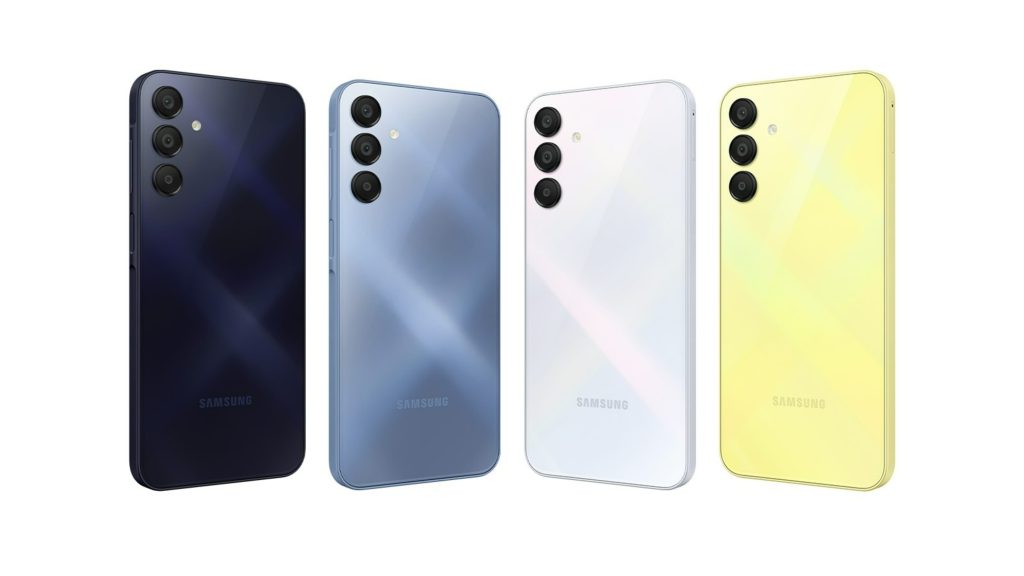
The Amazon Prime Day sale has just kicked off in the US bringing great deals across various different products. Gadgets are also seeing a catchy discount, with the Samsung Galaxy A15 5G being one of the best budget phones right now. For under $200, here’s why it is a great deal.
Samsung Galaxy A15 5G: What’s the deal?
As of right now, the Galaxy A15 5G is on sale on Amazon for just $180. This deal is for the 4GB of RAM and 128GB of internal storage variant. Just last month, the same model went on special sale in India as well. Despite its affordable pricing, buyers get access to a 6.5-inch Super AMOLED display that supports FHD+ resolution, a 90Hz refresh rate, and 800 nits of peak brightness. A large 5,000mAh battery pack powers this model, which supports 25W wired fast charging as well.
Samsung Galaxy A15 5G
Under the hood, it is equipped with the MediaTek Dimensity 6100+ SoC, which supports 5G networking. Even the storage can be expanded by up to 1TB via a microSDXC card slot (hybrid dual nano SIM slot). For optics, you get a 50-megapixel main camera with a 5-megapixel ultra wide angle lens, and a 2-megapixel macros shooter. Meanwhile, the front houses a 13-megapixel camera for selfies and video calls. Other notable features a side mounted fingerprint scanner, Bluetooth 5.3, Android 14 OS based One UI 6.1 custom skin out of the box, and up to 3 major Android updates.
The Galaxy A15 5G being so affordable means that Samsung did cut some corners, which is evident with the plastic back and plastic frame. But a 5G phone with an OLED screen and decent specs for under $200 is still a great deal for those on a tight budget. So if you’re looking for a no-nonsense phone with a decent package of specs and features. Samsung’s Galaxy A15 5G might be the one for you.
Update, October 9, 2024: Google has removed the sentence in question, stating that a mistake was made. However, we don’t know if this leak is real or just a mistake. There is still a possibility that the Galaxy S25 will still feature a Dimensity 9400 processor. We’ll see this at the Galaxy Unpacked launch event in January. Of course we would like the Galaxy S25 to have the Dimensity 9400. Because, we don’t think the Exynos 2500 will satisfy users.
Original article, October 7, 2024: Galaxy S25 series may have MediaTek Dimensity 9400! An interesting detail emerged in the statement made by Google Deepmind on September 26. If this is as we expected, the Galaxy S25 and S25+ will come with the MediaTek Dimensity 9400 SoC. This will be a huge improvement compared to Samsung’s Exynos chips. Hopefully, we can see MediaTek’s flagship chips instead of Exynos SoCs. Now let’s get into the details of this story.
Will the Galaxy S25 and S25+ come with MediaTek Dimensity 9400?
Google fuels speculation that the Galaxy S25 series will come with MediaTek Dimensity 9400. In Google Deepmind’s September 26th statement, AlphaChip was mentioned at length. But this is not the important point for us. The important explanation for us appears at the very end of the article. And the description says this: External organizations are also adopting and building on AlphaChip. For example, MediaTek, one of the top chip design companies in the world, extended AlphaChip to accelerate the development of their most advanced chips – like the Dimensity Flagship 5G used in Samsung mobile phones – while improving power, performance, and chip area.
Especially pay attention to this part: “like the Dimensity Flagship 5G used in Samsung mobile phones”. Samsung has never used a Dimensity 9000 series chip in its flagship smartphones. Now we come to the real surprise. If there is no mistake in this statement, this means that Galaxy S25 and S25+ models will come with Dimensity 9400 SoC in the global market.
Samsung has always used Exynos and Snapdragon SoCs in its flagship smartphones, the Galaxy S series. But it seems clear that things will change with the Galaxy S25 series. For the first time, Samsung will use a Dimensity 9000 series chip in its smartphones. This is excellent and means that we will get rid of problems like Exynos’ inefficiency and low performance.
Samsung used the Dimensity 9300+ SoC in the recently announced Galaxy Tab S10 series and did not use Snapdragon flagship chips. All previous Galaxy Tab S flagships had Qualcomm processors. This is an indication that the brand will also use MediaTek flagship processors in its smartphones.
It’s not possible to say anything for sure yet, but the statement made by Google Deepmind confirms that the Galaxy S25 and S25+ models will come with the Dimensity 9400 processor. Considering that Exynos 2500’s efficiency problems have been rumored in recent days, this really makes sense.
Boat has expanded its smartwatch lineup with the Ultima Regal, a feature-rich device offering premium features at an affordable price. This launch comes after the recent unveiling of the Enigma Orion and Enigma Radiant.
Boat Ultima Regal smartwatch features
The Ultima Regal features a 2.01-inch AMOLED display with a 410 x 502 resolution and 1000 nits of peak brightness, ensuring clear visibility even in sunlight. It has an Always-On display feature that provides quick access to essential information without manually waking the screen. The smartwatch’s metal build and functional crown offer a sleek look and easy navigation.
Key features include Bluetooth calling with a built-in dial pad, microphone, speaker, and contact-saving options. Users can make and receive calls directly from the watch, making hands-free communication easy.
Boat Ultima Regal
For health and fitness, the Ultima Regal tracks heart rate, SpO2, stress, energy levels, sleep, and daily activity. It integrates with the Crest App Health Ecosystem to provide insights and recommendations. The watch also features sedentary alerts, fitness challenges, and rewards.
The smartwatch offers up to 7 days of battery life on typical usage, or 5 days with Bluetooth calling and Always-On display enabled. Additional smart features include camera and music control, weather updates, alarms, quick replies, and a “Find Your Phone/Watch” option. Emergency SOS and notification alerts are also available. The smartwatch is IP68-rated, making it dust, sweat, and splash-resistant, and it offers customizable sports tracking.
Pricing & availability
The Ultima Regal is priced at Rs. 2,499 and available in five colors: Active Black, Steel Black, Cool Grey, Sapphire Blue, and Cherry Blossom. It can be purchased on boAt-lifestyle.com, Flipkart, and Amazon.in.
In other news, Anker has recently launched the Liberty 4 Pro TWS earbuds, featuring a seven-sensor system that includes six microphones and a barometer for exceptional noise cancellation. The innovative recalibration technology adjusts every 0.3 seconds to adapt to changing environments. The charging case has a touch bar and display for easy settings adjustment, with a battery life of up to 40 hours.
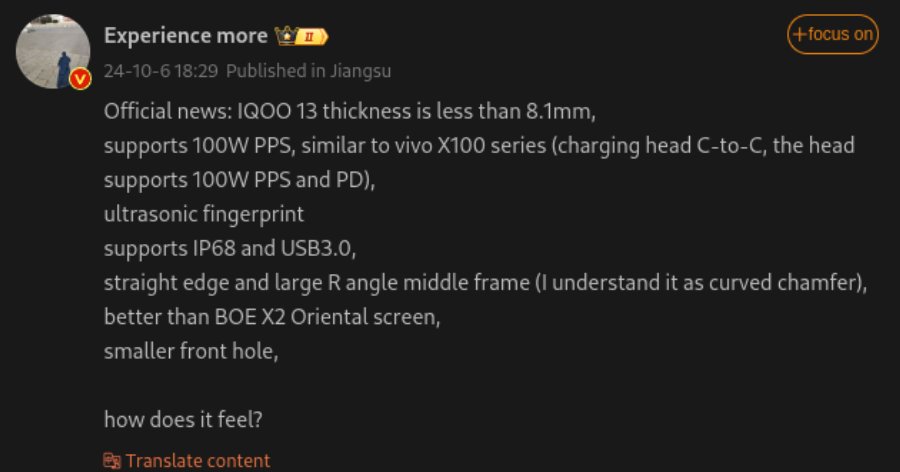
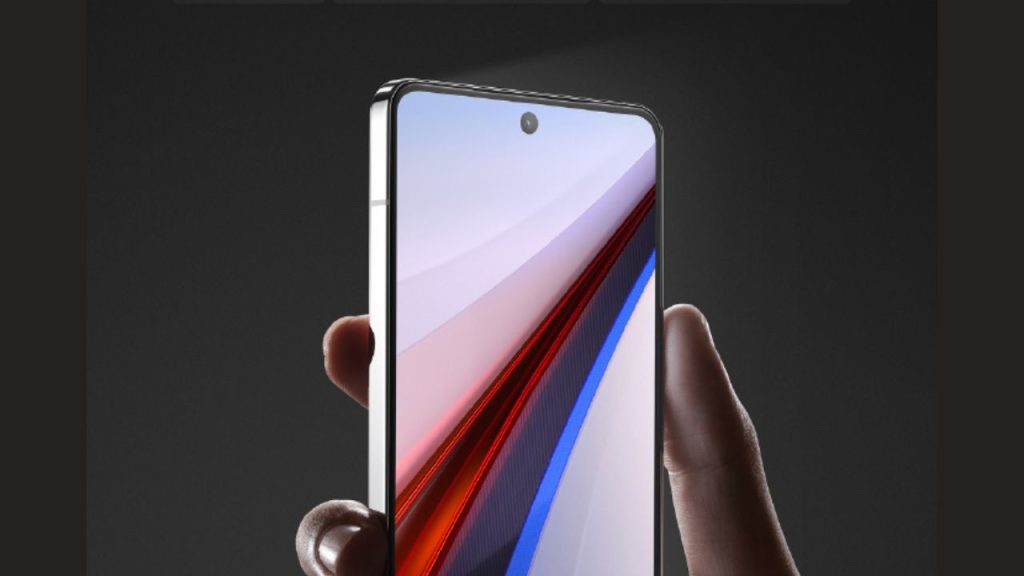
According to the tipster, the iQOO 13 will measure less than 8.1 mm thick. That’s similar to its predecessor, which also measures 8.1mm. But the upcoming phone might offer improved durability as it may come with an IP68 water and dust resistance rating, an improvement over the IP64 rating of the iQOO 12.
It’s also expected to feature ultrasonic fingerprint recognition for biometrics, a flat display with a small punch-hole cutout for selfies, and chamfered edges on the frames.
Moving on, the leak suggests the phone will support 100W PPS fast charging, similar to the Vivo X100 series. The included charging adapter is said to support both 100W PPS and PD charging and will use a Type-C to Type-C connector.
Another tip from the insider is about the display. They suggest the iQOO 13 will use a “better panel than BOE X2 Oriental screen,” which is expected to be used in the upcoming OnePlus 13.
While unconfirmed, a previous report suggests that the device will feature BOE’s latest OLED display with 33% more panel life and a 10% reduction in power consumption.
iQOO 13 Specifications
Apart from this, the iQOO 13 is expected to pack the upcoming Snapdragon 8 Gen 4 SoC. The camera department could see a triple-sensor setup with a 50MP Sony IMX921 main sensor, a 50MP Samsung ISOCELL JN1 ultrawide lens, and a 50MP IMX826 telephoto lens with 2x zoom.
Moreover, the phone will have RAM options reaching up to 16GB and storage up to 1TB. A large battery was also mentioned, though specific details remain under wraps.
iQOO itself hasn’t confirmed anything about the iQOO 13, but considering the continuous stream of leaks, a launch date shouldn’t be too far off. We will keep you in the loop for any new updates.
Xiaomi‘s ambitious foray into the automotive market is gathering pace. The tech giant’s high-performance electric SUV, the SU7 Ultra, has been making headlines with its impressive specifications and potential launch timeline.
Recently, the SU7 Ultra prototype made headlines after completing a successful run at the Nürburgring Nordschleife, a notoriously challenging track often used for testing high-performance vehicles. This feat not only showcased the vehicle’s capabilities but also hinted at its imminent official launch. The prototype will officially attempt the Nürburgring circuit again in October this year.
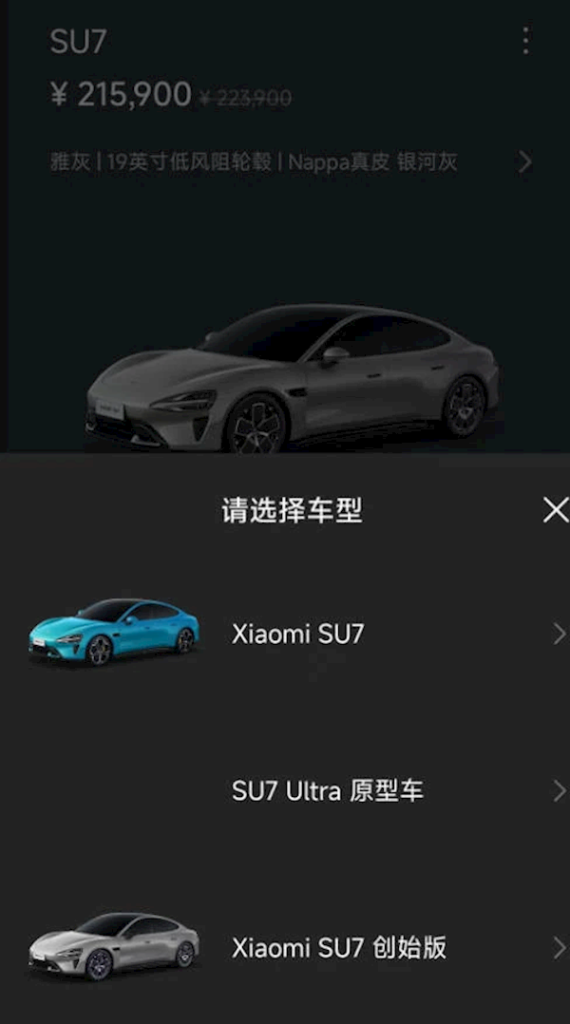
According to reports, Xiaomi is planning to unveil the production version of the SU7 Ultra in the first quarter of 2025. The anticipation for this launch has been further fueled by unexpected sightings within the Xiaomi Auto App. Users discovered configuration options for the SU7 Ultra prototype, although these options were mysteriously removed shortly after.
The SU7 Ultra is poised to redefine the electric SUV segment with its cutting-edge technology and exceptional performance. Crafted with a full carbon fiber body, the vehicle boasts a remarkably low weight of 1900 kg, contributing to its impressive acceleration and top speed.
Under the hood, the SU7 Ultra houses a powerful electric drivetrain that delivers a combined output of 1548 horsepower. This translates to exhilarating performance, with the SUV capable of accelerating from 0 to 100 km/h in just 1.97 seconds and reaching a top speed exceeding 350 km/h. The braking system is equally impressive, with a stopping distance of 25 meters from 100 km/h.
Xiaomi has scheduled a significant launch event for the end of October, during which they will introduce the Xiaomi 15 series and Xiaomi Pad 7 series, alongside other anticipated products. This event may also shed light on the SU7 Ultra’s journey, as well as the broader Xiaomi EV roadmap.
Xiaomi’s electric vehicle, the SU7, achieved impressive sales of around 16,000 units in September, marking the fourth consecutive month of surpassing 10,000 units. The company, aiming to reach a 20,000-unit target in October, has optimized production lines with AI and smart manufacturing to enhance efficiency. Competing with Tesla’s Model 3 and Model Y, the SU7 appeals to consumers with its affordability, advanced technology, and AI driving assistance.
OnePlus has expanded its color options for its popular OnePlus Buds 3 earbuds. The earbuds, which were initially launched in Black and Blue, are now available in a sleek Green color variant. This latest addition offers the same impressive features and performance as its predecessors.
OnePlus Buds 3 Green Color Option
OnePlus Buds 3 features
The OnePlus Buds 3 offers a powerful 10.4 mm woofer and a 6 mm tweeter, delivering a wide frequency response of 15Hz to 40KHz. With active noise cancellation (ANC) up to 49 dB, users can enjoy uninterrupted listening experiences in noisy environments. The earbuds offer two ANC levels, 20dB and 10dB, to cater to different noise cancellation needs. Additionally, LHDC 5.0 Hi-Res audio support ensures high-quality sound reproduction.
Touch controls and an IP55-rated body enhance convenience and durability. The earbuds boast a long-lasting battery life, offering up to 44 hours of total playtime with the charging case. With ANC enabled users can expect up to 6.5 hours of listening time, extending to 28 hours with the case. When ANC is disabled, battery life increases to 10 hours and 44 hours, respectively. A quick 10-minute charge provides up to 7 hours of playback.
Pricing & offers
The OnePlus Buds 3 Green is now available for purchase on Amazon India at a price of Rs. 4,499 (~$54). In addition to that, there is an ongoing discount of Rs 500 for customers using an SBI credit card for the purchase, dropping the price down to Rs 3,999 (~$48).
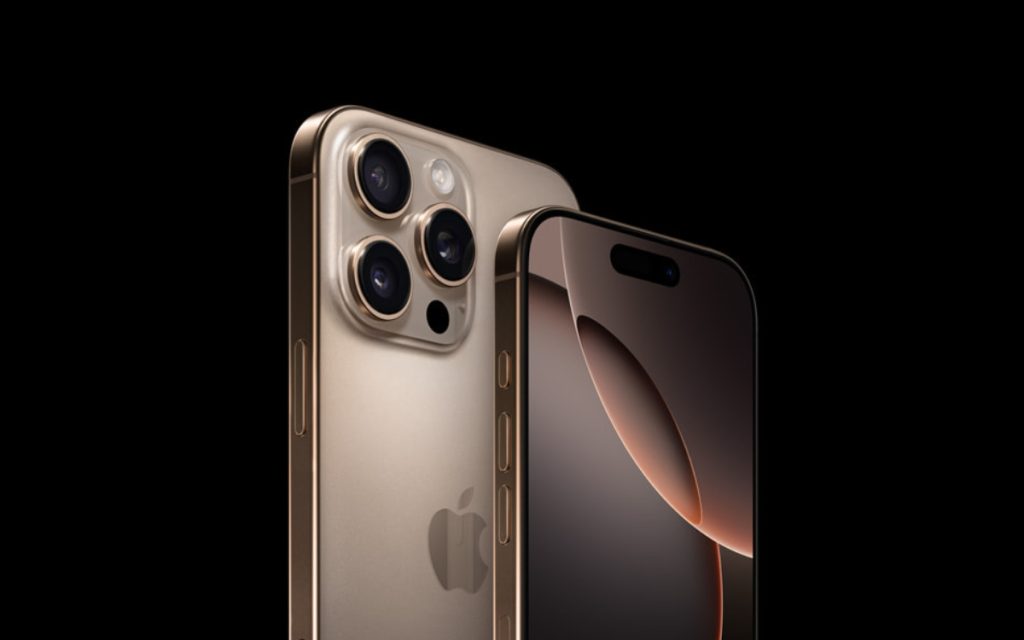
When it comes to choosing a flagship smartphone, the battle between Apple’s iPhone and Google’s Pixel devices is ongoing. Each device brings unique strengths to the table, making the decision a personal one. For users in the United States, there are a few compelling reasons why the iPhone might be a better choice over Google’s Pixel 9 series.
The iPhone 16 series, including the iPhone 16 Pro and Pro Max, offers impressive battery life, with Apple’s optimization and efficient A18 and A18 Pro chips contributing to long-lasting power. The iPhone 16 Pro Max, in particular, is designed to deliver the best battery life among current iPhones. While Google has made strides in this area, Apple’s seamless integration of hardware and software generally results in more consistent battery performance, especially in real-world usage.
2. More Reliable Network Reception
Apple has a history of refining network connectivity in its devices, and the iPhone 16 series is no exception. The combination of advanced antenna design and compatibility with 5G ensures that iPhone users typically experience fewer dropped calls and more reliable internet speeds. The Pixel 9 series also supports 5G, but Apple’s rigorous testing and partnerships with U.S. carriers often result in better network performance in various conditions, especially in rural areas or regions with spotty coverage.
3. Extensive Accessory Ecosystem
Apple’s ecosystem is well-known for its wide range of accessories. From Apple’s own AirPods to the extensive variety of third-party cases, chargers, and other add-ons, iPhone users have a much broader selection. This vast ecosystem makes it easier for users to find compatible accessories, whether they’re looking for luxury options, budget-friendly alternatives, or niche products.
4. Easy Access to Service and Support
Apple’s network of retail stores provides convenient and reliable service, making repairs or technical support much easier for iPhone users. In the U.S., Apple’s Genius Bars offers in-person assistance, while authorized service providers are available in many locations for quick repairs. Google, while expanding its support for Pixel devices, doesn’t yet have the same widespread retail or service presence, making it less convenient for users who need quick fixes.
5. Superior Video Capabilities
The iPhone 16 series excels in video performance, with features like ProRes video recording, Dolby Vision, and high frame-rate options that elevate video quality. While Google’s Pixel 9 Pro series offers unique features like 8K video recording, Apple’s iPhones are favored by video enthusiasts and professionals for their consistency and cinematic quality. The iPhone 16 Pro series supports up to 4K@120 capture, offering smoother and more immersive playback options that meet the needs of users who value high-quality video creation.
6. iMessage
iMessage remains one of the most compelling reasons to choose an iPhone in the U.S. It integrates seamlessly with Apple’s ecosystem, offering features like end-to-end encryption, read receipts, and seamless transition to SMS when necessary. The ubiquity of iMessage among U.S. users means that iPhone owners can participate in group chats, share multimedia, and communicate more conveniently with other iPhone users.
7. Seamless Apple Ecosystem Integration
Apple products are designed to work together effortlessly, creating a cohesive environment that extends beyond the iPhone. Features like Continuity, Handoff, Universal Clipboard, and AirDrop allow users to transition seamlessly between devices. For instance, you can start writing an email on your iPhone and continue it on your iPad or Mac, or copy text on your iPhone and paste it directly on a nearby Mac. With iCloud, photos, documents, and app data are synchronized across all Apple devices in real-time, simplifying access and backup.
Also using one Apple ID, users can access Apple Music, Apple TV+, and Apple Fitness+ across devices, enhancing the user experience. Apple’s Family Sharing feature lets up to five family members share apps, music, subscriptions, and even locations while offering parental controls for monitoring children’s activities.
8. Privacy and Security
Apple’s commitment to privacy and security is notable, with features like the App Tracking Transparency framework that allows users to control which apps can track their data. Google has its own privacy features, but Apple’s approach to security is often seen as more proactive.
9. Longevity and Software Updates
Apple’s track record for software updates often outpaces Google’s, with even older iPhones continuing to receive updates. The iPhone 16 series is expected to receive iOS updates for several years, ensuring that users can access new features, security patches, and performance improvements longer than many Android devices.
10. Conclusion
The iPhone 16 series offers a robust set of features that make it appealing to U.S. consumers. From superior video quality and network reliability to an unmatched ecosystem of accessories and a strong emphasis on privacy, the iPhone remains a competitive option in the flagship smartphone market. Choosing between the iPhone and Pixel comes down to personal preferences, but for many, Apple’s offerings provide a compelling package of convenience, innovation, and performance.
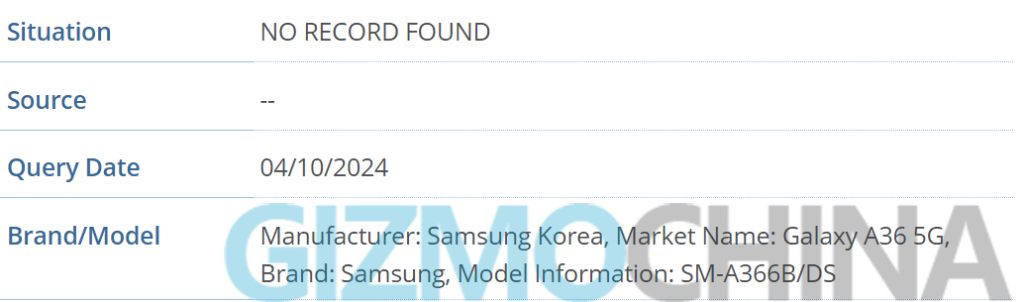
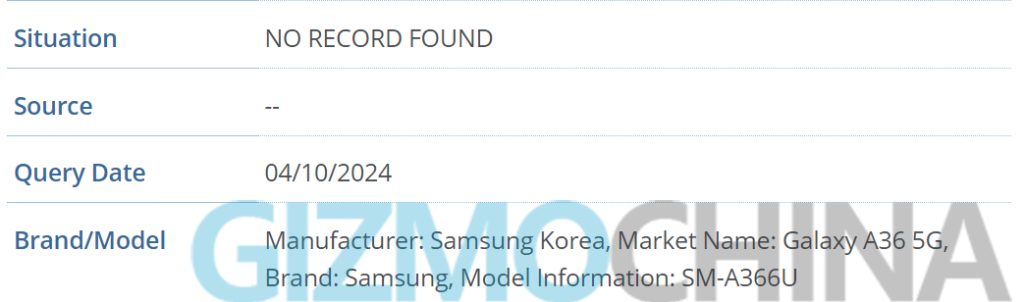
Following the leak of the Galaxy A56, the first information about the Galaxy A36 has now surfaced. The Gizmochina team has spotted the new Galaxy A36 5G in the IMEI database. Samsung is actively working on two different A series models. People are very curious about what the new Galaxy A36 and Galaxy A56 will offer. Among these smartphones, the Galaxy A56 was confirmed to come with the Exynos 1580 SoC. Now, we see Galaxy A36’s network tests have started to be carried out. This is being done to ensure that the new smartphone offers a seamless user experience.
Samsung is preparing to unveil the new Galaxy A series phones
As Samsung continues to work on the new Galaxy A36 and Galaxy A56, let’s discuss the leaked information. At first, the Exynos 1580 appeared in a Geekbench test in July. Later, the Galaxy A56’s appearance in the IMEI database shows that the brand continues to test its new products.
Two weeks after the Galaxy A56 was revealed, the same smartphone was spotted on the Geekbench database. The Galaxy A56 will come with the Exynos 1580 SoC, which performs the same as the Snapdragon 888 introduced 3 years ago. Galaxy A56 scored 1341 in single core and 3836 in multi-core. We already reported this in our previous article. Now the Galaxy A36 has been spotted in the IMEI database.
Galaxy A36 5G SM-A366B/DSGalaxy A36 5G SM-A366U
The Galaxy A36 appeared in the IMEI database with two different model numbers: SM-A366B/DS and SM-A366U. The first model number represents the global version of the smartphone, while the other model number represents the version of the Galaxy A36 that will be sold in the US. In addition, the “/DS” suffix at the end of the model number indicates that the device has a dual SIM card slot. In addition, the phone is named “Galaxy A36 5G”, and this confirms that the device will come with a 5G SoC.
The Galaxy A36’s processor is not yet known. The previous Galaxy A35 had an Exynos 1380 SoC. The new Galaxy A36 may have an Exynos 1480 processor. Of course, this is not official information, because when we also analyzed the specs of the previous Galaxy A34, the device housed a MediaTek Dimensity 1080 SoC at its heart. We don’t know which processor Samsung will use in the new Galaxy A36.
As for the launch date of the smartphones, the Galaxy A36 and Galaxy A56 are expected to be officially unveiled in March 2025. By then, many features of the devices will have leaked. We will bring you new information.
We use cookies on our website to give you the most relevant experience by remembering your preferences and repeat visits. By clicking “Accept”, you consent to the use of ALL the cookies.
This website uses cookies to improve your experience while you navigate through the website. Out of these, the cookies that are categorized as necessary are stored on your browser as they are essential for the working of basic functionalities of the website. We also use third-party cookies that help us analyze and understand how you use this website. These cookies will be stored in your browser only with your consent. You also have the option to opt-out of these cookies. But opting out of some of these cookies may affect your browsing experience.
Necessary cookies are absolutely essential for the website to function properly. This category only includes cookies that ensures basic functionalities and security features of the website. These cookies do not store any personal information.
Any cookies that may not be particularly necessary for the website to function and is used specifically to collect user personal data via analytics, ads, other embedded contents are termed as non-necessary cookies. It is mandatory to procure user consent prior to running these cookies on your website.