With the release of One UI 6.1.1, Galaxy S23 Ultra users experienced some issues with the camera. Today, the South Korean company has released a new update to Galaxy S23 Ultra users in Korea and this update is expected to fix the previous camera issue. In addition, the new update includes the September 2024 security patch. We will see how well this update works, which both increases system security and fixes bugs.
Galaxy S23 Ultra starts receiving new fix update
The Galaxy S23 Ultra received this update first in Korea and the build update number ends with XI1. This is the same build number suffix as the new update we recently reported on our website. Samsung is working hard to fix bugs and is also preparing to release the first Beta of One UI 7.0. As long as there are no major issues, updates may contain some bugs, and the brand may detect and fix them in the next updates. Samsung has prepared the new OTA package within 2 weeks and is gradually rolling out the update to users.
This update is based on One UI 6.1.1 and includes the new Galaxy AI features. The size of the update for Korea is 376MB. The update size may vary by region. Samsung is expected to roll out this new update to other regions in a few days. Users are not happy with the camera issues and are wondering when the new update will arrive. The released update includes the September 2024 security patch, which improves system security. We will share users’ opinions about the new update. If any new bugs are detected, we will write a new article about it.
The Galaxy S23 Ultra was one of the most notable smartphones of 2023 and the device packs the Snapdragon 8 Gen 2 SoC at its heart. Still powerful and smooth running, this smartphone features a 200MP ISOCELL HP2 camera sensor. Capable of taking the best photos in any environment, the Galaxy S23 Ultra continues to make its users happy.
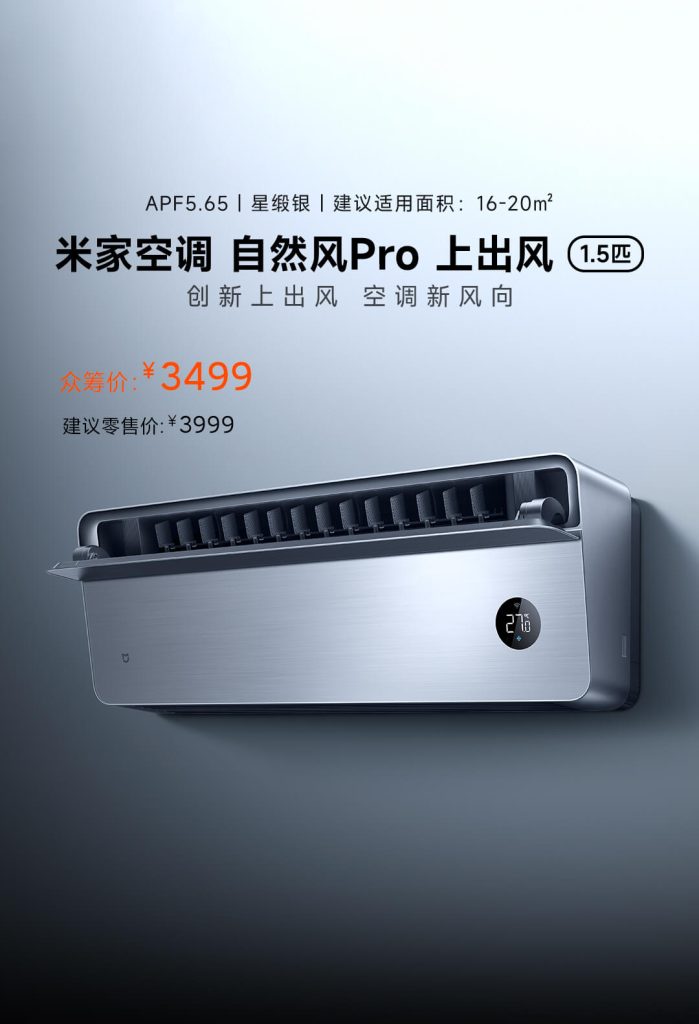
Xiaomi has launched the Mijia Natural Wind Pro Air Conditioner with Top Airflow 1.5 HP in the Chinese market, offering a central air conditioning-like experience. Let’s check out its key specs.
Xiaomi Mijia Natural Wind Pro Air Conditioner Specifications
The Mijia air conditioner boasts a powerful 830m³/h airflow, making it capable of cooling rooms between 16-20m² quickly and efficiently. It features top airflow technology, which mimics the effect of central air conditioning. This design ensures the air circulates throughout the room, providing consistent comfort without direct airflow hitting the occupants.
The air conditioner comes with an APF (Annual Performance Factor) rating of 5.65, ensuring ultra-high energy efficiency that translates into significant power savings over time.
Equipped with a dual-cylinder compressor and a double-row condenser, the device enhances cooling and heating efficiency, increasing the heat exchange area by 82% and low-frequency stability by 30%. The unit is designed to reduce noise by up to 5%, offering quiet and smooth operation.
For smart functionality, the Mijia Natural Wind Pro is fully integrated with Xiaomi’s HyperOS Connect, enabling seamless control through the Mijia app and Xiao Ai voice assistant. The air conditioner supports 2.4GHz Wi-Fi but doesn’t work with 5GHz networks.
Additionally, the Mijia Natural Wind Pro includes self-cleaning capabilities. Both the indoor and outdoor units feature high-temperature drying and self-cleaning functions, ensuring sterilization and the removal of dust and contaminants.
The outdoor unit uses condensation water to flush the heat exchanger, improving performance and extending the life of the air conditioner. The air conditioner also comes with an anti-bacterial and anti-mold filter, which includes a smart clogging reminder to ensure optimal filtration and healthy air quality.
Pricing & Availability
The Mijia Natural Wind Pro Air Conditioner will be available for crowdfunding starting October 2 at a price of 3499 Yuan ($498). Following the crowdfunding period, the suggested retail price will be set at 3999 Yuan ($569).
The air conditioner is available in Star Satin Silver and features a sleek, translucent, skin-like panel, adding a touch of elegance to any room decor.
Xiaomi has also launched two new home appliances recently: the Mijia M40 robot vacuum mop, featuring 12,000Pa suction and HyperOS for efficient cleaning, and the Mijia Smart Range Hood P2, also powered by HyperOS, with advanced smoke and odor purification technology.
ZTE has started developing the new Nubia Z70 Design. Gizmochina has spotted the Nubia Z70 Design in the IMEI database. With the Nubia Z70 Design, the brand is preparing to scare its competitors in the smartphone market.
Nubia Z70 Design
ZTE is preparing to launch the Nubia Z70 Design in the near future. The Nubia Z70 Design will be the new addition to the Nubia Z series. According to the IMEI database, the Nubia Z70 Design will have the model number NX734J. However, there is no other information about this smartphone apart from the model number.
The new Nubia Z70 Design will heat up the competition in the smartphone market. The Nubia Z70 Design will probably be the most affordable model in the Nubia Z70 series. Therefore, we can’t predict the features of the new Nubia Z70 Design.
ZTE has not yet announced the official launch date of the Nubia Z70 Ultra. However, the Nubia Z60 Ultra was launched in December 2023. Therefore, it’s likely that the Nubia Z70 Ultra smartphone will also be released before the end of this year. Keep in mind that this is still a guess. More detailed information is likely to follow in the future. We look forward to seeing what this flagship smartphone has to offer.
ZTE’s upcoming ‘Nubia Music 2’ smartphone has been spotted in the IMEI database. ZTE launched the Nubia Music smartphone, which attracted attention with its price. The Gizmochina team discovered the new Nubia Music 2 in the IMEI database. We expect the new Nubia Music 2 to be an entry-level smartphone like its predecessor Nubia Music.
Nubia Music 2 is coming
The Nubia Music 2 is a new smartphone that will be the successor to the Nubia Music, and while its specifications are not yet known, we expect the Nubia Music 2 to be a budget smartphone like the Nubia Music. The Nubia Music 2 has been spotted with model number Z2460.
The previously unveiled Nubia Music was a budget smartphone at launch. With a Unisoc SC9863A processor and a 5000 mAh battery, Nubia Music also has a 50MP main camera to meet everyday needs. Also featuring a 6.6-inch IPS LCD display with a 90Hz refresh rate, Nubia Music offers enough features for those looking for an entry-level smartphone
When ZTE will launch the new Nubia Music 2 is not yet known. However, the Nubia Music model was launched in the first quarter of 2024. We believe that the Nubia Music 2 will also be launched in the Q1 of 2025 and we can’t wait to see what the new Nubia Music 2 has to offer.
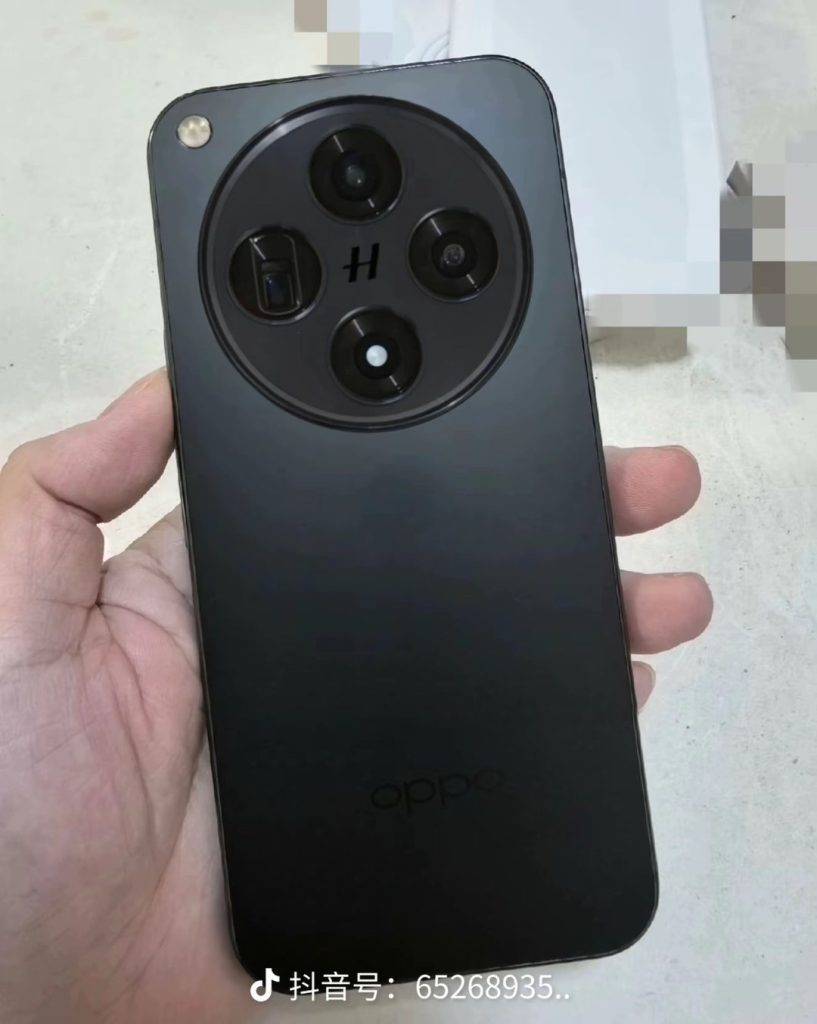
It seems we no longer need to rely on leaks to learn more about the Oppo Find X8 series. Just a day after teasing new software features, Zhou Yibao, head of the Oppo Find series, is back again with a long list of key specifications for the standard Find X8.
Oppo Find X8 Specifications
According to Zhou, the phone will sport a flat screen with narrow bezels of uniform width on all sides. And this will be held in place by a metal frame.
As for the build, the phone is said to have a noticeably thinner and lighter design compared to its predecessor.
Zhou didn’t share exact measurements but revealed that the phone will have a thickness of around 7mm and weight starting with prefix 1, meaning it will weigh less than 200 grams. This gives the phone what he calls a “golden-size feel.”
Oppo Find X8 design
The camera bump on the back will also be smaller than its predecessor, and we will get a periscope telephoto lens in it. Additionally, the phone is now confirmed to get both IP68 and IP69 dust and water resistance rating.
The reveal also touches on the Find X8’s wireless charging capabilities. Zhou confirmed support for 50W wireless charging and reverse charging capabilities.
Additionally, the Find X8 will have iPhone’s MagSafe-like magnetic charging support. Zhou even released a video showing a 5000mAh magnetic power bank charging the device at 50W. And thankfully, he confirmed that the phone will come with a compatible magnetic protective case in the box.
Moreover, classic features like infrared remote control, smart NFC, and a three-stage mute button also find their place in the Find X8’s spec sheet.
As for the Find X8 Pro, Zhou explicitly states that details for the Pro version will be revealed after National Day. China’s National Day is on October 1, so we can expect Find X8 Pro details a day or two after.
Vivo has launched Funtouch OS 15, a major update based on Android 15, aimed at providing a smoother and more personalized user experience. This latest version brings enhancements in performance, new customization options, and improved productivity features.
What’s New in Funtouch OS 15
1. Faster Performance and Improved Fluidity
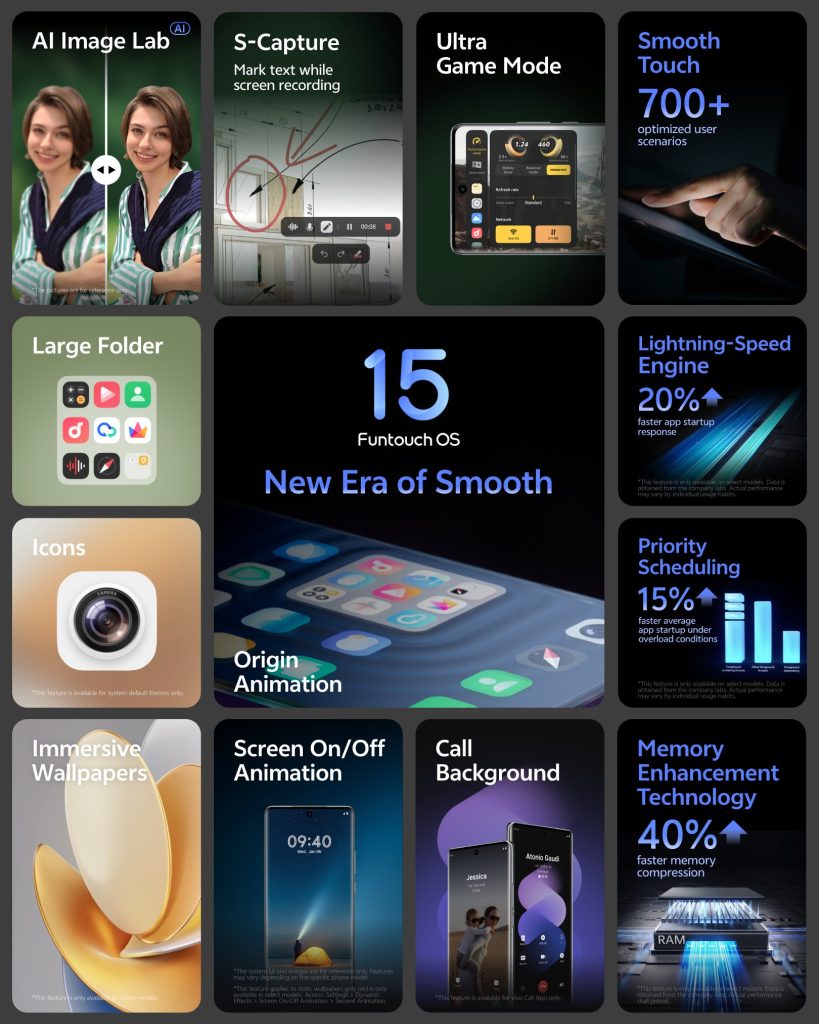
Funtouch OS 15 focuses on speed and smoother operation. It introduces a Priority Scheduling model that makes app startup 15% faster by prioritizing tasks running in the foreground. The update also includes a Memory Enhancement Technology that uses an optimized zRAM compression method, which speeds up compression by 40% and lowers GPU memory use for background apps, allowing for better multitasking.
The update also comes with improved animations. The Origin Animation feature makes the interface feel more fluid, and the Lightning-Speed Engine promises to boost app launch speeds by another 20%. To add a touch of visual appeal, the Aqua Dynamic Effect is inspired by natural movements, offering a fresh feel to interactions.
2. More Ways to Personalize Your Device
Funtouch OS 15 brings over 3,800 redesigned elements to let users customize their devices. These include new system themes, wallpapers (static, immersive, and video), and options to change app icons’ styles and sizes. Users can choose from nine different system themes to give their phone a fresh look.
Additionally, new fingerprint recognition animations have been added, allowing users to match their phone’s look to their preferences.
3. Productivity Tools to Get More Done
The new AI Image Lab provides tools to automatically enhance photos and remove shadows from document scans, making editing quicker and easier. The update also introduces the Memory Movie feature for better photo and video management.
For gamers, the Ultra Game Mode allows quick access to game settings without interrupting gameplay. Additionally, the Link to Windows feature makes it simple to connect a Vivo device to a PC, supporting real-time content syncing and file sharing.
Rollout Timeline for Funtouch OS 15
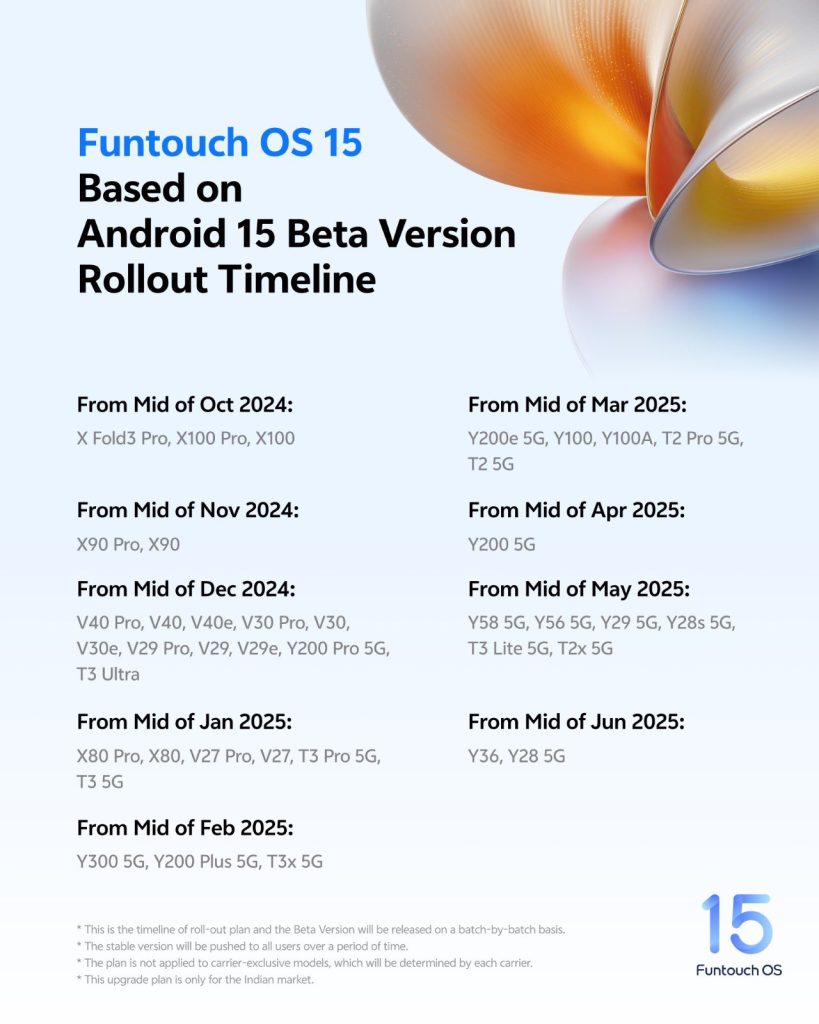
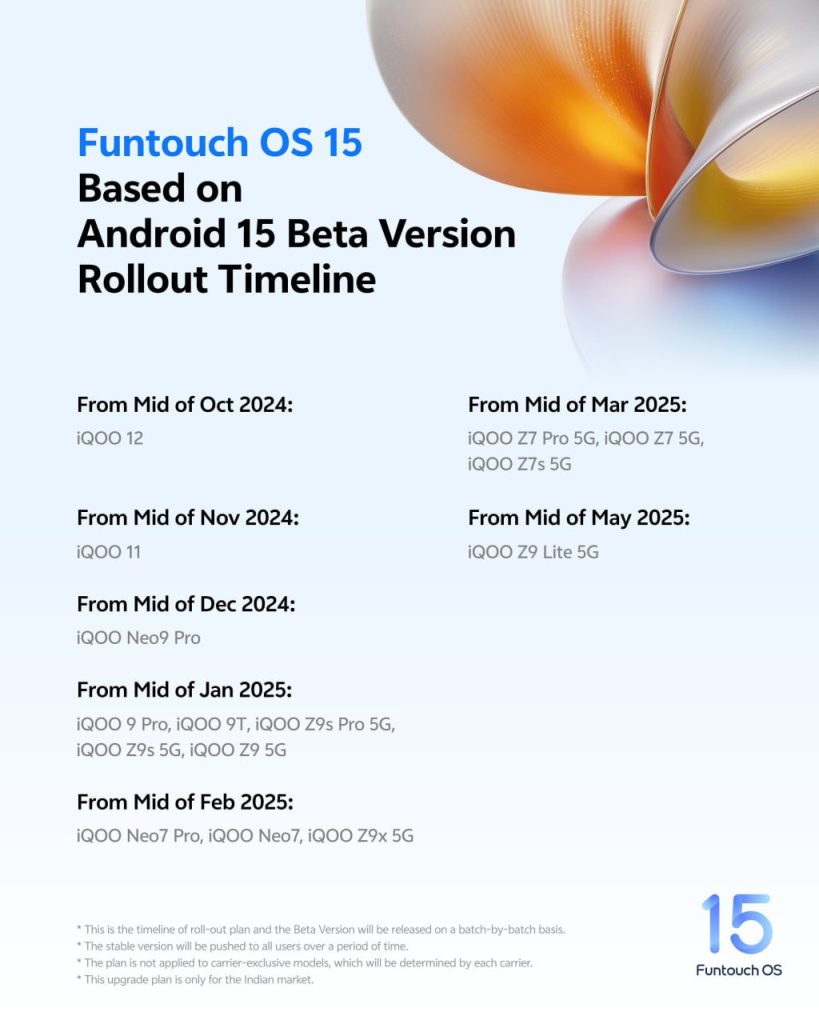
The rollout of Funtouch OS 15 Beta begins with the iQOO 12 in India. Other Vivo models will receive the update starting mid-October 2024 and will continue until June 2025. Vivo has released a detailed timeline for when each model will get the upgrade.
Here’s the timeline for the Android 15 Beta update:
Vivo Smartphones
Mid-October 2024: X Fold3 Pro, X100 Pro, X100.
Mid-November 2024: X90 Pro, X90.
Mid-December 2024: V40 series, V30 series, Y200 Pro 5G, T3 Ultra, and more.
Mid-January 2025: X80 series, V27 series, T3 Pro 5G, T3 5G.
Vivo’s new foldable smartphone Vivo X Fold4 has been spotted in the IMEI database. The brand is working on the next Vivo X Fold model. The Gizmochina team spotted the Vivo X Fold4 in the IMEI database, and, it’s an indication that this device will be introduced in the near future. Presumably, Vivo will unveil the X Fold4 in the Q1 of 2025. The foldable smartphone is expected to come with a Snapdragon 8 Gen 4 processor and a 6000mAh battery.
Vivo X Fold4 spotted on the IMEI database
The existence of the Vivo X Fold4 has been revealed through our IMEI database. Vivo is actively developing the Vivo X Fold4. Expectations are that the new foldable device will offer improved performance and a better user experience compared to the previous X Fold3 model. A few days ago, DCS leaked the specifications of a Vivo foldable smartphone. The name of this leaked smartphone will be Vivo X Fold4.
The Vivo X Fold4 will have the model number V2429. DCS had indicated that there would only be one Vivo foldable smartphone. Now we can confirm that the leaked device is called Vivo X Fold4. The Vivo X Fold4 will come with a triple 50MP rear camera and will have a periscope lens. We also expect the smartphone to support wireless charging as in previous Vivo X Fold models.
The Vivo X Fold4 is expected to be around 8mm thick (when folded) and around 210 grams. Of course, the specifications of the devices have not yet been officially confirmed by Vivo. We will see the veracity of the leaked specifications in the future. In this article, we confirm the existence of the Vivo X Fold4, which will be unveiled in the near future. The Vivo X Fold4, set to be unveiled in the Q1 of 2025, is eagerly awaited. We look forward to seeing what the brand has to offer.
A new month is upon us and so are new smartphones. A number of high-profile smartphone launches are expected in October of 2024.
Almost all leading Chinese OEMs are anticipated to debut their next-gen flagship phones in the next few days. Some of them have already started teasing the arrival of these devices.
These upcoming handsets will debut new-gen premium chipsets from MediaTek and Qualcomm. They will compete not only among themselves but also with the iPhone 16 lineup.
These products will be targeted at different audiences with varying features. Let’s have a look at them one by one.
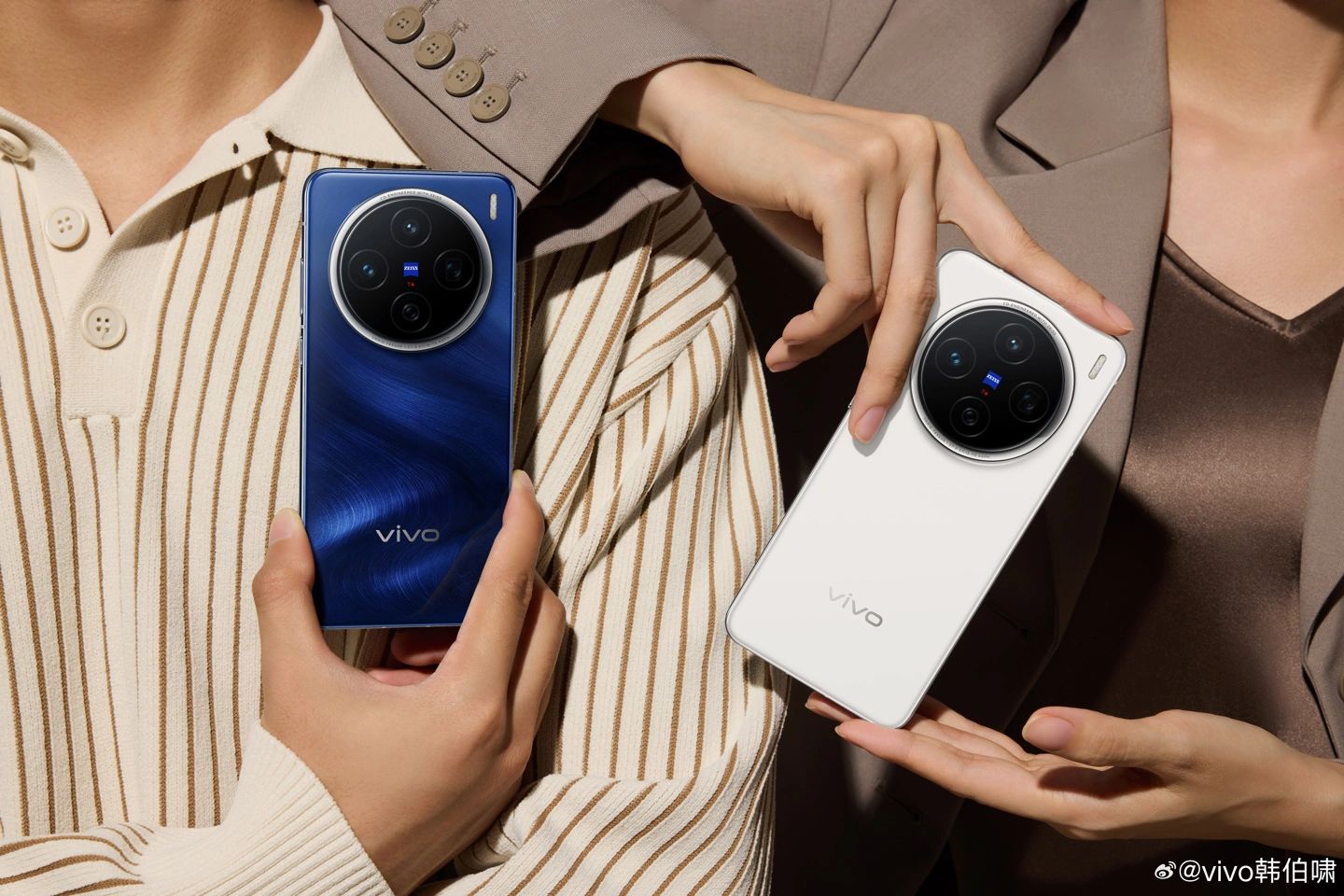
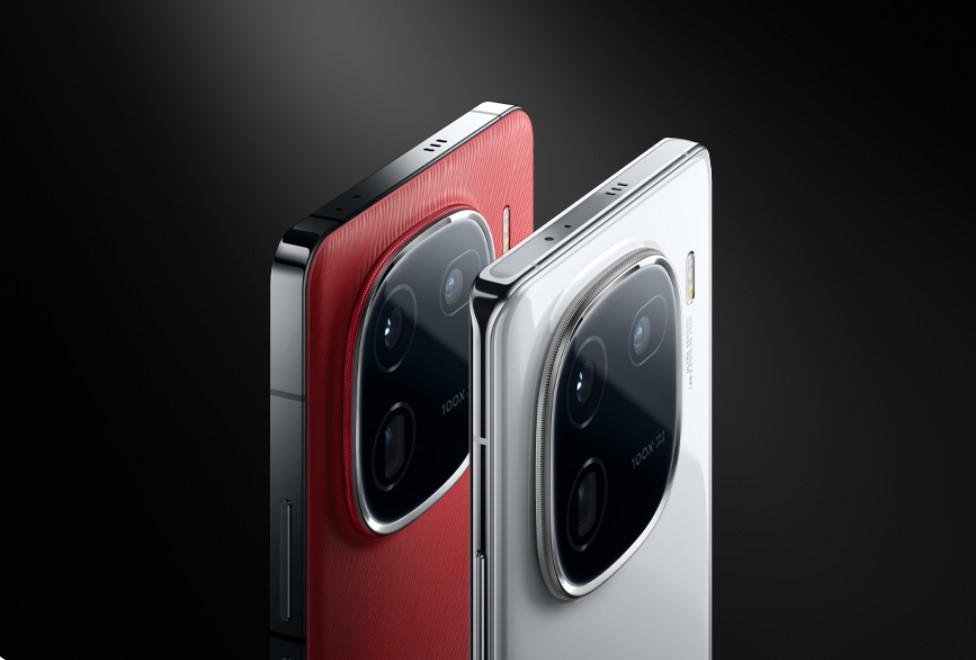
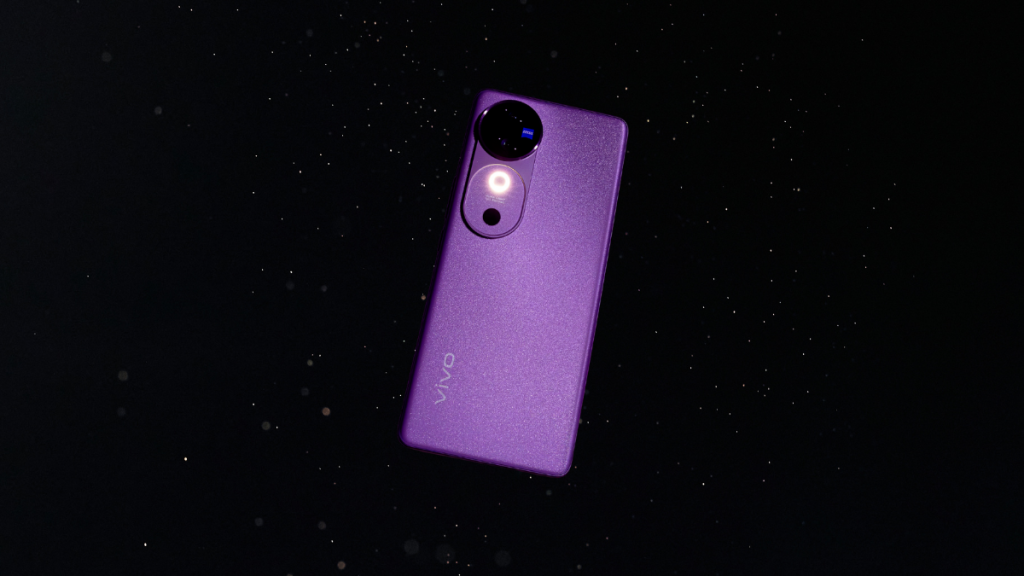
The Vivo X200 series is scheduled to launch in China on October 14. The lineup is expected to include three devices, namely Vivo X200, Vivo X200 Pro, and Vivo X200 Pro Mini.
These three handsets will be powered by a MediaTek Dimensity 9400 chipset. Unsurprisingly, they will arrive with a Zeiss camera system laid out in a circular fashion like the previous-gen phones.
The new flagships from Vivo will drop traditional curved displays in favor of micro curved flat panels. Additionally, they will come with bigger batteries and better camera sensors.
2. Oppo Find X8 Series
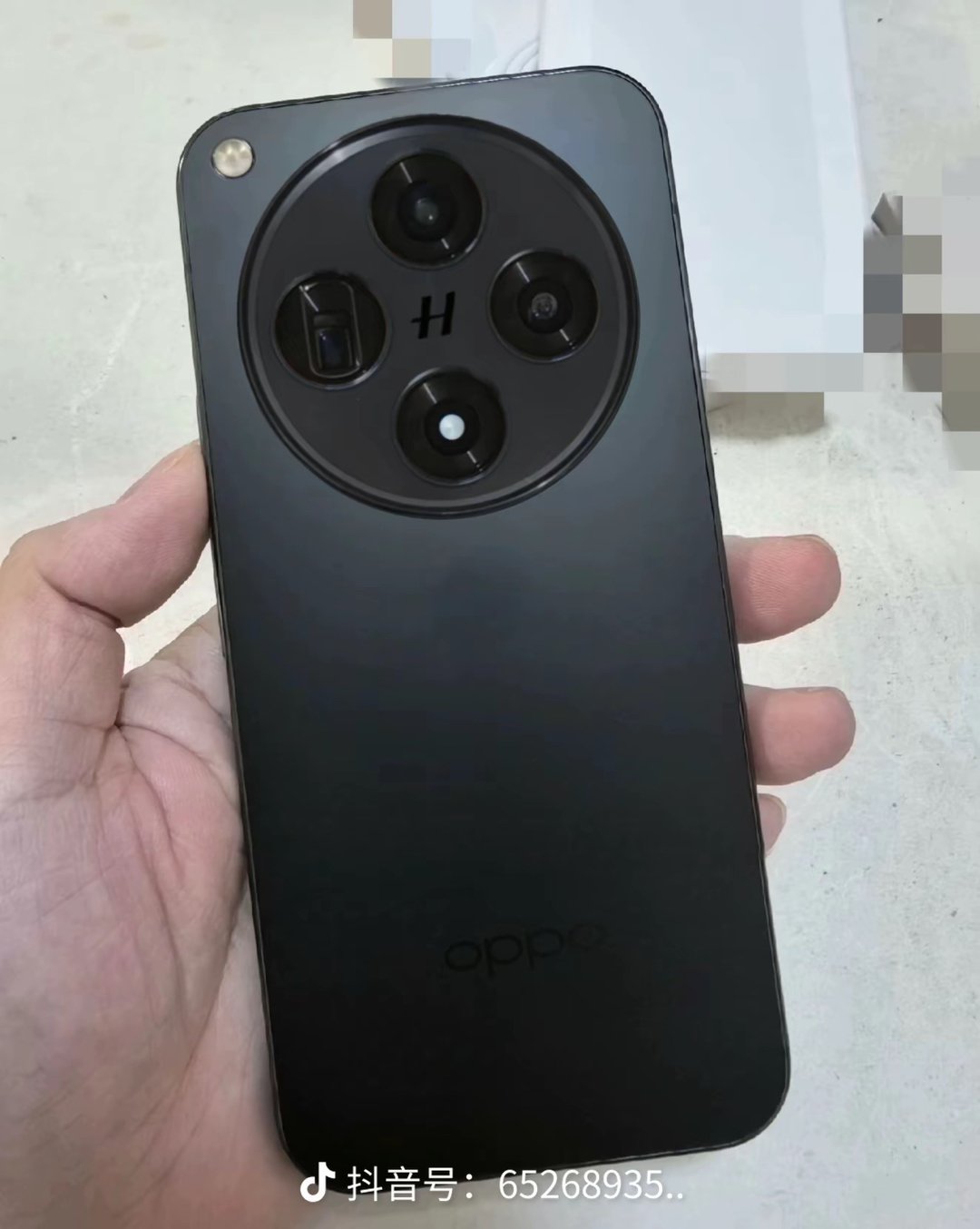
Oppo has not revealed the launch date for the Find X8 series, however, the phones are expected to be released in October. There will be two models called Oppo Find X8 and Oppo Find X8 Pro.
The duo will house a MediaTek Dimensity 9400 SoC. It will feature a Hasselblad-tuned camera system and a ‘Quick Button’ similar to the ‘Camera Control’ key on the iPhone 16 series.
The phone will also support 50W Qi2 magnetic wireless charging. Oppo will announce several first-party accessories to make use of this feature.
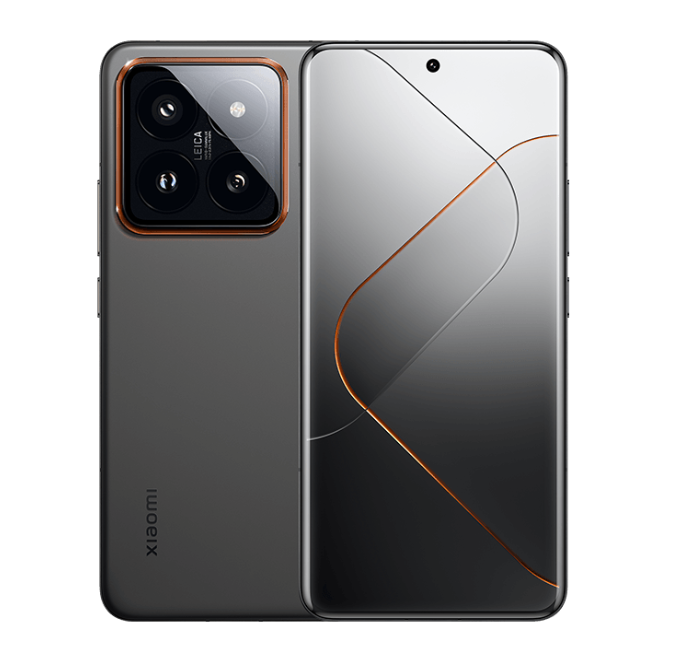
3. Xiaomi 15 Series
According to an alleged poster, the Xiaomi 15 series will go official in China on October 23. The two devices, namely Xiaomi 15 and Xiaomi 15 Pro, will debut the Qualcomm Snapdragon 8 Elite chip (previously known as Snapdragon 8 Gen 4).
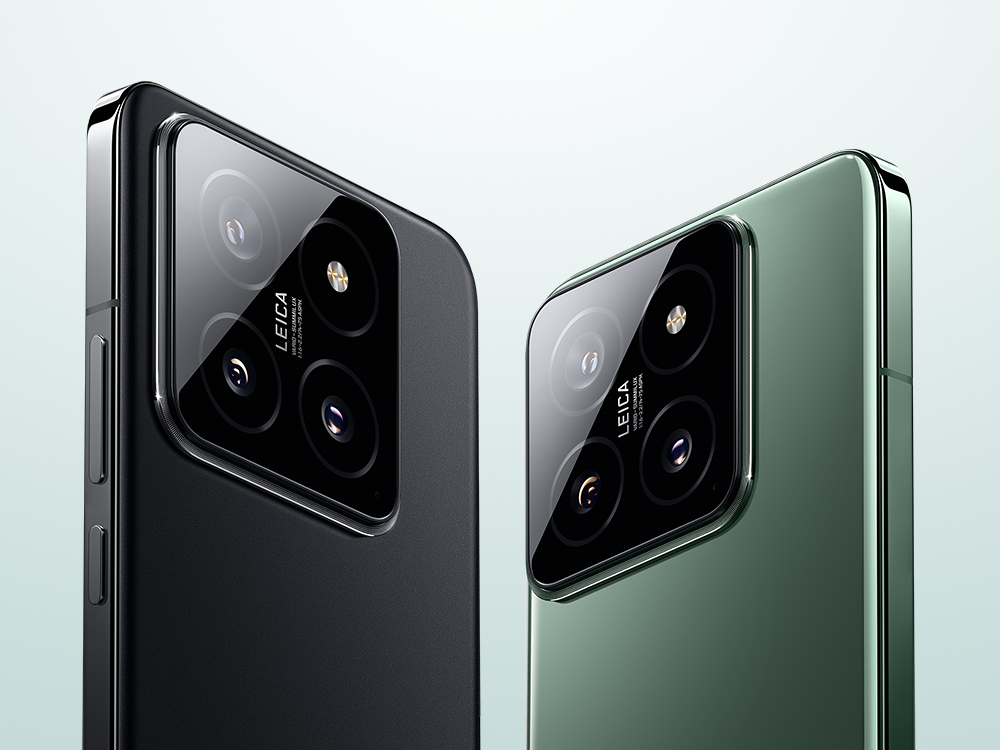
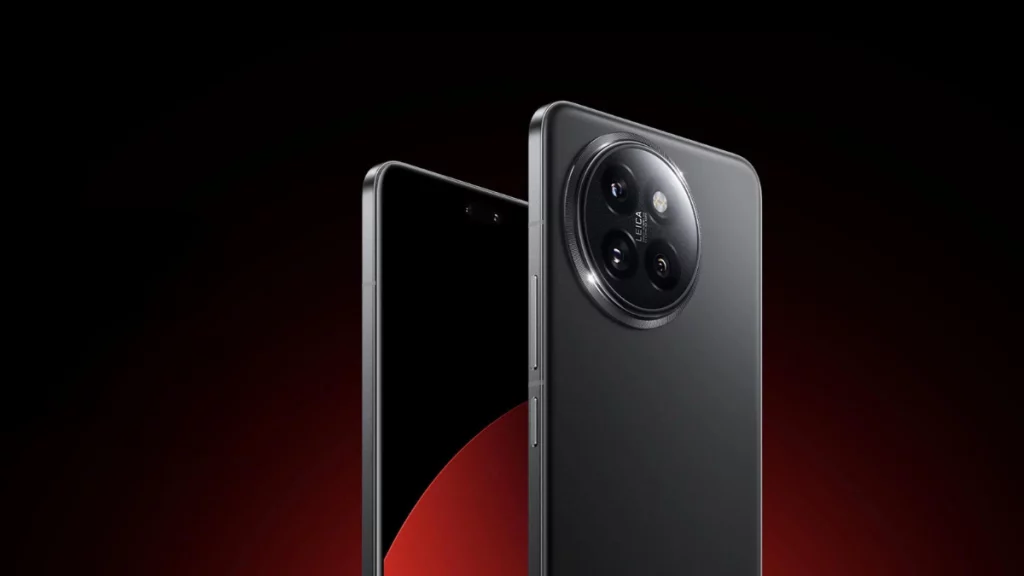
Just like the last few generations, the Xiaoomi 15 series is also expected to sport Leica-tuned cameras. The Pro model, in particular, is rumored to offer a telephoto camera from Xiaomi 13 Ultra.
4. Honor Magic 7 Series
The Honor Magic 7 series is rumored to launch in China in October. The lineup is anticipated to include four main handsets, such as Magic 7, Magic 7 Pro, Magic 7 Ultimate, and Magic 7 RSR Porsche Design.
All these devices are expected to be powered by Qualcomm Snapdragon 8 Elite (formerly Snapdragon 8 Gen 4) mobile platform. The top models are said to retain the pill-shaped display cutout for the facial recognition system.
Officially, Honor has confirmed AI Agent for these phones. We look forward to learning more about these products in the coming days.
5. OnePlus 13
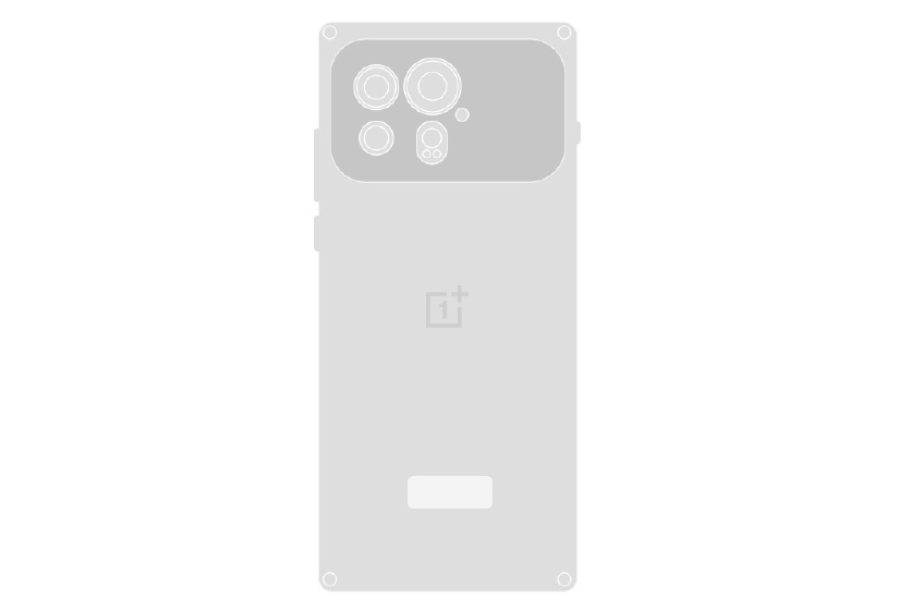
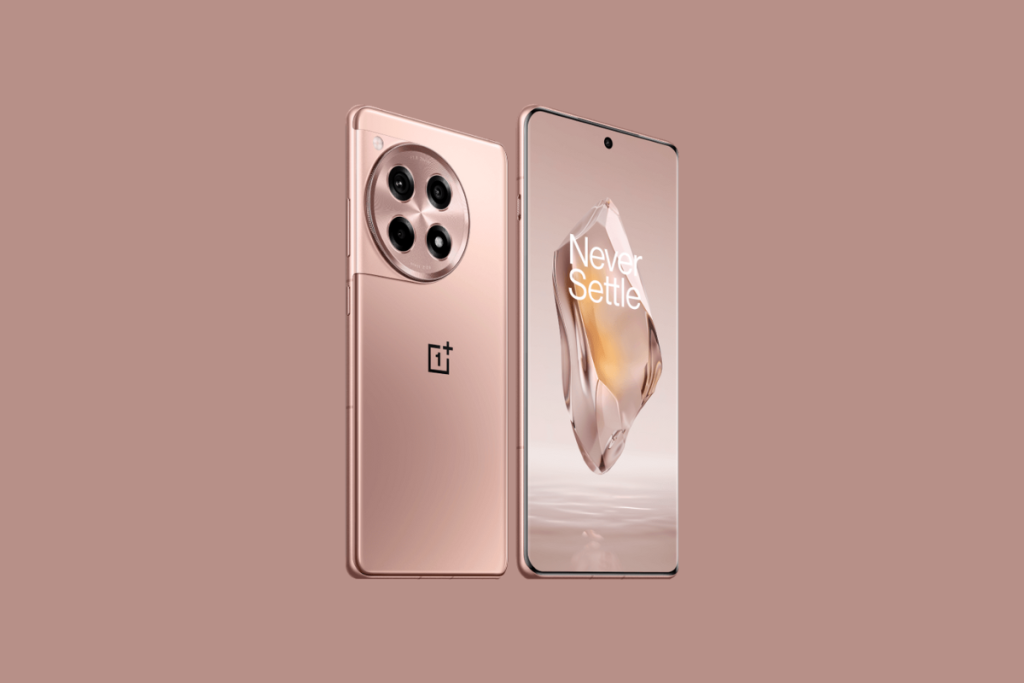
The OnePlus 13 is anticipated to go official sometime later in October. As per leaks, the device will arrive with a new design and upgraded specs.
Just like its predecessors, the handset will be powered by the latest Qualcomm chip, which happens to be Snapdragon 8 Elite (formerly Snapdragon 8 Gen 4) in its case. It has been officially confirmed to sport a second-gen BOE Oriental display.
Further, expect the return of the Hasselblad-tuned camera system. Rumors suggest that the phone will come with a larger 6,000mAh battery and an IP69 rating.
6. iQOO 13
The iQOO 13 could also get announced before October ends. It will be powered by a Qualcomm Snapdragon 8 Elite SoC (formerly Snapdragon 8 Gen 4).
The handset will flaunt a new BOE flat OLED display with lower power consumption and better brightness levels. There will be an ultrasonic fingerprint sensor underneath this screen.
As for other specs, the device is said to arrive with 50MP triple rear cameras (wide, ultrawide, and 2x telephoto), an IP68 rating, and a 6,150mAh battery.
Chinese tech giant ZTE is working on new entry-level phones. Gizmochina spotted these smartphones in the IMEI database. After unveiling the Nubia Focus 5G a few months ago, the brand aims to increase competition in the smartphone market by starting work on the Nubia Focus 4G and Nubia Focus 2 5G.
New ZTE Nubia Focus smartphones coming
ZTE plans to increase competition in the low-cost phone market. The company is set to announce affordable Nubia Focus models in the near future. According to the IMEI database, the new Nubia Focus 4G will have the model number Z2455, while the Nubia Focus 2 5G will have the model number Z2462N. The specifications of the new smartphones are not yet known.
There is no information yet about when these smartphones will be unveiled and their specifications. However, compared to the previous Nubia Focus 5G, the new Nubia Focus smartphones are expected to be slightly improved. So, let’s take a look at the specifications of the previous model Nubia Focus 5G.
The Nubia Focus 5G comes with a 6.56 inch 120Hz IPS LCD display. The device has 12GB of RAM and 256GB of storage. Additionally, the Nubia Focus 5G is powered by the Unisoc T760 chipset. We think that the new Nubia Focus 4G will be introduced with downgraded specifications than the Nubia Focus 5G, while the Nubia Focus 2 5G will be introduced with various innovations and improvements.
The official launch date of the Nubia Focus is not yet known, but it is possible that more detailed information will appear in the future. These smartphones are already poised to be a much sought-after entry-level product. We look forward to seeing what these new smartphones have to offer.
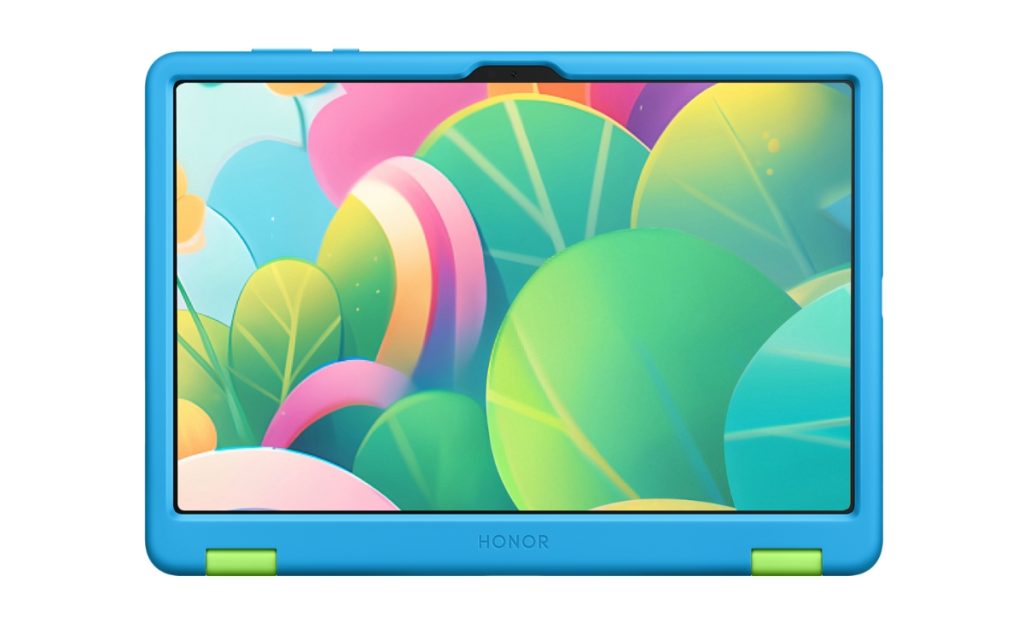
Honor has launched the Pad X8a Nadal Kids Edition in India, a child-friendly version of the Honor Pad X8a. It features a durable, kid-safe design with parental controls and learning-focused features, making it ideal for families seeking a secure and versatile tablet for children.
Honor Pad X8a Nadal Kids Edition Specifications:
Honor Pad X8a Nadal Kids Edition retains many of the specifications from its regular version, including an 11-inch 90Hz display with a resolution of 1920 x 1200 pixels and a 16.7 million color gamut.
The screen delivers a peak brightness of 400 nits and a pixel density of 207 ppi, providing vibrant colors and sharp visuals. Additionally, it offers TUV Rheinland certification for low blue light and flicker-free usage, ensuring comfort for children’s eyes.
The tablet is powered by the Snapdragon 680 4G processor, with two storage options: 64GB and 128GB. The device also includes 5MP cameras on both the front and rear.
The tablet features four speakers with Honor Histen sound support. It runs on Magic OS 8.0, based on Android 14, and offers smooth multitasking with RAM Turbo X, ensuring seamless app performance in the background. It also supports multi-window functionality for enhanced productivity, enabling users to work across multiple apps simultaneously.
The Pad X8a Nadal Kids Edition also features an 8300mAh battery, providing up to 14 hours of cartoon playback and 56 days of standby, ensuring uninterrupted usage during learning sessions or playtime.
The tablet is designed with children’s well-being in mind. It features a shockproof, food-grade silicone case offering three modes for versatility: Sketching, Handle, and Video. It includes a Doodle Pen for creative activities and comes pre-loaded with Google Kids Space, Honor Notes, and Family Link for parental supervision and content management. It also comes with eye-comfort features such as Eye Comfort Mode and Ambient Light Care, which reduce blue light exposure and eye strain.
Pricing and Availability
Honor Pad X8a Nadal Kids Edition is now available at a special launch price of Rs. 10,999 ($131), reduced from its original price of Rs. 13,999 ($167). It comes in 64GB and 128GB storage options and is available through major retail outlets and online platforms.
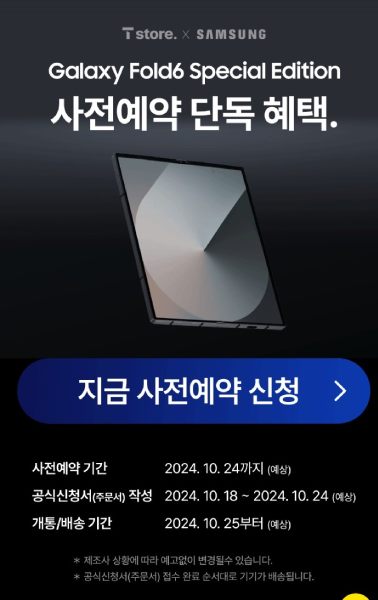
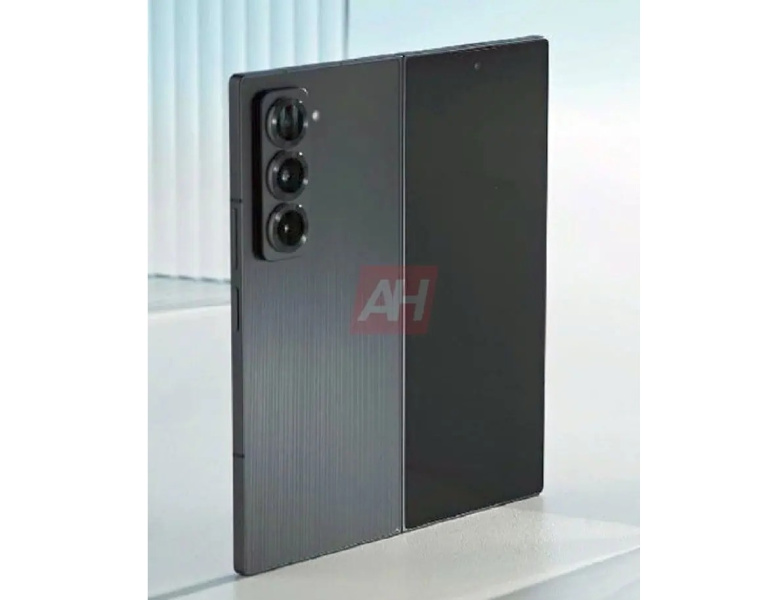
We know that Samsung is working on a Special Edition Galaxy foldable, though no official details have been released yet. However, an X (formerly Twitter) user shared an image from a Korean retailer, T-store, revealing the estimated pre-order date for the device.
Tentative Z Fold 6 (Special Edition) release leaks
The image from the retailer shows that the pre-order period will run until October 24, 2024, with pre-orders likely opening on October 18. Delivery is expected to begin on October 25.
More importantly, the image lists the phone’s name as the “Galaxy Z Fold 6 (Special Edition)” – not “Galaxy Z Fold (Special Edition)” as hinted by previous leaks. So the device still seems to be a part of Samsung’s sixth-generation foldable line.
However, since this information comes from a third-party retailer, it may not be entirely accurate. It’s best to take it with a grain of salt.
It could also be that it’s not the Special Edition phone we’ve been expecting of Samsung since a “Special Edition” labeled Galaxy Z Fold 6 appeared on the Samsung India website, which actually is an Enterprise Galaxy Z Fold 6. Samsung just named it “Special Edition” on their Indian site, which may lead to confusion.
What’s revealed so far
While we are still left without any official detail from Samsung’s side, leaks have shown a render of the foldable with a larger camera island on the back compared to the regular fold. The camera module has a squircle shape instead of the usual oval.
The rest of the design appears to follow Samsung’s typical style. The power button, likely doubling as a fingerprint sensor, is on the right side, with the volume rocker positioned above it.
The rear panel has a brushed metal appearance, unlike the matte finish on the Fold 6, though it could be textured glass designed to feel like metal.
As for the specs, reports suggest the Z Fold Special Edition will feature a larger 6.5-inch cover display and an 8-inch inner foldable panel, slightly bigger than the Fold 6’s 6.3-inch cover and 7.6-inch inner screen.
Earlier this month, Infinix launched the Hot 50 5G (first impressions) smartphone in India. Now, the brand has announced the 4G variant of the device in some global markets. There are a few differences between the two models with the obvious being the processor. Let’s find out what the phone offers out of the box.
Infinix Hot 50 4G specs
The Infinix Hot 50 4G has a 6.78-inch IPS LCD display bearing an FHD+ resolution which is an upgrade from the 5G version. It features a 120Hz refresh rate and a bumped up 800 nits peak brightness. Infinix says that the screen is responsive to wet and greasy fingers. The device comes with the same design as the Hot 50 5G with a pill-shaped camera module on the back panel and a power button that doubles up as a fingerprint scanner.
The Infinix Hot 50 4G packs a dual rear camera setup comprising of a 50MP main sensor with f/1.6 and a secondary lens. Up front, there is an 8MP selfie snapper.
On the hardware front, the Infinix Hot 50 4G is powered by a MediaTek Helio G100 processor. It packs up to 8GB RAM and 256GB storage expandable via microSD card slot. The device is backed by a 5,000mAh battery unit with support for 18W fast charging. Software-wise, it runs on Android 14-based XOS 14.5 out of the box. The device packs various AI features like AI wallpaper, AI cutouts, AI voice capture, and more.
The Infinix Hot 50 4G comes in Sleek Black, Sage Green, Titanium Grey colors. It costs UAH 6,800 (~$165) in Ukraine.
Vivo V40 was released this year as a premium mid-range smartphone boasting excellent cameras, a high-quality display, and a high-performance Snapdragon chip. It also has a massive 5,500mAh battery capacity with 80W fast charging support.
The Vivo smartphone is currently selling for Rs. 34,999 for the 8GB + 128GB base variant and goes all the way up to Rs. 41,999 for the 12GB + 512GB top-end model. While it’s an excellent smartphone at this price point, there are better phones in the market with more features and high performance.
Here, I’ll show you five top alternatives to the Vivo V40 you can consider.
Before that, let’s take a quick look at the Vivo V40 spec sheet:
5G/4G/3G/2G Bluetooth 5.4 Wi-Fi 6, NFC USB Type-C 2.0
Xiaomi 14 Civi (review) a compact and lightweight flagship phone powered by the Snapdragon 8s Gen 3 chipset, which offers significantly better performance and efficiency than the Snapdragon 7 Gen 3 inside the Vivo V40.
Both smartphones have an AMOLED panel, but there are some differences. For instance, the Vivo V40 has a higher peak brightness, whereas the Xiaomi 14 Civi offers Dolby Vision support and a better resolution. Notably, the Xiaomi phone doesn’t have an IP rating but tougher Gorilla Glass protection.
The Xiaomi 14 Civi also has an excellent camera setup. On the rear side, you get a 50MP primary sensor, a 12MP ultrawide lens, and a 50MP telephoto lens with 2x optical zoom. There’s no telephoto lens on the Vivo phone, which means better zoom shots on the other device.
On the front, the Vivo V40 has a single 50MP camera, whereas the Xiaomi 14 Civi has two 32MP sensors — one acts as a wide sensor and the other as an ultrawide sensor. Both smartphones can record up to 4K videos using their rear and selfie cameras.
Both smartphones have similar connectivity features, except the Xiaomi phone has Wi-Fi 6 support, which is lacking in the Vivo V40. However, the latter has a higher battery capacity and faster wired charging.
You can buy the Xiaomi 14 Civi over the Vivo V40 for better performance, a higher-resolution screen, and better zoom shots.
It also has an AMOLED panel, like the Vivo V40, and comes with Dolby Vision and LTPO4 technology for a dynamic refresh rate, lacking in the Vivo phone. The Vivo phone has a better IP rating, though. Both have different display protection — Gorilla Glass Victus 2 on the OnePlus phone and Schott Alpha on the Vivo V40.
The OnePlus 12R is fueled by the Snapdragon 8 Gen 2, which has higher CPU and GPU performance than the Snapdragon 7 Gen 3 that drives the Vivo phone. Not only a better chipset, the OnePlus phone has faster RAM and storage, too.
Equipped with a triple camera setup, the OnePlus phone includes a 50MP primary camera, an 8MP ultrawide, and a 2MP macro lens. On the Vivo phone, the ultrawide sensor offers a broader field of view, capturing more in each shot.
Both devices can record up to 4K videos using their rear cameras. However, the selfie video on the OnePlus 12R is limited to 1080p resolution. Notably, the OnePlus phone supports Wi-Fi 6 and Wi-Fi-7, while the rest of the connectivity features are similar.
While both phones have the same battery capacity, the OnePlus 12R has a faster wired charging support.
You can buy the OnePlus 12R over Vivo V40 for a better display, a high-performance chipset, and faster charging support.
5G/4G/3G/2G Bluetooth 5.4 Wi-Fi 6, NFC USB Type-C 2.0
Realme GT 6 is another solid alternative to the Vivo V40. It has the same screen size as the other phone but features a significantly higher peak brightness for better outdoor visibility. The Realme phone has an LTPO panel to support dynamic refresh rate, lacking on the Vivo V40.
The Realme phone performs better than the Vivo V40, thanks to the flagship Snapdragon 8s Gen 3 chipset, which easily outperforms the Snapdragon 7 Gen 3.
In addition to a 50MP primary camera and an 8MP ultrawide shooter, the Realme GT 6 has a 50MP telephoto lens for better zoom shots. On the front, it houses a 32MP selfie snapper that can record 4K videos, like its rear cameras. The connectivity part goes in favor of the Realme phone because of Wi-Fi 6 support.
The Realme GT 6 has the same battery capacity as the Vivo V40 but supports significantly faster wired charging.
You can buy the Realme GT 6 over the Vivo V40 for a better display, flagship performance, better zoom shots, and faster charging.
5G/4G/3G/2G Wi-Fi 802.11 a/b/g/n/ac/6 Bluetooth 5.4 NFC supported USB Type-C 2.0
If you do a lot of gaming, the Poco F6 (review) might be a solid buy over the Vivo V40, and it’s comparatively cheaper.
The Poco smartphone is powered by the flagship Snapdragon 8s Gen 3 chipset. It delivers superior performance than the Snapdragon 7 Gen 3 chip packed into the Vivo V40. Furthermore, the Poco phone has a good cooling system, faster RAM and storage, and is well-optimized for gaming.
Both devices have AMOLED screens with HDR10+ support and a 120Hz refresh rate. However, the Poco phone has a lower peak brightness, but it brings support for Dolby Vision. Overall, both have excellent displays with minor differences.
The Poco F6 also features a dual camera setup, which includes a 50MP primary sensor and an 8MP ultrawide sensor. On the front, there’s a 20MP selfie snapper. Only the rear cameras of the Poco F6 can record 4K videos, while the selfie camera is limited to 1080p recordings.
The Poco phone has slightly less battery capacity but supports faster wired charging than the Vivo V40.
Poco F6 is a solid gaming phone under Rs. 30,000. This should be the only reason to pick it over Vivo V40.
5G/4G/3G/2G Wi-Fi 6. Wi-Fi 6e, Wi-Fi 7 Bluetooth 5.3 NFC supported USB Type-C 3.2
Google Pixel phones are more about software than hardware. You get to experience the purest version of Android.
The Pixel 8 has a better-quality display than the Vivo V40’s with Gorilla Glass Victus protection. One of the best things about this Pixel is that it will get seven Android upgrades, while the Vivo V40 only promises three. So, the Google Pixel will stay relevant for many more years to come.
The Pixel 8 also has dual rear cameras — a 50MP primary camera and a 12MP ultrawide lens with a greater field of view. Its 10.5MP selfie camera is housed inside the punch-hole cutout. Both rear and selfie cameras on the Pixel 8 can shoot up to 4K videos, just like the Vivo V40.
The smartphone is powered by Google’s Tensor G3 chipset, which has better CPU and GPU performance than the Snapdragon 7 Gen 3. It also has faster RAM and storage, which contributes to better performance.
The Pixel 8 edges out the Vivo V40 in terms of connectivity features. It supports Wi-Fi 6e and Wi-Fi 7, lacking on the Vivo phone. Further, the Pixel 8 supports faster USB data transfer. However, it has a slightly lesser battery capacity and slower fast charging.
The Google Pixel 8 is a better choice over the Vivo V40 for a great software experience, longer software support, and better connectivity.
So, these were some of the top alternatives to Vivo V40. Would you still go for Vivo V40 or pick any of these alternatives? Share your thoughts in the comments below.
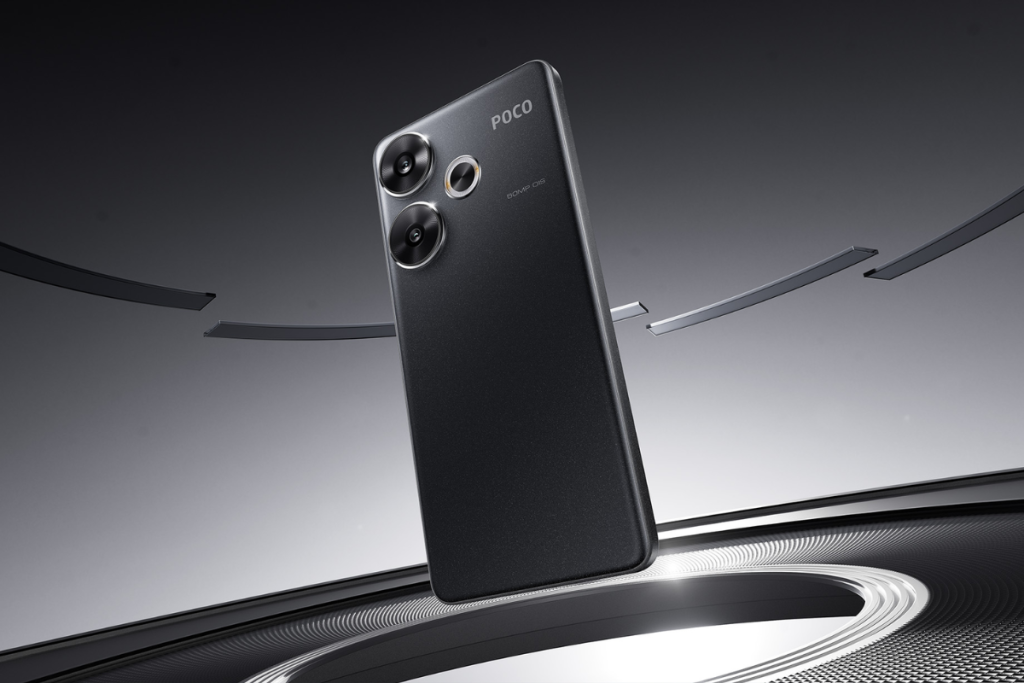
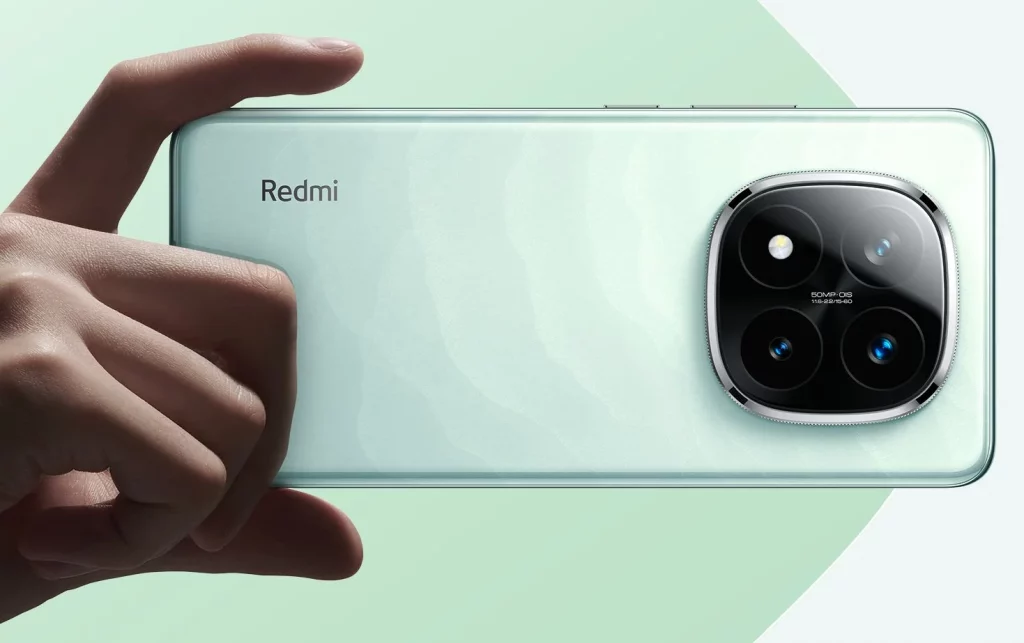
We have already given you the first information about the POCO X7 series. The POCO X7 was expected to be a rebranded version of the Redmi Note 14 Pro 5G. Yes, the POCO X7 will largely be similar to the Redmi Note 14 Pro 5G, but there will be some changes at the camera point. The brand has changed the camera sensor on the smartphone to make the POCO X7 cheaper. While the Redmi Note 14 Pro 5G will have a 200MP Samsung ISOCELL HP3 camera sensor, the POCO X7 will have a 50MP Sony IMX882 camera sensor. We accept this change as normal, classic Xiaomi logic.
POCO X7 already revealed, will come with 50MP main camera
Although it’s not yet known when the POCO X7 will be unveiled, we have some information about the smartphones Xiaomi will introduce. It was revealed that the POCO X7 will be a rebranded version of the Redmi Note 14 Pro 5G. Both these smartphones will have the code name “malachite”. And the POCO X7 will feature the Dimensity 7300 Ultra processor.
While earlier leaks indicated that the Redmi Note 14 Pro+ would get a MediaTek processor, it turns out that those leaks were not true. Also, the Redmi Note 14 Pro 5G was expected to come with Snapdragon 7s Gen 3. Xiaomi has made some changes and improved the smartphones a lot compared to last year’s models. Pro+ models will now have a Qualcomm processor and Pro models will come with a MediaTek processor.
At first, this change made us think that the POCO X7 would come with Snapdragon 7s Gen 3. But as a result of the change, it has been confirmed that the POCO X7 will come with a MediaTek processor. The POCO X7 will be powered by the MediaTek Dimensity 7300 Ultra. This is a significant upgrade compared to the previous POCO X6 5G.
Source:XiaomiTime
Another change is that the POCO X7 will come with a 50MP main camera. Products introduced under the POCO brand are usually performance-oriented and aim to keep the price at a low level with less attention to the camera. The POCO X7 follows this strategy. The smartphone will come with a Sony IMX 882 camera sensor, and this is identical to the Chinese variation of the Redmi Note 14 Pro. Meanwhile, the Redmi Note 14 Pro series will feature a 200MP Samsung ISOCELL HP3 camera sensor, exclusive to models in the Global market. Click here for more information on this.
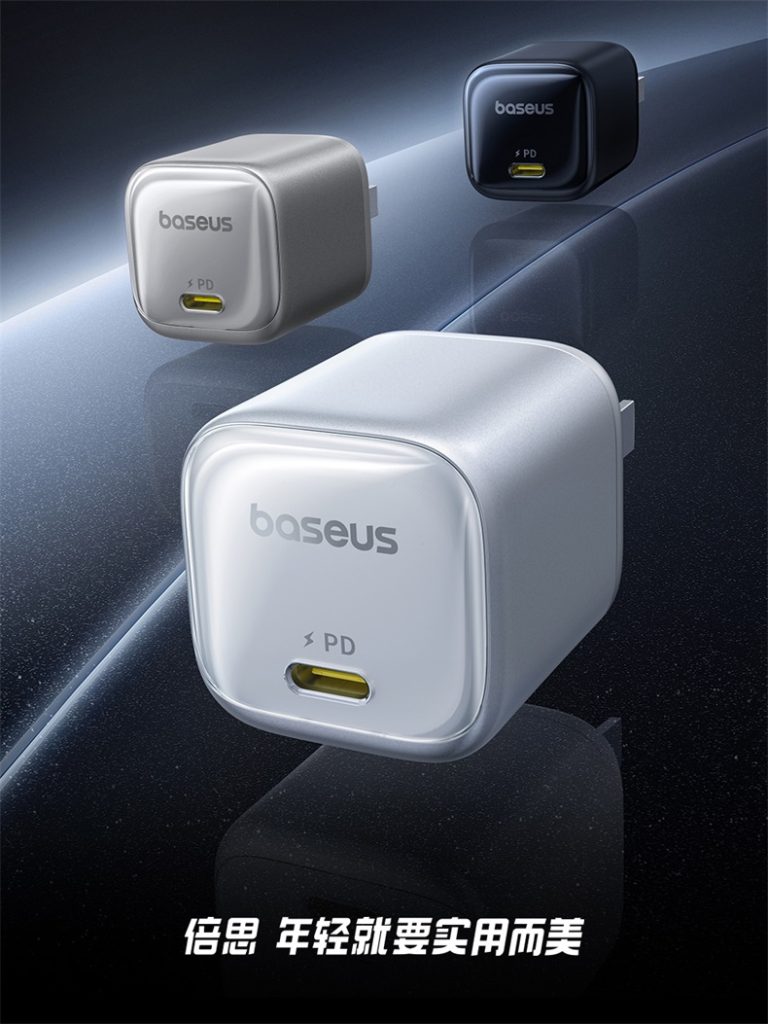
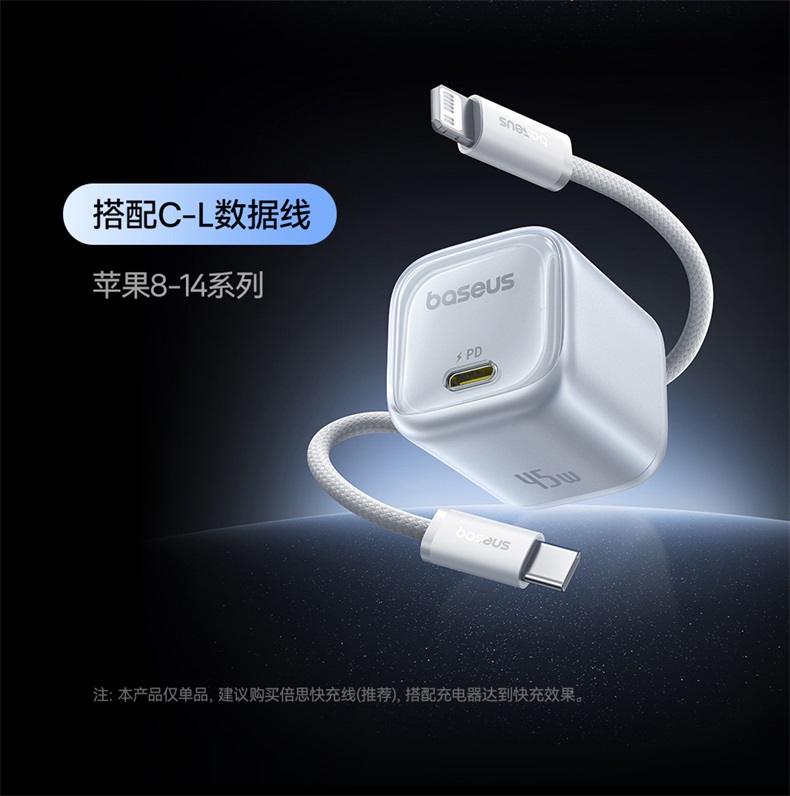
Baseus has launched the GaN6 Pro 1C 45W Fast Charger, designed to support the iPhone 16 and Pro series. It offers 45W fast charging via PD 3.0, ensuring rapid charging in a compact and advanced form.
Baseus GaN6 Pro 45W Fast Charger Specifications
Baseus GaN6 Pro integrates the fourth-generation Apple PI chip, offering an impressive energy conversion efficiency of 93%. Measuring 37.5 x 33 x 33mm and weighing 83.6g, it features a Type-C output capable of delivering up to 45W.
The charger supports multiple fast charging protocols, including PD 3.0, QC 3.0, AFC, FCP, and PPS, making it compatible with a wide range of devices beyond the iPhone 16 series.
The charger is equipped with ten layers of safety protection, ensuring reliable and secure charging. These include safeguards against short circuits, overcurrent, overvoltage, static, and electromagnetic interference, as well as fireproof protection for the charger’s shell.
In terms of design, it comes in various colors such as Stellar Titanium, Starlight Gold, Bright Moon White, and Starry Black, complementing the new iPhone 16 Pro colors like “Desert Gold.”
Special Features
The charger uses sixth-generation gallium nitride technology, which significantly reduces the size and improves charging efficiency. The charger features an advanced stacked structure that reduces the board area by 23.4% and the overall volume by 20%, compared to its predecessor, the GaN 5 Pro.
For heat management, the GaN6 Pro utilizes a four-part temperature control system. It includes evenly distributed heating components, high-conductivity graphene material for efficient heat dissipation, polymer silicon encapsulation to increase the dissipation area, and intelligent temperature control, which monitors the device’s charging status 200 times per second, ensuring safe and efficient charging.
Baseus claims the charger can power up an iPhone 16 Pro Max up to 62% in just 35 minutes, and an iPad Pro M4 up to 44% in 30 minutes.
[beehiiv_newsletter]
Pricing & Availability
Baseus GaN6 Pro fast charger is priced at 146 yuan ($20), but early buyers can take advantage of a launch discount, bringing the price down to 91 yuan ($13). The charger is available for purchase on Tmall.
In related news, DeperAI, a new company founded by an ex-OnePlus executive has launched India’s first UFCS fast chargers, starting at Rs. 499, featuring GaN III technology for efficient, cooler charging. The lineup includes 20W, 25W, and 65W Pro adapters, supporting both iOS and Android devices.
Oppo and Vivo are gearing up to launch the Find X8 series and X200 series flagship smartphones in October. Both brands are also planning to debut these devices in the global market as well, and if the rumors are to be believed, the wait will be shorter than usual this time around.
Oppo Find X8 (left) and Vivo X200 (right)
According to recent information, Vivo and Oppo are aiming to release their flagship devices internationally in October or November. If these timelines are accurate, it would represent a much earlier global debut than usual for the Chinese manufacturers.
While a simultaneous global launch is less common for Chinese brands like Vivo and Oppo, a regional launch outside of the mainland would still be a positive development for fans. The leaked information suggests that both phones will be made available with up to 16 GB of RAM and 512 GB of storage in international markets.
Oppo Find X8 series features (expected)
The Find X8 is expected to be powered by MediaTek’s Dimensity 9400 chipset, which recently posted impressive single-core and multi-core performance results on Geekbench.
A recent report indicates that the Find X8 will have a 5,700mAh battery with wireless charging support, while the X8 Pro will feature a slightly larger 5,800mAh battery, offering 50W wireless charging. Both models will support 80W wired charging. Other notable features include an IP69-rated body, an alert slider, and a dedicated camera control button.
Vivo X200 series features
Vivo has already started teasing the X200 series smartphones, with the recent one revealing the micro-quad-curved design of the display. Rumor has it that the X200 will come in a variety of colors, including Sapphire Blue, Moonlight White, Titanium, and Midnight Black.
As per reports, the X200 is expected to feature a 50-megapixel Sony IMX921 primary camera with OIS support, a 50-megapixel Samsung JN1 ultra-wide lens, and a 50-megapixel IMX882 periscope telephoto camera with 3x optical zoom. It will feature the Dimensity 9400 chipset, 16 GB of RAM, 1 TB of storage, a 5,700mAh battery with 90W fast charging support, and OriginOS 15-based Android 14.
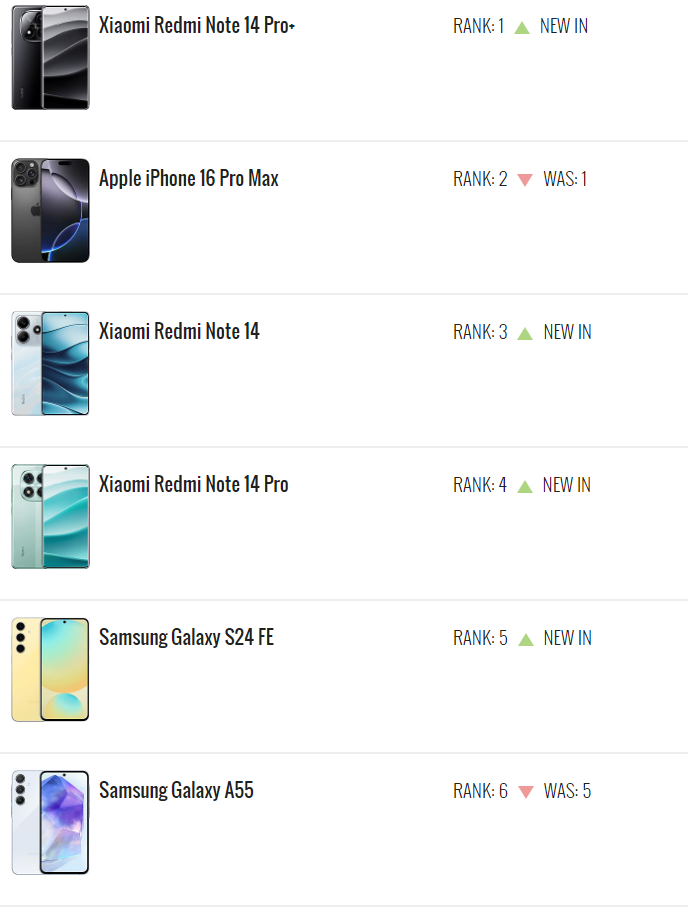
GSMArena has released its list of the top 10 trending phones for Week 39, with the Redmi Note 14 Pro+ securing the top spot, surpassing the iPhone 16 Pro Max. While Apple’s flagship device for 2024 is expected to regain its position in the coming weeks, this is still a noteworthy development.
Both devices have a completely different user base. While it’s likely for all Apple users with the budget, the world of Android has a lot more options from different brands. A midrange Android device from that crowd shooting at the top of the trending list beating the recently released highest-end iPhone is indeed an achievement for its manufacturer.
Credit: GSMArena
The 3rd and 4th positions in the trending list are also held by models from the Redmi Note 14 series—the standard Redmi Note 14 and the Redmi Note 14 Pro. Meanwhile, the Samsung Galaxy S24 Ultra takes the 7th spot.
For context, in the trending list for the previous week, the Huawei Mate XT managed to rank second while the iPhone 16 Pro Max ranked on top.
Redmi Note 14 Pro+ specifications:
The phone packs a 6.67-inch curved OLED display that reaches a peak brightness of 3000 nits. The display panel has 1220 x 2712 pixels, translating to a pixel density of 446ppi. It ensures bright, crisp, and clear visuals.
In terms of performance, the phone packs the Snapdragon 7s Gen 3 chip, launched in August this year. It scores over 1000 and 3000 in Geekbench single and multi-core CPU tests respectively.
Speaking of cameras, this phone packs a 50 MP main camera with a 1/1.55″ large sensor and OIS support. It is paired with a 50 MP 2.5x telephoto camera and an 8 MP ultrawide. The addition of the 2.5x telephoto camera is something that makes the phone special as it lets users take crisp and clear portraits.
The phone also packs a massive 6200 mAh battery but still weighs only 210 grams thanks to the Si/C battery technology, which offers a higher energy density. This is paired with 120W fast charging.
Xiaomi is expected to launch Xiaomi 15 series phones next month, following Qualcomm’s unveiling of the Snapdragon 8 Gen 4
The line will likely include vanilla Xiaomi 15 and 15 Pro, which have surfaced in a number of leaks and rumors by now.
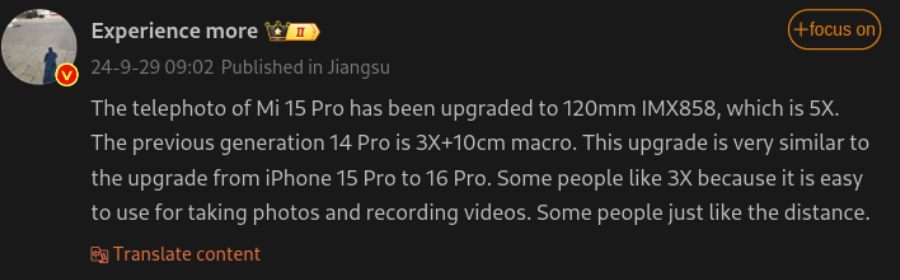
The trend doesn’t seem to stop, though, as a new leak by Weibo tipster “Experience More” has seemingly revealed a key camera upgrade for the Xiaomi 15 Pro.
Xiaomi 15 Pro will have the same telephoto camera as Xiaomi 13 Ultra
The tipster suggests that the Xiaomi 15 Pro will upgrade its telephoto sensor to the Sony IMX858, which will offer an equivalent focal length of 120 mm and a lossless magnification of 5x. For comparison, the Xiaomi 14 Pro has a 75mm telephoto lens with up to 3.2x optical zoom.
We’ve seen the Sony IMX858 in use on Xiaomi’s own 13 Ultra. This sensor has a 1/2.51-inch optical format and is a 50MP Quad Bayer unit with 0.7µm pixels.
Besides the 5x telephoto, the Xiaomi 15 Pro is expected to include a 50MP main sensor with a variable aperture ranging from f/1.4 to f/2.5, along with a 50MP ultrawide lens.
Rest of the specs
According to previous reports, the phone will feature a centered punch-hole display with a 2K resolution and a 120Hz refresh rate.
It will come with a metal frame, and there are rumors of a more premium titanium special edition. The device is expected to be 8.5mm thick and weigh around 220 grams.
Xiaomi 14 Pro
Both the Xiaomi 15 and 15 Pro Titanium Edition have also passed 3C certification, revealing support for 90W wired charging.
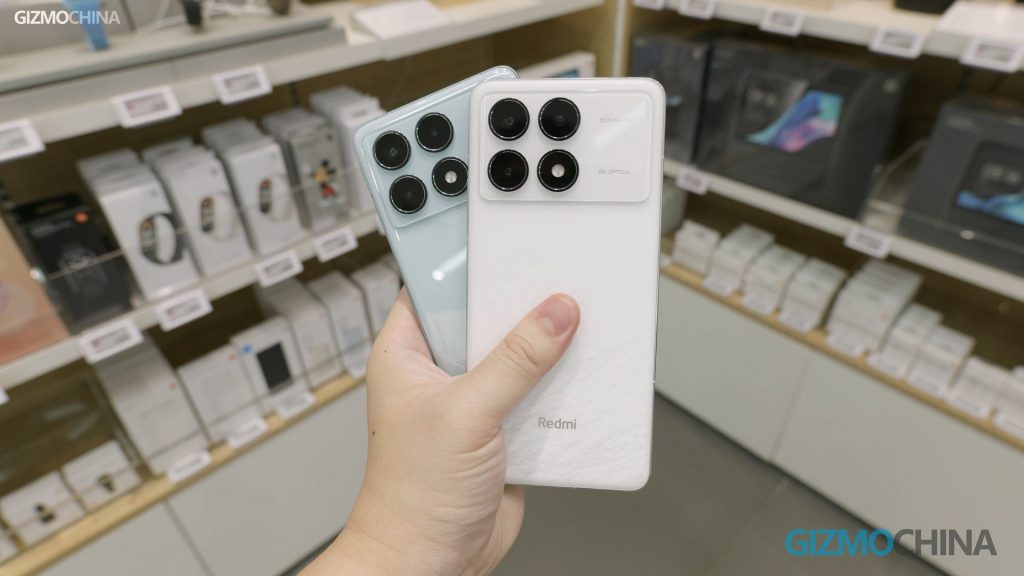
The Redmi K80 and K80 Pro are expected to launch sometime in November this year in China, which could be rebranded as the Poco F7 and F7 Pro in markets outside the country. The phones have already bagged radio certification. Now a leak reveals the camera specifications of the Redmi K80 series.
Redmi K80 to feature telephoto lens, K80 Pro to offer longer zoom
Both Redmi K80 series phones will be equipped with three cameras, of which the main camera is 50MP. According to the leak, the standard version will equip a telephoto camera, while the telephoto on the Pro version will have an upgraded 50MP 3x zoom from the 2x of last year’s K70 Pro. In addition to that, both phones will also have IP69 dust and water resistance rating.
While both the standard and Pro models were previously expected to be powered by the Snapdragon 8 Gen 3 chip, the report claims that the K80 Pro will use the yet-to-be-released Snapdragon 8 Gen 4 chip. If true, The K80 Pro will likely offer a major improvement in CPU, GPU, and AI performance. For context, last year’s standard and Pro models equip the Snapdragon 8 Gen 2 and 8 Gen 3 chips respectively.
However, tipster Digital Chat Station also made a post today claiming that Qualcomm’s latest flagship chipset costs $190, which is about 20% more expensive than the Snapdragon 8 Gen 3. While we don’t know the pricing of the upcoming phones yet, the K70 and K70 Pro were launched in China last year with a starting price equivalent to $352 and $465 respectively. So the new phones may come with a higher price tag.
According to previous reports, the Redmi K80 series will equip a 6.67-inch 2K 120Hz display from TCL Huaxing Optoelectronics, which uses an upgraded C9 display material. Redmi K80 Pro is also expected to pack a 6500 mAh massive battery, which seems to be a trend for 2024 flagships and performance-centric devices. For reference, the K70 series packs a much smaller 5000mAh battery.
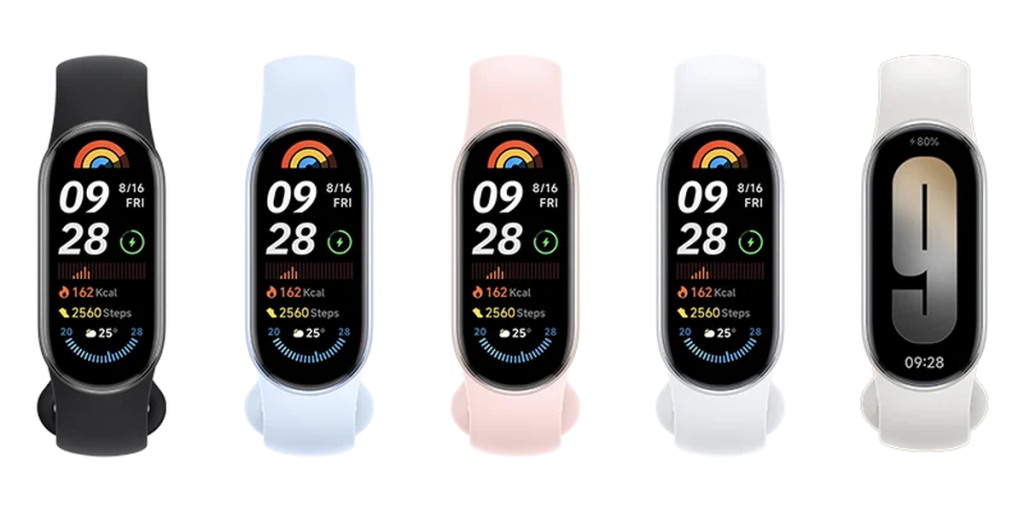
The Xiaomi Smart Band 9 is the latest iteration in Xiaomi’s popular line of fitness trackers. It boasts several improvements over its predecessor, including a larger display, new watch faces, and enhanced health and fitness tracking features. But is it really worth buying? Let us read about its specifications, features, and overall value proposition to find out.
Larger and Brighter Display: The Smart Band 9 features a 1.62-inch AMOLED display like its predecessor from last year. While the size is same, the maximum brightness has been doubled to up to 1200 nits, The increased brightness ensures better visibility outdoors.
Stylish Design & Customization: The Smart Band 9 maintains a sleek and minimalist design, making it suitable for various occasions. The band is lightweight at just 13.5 grams, making it comfortable to wear throughout the day and even while sleeping. It offers a wide array of watch faces and detachable strap options to personalize your device. it also allow you even create your own with the dynamic watch face feature.
Comprehensive Health & Fitness Tracking: The Smart Band 9 covers all the essential health and fitness metrics, including heart rate monitoring, SpO2 tracking, sleep tracking, stress monitoring, and activity tracking. It also supports over 150 sports modes, making it suitable for various activities.
Long Battery Life: With typical usage, the Smart Band 9 can last up to 21 days on a single charge. Even with heavy usage or AOD mode activated, you can expect around 9 days of battery life, which is impressive for a fitness tracker with such a large display.
5 ATM Water Resistance: You can wear the Smart Band 9 while swimming or showering without any worries, thanks to its 5 ATM water resistance rating.
Other Useful Features: The Smart Band 9 also includes features like a built-in linear motor with 20 unique vibration modes, smart notifications, music control, weather updates, find my phone, and more, adding to its overall convenience.
2. What’s Not to Like
No Built-in GPS: While the Smart Band 9 can track your runs and walks, it relies on your phone’s GPS for accurate distance and pace tracking. This can be inconvenient if you prefer to leave your phone behind during workouts.
No Voice Assistant Support: Unlike some high-end smartwatches, the Xiaomi Smart Band 9 does not support voice assistants like Google Assistant or Amazon Alexa. This means users cannot use voice commands to control the band or interact with other smart devices, which might be a downside for those who appreciate hands-free operation.
Basic App Ecosystem: The companion app, Xiaomi Wear, while functional, might not be as comprehensive or polished as some competitors’ apps. It offers essential tracking and syncing capabilities but lacks some advanced features and insights that more sophisticated platforms like Garmin Connect or Apple Health provide.
No NFC: Although some versions of Xiaomi smart bands come with NFC, it’s often limited to specific regions. The global version of the Xiaomi Smart Band 9 might not support NFC payments, which can be a downside for users who want to use their band for contactless payments.
Please Note: When you buy something using the links in our articles, we may earn a small commission at no cost to you.
3. So, is it Worth Buying?
The Xiaomi Smart Band 9, priced a €39 in Europe, is an excellent fitness tracker that offers a compelling combination of features, style, and affordability. Its larger display, enhanced health and fitness tracking, and long battery life make it a worthy upgrade over its predecessor.
If you’re looking for a reliable and stylish fitness tracker to monitor your health and fitness goals without breaking the bank, the Smart Band 9 is a great option. However, if you need built-in GPS or more advanced smartwatch features, you might want to consider other options. Additionally, if you already own the Xiaomi Smart Band 8, there is no pressing need to upgrade to Band 9 as the improvements are incremental rather than groundbreaking.
We use cookies on our website to give you the most relevant experience by remembering your preferences and repeat visits. By clicking “Accept”, you consent to the use of ALL the cookies.
This website uses cookies to improve your experience while you navigate through the website. Out of these, the cookies that are categorized as necessary are stored on your browser as they are essential for the working of basic functionalities of the website. We also use third-party cookies that help us analyze and understand how you use this website. These cookies will be stored in your browser only with your consent. You also have the option to opt-out of these cookies. But opting out of some of these cookies may affect your browsing experience.
Necessary cookies are absolutely essential for the website to function properly. This category only includes cookies that ensures basic functionalities and security features of the website. These cookies do not store any personal information.
Any cookies that may not be particularly necessary for the website to function and is used specifically to collect user personal data via analytics, ads, other embedded contents are termed as non-necessary cookies. It is mandatory to procure user consent prior to running these cookies on your website.