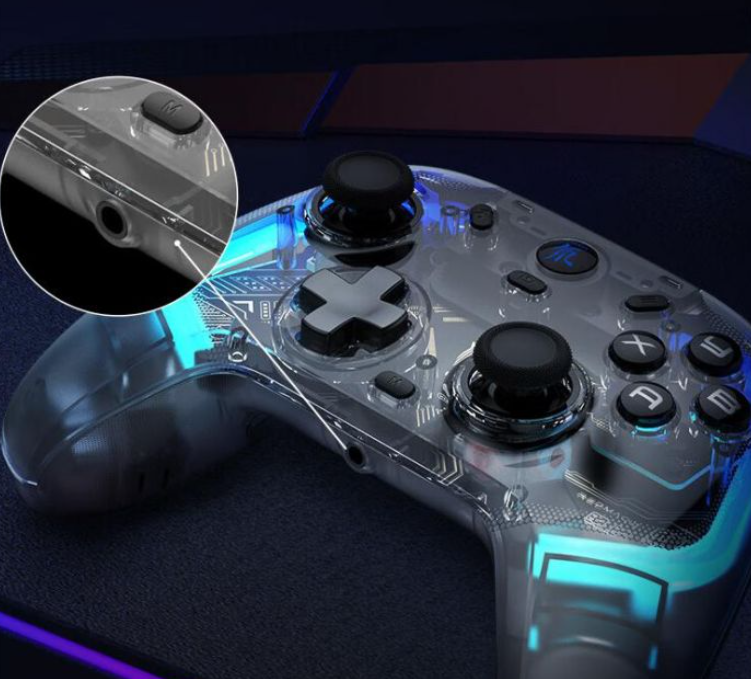
RedMagic Phantom Blade Gamepad is designed for gamers who demand superior performance and versatility across multiple platforms. Whether you’re playing on a Switch, Android, iOS, PC, or Steam, this gamepad ensures that you have the ultimate control. Its robust design and advanced features make it a top choice for both casual and competitive gaming. You can now buy RedMagic Phantom Blade Gamepad for $69.99 only on GeekWills.
Ultimate Performance and Customization
Engineered with precision, the RedMagic Phantom Blade Gamepad features an aluminum alloy charging dock and a 1000Hz wireless polling rate for fast, responsive gameplay. The mechanical micro-switch buttons are designed to withstand up to 5 million clicks, ensuring longevity even with intense use. The customizable Hall Effect joystick is another standout feature, allowing you to adjust sensitivity to prevent drift, providing a seamless gaming experience.
Triple-Mode Connectivity for Versatility
The RedMagic Phantom Blade Gamepad offers triple-mode connectivity, supporting Bluetooth, 2.4G, and wired connections. This versatility ensures that the gamepad can be used across a wide range of devices and gaming platforms. Whether you’re playing on a console, mobile device, or PC, the Phantom Blade adapts effortlessly, providing a consistent and reliable connection for uninterrupted gameplay.
Advanced Control and Immersive Experience
To enhance your gaming experience, the Phantom Blade Gamepad is equipped with micro/macro dual-trigger switches and six-axis motion sensing. These features provide precise control and allow for complex commands, giving you an edge in competitive gaming. The customizable back buttons further add to the controller’s versatility, allowing you to tailor the gamepad to your specific needs. The inclusion of an asymmetric vibration motor and wireless audio connection offers an immersive experience, making every game more engaging and lifelike.
Wide Compatibility for All Gamers
The RedMagic Phantom Blade Gamepad’s wide compatibility makes it a versatile tool for gamers across various platforms. It supports a broad range of games, including Android and iOS mobile games, console games on platforms like Switch and Xbox Game Pass, as well as PC and cloud gaming. No matter where you choose to play, the Phantom Blade delivers high performance and control.
Key Features:
Aluminum alloy charging dock with 1000Hz wireless polling rate.
Mechanical micro-switch buttons with a lifespan of 5 million clicks.
Customizable Hall Effect joystick to prevent drift.
Supports Bluetooth, 2.4G, and wired connections.
Micro/macro dual-trigger switches and six-axis motion sensing.
Asymmetric vibration motor for immersive gameplay.
Wide compatibility with Switch, Android, iOS, PC, and Steam.
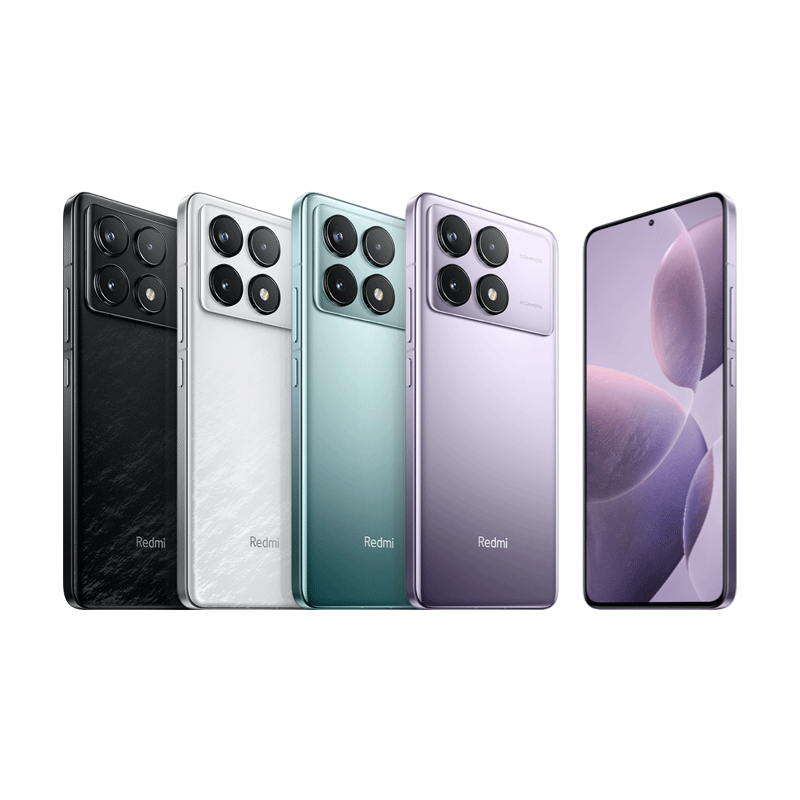
After debuting the Xiaomi 14 series last year, the brand is currently working on the Xiaomi 14T series, which is said to feature two models, the Xiaomi 14T and the Xiaomi 14T Pro. Both devices have received NBTC certification and have surfaced on Geekbench. According to a significant leak shared by Dealabs, which includes the full specifications and pricing details, these devices are rumored to launch in September.
As per the report by Dealabs, the Xiaomi 14T will have a 6.67-inch 1.5K (2712×1220p) display with a pixel density of 446ppi and a refresh rate of 144Hz. The panel will be capable of 700 nits in typical brightness, 1600 nits in high brightness mode, and up to 4000 nits while watching HDR content. The panel reportedly has full coverage of the DCI-P3 color gamut and supports HDR10+ and Dolby Vision. It is also TÜV Rheinland certified for low blue light and comes with AI Auto-brightness, AI video with Local mapping, AI Adaptive colors, AI Touch control, and AI Care.
Under the hood, the device is said to feature a Dimensity 8300-Ultra processor, paired with 12GB RAM and 256GB storage. It will come with Android 14 pre-loaded and draw power from a 5,000mAh battery. The phone also has IP68 waterproofing and weighs 195 grams.
2. Xiaomi 14T cameras:
The Xiaomi 14T comes with a Leica triple camera setup that includes the LEICA VARIO-SUMMILUX 1:1.7-2.2/15-50 ASPH lenses. The main camera is a 50MP wide-angle lens with optical image stabilization (OIS), featuring a 1/1.56″ IMX906 sensor, 1.0µm pixels that can combine into 2.0µm super-pixels, a focal length equivalent to 23mm, an f/1.62 aperture, and autofocus.
The second camera is a 50MP telephoto lens with 0.64µm pixels, a focal length equivalent to 60mm, 2.6x optical zoom, and up to 4x zoom equivalent to 100mm, with an f/1.98 aperture, a 5P lens, and autofocus. The third camera is a 12MP ultra wide-angle lens with 1.12µm pixels, a focal length equivalent to 15mm, a 120° field of view, and an f/2.2 aperture. For selfies, the Xiaomi 14T includes a 32MP front camera with 0.64µm pixels.
3. Xiaomi 14T Pro specs:
The Xiaomi 14T is said to use an identical 6.67-inch 1.5K display as the vanilla 14T, with features like 144Hz refresh rate, 4000 nits peak brightness, and HDR10+ support. That said, the Pro model houses a more powerful MediaTek Dimensity 9300+ processor paired with 12GB of RAM and 512GB of storage. It is said to come with the same 5,000mAh battery, however, it will feature support for 50W wireless charging. It will also feature an IP68 waterproofing certification.
4. Xiaomi 14T Pro cameras:
The Xiaomi 14T Pro model is said to have a Leica triple camera setup featuring the LEICA VARIO-SUMMILUX 1:1.6-2.2/15-60 ASPH lenses. The main camera will be a 50MP wide-angle lens with optical image stabilization (OIS), using a 1/1.31″ Light Fusion 900 sensor. It has 1.2µm pixels that can combine into 2.4µm super-pixels, an equivalent focal length of 23mm, 2x optical equivalent zoom (46mm), an f/1.62 aperture, and autofocus.
The second camera is said to be a 50MP telephoto lens with 0.64µm pixels, a 60mm equivalent focal length, 2.6x zoom, and up to 5x optical equivalent zoom (120mm), with an f/1.98 aperture, a 5P lens, and autofocus. The third camera is a 12MP ultra-wide-angle lens with 1.12µm pixels, a 15mm equivalent focal length, a 120° field of vision, and an f/2.2 aperture. The front camera is a 32MP lens with 0.64µm pixels.
5. Pricing
Based on current leaks, the Xiaomi 14T is expected to be priced at €649, while the 14T Pro is likely to come in at €899. As mentioned above, these devices are expected to make a global debut sometime in September.
OnePlus has released a new update for its devices, introducing a range of features and improvements with the U130P00 update. This update includes several new apps and features that users can access immediately without waiting for a gradual over-the-air (OTA) rollout.
Key features of the U130P00 update include:
Photos
Added the ability to share photos to Phone Link for more convenient cross-device syncing.
Introduced sorting options for Photos by date taken, time modified, or filename.
Enabled renaming of albums and changing their covers for personalized customization.
Implemented a feature to speed up videos without altering the audio pitch.
Streamlined the album creation process, allowing for direct creation from the Photos homepage.
Private Safe
Added the “Recently deleted” folder, which you may recover deleted files from within 30 days.
System
Improves system stability.
The update is being rolled out in stages from August 28th to September 27th. It is available for OnePlus devices running OxygenOS 14.0.0 and above, as well as some older models on OxygenOS 13.1.0 and 13.0.0.
Eligible devices include:
The update is being rolled out in stages from August 28th to September 27th. It is available for OnePlus devices running OxygenOS 14.0.0 and above, as well as some older models on OxygenOS 13.1.0 and 13.0.0.
Eligible devices include:
OxygenOS 14.0.0 and above
OnePlus 12 Series
OnePlus Open
OnePlus 11 Series
OnePlus 10 Series
OnePlus 9 Series
OnePlus 8T
OnePlus Nord 4 5G / OnePlus Nord 3 5G / OnePlus Nord 2T 5G
OnePlus Nord CE4 5G / OnePlus Nord CE3 5G / OnePlus Nord CE 3 Lite 5G / OnePlus Nord CE 2 Lite 5G
OnePlus Pad / OnePlus Pad Go
OxygenOS 13.1.0
OnePlus 8 / OnePlus 8 Pro
OxygenOS 13.0.0
OnePlus Nord 2 5G
OnePlus Nord CE 2 5G
OnePlus Nord CE 5G
OnePlus advises users to be patient as the update may not reach all devices immediately.
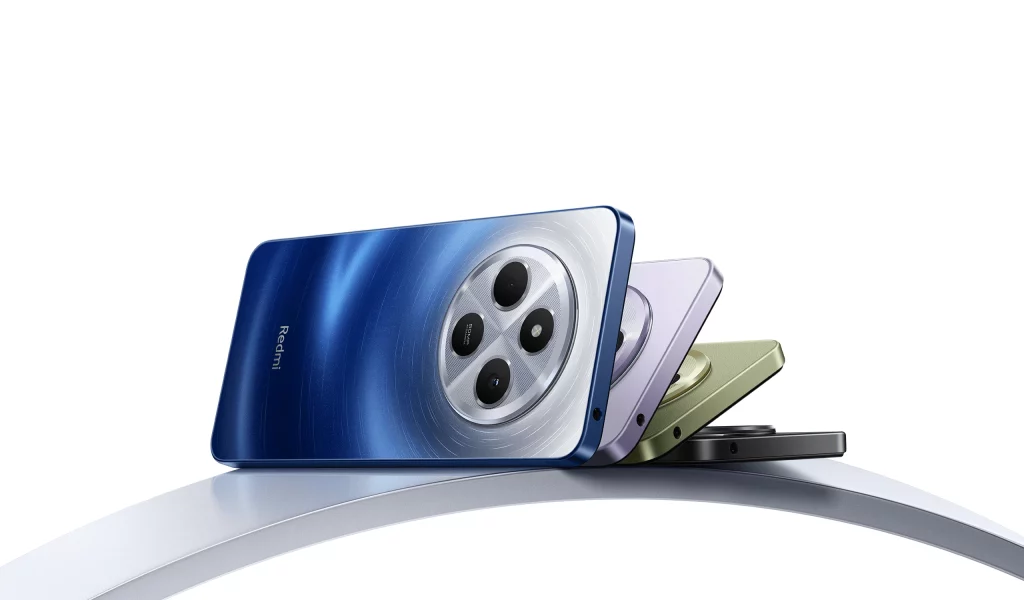
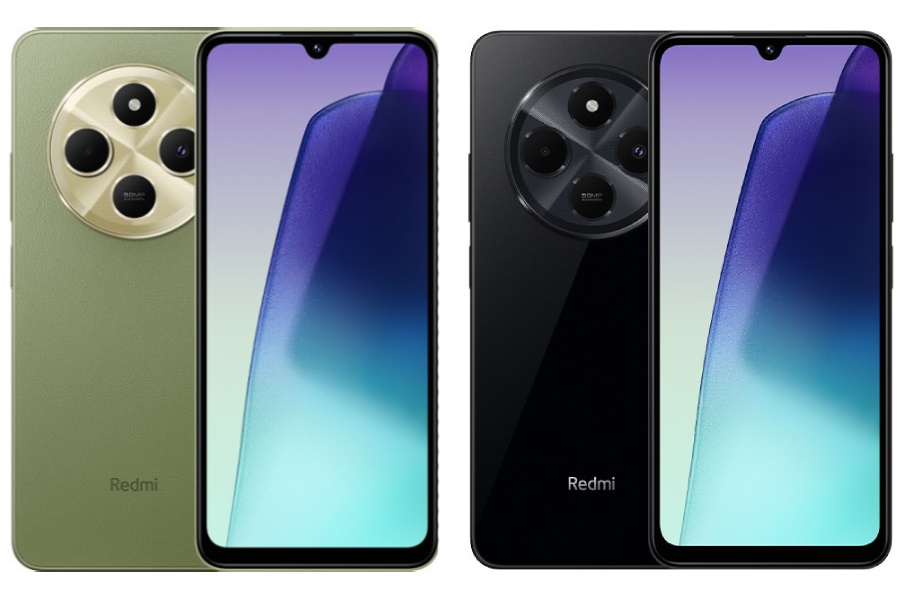
Xiaomi has recently introduced the Redmi 14C, a budget-friendly smartphone designed to offer solid features at an affordable price. The device is now available globally after its initial launch in Vietnam on March 31st.
Redmi 14C specs:
The Redmi 14C comes with a 6.88-inch Dot Drop Display, the largest in the Redmi number series, providing a wide screen for everyday activities like watching videos, gaming, or browsing. It has 600 nits peak brightness and 120Hz refresh rate.
It is Powered by the MediaTek Helio G81 Ultra processor and a Mali G52-MC2 GPU. It operates on Xiaomi’s HyperOS, based on Android 14.
The smartphone is available with up to 8GB of LPDDR4X RAM and 256GB of eMMC 5.1 storage, with the option to expand storage using a microSD card.
For photography, the Redmi 14C features a dual-camera setup with a 50MP main camera and an additional lens for various shooting needs. A 13MP front camera is available for selfies, with HDR support to improve image quality.
The device includes a 5,160mAh battery, supporting 18W fast charging, although the charger is not included in the box, in line with recent trends.
Additional features include a side-mounted fingerprint sensor, AI face unlock, NFC (depending on the region), dual SIM support, and a 3.5mm headphone jack.
Pricing & availability
The Redmi 14C comes in different configurations and colors (Midnight Black, Dreamy Purple, Sage Green, and Starry Blue), with a starting price of $119 USD. Availability and pricing may vary by region, with further details expected to be announced soon.
Initially launched in Monet Gold and Emerald Green, Realme has now announced a third color option for the Realme 13 Pro+ 5G smartphone called Monet Purple. This new color option will be available for purchase starting September 2nd in India.
Key details about the Realme 13 Pro+ Monet Purple variant:
Bank offers: INR 3000 discount and INR 4000 exchange offer
Availability: realme.com, Flipkart
Realme 13 Pro+ 5G specs:
The Realme 13 Pro+ boasts a 6.7-inch curved AMOLED display featuring a 120Hz refresh rate, 240Hz touch sampling rate, and a 2000Hz instant touch sampling rate. Powered by the Snapdragon 7s Gen 2 processor, it offers 8GB or 12GB of LPDDR4X RAM and storage options of 128GB, 256GB, or 512GB UFS 3.1.
The smartphone’s triple rear camera setup includes a 50MP 1/1.56″ Sony LYT-701 sensor, an 8MP ultrawide lens, and a 50MP Sony LYT-600 3X periscope telephoto lens with 6X in-sensor zoom and up to 120x digital zoom. For selfies, it features a 32MP front-facing camera with a Sony sensor.
Additional features include an in-display fingerprint sensor, USB Type-C audio, stereo speakers, Dolby Atmos, Hi-Res Audio, and IP65 dust and water resistance. The device is powered by a 5200mAh battery that supports 80W SuperVOOC fast charging.
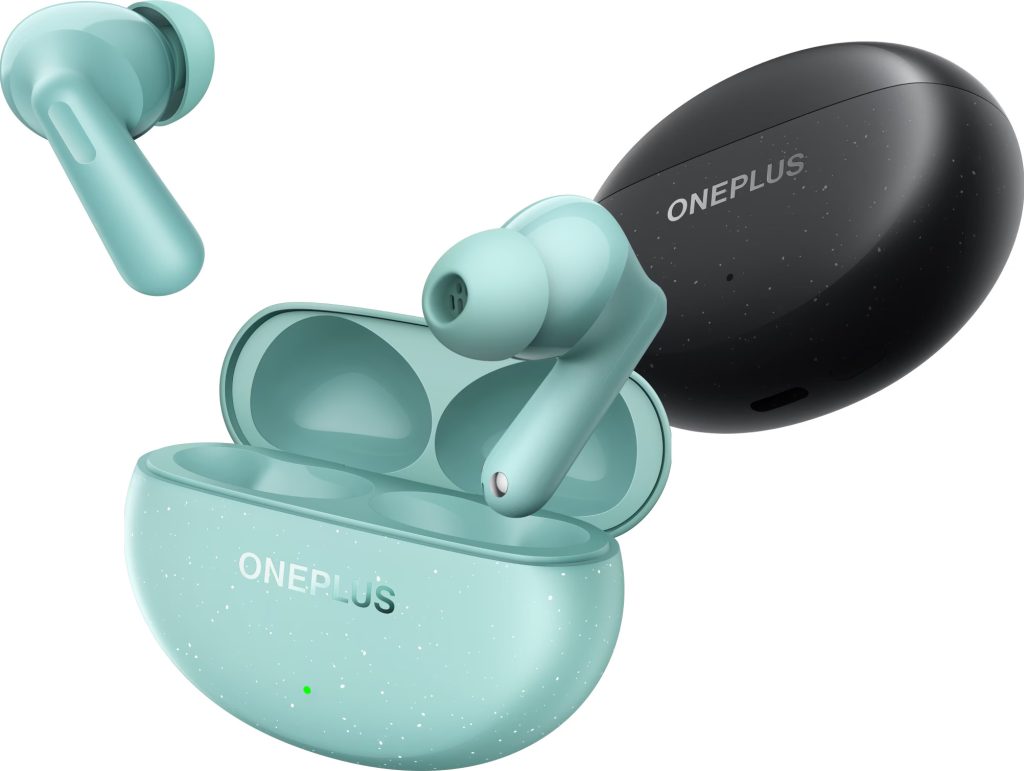
Last month, OnePlus revealed the Nord Buds 3 Pro in the global market, featuring 49dB ANC, BassWave 2.0, and other impressive features. Now, tipster Yogesh Brar has claimed that another Nord series earbuds will be launching soon.
The tipster did not specifically mention the model name of the earbuds, however, we suspect that it could be the vanilla OnePlus Nord Buds 3.
Key features expected from the OnePlus Nord Buds 3 include quality audio with competitive pricing, making them a more affordable alternative to flagship models. While the noise cancellation may not be as advanced as in the Nord Buds 3 Pro, some level of noise reduction is expected to help block out unwanted sounds. You can take a look at the spec sheet of the Nord Buds 3 Pro to get a better idea of what to expect from the vanilla model.
OnePlus Nord Buds 3 specs:
The OnePlus Nord Buds 3 Pro features an IP55-certified body. In terms of audio, the Nord Buds 3 Pro is equipped with a 12.4mm titanium driver that delivers powerful bass and clear treble. It offers up to 49dB of active noise cancellation and includes smart noise cancellation that automatically adjusts based on the environment. The earbuds have three microphones and use Crystal Clear Call technology for clear calls. A transparency mode allows users to stay aware of their surroundings, and the BassWave 2.0 algorithm fine-tunes bass frequencies, with the Master EQ offering three modes to choose from.
The earbuds provide up to 12 hours of playback with active noise cancellation turned off, and battery life extends to 44 hours with the charging case. They can connect to two devices simultaneously and support Bluetooth 5.4 and Google Fast Pair.
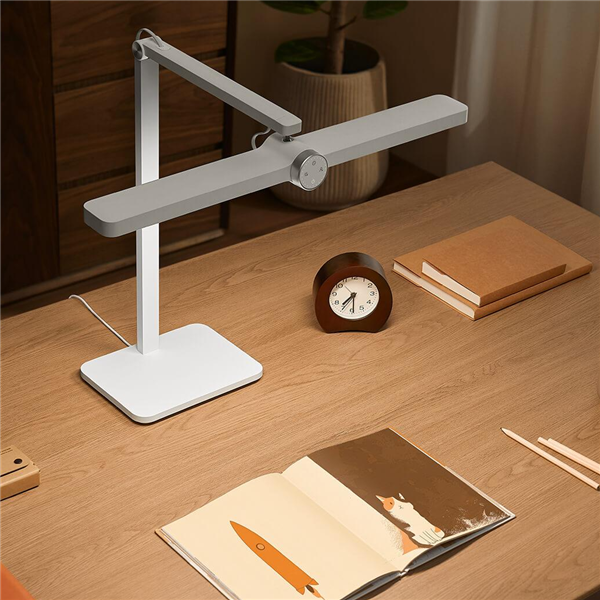
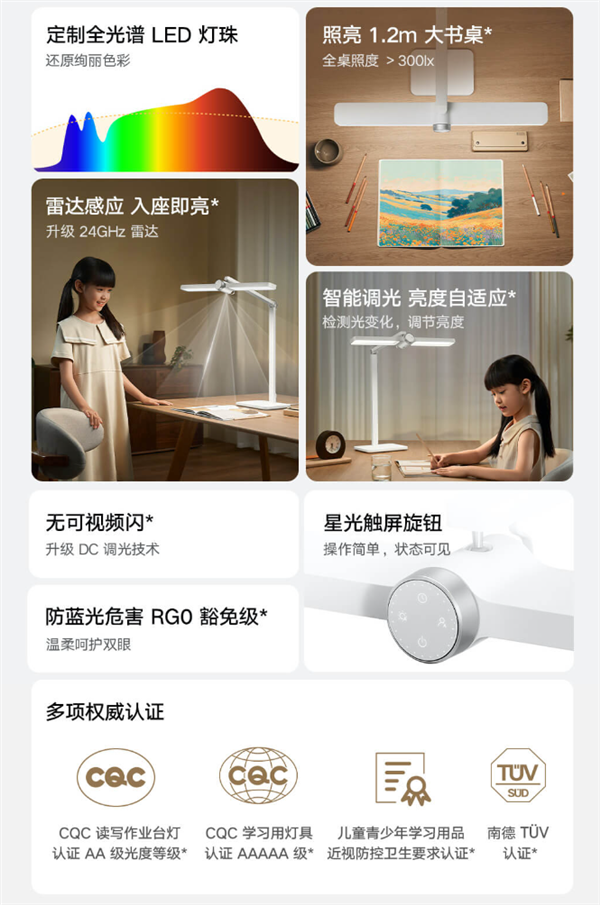
Xiaomi has opened a crowdfunding campaign for the MIJIA Desktop Study Lamp Pro on Xiaomi Youpin. The new desktop study lamp comes with some impressive features including radar sensing and intelligent dimming.
The MIJIA Desktop Study Lamp Pro has a white minimalist design and offers seamless integration into homes in different styles. The product utilizes a two-stage lamp head design with an illumination of more than 300 lx. It provides sufficient illumination uniformly to a 1.2-meter study table with its 120 lamp beads. The lamp beads are refracted through lenses to deliver a multi-layer light source refraction. Its design also eliminates ghost images and reduces hand shadows.
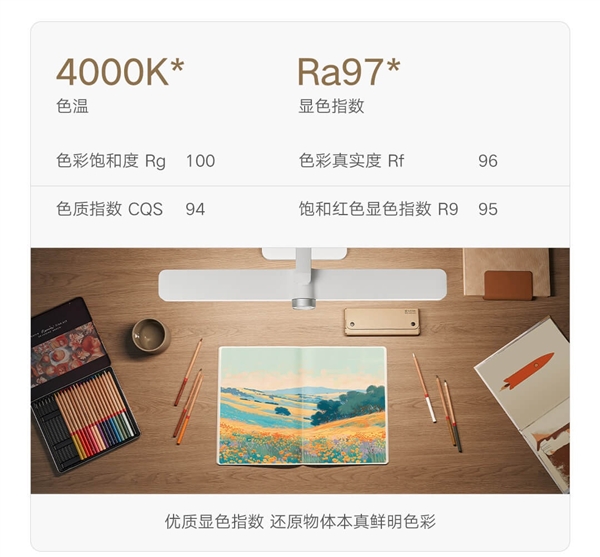
The LED lamp beads have a color temperature of up to 4000k and a Ra97 color rendering index. The customized full-spectrum LED lamp beads offer a reduced blue light peak for comfortable reading. It has the RGD exemption level for blue light hazard protection and comes with the TUV SUD certification. The product meets the hygiene certification standards for preventing myopia and related conditions for both the young and old.
The MIJIA Desktop Study Lamp Pro uses an upgraded DC dimming technology and has no visible flicker, offering greater comfort to the eyes. The desktop lamp features a 24GHz radar that can detect movements to trigger the light. After detecting the movement, the lamp turns the light on when you sit down and off when leaving the seat. You can enable the brightness adaptive mode to monitor changes in ambient light and intelligently adjust the brightness.
Pricing
The crowdfunding price of the MIJJIA Desktop Study Lamp Pro is 469 yuan ($66). The product will revert to its original price of 499 yuan ($70) after the crowdfunding campaign.
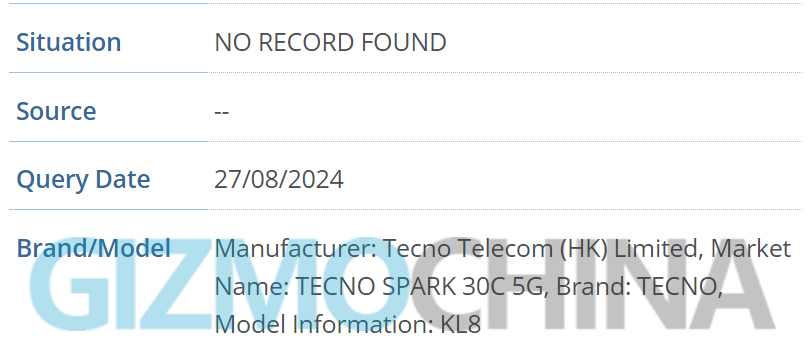
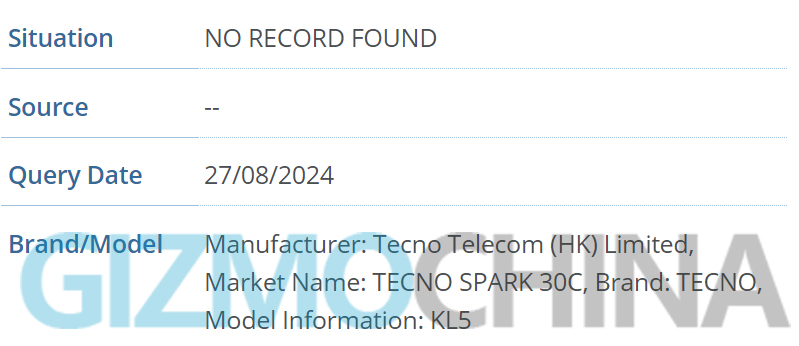
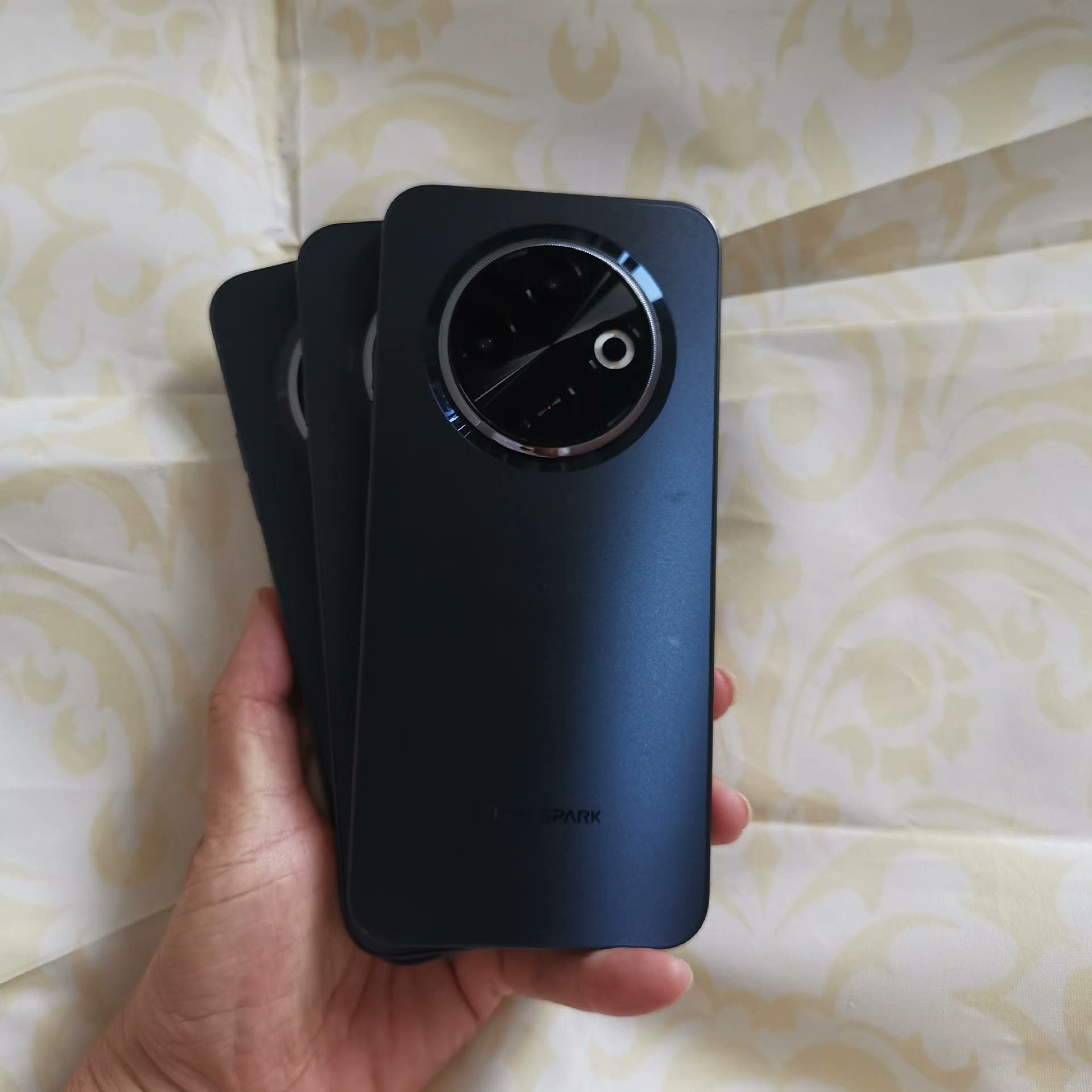
Tecno is preparing to launch the new affordable Tecno SPARK 30C series. The Gizmochina team has spotted the new SPARK 30C series in the IMEI database. The company aims to increase competition in the affordable phone market with the SPARK 30C series.
Tecno SPARK 30C Series
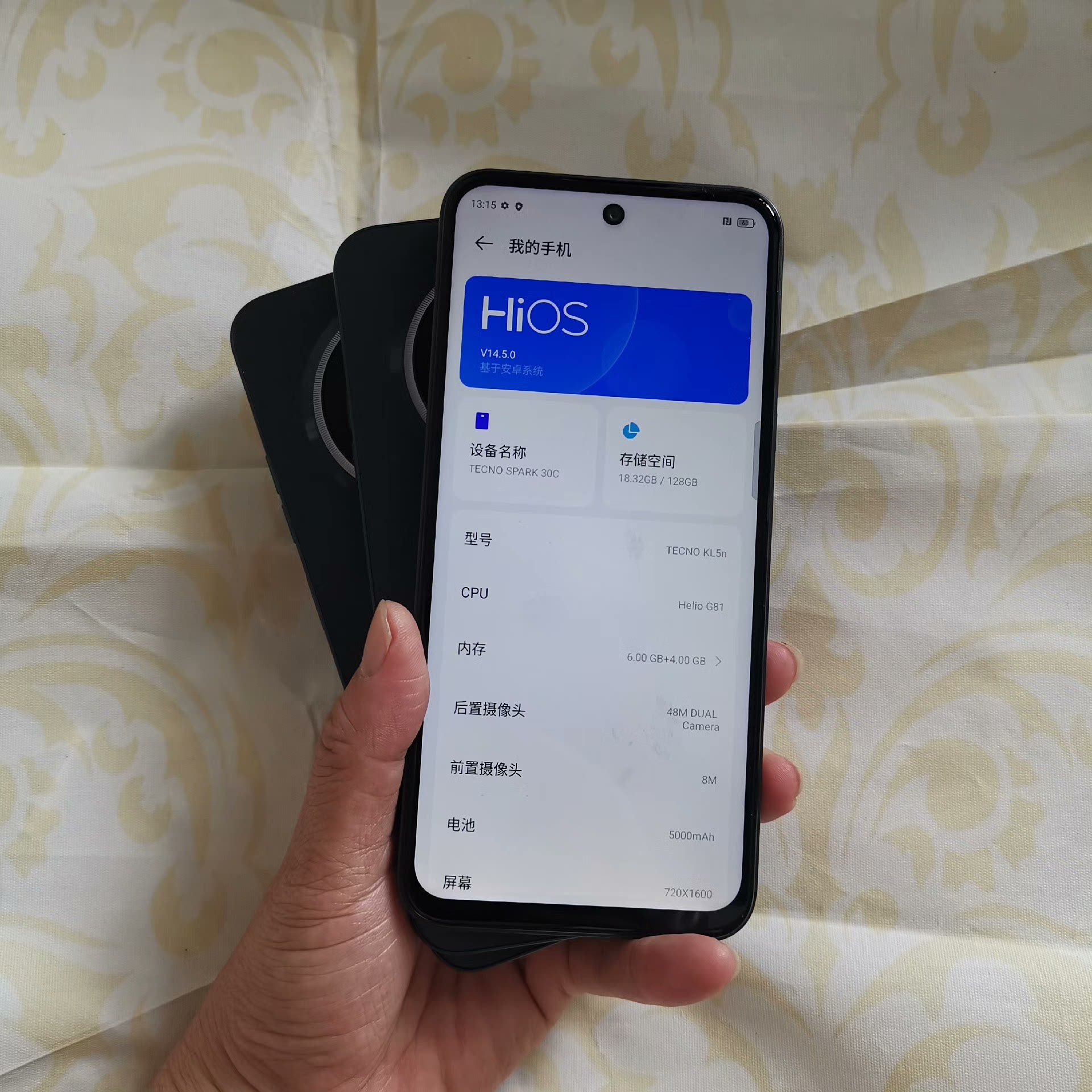
Tecno wants to increase competition in the affordable smartphone market. The company will soon launch the affordable Tecno SPARK 30C series. Gizmochina has spotted 2 new smartphone models of the SPARK 30C series. The Tecno SPARK 30C series consists of two models: SPARK 30C 4G and SPARK 30C 5G. The model numbers of these devices have been detected in the IMEI database. The Tecno SPARK 30C 4G has the model number KL5, while the Tecno SPARK 30C 5G has the model number KL8.
Tecno SPARK 30C will have a 720×1600 resolution display, 48MP+8MP Dual camera, 5000 mAh battery, and MediaTek Helio G81 chipset. The Tecno SPARK 30C 4G will be the first smartphone with the MediaTek Helio G81 chipset. On the other hand, the Redmi 14C will feature the MediaTek Helio G81 Ultra chipset. The technical specifications of the Tecno SPARK 30C 5G are not yet known, but it is expected that the SPARK 30C 5G will be similar to the SPARK 30 5G and POP 9 5G.
Tecno has not yet announced the official launch date of the SPARK 30C series. Therefore, it’s not clear when the smartphones will be introduced. However, Tecno is expected to launch the SPARK 30C series in the near future.
The Google Pixel Stand and Pixel Stand 2 can be a great wireless charger for Pixel owners except those who own the latest Pixel 9 Pro Fold. Now Google has shared a diagram revealing the reason why it cannot be charged using the Pixel Stand or Pixel Stand 2.
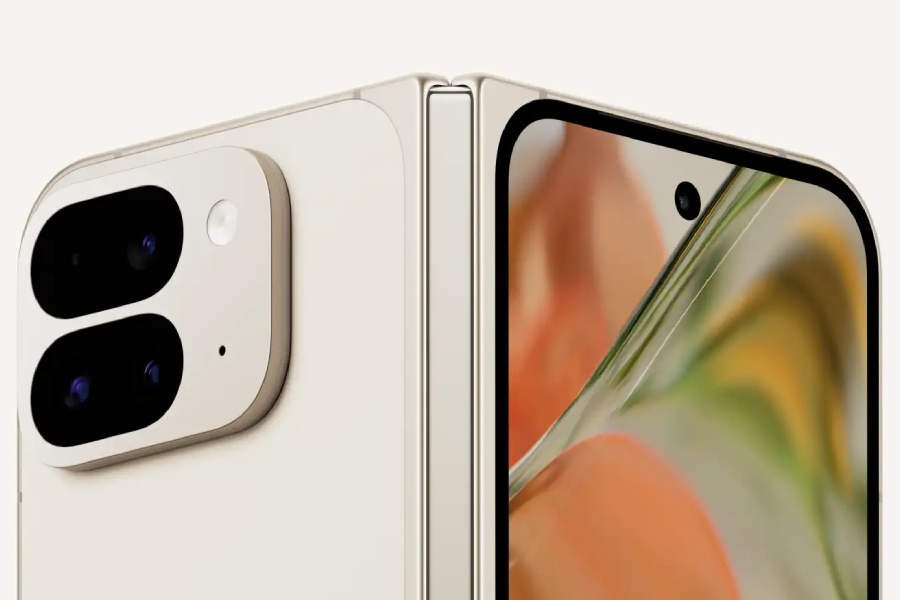
As you can see from the image below, the wireless charging coil inside the Pixel 9 Pro Fold isn’t perfectly centered as compared to most other phones that support wireless charging including the previous Pixel devices.
As the company’s wireless charging solution comes in the form of a stand instead of something like a pad on top of which you place the phone and can freely adjust, it’s not possible to align the charging coils inside. That’s why Google’s latest foldable doesn’t charge with its own wireless charger.
Pixel 9 Pro Fold works with many other wireless chargers in the market
Google confirmed that the phone should charge wirelessly with many other wireless chargers available in the market. “When you use another wireless charger, adjust the position of your phone to get it to charge. To confirm if it’s aligned correctly, check the charging indicator on your phone.” the company noted.
The company has updated the camera placement on the Pixel 9 Pro Fold as compared to the predecessor. This could be a reason behind the relocation of the wireless charging coil.
Whatever the reason is, it’s a shame that they didn’t make the necessary changes to keep the wireless charging coil in the same place and make the Pixel 9 Pro Fold compatible with the Pixel Stand 2. It’s also very inconvenient for the Pixel 9 Pro Fold users (who already own a Pixel Stand) to buy a wireless charger from another manufacturer just to charge their new Pixel wirelessly.
We hope Google addresses this alignment issue in the successor to the Pixel 9 Pro Fold.
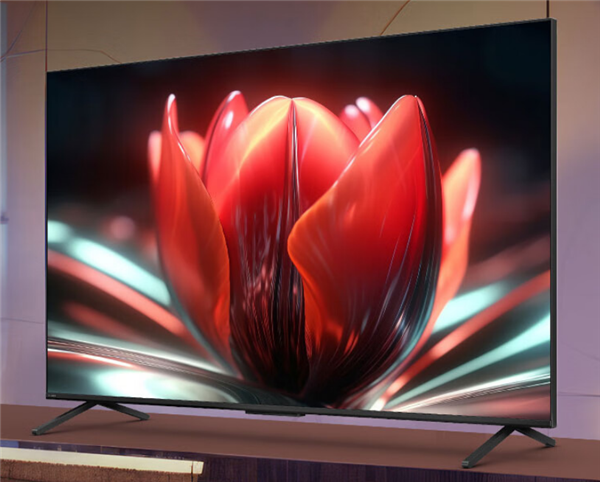
Philips has launched the T3 series smart TVs in China. The new Philips T3 series TVs come in two sizes – 65 and 75 inches. They feature a 4K Quantum Dot (QD) mini-LED screen which is a premium panel. The new TVs deliver an ultra-high definition resolution (4K) of up to 3840 x 2160 pixels. The panel’s display refresh rate is up to 120Hz while the peak brightness reaches 630 nits. The 65-inch version of the TV has a peak brightness of 630 nits while the 75-inch model peaks at 610 nits. The new Philips T3 TVs feature between 50 and 100 backlight partitions that ensure rich picture layers and clear details.
The Philips T3 series TVs are equipped with a built-in professional AI image quality chip with the Philips P5 image quality enhancement engine. This optimizes the picture through intelligent algorithms in both bright and dark scenarios. The TV supports a 1.07 billion color display with natural and delicate color transitions. The TVs cover 113%/ 103% of the DCI-P3 wide color gamut for the 65/75 inch versions. The Philips T3 series TV supports HDR10+ and every frame is stable and clear, thanks to the MEMC dynamic anti-shake technology. The TVs support 178º ultra-wide viewing angle for an enjoyable viewing experience.
The Philips T3 series TV is equipped with the A55 quad-core processor. It has 3GB of RAM and 64GB of storage which allows for a decent performance. The TV supports the 3.84kHz PWM dimming technology to reduce flicker and protect the eyes.
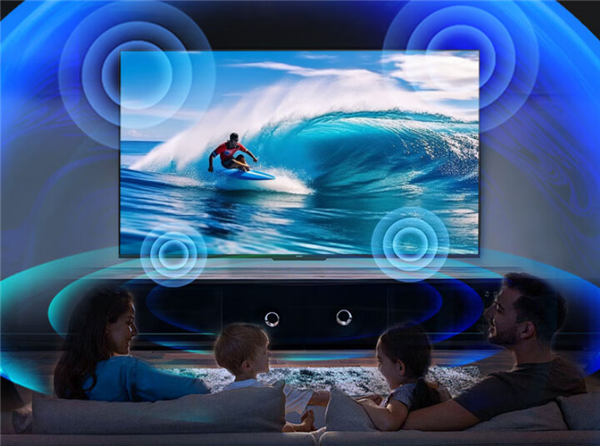
The TV can be viewed comfortably for extensive periods without damaging eyesight. The TVs also support 2.4G/5G dual-band WiFi for seamless enjoyment of online entertainment. The Tencent START cloud games and other games can be played using the TV, as well as AI screen projection is also supported. Audio support for the TV is via exclusive audio chips, Dolby Atmos, and Dolby Digital Decoding+ support. There are two HDMI 2.1 interfaces, as well as one USB 2.0, Audio out, and RF interfaces.
Pricing
The Philips T3 series TV is priced starting at 4,599 yuan ($648) and can be purchased from JD.com.
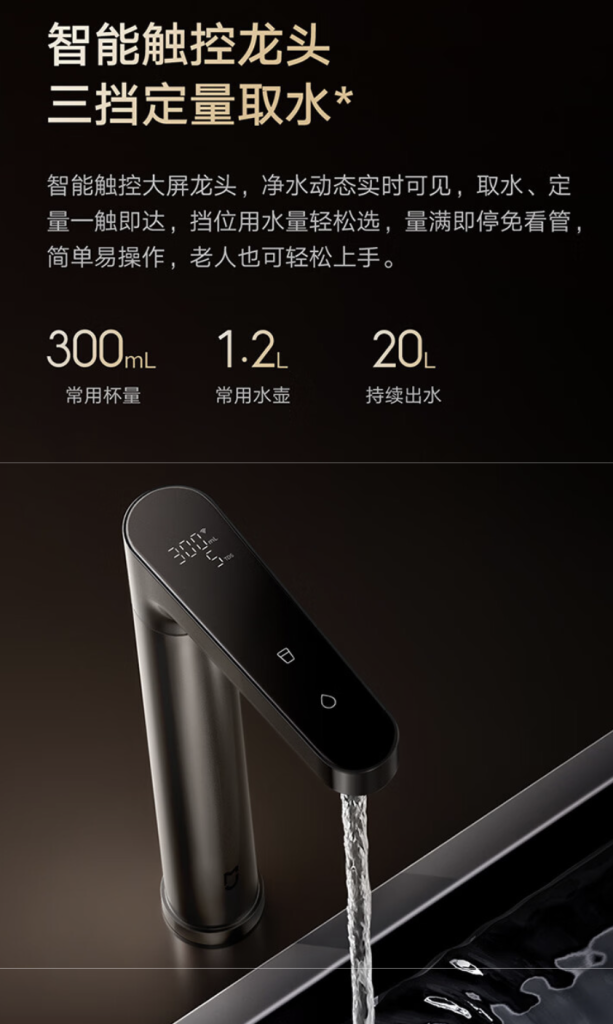
Xiaomi has launched the Mijia Water Purifier 1200G Pro. In comparison to the Mijia Water Purifier 1200G, this 1200G Pro mainly adds “Zero Stale Water 3.0 Technology”, “Intelligent Adjustment of Pure Wastewater Ratio”, “Intelligent Touch Screen Display Faucet”, and “Multi-speed Quantitative Water Extraction” functions.
This water purifier monitors water quality, identifies the TDS value of incoming water, and dynamically adjusts the pure wastewater ratio according to the water quality in real time.
For those unfamiliar, TDS stands for Total Dissolved Solids, which is the measure of the total concentration of dissolved substances in water, including inorganic salts and organic matter.
If the TDS of water is ≥150ppm, the purifier sets the wastewater to pure water ratio to 2:1. If the TDS is <150ppm, the wastewater to pure water ratio goes up to 3:1. This is better than an average residential RO system that offers a wastewater to pure water ratio of 4:1.
According to the company, the RO filter element does not need to be replaced for 5 years and the average daily cost is as low as 0.15 yuan.
The Mijia Water Purifier 1200G Pro also packs a large touchscreen, which displays the water purification status in real time. It also offers easy control of water dispensing. With the intelligent features the purifier fills up different sized containers easily.
In addition to all of that, the purifier also supports smart connectivity through the Xiaomi Home app which can be very useful to check the water quality or to control water dispensing remotely.
Pricing and availability:
This water purifier is currently available for pre-sale on Xiaomi Youpin with a deposit of 50 yuan (~$7) and the current price after paying the deposit is 1,999 yuan, which is equivalent to $280. The product will go on sale at 8 pm on September 5.
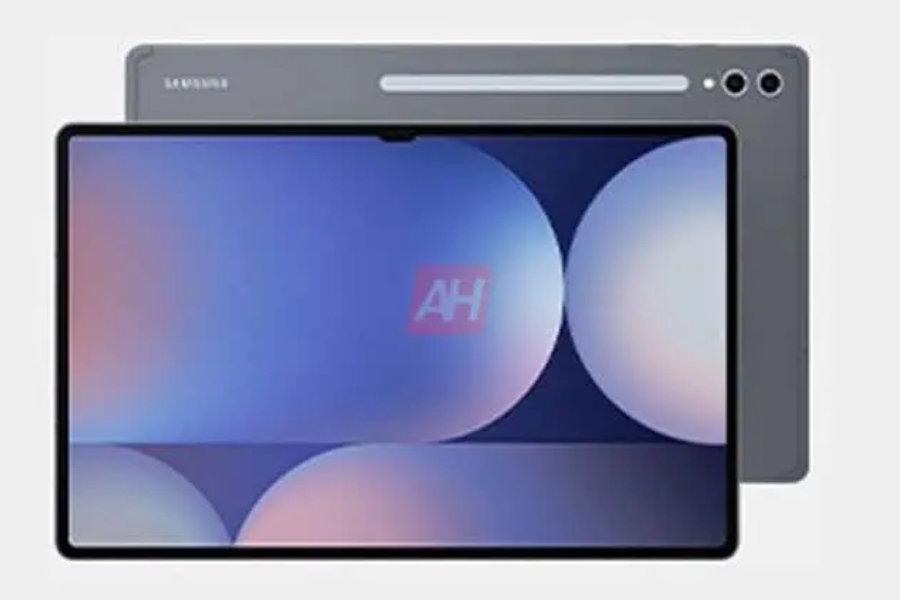
We have already seen leaked promo images of both the Galaxy Tab S10+ and Tab S10 Ultra. It is expected that there will be no vanilla model this time. Now the Galaxy Tab S10+ and Galaxy Tab S10 Ultra have also been spotted on the FCC database, which reveals some information about the devices and suggests an imminent launch.
Tab S10 PlusTab S10 Ultra
91mobiles spotted both the WiFi and cellular connectivity variants of the Galaxy Tab S10+ and the Wi-Fi model of the Tab S10 Ultra on the FCC database. According to the listing, the cellular connectivity and WiFi versions of the Tab S10+ have model numbers SM-X820 and SM-X820U respectively. The Galaxy Tab S10 Ultra comes with model number SM-X920.
The S Pen turns out to be the same one used with the Tab S9 series
According to the listing, both the Tab S10+ and Tab S10 Ultra support the S Pen functionality. The model number of the S Pen (EJ-PX710) indicates that it’s the same one used with the Tab S9 series. The listing also reveals that the Tab S10+ will support 45W charging, like the predecessor.
Apart from this, the FCC listing does not reveal much about the upcoming tablets. However, we have already come across several rumors and other certification listings that give us a rough idea of what to expect.
According to the previously leaked promo images, both the Galaxy Tab S10+ and Tab S10 Ultra will come with a dual camera setup on the back, which is also in line with the past few generations. Both the Plus and Ultra models of the Tab S9 series pack 13 MP main and 8 MP ultrawide on the back, which was an upgrade from the 6 MP ultrawide in its predecessors. Samsung has been using the 13 MP main camera for a long time.
According to previous rumors, both the S10+ and Ultra will use MediaTek’s Dimensity 9300+ chipset. For context, Samsung has always preferred Snapdragon chips for its flagship tablets from the past. That being said, it’s still a rumor and readers should take it with a pinch of salt.
Xiaomi took a step that surprised everyone. Although the MIX Flip has just been unveiled, the brand has started developing the next foldable smartphone Xiaomi MIX Flip 2. Of course, this information comes from a reliable GSMA IMEI database. The XiaomiTime team found 2 different model numbers expected to belong to the MIX Flip 2. So what awaits us in Xiaomi MIX Flip 2? It’s too early to talk about it yet, but we can confirm that the MIX Flip 2 will be released in the Global market.
Xiaomi surprisingly started developing the Xiaomi MIX Flip 2
Xiaomi is already working on the Xiaomi 15 series. Xiaomi 15 series will consist of 4 different models: Xiaomi 15, Xiaomi 15 Pro, Xiaomi 15S Pro and Xiaomi 15 Ultra. Xiaomi is preparing to launch many new smartphones. Besides these, the “zhuque”, which is expected to be buttonless, is also in the testing phase. We have already published news about this smartphone. Now, the first details about the new Xiaomi MIX Flip 2 have leaked. The foldable device was spotted in the IMEI database.
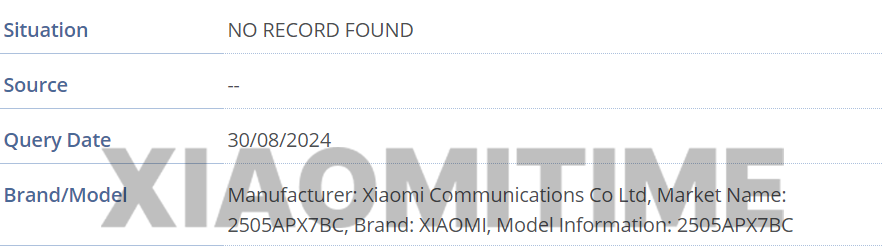
2505APX7BC
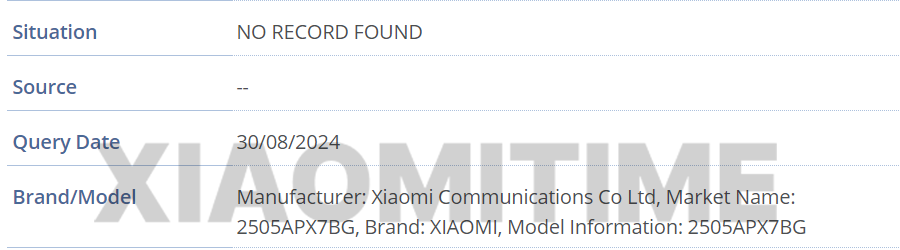
2505APX7BG
The Xiaomi MIX Flip 2 has been spotted in the IMEI database with 2 different model numbers. You can see the model numbers above, the model number starts with “2505”. This means May 2025, but the MIX Flip had a model number starting with 2405 and was released in July 2024. The new foldable devices are therefore expected to be unveiled in July 2025.
The first model number is “2505APX7BC” and the C at the end stands for China. The second model number is “2505APX7BG”. This model number has the letter G at the end and refers to the Global version of the device. Apart from these, there is not much information about the MIX Flip 2. However, the fact that the foldable smartphone has already been added to the IMEI database officially confirms its existence.
Qualcomm announced the Snapdragon 8+ Gen 1 in May 2022, and later that year released its successor — Snapdragon 8 Gen 2. Both are high-performance chipsets fabricated using TSMC’s 4nm process node.
Both Qualcomm chips are already powering many high-end phones from major brands, such as Samsung, iQOO, OnePlus, and Xiaomi. From the name itself, it’s clear that the Snapdragon 8 Gen 2 is an upgrade to the 8+ Gen 1. But is it an impactful upgrade or just an outright overhaul? Let’s see the key differences between them and how they perform on benchmarks.
SD 8+ Gen 1
SD 8 Gen 2
Release Date
May 2022
November 2022
Process Node
4nm (TSMC)
4nm (TSMC)
CPU
1 x Cortex-X2 @ 3.2 GHz 3 x Cortex-A710 @ 2.75 GHz 4 x Cortex-A510 @ 2.0 GHz
1 x Cortex-X3 @ 3.2 GHz 2 x Cortex-A715 @ 2.8 GHz 2 x Cortex-A710 @ 2.8 GHz 3 x Cortex-A510 @ 2.0 GHz
GPU
Adreno 730
Adreno 740
Gaming
Snapdragon Elite Gaming Unreal Engine 5 support Variable Rate Shading Pro Volumetric Rendering Adreno Frame Motion Engine
Snapdragon Elite Gaming Hardware Accelerated Ray Tracing Game Post Processing Accelerators Vulkan 1.3 APIs support Unreal Engine 5 MetaHumans framework support
NPU
Hexagon NPU
Hexagon NPU
Memory
Up to 24 GB LPDDR5 @ 3200 MHz
Up to 24 GB LPDDR5X @ 4200 MHz
Storage
UFS 3.1
UFS 3.1, UFS 4.0
Camera
Triple 18-bit Spectra ISP Up to 200MP single camera 108MP single camera @ 30fps with ZSL 64MP + 36MP dual camera @ 30fps with ZSL 36MP + 36MP + 36MP triple camera @ 30fps with ZSL *ZSL = Zero Shutter Lag
Triple 18-bit Spectra ISP Up to 200MP single camera 108MP single camera @ 30fps with ZSL 64MP + 36MP dual camera @ 30fps with ZSL 36MP + 36MP + 36MP triple camera @ 30fps with ZSL *ZSL = Zero Shutter Lag
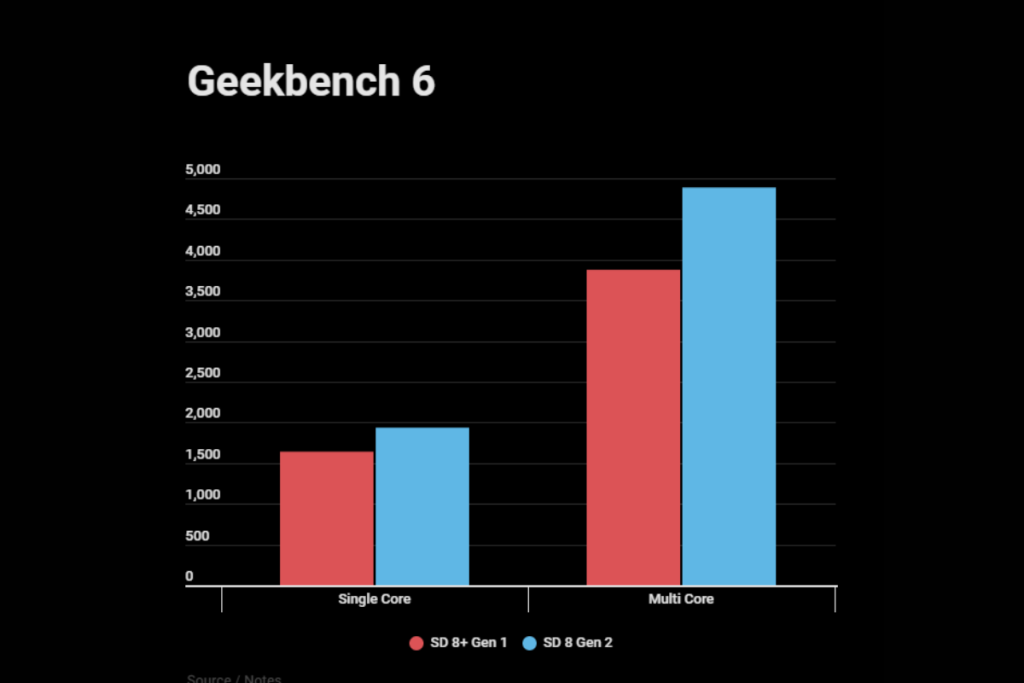
It’s a CPU-centric test that runs a device through a series of computation workloads, including compression (text & images), encryption, physics simulations, rendering, ray tracing, and speech recognition.
The benchmarking platform outputs single-core and multi-core results. The former shows the device’s capability when a single core is used, and the latter measures CPU performance when multiple cores are at work.
SD 8+ Gen 1:
Single-core: 1640
Multi-core: 3876
SD 8 Gen 2:
Single-core: 1935
Multi-core: 4888
As expected, the Snapdragon 8 Gen 2 scores better than the Snapdragon 8+ Gen 1. The newer chip is around 20% faster, as per the above Geekbench results.
AnTuTu 10:
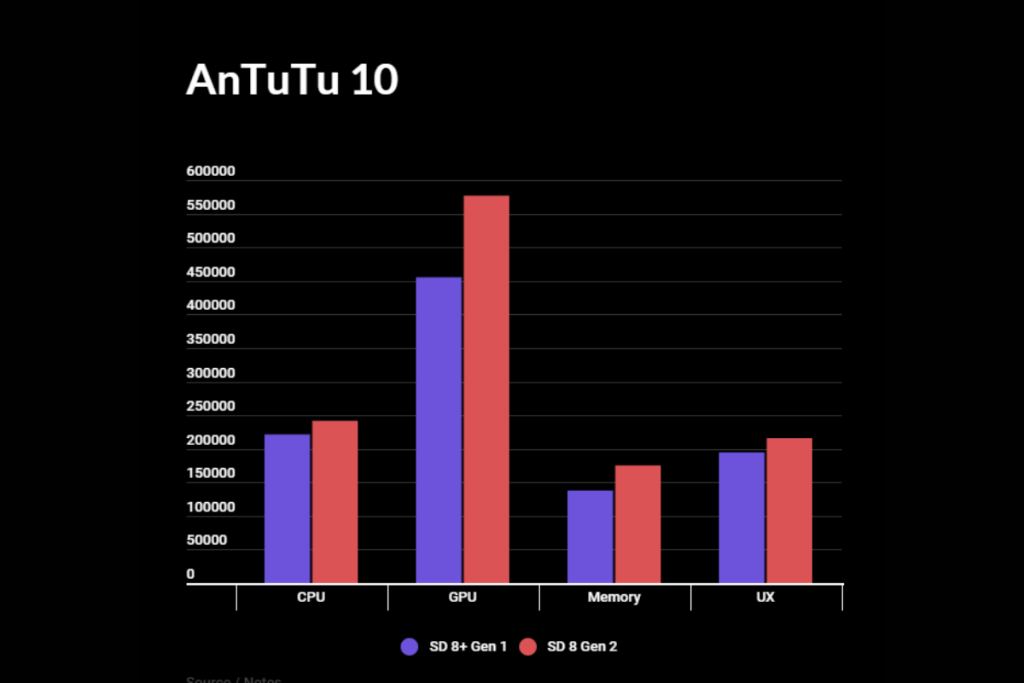
AnTuTu is a popular benchmarking platform that measures the CPU, GPU, memory, and UX performance of devices.
SD 8+ Gen 1:
CPU: 221367
GPU: 455312
Memory: 137730
UX: 194413
Total score: 1008822
SD 8 Gen 2:
CPU: 241499
GPU: 576754
Memory: 175209
UX: 215835
Total score: 1209297
The Snapdragon 8 Gen 2 rocks on the AnTuTu benchmark as well. It has around 20% higher AnTuTu points than the Snapdragon 8+ Gen 1.
Other benchmarks:
We also tested smartphones powered by these two Qualcomm chips on the Burnout Benchmark to measure the power consumption.
Again, the Snapdragon 8 Gen 2 has managed to beat the Snapdragon 8+ Gen 1. According to the benchmarking results, the Snapdragon 8 Gen 2 consumes less power to achieve the same performance as the Snapdragon 8 Plus Gen 1.
In the CPU throttling test, both Snapdragon 8 Gen 2 and 8 Plus Gen 1 achieve similar peak values. However, the Snapdragon 8 Gen 2 maintains its performance better than the Snapdragon 8+ Gen 1, though are excellent.
Snapdragon 8+ Gen 1 vs 8 Gen 2: Key Differences
CPU:
Both Snapdragon 8+ Gen 1 and 8 Gen 2 are octa-core chips engineered using TSMC’s cutting-edge 4nm technology. However, they have different core clusters. The Snapdragon 8+ Gen 1 has one prime core, three performance cores, and four power-efficiency cores, whereas the Snapdragon 8 Gen 2 has one prime core, four performance cores, and three power-efficiency cores.
The Snapdragon 8 Gen 2 has Cortex-X3 as its prime core, which is more powerful and efficient than the Cortex-X2 inside the SD 8+ Gen 1. The newer chip also has two Cortex-A715 cores, which are superior to Cortex-A710 in terms of performance and efficiency. Overall, the Snapdragon 8 Gen 2 has a better core configuration.
GPU:
The Snapdragon 8 Gen 2 also has better GPU performance as it’s equipped with Adreno 740 (vs. Adreno 730 in the 8+ Gen 1). According to Qualcomm, the Adreno 740 offers a 25% performance improvement compared to the Adreno 730. Both chips come with a full suite of Snapdragon Elite Gaming features, though the Snapdragon 8+ Gen 1 lacks hardware-accelerated ray tracing.
AI Performance:
Both Qualcomm chips have advanced Hexagon NPU with Qualcomm AI Engine. Qualcomm says the 7th Gen Qualcomm AI Engine inside the SD 8+ Gen 1 is up to 4x faster and delivers up to 20% better performance than its predecessor, whereas the SD 8 Gen 2 is 4.35x faster than its predecessor. Smartphone brands are now putting much effort into bringing more and more on-device AI features. Hence, the AI capability of a chip is going to be more relevant in the future.
Memory & Storage:
The Snapdragon 8+ Gen 1 and 8 Gen 2 have the same maximum RAM capability, although there’s a big difference in speeds. The former supports LPDDR5 RAM at 3200 MHz, while the latter supports faster LPDDR5X RAM at 4200 MHz. Since the SD 8 Gen 2 has faster RAM support, you will experience faster app loading and excellent overall performance.
The storage is also faster on the newer chip as it supports UFS 4.0, while the SD 8+ Gen 1 only supports UFS 3.1. The UFS 4.0 is nearly 2x faster than UFS 3.1 while consuming 46% less power.
Connectivity:
The Snapdragon 8+ Gen 1 is equipped with the X65 5G modem, while the 8 Gen 2 has a newer modem, the X70 5G. The newer modem offers the same 10 Gbps peak download speed as the X65, but it brings new AI features and 4x downlink carrier aggregation to get closer to achieving those speeds while consuming less power, thanks to improved PowerSave technology and a 4nm chip design.
The newer chip has a Qualcomm FastConnect 7800 connectivity system, which supports Wi-Fi 7. The Snapdragon 8+ Gen 1, on the other hand, has an integrated Qualcomm FastConnect 6900 that supports up to Wi-Fi 6E. The rest of the connectivity features are almost identical.
Others:
The two Qualcomm chips barely have more differences. Both have triple 18-bit Spectra ISP with up to 200MP single camera support. The two chips support up to 8K HDR video recording at 30fps and 720p slow-mo videos at 960fps. They also support Qualcomm Aqstic and Qualcomm aptX audio technologies.
Snapdragon 8+ Gen 1 vs 8 Gen 2: Conclusion
The Snapdragon 8+ Gen 1 is a much better upgrade over the 8 Gen 1. However, it lags behind the 8 Gen 2 in terms of performance and efficiency, though the difference isn’t significant.
Qualcomm hasn’t made major CPU improvements to the 8 Gen 2 as one would expect in a new-generation chip, though the GPU performance is significantly better.
So, unless you’re a fan of high-end gaming that requires a lot of GPU work, you should go for the Snapdragon 8+ Gen 1, which is available at a lower price than Snapdragon 8 Gen 2 phones.
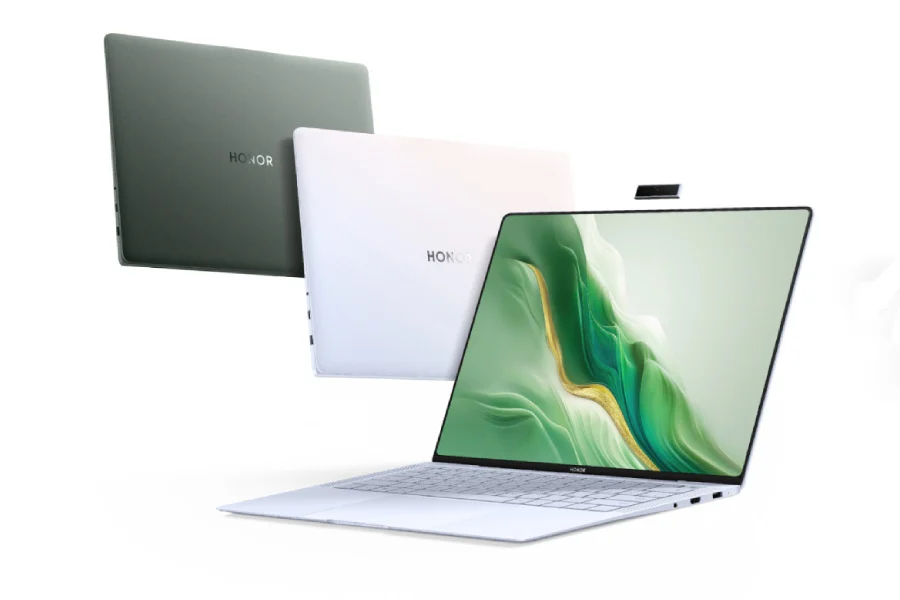
Honor will debut the MagicBook Art 14 laptop in the global market at IFA in early September. The company launched the MagicBook Art 14 in China back in July with an optional Core Ultra 5 or Core Ultra 7. Now tipster says that the global launch will also include a Snapdragon-powered variant.
The news comes from Weibo tipster 旺仔百事通, who reveals that the global launch will not only include a new Classic Gray color option but also a model based on Windows-on-Arm, powered by a Snapdragon chip. Although, he didn’t reveal the exact model name of the chipset. Aside from the new Classic Gray option, the laptop is available in Green and White colors.
While the information noted above is still a rumor, the company previously confirmed that it will unveil a number of products at the IFA event in Berlin, including the recently released Honor Magic V3 foldable, the Honor MagicPad 2, and the MagicBook Art 14. The company will also hold an official keynote speech on September 6 at the event to explore the prospects of AIPC and edge AI technology in depth.
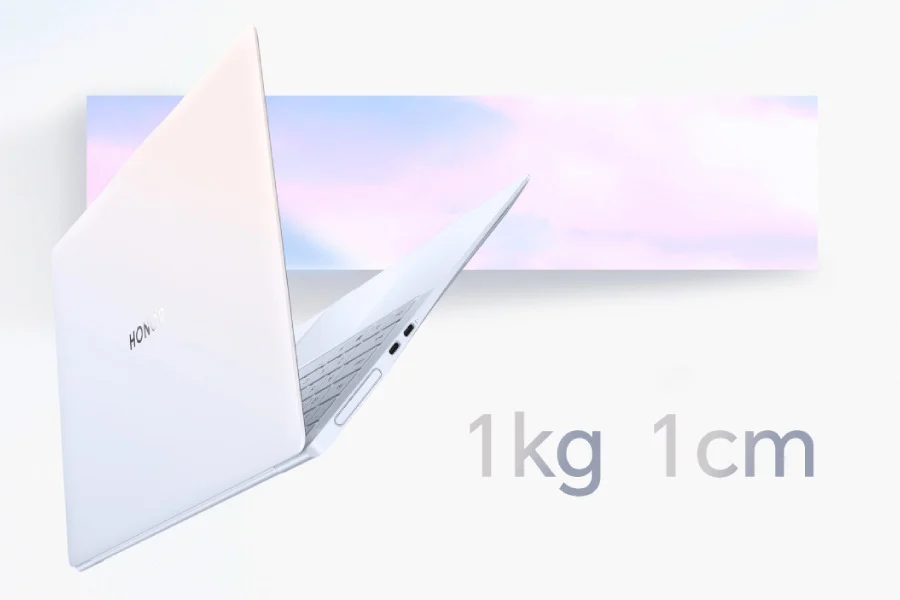
Notably the MagicBook Art 14 is going to be the company’s first Arm-based laptop. The Core Ultra powered version that is already available in China is only 1cm thick, and weighs only 1.03kg, but still packs a dual-fan cooling system.
According to the company, it still packs a dual-fan cooling system. While we don’t know much about the Snapdragon-powered version yet, it can be more power efficient hence there is a possibility of the laptop getting even thinner and lightweight. Nonetheless, we will have to wait for the official announcement.
The Intel version of the laptops packs an OLED display and offers a 4320Hz high-frequency PWM dimming, which is believed to reduce eye strain by reducing screen flickering. Speaking of pricing, the Core Ultra 5 and the Core Ultra 7 versions of the laptop start from 7,999 yuan (equivalent to $1,110) and 9,499 yuan (equivalent to $1310) in the home country.
HMD launched the HMD 105 and HMD 110 feature phones in India in June. Why? Brands like HMD, Lava, Itel, and Jio are still trying to capitalize on the large feature phone market in India. According to a CMR India survey report, the overall feature phone market saw a 9% year-on-year growth in shipments in Q2 2023. While 2G feature phone shipments remained steady, the market for 4G feature phones experienced significant growth, with a 108% year-on-year increase. The major attraction of the HMD 105 and 110, which are 2G feature phones, is their support for UPI payment. Here’s the HMD 105 for review to know what’s in store for its buyers.
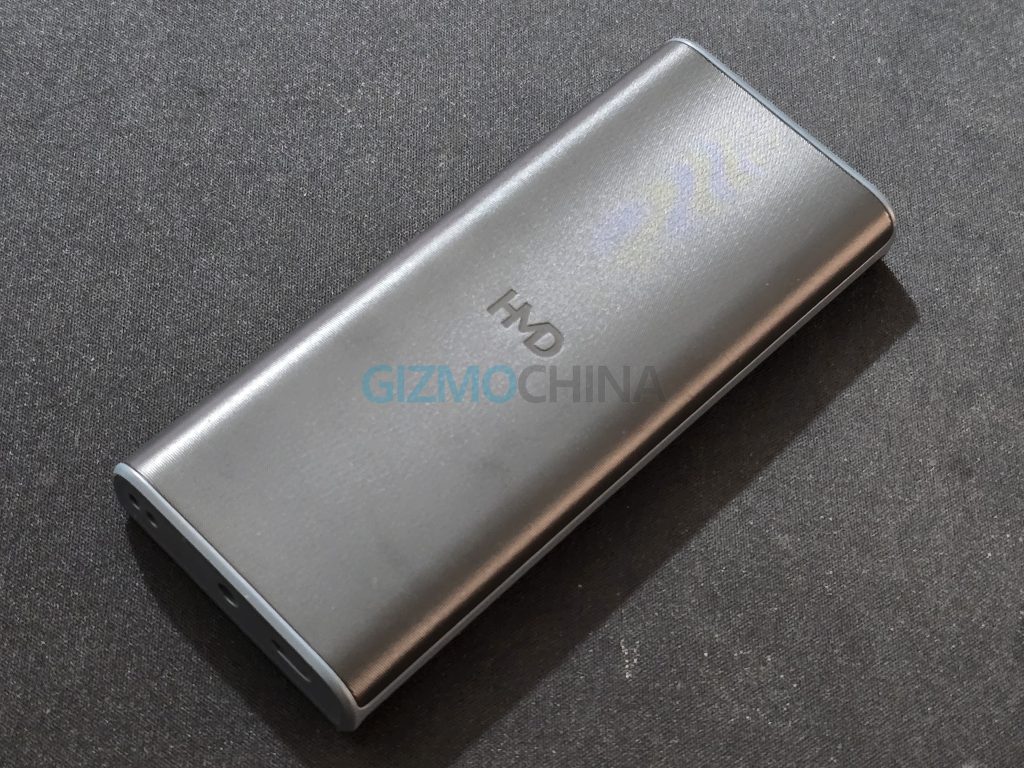
The first thing you notice about the HMD 105 is its sturdy build. The polycarbonate back with a nano texture gives the phone a comfortable grip while ensuring durability. The rigid inner frame adds to its toughness, making it resistant to everyday wear and tear. The phone is available in three colors—Black, Purple, and Blue—each of which complements its stylish design. It has a thickness of 11.5mm and weighs 77.5 grams.
HMD 105
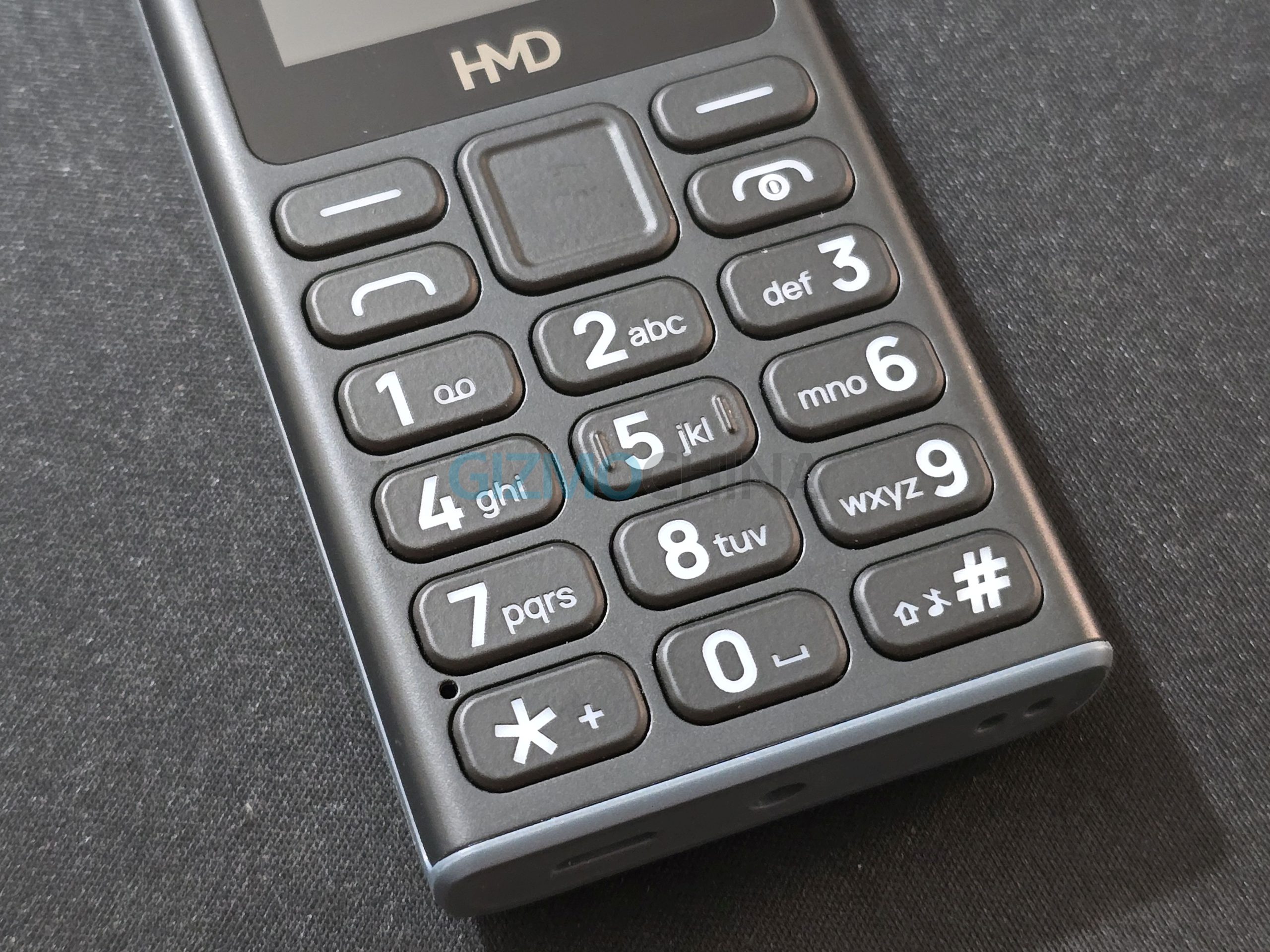
The HMD 105 comes with a 2.0-inch QQVGA display, which is a noticeable improvement over the smaller screens of previous models. The large, tactile keypad is a pleasure to use, making typing and navigating the phone’s menu effortless. This phone excels in its design for simplicity.
HMD 105HMD 105HMD 105HMD 105
2. Performance and Features
HMD 105
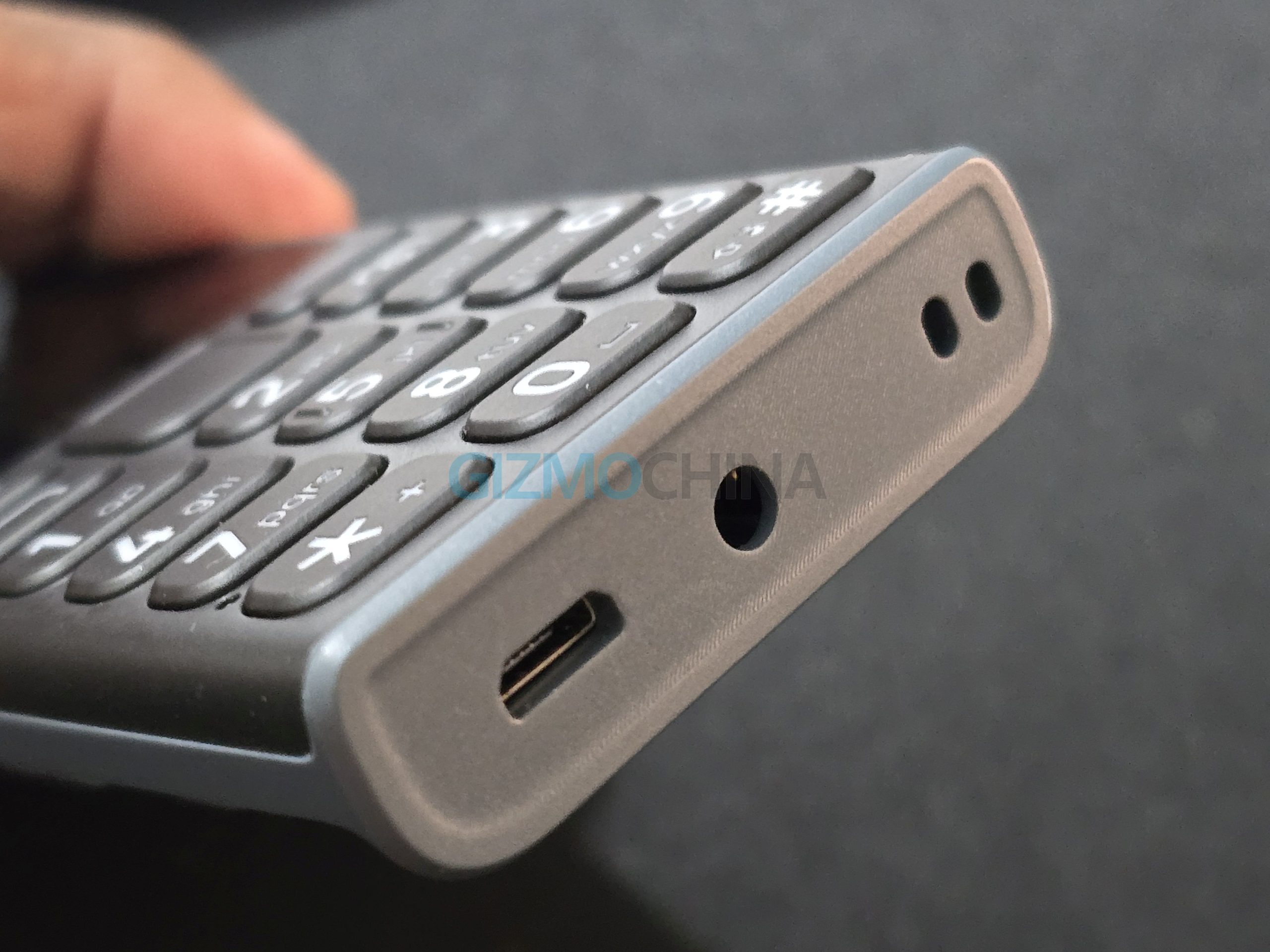
The HMD 105, despite being a feature phone, packs a wealth of important features. It has a 1,000 mAh removable battery that provides up to 8 days of standby time. For charging, it features a microUSB port. It comes with support for Indian languages. The Phone Talker (only available in English), a text-to-speech accessibility function, helps users with visual impairments or reading difficulties.
The phone also includes a dual LED flashlight, an FM radio, and an MP3 player, adding a bit of entertainment to its list of functionalities. And of course, it wouldn’t be complete without the classic Snake game.
The HMD 105 supports a standard SIM card and a mini SIM card, which operate on GSM networks (900/1800 MHz). Readers should note that Jio SIM will not work on this phone. It also features a 3.5mm headphone jack, making it simple to listen to music or the radio. The phone offers 4 MB of internal storage and 4 MB of RAM, with support for microSD cards up to 32 GB, providing ample space for contacts and media.
3. UPI Payments Integration
HMD 105
HMD 105HMD 105HMD 105
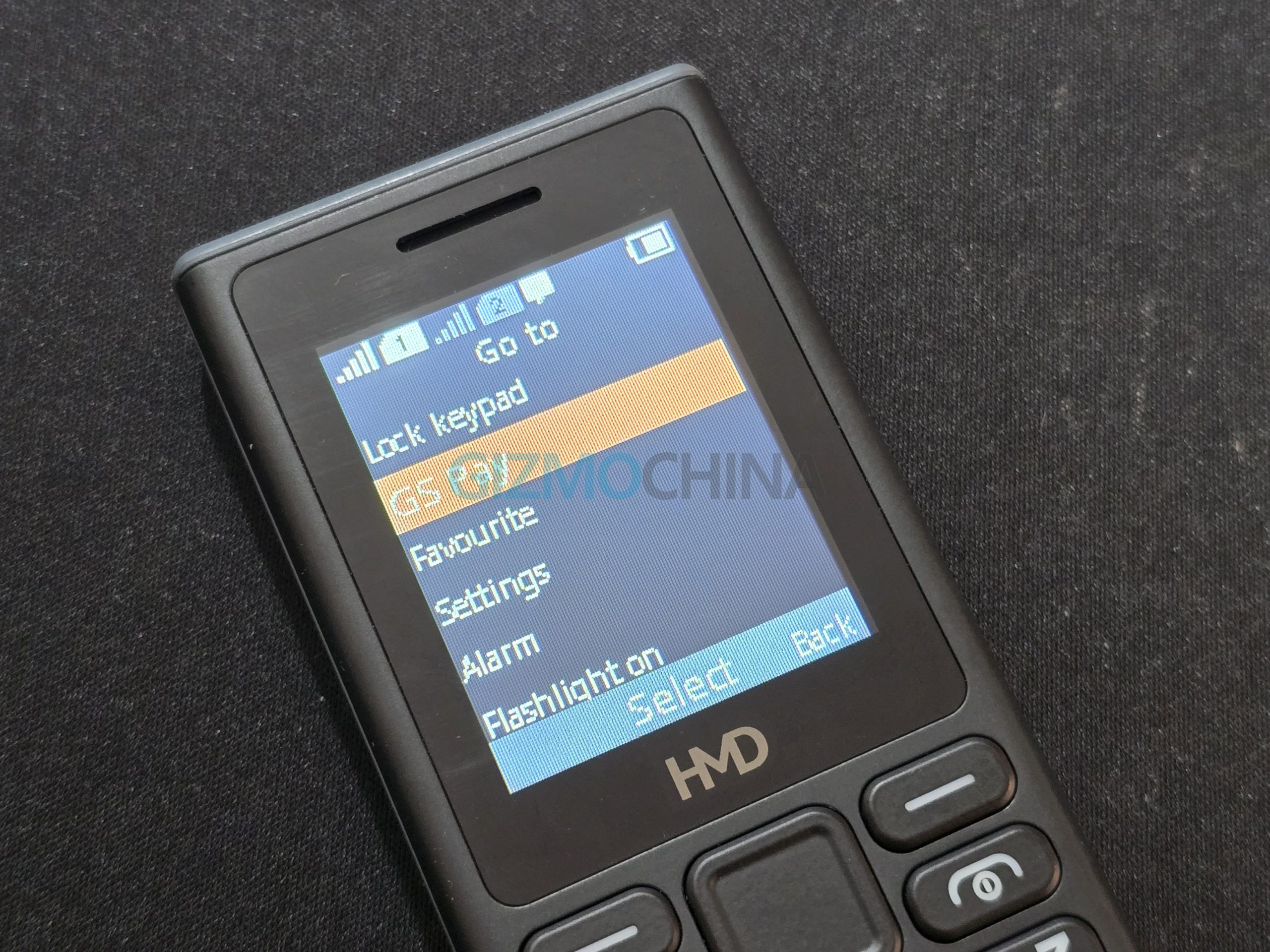
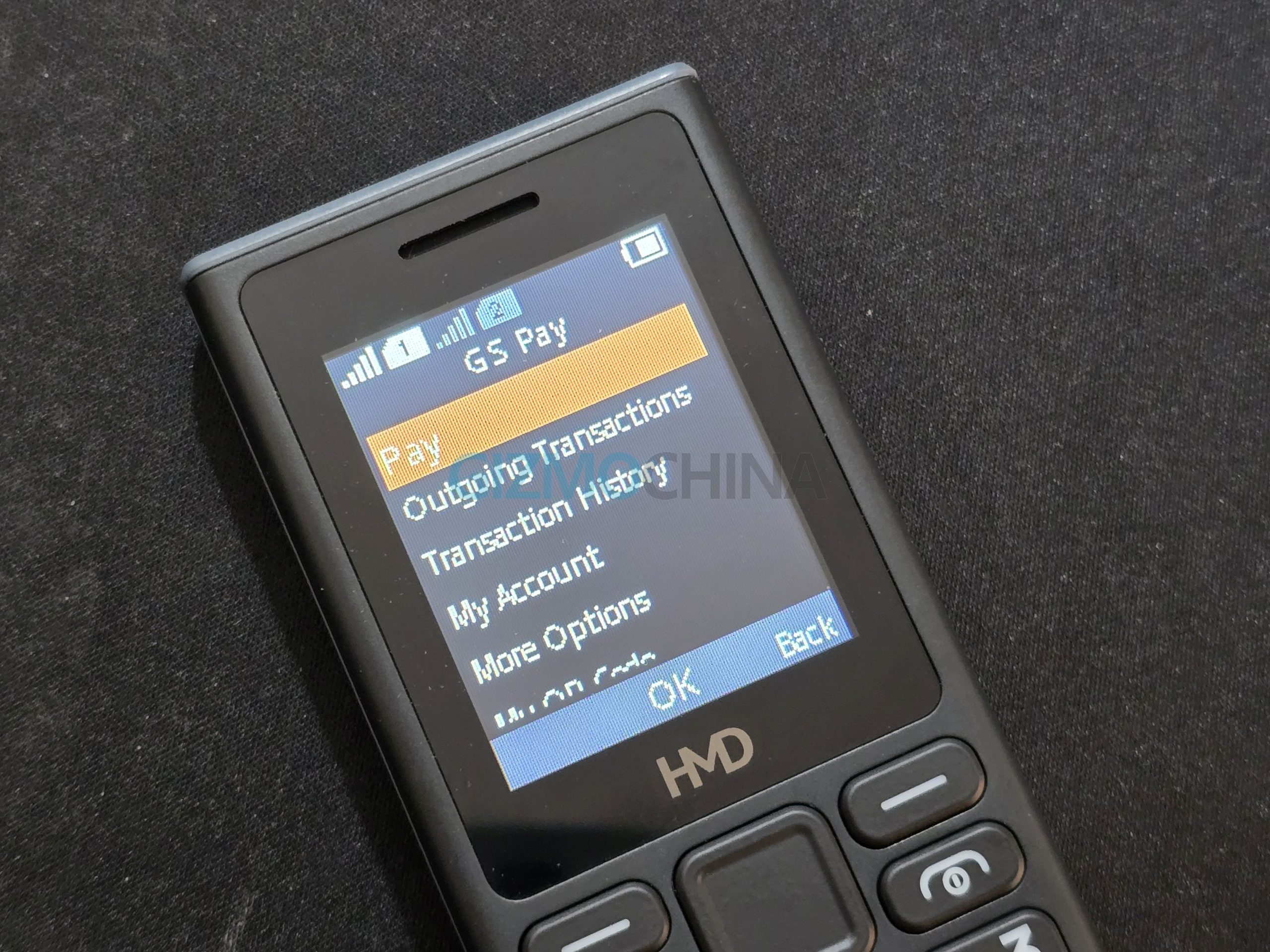
One of the HMD 105’s standout features is its support for UPI payments via the dedicated Gupshup Pay (GS Pay) button. This makes it a convenient option for those who prefer using a basic device but still want the capability to make digital payments securely and quickly. The integration adds a layer of modern functionality to this classic phone. However, you cannot scan a QR code as the device lacks a camera.
To use GS Pay, you need to ensure that your phone number is linked to your bank account. Secondly, the SMS service should be active on your number because the app will send a confirmation SMS to verify your phone number.
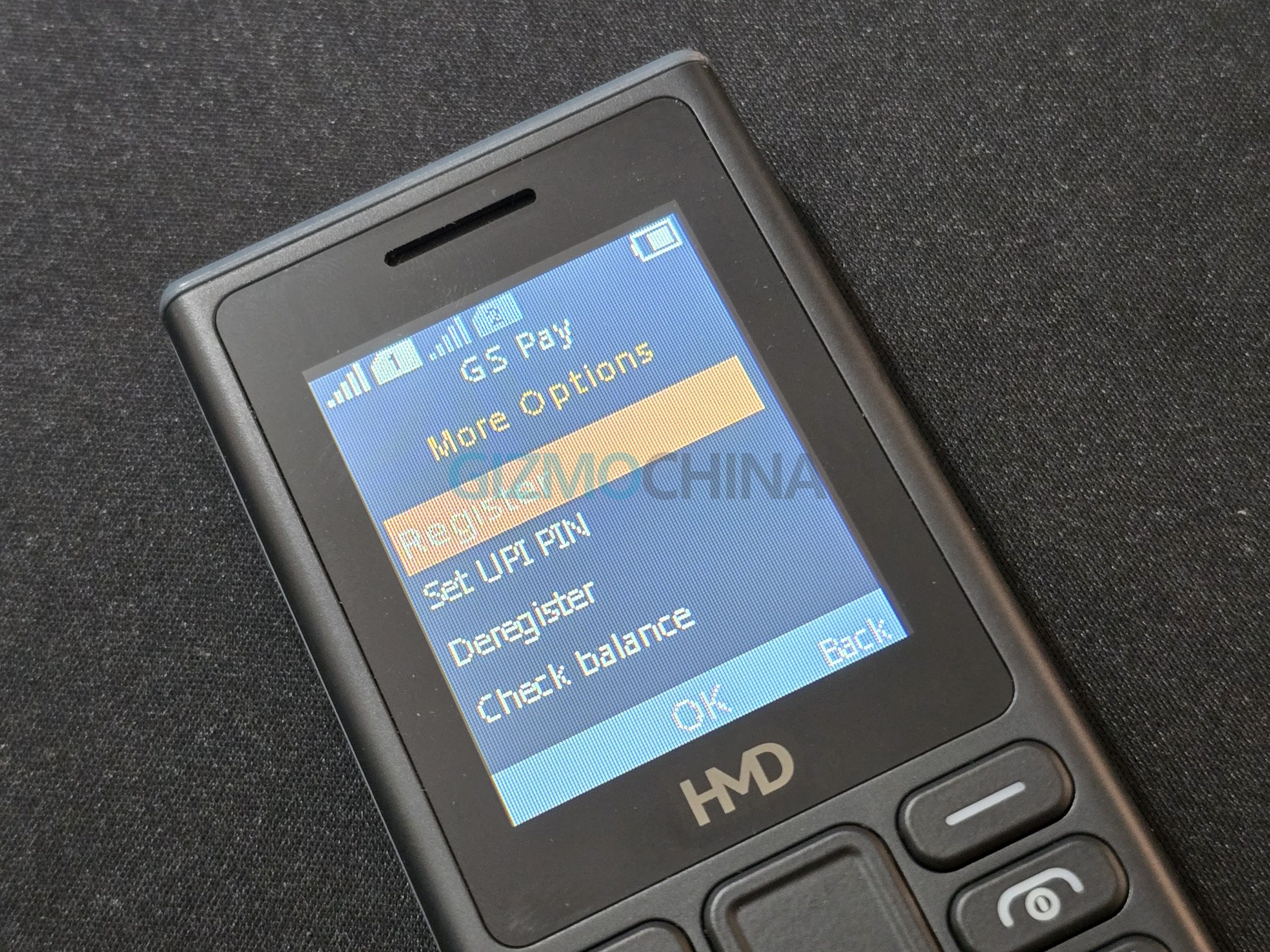
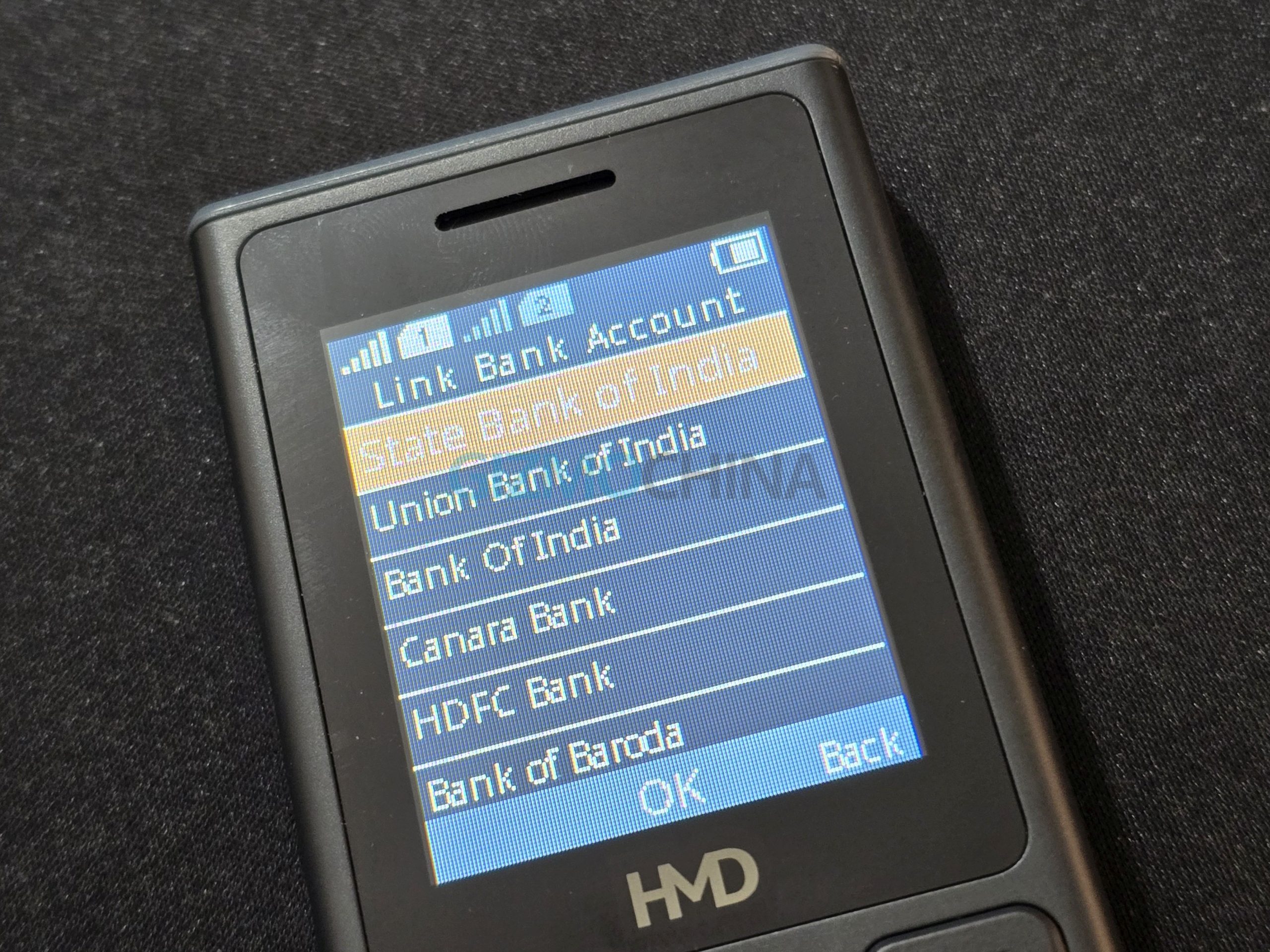
To set up UPI payments using the Gupshup Pay app, first, register your SIM and link your bank account by entering the IFSC code and debit card details. Then, set up your UPI PIN using the last six digits of your debit card and expiry date. For payments, enter the recipient’s mobile number, amount, and UPI PIN, or pay directly from your contacts list.
4. Who should buy it?
HMD 105
The HMD 105 is a reliable choice for those who need a basic, stable phone with a few extra features. It’s perfect for users who prioritize battery life, durability, and simplicity over the complex functionalities of modern smartphones. Additionally, the HMD 105 supports UPI payments, making it convenient for users to perform digital transactions on the go, even with a feature phone. Whether you’re looking for a backup device, something that helps you disconnect, or a phone that enables easy payments, the HMD 105 is a solid piece of certainty you can carry in your pocket.
Xiaomi has been rumored to be working on its very own smartphone chipset for a while now. But now, a tip from a known tipster has added fuel to these rumors and also hinted at its performance. So is Xiaomi joining the likes of Samsung and Huawei soon? Here’s everything we know so far.
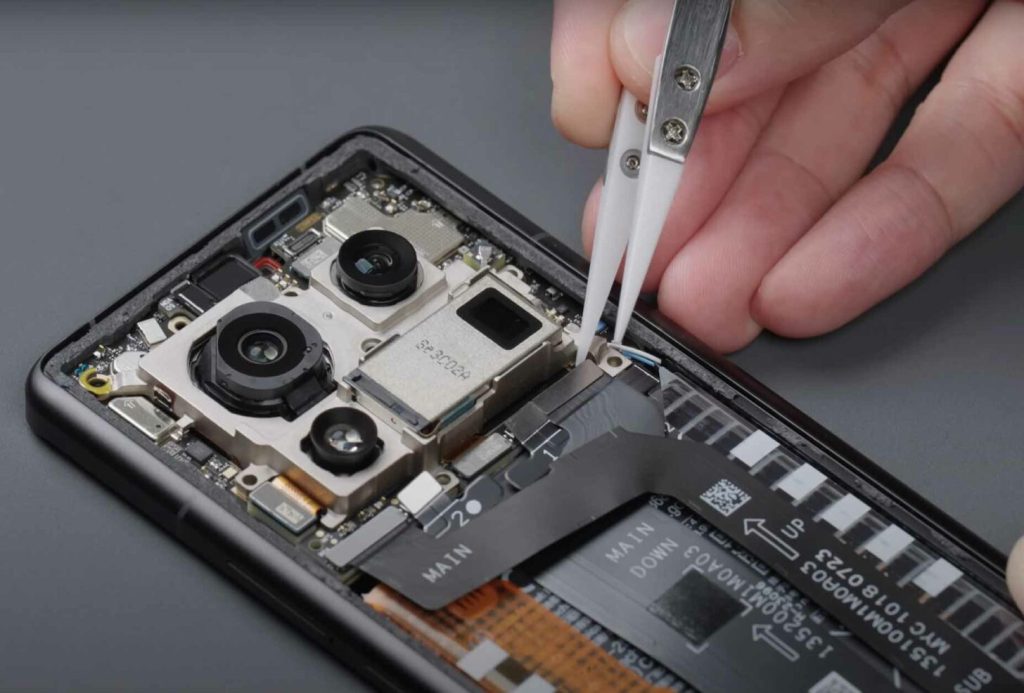
Xiaomi 13 Ultra Breakdown
Xiaomi Smartphone Chip: Rumored Performance
A couple of major brands in the smartphone industry ship their offerings with their proprietary chipsets. This includes companies like Google, Huawei, Apple, and Samsung. But Xiaomi could be joining their ranks soon according to Yogesh Brar. In a recent tweet, the tipster claimed that Xiaomi’s SoC project is “going strong”. It will be based on the TSMC’s N4P process and will house a 5G modem by Unisoc.
In terms of performance, Brar states that Xiaomi’s new processor could have similar performance numbers as the Snapdragon 8 Gen 1. For those unaware, it is an older flagship chip from Qualcomm that was released in 2021. The Chinese tech giant was expected to be working on a 4nm based chip with Unisoc, so this is in line with the previous rumors.
Xiaomi Proprietary Chip could be arriving as early as next year
One of the biggest information revealed in the tweet was rumors regarding its launch. Yogesh Brar stated that 2025 is a big year for the brand and the chip could be revealed in the first half of 2025. But that’s not all, Xiaomi has plans to release a bunch of other innovative products next year as well. Keep in mind that this is still just an unconfirmed report so take this rumor with a pinch of salt for now. Stick around for more as we will be providing updates when additional information is available regarding this matter.
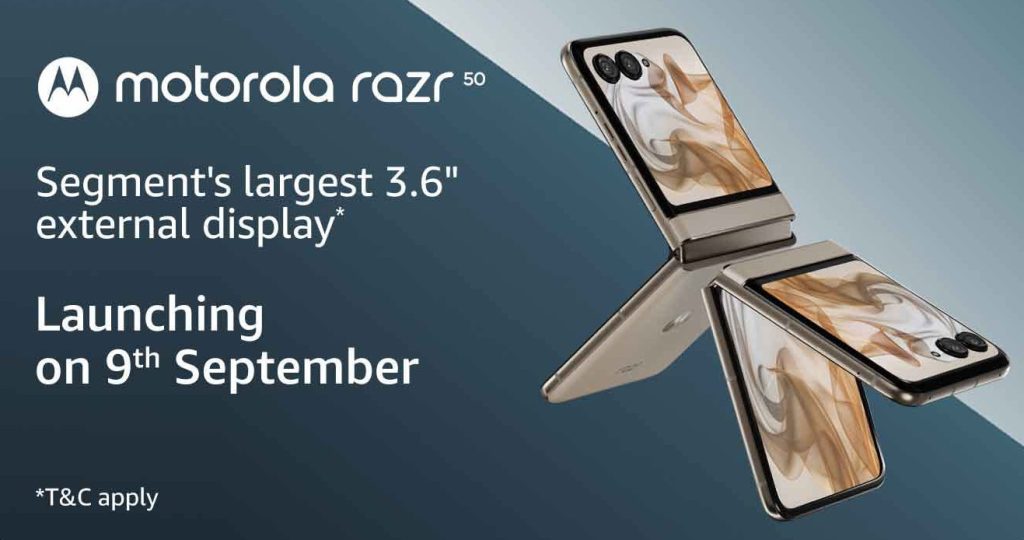
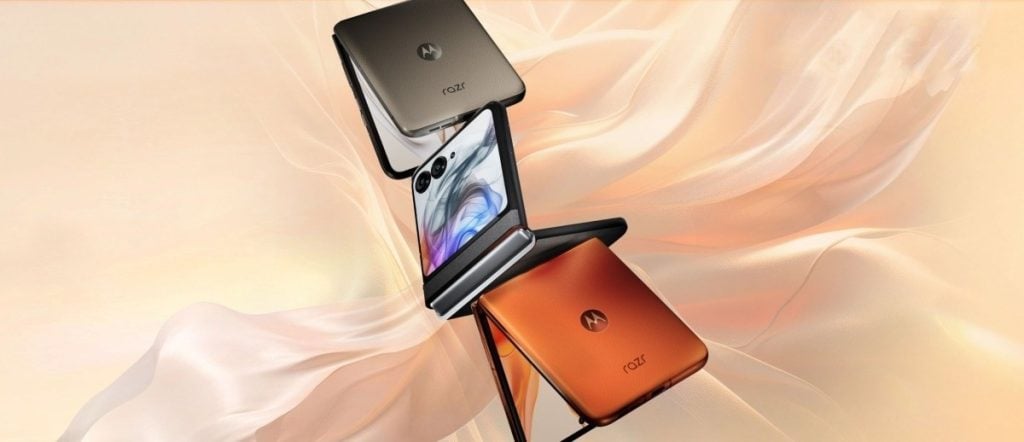
Motorola announced its new Razr 50 series of flip phones globally back in June. The higher end Razr 50 Ultra dropped in India a month after its initial release, and now, we finally have a launch date for the base model as well. So here’s when it drops in the region.
Motorola Razr 50: When does it launch?
The brand just shared a teaser, which confirmed the Razr 50 launched in India on 9th September 2024. In the teaser, Motorola claims that the upcoming foldable phone will feature the segment’s largest 3.6-inch external display. The promo material also confirmed various other specs and features. Moto has placed an emphasis on durability with an IPX8 rating for water resistance and Corning’s Gorilla Glass Victus. The Razr 50 has been certified for over 400,000 folds as well.
Key Specs
Looking at the first launch, the Razr 50 sports a 6.9-inch pOLED FHD+ main display and a 3.63-inch pOLED cover screen. The primary panel offers HDR10+, 10-bit colors, 120Hz refresh rate, LTPO, and 3,000 nits of peak brightness, while the external display has a 90Hz refresh rate and 1700 nits of peak brightness. Under the hood, it is equipped with the MediaTek Dimensity 7300X processor that is coupled with 8GB of RAM and 256GB of internal storage.
A 4,200mAh battery pack powers this device, which supports 30W wired fast charging and 15W wireless charging. For optics, the rear features a 50-megapixel primary camera and a 13-megapixel ultra wide angle lens, while the front houses a 32-megapixel selfie shooter. Other notable features included Spatial Sound, dual stereo speakers with Dolby Atmos, and three microphones.
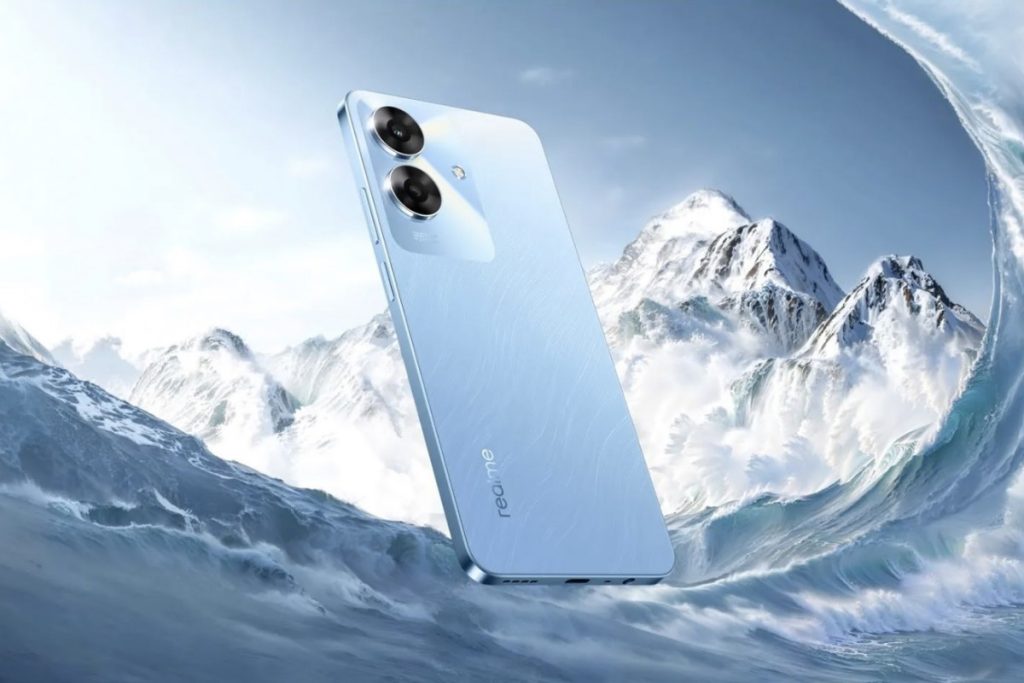
Yesterday Realme announced the Realme 13 5G series phones in India. Now, the brand has introduced a new Note-series phone in the Indonesian market as expected. The Realme Note 60 arrives as the successor to the last year’s Note 50. It packs incremental upgrades over its predecessor at an affordable price tag. Read on to find out what the device has in store for us.
Realme Note 60 specs
The Realme Note 60 retains the 6.74-inch display with a waterdrop notch and a thick chin at the bottom. It bears an HD+ resolution, 90Hz refresh rate, and a 560 nits peak brightness. Design-wise, the phone features a flat frame with a side-mounted fingerprint scanner embedded in the power button and a small pattern on the back panel. It has an IP64 rating against dust and splash protection.
On the imaging front, the Realme Note 60 has a 32MP rear camera with a f/1.8 aperture. There is a 5MP front-facing selfie snapper.
Internally, the Realme Note 60 is equipped with the same Unisoc T612 octa-core processor that also powers the Note 50. It packs up to 8GB RAM and 256GB storage. There is also support for virtual RAM technology for seamless performance. The smartphone is backed by a 5,000mAh battery unit with support for 10W charging. Software-wise, it ships with Android 14 OS out of the box.
The Realme Note 60 starts at IDR 1,399,000 ($90) for the 4GB + 128GB base variant. The 6GB + 128GB and 8GB + 256GB configurations are priced at IDR 1,599,000 ($103) and IDR 1,999,000 ($129) respectively. It is offered in Marble Black and Voyager Blue colors. The device is already available for purchase in Indonesia and is expected to be released in more markets soon.
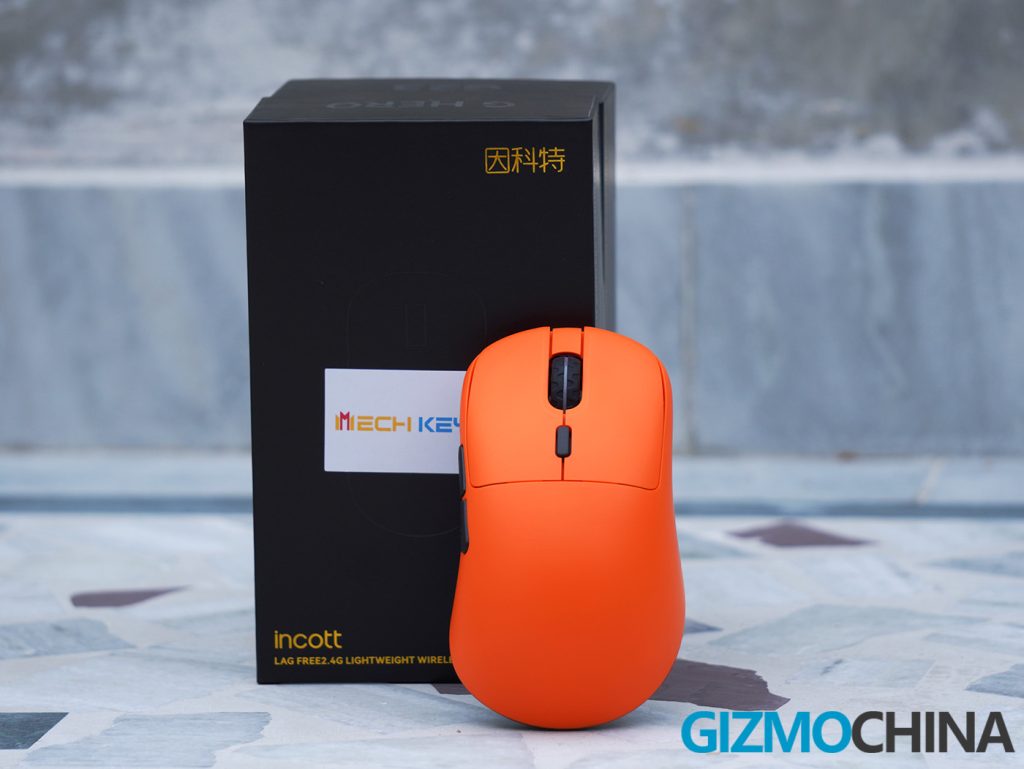
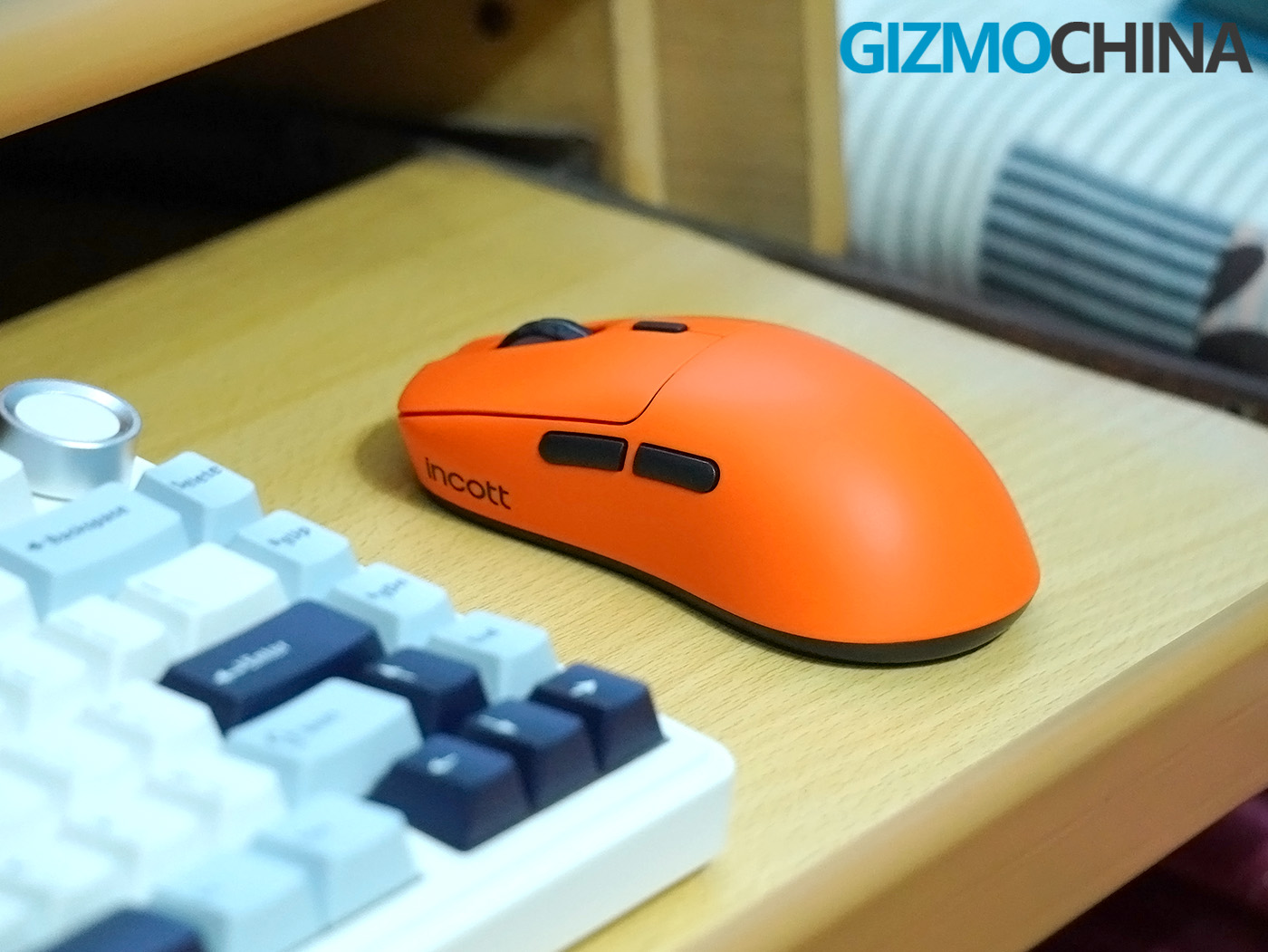
As someone who spends countless hours in front of a screen, the performance of my gaming peripherals is crucial. Recently, I got my hands on the Incott Ghero Pro, a mouse that’s been generating a lot of buzz in the gaming community. After spending some quality time with it, I can confidently say that this mouse is more than just hype, it’s a powerhouse designed for serious gamers.
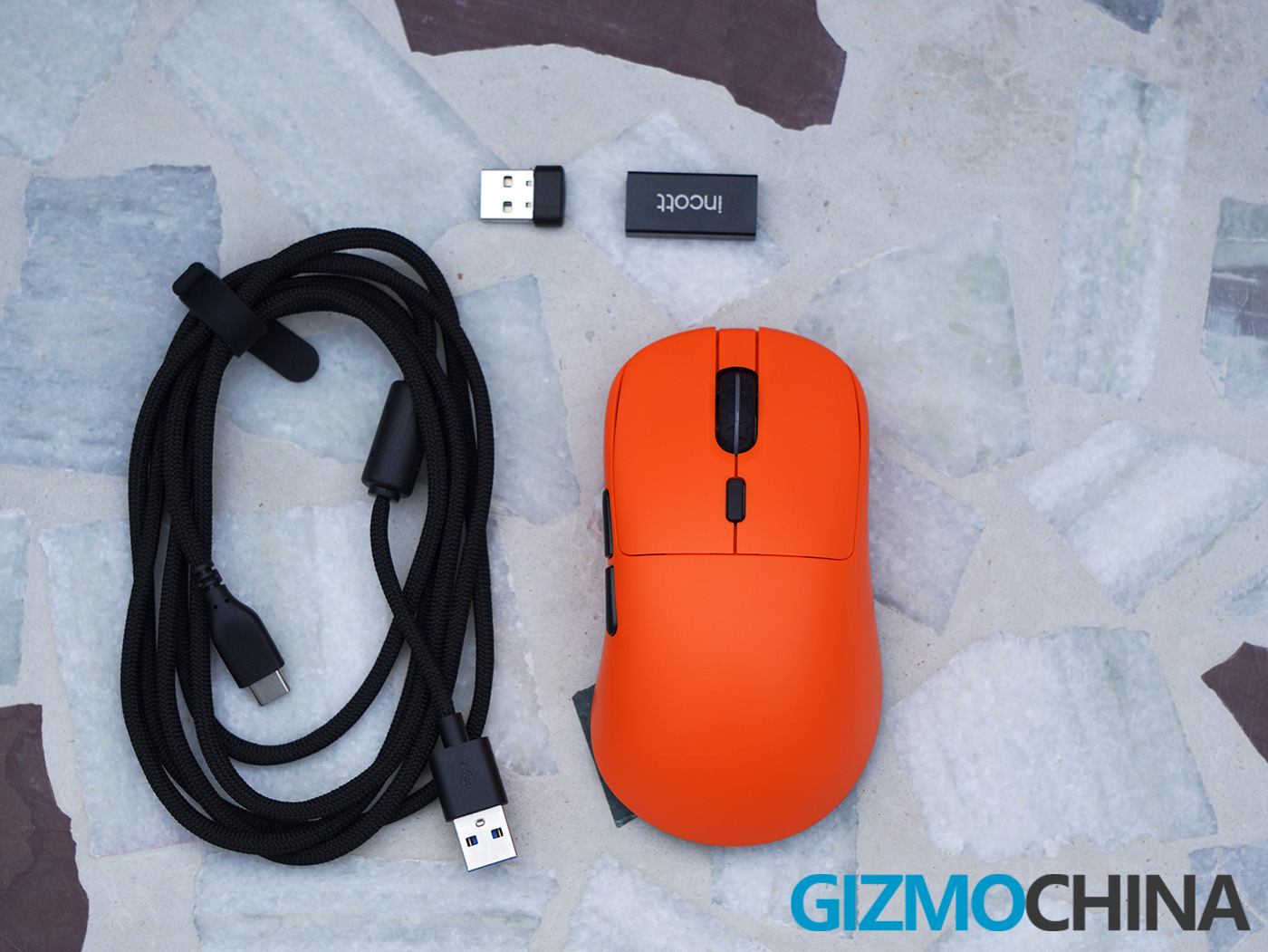
When you first unbox the Incott Ghero Pro, you’ll notice that Incott has ensured that all essential accessories are included, making the setup process seamless.
Incott Ghero Pro Gaming Mouse
1K Receiver
USB-A to USB-C Cable
User Manual
8K Receiver (purchased separately)
2. Design and Build Quality
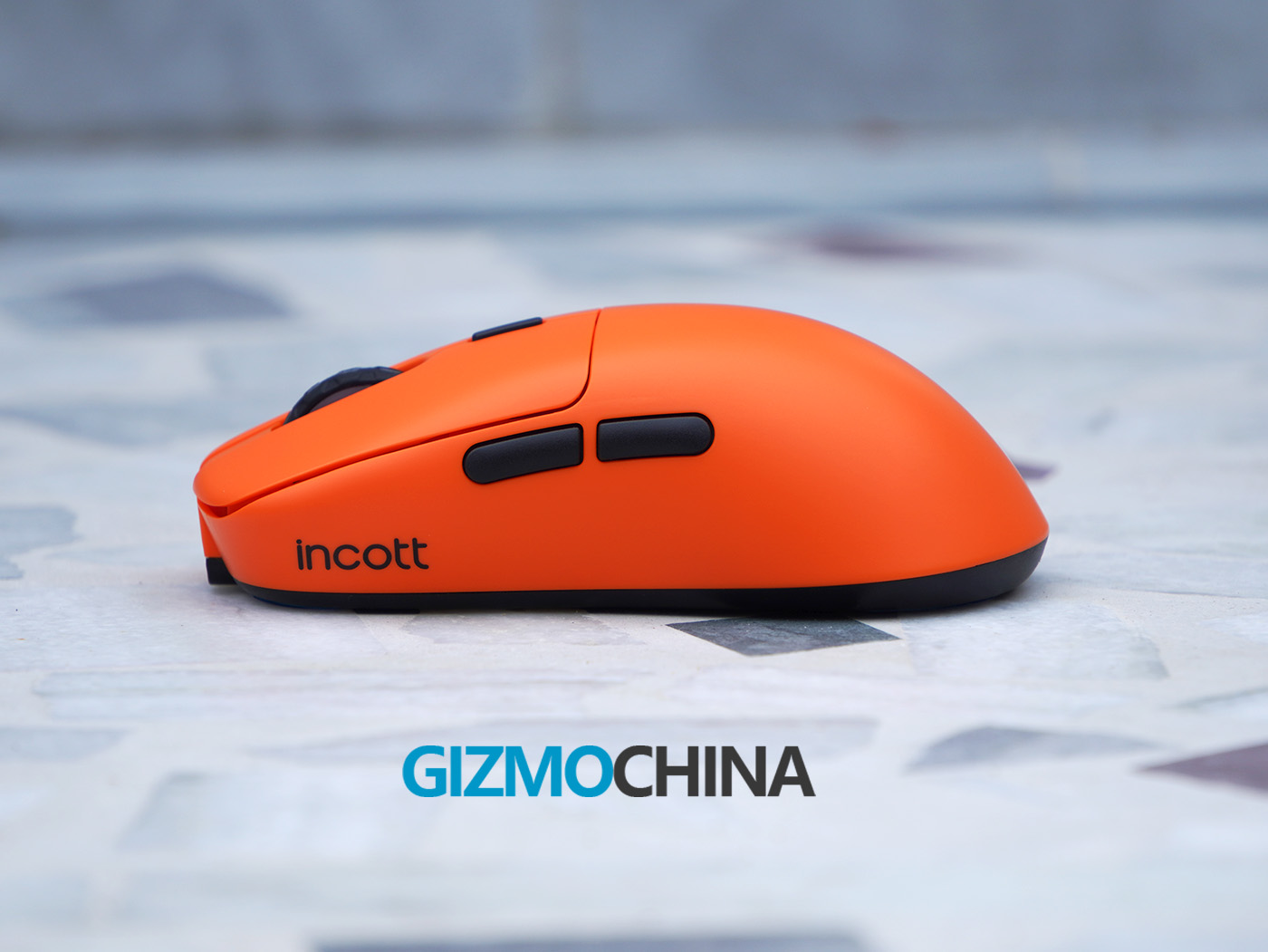
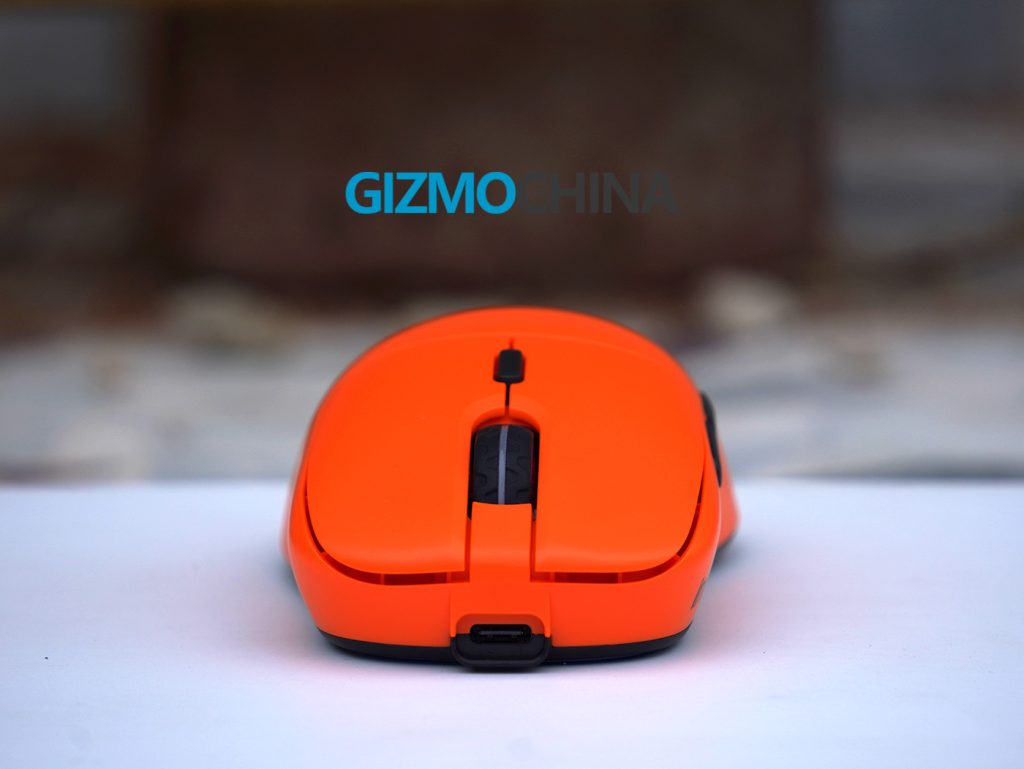
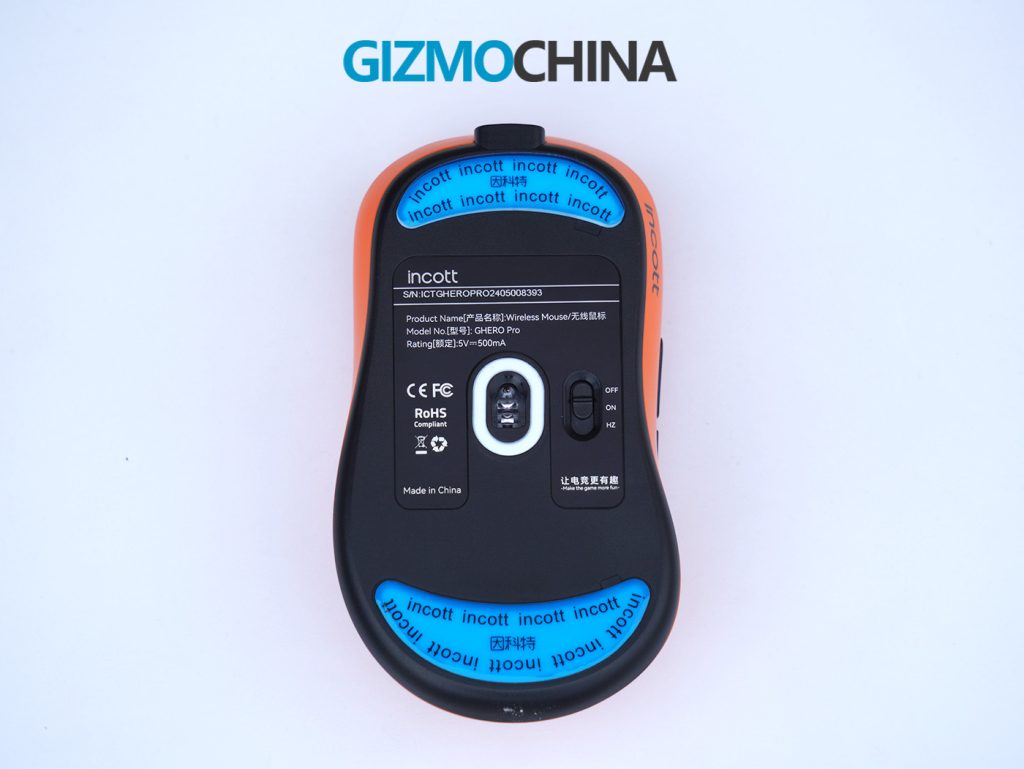
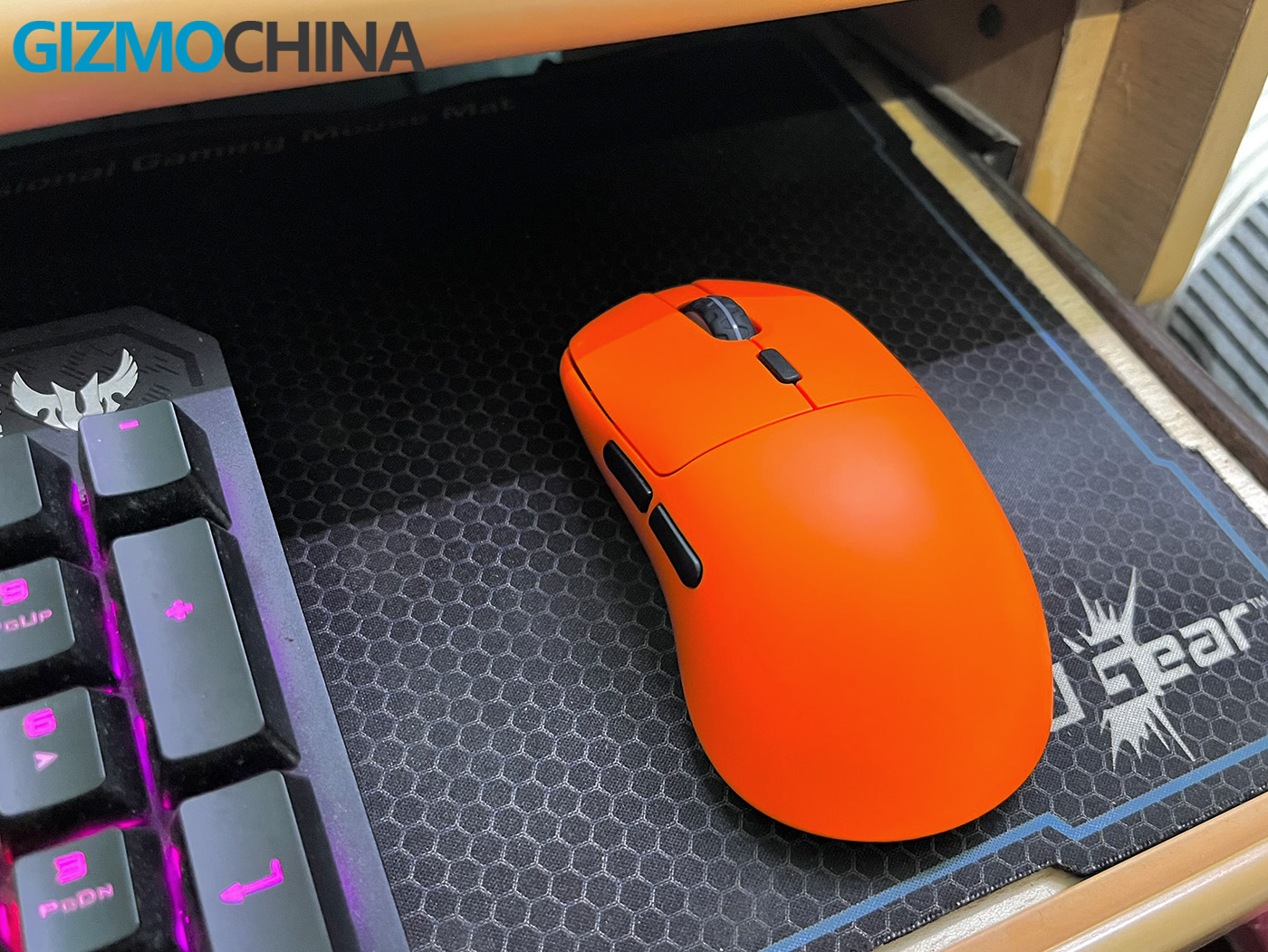
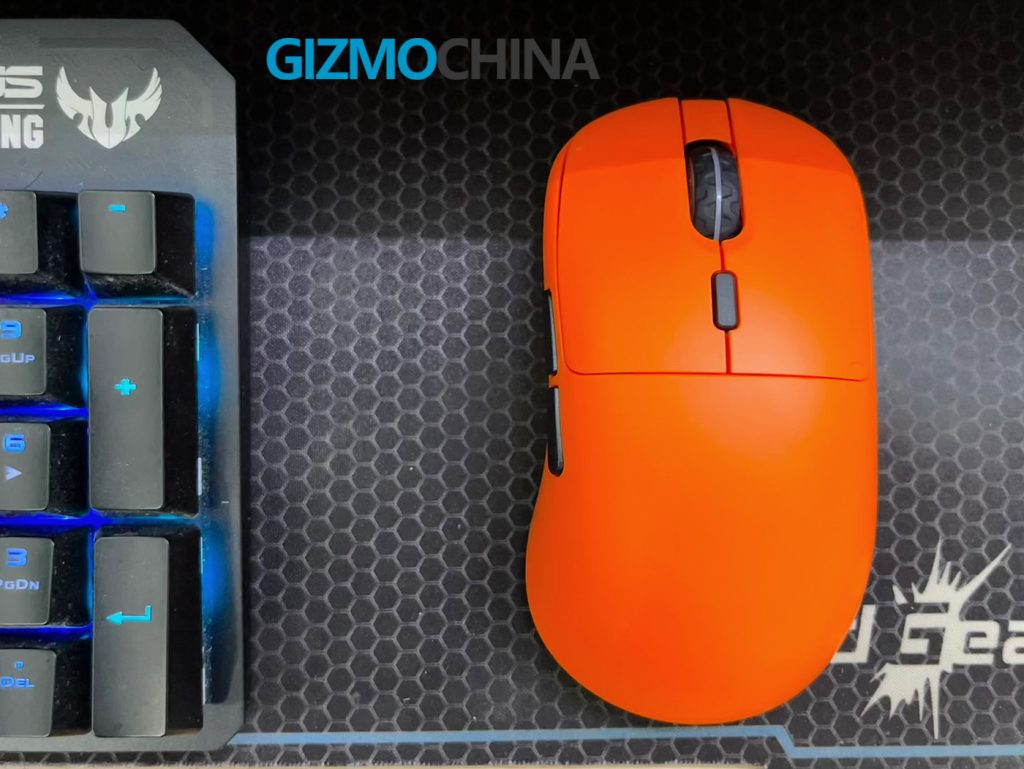
The design of the Incott Ghero Pro is both ergonomic and lightweight, weighing just 64g, making it an excellent choice for extended gaming sessions without causing fatigue. The mouse’s UV surface coating, unique to the Pro model, provides a superior grip, especially when your hands get warm during intense gaming sessions. This grip enhancement is crucial for maintaining control and precision in competitive environments.
Aesthetically, the Pro model is available in six vibrant color options: Red, Orange, White, Yellow, and Pink, catering to various style preferences.
However, the hump design, while comfortable for most users, might not be ideal for those who prefer fingertip grips, limiting its versatility. Additionally, some users might find the UV coating too tacky, preferring a matte or smoother finish instead. Despite these minor drawbacks, the design and build quality of the Incott Ghero Pro are top-notch, reflecting a product that is built to last.
3. Features and Performance
The Incott Ghero Pro comes equipped with a customized PAW3395 sensor, offering up to 32,000 DPI with precise adjustments in 50 DPI increments.
The Pro model also supports an ultra-fast 8,000 Hz polling rate, ensuring almost instantaneous response times, a feature that can make all the difference in high-stakes scenarios.
One of the first things I noticed was the clickiness of the mouse buttons. The Huano Transparent Blue Shell Pink-Dot switches used in the Ghero Pro provide a crisp and satisfying click, with a fine sound that adds to the tactile feedback during use. Whether I was in the heat of an intense gaming session or simply navigating daily tasks, the performance of the Ghero Pro was top-notch.
Its lightweight 64-gram design enhances precision and ease of maneuverability, contributing to an overall improved user experience. The mouse handled both 1K and 8K polling rates exceptionally well, providing smooth and responsive control in every scenario I tested.
However, I didn’t try the Bluetooth mode, so I can’t speak to its performance. Upgrading the mouse to support Bluetooth connectivity requires a firmware update, which might be a cumbersome process for some users. That said, the dual-mode connectivity (Wired USB and Wireless 2.4GHz) worked flawlessly.
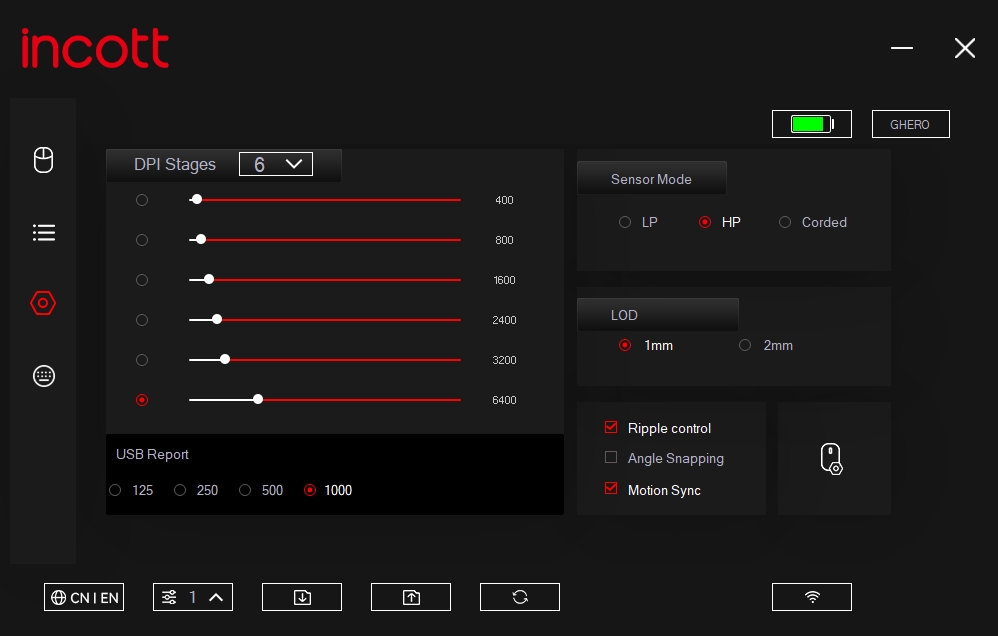
The DPI settings are also flexible, with six stages that allow for quick adjustments depending on the situation.
The side buttons are well-placed, making them easily accessible during gameplay. I never found myself fumbling to reach them. Additionally, the scroll wheel is fantastic, smooth yet precise, making it easy to navigate through menus or switch weapons in-game.
In terms of overall performance, the Incott Ghero Pro leaves little to be desired. It delivers consistent, reliable results across various settings, from daily tasks to the most demanding games. This mouse truly stands out as a high-performance tool for any serious gamer.
4. Software and Battery Life
The Pro model comes equipped with onboard memory, allowing users to retain their customized settings even after uninstalling the software. This feature is particularly useful for gamers who frequently switch between different setups or who prefer not to rely on software to maintain their configurations.
The software itself offers detailed customization options, including DPI settings and polling rate adjustments. It also offers LOD, ripple control, angle snapping, motion sync, and macros.
However, the software interface could be improved. Additionally, the battery indicator in the software is a simple bar rather than a precise percentage, making it less informative and potentially frustrating for users who like to keep a close eye on their battery levels.
Battery life is generally exceptional, but it tends to drop rapidly once it falls below 20%, necessitating more frequent recharges. While the mouse performs well even with the demanding 8K polling rate enabled, this sudden drop in battery life can be inconvenient during extended gaming sessions. However, the mouse supports ultra-fast charging which can recharge it in just 50 minutes, reducing downtime significantly.
5. Verdict
The Incott Ghero Pro offers outstanding value for money, especially considering its high-end features like the 8,000 Hz polling rate and the customized PAW3395 sensor. The build quality is exceptional, with a robust design that feels both premium and durable.
The ergonomic design, lightweight construction, and responsive Huano Transparent Blue Shell Pink-Dot switches make it an excellent choice for serious gamers who need a reliable, high-performance mouse.
However, the gaming mouse is not without its flaws. Minor software issues, particularly with battery indicators and settings, detract from the overall experience. Additionally, the shape and design, while excellent for claw and palm grips, might not be ideal for fingertip grip users.
6. Pricing and Availability
Incott Ghero Pro gaming mouse is available for $59.99 and can be purchased from Mechkeys.
We use cookies on our website to give you the most relevant experience by remembering your preferences and repeat visits. By clicking “Accept”, you consent to the use of ALL the cookies.
This website uses cookies to improve your experience while you navigate through the website. Out of these, the cookies that are categorized as necessary are stored on your browser as they are essential for the working of basic functionalities of the website. We also use third-party cookies that help us analyze and understand how you use this website. These cookies will be stored in your browser only with your consent. You also have the option to opt-out of these cookies. But opting out of some of these cookies may affect your browsing experience.
Necessary cookies are absolutely essential for the website to function properly. This category only includes cookies that ensures basic functionalities and security features of the website. These cookies do not store any personal information.
Any cookies that may not be particularly necessary for the website to function and is used specifically to collect user personal data via analytics, ads, other embedded contents are termed as non-necessary cookies. It is mandatory to procure user consent prior to running these cookies on your website.