Vivo is working on its upcoming Y300 series, which is expected to launch in China soon. The series is so far known to include two models: the vivo Y300 and the Y300 Pro. The Pro model has already received China’s 3C certification.
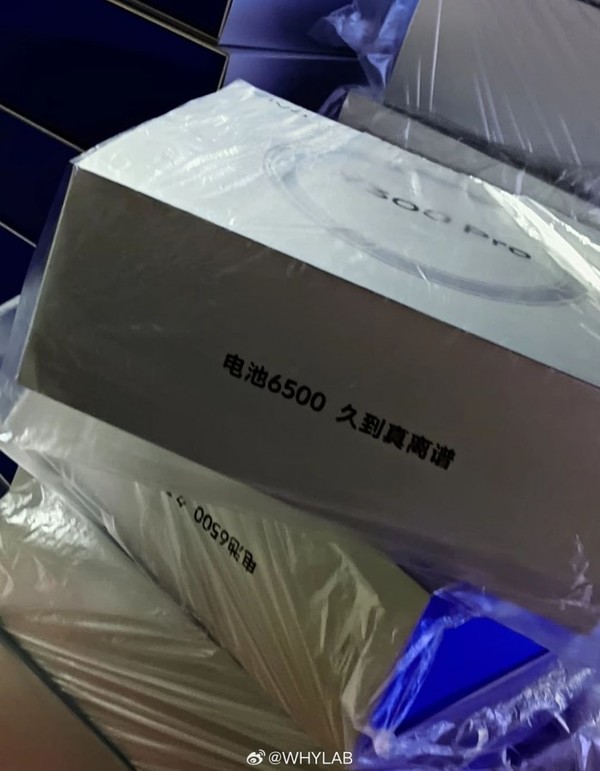
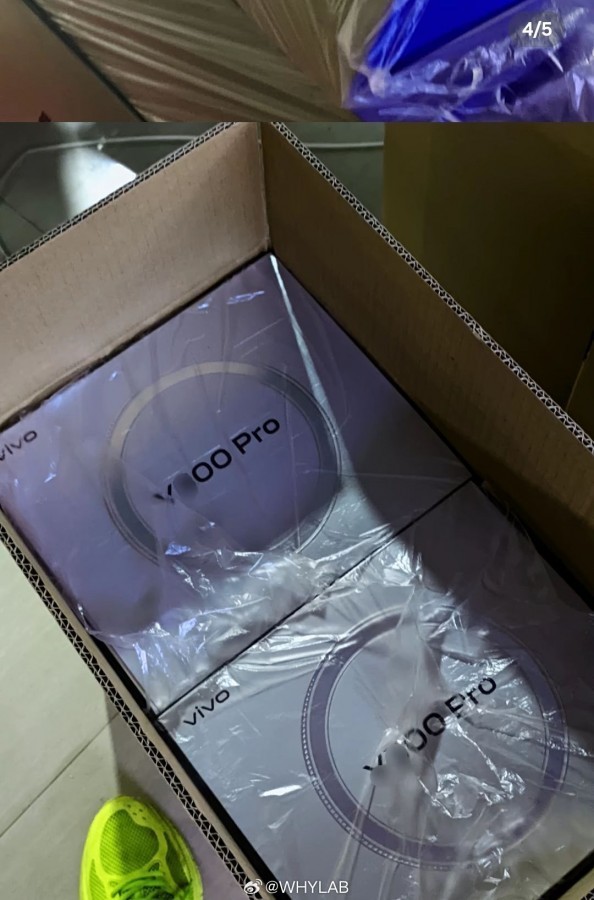
In the latest news, images of the packaging box of the vivo Y300 Pro have surfaced on the internet. The box confirms that the phone will come with a massive 6500mAh battery, which was previously claimed by a Weibo tipster. The packaging box notes that the battery backup of this phone is “ridiculously long-lasting” (translated from Chinese). This notation on the box means that the 6500 mAh capacity and the battery backup will be one of the major selling points of the vivo Y300 Pro.
Judging from the color of the packaging box, it has been speculated that the phone could come with a purple color option.
The previously mentioned 3C certification listing confirmed that the phone will support 80W charging. Unfortunately, the rest of the specifications for this phone have yet to be revealed.
For reference, here are some of the details of the predecessor, vivo Y200 Pro, which was launched in May this year.
The phone comes with a 6.78″ FHD+ display that supports a peak brightness of 1300 nits. The phone is powered by the Snapdragon 695 5G chipset, which is paired with UFS 2.2 storage. This phone packs a 5000 mAh battery and supports 44W charging. This phone is only 7.5 mm thick and weighs just 172g. While the company is replacing the 5000 mAh battery with a much larger one, it will be interesting to see how they manage the thickness and in-hand feel of the phone.
Speaking of cameras, the predecessor equips a 64 MP main sensor along with a 2 MP macro on the back. There is a 16 MP sensor on the front for selfies.
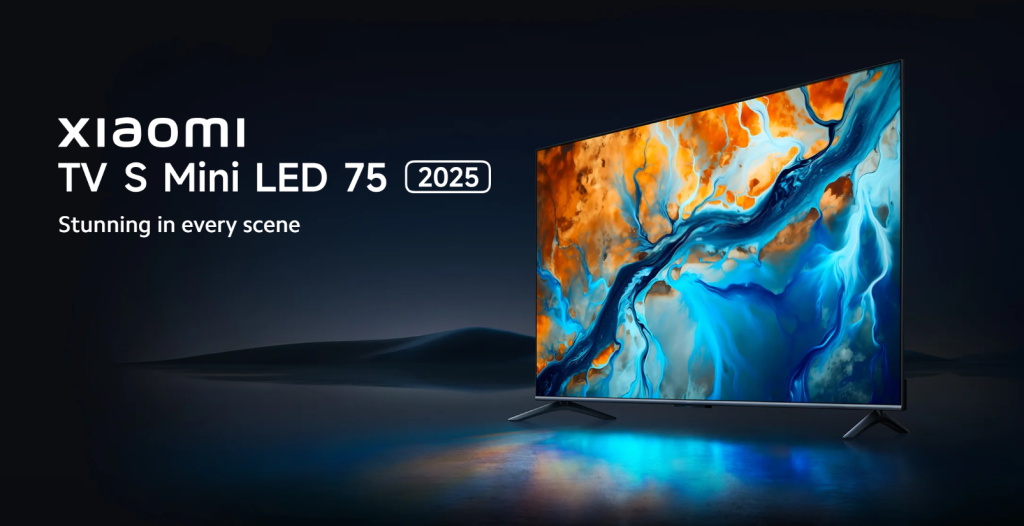
Xiaomi has recently listed the TV S Mini LED 75 2025 model on its global website. This means that the brand is preparing to launch this new TV in Europe and other global regions. Here are all of its specifications and features.
Xiaomi TV S Mini LED 75 2025 model specs:
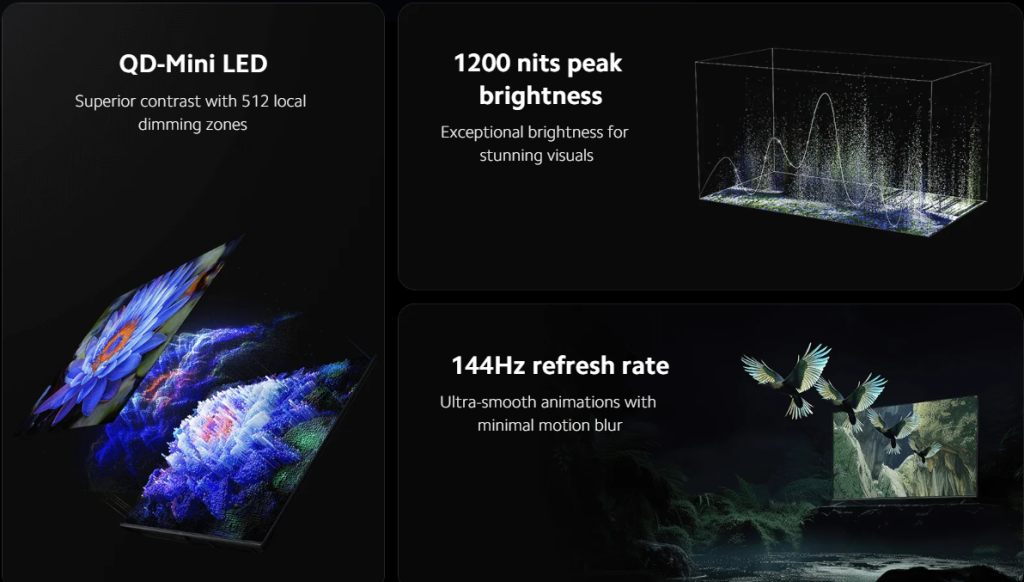
The Xiaomi TV S Mini LED 75 2025 features a metallic full-screen display with an integrated body, offering a high screen-to-body ratio. The TV uses QD-Mini LED technology with 512 independent local dimming zones, offering precise light control and enhanced contrast. The TV has a peak brightness of 1200 nits, providing clear and vivid visuals in both bright and dark environments.
Its 4K resolution and 144Hz refresh rate, combined with MEMC (Motion Estimation, Motion Compensation) technology, reduces motion blur, making it suitable for fast-moving scenes in sports, movies, and gaming. Additionally, it supports Dolby Vision IQ and Dolby Atmos for an immersive audio-visual experience, particularly in Filmmaker Mode and IMAX Enhanced content. The display covers 94% of the DCI-P3 wide color gamut, offering accurate colors, with Xiaomi’s own color processing technology enhancing depth and detail.
For gaming, the TV includes a Game Boost Mode that increases the refresh rate to 240Hz. It has dual HDMI 2.1 ports and is FreeSync Premium certified, with a low latency of just 4ms for responsive gaming. The TV is powered by a Quad Cortex A73 processor, along with AI PQ and AI SR technologies.
With 3GB of RAM and 32GB of internal storage, the TV can handle large applications with ease. It also supports Wi-Fi 6 for faster download speeds and minimal latency, which is beneficial for both gaming and streaming.
The TV operates on Google TV, organizing content from over 10,000 apps and offering personalized recommendations. Google Assistant is integrated for hands-free voice control, allowing users to search for content and manage smart home devices directly from the TV. The TV also provides access to a variety of free live channels, including news, movies, and reality shows, without requiring a subscription. It has a built-in Chromecast that allows users to cast movies, shows, and photos from mobile devices to the TV.
Pricing & availability
Xiaomi has yet to confirm any information about the pricing or availability of the Xiaomi TV S Mini LED 75 2025.
ASUS has started work on its new flagship smartphone, the Zenfone 12 Ultra. Gizmochina has spotted the Zenfone 12 Ultra in the IMEI database. In fact, this smartphone is a clone of the ROG Phone 9 series and has similar specifications.
ASUS Zenfone 12 Ultra
ASUS wants to increase competition in the smartphone market. The company launched the Zenfone 11 Ultra smartphone a few months ago. So, the brand will launch the Zenfone 12 Ultra at a later date. According to the IMEI database, this smartphone will have the model number ASUSAI2501H.
Should be noted that the Zenfone 12 Ultra and the ROG Phone 9 series will have the same features. We saw the same example with the Zenfone 11 Ultra and ROG Phone 8 series this year. According to the IMEI Database, the model number of the ROG Phone 9 will be ASUSAI2501D.
ASUS Zenfone 12 Ultra and ROG Phone 9 series will be powered by the same processor. The smartphones will use Qualcomm’s Snapdragon 8 Gen 4 chipset. Both smartphones will come with at least 12 GB of RAM. The ROG Phone 9 series will also feature lighting and trigger buttons for gaming.
Unfortunately, there is no information on when these two smartphones will be introduced. However, previous models Zenfone 11 Ultra and ROG Phone 8 series were introduced this year. Therefore, it’s very likely that these two smartphones will be introduced in 2025. More information is likely to emerge in the future, both in terms of specifications and official launch dates. We are eagerly waiting to see what these two smartphones have to offer.
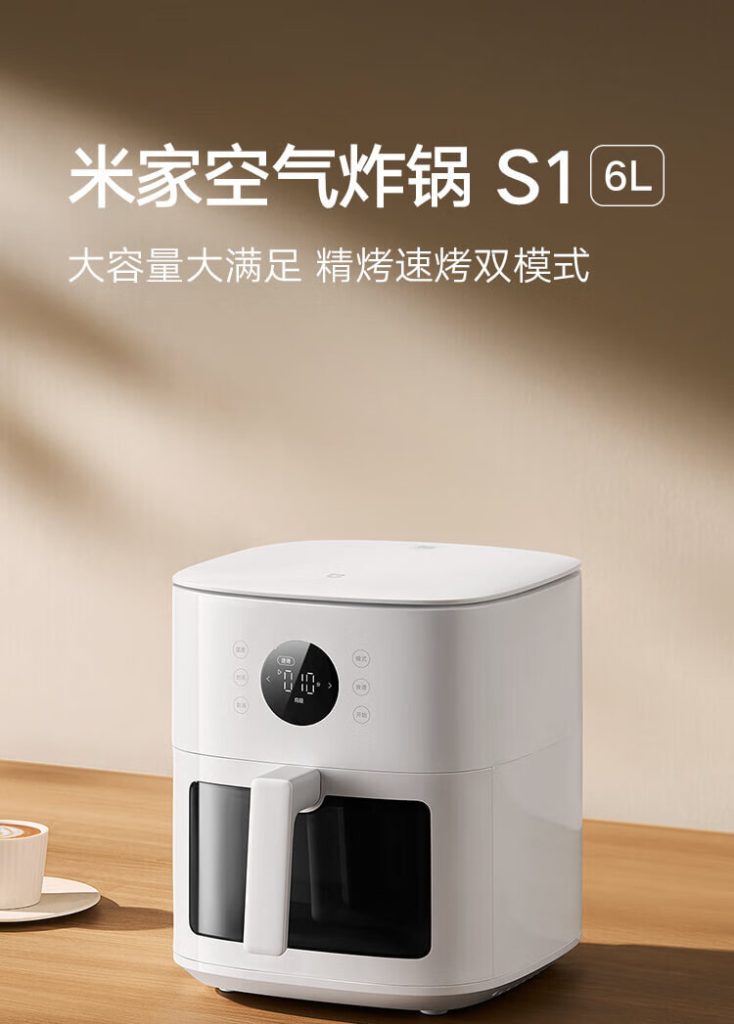
Xiaomi has launched the Mijia Air Fryer S1 6L in the Chinese market. The air fryer is now available for pre-order on JD.com for 269 yuan ($38). Let’s check out its key specs.
Xiaomi Mijia Air Fryer S1 6L Specifications:
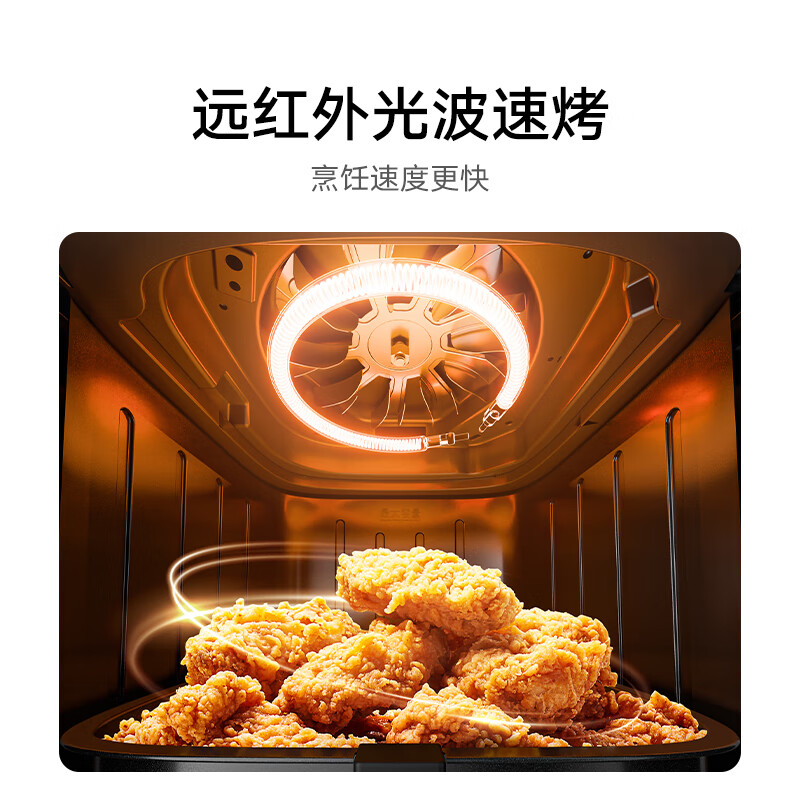
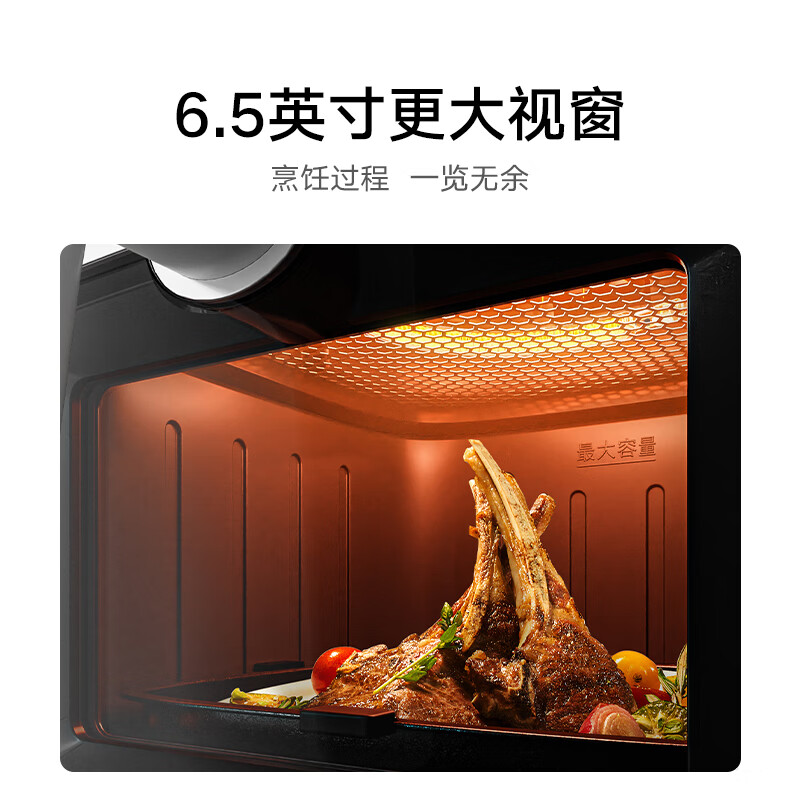
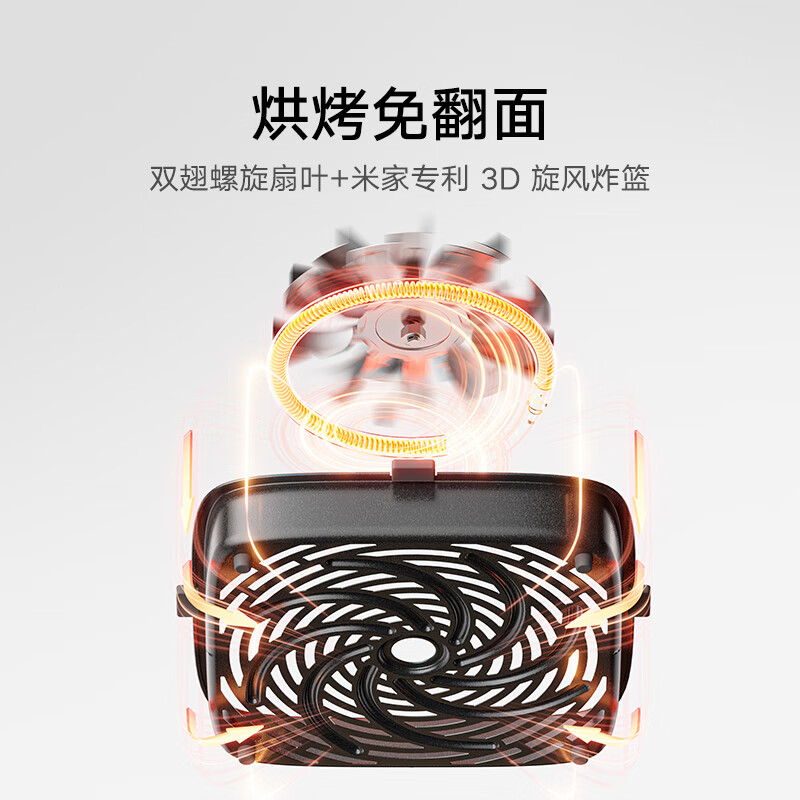
The Mijia Air Fryer S1 6L features a 360° circular hot airflow system, eliminating the need to flip food during cooking. This is made possible by dual-wing spiral fan blades and a patented cyclone frying basket. It also includes a 6.5-inch viewing window, 118% larger than that of the Mijia Air Fryer Pro 4L, allowing for easier monitoring of the cooking process.
The interior of the Mijia Air Fryer S1 6L is constructed with high-quality metal, making it resistant to high temperatures and easy to clean. Both the frying basket and the basket itself are made from food-grade non-stick materials.
The device offers a wide temperature range from 40°C to 210°C, allowing it to handle various cooking tasks such as defrosting, fermentation, yogurt making, and preparing dried fruits.
The air fryer also supports micro-steam tender baking, where a small amount of water can be added to the frying basket to create a water film on the surface of the food during high-temperature baking. This feature ensures that food remains crispy on the outside while retaining moisture inside.
Additionally, the Mijia Air Fryer S1 6L offers nine preset menus, providing one-touch operation for common dishes like French fries and chicken wings. The fryer also includes an independent reheat mode, which restores the crispy texture of previously cooked food. Its 6L capacity makes it suitable for family-sized meals, catering to larger portions in one go.
The Mijia Air Fryer S1 6L comes with several safety features, including a dual-layer viewing window that remains cool to the touch, a rear heat vent to extend the product’s lifespan, and an automatic power-off function when the basket is removed.
ZTE has started developing the new Nubia Z70 Ultra. Gizmochina has spotted the Nubia Z70 Ultra in the IMEI database. ZTE is gearing up to scare its competitors in the flagship market with the Nubia Z70 Ultra smartphone.
Nubia Z70 Ultra
ZTE is preparing to unveil this smartphone in the near future. According to the IMEI database, the Nubia Z70 Ultra will have the model number NX731J. However, there is no information about this smartphone other than the model number yet.
Nubia Z70 Ultra NX731J
The Nubia Z70 Ultra’s predecessor, the Nubia Z60 Ultra, was equipped with the latest Qualcomm processor, the Snapdragon 8 Gen 3. Therefore, this new Z70 Ultra will be launched with a Snapdragon 8 Gen 4 processor. Other hardware specifications may include some improvements compared to the Nubia Z60 Ultra. So let’s take a look at the specifications of the Nubia Z60 Ultra to get an idea of the Nubia Z70 Ultra.
The Nubia Z60 Ultra has a 6.8-inch AMOLED display. This screen offers a resolution of 1116 x 2480 pixels, a 120Hz refresh rate, and a pixel density of approximately 400 PPI. The smartphone weighs 246 grams and measures 164 x 76.4 x 8.8 mm. This smartphone is powered by the Snapdragon 8 Gen 3 processor. The Nubia Z60 Ultra has a 6,000 mAh battery with 80W fast charging support.
ZTE has not yet shared any information about the official launch date of the Nubia Z70 Ultra. However, the Nubia Z60 Ultra was introduced in December 2023. Therefore, the Nubia Z70 Ultra smartphone is also likely to be introduced before the end of this year. But remember that this is still a guess. More detailed information is likely to come in the future. We are eagerly waiting to see what this flagship smartphone will offer. We will also make announcements regarding all developments.
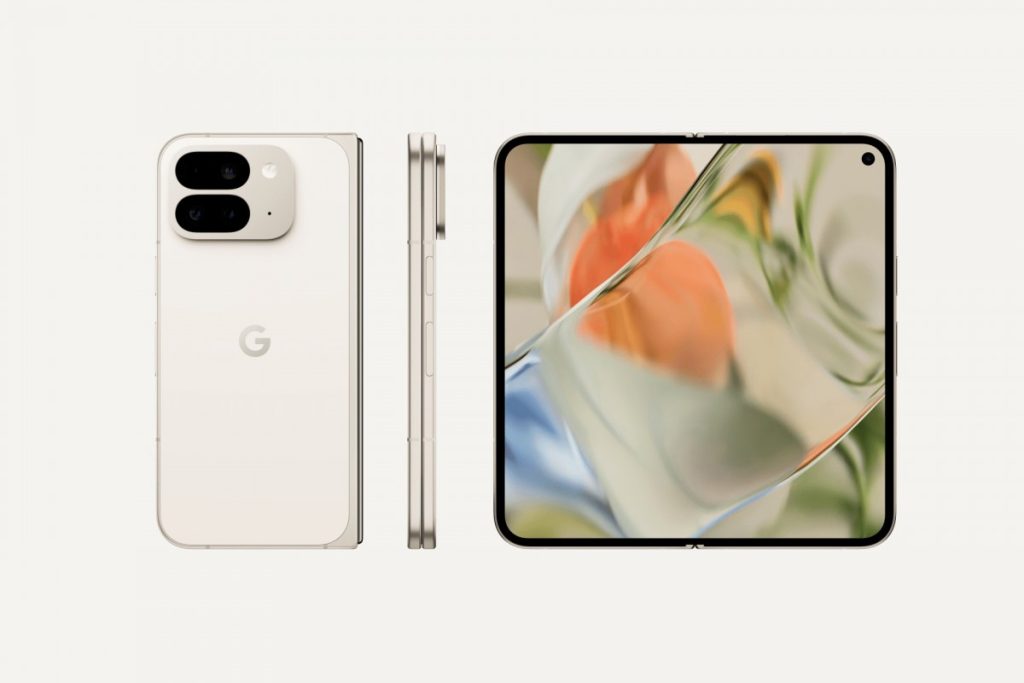
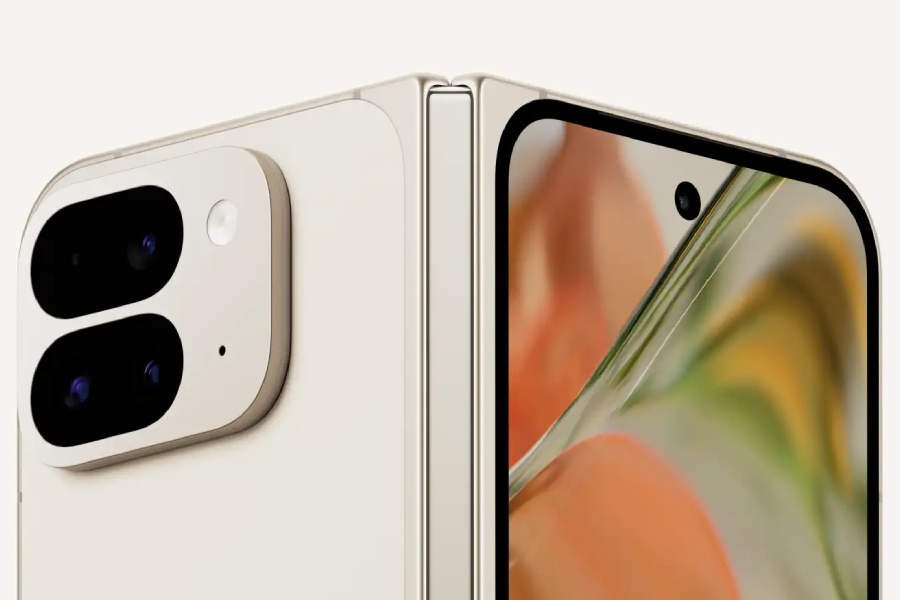
At a starting price of $1,799, the Pixel 9 Pro Fold is Google’s most expensive phone to date. The new device offers a slimmer form factor along with upgraded internals.
However, despite being the most premium model, it still lacks some exclusive AI video features available in its non-folding counterparts, the Pixel 9 Pro and Pixel 9 Pro XL.
As reported by PhoneArena, the Pixel 9 Pro Fold doesn’t have the Video Boost feature that the company introduced last year on the Pixel 8 Pro.
Video Boost leverages Google’s cloud processing power to upscale video quality. To use it, you have to record a video with the feature enabled which will then be uploaded to Google’s servers for AI-powered improvements.
Once ready, you receive a notification that your “Boosted” video is available for download. Pixel 9 Pro and Pixel 9 Pro XL users can expect even more impressive results as these devices support upscaling 4K videos to 8K and lossless 20x zoom with Video Boost. The processing is also said to be twice as fast compared to the Pixel 8 Pro.
While Video Boost’s heavy lifting occurs in the cloud, some hardware prerequisites exist, according to PhoneArena. And the Pixel 9 Pro Fold, despite its premium price, apparently doesn’t meet these requirements.
Its camera system, with a 48MP primary, 10.5MP ultra-wide, and 10.5MP telephoto lens with 5x optical zoom, doesn’t match the 50MP primary, 48MP ultra-wide, and 48MP telephoto lens with 5x optical zoom found in the Pixel 9 Pro and Pixel 9 Pro XL.
This isn’t entirely surprising. Foldable phones often struggle to match the camera capabilities of their non-folding counterparts. Similar discrepancies exist between the Samsung Galaxy Z Fold 6 and the Galaxy S24 Ultra. However, at $1,800, users might expect Google’s best camera technology in the Pixel 9 Pro Fold. The omission could be a dealbreaker for photography enthusiasts.
Ultimately, the decision depends on what you value most. If video editing and high zoom capabilities are essential for you, the Pixel 9 Pro series offers clear advantages.
However, if a large unfolded screen and productivity are more important, the Pixel 9 Pro Fold could still be a strong choice. Just be aware of its limitations in camera hardware and video processing compared to the Pixel 9 Pro and Pixel 9 Pro XL before making a purchase.
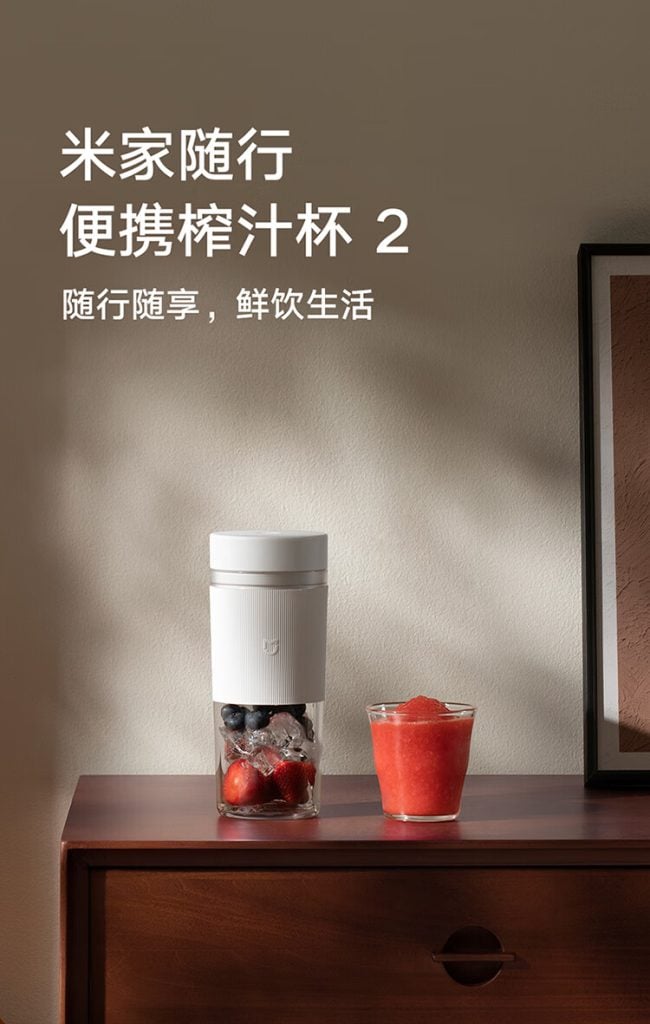
Xiaomi has launched the Mijia Portable Juicer Cup 2 in the Chinese market, which is now available for pre-order on JD.com. The product will officially go on sale on August 17 at 8 PM (CST), priced at 99 Yuan ($14). Let’s delve into its key specs.
Xiaomi Mijia Portable Juicer Cup 2 Specifications:
The juicer is designed for convenience, offering quick juice extraction in just 40 seconds with its powerful 19,500 RPM DC motor. It features a 45W pressurized power lithium battery for efficient operation and minimizes waste with a residue rate of less than 10%.
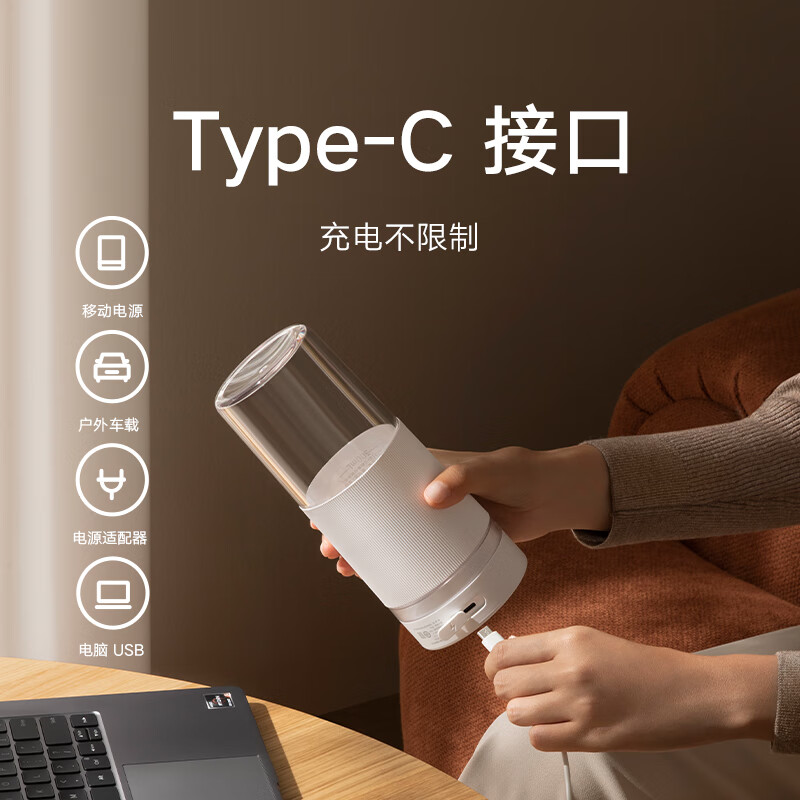
The Mijia Portable Juicer Cup 2 is equipped with a 304 stainless steel serrated blade set, capable of crushing ice, making it versatile for various beverages. It features a 1300mAh battery that allows up to 12 cups on a full charge, and it can be conveniently charged via a Type-C port, compatible with multiple charging methods like power banks, car chargers, and USB ports from computers.
This portable juicer has a compact design with a 300mL capacity, making it easy to carry around. Its wireless design adds to its portability, and the device is equipped with a 40-second auto-clean function that can be activated by double-clicking the power button.
The juicer also comes with safety features, including double-click activation, a Hall sensor safety induction, temperature control protection for the battery, and charge and discharge protection.
To prevent leaks, the juicer includes a 360° leak-proof sealing ring, which is removable for easy cleaning. The product is made with food-grade PCTG material, ensuring safety and compliance with relevant standards. It also comes with a silicone cup sleeve for a comfortable, anti-slip grip, and a waterproof charging port with a silicone plug design.
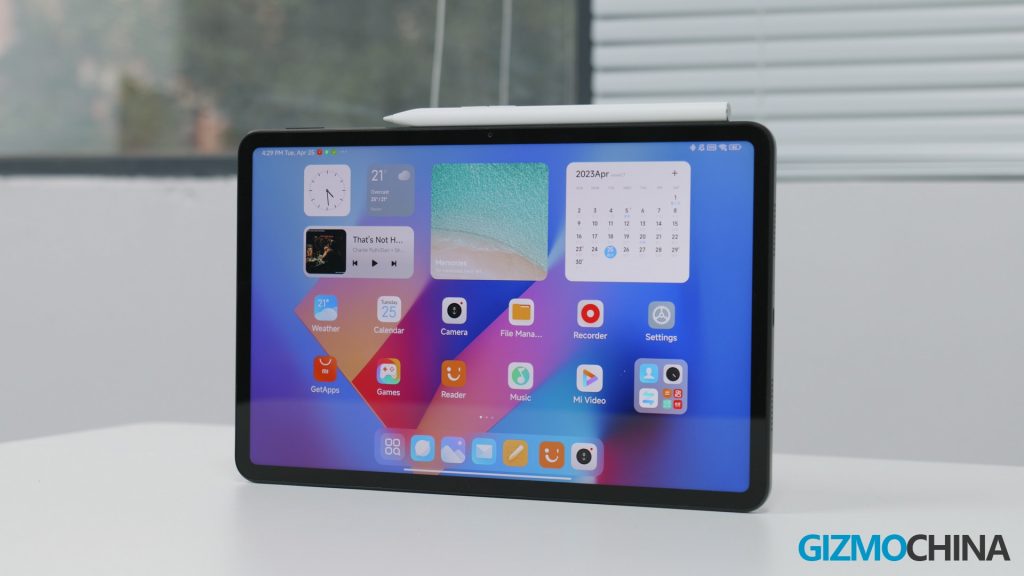
Xiaomi has long been rumored on working on the Xiaomi Pad 7 series. The line is expected to include two models, the Pad 7 and Pad 7 Pro.
Both the tablets may have OLED displays, replacing the IPS LCD panels found on their predecessors, the Xiaomi Pad 6 and Pad 6 Pro. But it looks like the company will not be shipping just any OLED panel. A leak by Weibo tipster Smart Pikachu suggests Xiaomi will fit the Pad 7 series with a dual-layer OLED display.
While Honor was the first to introduce this technology with the Magic 6 Ultimate, it gained popularity with its debut in the 2024 iPad Pro. Dual-layer OLED increases the lifespan of a panel and offers improved brightness compared to single-layer OLED displays. It’s a hi-tech solution with great benefits, so its increased adoption is an advantage for users.
Xiaomi Pad 6 Pro
The Xiaomi 15 Ultrais also rumored to feature a dual-layer OLED panel. Additionally, the tipster claims that Huawei and Honor are also planning to release “high-performance flagship tablets” with dual-layer OLED displays by the end of 2024, though the tipster didn’t mention the names of these tablets.
The Xiaomi Pad 7s will go head and head with them. The Pad 7 Pro, in particular. It is said to have the current best Snapdragon 8 Gen 3 processor on board. The Pad 6 Pro has 8+ Gen 1 SoC, so it will be a significant performance improvement.
The Xiaomi Pad 7 series is expected to come equipped with HyperOS and establish seamless connectivity between the tablet and other devices with HyperOS.
The company has already completed the certification process for two devices in the Eurasian Economic Union (EEC), model numbers “24091RPADG” and “2410CRP4CG”. According to reports, these two devices should be the Xiaomi Pad 7 and Pad 7 Pro. Their launch is expected sometime in September this year.
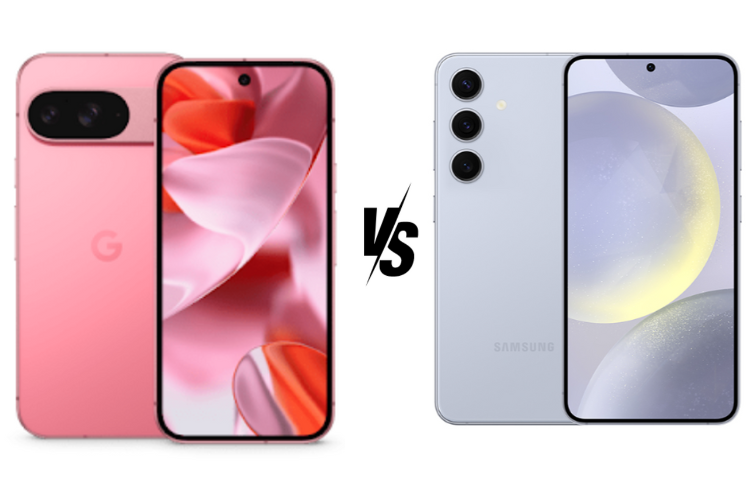
Choosing between the Google Pixel 9 and the Samsung Galaxy S24 is a tough call, as both phones bring top-tier specifications and unique selling points to the table. In this detailed comparison, we’ll break down these flagship devices using the parameters of design, display, performance, battery, and cameras. Each section will explore the features, similarities, differences, and advantages of both models, providing a clear picture of which phone might suit your needs better.
Design
When it comes to design, both the Google Pixel 9 and Samsung Galaxy S24 offer sleek builds, but with a few key differences that could sway your decision.
Features: Both phones sport a premium design with Gorilla Glass Victus 2 on both the front and back, making them sturdy and resistant to scratches. The aluminum frames further enhance durability. The Pixel 9 has an elegant, minimalist approach with a clean aesthetic, while the Galaxy S24 takes it up a notch with its Armor Aluminum 2 frame, adding extra toughness against drops and scratches. Both phones are IP68-rated, making them resistant to dust and water up to 1.5 meters for 30 minutes.
Similarities:
Both feature Gorilla Glass Victus 2 protection on the front and back.
Both have aluminum frames.
IP68 water and dust resistance is standard in both devices.
Differences: The Samsung Galaxy S24’s Armor Aluminum 2 frame offers tougher protection, potentially making it more durable under rugged conditions. In contrast, the Pixel 9 opts for a more understated and lightweight design.
Advantages:
Google Pixel 9: Simpler, more elegant design with a focus on minimalism.
Samsung Galaxy S24: Stronger build with the Armor Aluminum 2 frame and enhanced drop resistance.
Which is Better? If you prioritize durability and a more robust build, the Galaxy S24 edges out the Pixel 9. However, if sleek, minimalist design appeals to you more, the Pixel 9 is the better choice.
Display, Media, and Software
The display is where these two flagships truly shine, offering vibrant visuals and smooth scrolling, but they cater to slightly different user preferences.
Features: The Google Pixel 9 features a 6.3-inch OLED panel with a 120Hz refresh rate, HDR10+ support, and peak brightness levels reaching 2700 nits. The Samsung Galaxy S24 counters with a 6.2-inch Dynamic LTPO AMOLED 2X display that also boasts a 120Hz refresh rate, HDR10+, and a lower peak brightness of 2600 nits. Both phones have always-on displays and are protected by Corning Gorilla Glass Victus 2.
Similarities:
Both have 120Hz refresh rates, ensuring smooth animations and scrolling.
Both displays are HDR10+ certified for enhanced color accuracy and contrast.
Gorilla Glass Victus 2 is present on both devices for added durability.
Differences: The Pixel 9’s OLED screen offers slightly higher peak brightness (2700 nits) compared to the Galaxy S24 (2600 nits), which could be useful for outdoor visibility. However, the Galaxy S24’s Dynamic LTPO AMOLED 2X panel brings variable refresh rate technology, which adjusts the refresh rate depending on the content, potentially saving battery life.
Advantages:
Google Pixel 9: Higher peak brightness and vibrant color reproduction.
Samsung Galaxy S24: LTPO technology for adaptive refresh rates and better battery efficiency.
Which is Better? The Galaxy S24’s adaptive refresh rate gives it a slight edge in everyday usage, especially when balancing performance and battery life. However, the Pixel 9’s brightness and color depth make it ideal for users who prioritize vivid visuals.
Performance and Battery
Performance is a crucial factor when choosing a flagship, and both devices are equipped to handle demanding tasks with ease.
Features: The Google Pixel 9 is powered by the Google Tensor G4 chipset, an octa-core processor with a mix of high-performance and efficient cores. On the other hand, the Samsung Galaxy S24 offers two variants: the Qualcomm Snapdragon 8 Gen 3 for select markets (USA/China) and the Exynos 2400 for international markets. Both phones support Android 14 with promises of up to 7 major Android upgrades.
Similarities:
Both devices run Android 14 and promise extended software support for up to 7 major updates.
Both are equipped with 8-core processors designed for high performance.
Differences: The Pixel 9’s Tensor G4 is designed to optimize AI and machine learning processes, enhancing features like real-time language translation and advanced photography. The Galaxy S24’s Snapdragon 8 Gen 3 and Exynos 2400 bring more raw power, particularly in gaming and multitasking.
On the battery front, the Pixel 9 comes with a 4700 mAh battery with 27W wired charging and 15W wireless charging. The Galaxy S24 features a smaller 4000 mAh battery with 25W wired charging and similar wireless charging capabilities.
Advantages:
Google Pixel 9: Larger battery and enhanced AI performance.
Samsung Galaxy S24: Slightly more powerful chipset options and faster day-to-day performance.
Which is Better? The Galaxy S24 excels in raw performance, especially in gaming and heavy multitasking. However, the Pixel 9’s larger battery and specialized AI features may appeal more to those who value smarter software and better battery endurance.
Camera
Camera performance is often a dealbreaker, and both phones deliver impressive results with their respective setups.
Features: The Pixel 9 has a dual-camera setup: a 50MP wide sensor with OIS and a 48MP ultrawide lens. It focuses heavily on computational photography with features like Ultra HDR, Pixel Shift, and the new Best Take for group photos. The Galaxy S24 ups the ante with a triple-camera setup: a 50MP wide sensor, a 10MP telephoto lens with 3x optical zoom, and a 12MP ultrawide camera with Super Steady video.
Similarities:
Both offer a 50MP main sensor with advanced features like OIS and HDR.
Both provide excellent low-light performance and detailed color accuracy.
Differences: The Pixel 9’s strength lies in its software-driven photography enhancements, making it excellent for point-and-shoot scenarios. The Galaxy S24, however, provides more versatility with its telephoto lens, enabling optical zoom for clearer distant shots.
Advantages:
Google Pixel 9: Superior computational photography and user-friendly software.
Samsung Galaxy S24: More versatile camera system with dedicated zoom capabilities.
Which is Better? If you prefer a versatile camera setup with more zoom options and better stabilization, the Galaxy S24 is the winner. However, for those who value consistent, high-quality shots with minimal effort, the Pixel 9’s smart photography tools make it the better choice.
Conclusion
Both the Google Pixel 9 and Samsung Galaxy S24 are excellent flagships, but they cater to slightly different user preferences. The Galaxy S24 shines in areas like durability, performance, and versatile camera options. Meanwhile, the Pixel 9 focuses on smarter software, better AI integration, and user-friendly photography.
Which is the better buy?
For power users and gamers: The Samsung Galaxy S24’s superior chipset options, adaptive display, and versatile camera setup make it the clear choice.
For everyday users and photography enthusiasts: The Google Pixel 9 offers a balanced experience with excellent battery life, smarter AI features, and consistent camera performance.
Ultimately, your choice should depend on your priorities, whether it’s raw performance or intuitive, AI-driven experiences.
Samsung‘s Galaxy S series has long been a mainstay in the Android smartphone market, offering a clear and consistent naming scheme. However, a recent rumor suggests the South Korean giant might be considering a shake-up for the upcoming Galaxy S26 lineup.
According to a tipster on platform X (formerly Twitter), the top-tier Galaxy S26 Ultra could see a name change to Galaxy S26 Note. It could be to emphasize the built-in S-pen feature, a hallmark of the now discontinued Galaxy Note series.
The rumor also suggests the mid-tier Galaxy S26+ could be rechristened as the Galaxy S26 Pro. With “Pro” models becoming a common term in many brands’ portfolios, it seems Samsung doesn’t want to miss out. Fortunately, there’s no word for the base model, which means it will likely retain the name Galaxy S26.
It’s important to remember that this is still very much a rumor. The source suggests Samsung is merely considering the name changes, not that they’re a done deal.
We think changing the name will do more bad than good. The “Ultra” moniker carries a certain weight within the Galaxy S line. It signifies this is the best you can get from Samsung. If it changes to “Note”, it wouldn’t be surprising if people mistake it for a separate series altogether. Since the Galaxy S26 lineup will be Samsung’s flagship for 2026, there’s plenty of time for things to change before launch.
As of now, the focus is on the Galaxy S25 line. Not the name change, but the top-of-the-line S25 Ultra may have subtle design tweaks.
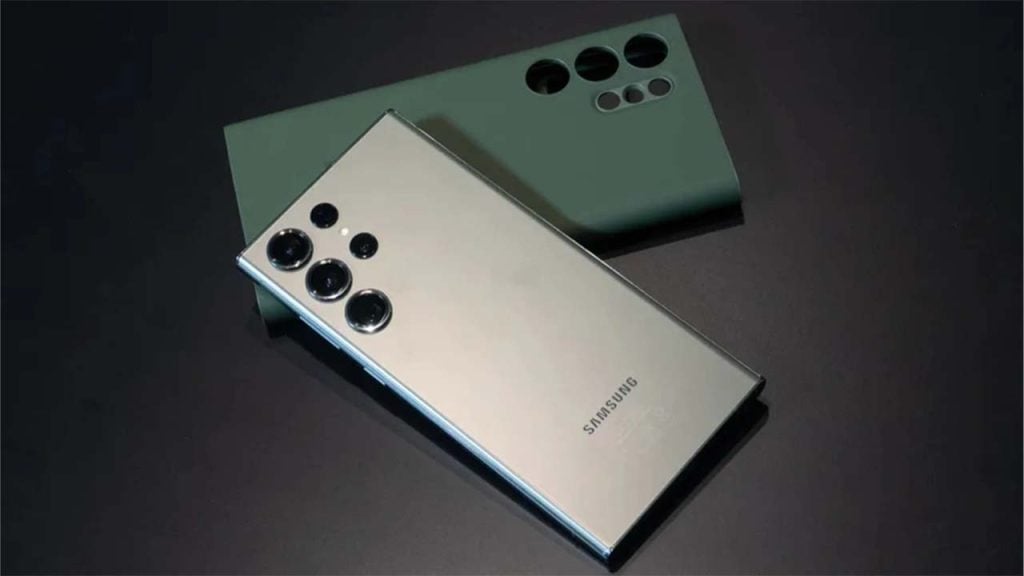
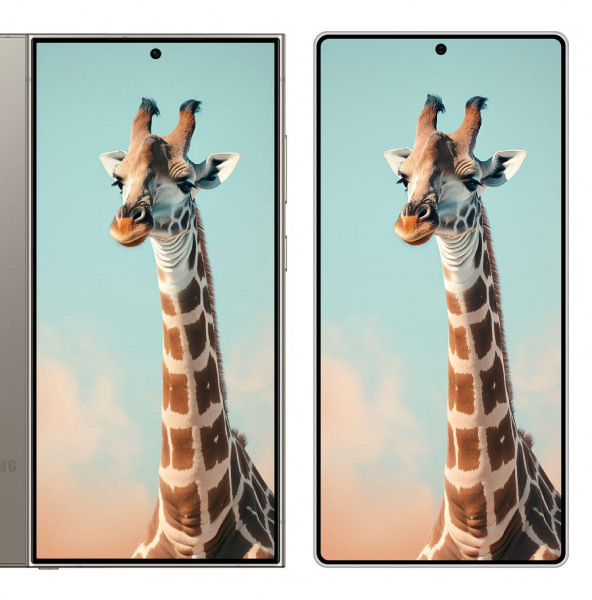
According to what we’ve heard, the S25 Ultra is expected to have more squared-off edges compared to the sharper corners of the Galaxy S24 Ultra. A typically reliable tipster even shared a mockup comparing the S25 Ultra to its predecessor, and the difference is quite noticeable.
However, the front design remains largely unchanged, with minimal bezels and a small punch-hole cutout in the center.
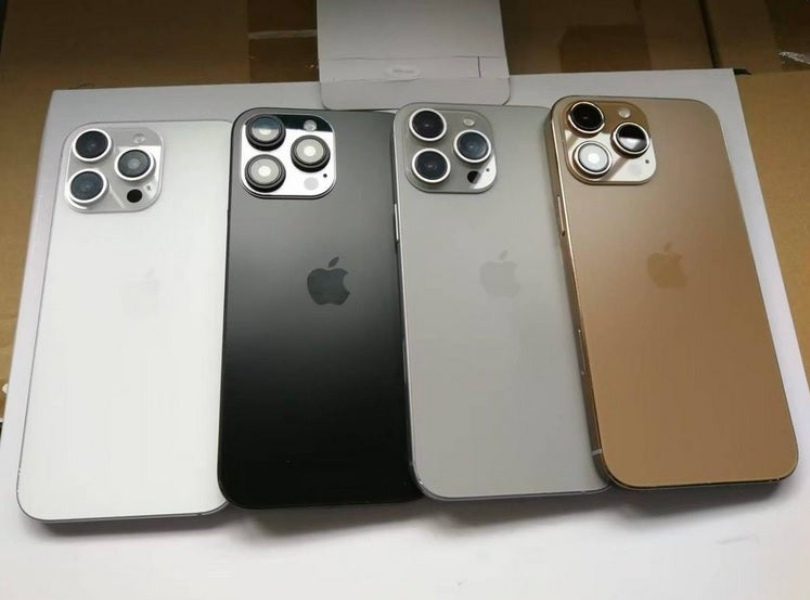
Adding to the growing rumors around the iPhone 16 lineup, a new leak has revealed the color options for the Pro model. Shared by Sonny Dickson, a well-known source for dummy unit leaks, the image features four iPhone 16 Pro units in different shades.
The standout among them is a bronze variant, reportedly set to replace the blue titanium option currently available on the iPhone 15 Pro. This aligns with an earlier hint from Weibo leaker Digital Chat Station, who mentioned a bronze iPhone 16 Pro Max in August.
The other colors shown include the familiar white, black, and gray that could either be silver or the existing “Natural Titanium” finish. This leak follows Dickson’sprevious post, which showed the iPhone 16 Pro in white, black, and gray/silver, but without the bronze variant.
Beyond aesthetics, previous leaks have also hinted at what to expect from the iPhone 16 Pro. The Pro models are rumored to feature larger displays than their predecessors, with the iPhone 16 Pro sporting a 6.3-inch OLED panel and the iPhone 16 Pro Max moving up to a 6.9-inch display.
Camera upgrades are also in line — the ultrawide lens is said to be a 48MP sensor up from 12MP and there is the much-anticipated Tetraprism periscope telephoto lens with 5x optical zoom. Internally, the iPhone 16 Pro line is tipped to be powered by the A18 Pro processor built using TSMC’s second-generation 3nm process node (N3E).
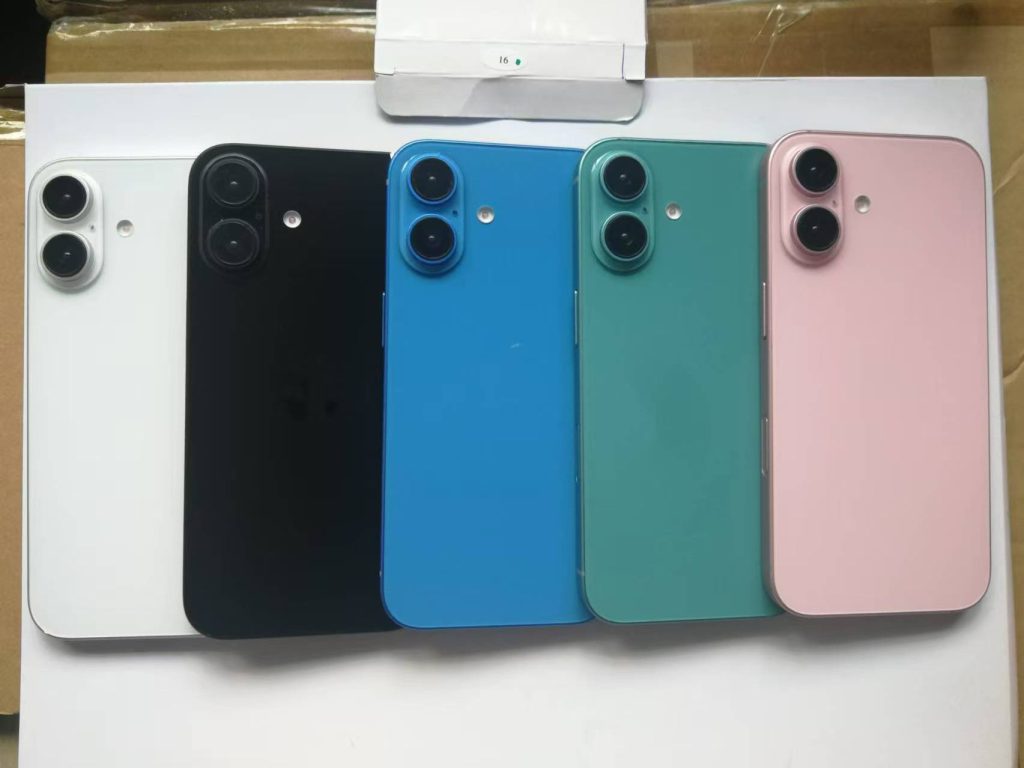
Dickson also leaked images of dummy units for the non-Pro iPhone 16 and iPhone 16 Plus models. The vanilla model rather has more vibrant colors, blue, yellow, pink, green, and black to be precise.
They will likely have a redesigned rear camera module with a vertical lens arrangement. The change is reportedly made to facilitate the creation of 3D images and videos for Apple’s Vision Pro functionality.
Both non-Pro models are also expected to feature the A18 3nm processor, the Action button seen on recent Apple devices, and a new “Capture” button for simplified zoom, focus, and capture control within the camera app.
Rounding out the leaks, all four iPhone 16 models are rumored to have 8GB of RAM and support Apple’s AI initiative, dubbed Apple Intelligence.
The rumor mill continues to churn for the upcoming Samsung Galaxy S24 FE. Following the appearance of a support page and leaked specs, the device has now been spotted on the Bureau of Indian Standards (BIS) certification website, hinting at an imminent launch in the country.
The BIS listing itself reveals little new information. It’s listed with the model number SM-S721B/DS, which matches the one found on Samsung’s support page. However, the certification offers no insights into the phone’s hardware or design. However, its presence on the BIS website strongly suggests the Galaxy S24 FE will be available for purchase in India.
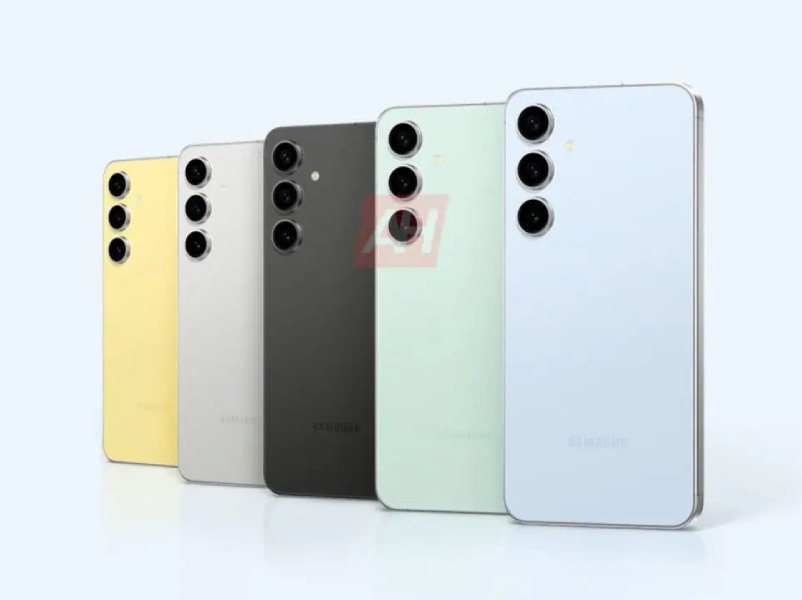
Previous leaks have pointed towards a global launch in October 2024. The phone is expected to borrow heavily from the design of the standard Galaxy S24, with reports suggesting a similar display and at least five color options – green, yellow, graphite, blue, and silver/white.
Leaks and a Geekbench listing have revealed key specs of the S24 FE’s specs. It could sport a 6.7-inch FHD+ display with a smooth 120Hz refresh rate. Powering the phone might be Samsung’s Exynos 2400e SoC, paired with the Xclipse 940 GPU and at least 8GB of RAM.
Battery life could come courtesy of a substantial 4,565mAh unit, while the camera department might see a triple-lens setup on the back. The main sensor is rumored to be a 50MP shooter, accompanied by a 12MP ultrawide lens and an 8MP telephoto lens with 3x optical zoom. Selfies and video calls could be handled by a 10MP front-facing camera.
Software-wise, the Galaxy S24 FE is expected to launch with Android 14 pre-installed, overlaid with Samsung’s One UI 6.1.1 customization. Additionally, reports suggest the phone will come equipped with various Galaxy AI features.
It’s important to remember that these specifications are based on leaks and rumors and should be treated with caution. We can expect more concrete information about the Samsung Galaxy S24 FE to emerge in the coming weeks, so stay tuned for further updates.
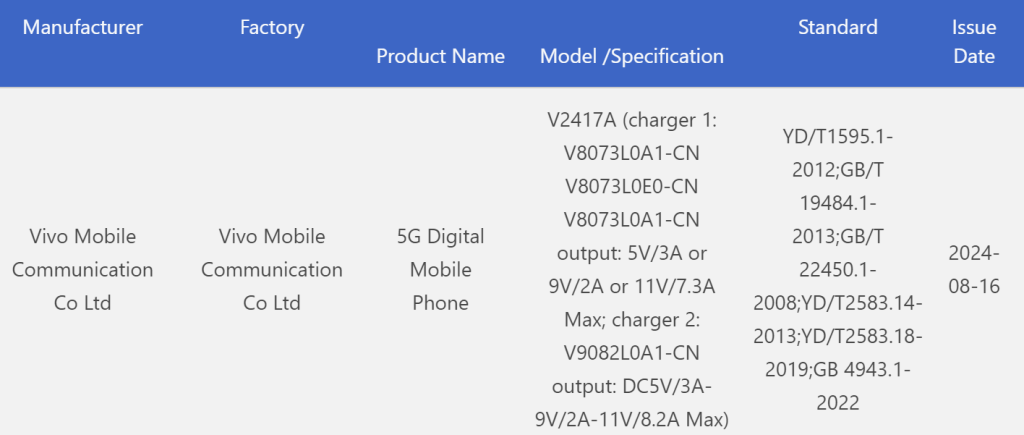
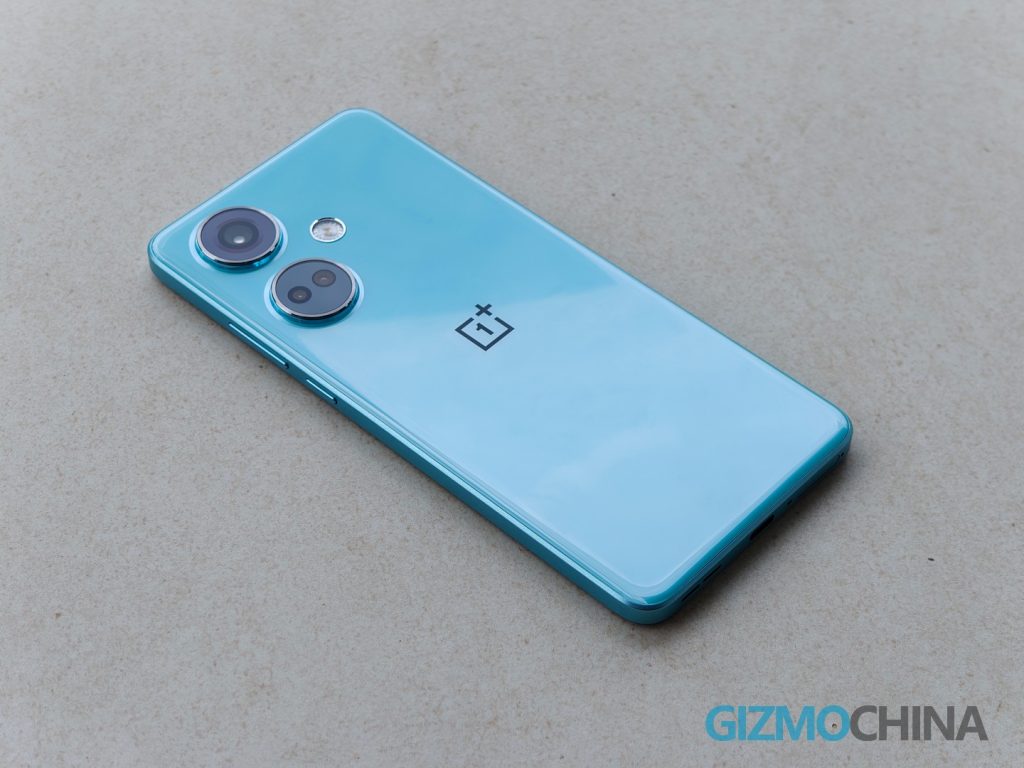
iQOO is expected to announce the iQOO Z9 Turbo+ smartphone in September in China. It will be a new addition to the Z9 series, which includes the Z9x, Z9, and Z9 Turbo. These devices, which debuted in April this year in China, are powered by the Snapdragon 6 Gen 1, Snapdragon 7 Gen 3, and Snapdragon 8s Gen 3 chipsets, respectively. Reports suggest that the upcoming Z9 Turbo+ will be similar to the existing Z9 Turbo. However, the major difference will be that the Plus variant will come equipped with a Dimensity chipset. Recently, the MIIT certification database in China spotted the Z9 Turbo+, purportedly bearing the model number V2417A. Now, the same device has received approval from the country’s 3C certification platform, further hinting that it will launch soon, probably in September.
iQOO Z9 Turbo+ 3C certified
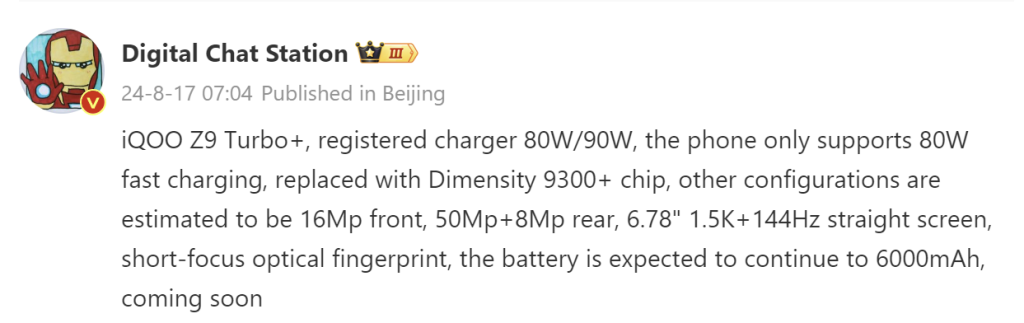
3C’s database shows two chargers for the upcoming iQOO Z9 Turbo+ (V2417A). The V8073L0A1-CN / V8073L0E0-CN / V8073L0A1-CN chargers support up to 80W charging, whereas the V9082L0A1-CN offers 90W charging. However, tipster Digital Chat Station states that the device will only support 80W charging. He also mentioned the key specifications of the device.
iQOO Z9 Turbo+ specifications (rumored)
According to the tipster, the iQOO Z9 Turbo+ will feature a 6.78-inch flat OLED panel. It will offer a 1.5K resolution and a 144Hz refresh rate. The screen will be equipped with a short-focus optical-type in-screen fingerprint sensor.
Under the hood, the device will feature the Dimensity 9300 Plus, which is currently the most powerful MediaTek chip. It is also expected to feature a 6,000mAh battery. The leak contains no information about the device’s RAM or storage capacity.
On the front, the iQOO Z9 Turbo Plus may feature a 16-megapixel camera. The rear camera setup of the phone may consist of a 50-megapixel primary camera and an 8-megapixel snapper.
OnePlus has started rolling out the OxygenOS 14.0.0.1100 update for the OnePlus Nord CE 3 5G in India. This update includes the August 2024 Android security patch and several bug fixes.
Update Availability
The update is being released gradually, so not all users will receive it immediately. To check for the update, go to “Settings,” select “About Phone,” and look for the update option. If available, download and install it directly.
What’s New in the Update
Battery Life Optimization: The update optimizes power consumption, which should help extend battery life.
Improved Screenshot Functionality: The three-finger swipe gesture for taking screenshots has been improved.
Security Patch: The August 2024 Android security patch is included to enhance system security.
Bug Fixes
Camera: Fixes an issue where the camera preview might unexpectedly shrink in Douyin.
Lock Screen: Fixes an issue where time is not fully displayed on the Lock screen.
Volume Controls: Fixes an issue where the volume slider in Quick Settings and the one triggered by pressing the physical volume button might appear at the same time.
Calendar Sync: Fixes an issue where birthdays from Contacts might not be synced in Calendar events.
Audio Playback: Fixes an issue that might cause the audio from some apps to incorrectly play through the receiver.
Swipe Response: Fixes an issue that might cause delayed swipe response in Simple mode.
Auto Brightness: Fixes an issue where Auto brightness might turn on automatically.
App Updates: Fixes an issue where the “Uninstall updates” button may be unavailable after an app update.
Interconnectivity and Gaming
NFC Payments: Fixes an issue that prevented NFC-enabled payments.
Gaming Stability: Addresses a problem where the screen might turn black during gameplay and improves overall gaming stability.
Communication and Camera
Vibration: Fixes an issue where the device might not vibrate for phone calls.
Camera Screenshot: Fixes an issue where “3-finger screenshot” may not work on the Camera interface.
Reporting Issues
If users encounter any problems with the update, they can report bugs directly from their Nord CE 3 5G by dialing *#800# and selecting the option to submit bugs.
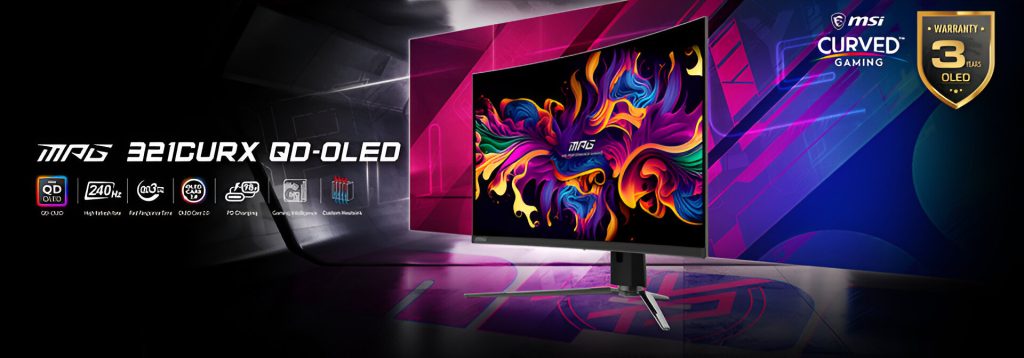
MSI has recently introduced its first curved QD-OLED display, the MPG 321CURX through a press release. This 32-inch monitor is aimed at serious gamers looking for high visual performance and immersive gameplay.
MSI MPG 321CURX monitor specs:
The MPG 321CURX features QD-OLED technology, providing accurate colors, deep blacks, and high brightness. It has a 240Hz refresh rate and a 0.03ms response time for smooth and responsive visuals. The 1700R curvature is designed to enhance immersion.
To protect the OLED panel from burn-in, MSI has included features like Pixel Shift, Panel Protect, and Static Screen Detection. MSI OLED Care 2.0 adds further protection with Multi Logo Detection, Taskbar Detection, and Boundary Detection. The fanless design, using graphene film and a custom heatsink, ensures quiet operation and contributes to the display’s durability.
The monitor offers a range of connectivity options, including USB Type-C with 98W power delivery, HDMI 2.1, and KVM functionality. MSI’s Gaming Intelligence suite allows for customizable settings and optimizations. The MPG 321CURX is part of a series of curved QD-OLED monitors from MSI, with models ranging from 32 to 49 inches
Pricing & availability
The MPG 321CURX is priced at €1,399 in the Eurozone. Availability in other regions will be announced later. The monitor will be showcased at Gamescom 2024 in Cologne.
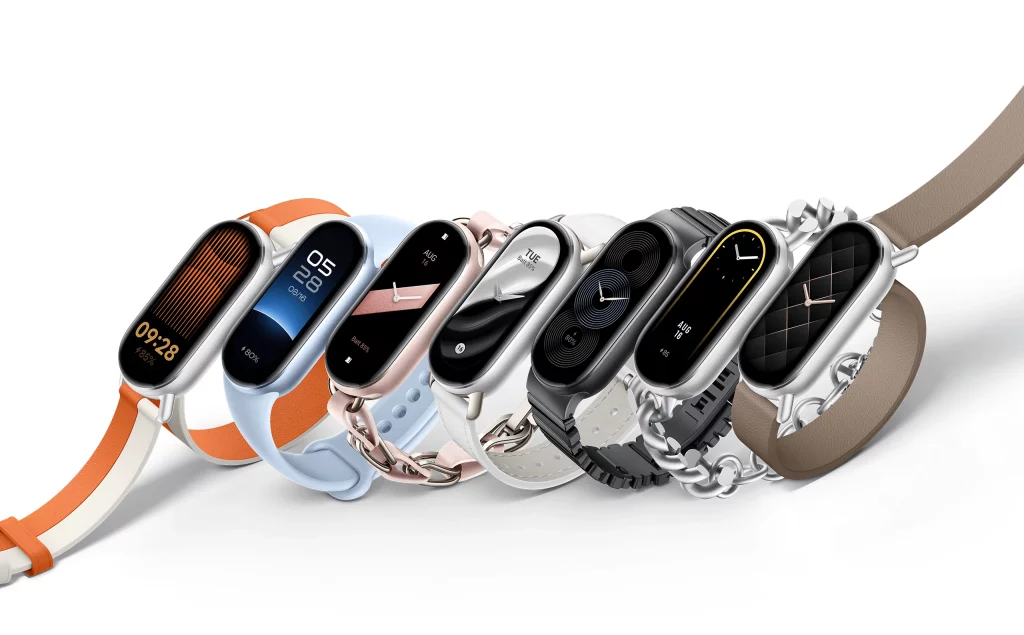
The Xiaomi Smart Band 9, which was launched last month in China has finally arrived in the European market. This fitness band comes with a large AMOLED display and over 150 sports modes.
Xiaomi Smart Band 9 specs:
The Xiaomi Smart Band 9 features a 1.62-inch AMOLED display with a peak brightness of 1200 nits. With a resolution of 192 x 490 pixels and a pixel density of 326 ppi, the screen offers sharp visuals, and users can personalize their experience with over 200 watch face options.
Designed for health and fitness tracking, the band includes sensors for heart rate, movement, and ambient light. It offers improved heart rate accuracy compared to the previous model and supports over 150 workout modes. The band can also provide sleep cycle recommendations.
The 233mAh battery can last up to 21 days without the Always-On Display feature, with a full charge taking about one hour. The band is water-resistant up to 50 meters and offers features like music control, message notifications, and weather updates.
Pricing & availability
Priced at £34.99 in the UK and €39.99 in the Eurozone, the Smart Band 9 is available in four colors. EU buyers can bundle it with Redmi Buds 4 Active earbuds by paying an additional €1.99 until September 13.
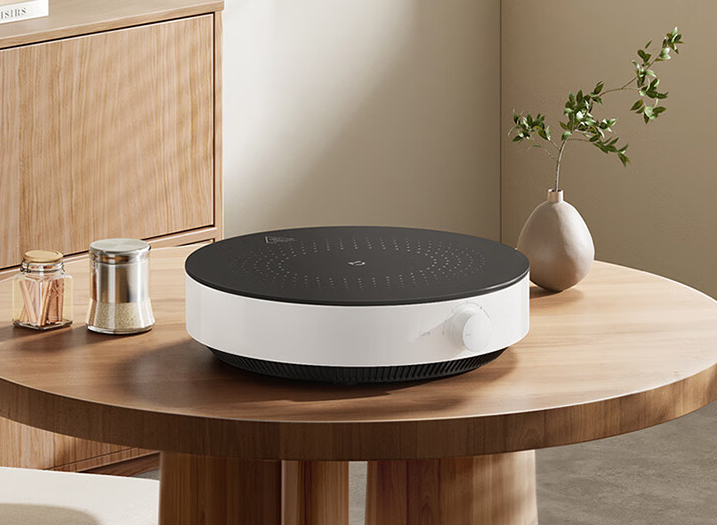
Xiaomi‘s MIJIA Induction Cooker N1 has been unveiled in China. The new product has a round body design and features a simple knob. The product is currently open for reservations ahead of its August 14 official release.
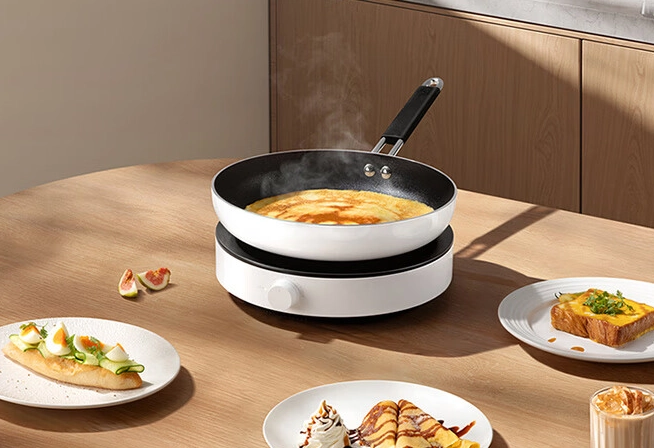
The MIJIA Induction Cooker N1 can be used with pots of different sizes thanks to its circular design. It supports 2,100W firepower, allowing it to heat the food or liquid rapidly. It has a double-layer stacked thickened coil plate designed for circular energy-concentrating function. The simple knob allows for the easy operation of the cooker without the need for repeated clicking of buttons.
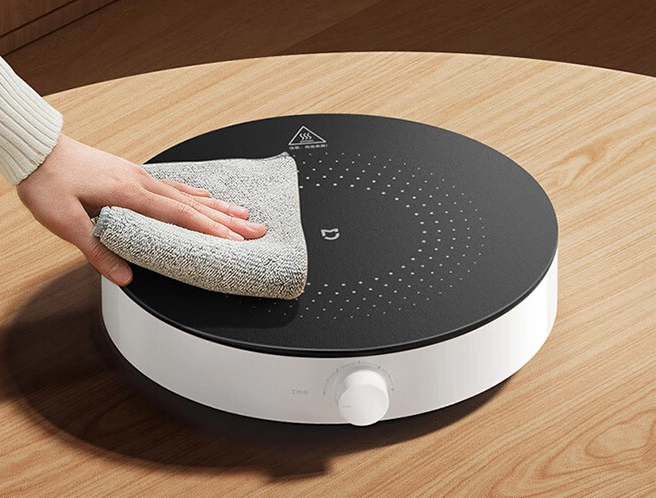
The Xiaomi MIJIA Induction Cooker N1 adopts high-strength microcrystalline panel utilization with waterproof, oil-proof, and scratch-proof ratings. There are six levels of fire control on the cooker and it can be cleaned with just a single swipe. The bottom of the cooker is equipped with a 7-blade axial flow fan to effectively dissipate heat. The model also has a cold and hot air duct isolation mechanism that prevents hot air backflow.
Safety is enhanced when using the MIJIA Induction Cooker N1 with its eight layers of safety protection. The safety components include high/low-temperature protection, pause heating without a pot, dry burning protection, sensor protection, heat dissipation blockage protection, voltage protection, and small object heating protection.
Pricing & Availability
The Xiaomi MIJIA Induction Cooker N1 is available for purchase via JD.com at a retail price of 169 yuan ($24). The product could also be available in a sprinkling of overseas markets subsequently.
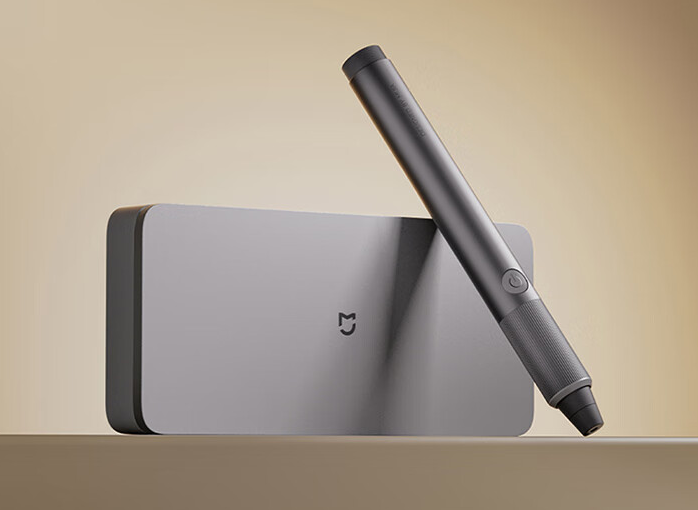
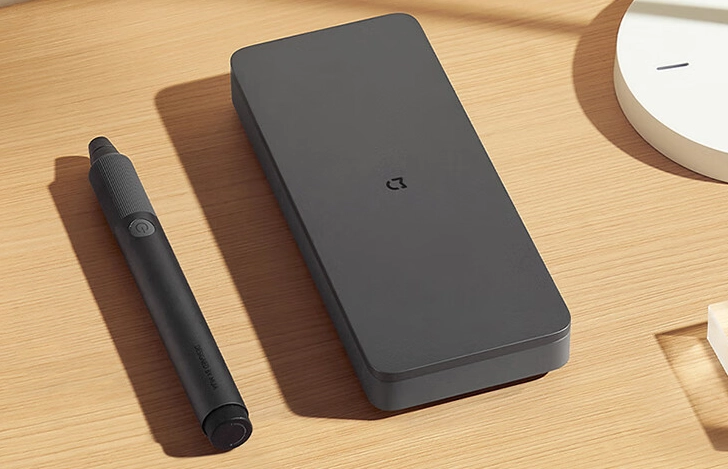
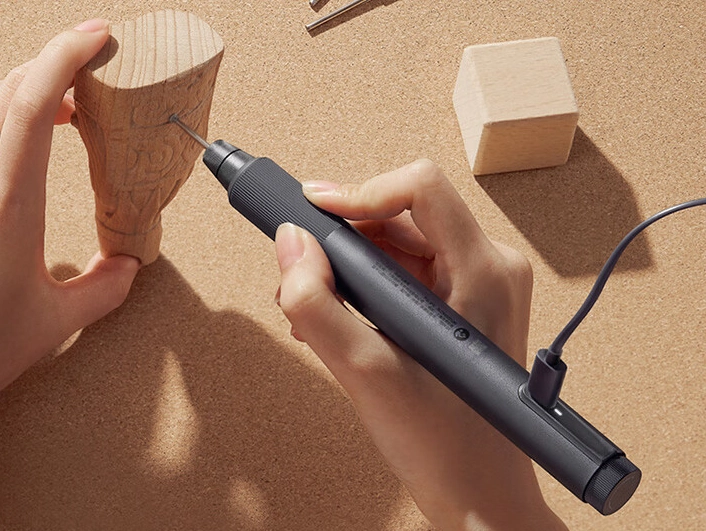
Xiaomi has unveiled the MIJIA Electric Sharpener in China. The device comes with a dual-mode lithium battery and plug-in setup. The launch of the Xiaomi MIJIA Electric Sharpener is coming on the heels of a successful crowdfunding campaign on Xiaomi Youpin. The model is open for pre-order ahead of its August 17 release date.
The Xiaomi MIJIA Electric Sharpener has a slim pen-shaped design and an anodized aluminum alloy body. The diameter of the sharpener is 2cm and it has a net weight of 310g. It has a brushless motor with a maximum speed of 22,000 rpm. The electric sharpener supports grinding, engraving, polishing, drilling, and more. The gadget has a one-button on/off setup and knob speed adjustment. The product does not require a wrench and you just need to unscrew the pen head to install and remove its accessories.
The MIJIA Electric Sharpener is equipped with an 800mAh lithium battery that provides up to 1 hour of operation on a full charge. The sharpener can also be used with a plug and features a pop-up storage box. The pop-up box has 16 grinding heads with a rod diameter of 2.35mm. the grinding heads include twist drill bits, wool brushes, rubber, diamond, and wool heads.
Pricing & Availability
The Xiaomi MIJIA Electric Sharpener has a retail price tag of 179 yuan ($25) and it is available for pre-order via JD.com. The product will go on sale on August 17. There are no global availability and pricing details yet for the sharpener.
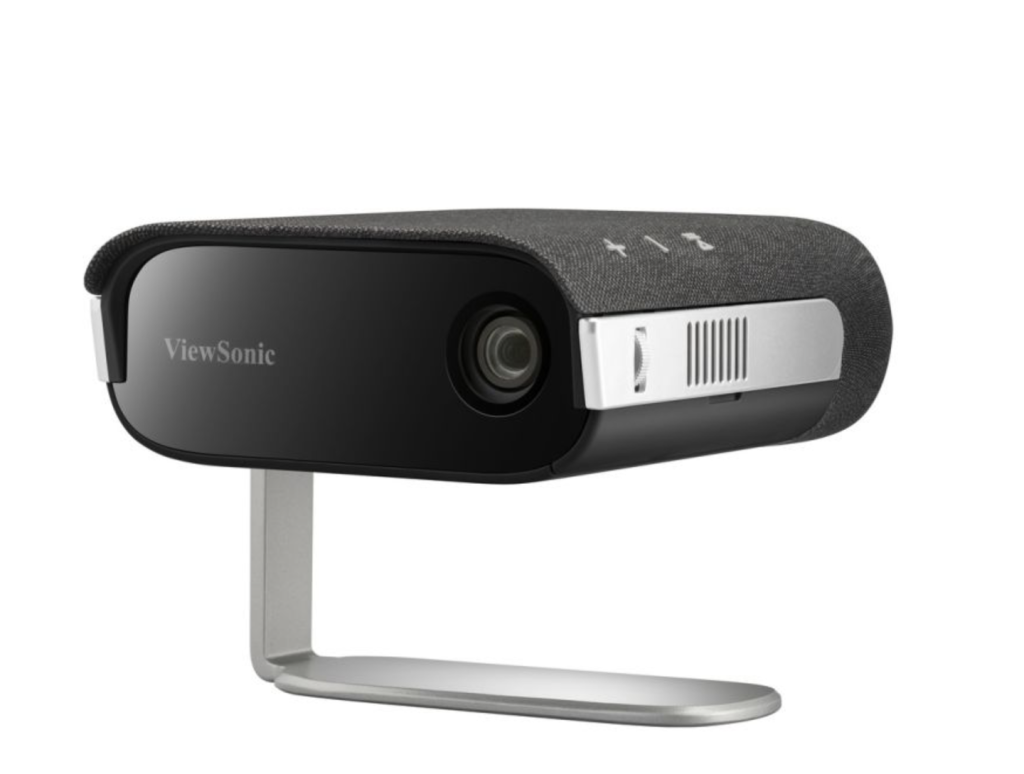
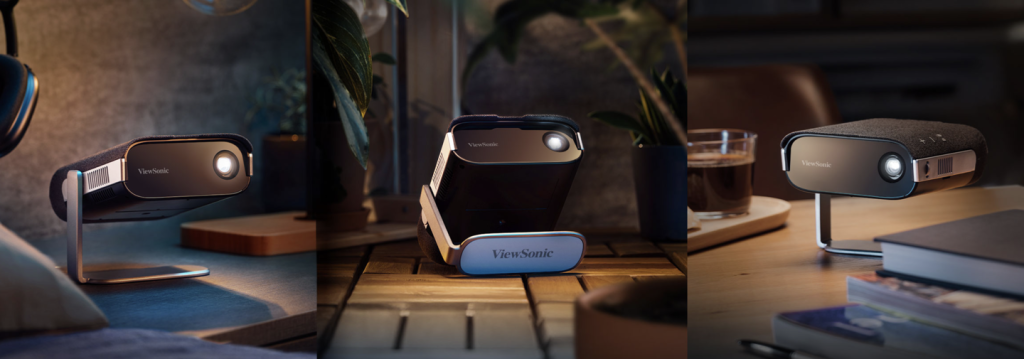
Viewsonic has unveiled two new portable projectors, the M1X and M1S. The new projectors come with similar parameters with a few key differences. The models both feature a native resolution of 480 pixels and 360 nits of brightness.
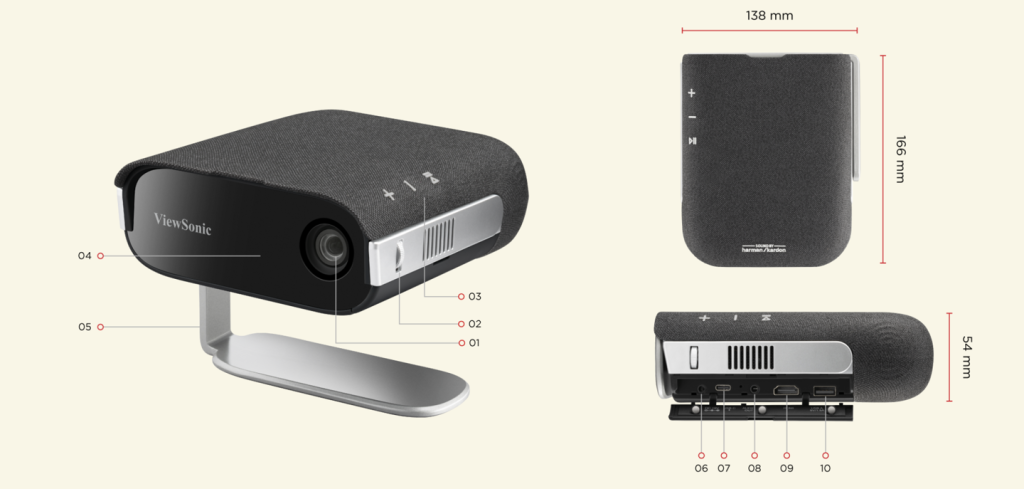
The Viewsonic M1X differs from the Viewsonic M1S in that the M1X supports Bluetooth audio function and WiFi screen monitoring. Both projectors weigh about 800 grams and can be secured with a three-in-one smart bracket. The smart bracket allows the projector to achieve 360º vertical projection. The Viewsonic M1X/ M1S portable projectors are equipped with two built-in Harman Kardon 3W speakers. Connectivity options available for the projectors include USB-C, USB-A 2.0, and an HDMI 1.4 interface. A 3.5mm audio jack is also available in the new Viewsonic M1 series projectors.
The Viewsonic M1X/ M1S projectors have a 1,200mAh battery for enhanced versatility. The projectors support vertical/ horizontal keystone correction, and feature Cinema SuperColor+ image quality enhancement technology. The projectors cover 125% of the Rec.709 color gamut and have a contrast ratio of 120,000:1. The projection distance is between 0.64 and 2.66 meters with a maximum projection size of 100 inches. The projectors can be connected to game consoles and support mobile phone mirroring.
Pricing and full release information for the Viewsonic M1X and M1S portable projectors have not been released yet. The official product page of the models is yet to specify these details at this time. The Viewsonic M1X is expected to be more expensive than the M1S and there are speculations that the models may be premium-grade.
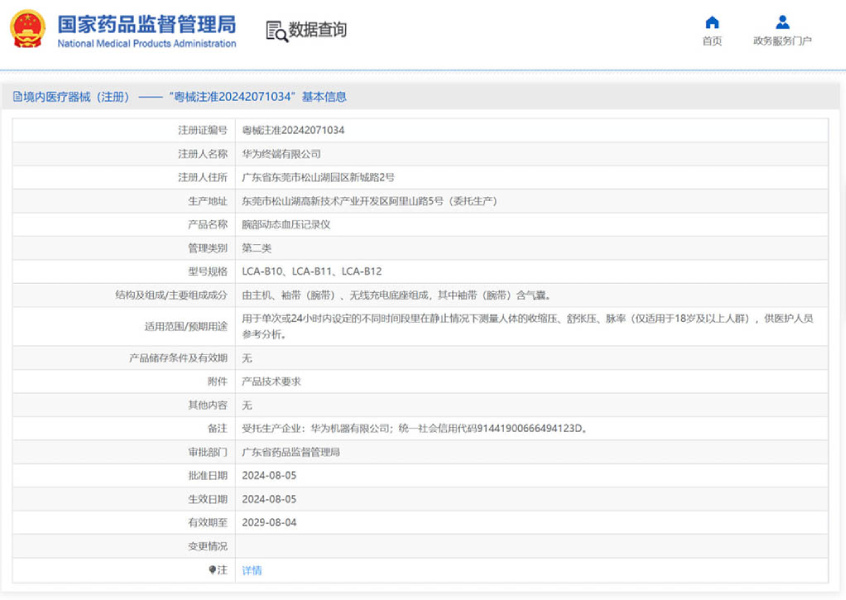
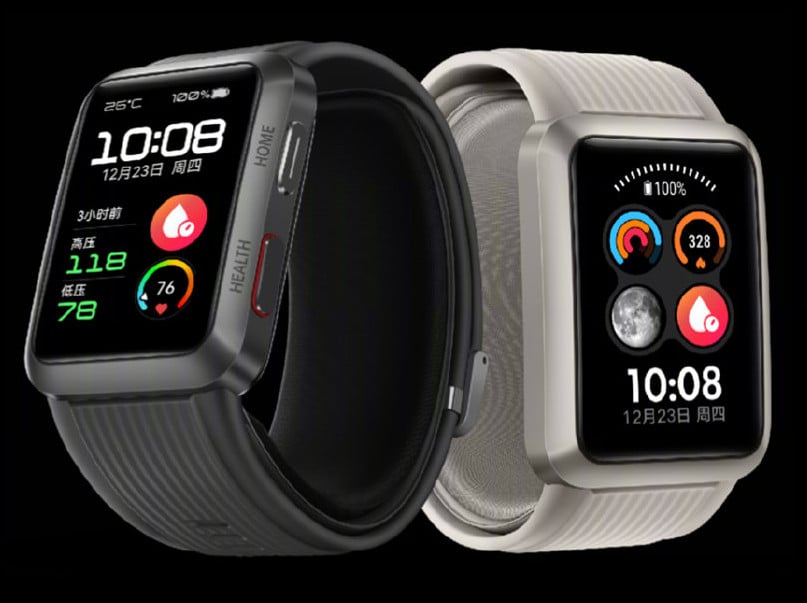
After months of speculation, Huawei‘s next-generation blood pressure monitoring smartwatch, the Watch D2, appears to be nearing launch. A recent leak on Weibo by tipster @UncleKanshan revealed that a Huawei wearablee has secured a Chinese medical device license.
This license, a requirement for selling medical equipment in China, signifies that the Watch D2 has undergone regulatory scrutiny and met specific medical device standards.
While the license itself doesn’t reveal the official name of the wearable, the listing refers to it as a “Wrist Ambulatory Blood Pressure Recorder. ” Also there are three watch variants in the license with model numbers LCA-B10, LCA-B11, and LCA-B12. All these details suggest that its the successor to the original Watch D.
We do not have much detail about the design or functionalities of the Huawei Watch D2. However, the licensing information confirms the presence of a main unit, a wristband, and a wireless charging base.
Feature-wise, its expected that the watch will be able to measure blood pressure, both systolic and diastolic blood pressure, alongside heart rate, in a static state for users aged 18 and above.
While not confirmed, Huawei D2 could launch alongside the upcoming Huawei Mate 70 flagship. This would align with previous rumors that placed the Watch D2’s release sometime this year.
Those familiar with the original Watch D can likely draw comparisons. The first iteration sported a boxy design with a 1.64-inch AMOLED display, offered features like blood pressure reminders and ECG analysis, and boasted a 7-day battery life.
It will be interesting to see how the Watch D2 builds upon this foundation. Will it offer improved battery life, a sleeker design, or introduce entirely new health-tracking features?
We use cookies on our website to give you the most relevant experience by remembering your preferences and repeat visits. By clicking “Accept”, you consent to the use of ALL the cookies.
This website uses cookies to improve your experience while you navigate through the website. Out of these, the cookies that are categorized as necessary are stored on your browser as they are essential for the working of basic functionalities of the website. We also use third-party cookies that help us analyze and understand how you use this website. These cookies will be stored in your browser only with your consent. You also have the option to opt-out of these cookies. But opting out of some of these cookies may affect your browsing experience.
Necessary cookies are absolutely essential for the website to function properly. This category only includes cookies that ensures basic functionalities and security features of the website. These cookies do not store any personal information.
Any cookies that may not be particularly necessary for the website to function and is used specifically to collect user personal data via analytics, ads, other embedded contents are termed as non-necessary cookies. It is mandatory to procure user consent prior to running these cookies on your website.