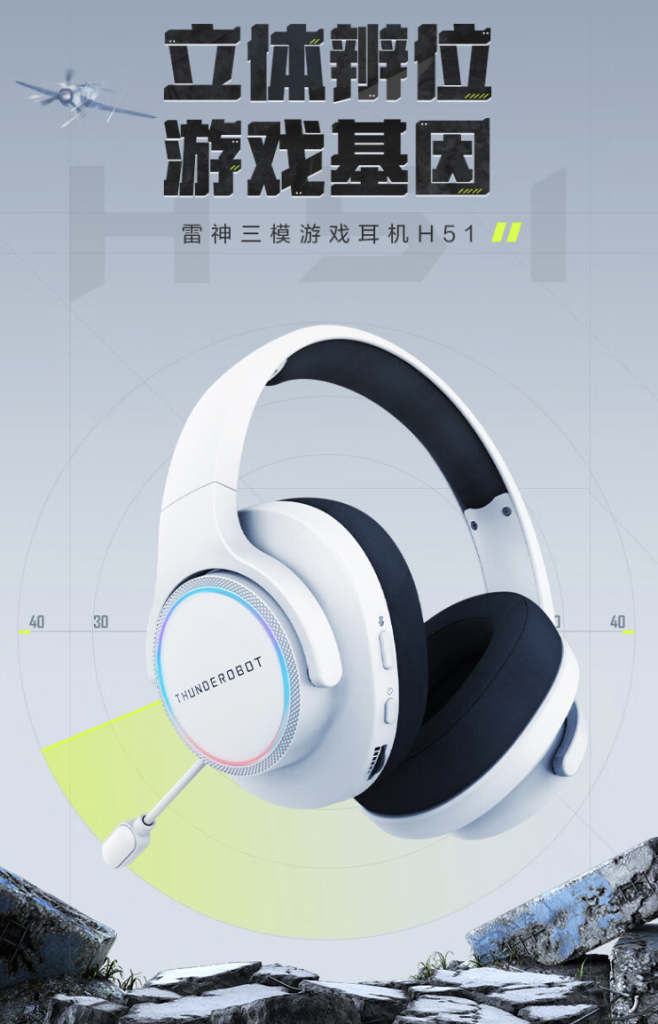
Raytheon has launched a new wireless headset, the H51, featuring three connection modes and RGB lighting effects. The H51 is scheduled to go on sale on JD.com on August 5th at 8:00 PM, with a starting price of 149 yuan (approximately $21 USD).
The H51 has Bluetooth 5.4 and a 50mm dynamic driver
Designed for comfort, the H51 boasts white, skin-friendly protein leather earmuffs and physical buttons for easy control of lighting, microphone, and volume.
The headset utilizes Bluetooth 5.4 technology for a stable wireless connection. It is equipped with a 50mm dynamic driver unit for powerful sound and weighs approximately 318 grams. Built-in noise reduction with a retractable microphone enhances call quality, while the 1000 mAh battery provides up to 30 hours of playtime on a single charge.
The Raytheon H51 caters to users seeking a comfortable, feature-rich Bluetooth headset at an affordable price point.
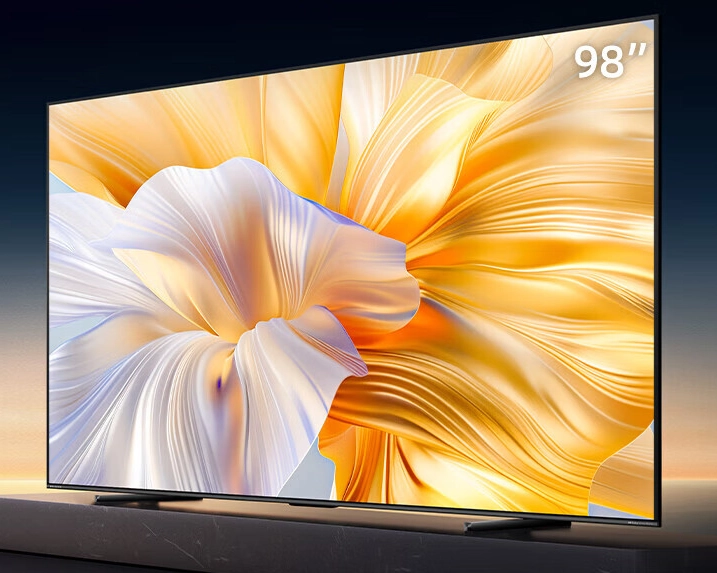
Hisense has launched its new 98-inch TV, the 98S57, targeting gamers and entertainment enthusiasts. This colossal display boasts a 98-inch soft light anti-glare high-brush panel with impressive specifications designed for a premium viewing experience.
The TV uses AI scene recognition to adjust picture and audio settings accordingly
The 98S57 features a DLED backlight with 384-zone precision light control, enabling high peak brightness of 1000 nits and support for HDR content. The highlight of the display is its industry-first 264Hz refresh rate, offering exceptional smoothness for fast-paced motion content like games and sports. Additionally, the display boasts a 4K resolution, 95% DCI-P3 wide color gamut, and 1.07 billion color reproduction, ensuring vibrant and detailed visuals.
Beyond the display, the 98S57 incorporates AI scene recognition technology that automatically adjusts picture and audio settings based on the content being viewed. This ensures optimal performance for various scenarios, such as movies, sports, or animation. The TV is equipped with a 2.1-channel sound system featuring a subwoofer and the Hi-Sound Pro engine for immersive audio.
The 98S57 is powered by a quad-core A73 processor paired with 4GB of RAM and 128GB of storage, offering ample space for apps and media. It supports dual-band Wi-Fi 6 for seamless streaming and network connectivity. The included remote control features three customizable buttons for one-touch access to frequently used functions.
The Hisense 98S57 is now available for pre-order with a starting price of 9,999 yuan (approximately $1433 USD). With its massive display, high-performance features, and intelligent functionalities, the 98S57 caters to users seeking a cinematic home entertainment experience.
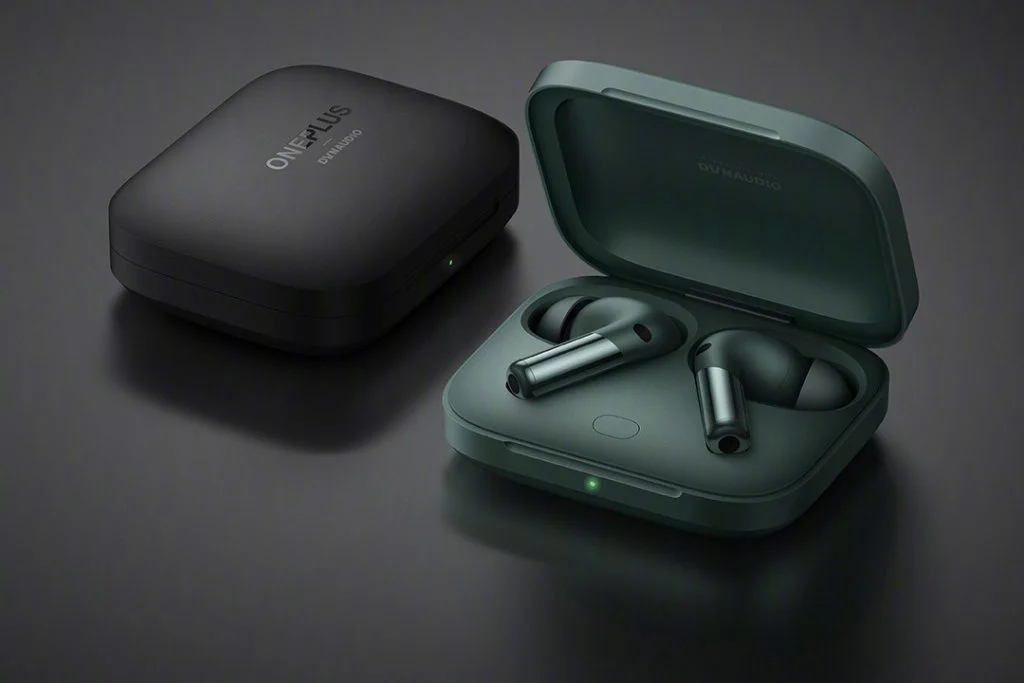
In recent news, a leak about the upcoming OnePlus Buds 3 Pro revealed some details about its features and price. The earbuds are expected to cost €199, which is a bit more than last year’s OnePlus Buds Pro 2 (€179).
OnePlus Buds Pro 3
The OnePlus Buds 3 Pro is expected to have the same design as its predecessor, with an 11mm woofer and a 6mm tweeter. OnePlus is likely to continue working with Dynaudio to tune the sound, so you can expect good sound quality.
OnePlus Buds Pro 2
The new model is expected to offer a maximum noise cancellation of 50 dB, which is a bit better than the Buds Pro 2 (48 dB). However, gamers may not like the Buds 3 Pro because of its reported delay of 94ms, compared to the 54ms delay of the Buds Pro 2. This could be a problem for users who need low-delay audio.
On the bright side, the battery life of the Buds 3 Pro seems good, with up to 43 hours of playback time when used with the charging case. Additionally, a quick 10-minute charge can provide up to 5 hours of playback, which is good for people on the go.
The leak also says that the earbuds will support the LHDC 5.0 audio technology, which allows for a transmission rate of 1Mbps and the ability to play high-quality audio wirelessly. Other features likely to be included are IP55 dust and water resistance, along with Bluetooth 5.4 connection for a more stable connection. As we get closer to the official release, more details will likely come out. Till then, stay tuned.
Shenzhou has unveiled an upgraded configuration for its T8 Plus gaming laptop. The new model features a significant performance boost with the inclusion of an Intel Core i7-13700HX processor, 16GB DDR5 RAM, and an NVIDIARTX 4060 graphics card.
The T8 Plus is priced at 6,999 Yuan and will launch on August 6th
Designed for gamers and content creators, the T8 Plus offers a 16-inch display with a 240Hz refresh rate, ensuring smooth visuals and fast response times. The laptop’s cooling system includes dual fans to maintain optimal temperatures during intensive tasks.
Connectivity options include Wi-Fi 6E for high-speed wireless networking and a range of USB ports, including USB-C and HDMI, for peripherals. The T8 Plus also features a standard Ethernet port for a reliable wired connection.
Priced at 6,999 yuan, the upgraded T8 Plus is now available for pre-order and will officially launch on August 6th.
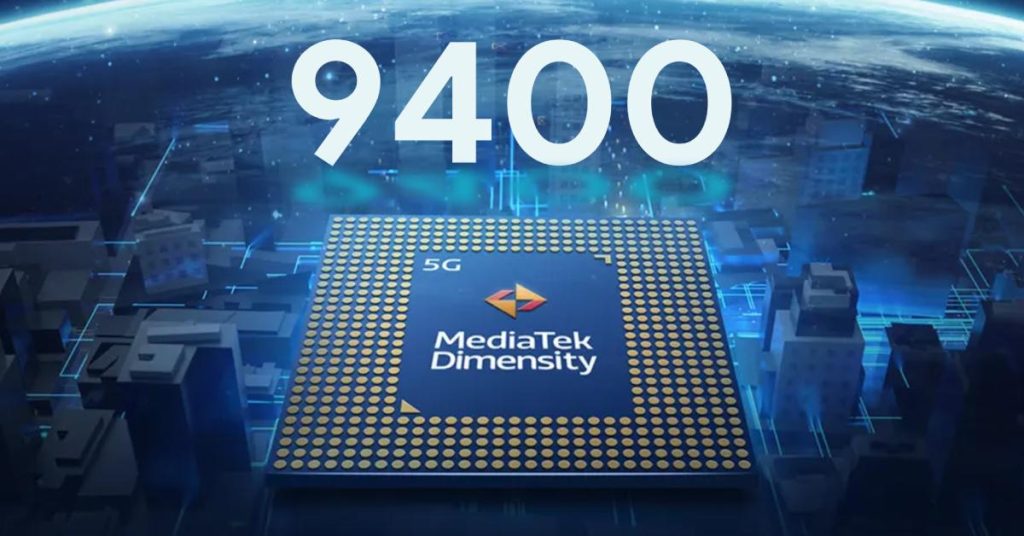
MediaTek is pursuing the power consumption and efficiency of SoC (system on a chip) with more cutting-edge technology and TSMC’s second-generation 3nm process node. CEO Cai Lixing confirmed that this year’s Dimensity 9400 flagship chipset will be unveiled in October.
Dimensity 9400 reportedly offers 40% higher AI performance as compared to its predecessor
According to the company, the Dimensity 9400 is capable enough to handle most on-device large language models on the market. The CEO is also quite confident that the revenue from this flagship chipset will result in a 50% revenue increase year-over-year.
The news comes from a press conference the company held on the 31st of July. According to the company, the Dimensity 9400 will have 40% higher AI performance as compared to the predecessor. For context, the Dimensity 9300‘s AI performance is measured at 48 TOPS. According to the CEO, MediaTek is leading the market in the NPU (neural processing unit) performance of the flagship SOC. However, he also mentioned that the ASP (average price) of phones with the flagship chip will also be higher as compared to last year.
Speaking of the CPU core configuration, it is rumored that the Dimensity 9400 will lack power-efficient cores, just like its predecessor. The new chip will reportedly use ARM’s BlackHawk CPU architecture and will solely on performance cores to deliver unrivaled single-core and multi-core performance. It’s also rumored that the Dimensity 9400 will boast the largest die ever, which will be measured at 150mm² and will include 30 billion transistors. Nonetheless, we will need to look at real-life test data before commenting on the performance capability of this chip.
MediaTek and Nvidia are also collaborating on automotive chips and are expected to launch the first one in early 2025. It is said that Nvidia will provide the GPU and MediaTek will provide the CPU+ISP. With this development, CEO Cai Lixing expects that there will be significant progress in the automotive field from 2027 to 2028.
Chinese electric vehicle manufacturer BYD is making significant inroads into the North American market and could soon berth in Canada. The biggest Chinese EV maker has already entered the Mexican market and there is an official confirmation.
BYD released a press statement jointly with Uber that announced a new partnership between both companies. The partnership offers Uber drivers discounted pricing and special financing options on BYD EVs.
The goal of the new partnership is to deliver 100,000 BYD EVs into the Uber network. This will be a remarkable milestone for BYD as it continues to grapple with claims from the US and Europe that its products are excessively subsidized by Beijing. EV makers in the US and Europe therefore feel threatened by the most affordable offerings by Chinese EV makers as a whole, of which BYD is the leader.
Chinese companies offer some of the most affordable, advanced, and long-range EVs. BYD already has a global presence in the Middle East and Oceania. It currently does not retail passenger vehicles in Canada. Rather it sells buses in Canada, as in the US.
Currently, the stringent 100% tariff regime for Chinese EVs makes the US market impossible to enter at this time. However, it already sells its cars in Mexico and Canada is on the verge of being included. It is also possible to have some inroads into the US market via Mexico or Canada, as there are no tariffs on vehicles imported to the US from those countries. There are however regulations in place that will prevent BYD from just dumping its vehicles in Canada with the possibility of entering the US market. The US-Mexico-Canada trade agreement stipulates that at least 75% of the value of such vehicles must come from parts and materials sourced from either of the three countries.
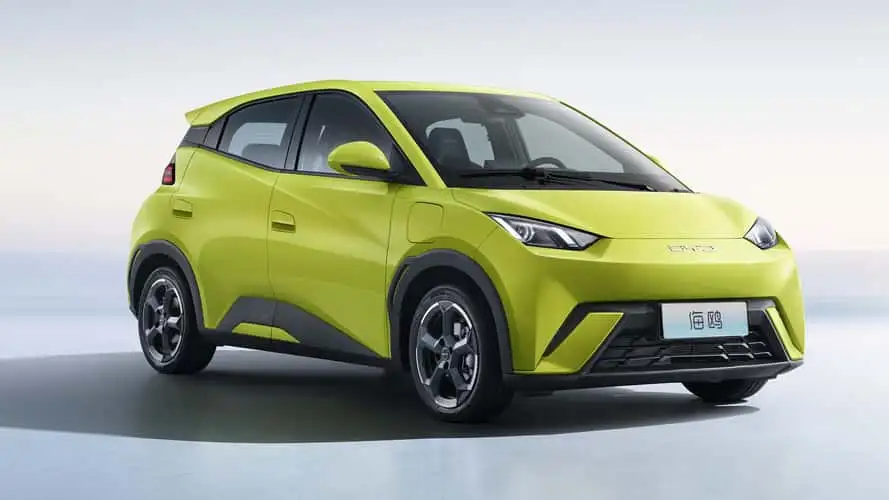
BYD Seagull 2023
It remains to be seen how the US government directly or indirectly reacts to BYD’s entry into the passenger EV market in Canada.
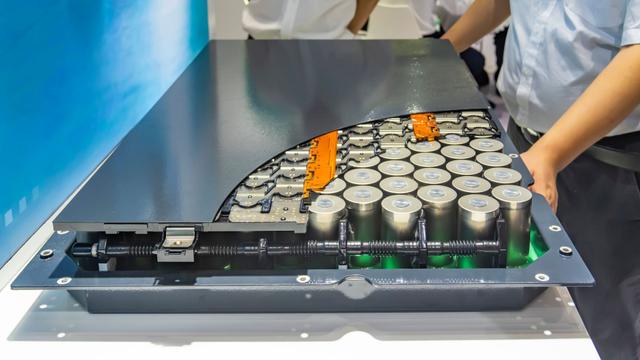
Samsung is making significant progress in unveiling a very powerful battery in the EV market. The South Korean tech giant has showcased its new battery that offers up to 600 miles of range for just 9 minutes of charge. The battery was revealed at the SNE Battery Day 2024 expo in Seoul, South Korea. It says it has begun a pilot run for its solid-state battery line. The pilot line was built in 2023 to mass-produce all-solid-state batteries by 2027, according to the company.
The new Samsung EV battery has already been delivered to EV manufacturers for testing since the end of 2023. Samsung SDI, the specific arm of the tech giant says it is already receiving positive feedback on the battery. The batteries are capable of delivering a driving range of 600 miles (965km) for 9 minutes of charging. Samsung says the battery is designed to have a lifespan of 20 years.
The new Samsung solid-state battery comes lighter, smaller, and safer than lithium-ion batteries which are popularly deployed in EV vehicles. They can enhance safety by replacing the liquid components with solid ones. They take less space and are thus much lighter, holding lots of promise in the EV industry. Samsung says the new batteries will be limited to the super-premium segment of the EV space, highlighting their likely cost outlay. Samsung will also be introducing high-nickel NCS products for the high-end segment as well.
The energy density of Samsung’s solid-state battery is 500Wh/kg which is a massive leap above the current average of around 270Wh/kg. It is unclear what Samsung SDI refers to as 9-minute charging. However, this is unlikely to mean a full charge to be achieved in 9 minutes. Indeed, if the claim relates to quick charging (say from 20% to 80%), then the actual range of the battery could exceed 965km (600 miles). Samsung is also developing lithium iron phosphate (LFP) and cobalt-free batteries that will be more affordable.
BYD and ride-sharing service Uber have announced a new partnership that will see BYD delivering 100,000 EVs to the Uber network. The two companies are upbeat that the massive collaboration will accelerate the integration of electric vehicles into the passenger and ride-hailing/ sharing segment. BYD continues to square up with Tesla for the top spot in the EV market despite a stringent tariff regime preventing it from entering the lucrative US market.
BYD partners with Uber
The Uber-BYD engagement is a multi-year strategic partnership that will see BYD delivering 100,000 EVs onto the Uber platform across several countries. The markets cover Europe, the Middle East, Canada, Australia, and Latin America. The project will start with some key markets in Europe and Latin America. In a press statement jointly signed by both companies, it was revealed that the duo is working together to bring down the total cost of EV ownership for Uber drivers. The move is targeted at accelerating the uptake of EVs on the Uber network on a global scale. The move is also aimed at introducing millions of riders to ‘greener rides’.
The agreement, according to Uber’s CEO, Dara Khosrowshahi, is the largest global agreement of its kind. It comes with great prospects for the two companies and will significantly reduce the carbon footprint of Uber drivers who switch to EVs. EVs can deliver up to four times the emission benefits compared to a regular ICE Uber car. Last January, Uber announced it was working with Tesla to enhance the accessibility of EVs to its drivers. The move was aimed at enhancing the adoption of EVs by Uber drivers and a $2,000 incentive was on offer for its drivers who wanted to switch.
BYD cars on display at the 2023 Munich Auto Show
It is noted that there could be several challenges drivers face in trying to transition to electric vehicles in their Uber ride-sharing service. The cost of ownership and access to convenient charging infrastructure are major impediments to such programs. It remains therefore to be seen how Uber and BYD will make the new strategy attractive to drivers on the Uber network.
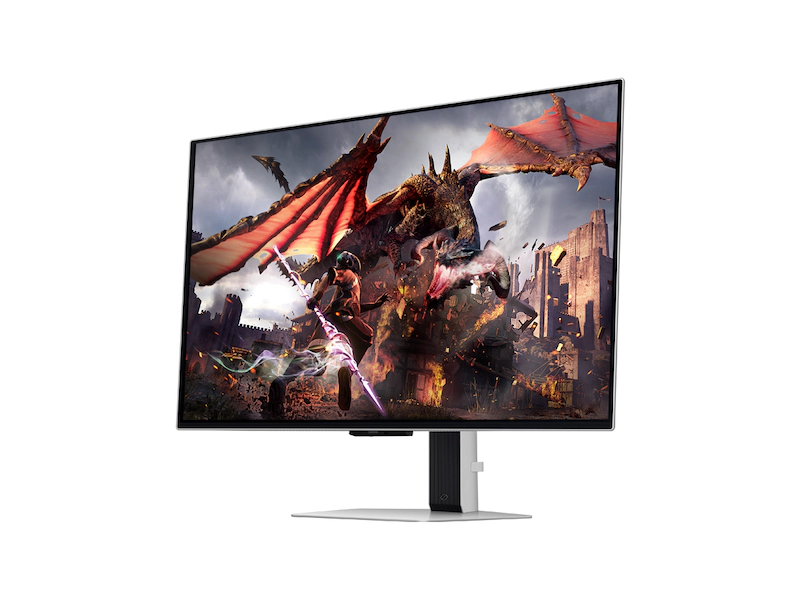
Samsung has launched the Odyssey OLED G8 (G80SD) gaming monitor, which will reportedly be available for pre-sale from 10:00 on August 8 to 19:30 on August 14. So let’s check out the details of this new 4K gaming monitor from Samsung.
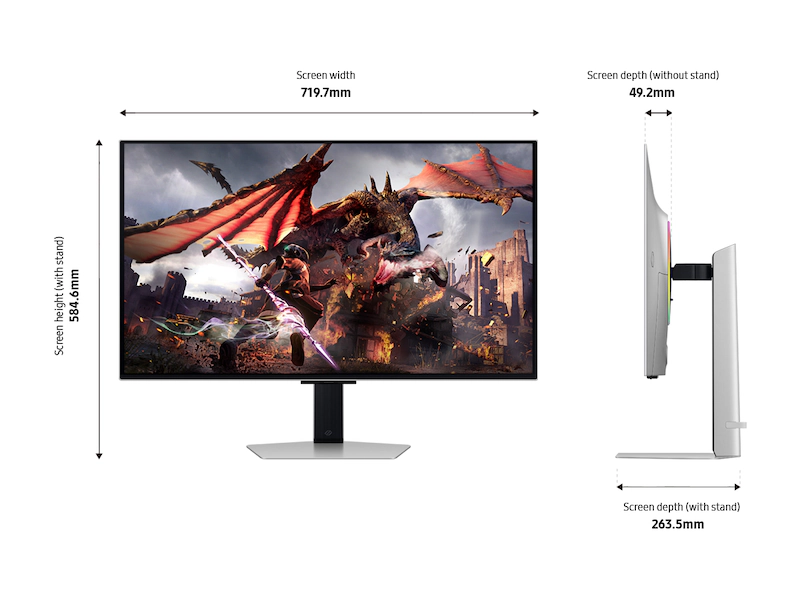
This is a 32″ monitor with an OLED panel that comes with a glare-free finish on on the screen. Here’s the exact dimension of the monitor with the stand – 719.7 x 584.6 x 263.5 mm (28.3 x 23 x 10.4 inches). The panel offers a refresh rate of 240Hz, supports NVIDIA G-SYNC, and offers a latency of 0.03ms (GtG).
The display panel comes with a 16:9 aspect ratio and a resolution of 3,840 x 2,160 pixels (4K). It reportedly reaches a typical brightness of 250 nits and offers a minimum brightness of 200 nits. Being an OLED panel, it offers a contrast ratio of 1,000,000:1. This monitor can show 1B colors and offers support for HDR10+ and 99% DCI P3 coverage to give its users a better viewing experience in certain scenarios like gaming.
In addition to all of that, the company claims that it will cover the display burn-in issue if it occurs during normal usage. Notably, burn-in under commercial use isn’t covered.
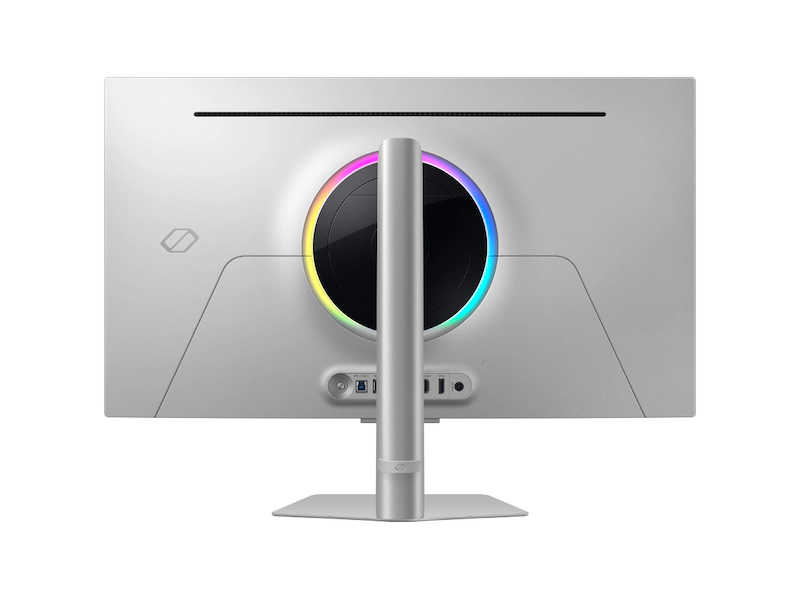
As an additional feature, it comes with an Eye Saver Mode and Flicker Free certification. This device supports Bluetooth 5.2, and WiFi5 for wireless connectivity. For wired connectivity, the monitor comes with 2 x HDMI 2.1 and 1 x Display Port 1.4.
The monitor comes with a built-in 10W speaker that supports the company’s Adaptive Sound Pro technology. The stand supports tilt, swivel, and pivot movement, which you can know more about from the image below.
Pricing:
The 32″ OLED G8 (G80SD) 4K UHD monitor is listed on the company’s website for a price tag of $1,299.99. There is also an option to pay $108.33/month for 12 months.
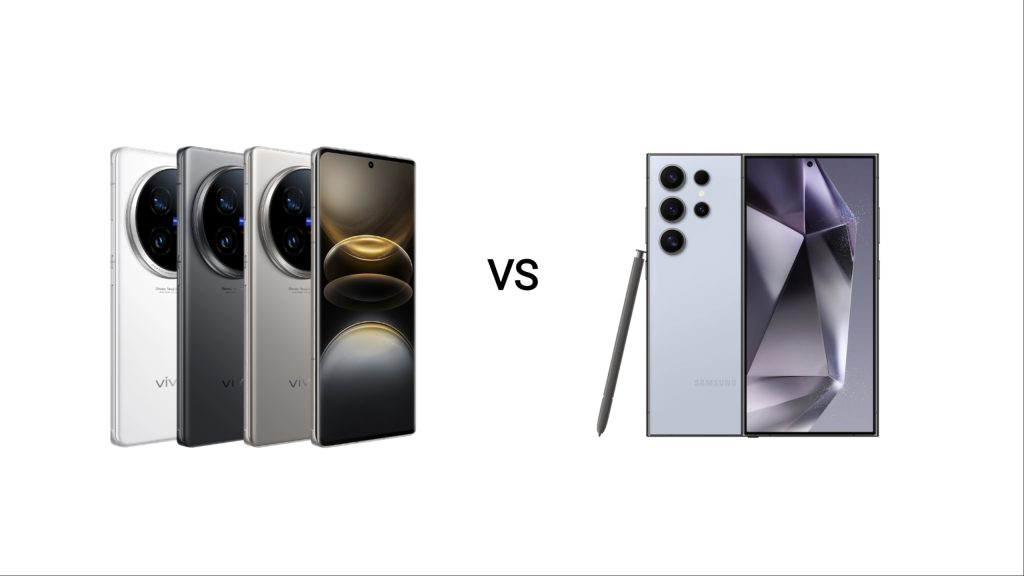
For most people, the Samsung Galaxy S24 Ultra is the first device that comes to mind when they think about the Android flagship space. But how do devices like the Vivo X100 Ultra compare to the Galaxy S24 Ultra? A deep delve into this will reveal that there are more options that potential buyers can pick when shopping for a new device. This article will closely compare these two devices to show off their individual strengths and weaknesses. The article will also help you to make a more informed decision when purchasing a new flagship Android device.
Vivo X100 Ultra vs Samsung Galaxy S24 Ultra: Price
Please Note: When you buy something using the links in our articles, we may earn a small commission at no cost to you.
Vivo X100 Ultra vs Samsung Galaxy S24 Ultra: Design and colours
Vivo X100 Ultra:
The Vivo X100 Ultra is a device that defines elegance in the smartphone industry. From its curved screens to its curved rear panel, this device is easy to hold and also the finish on this device is easy to the touch. Despite the curved screen and rear panel, the sides of this device are flat and house the power and volume rocker keys on the right-hand side. On its rear panel sits a circular camera cutout that houses three camera lenses and flash that sits out of the circular cutout. The concave top and bottom sides house the upwards firing speakers, SIM tray, USB-C port, and microphone. Available colours top pick from are Titanium, White, and Grey.
Samsung Galaxy S24 Ultra:
The Samsung Galaxy S24 Ultra is one of the best designs on an Android smartphone. This entry comes with a very simple finish with an S-Pen for power users. Samsung uses five independent camera cutouts on this device, It also uses a flat screen display and a titanium finish, helping it achieve a solid build. On the right side of this device we find the volume rocker keys and the power button, at its base sits the USB-C port, speakers, microphone, the S-Pen slot, and SIM tray cutout. Available colours on this device are Titanium Black, Titanium Gray, Titanium Violet, Titanium Yellow, Titanium Blue, Titanium Green, and Titanium Orange.
Major differences:
Curved screen display on the Vivo X100 Ultra.
S-Pen on the Samsung Galaxy S24 Ultra.
Vivo X100 Ultra vs Samsung Galaxy S24 Ultra: Display
Vivo X100 Ultra and Samsung Galaxy S24 Ultra:
Comparing the displays on these two devices will reveal that the Samsung Galaxy S24 Ultra comes with a Dynamic LTPO AMOLED display. The Vivo X100 Ultra on its part comes with an LTPO AMOLED display panel and is slightly smaller than the display on the Galaxy S24 Ultra. Both devices support 120Hz refresh rate as standard but the Vivo X100 Ultra features a brighter 300 nits display.
Major differences:
Larger screen on the Samsung Galaxy S24 Ultra.
Vivo X100 Ultra vs Samsung Galaxy S24 Ultra: Cameras
Vivo X100 Ultra and Samsung Galaxy S24 Ultra:
For most buyers, this area is a determining factor when shopping for a new device. Both devices feature a large 200MP camera sensor, but the Galaxy S24 Ultra features a quad rear camera sensor. Vivo on its part only makes use of a triple rear camera setup and a 50MP sensor, while Galaxy S24 Ultra comes with a 12MP selfie camera sensor. Both devices pack a ton of photography features that help them take impressive pictures and videos.
Major differences:
50MP selfie camera on the Vivo X100 Ultra.
Quad camera setup open the Galaxy S24 Ultra.
Vivo X100 Ultra vs Samsung Galaxy S24 Ultra: Performance
Vivo X100 Ultra and Samsung Galaxy S24 Ultra:
This is another area where these two devices are also very similar to one another. Both devices come with the Snapdragon 8 Gen 3 processor for flagship level performance. However, only the Vivo X100 Ultra offers up to 16GB RAM variants for power users.
Major upgrades & differences:
16GB RAM on the Vivo X100 Ultra.
Vivo X100 Ultra vs Samsung Galaxy S24 Ultra: Software
Vivo X100 Ultra and Samsung Galaxy S24 Ultra:
Both devices run on Android 14 out of the box but with different software programs as the Vivo X100 Ultra runs OriginOS 4 and the Samsung Galaxy S24 Ultra runs One UI 6.1.1. If you purchase any of these devices, you’ll get up to three years of OIS upgrades and five years of security updates. But Samsung offers users up to five years of OS upgrades.
Major differences:
Vivo X100 Ultra runs OriginOS 4.
Samsung Galaxy S24 Ultra runs ColorOS 14.
Up to five years of OS upgrades on the Galaxy S24 Ultra.
Vivo X100 Ultra vs Samsung Galaxy S24 Ultra: Battery life and charging
Vivo X100 Ultra and Samsung Galaxy S24 Ultra:
The Vivo X100 Ultra comes with a larger battery and faster charging capabilities. Vivo packs a 5500mAh battery that supports 80W fast charge on the X100 Ultra. As for the Samsung Galaxy S24 Ultra, it comes with a 5000mAh battery capacity and supports 45W fast charging.
Major differences:
Larger battery and faster charging on the Vivo X100 Ultra.
Vivo X100 Ultra vs Samsung Galaxy S24 Ultra: Final Verdict
While the Samsung Galaxy S24 Ultra is a popular purchase for some people, the Vivo X100 Ultra offers more value for your money. Not only does this device come with more features than the Galaxy S24 Ultra, it also comes with a more affordable pricing. However, if you fancy having an S-Pen with your device, the Galaxy S24 Ultra is the better purchase for your needs.
Huawei made a notable impact at this year’s ChinaJoy, China’s top digital entertainment expo. The company showcased over 40 video games running on HarmonyOS Next, the latest version of its mobile operating system.
HarmonyOS Next, which no longer supports Android apps, is set to launch commercially with Huawei’s upcoming Mate 70 flagship 5G smartphone series later this year.
Some featured games at ChinaJoy (July 26-29) included Crystal of Atlan by ByteDance, Naraka: Bladepoint Mobile by NetEase, Reverse: 1999 by Guangzhou-based Bluepoch, and Sky: Children of the Light by US studio Thatgamecompany.
This year was Huawei’s first time with a central booth at ChinaJoy, strategically placed within the Shanghai New International Expo Centre.
According to the South China Morning Post, long lines formed at the HarmonyOS booth’s four dedicated sections. Attendees participated in interactive activities, received promotional gifts, and played games on Huawei’s latest smartphones.
“It was great to see Naraka: Bladepoint Mobile, a personal favorite, running on the new system,” said Xu Xiaoyi, a 25-year-old Shanghai resident. Xu, who originally planned to visit NetEase’s booth, was drawn to Huawei’s display and hoped more international titles would support HarmonyOS Next in the future. This growing interest in the platform and its native apps was evident, with the event attracting 369,000 visitors.
Huawei’s presence at ChinaJoy highlights the company’s efforts to build excitement for HarmonyOS Next. The current version has already surpassed Apple’s iOS to become the second-largest mobile operating system in mainland China in the first quarter of 2024.
Launched in August 2019 as an alternative to Android, HarmonyOS emerged in response to US trade restrictions on Huawei. These restrictions, imposed by the Entity List, prevent the company from acquiring US-origin software, chips, and other technologies without government approval.
Black Titanium, White Titanium, Blue Titanium, Natural Titanium
Vivo X100 Ultra vs Apple iPhone 15 Pro Max comparision table
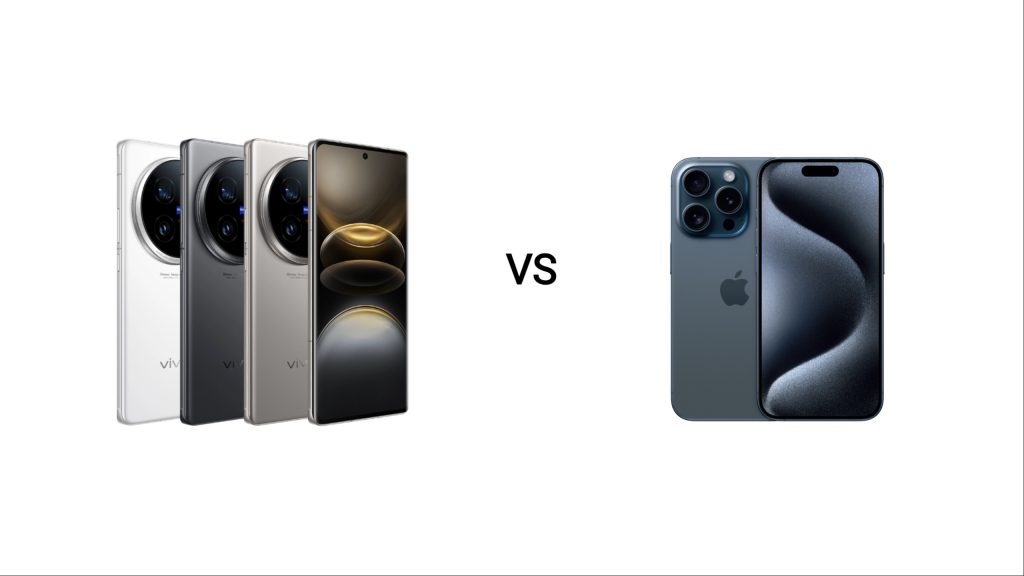
In order to properly compete with the Apple Pro series as an Android user, you’ll need to step up into the flagship Android space. For this article, we put the Vivo X100 Ultra up against the Apple iPhone 15 Pro Max. Both of these devices are flagship smartphone entries, but can the option from Vivo outperform the highest iPhone currently on sale? Let’s find out in this comparison article.
Please Note: When you buy something using the links in our articles, we may earn a small commission at no cost to you.
Vivo X100 Ultra vs Apple iPhone 15 Pro Max: Design and colours
Vivo X100 Ultra:
The Vivo X100 Ultra is a device that defines elegance in the smartphone industry. From its curved screens to its curved rear panel, this device is easy to hold and also the finish on this device is easy to the touch. Despite the curved screen and rear panel, the sides of this device are flat and house the power and volume rocker keys on the right-hand side. On its rear panel sits a circular camera cutout that houses three camera lenses and flash that sits out of the circular cutout. The concave top and bottom sides house the upwards firing speakers, SIM tray, USB-C port, and microphone. Available colours top pick from are Titanium, White, and Grey.
Apple iPhone 15 Pro Max:
The design on the iPhone 15 Pro Max is the same as that on its predecessor, with a Titanium build and a triple rear camera setup. It comes with the stand-out Dynamic Island cutout that not only houses the selfie camera but also the face ID scanner. On the right side of the frame is the power button, on the left are the volume rocker keys and the action button. Available colour options on this device are Black Titanium, White Titanium, Blue Titanium, and Natural Titanium.
Major differences:
Curved screen display on the Vivo X100 Ultra.
Vivo X100 Ultra vs Apple iPhone 15 Pro Max: Display
Vivo X100 Ultra and Apple iPhone 15 Pro Max:
The Vivo X100 Ultra comes with an LTPO AMOLED screen display, while the iPhone 15 Pro Max comes with an LTPO Super Retina XDR OLED screen. Vivo offers a slightly larger screen size and higher peak brightness, as well as a curved screen display.
Major differences:
Larger screen on the Vivo X100 Ultra.
Brighter display on the Vivo X100 Ultra.
Different screen panels on both devices.
Vivo X100 Ultra vs Apple iPhone 15 Pro Max: Cameras
Vivo X100 Ultra and Apple iPhone 15 Pro Max:
While both of these devices come with triple rear camera setups, they take a different approach from each other. The Vivo X100 Ultra comes with two 50MP sensors and a 200MP periscope telephoto lens on its rear setup. As for the iPhone 15 Pro Max, it features a 48MP main sensor and two 12MP sensors. For their selfie cameras the team Android device uses a 50MP sensor while the iPhone makes use of a 12MP sensor.
Major differences:
50MP selfie camera on the Vivo X100 Ultra.
200MP periscope telephoto lens on the Vivo X100 Ultra.
Vivo X100 Ultra vs Apple iPhone 15 Pro Max: Performance
Vivo X100 Ultra and Apple iPhone 15 Pro Max:
This is a major competing area for these devices as they come with different processors. The Vivo X100 Ultra comes with the Snapdragon 8 Gen 3 processor for flagship level performance. Apple makes use of the Bionic A17 Pro processor on the iPhone 15 Pro Max, giving it top of the line performance. Only the Vivo X100 Ultra offers up to 16GB RAM variants for power users.
Major upgrades & differences:
16GB RAM on the Vivo X100 Ultra.
Bionic A17 Pro on the Apple iPhone 15 Pro Max
Vivo X100 Ultra vs Apple iPhone 15 Pro Max: Software
Vivo X100 Ultra and Apple iPhone 15 Pro Max:
The Vivo X100 Ultra runs on Android 14 out of the box with the OriginOS 4. However, the Apple iPhone 15 Pro Max runs iOS 17 out of the box with up to 5 years OS upgrade.
Major differences:
Vivo X100 Ultra runs OriginOS 4.
Apple iPhone 15 Pro Max runs iOS 17 out of the box.
Vivo X100 Ultra vs Apple iPhone 15 Pro Max: Battery life and charging
Vivo X100 Ultra and Apple iPhone 15 Pro Max:
The Vivo X100 Ultra comes with a larger battery and faster charging capabilities. Vivo packs a 5500mAh battery that supports 80W fast charge on the X100 Ultra. As for the Apple iPhone 15 Pro Max, it comes with a 4441mAh battery capacity and supports about 25W fast charging.
Major differences:
Larger battery and faster charging on the Vivo X100 Ultra.
Vivo X100 Ultra vs Apple iPhone 15 Pro Max: Final Verdict
For most people, their choice among these two devices will be the Apple iPhone 15 Pro Max. However, the Vivo X100 Ultra ISA worthy competitor to the Apple iPhone 15 Pro Max as it comes with a ton of impressive features and specifications. If you’re looking to step into the Android ecosystem, the Vivo X100 Ultra is a great option to go with, as it matches the iPhone in performance and features.
Samsung has launched the Galaxy Buds 3 series and the Galaxy Watch 7 series alongside the 6th generation foldable at the company’s second unpacked event.
The official asked the MX Division to “Re-do Management Diagnosis”
Samsung’s chairman Lee Jae-yong is known within Samsung Electronics for his gentle personality, who “rarely gets angry”. This time he strictly ordered the company’s mobile division, Samsung MX, to reexamine its management. This reportedly stems from the accusations that Samsung is copying its competitor Apple when it comes to the design of some of the recently launched products.
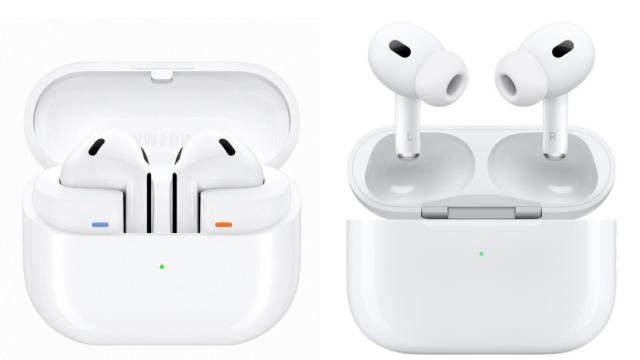
The Galaxy Buds 3 series came with a similar design to its biggest competitor alongside widespread quality control issues
There were also some serious quality control issues with the Galaxy Buds 3 Pro. The company had to exchange the earbuds or refund the users. On top of that, the design of the Buds 3 and Buds 3 Pro has shifted from the company’s iconic design to one that looks and feels somewhat similar to Apple’s offering. For those unfamiliar, there’s an image below that gives a better idea of the similarity in design.
Upon seeing the Galaxy Buds 3, a reporter commented “Apple-like”. Another reporter who has been using Galaxy products for a long time felt that it was similar to AirPods. Someone who is using AirPods criticized, saying, “The appearance, case, and even the fit are too similar to Apple.”
Alongside the similarity in shape, people feel like the media controls are also inspired by its biggest competitor. The Galaxy Buds 3 has a function that allows you to play or pause music by pressing the stem, not the earbud. In particular, the Buds 3 Pro can control the volume by swiping up and down the stem. The AirPods Pro 2 launched back in 2022 uses the same method.
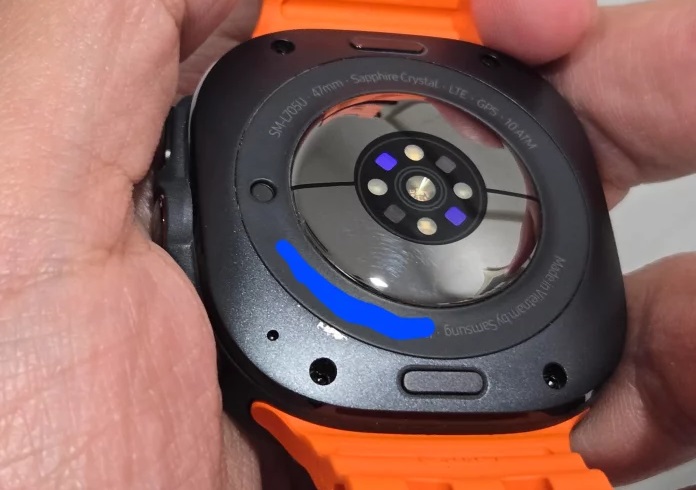
The $649 Galaxy Watch Ultra has also seen a paint peeling issue within just days of use
Samsung’s Galaxy Watch Ultra combines a circular display inside a rectangular frame, which is a big departure from the Galaxy Watch’s traditional circular design. While it still boasts a circular display, some people may find the square design and the naming similar to the Apple Watch Ultra. On top of that, a Reddit user has shared images of his watch suffering from a paint-peeling issue, which you can learn more about here.
A total of five brands have scheduled to launch smartphones in the next few days. Almost all of these devices will be new models making their global debut.
One of these handsets will be a new foldable from Huawei for its home market China. While two devices from Vivo will be mid-rangers making their way to India after going official in several regions weeks ago.
Lastly, the phones from Realme and Infinix will be budget models. The former will announce its handset in Indonesia, while the latter in Indonesia.
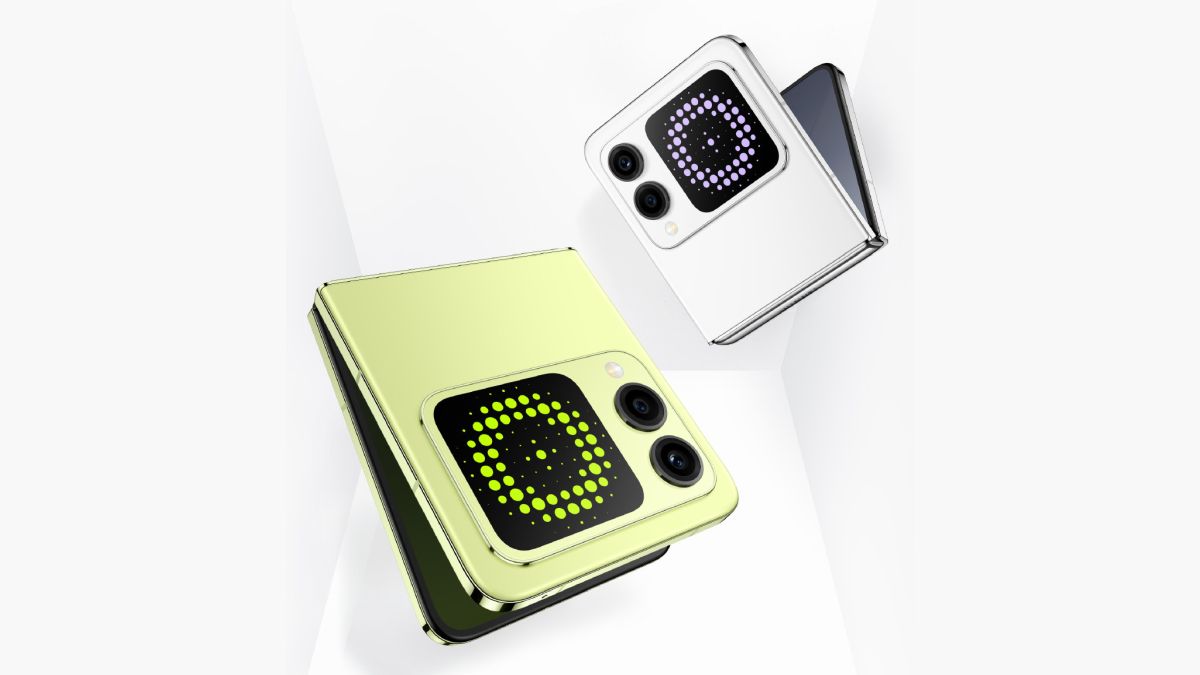
The Huawei Nova Flip is scheduled to launch in China on August 5 (Monday). It will be the company’s first foldable under the Nova series.
The clamshell foldable is tipped to arrive with a 6.94-inch 120Hz LTPO display and a 2.14-inch 60Hz square-shaped cover screen. It is said to be powered by a Kirin 9000 series chipset paired with up to 12GB RAM and 1TB storage.
The phone is expected to come with a 50MP (RYYB, wide) + 8MP (ultrawide, macro) dual camera system, a 32MP front-facing camera, a 4,400mAh battery, and 66W charging support.
2. Infinix Note 40X 5G
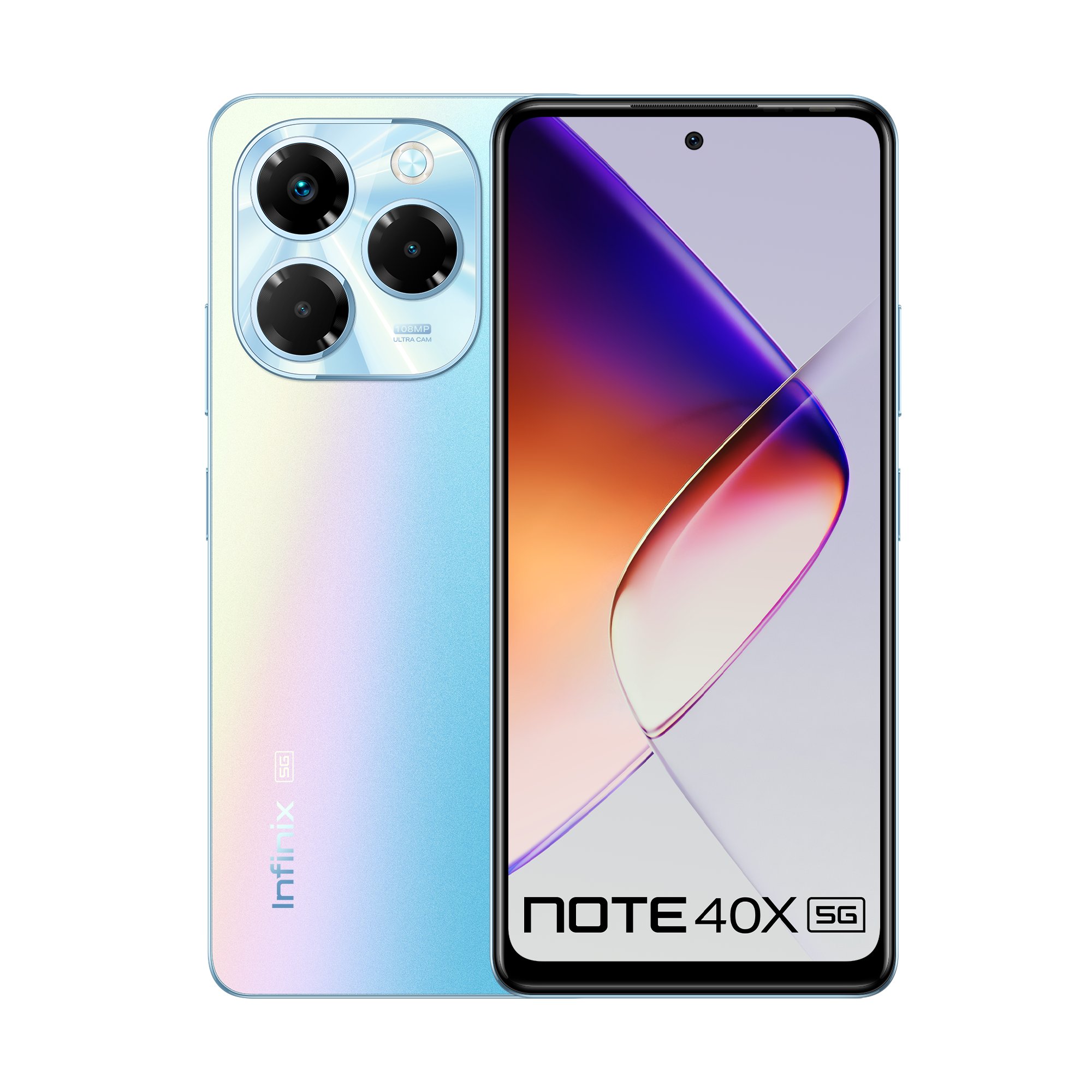
The Infinix Note 40X 5G will be unveiled in India on August 5 (Monday). It will be a budget 5G smartphone with iPhone Pro-inspired rear design.
The product will be powered by a MediaTek Dimensity 6300 SoC paired with up to 12GB RAM and 256GB storage. It will feature a 6.78-inch FHD+ display, a 108MP main camera, an 8MP selfie camera, a 5,000mAh battery, and 18W charging support.
The handset is expected to cost under ₹15,000.
3. Vivo V40 Series
The Vivo V40 series is set to debut in India on August 7 (Wednesday). Since the lineup is already official in several markets, everything about them is already known.
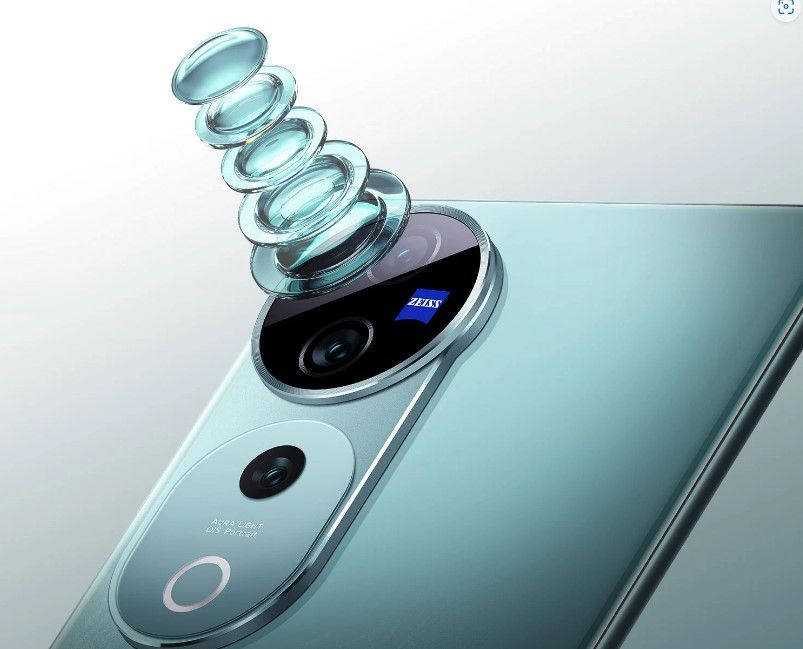
The series includes two devices, namely Vivo V40 and Vivo V40 Pro. Unlike the previous generation, both models feature Zeiss-tuned cameras.
The duo sports a 50MP primary sensor, a 50MP ultra-wide unit, and a 50MP selfie camera. The pro variant gets an additional 50MP 2x telephoto shooter and is powered by a Dimensity 8300-Ultra chip instead of the Snapdragon 7 Gen 3 found inside the vanilla model.
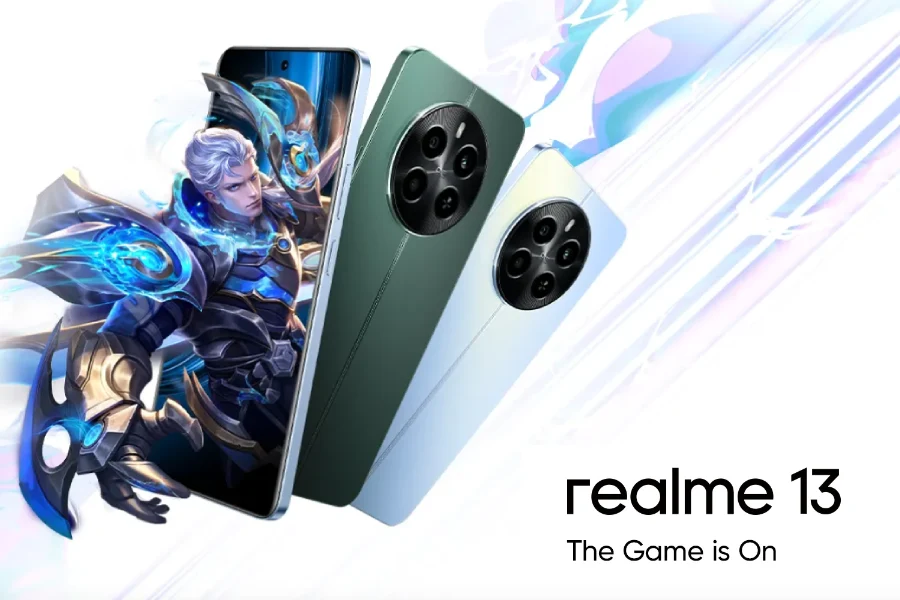
4. Realme 13 4G
As the name suggests, the Realme 13 4G is a 4 G-only smartphone in the new Realme 13 series. It will be made official in Indonesia on August 7 (Wednesday).
The phone will feature a circular camera module design like the rest of the lineup. It will be powered by a Snapdragon 685 chip paired with up to 8GB RAM and 256B storage.
The handset will come with a 120Hz AMOLED display, a vapor chamber cooling system, an OIS-assisted 50MP Sony LYT-600 main camera, and 67W charging support.
Honor Magic 6 Pro finally launched in India as the brand’s latest and greatest flagship smartphone. It arrives with a premium design and top notch specs and features. But for an exorbitant price tag of 89,999 INR in India, is it really worth it?
The 90,000 INR price tag may seem justified at first glance looking at the specs sheet of this device. HTech’s Honor Magic 6 Pro sports a tall 6.8-inch curved LTPO OLED display that offers an FHD+ resolution, a 120Hz refresh rate, Dolby Vision, HDR, 1 billion colors, and 5000 nits of peak brightness. The smartphone has a glass back or an eco leather panel. It also has an IP68 rating for water and dust resistance.
Under the hood, the Magic 6 Pro is equipped with Qualcomm’s flagship Snapdragon 8 Gen 3 SoC. This chipset is paired with 16GB of RAM and 1TB of internal storage (12GB + 512GB in India). The rear features a triple camera setup that consists of a 50-megapixel main camera, a 50-megapixel ultra wide angle lens, and a 180-megapixel telephoto shooter (2.5x Optical Zoom). Meanwhile, the front houses a 50-megapixel selfie shooter and a ToF 3D sensor.
A massive 5,600mAh battery pack powers this model, which supports 80W wired fast charging, 66W wireless fast charging, and reverse wireless charging. Other notable features include an under-display fingerprint scanner, Face ID, Bluetooth 5.3, USB 3.2, stereo speakers, and emergency SOS communication via satellite connectivity (messages and calls). Lastly, the Honor Magic 6 Pro runs on the Android 14 OS based MagicOS 8 custom skin out of the box.
2. So why is it a bit difficult to recommend?
Honor’s Magic 6 Pro has been well received in the market (click here to check out our video review). So it’s a great premium offering from the Chinese brand. So is it worth it? Yes, but it depends on where you’re buying this model from. The Magic 6 Pro launched in China for a starting price tag of 5699 Yuan (roughly 793 US Dollars or 66,417 INR), meanwhile, the 16GB + 512GB option costs 6,199 Yuan (roughly 873 US Dollars or 73,117 INR). But in India, it only comes in a lone 12GB + 512GB option that has an 89,999 INR price tag or about 1,075 US Dollars. This is an over 200 US Dollar price difference in the Indian market.
3. Where else can you buy it from & why is it costlier in India?
To avoid paying the imported premium, there are options in other countries that are also cheaper. A great example of this is Dubai (UAE). The same 12GB + 512GB configuration is sold for 3,499 AED or about 953 US Dollars. This is still 120 US Dollars cheaper than the Indian listing. There is also a simple reason why it’s more expensive in India. HTech’s Honor Magic 6 Pro isn’t assembled in the region and is fully imported. So it faces an import duty when it is shipped from overseas.
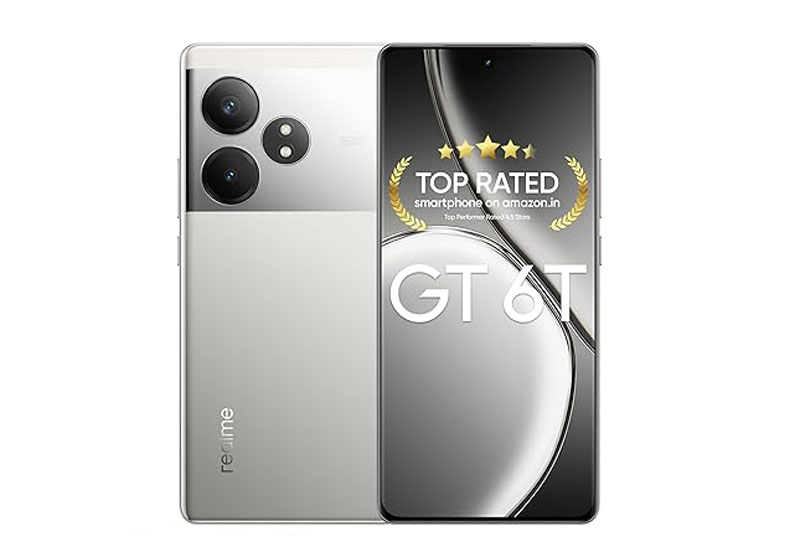
It’s August 2024, and all the major online retailers are offering discounts to participate in the festival extravaganza in India. Retailers like Amazon and Flipkart, are here with discounts to mark the occasion of India’s Independence Day and Raksha Bandhan. Moreover, Amazon India has already announced the Great Freedom Festival sale for India’s Independence Day. Before the big sales, in the early pre-festival sale, the Realme GT 6T 5G was available for the discounted price of Rs. 24,699. The users are getting around Rs 6300 off from its actual retail price of Rs 29,999.
The Realme GT 6T was launched earlier this year, in May, with a starting price of Rs. 30,999. It is the first smartphone launched in India with a Qualcomm Snapdragon 7+ Gen 3 processor.
Realme GT 6T Discount Details
The deal is applicable to the Realme GT 6T with 8GB of RAM and a 128GB storage variant. You can get a discount of up to Rs. 6300, which consists of a Rs. 4000 coupon and a Rs. 1000 instant discount if you pay through a debit or credit card (any bank), and if you use an Amazon ICICI card for payment, then you will get Rs. 1300 as cashback. After all the discounts are applied, the effective price of the Realme GT 6T becomes Rs. 24,699.
Please Note: When you buy something using the links in our articles, we may earn a small commission at no cost to you.
Realme GT 6T Features and Specifications
The Realme GT 6T is a mid-range Android phone. The primary highlight of the smartphone is the Qualcomm Snapdragon 7+ Gen SoC and a huge 5500 mAh battery with 120W SuperVOOC charging support. Moreover, the company gives the charger in the box. The smartphone features a dual camera setup with a 50 MP main sensor and an 8 MP ultra-wide sensor. On the front side, there is a 32MP selfie camera.
Realme GT 6T features a 6.78-inch LTPO AMOLED display with 6000 nits of peak brightness. The phone comes in four variants with different RAM and storage options. Which consists of 8GB RAM and 128GB storage, 8GB RAM and 256GB storage, 12GB RAM and 256GB storage, and 12GB RAM and 512GB storage variants.
Talking about connectivity options Realme GT 6T includes Bluetooth 5.4, Wi-Fi 6, and both SIM cards support 5G standby. The company also promised that the smartphone would get 4 years of software updates and 3 years of OS updates.
Xiaomi has released the HyperOS developer version 1.0.24.7.28.DEV, which is said to be the final developer version. A company official revealed that it will be rolled out before the end of today. According to the changelog, the developer version optimizes the fluency and improves the stability of the system.
The update will be rolled out to the devices listed below:
Xiaomi 14 Pro, Xiaomi 14
Xiaomi 13 Ultra, Xiaomi 13 Pro, Xiaomi 13
Redmi K60 Pro, Redmi K60
Xiaomi MIX Fold 3
Xiaomi MIX Fold 2
Xiaomi 12S Ultra, Xiaomi 12S Pro, Xiaomi 12S
Xiaomi 12 Pro, Xiaomi 12, Xiaomi 12 Pro Dimensity Edition
The company will begin working on the beta version for internal testers after it rolls out this final developer version. The company official suggested that if someone faces the problem of “update package verification failed” when switching from the developer version to the stable version, he/she will need to stop updating the developer version and switch it after the security patch of the stable version is higher than that of the developer version.
The company will reportedly push the stable version before the end of September this year. Of course, the rollout date of the stable version will be different for different models.
Xiaomi is already working on the next big HyperOS version, HyperOS 2.0, which is expected to be released with the Xiaomi 15 series. For those unfamiliar, the Xiaomi 15 series will most likely be released in Q4 this year.
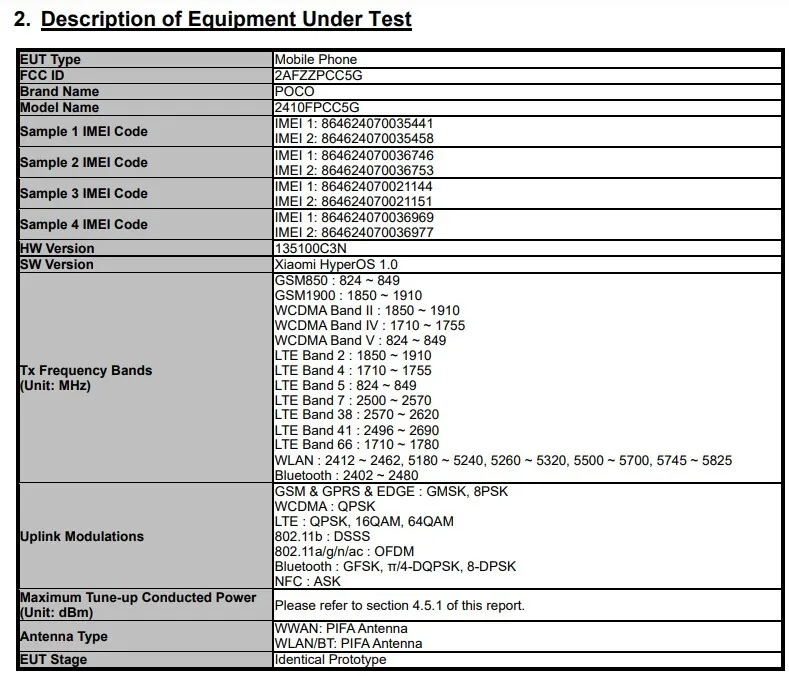
Yesterday we exclusively reported that the POCO C75 appeared in the IMEI database confirming its moniker. Now, the device has been spotted on the FCC certification website. It has also bagged EEC certification. The listings hint at an imminent launch of the smartphone. The upcoming offering is expected to arrive as the successor to last year’s POCO C65. Read on to learn more details below.
POCO C75 bags FCC
The POCO C75 is listed on the FCC website with the model number 2410FPCC5G. It reveals that the smartphone will run on HyperOS 1.0 based on Android 14. The device will come with LTE, WiFi, Bluetooth, and NFC connectivity. The certification does not reveal any additional details about the smartphone. The EEC listing suggests that the device will launch in the European markets.
Details about the POCO C75 are very scarce at the moment. We can expect the device to bag more certifications and surface in leaks and rumors in the coming weeks. In our previous report, we mentioned that as per the HyperOS source code, the POCO C75 has internal model numbers C3N and C3NL. It mentions the Helio G81 processor but we assume that this could be an error because it is a downgraded chipset compared to the G85 that powers the C65.
To recall, the POCO C65 has a 6.7-inch 90Hz display with an HD+ resolution. It has a 50MP and 2MP rear camera along with an 8MP selfie snapper. The device is equipped with a Helio G85 processor. It packs up to 8GB RAM and 256GB onboard storage. The smartphone draws its power from a 5,000mAh battery unit with support for 18W fast charging via USB-C port.
The Vivo V40 series smartphones are already set to debut in India on August 7. At the same event, the brand has confirmed the launch of a new TWS earphone. The upcoming offering is the Vivo TWS 3e. They are confirmed to be available from Flipkart. Additionally, the key specifications and features of the audio device have also been revealed along with teasing the special launch price. Read on to learn the details.
Vivo TWS 3e launch date, key specs revealed
The Vivo TWS 3e is confirmed to feature an in-ear design with a large stem and earbuds with silicone ear tips. They are said to offer a comfortable usage experience even during extended hours of wear. The TWS earphones come with wearing detection. They are IP54-certified dust and splash-resistant.
The Vivo TWS 3e will come with 30dB intelligent active noise cancellation for eliminating any outside noise. There is AI call noise reduction and wind noise elimination. The cross-through air duct design is said to offer 12 percent better performance. The TWS earphones will feature DeepX 3.0 sound effects for optimized bass settings for diverse stereo effects. The audio device also has 88ms low latency mode.
The Vivo TWS 3e is confirmed to come with Google Fast Pair, Google Assistant, and Find My Earphones. They will also support dual-device connectivity. The TWS earphones are teased to offer 36 and 42 hours of battery life with ANC enabled and disabled respectively. Similarly, with the same preferences, each earbud is claimed to provide 8.5 and 10.5 hours of usage playback.
The Vivo TWS 3e will be available for purchase from Flipkart and Vivo’s official website. They can be purchased at a special launch price of Rs 1,999.
Earlier this year, HMD announced that it is working on its very own flip phone. What sets this model apart is its collaboration with Barbie. Now, we finally have an official launch date for this HMD Barbie Flip Phone and also a sighting on a certification platform.
HMD Barbie Flip Phone Launch
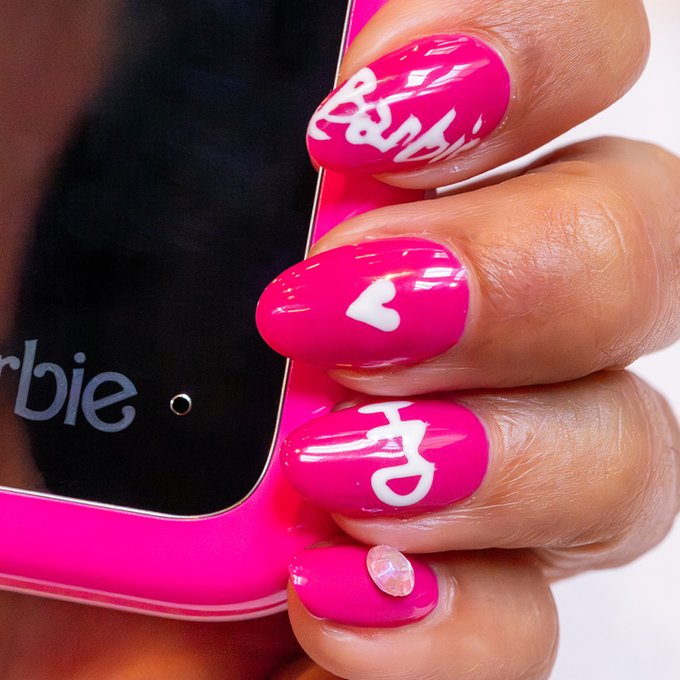
To recall, the upcoming HMD phone was announced with the iconic Barbie branding and a DIY development platform, which shipped with the HMD Crest lineup. While finer details regarding this device are still unclear, the company has revealed its launch date. The HMD Barbie Flip phone is set to launch on 28th August 2024. Ahead of the release date, the flip phone has surfaced on the Elements Certification. This database confirms its charging related specifications.
HMD’s Barbie Flip phone was spotted carrying the TA-1681 model number. It was seen with support for just 5W charging (5Vdc x 1A). The handset is a feature phone and is rumored to be a rebranded version of the Nokia 2660 Flip model. However, it will arrive in a hot pink color option. This is clearly visible in the teaser poster shared on the brand’s X handle (formerly Twitter). We can also see the “Barbie” branding clearly on the cover screen.
Notably, the Nokia 2660 Flip was a phone that launched back in 2023. It packed a 2.8-inch display and a hearing aid compatibility. The phone also came with support for India’s UPI digital scan and pay functionality. This model came in a lush green and pink offering. So the new launch is likely a special edition variant. Other notable features include dual 4G SIM, VoLTE, and a 1450mAh battery pack.
We use cookies on our website to give you the most relevant experience by remembering your preferences and repeat visits. By clicking “Accept”, you consent to the use of ALL the cookies.
This website uses cookies to improve your experience while you navigate through the website. Out of these, the cookies that are categorized as necessary are stored on your browser as they are essential for the working of basic functionalities of the website. We also use third-party cookies that help us analyze and understand how you use this website. These cookies will be stored in your browser only with your consent. You also have the option to opt-out of these cookies. But opting out of some of these cookies may affect your browsing experience.
Necessary cookies are absolutely essential for the website to function properly. This category only includes cookies that ensures basic functionalities and security features of the website. These cookies do not store any personal information.
Any cookies that may not be particularly necessary for the website to function and is used specifically to collect user personal data via analytics, ads, other embedded contents are termed as non-necessary cookies. It is mandatory to procure user consent prior to running these cookies on your website.