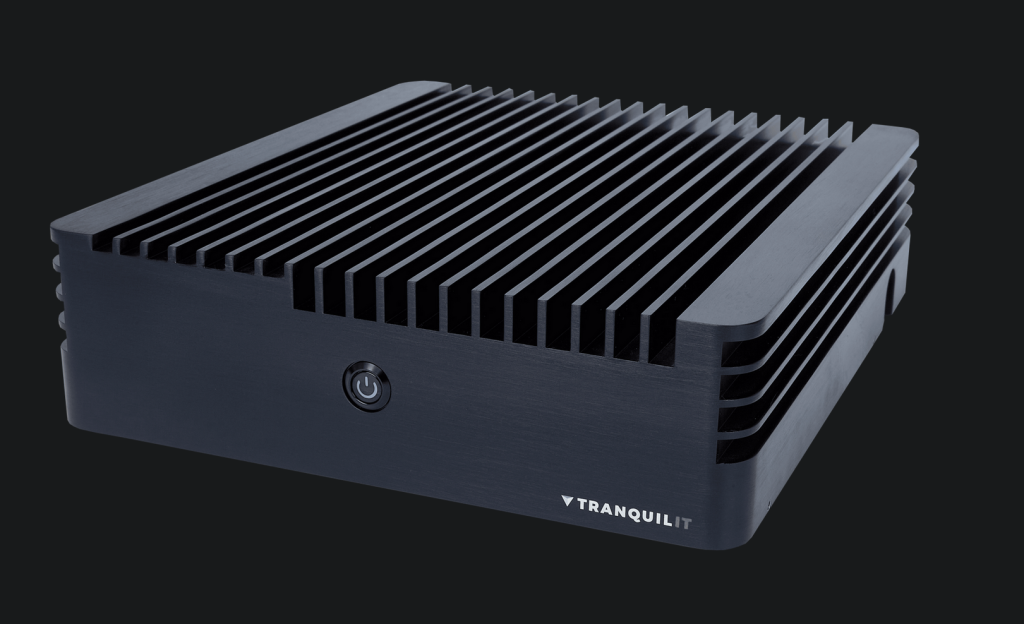
British company Tranquil IT is preparing to launch a new line of rugged mini-PCs that are suitable for outdoor activities. The Tranquil IT All Terrain mini PCs will be fanless and powered by the Intel Alder Lake-U CPUs. The CPU options include the i3-1210U, i5-1235U, and i7-1255U, delivering up to 64GB of RAM and up to 8TB of SATA SSD storage.
The rise of fanless mini PCs has been fueled by the integration of ultra-low voltage efficient processors being developed. This has provided manufacturers with the opportunity to ramp up performance while reducing the consumed power. Tranquil IT has carved a niche for itself as a brand known for silent builds in its mini PC lineup. It is now expanding its production strategy to include more powerful and rugged offerings that can withstand harsh conditions outdoors. The aluminum chassis of the mini PC is waterproof and dustproof. It can also withstand temperatures between -10℃ and 60℃.
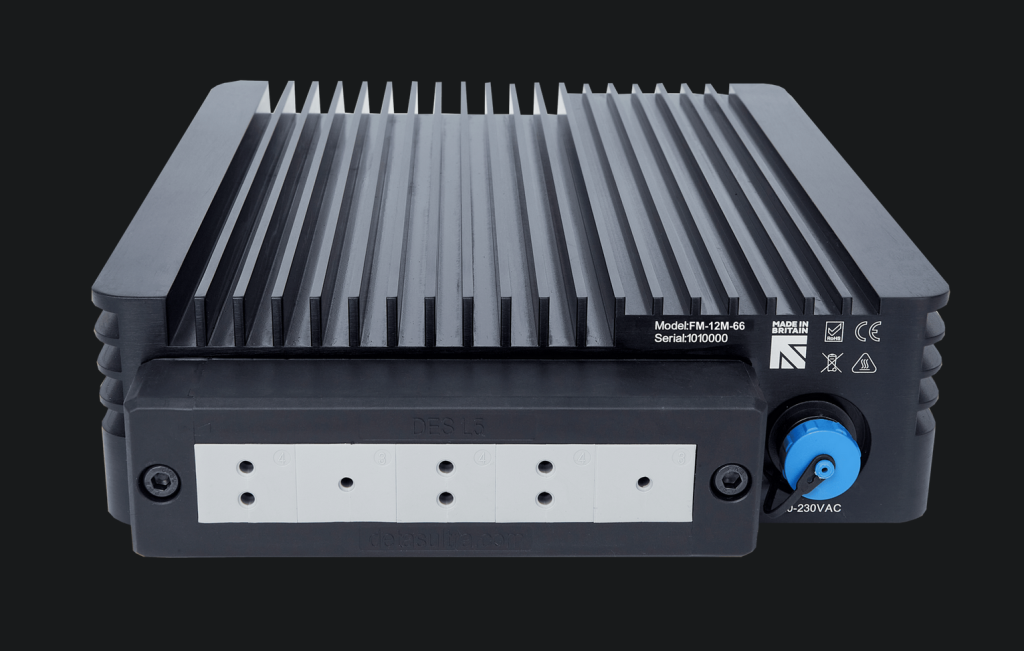
The chassis and design of the new Tranquil IT mini PCs omit any active ventilation and come with IP66 waterproof certification. They can operate in dust, water, and extreme cold/ hot conditions. The models are targeted at industrial applications and customers who require more freedom in using their mini PCs in harsh conditions. The chassis has dimensions of 60 x 208 x 263 mm and weighs 3.4kg. Although it is above the average size and weight of fanless models, the new mini PCs are equipped with more powerful CPUs as highlighted earlier.
There are limited ports in the new Tranquil IT rugged mini PCs. It has two USB-A 3.0 ports, two GbE connections, DisplayPort, and HDMI video outs. It also has separate audio and mic jacks while a SIM slot allows the device to connect to mobile 4G networks if needed. Wireless connectivity via WiFi 6E and Bluetooth 5.3 are supported on the device. Tranquil IT has not provided the release and pricing details yet for the new All Terrain mini PCs.
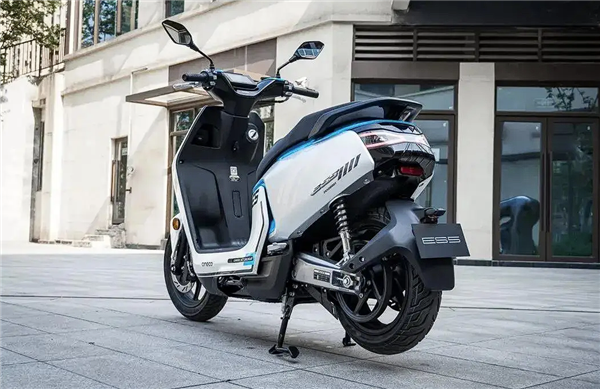
Zongshen has announced a 1.5-liter extended-range electric bike. The Zongshen ES5 extended-range version is a hybrid vehicle that offers great performance. The battery life of the Zongshen ES5 can sustain the bike for up to 300km.
The Zongshen new energy motorcycle is under the Senlan Electric brand and is equipped with a set of 60V 31Ah lithium batteries. The pure electric range of the ES5 is put at 70km while the comprehensive range is about 300km. The minimum fuel consumption of the new Zongshen motorcycle is 1.5L/ 100km when the battery power is incorporated. The ES5 also comes in a pure electric version with two or three 60V 31Ah lithium battery packs. The range of the pure electric version of the model reaches 180km for the three-battery setup.
Senlan Electric has several innovations that it has introduced in the industry in recent times. The brand launched the Senlan extended-range technology platform C-REEV last month. The extended range design when implemented, ensures that a vehicle has a worry-free endurance and this applies to the ES5. The technology can continuously charge the battery of the EV while driving or parked, which translates to minimal waiting time for charging and an extended range. The model also offers pure electric power for short distances and power generation for long distances.
There are multiple charging modes to meet the various usage modes of the ES5. Ordinary household 220V charging takes 2-3 hours to fully recharge a single battery, while the Car AC charging station 2200W fast charging is achieved in 40 minutes. The extended-range platform power generation provides minimum state-of-charge fuel consumption of 1.5L/100km. The C-REEV power recovery mode provides a continuous small amount of power feedback.
The ES5 equipped with the C-REEV requires a more conservative battery architecture translating to lower cost. It also provides a maximum external discharge of 1000W which can be transformed into a large mobile power supply. The release and pricing details are expected for the Zongshen extended-range ES5 motorcycles.
Fuchsia is an open-source operating system developed by Google that’s designed to be simple and secure. The company previously released versions of Fuchsia that can run on Pixel-branded Chromebooks and Google Nest Hub smart home devices.
Image: Google
Fuchsia is based on a custom kernel called Zircon, which is derived from the Little Kernel operating system. According to Google, Zircon is “composed of a kernel and a small set of userspace services, drivers, and libraries necessary for core system functions such as booting.”
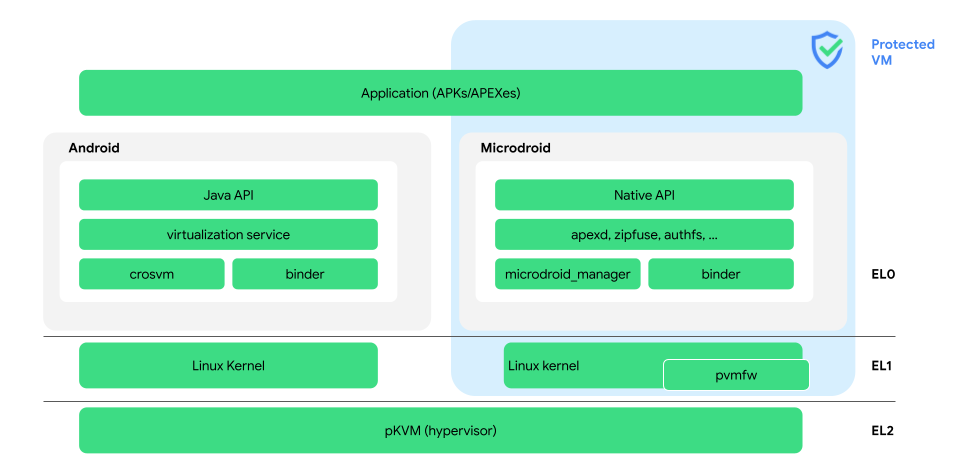
Now the latest news is that Google is working on “Microfuchsia”, a cut-down version of the Fuchsia operating system, to run it on Android devices inside a virtual machine. Microfuchsia is reportedly designed to run in a virtual machine on devices like Nest Hub. The latest development is different because it’s now happening on Android.
Microfuchsia could be used to run certain functions in an isolated environment securely
There have been speculations that Fuchsia OS will replace Android in the future, which seems unlikely at this point. The company is testing the OS out in new and interesting places. One of them is developing a cut-down version of it, that will run within Android devices in a virtual machine.
Google reportedly has ambitious plans to ship Fuchsia OS on smartphones, PCs, and smart home devices. The company eventually released Fuchsia with the first generation Nest Hub in 2021. The second-generation Nest Hub also included the OS. While the latest development with Fuchsia is not about replacing Android, it could result in significant changes in some core functionalities of Android going forward. According to Google, Microfuchsia is designed to be used in virtualization solutions. Nonetheless, Google will likely implement Microfuchsia in Android only if it adds value or improves the end-user experience.
Google introduced pKVM, a hypervisor for the Android Virtualization Framework (AVF), in Android 13 on select devices. The Android Virtualization Framework and pKVM are designed to run certain types of workloads in an isolated environment securely. Google could use its development around Fuchsia to improve the security of certain functions of Android devices.
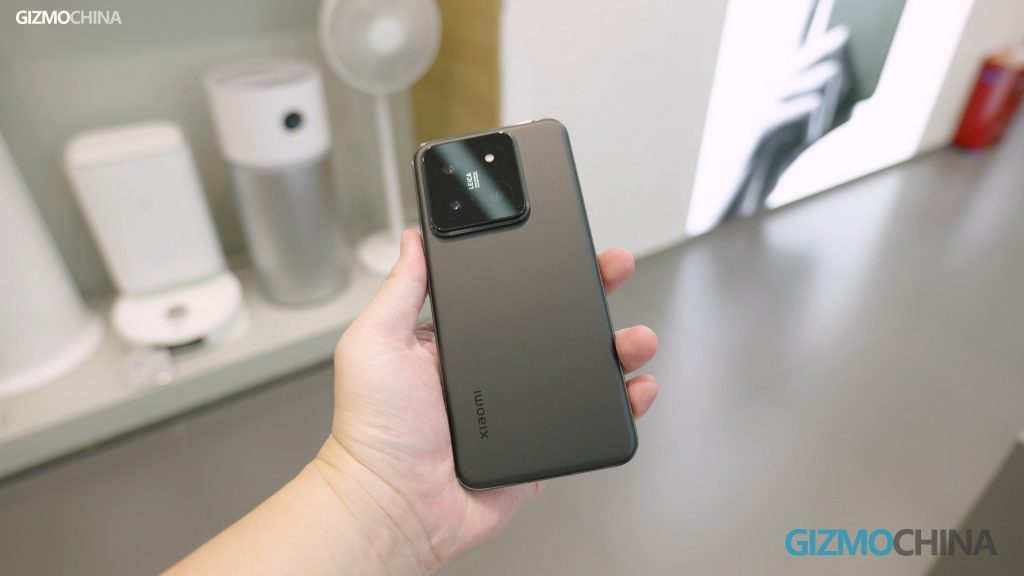
The Xiaomi 15 series is expected to launch towards the end of this year. However, we already have an idea of what to expect from the series thanks to numerous leaks and rumors. The latest one is about the dust and water resistance rating of the phone.
Xiaomi 14
Both the Xiaomi 15 and Xiaomi 15 Pro are reported to come with IP69 dust and water resistance rating. For context, the Xiaomi series comes with the IP68 protection. As you can expect, IP69 offers better ingress protection than IP68. To be specific, the IP69 rating means the phone will be able to withstand high-pressure water jets and steam cleaning.
IP69 rating also means that the Xiaomi 15 series devices should be able to survive at a depth of 1.5 meters for up to 30 minutes. For comparison, IP68 devices can withstand continuous immersion beyond 1 meter. The IP69 rating is essential for devices requiring frequent and intense cleaning. Nonetheless, the additional protection could be beneficial for the phone in certain situations.
Speaking of the other aspects, the phone will be powered by the Snapdragon 8 Gen 4 chip. The chipset will be released in October and the Xiaomi 15 series is also expected to be released in the same month. According to a previous report, the mass production of the Xiaomi 15 series will begin in September.
The Ultra model will likely be released in early 2025, which means the October release will include two models – the Xiaomi 15 and Xiaomi 15 Pro. The Xiaomi 15 Pro will reportedly offer a 50MP (0.8μm) periscope telephoto with 3x optical zoom. The 50MP main camera will have a fixed “ultra-large” aperture to ensure sufficient light intake and better end results. To power the system, the phone will reportedly pack a 5400 mAh battery and support 100W wired charging.
Android 15 is in its final phase of development. Last month, the upcoming OS reached platform stability with the beta 3 release. Just recently, the beta 3.1 build went live, fixing some issues related to the lock screen and face authentication.
Oppo has been offering a beta program to allow their users to install early builds of the OS ahead of the stable release, and this year was no different. This time, Oppo Find N3 has been selected for the Android 15 beta, though the beta program will expand to more devices in the coming weeks.
Android 15 is an exciting upgrade, but many Oppo devices are ineligible for it. Review the list below to find out if you’ll need to upgrade to a newer model to enjoy the latest features and enhancements.
These Oppo Phones Are Not Eligible for Android 15 Update
[Oppo Find series]
Oppo Find X5 Lite
Oppo Find N
Oppo Find X3
Oppo Find X3 Pro
Oppo Find X3 Neo
Oppo Find X3 Lite
And older Find models
[Oppo Reno series]
Oppo Reno 8
Oppo Reno 8 4G
Oppo Reno 8 Z
Oppo Reno 8 Lite
Oppo Reno 8 Pro
Oppo Reno 8 Pro+
Oppo Reno 7
Oppo Reno 7 5G
Oppo Reno 7 Lite
Oppo Reno 7 Z 5G
Oppo Reno 7 Pro
Oppo Reno 7 SE 5G
And older Reno models
[Oppo K series]
Oppo K10
Oppo K10 5G
Oppo K10x
Oppo K10 Pro
And older K models
[Oppo F series]
Oppo F21 Pro
Oppo F21 Pro 5G
And older F models
[Oppo A series]
Oppo A78
Oppo A77s
Oppo A58x
Oppo A56
Oppo A17
Oppo A17k
Oppo A1
Oppo A1x
Oppo A1 Pro
And those launched with Android 12 or before
Oppo, like any other Android brand, hasn’t yet released a list of phones that will or won’t be upgraded to Android 15. Hence, this is an unofficial list that has been prepared based on the past rollouts.
Oppo’s software update policy promises four Android updates to their newer flagship phones, although older ones only get three. The Reno, F, and K-series models receive two OS updates.
The company’s budget A-series models typically get one Android update. However, select models will get two. Oppo hasn’t revealed those device names. Therefore, the above list doesn’t include any Oppo A-series phones launched with Android 13 out of the box. We’ll only learn about them once the official rollout timeline is out.
Just after Google unveiled Android 15 at the Google I/O developer conference in May, Oppo announced its participation in the beta testing. Oppo Find N3 is the company’s first phone to get Android 15 beta, allowing users to get an early taste of the upcoming OS.
The Android 15 beta should expand to more Oppo phones in the coming weeks. But when is the stable build coming?
Android 15 is in its final stage of development as it has already entered the platform stability phase. It might get a stable release anytime soon.
The upcoming Pixel 9 series is expected to be the first to come with Android 15 out of the box. Interestingly, Google has scheduled the “Made by Google” event for August 13, where the Pixel 9 series will be announced. This means Android 15 could be released in August. Usually, a new Android OS is released around September or October.
Google Pixels are the first to receive new OS updates, and then other smartphone brands, including Oppo, gradually roll it out to their eligible devices.
Android 15: What’s Exciting About This Upgrade
Every Android version is called a major upgrade, but Android 15 is a major one in real terms. It brings some critical new features and enhancements that will make you eagerly wait for it.
1. Theft Detection Lock
If someone snatches your phone and runs away with it, the device senses that motion and immediately locks the screen, preventing bad uses of your device.
The device will lock itself even if it detects suspicious activities like constant attempts to disconnect the phone or multiple failed login attempts. The best thing is that the other person will have to use the same Google account to set up the device after a factory reset. Otherwise, the device will be useless.
2. Private Space
Android 15 has a private space feature to protect apps and files you don’t want others to access. It uses a separate user profile and lets you set up a different lock factor for better security.
Everything you do in the private space will be invisible to the other space. Even the apps won’t show in the recent apps section. And all your downloads in the private space remain there.
3. App Pairs
If you frequently use apps in the split screen mode, you’ll love app pairs in Android 15. It lets you create a shortcut for your favourite split-screen combination to open them in a single click.
4. Satellite Connectivity Support
Android 15 “extends platform support for satellite connectivity.” It adds some UI elements to ensure a consistent user experience.
The OS provides support for SMS and MMS apps, as well as preloaded RCS apps, to use satellite connectivity for sending and receiving messages. This means satellite messaging in Android 15 won’t be limited to emergency uses only. Also, Android 15 apps can detect when a device is connected to a satellite.
5. Partial Screen Sharing
If you screen share or do a screen recording, the video shows everything on your screen, including things you don’t want to show. Android 15 takes it to the next step by introducing partial screen sharing. With this feature, you’ll be able to screen share or record a single app rather than the entire screen.
So, which Oppo smartphone do you have? And what are your expectations from Android 15? Please share your thoughts in the comments below.
In the lead-up to the event, various leaks have provided details on the specifications of these devices. Tipster Ishan Agarwal has recently shared that the OnePlus Pad 2 will feature a 12.1-inch IPS LCD display with a 144Hz refresh rate and a 3000 x 2120 resolution. The display will support Dolby Vision and have a peak brightness of 900 nits. The tablet will be powered by the Snapdragon 8 Gen 3 processor, available in two configurations: 8GB RAM with 128GB storage and 12GB RAM with 256GB storage.
The OnePlus Pad 2 is expected to have a 9,510mAh battery with 67W SUPERVOOC fast charging. It will include a 13MP main rear camera and an 8MP front camera. Additionally, it will feature six speakers for immersive audio. The tablet will launch in India alongside the OnePlus Stylo 2 (stylus), Smart Keyboard, and Folio Case. This setup mirrors the specs of the OnePlus Pad Pro recently launched in China.
We already know that the OnePlus Nord 4 will come with an all-metal design The Watch 2R will run on Wear OS. The Nord Buds 3 will likely be positioned below the OnePlus Buds 3, offering attractive features at an affordable price.
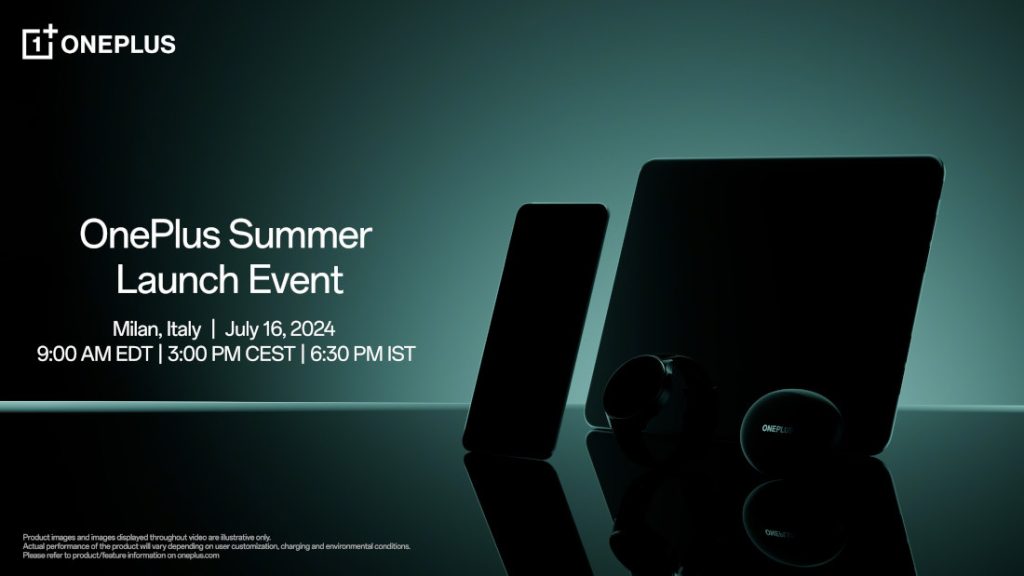
The OnePlus Summer Launch Event will be live-streamed on the company’s YouTube channel at 9 AM EDT (6:30 PM IST) on July 16th. Fans can look forward to detailed presentations and more in-depth information on each product’s features and availability.
OnePlus recently announced its plans to host a launch event on July 16 in Milan, Italy, unveiling multiple new products. While we already know that the event will showcase the upcoming OnePlus Nord 4, the brand has now revealed a bunch of other new devices it plans to launch alongside the smartphone. Here are all the details.
OnePlus has confirmed the following lineup for the event:
OnePlus Nord 4: The highlight of the launch, this smartphone boasts a sleek all-metal unibody design. Leaks suggest it will feature a 6.74-inch 1.5K 2.8D curved AMOLED display with a 120Hz refresh rate, powered by the Snapdragon 7+ Gen 3 SoC. It’s expected to come with a robust 9140mm² VC cooling system, a 50MP main camera with a Sony IMX882 sensor, an 8MP ultra-wide camera, an alert slider, and a hefty 5500mAh battery with 100W SuperVOOC fast charging. The device will be available in a striking metallic Silver shade.
OnePlus Pad Pro
OnePlus Pad 2: This tablet is rumored to mirror the specifications of the OnePlus Pad Pro from China. Users can expect a 12.1-inch 3K 144Hz IPS display, Snapdragon 8 Gen 3 processor, 13MP rear camera, 8MP front camera, Smart Touch Keyboard, and a 9500mAh battery with 67W SUPERVOOC fast charging.
OnePlus Nord Buds 3 Pro: These earbuds promise to deliver quality sound at an affordable price, likely positioned below the OnePlus Buds 3 in the Indian market.
OnePlus Watch 2R: This lightweight Wear OS smartwatch will feature an aluminum alloy casing. While it shares a similar design with its Chinese counterpart, the OnePlus Watch 2, it will have toned-down specs, notably lacking eSIM and NFC support.
In addition to these products, OnePlus has hinted at further announcements leading up to the event. Tech fans can tune into the live stream on OnePlus’s YouTube channel starting at 9 AM EDT (6:30 PM IST) on July 16th to catch all the action.
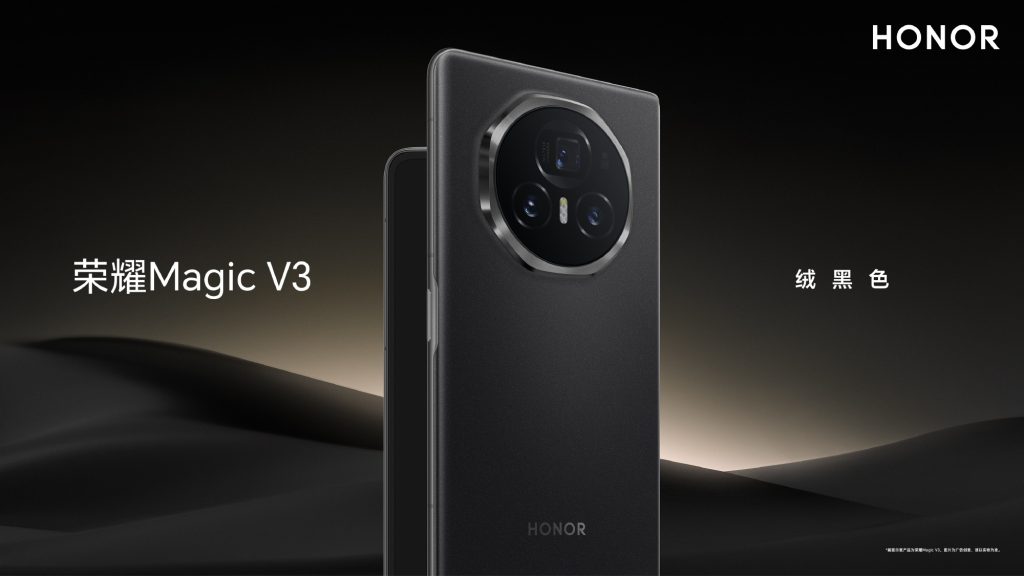
Honor is all set for its July 12 launch event where it will unveil a bunch of new products. During this conference, the company will finally announce the Magic V3 and Magic Vs3. These likely offer various upgrades over their predecessors, so here’s what we know about Honor’s upcoming foldable phones.
1. Honor Magic V3 & Magic Vs3: Slimmer & Lighter Body with Premium Design
Recent teasers offered us a look at slim profile of the Magic V3. The Chinese brand claims that premium model has an ultra thin and versatile folding design. Honor’s Magic V2 pushed the boundary with the thin design on the Magic V3, but the company is not stopping just there. The V3 is touted to be even thinner and lighter, with leaked live images showcasing its body.
While the exact dimensions hasn’t been revealed, tipsters have also back Honor’s claims. Both the Magic V and Magic Vs3 feature a similar book-style folding screen. Teaser posters have even confirmed the color options of the Magic V3. This includes Tundra Green, Qilian Snow, and Velvet Black. There is even a brown variant that offers faux leather panel on the back. It is also the only variant with a golden metallic border around its rear camera module.
2. Flagship Chip
Honor is keeping to the flagship status of the Magic V series with top end hardware. To recall, the Magic V2 was announced with the Snapdragon 8 Gen 2 SoC. And now, its successor packs the more advanced Snapdragon 8 Gen 3 chipset. So its not just about the looks, and high end performance is also guaranteed. On the other hand, we have the Magic Vs3. Back in 2023, the Vs2 model packs the Snapdragon 8+ Gen 1 SoC.
This made it a more affordable option when compared to the Magic V2. Honor is expected to retain this strategy in this year’s foldable lineup. Unfortunately, not much is known about the Magic Vs3 but it could feature the Snapdragon 8s Gen 3 processor. For those out of the loop, this chip is often used in flagship killer or budget flagship phones, so you still get great performance despite it sitting below the the Snapdragon 8 Gen 3.
3. Camera, Satellite Connectivity, Battery, & More
Honor has confirmed support for AI eye protection and AI anti fraud on the Magic V3, although support on the Vs3 is still unknown. The Magic V3 series is expected to be powered by a large 5,000mAh battery pack. Its flagship V3 model was spotted on 3C certification with support for 66W wired fast charging. This listing confirmed the satellite connectivity feature.
For photography, the large camera island on the rear features a 50-megapixel primary sensor along with at least one telephoto shooter that offers up to 3.5x optical zoom. The last sensor might be an ultra-wide angle lens. Honor is set to announce the Magic V3 and Magic Vs3 in China on 12th July 2024, so stick around as we will be covering the launch event next week.
At the World AI Conference in Shanghai, Zhang Ping’an, CEO of Huawei Cloud, delivered a compelling message regarding China’s AI progress amidst U.S. sanctions on advanced GPUs and chipmaking technology. Despite the constraints imposed by limited access to top-tier processors, Zhang emphasized that China can continue to lead in AI without relying solely on high-end chips.
Zhang dismissed concerns that the restrictions on advanced AI processors, such as Nvidia’s H100/H200 and B100/B200, would significantly impede China’s AI development. He underscored that China’s AI leadership should not be contingent on these high-end chips. Acknowledging the country’s current limitation in computing power due to the sanctions, Zhang highlighted the importance of being independent of the most advanced technology.
Zhang pointed to Huawei’s efforts in developing the Ascend 910-series processors for AI applications. He claimed these processors are competitive with Nvidia’s A100, though analysts in Europe and the U.S. have not independently verified this assertion. The U.S. restrictions on Nvidia processors mean that major Chinese tech companies like Baidu, Huawei, and Tencent must rely on domestic technology, which Zhang views as an opportunity rather than a setback.
source: huawei.com
However, Zhang recognized the performance limitations of domestic processors. He admitted that processors from Huawei and Biren Technology, produced on older manufacturing nodes, cannot match the performance of modern AI and high-performance computing GPUs from AMD and Nvidia. Additionally, SMIC, which manufactures chips for Huawei and Biren, lacks access to cutting-edge equipment, contributing to China’s lag in per-processor computing performance.
To address these challenges, Zhang advocated for a holistic approach combining cloud, edge, and network technologies to enhance efficiency and reduce power consumption for AI workloads. He highlighted Huawei Cloud as a leading provider of AI services, suggesting that leveraging cloud technology could compensate for the lack of advanced AI processors. However, it remains unclear whether Huawei’s processors are recommended for training large language models directly in Huawei Cloud or if they should be trained on external machines and then deployed in Huawei Cloud.
Overall, Zhang stressed the need to abandon the belief that the absence of the most advanced AI chips precludes leadership in AI. He conveyed confidence that through innovation and a strategic approach, China can maintain its position at the forefront of AI development despite the ongoing U.S. sanctions.
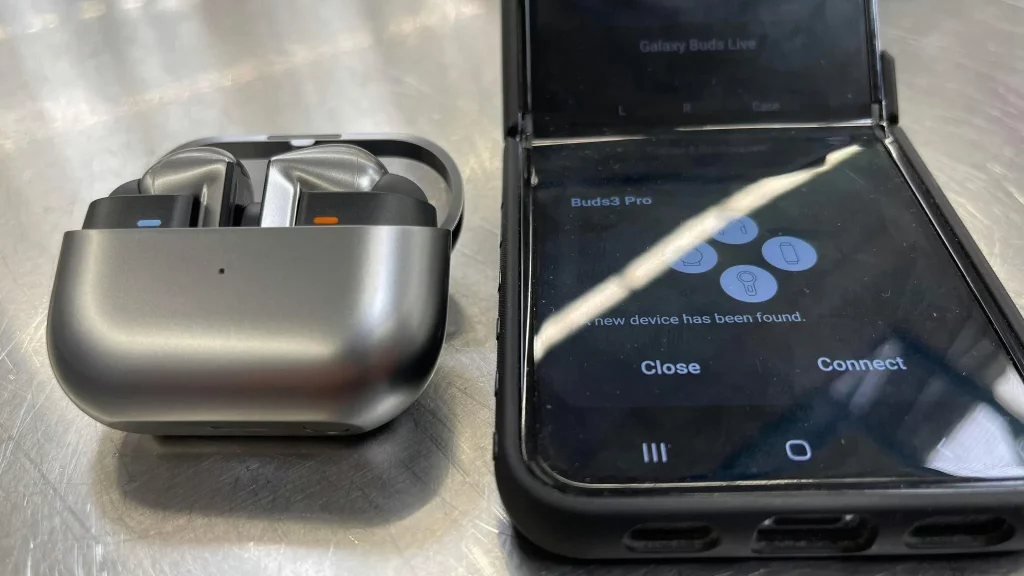
Samsung is about to launch the Galaxy Buds 3 series along with some other new products including the sixth generation Galaxy foldables in its Galaxy Unpacked event scheduled for July 10. Ahead of the event, the new design of the Galaxy Buds 3 series earphones has already appeared online. But is the shift from the bean-shaped design to the one with a stem is just for a revamped look or it has to do something with the audio quality of the earphones?
Well, tipster Ice Universe hints that the Galaxy Buds 3 Pro will offer significant improvements to the listening experience alongside the new look. He claims that the TWS earphone will support 24-bit 96Hz audio, which might be a valuable improvement for audiophiles. For those unfamiliar, the numbers promise higher-quality audio with the Galaxy Buds 3 Pro.
Galaxy Buds 3 Pro is rumored to support 24-bit 96Hz audio
For reference, the Galaxy Buds 2 Pro supports 24-bit 48KHz audio transmission. The Buds 3 Pro should allow Samsung devices to transmit near-lossless audio and offer an improved listening experience in certain scenarios. Nonetheless, it is important to note that the codec will likely be limited to Galaxy devices. The Galaxy Buds 2 Pro introduced the SSC Hi-Fi audio codec. We will have to see if Samsung renames the audio codec for the successor or keeps it unchanged.
Speaking of the design, the Pro model comes with a distinctive triangular stem and an LED strip on it, which makes it stand out from all other TWS earphones with the stem design. A previous rumor claims that the Buds 3 Pro might offer a 30-hour battery and new gestures. It will also likely support Adaptive ANC, Adaptive Equalizer, and Ambient Sound, and will likely use Bluetooth 5.4 for the audio transmission.
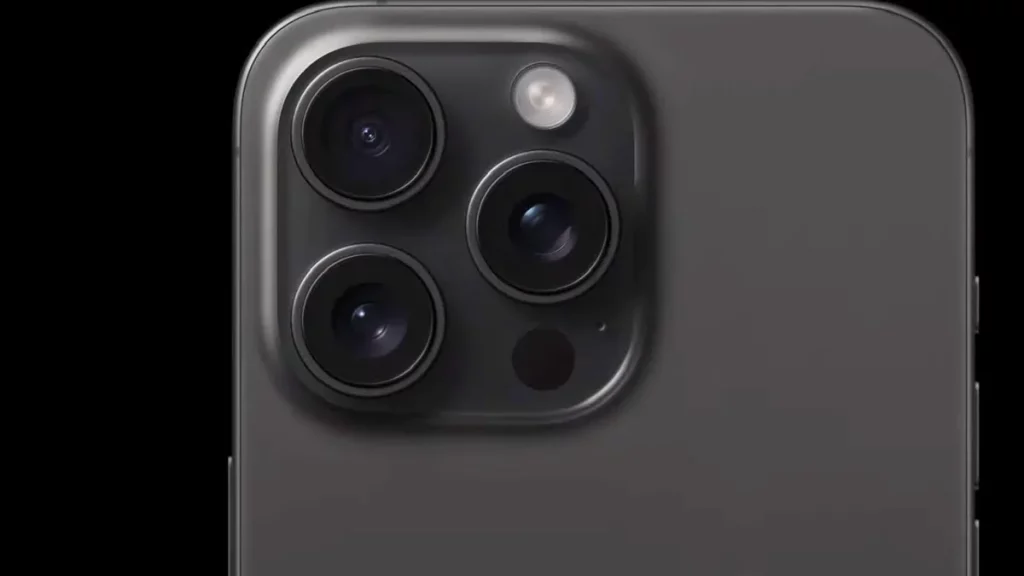
Apple is rumored to be equipping both iPhone 16 Pro models with a periscope lens, bringing 5x optical zoom to the standard Pro model for the first time.
Previously, only the iPhone 15 Pro Max boasted this impressive zoom capability, leaving some users with a tough choice – prioritize a smaller phone or superior telephoto performance. This leak, reported by DigiTimes, suggests Apple is listening to user feedback and making the Pro camera experience more consistent across the lineup.
The report claims Apple has already begun production of the periscope lens modules, partnering with Largan Precision and Yujingguang.
Apple’s iPhone 16 Pro takes a unique approach to its telephoto lens with a special “quadruple-reflection prism” design. This allows for a slimmer camera bump compared to competitors, but it comes at a cost. The extra light bounces within the lens lead to some light loss, potentially affecting low-light telephoto performance. It’s unclear yet if Apple has improved this aspect in the iPhone 16 series.
While the iPhone 16 Pro gets the spotlight for its new 5x zoom, whispers about the iPhone 16 Pro Max hint at an even better telephoto camera. There’s speculation of a “super telephoto” lens exclusive to the Pro Max, potentially offering even more zoom capabilities.
Beyond the camera upgrade, rumors suggest the iPhone 16 series could see a design overhaul. The camera layout could also shift to a vertical orientation, and the standard iPhone 16 and Plus models might inherit the “Action button” previously exclusive to Pro models. Physical buttons might be replaced with touch-sensitive alternatives that provide haptic feedback for a more seamless user experience.
Base models will likely sport A18 chips, with the possibility of A18 Pro chips powering the Pro models. On the software side, the iPhone 16 series will run on the newly announced AI-powered iOS 18.
Xu Qi Chase, Chief Marketing Officer of Realme, today shared some camera samples of the realme GT6 smartphone, which is scheduled to be released on July 9 in the home country. The official claimed that the phone is equipped with the same super light and shadow image processing algorithm as the realme GT5 Pro, launched in December last year. You can check out the image samples below.
Realme GT6 camera samples reveal good dynamic range and eye-pleasing colors
Xu Qi shared a total of four images through his official Weibo account. The images have undergone significant compression and have a resolution of 690 x 591, so we cannot comment much about the details and noise. However, we must admit that the images have good dynamic range, and the colors also look eye-pleasing. The image of the flying bird suggests that the camera system is capable of capturing fast-moving subjects, at least in a well-lit environment.
The official revealed that the phone uses a 50MP main sensor manufactured by Sony. According to previous rumors, this could be the Sony IMX890. The sensor measures 1/1.56″ in size and has a pixel size of 1.0µm. The main camera on this phone also supports OIS. This is paired with an 8MP ultrawide camera and a 16MP selfie camera on the front.
The images of the phone have already surfaced on the internet thanks to the MIIT certification listing. The camera module includes a ring-shaped flash. The back of the phone is made of a glossy and matte glass back cover with a gradient look and is 8.43mm thick. On the front, it equips a 6.78″ 2780×1264 OLED display.
The device is powered by the Snapdragon 8 Gen 3 chipset. It packs a massive 5800mAh battery and supports 120W fast wired charging. Despite the large battery capacity, this phone weighs only 206.7g.
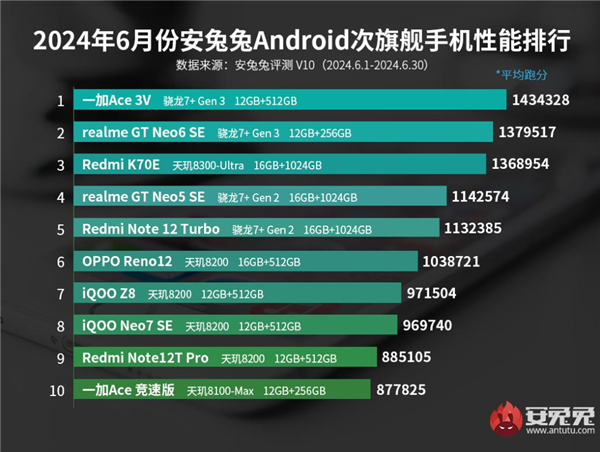
The OnePlus Ace 3V smartphone is at the top of the list of mid-range smartphones’ performance released by AnTuTu for June 2024. The OnePlus Ace 3V with an AnTuTu score of 1434328 is followed by the Realme GT Neo6 SE at 1379517. Both models interestingly are powered by the Qualcomm Snapdragon 7+ Gen 3 chipset. However, the OnePlus Ace 3V outperformed the Realme GT Neo6 SE by up to 55,000 points.
The latest ranking of non-flagship smartphones based on their AnTuTu scores highlights the impressive performance of the OnePlus Ace 3V. The smartphone has up to 16GB of RAM and up to 1TB of storage while the base model has a memory/ storage configuration of 12GB/ 512GB. Apart from its impressive third-generation Qualcomm Snapdragon 7+ processor, the OnePlus Ace 3V features the Tidal Architecture technology that has undergone flagship-level tuning and deep-rooted chip optimization. The Tidal Architecture technology enabled the Ace 3V to achieve such remarkable performance among other smartphones in its mid-range segment.
The OnePlus Ace 3V comes with gaming optimization features for an enhanced and seamless gaming experience. It uses AI technology to pre-ascertain the frame rate requirements during a game and intelligently allocate processor resources as such. This allows the processor to optimize its performance during gaming and other highly intensive applications.
The top ten mid-range models listed on the AnTuTu performance benchmark for June 2024 for Android mid-range smartphones also included the realme GT Neo6 SE, Redmi K70E, realme GT Neo5 SE, and Redmi Note 12 Turbo. Other models on the list are OPPO Reno12, iQOO Z8, Redmi Note 12T Pro, and the OnePlus Ace Racing Edition.
A lot more smartphones are expected to go official next week. A total of 9 brands have scheduled launch events. Some of these companies will unveil multiple phones.
These conferences will be held across different countries. They will take place in China, India, and France.
The products will be spread across different categories and price segments. We will witness the launch of budget models to foldables.
Samsung and Honor will host the biggest launch events. Both of them will take wraps off their annual flagship foldable smartphones.
While CMF will announce its first-ever smartphone, Xiaomi, Tecno, Lava, and Motorola will debut budget models. Lastly, Realme and iQOO will unveil their flagships.
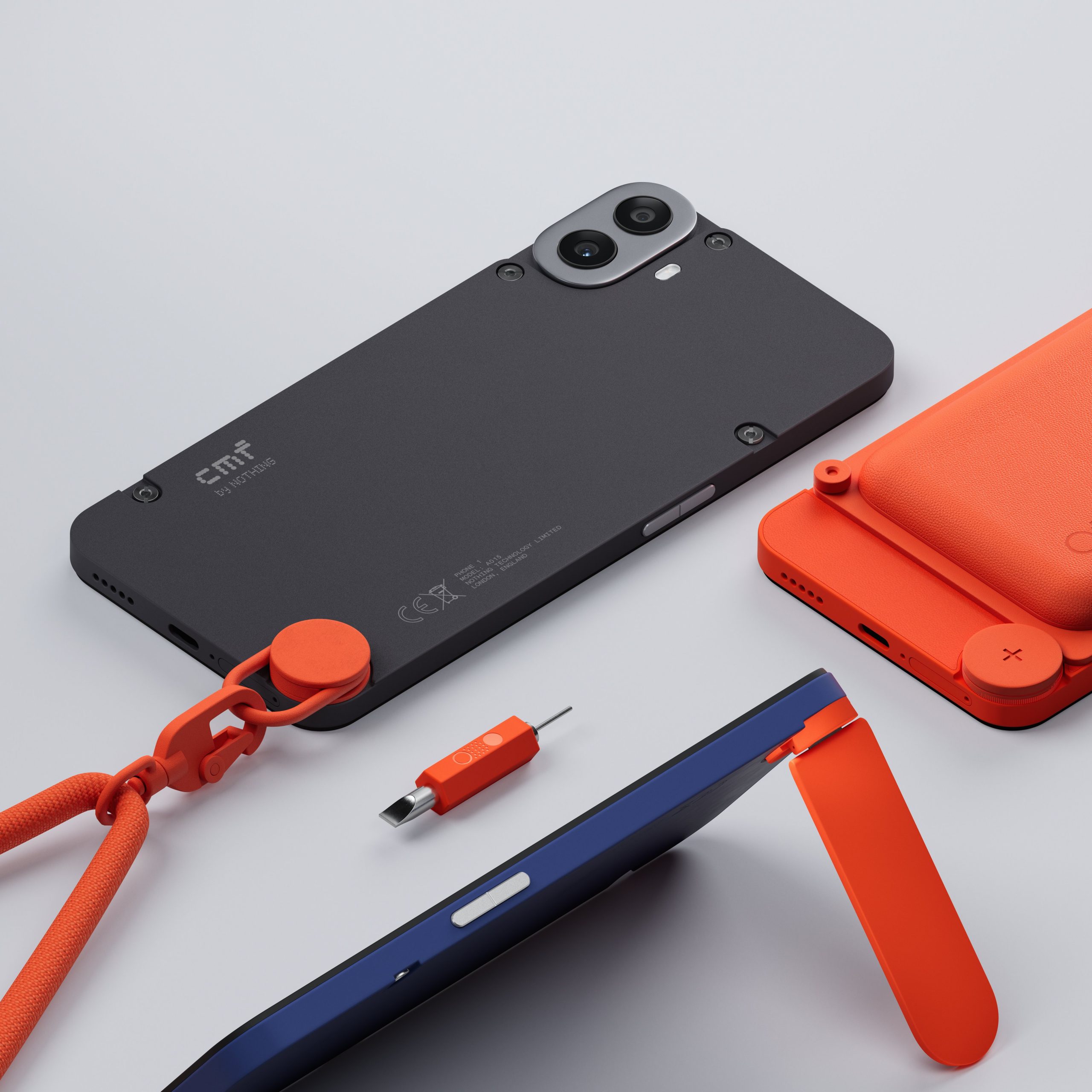
The CMF Phone 1 is set to launch on July 8 (Monday). It is the brand’s inaugural smartphone.
As per teasers and Leaks, the device will be a budget smartphone with a unique design. It will arrive in eye-catching colors with replaceable back panels.
The handset will offer a 6.67-inch 120Hz OLED display, a MediaTek Dimensity 7300 chip, a 50MP rear camera, a 16MP front-facing camera, a 5,000mAh battery, and 33W charging support.
2. Redmi 13 5G
The Redmi 13 5G is planned to launch in India on July 9 (Tuesday). It is a budget smartphone and the successor of Redmi 12 5G.
It will be almost similar to its predecessor with a few upgrades. Some of these changes will be a 108MP rear camera, a 13MP selfie camera, a ring LED flash, a 5,030mAh battery, and 33W charging support.
The device will retain 6.79-inch FHD+ 90Hz display (LCD), Qualcomm Snapdragon 4 Gen 2 SoC, 3.5mm headphone jack, IR blaster, and side-mounted fingerprint sensor.
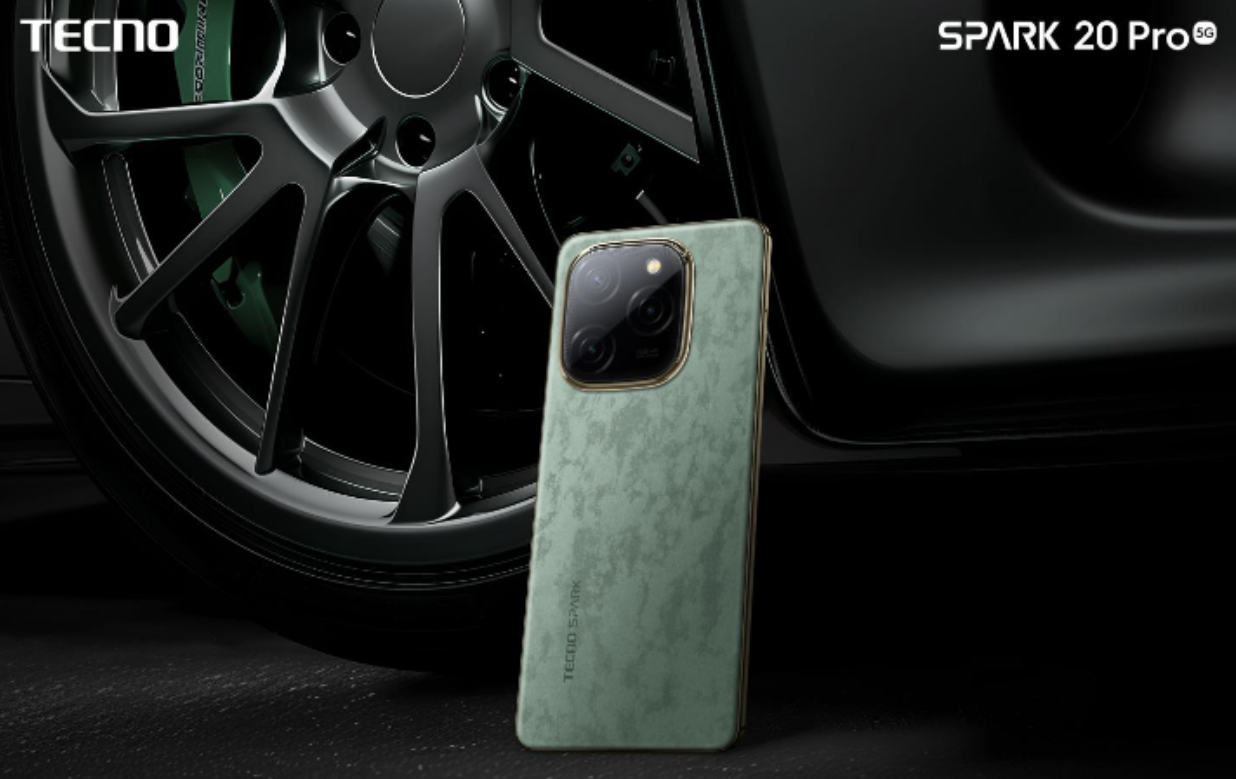
3. Tecno Spark 20 Pro 5G
The Tecno Spark 20 Pro 5G will be announced in India on July 9 (Tuesday). For the unaware, it is the only 5G model in the series.
The device comes with a 6.78-inch FHD+ 120Hz display (LCD), a 108MP primary camera, an 8MP front-facing camera, and dual stereo speakers. It is backed by a 5,000mAh battery with support for 33W charging.
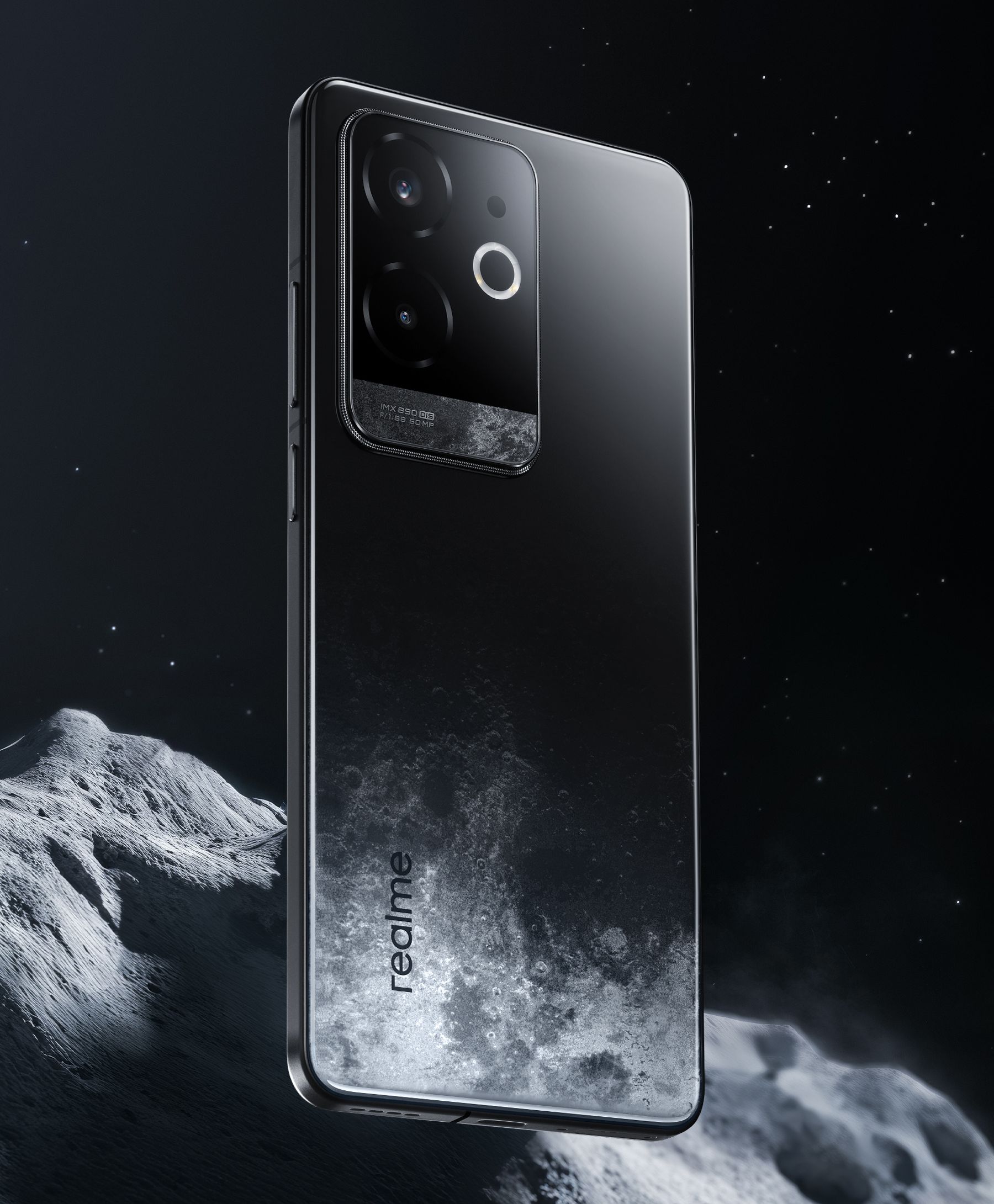
4. Realme GT 6
The Realme GT 6 will be made official in China on July 9 (Tuesday). This product will be different from the GT 6 sold in global markets.
The Chinese Realme GT 6 will be the brand’s proper flagship smartphone in a long time. It will be powered by a Qualcomm Snapdragon 8 Gen 3 chipset and feature a metal frame.
The handset will arrive with a 6.78-inch 1.5K 144Hz OLED display, a 5,800mAh battery, 120W wired charging support, a 50MP + 8MP dual camera system, and a 16MP selfie camera.
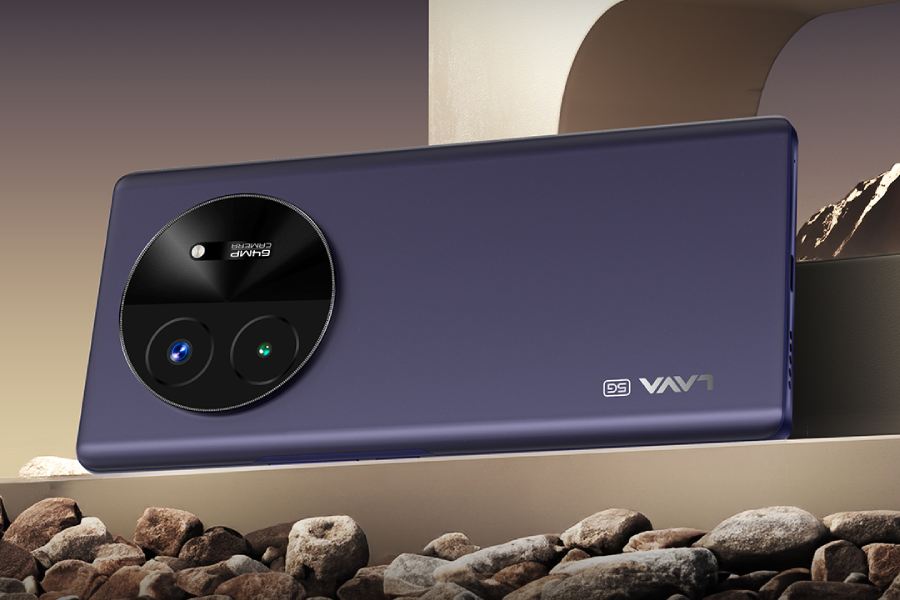
5. Lava Blaze X
The Lava Blaze X is set to launch in India on July 10 (Wednesday). The budget smartphone is expected to come with a MediaTek Dimensity 7050 SoC and a curved display.
The phone will be offered in violet and gray color options. It will be available in 128GB and 256GB storage variants paired with up to 8GB RAM.
The product is expected to be priced below ₹20,000 in the country.
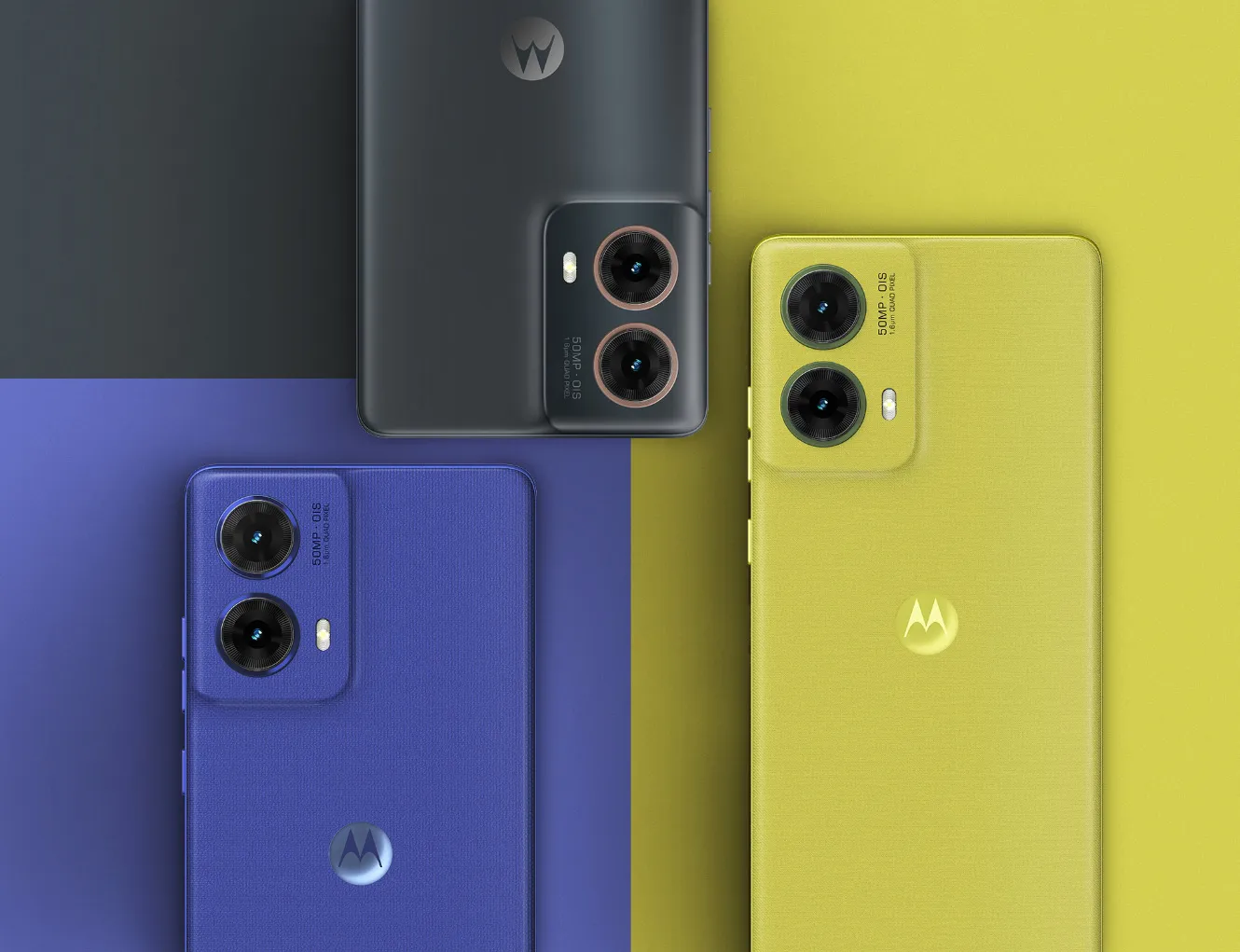
6. Motorola Moto G85
The Motorola Moto G85 will go official in India on July 10 (Wednesday). The device is already official in several regions, and hence, everything about is already known.
The handset comes with a 6.67-inch FHD+ 120Hz curved OLED display. It features a faux leather back like recent phones from the brand.
As for other specs, it arrives with a Snapdragon 6s Gen 3 chip, a 50MP Sony LYT-600 main camera, a 5,000mAh battery, and 30W charging support.
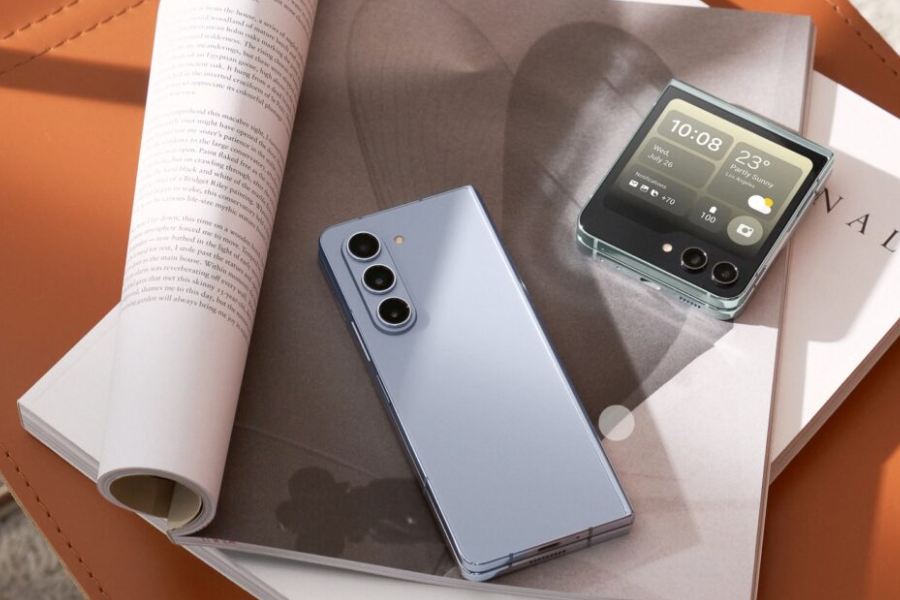
7. Samsung Galaxy Z Fold 6 and Galaxy Z Flip 6
Samsung has scheduled its next Galaxy Unpacked event for July 10 (Wednesday). The company will take wraps off Galaxy Z Fold 6 and Galaxy Z Flip 6 at the conference that will be held in Paris, France.
Both the latest foldables from the South Korean tech giant will be powered by Qualcomm Snapdragon 8 Gen 3. They will arrive with minor upgrades over their predecessors.
For instance, the Galaxy Z Flip 6 will feature a new 50MP main camera and a larger 4,000mAh battery. Whereas the Galaxy Z Fold 6 will come with a slightly bigger 6.3-inch cover display with a better aspect ratio.
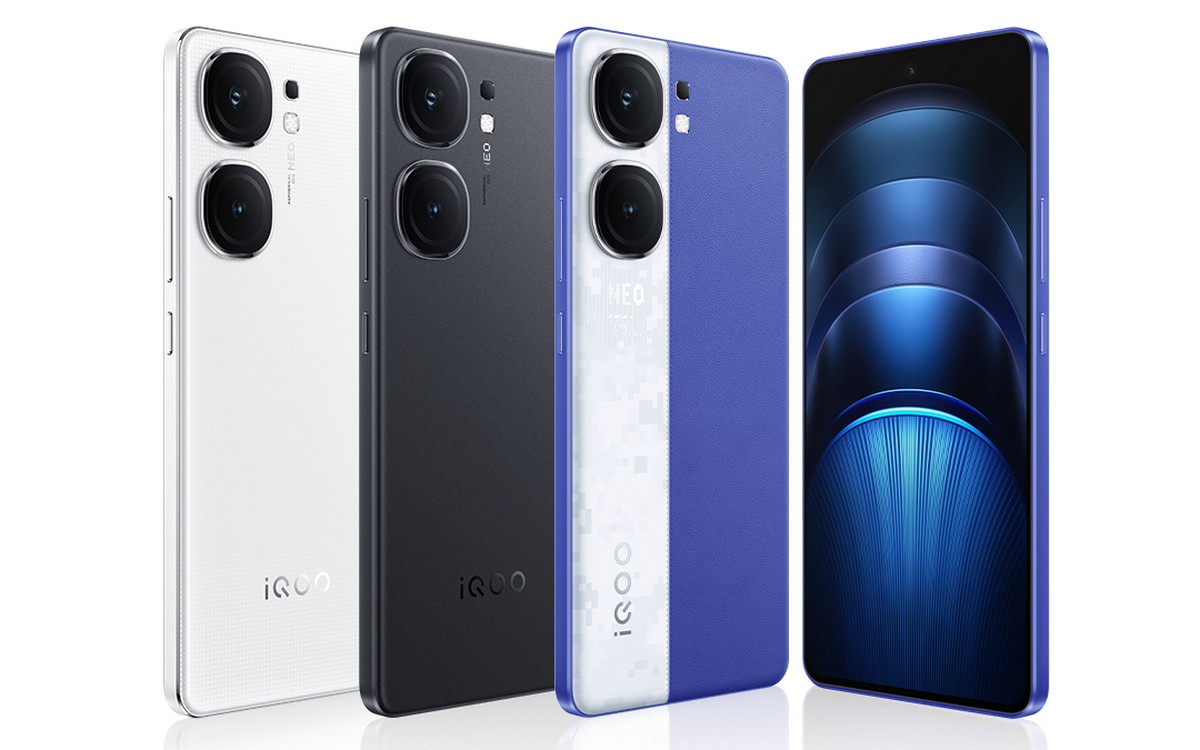
8. iQOO Neo 9S Pro Plus
The iQOO Neo 9S Pro Plus will be announced in China on July 11 (Thursday). It will be a slightly upgraded version of iQOO Neo 9S Pro.
The device will be powered by a Qualcomm Snapdragon 8 Gen 3 mobile platform. It will be the first non-flagship iQOO phone to feature an ultrasonic in-screen fingerprint sensor.
It will arrive with a 5,500mAh battery, 120W charging support, and a 50MP (wide) + 50MP (ultrawide) dual camera system.
9. Honor Magic V3 and Magic Vs3
Honor has scheduled an event in China for July 12 (Friday). The brand will unveil two foldables at this conference among other products.
The Honor Magic V3 will be the company’s latest flagship foldable. It is touted as the world’s thinnest foldable. It will come with a Snapdragon 8 Gen 3 chip and a triple camera system comprising a periscope zoom camera.
Unfortunately, not much is known about the Honor Magic Vs3.
Apple is undoubtedly one of the world’s most profitable companies. However, if you think the tech giant’s revenue comes solely from hardware sales like iPhones, iPads, Macs, and AirPods, you’re mistaken. The company also generates substantial income from its App Store, which technically offers alongside these products.
However, this revenue has been under threat due to the European Union requiring Apple to open its ecosystem to third-party app marketplaces. The situation is so dire that Apple has had to allow marketplaces from adversaries it has been in legal battles with, such as Epic Games. Here are the details…
Apple Approves Epic Games’ App Store
The battle between Epic Games and Apple continues at full speed. This rivalry, which made headlines in the past with events like the removal of Fortnite from the App Store and Epic’s lawsuit against Apple, has recently resurfaced with the third-party app marketplace issue. Allegedly, Apple has been intentionally delaying the approval needed for Epic Games to launch its own app store in the EU region.
Apple has been using excuses like the store’s close resemblance to the original App Store during this process. Epic Games made the following statement regarding the issue:
Apple has rejected our Epic Games Store notarization submission twice now, claiming the design and position of Epic’s “Install” button is too similar to Apple’s “Get” button and that our “In-app purchases” label is too similar to the App Store’s “In-App Purchases” label.
We are using the same “Install” and “In-app purchases” naming conventions that are used across popular app stores on multiple platforms, and are following standard conventions for buttons in iOS apps. We’re just trying to build a store that mobile users can easily understand, and the disclosure of in-app purchases is a regulatory best practice followed by all stores nowadays.
However, according to Apple, Epic Games is being a bit “dramatic.” The company states that the rejection is not due to a personal vendetta but simply because Epic Games did not meet the high standards required. In fact, Epic Games’ third-party app marketplace has been approved.
The real competition is just beginning. Unlike other App Store alternatives, Epic Games is a sizable company. With its connections, disdain for Apple, and vast resources, Epic Games has the potential to undermine App Store revenues in Europe. However, we can only wait and see if this will actually happen.
Xiaomi is gearing up to launch its most impressive foldable phone yet, the MIX Fold 4. While an official launch date remains under wraps, offline blind pre-orders have reportedly begun in China, hinting at an imminent arrival. Leaks suggest a July launch date is likely.
These pre-orders come with a 100 yuan deposit and promise enticing perks like priority selection during the purchase phase, access to all official launch promotions and gifts, the chance to be among the first to receive the phone upon release, and potentially even exclusive launch discounts (exact details to be confirmed). Additionally, there is the flexibility to cancel and receive a full refund after the official unveiling.
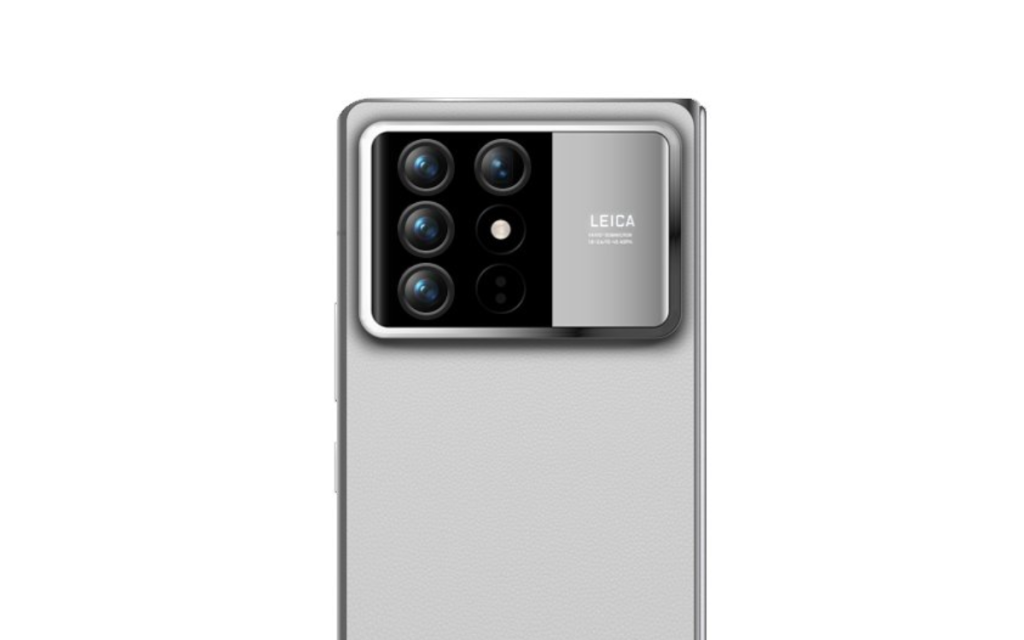
According to leaks, the design of the Mix Fold 4 looks more premium than its predecessor. The back panel may have a faux leather finish and there is a raised rectangular module that houses four cameras, an LED flash on the left, and Leica branding on the right.
The camera system is expected to house a 50MP main camera with OIS, a 12MP ultra-wide-angle lens, a 60MP 2x telephoto lens, and a 10MP 5x periscope telephoto lens.
The device will also be very thin, at less than 10mm thick when folded. It is rumored to be powered by the Snapdragon 8 Gen 3 processor and has a battery capacity exceeding 5,000mAh with support for wireless charging.
The MIX Fold 4 will also have a number of other upgrades, including satellite communication, 5G network support, and IPX8 water resistance. Also, according to our report, the Xiaomi MIX Fold 4 will be exclusive to China. The device is expected to rival contenders like Vivo X Fold 3 Pro and the Honor Magic V3.
Motorola has a history of being slow with software updates for its devices. The company has been aggressive in offering the best hardware features for the price, but it often overlooks the importance of regular software updates for ensuring long-term usability and security. And the trend holds true across all their devices, whether they are budget-friendly or flagship models.
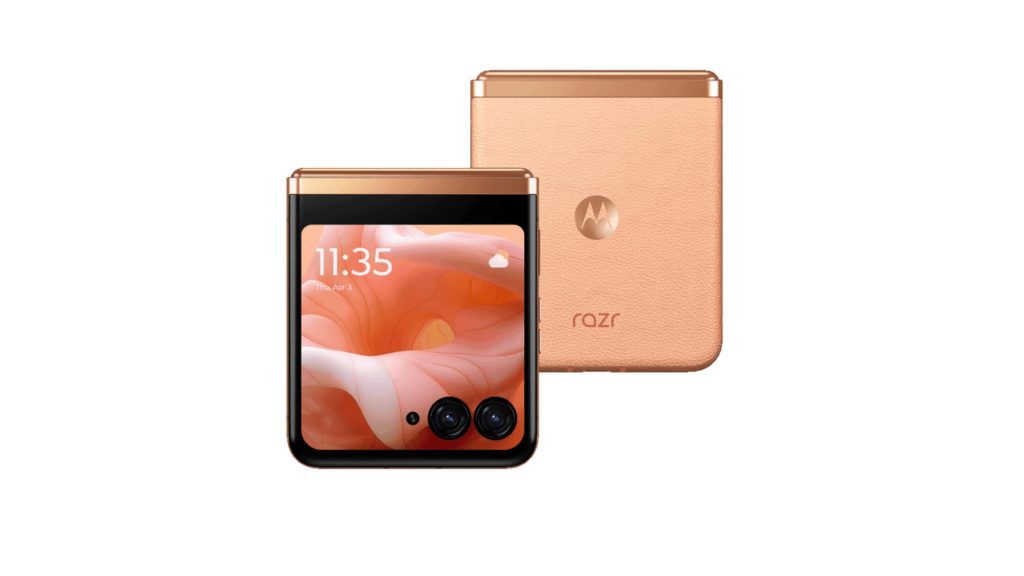
For instance, the Motorola Razr 2023 foldables were launched with Android 13 and have remained on this older version until recently. Fortunately, there are now reports confirming that Motorola has started rolling out the Android 14 update for these phones.
Initially surfaced on Reddit and later confirmed by tech blogs like 9to5Google, the update brings Android 14 and the May 2024 security patch to previous Razr and Razr+ models. Razr+ users also get a few new features for the external cover screen like Always On Display (AOD) functionality.
However, before getting too excited know that this update doesn’t seem to be reaching everyone just yet. It appears to be a phased rollout, meaning some users might have the update available while others don’t. It’s likely just a waiting game until it reaches all compatible devices.
Currently, the focus appears to be on the US market. Users outside the US may have to wait a bit longer. There’s also a support page on Motorola’s official website for the update, but the international rollout hasn’t started yet.
This slow update strategy comes almost nine months after Google released Android 14 for Pixel phones. While Motorola should be acknowledged for eventually delivering the update, the slow rollout and lack of clear communication leave much to be desired.
With all this talk about Android 14, it’s natural to wonder about the upcoming Android 15. With its release seemingly on the horizon, the question remains: will the Razr and Razr+ receive this update, and if so, when?
CMF is gearing up to unveil new products on July 8 i.e. Monday. Almost everything is now known about its first smartphone thanks to teasers and leaks. The Nothing sub-brand has now confirmed details about its upcoming smartwatch – the CMF Watch Pro 2. It will be arriving as the successor to the last year’s Watch Pro with significant upgrades. Read on to find out what we know so far.
CMF Watch Pro 2 key details revealed
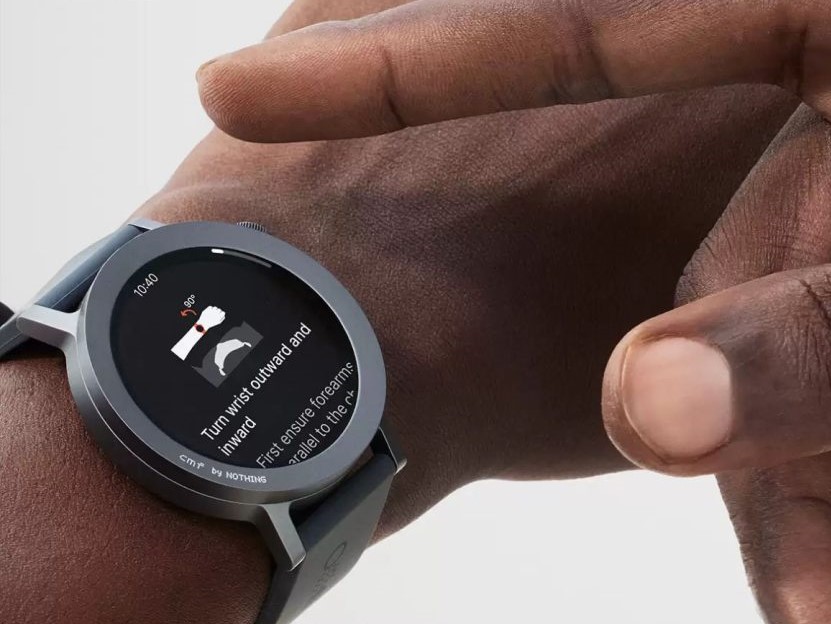
The CMF Watch Pro was previously teased to feature an aluminium alloy body for a refined finish. Now, the Nothing sub-brand has confirmed that it will come with a round dial. There is a rotating crown at the top right side. Notably, the smartwatch will sport interchangeable bezels that will let you customize the look of the device depending on the occasion.
The CMF Watch Pro 2 will have a 1.32-inch AMOLED display with auto-brightness feature. The upcoming offering is also confirmed to come with gesture controls. It will allow users to perform specific tasks just by performing gestures correctly. How this would work remains to be seen but the image reads that you can turn your wrist outward and inward to launch different functions.
The CMF Watch Pro 2 is expected to be offered in a Black matte finish strap and Orange leather strap options. Its predecessor was launched at a price tag of Rs 4,499. Considering the upgrades, we can expect the upcoming offering to be priced slightly higher.
The CMF Buds Pro 2 will also tag along with the CMF Watch Pro 2. The TWS earphones are confirmed to come with 50dB ANC, ChatGPT integration, and dual drivers. Both wearable devices along wit the CMF Phone 1 are confirmed to be available from Flipkart.
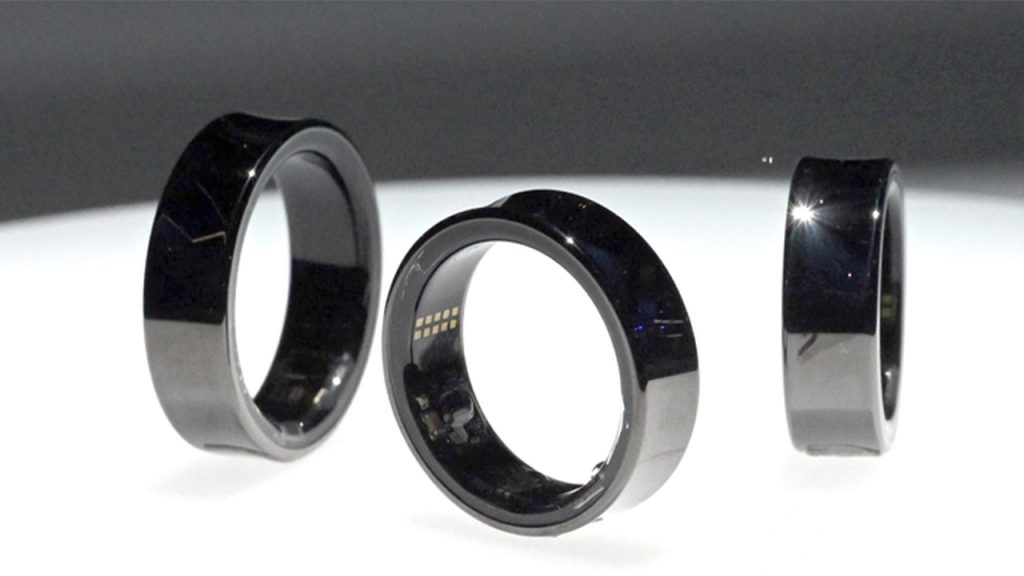
The Samsung Galaxy Ring, first teased in January, is set for a full launch on July 10th. While details remain hush-hush, a new leak may have shed light on the price of the upcoming wearable.
According to Dealabs, the Galaxy Ring could cost €449 in France. Converted, this translates to approximately $485, £380, and AU$720.
For context, the popular Oura Ring starts at $299, with some models reaching similar price points to the leaked Galaxy Ring. However, Samsung will need a compelling rationale to justify such a price, especially considering there will also be an additional subscription service that could further increase the cost.
The leak also confirms that the ring will be available in France in three colors — black, silver, and gold — and across nine sizes, from US standard 5 to 13. There are also reports suggesting that sizes will be directly proportional to battery meaning users with larger fingers will have a better battery life.
The source also claims that the Galaxy Ring will be on shelves in France starting July 19, following its official unveiling on July 10th. It’s unclear whether this means a nine-day pre-order window or if pre-orders will start on July 19, but a pre-order period beginning on July 10th seems more plausible.
The report doesn’t delve into specifics about the subscription model but know that it’s not a new approach, as Oura, Fitbit, and Apple also offer subscription models for their wearables.
Such subscriptions often unlock additional health tracking features and detailed analysis. Whether the subscription cost is included in the rumored €449 price remains uncertain.
Samsung is slated to officially introduce the Galaxy Ring at Unpacked 2024 in Paris on July 10th where it will also unveil new foldables. Interested buyers in select markets can currently reserve next-generation Galaxy devices for a chance to receive $50 in Samsung Credit and enter a $5,000 sweepstakes.
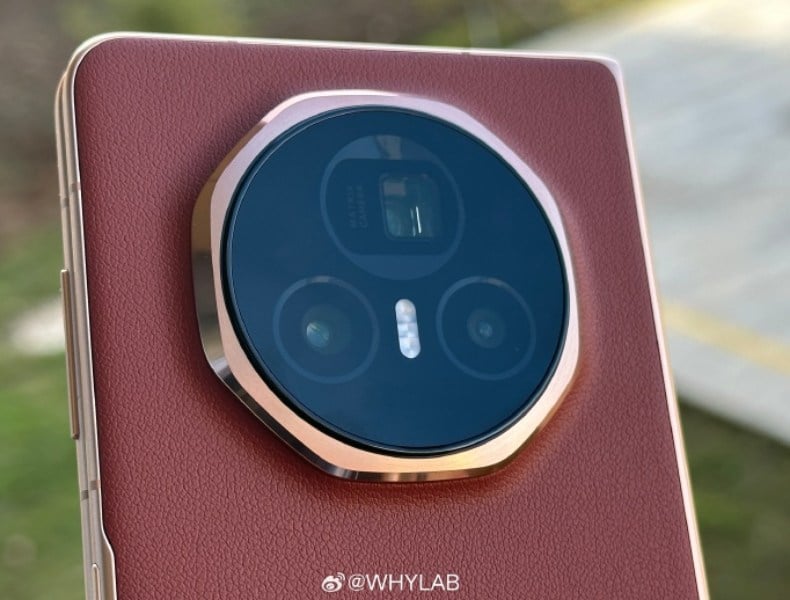
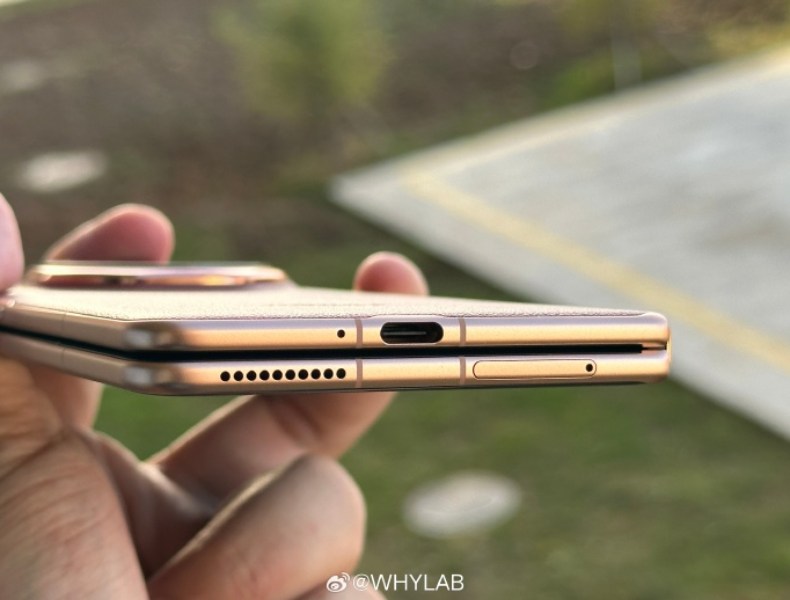
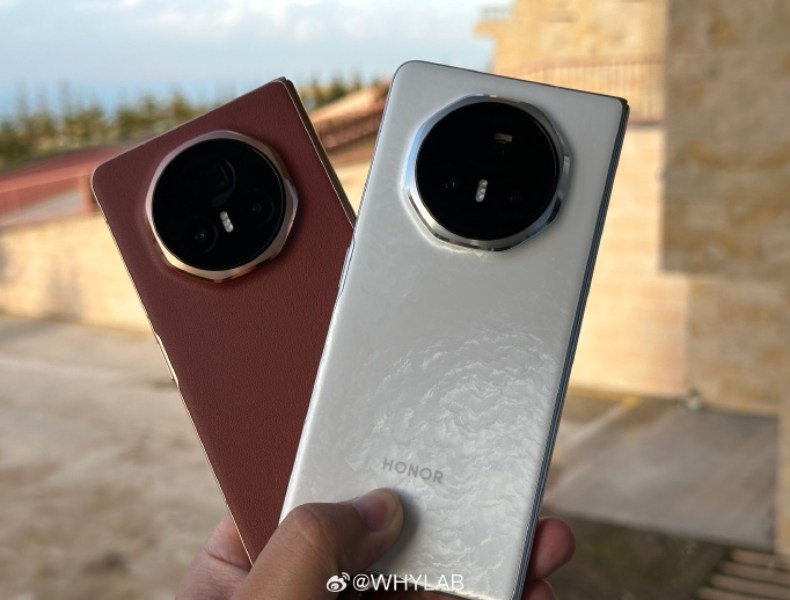
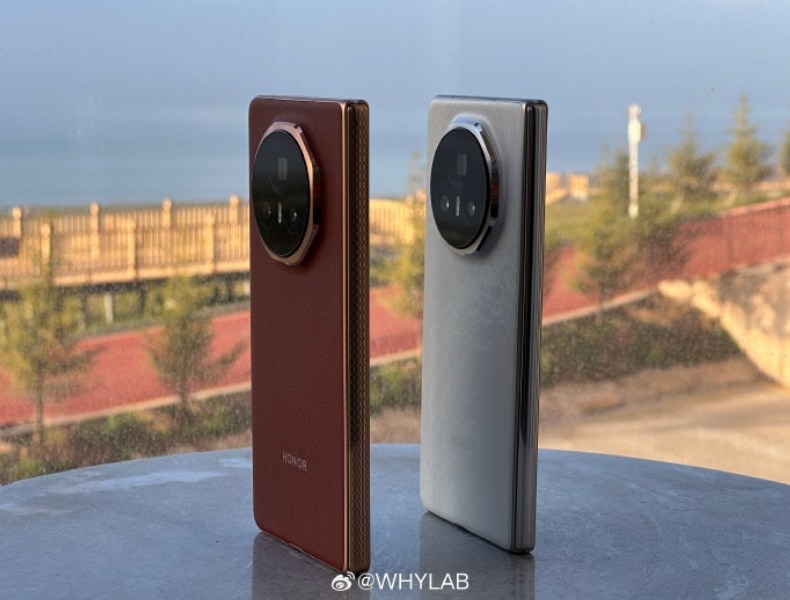
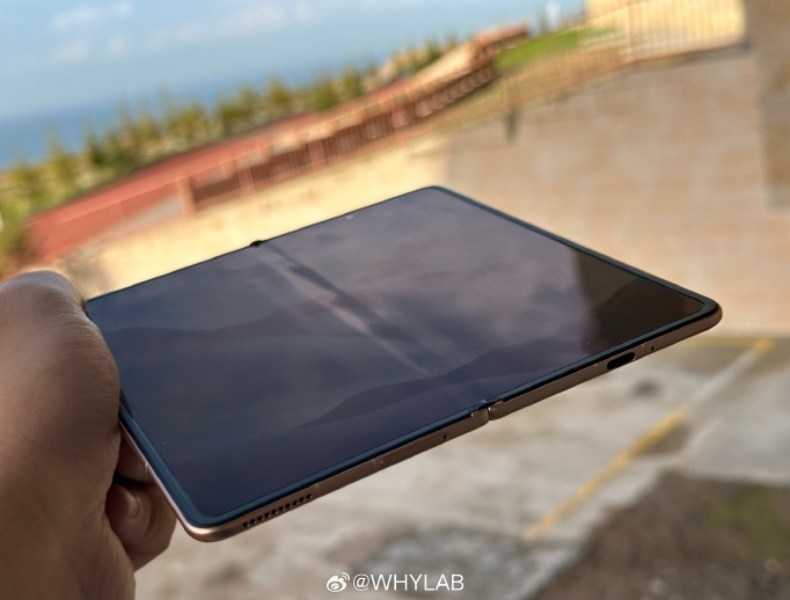
Honor has confirmed that its upcoming Magic V3 foldable phone will launch on July 12th. Ahead of this, real-life images and camera samples of the device have surfaced on the Chinese social media platform Weibo, courtesy of tipster WhyLab.
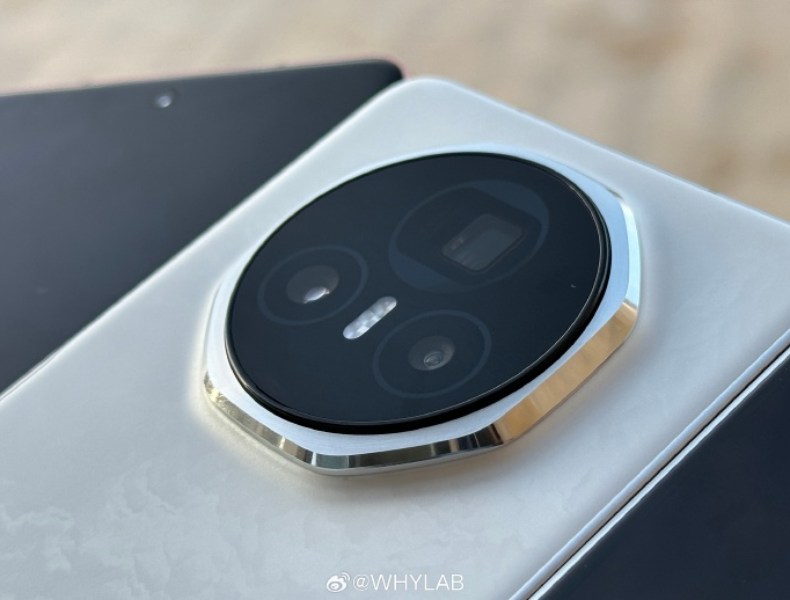
The phone is shown in Orange with a faux leather back and a golden camera frame, and in White with a glass panel and a silver-finished camera frame. Additionally, the foldable will be available in Black and Green.
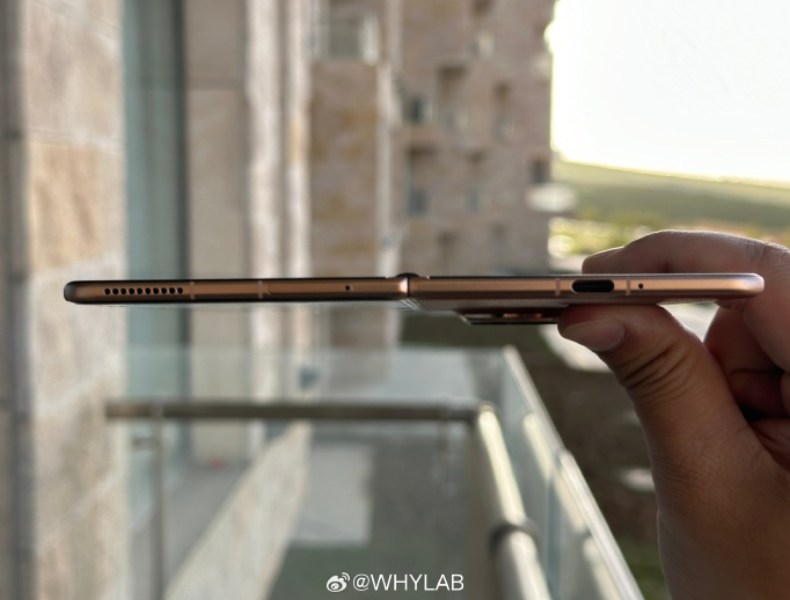
The tipster also showed the slim profile of the phone both folded and unfolded. When unfolded, Honor Magic V3 is said to be the world’s thinnest foldable. It will retain that title from the Magic V2, which currently holds the record at 9.9mm. This is partly thanks to the new 10% silicon content battery which reportedly makes the Magic V3 4.4% thinner than its predecessor.
Moving on, another image shows the crease of the Magic V3, and according to the tipster, users will hardly notice it when using the device.
In a separate Weibo post, WhyLab also shared camera samples of the Honor Magic V3. Some of these images are attached below for you to have a closer look. Alternatively, you can check all the samples here.
While the company hasn’t disclosed the full camera details of the Magic V3, it is rumored to feature a periscope telephoto camera with 3.5x optical zoom.
Under the hood, the phone will feature a Snapdragon 8 Gen 3 chipset, a battery with around 5,000mAh capacity, and support for 66W fast charging.
Honor has also built an Honor E1 chip that optimizes power management on the Magic V3. The chip reportedly maximizes energy efficiency to improve the battery life.
According to the report, the foldable will also offer two-way satellite connectivity support. We expect to learn more details in the coming days before the official launch on July 12.
We use cookies on our website to give you the most relevant experience by remembering your preferences and repeat visits. By clicking “Accept”, you consent to the use of ALL the cookies.
This website uses cookies to improve your experience while you navigate through the website. Out of these, the cookies that are categorized as necessary are stored on your browser as they are essential for the working of basic functionalities of the website. We also use third-party cookies that help us analyze and understand how you use this website. These cookies will be stored in your browser only with your consent. You also have the option to opt-out of these cookies. But opting out of some of these cookies may affect your browsing experience.
Necessary cookies are absolutely essential for the website to function properly. This category only includes cookies that ensures basic functionalities and security features of the website. These cookies do not store any personal information.
Any cookies that may not be particularly necessary for the website to function and is used specifically to collect user personal data via analytics, ads, other embedded contents are termed as non-necessary cookies. It is mandatory to procure user consent prior to running these cookies on your website.