
Add GIZMOCHINA as Preferred Source on Google
Before USB came into existence, computers were equipped with serial and parallel ports to plug devices into the computers and transfer data. Individual ports were used for peripherals such as keyboards, mice, joysticks and printers. Expansion cards and custom drivers were often required to connect the devices. Parallel ports transferred data at approximately 100 kilobytes per second, whereas serial ports ranged from 115 to more than 450 kilobits per second. Some ports could not run simultaneously. That these snags were eradicated with the introduction of the USB technology.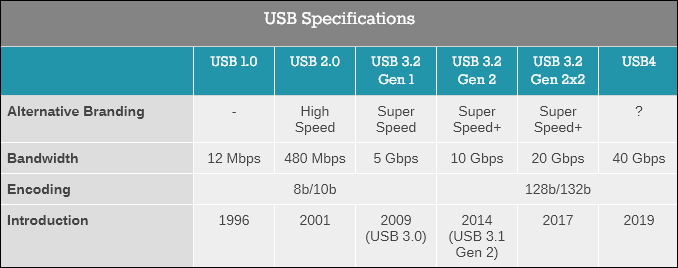
The first USB technology began development in 1994, co-invented by Ajay Bhatt of Intel and the USB-IF (USB Implementers Forum, Inc). The organization is comprised of industry leaders like Intel, Microsoft, Compaq, LSI, Apple and Hewlett-Packard. It supports and adopts comprehensive specifications for all aspects of USB technology. Since the introduction, we have seen the technology grow from USB 2.0 to USB 3.0 with an attendant increase in data transfer speed and other benefits. The USB Promoter Group is now planning to release the USB 4.0. The specification of the next-gen USB technology has just been shared by the group.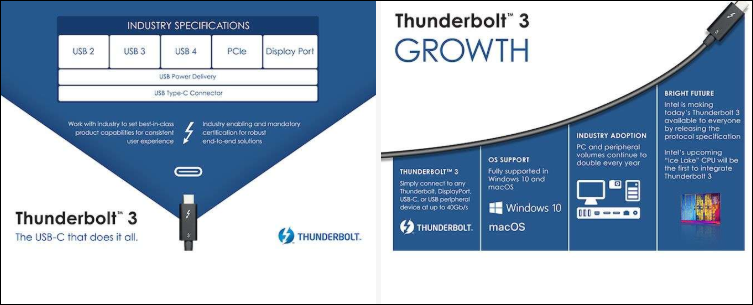
Read Also: Xiaomi Redmi Note 7 vs Huawei P Smart (2019) vs Honor 10 Lite: Specs Comparison
According to the details, the new standard is based on Intel’s Thunderbolt protocol and supports a range of features, including data transfer rates of up to 40 Gbps, display interfaces, and power delivery. The new interface is said to still retain the USB Type-C connectors and will maintain backwards compatibility with USB 2.0, USB 3.2, and Thunderbolt 3 interfaces. Furthermore, the USB 4.0 will support a maximum data transfer rate of 40 Gbps over 40 Gbps-certified cables. Also, USB 4.0 will support various display protocols and power delivery. USB promoter group is expected to ratify the USB 4.0 in the middle of 2019. Ahead of the scheduled release, over 50 companies are reportedly participating actively in the final stages of development of the draft USB 4.0 specification.
(via)

Comments