
Add GIZMOCHINA as Preferred Source on Google
Lenovo-owned Motorola has gone official with two new smartphones in the US. The Moto G Fast and Moto E (2020) are budget models with fairly decent specs. 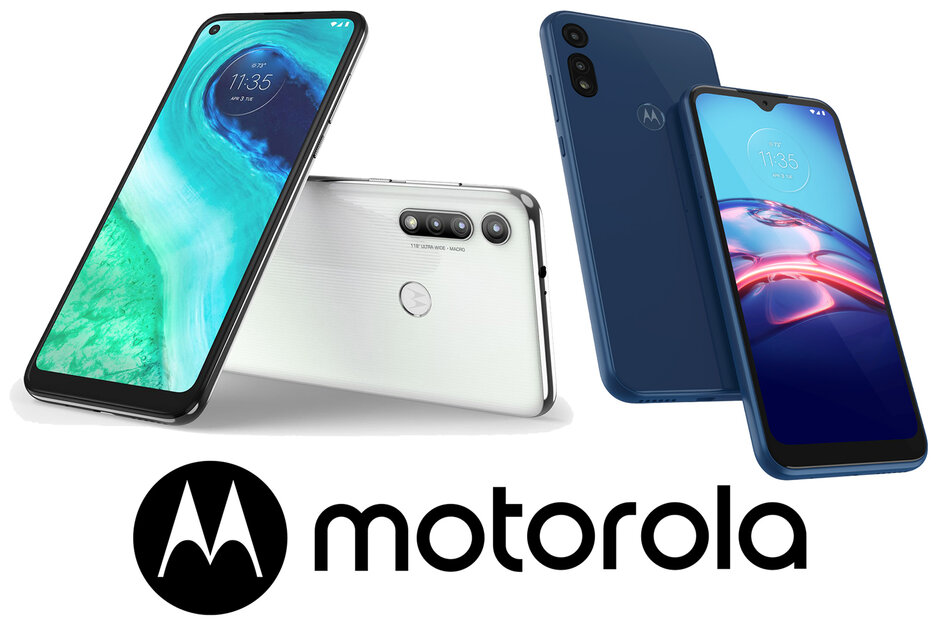
The Moto G Fast sports a 6.4-inch Max Vision IPS LCD panel with a resolution of 720×1560 pixels and a punch-hole design. The phone also adopts a tall 19:9 aspect ratio. It is powered by a Qualcomm Snapdragon 665 chipset paired with 3GB of RAM. The phone has 32GB of expandable storage onboard. Providing the lighting is a 4,000mAh battery and the phone also supports 10W fast charging via a USB-C port. 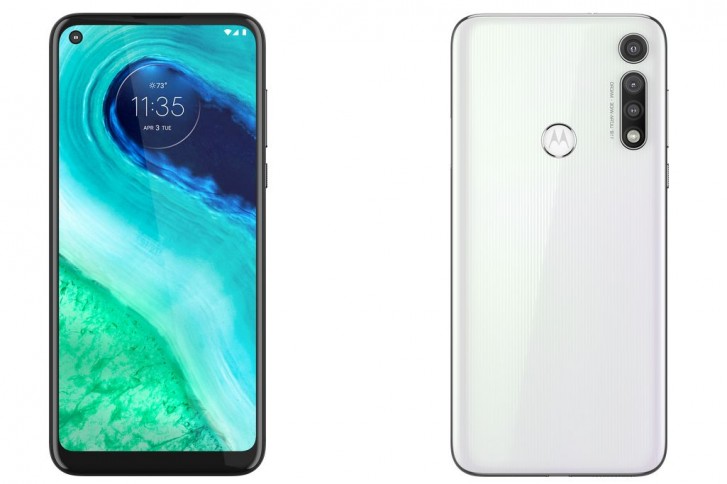
On the camera end, the phone packs a triple camera setup at the rear. The setup includes a 16MP f/1.7 main sensor teaming up with an 8MP ultrawide sensor and a 2MP dedicated macro unit. For selfies, there’s an 8MP front camera. The phone has a rear-mounted fingerprint sensor, a 3.5mm audio jack and IP52 water/dust resistance rating.
The Moto G Fast is priced at $200 and will go on sale in the US on June 12 through Amazon, Walmart, B&H and BestBuy.
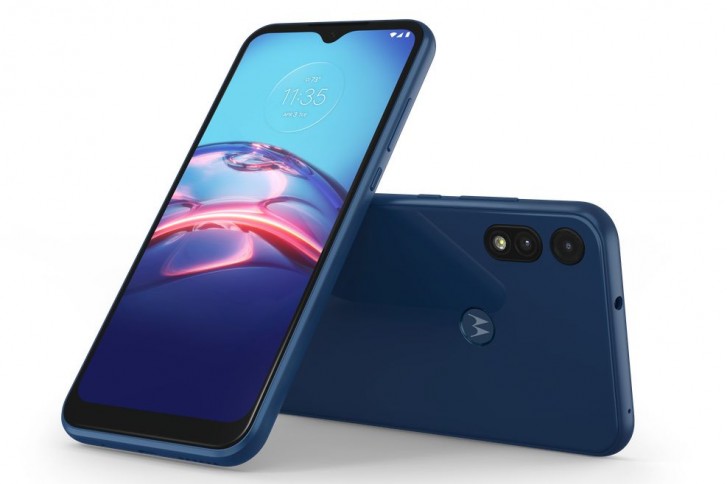
Moto E (2020)
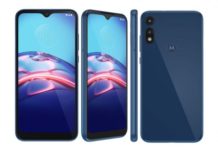
On its part, the Moto E (2020) sports a 6.2-inch LCD display with 720×1520 pixels resolution and a waterdrop notch design. It is fired up by a Snapdragon 632 chipset paired with 2GB of RAM. The Moto E also comes with 32GB of internal storage which can also be expanded. Keeping the lights on is a decent 3,550mAh battery that charges over a micro-USB port.
For photography, the Moto E (2020) packs a dual-camera setup at the rear consisting of a 13MP main sensor and a 2MP depth sensor. The back panel also plays host to a fingerprint sensor for unlocking the phone. The waterdrop notch holds a 5MP selfie shooter.
Both the Moto E (2020) and Moto G Fast are running an almost-stock variant of Android 10 with Motorola’s promise of at least one major OS update for the Moto G Fast but none of such promise for the Moto E (2020).
The Moto E (2020) is IPx2 certified for dripping rain (no dust protection) and will go on sale unlocked for $150 through a number of US retailers and subsidized through T-Mobile, Boost Mobile, US Cellular, Xfinity Mobile, Republic Wireless and Verizon prepaid.
UP NEXT: Oppo Enco W51 TWS with ANC launches in China for 499 Yuan ($70)


Comments