
Add GIZMOCHINA as Preferred Source on Google
Vivaldi, the Chromium-based web browser has introduced two rows of tabs to its Android mobile browser, making it the first browser to do so on the smartphone platform.
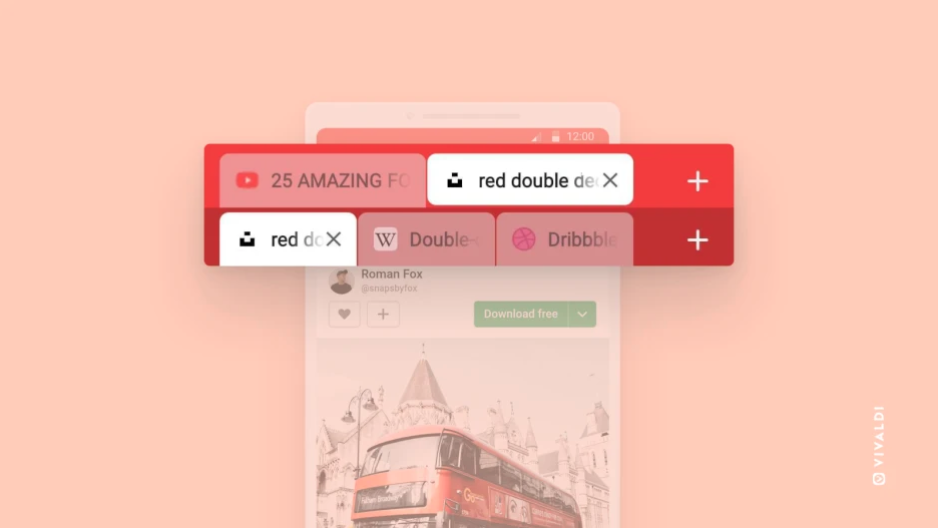
The new feature comes with its 5.0 update and enables users to keep two separate rows of tabs open at once, placing one on top of the other row. The “two-level tab stacks” solution was launched earlier this year in the browser’s desktop version and now has come to Android devices. Yes, that includes Android tablets, which get a whole host of improvements and new features, but more on that later.
Vivaldi 5.0 for Android smartphones
To enable this new feature, you have to long-press the New Tab button and select “New Tab Stack.” That should allow you to start using the new stack/group you created, with the current tab and one new additional tab.
In addition to the two-level tab stack feature, the 5.0 update also brings an improved tab interface and new ways to tweak the tab bar. The built-in Notes tool has been enhanced too so that users can quickly handle big chunks of text from a webpage to an existing note with an “Append to Note” option when highlighting text. Lastly, the update also brings dark mode for websites. When you toggle this feature, the browser automatically changes the site background color to black, making it easier on the eyes. This setting is saved on a per-site basis.
Vivaldi for Android tablets
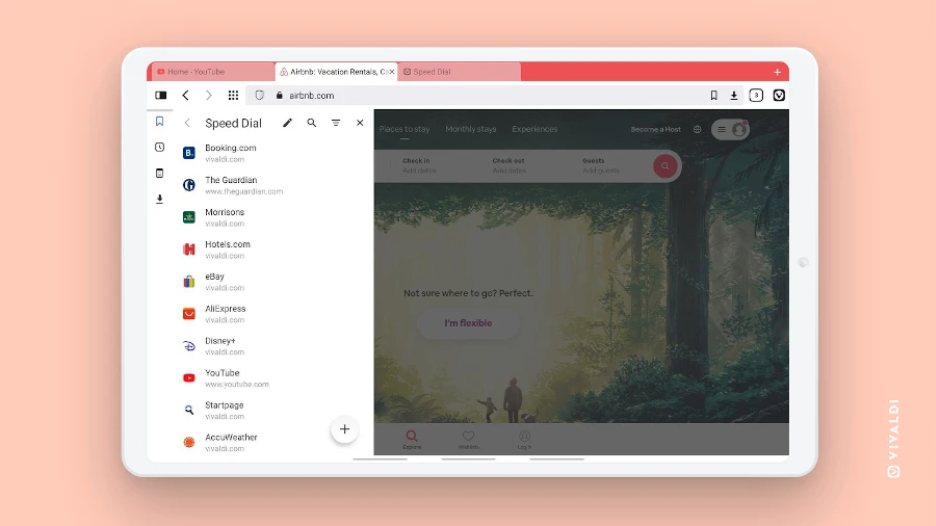
Vivaldi 5.0 also improves support for Android tablets. The tablet platform also gets the “two-level tab stacks” feature with an additional way of creating a new stack by simply dragging tabs onto one another to create a new tab stack.
Like the desktop browser, tablet users can now enable panels that appear on the left and provide quick access to functions such as bookmarks, history, notes, etc.
For those unaware, Vivaldi is a freeware, cross-platform web browser developed by Vivaldi Technologies, a Norway-based company founded by Tatsuki Tomita and Jon Stephenson von Tetzchner, who was the co-founder and CEO of Opera Software.
Although intended for general users, it is first and foremost targeted towards technically-inclined users as well as former Opera users disgruntled by its transition from the Presto layout engine to a Chromium-based browser that resulted in the loss of many of its iconic features.
RELATED:
- Microsoft makes it harder to switch default Edge browser in Windows 11
- Microsoft adds new prompts to stop users from switching to Chrome
- Google Chrome to soon add Microsoft Edge-like Side Search feature




Comments