
Add GIZMOCHINA as Preferred Source on Google
Google’s first popular use of its tiny radar chips it has been developing for a while came in the form of the face unlock system on the Pixel 4. While the tech sure generated quite the headlines at the time, it never gained widespread adoption. The Pixel 4 had a lackluster performance in terms of sales and the Pixel 5 ditched the chip entirely the next year.
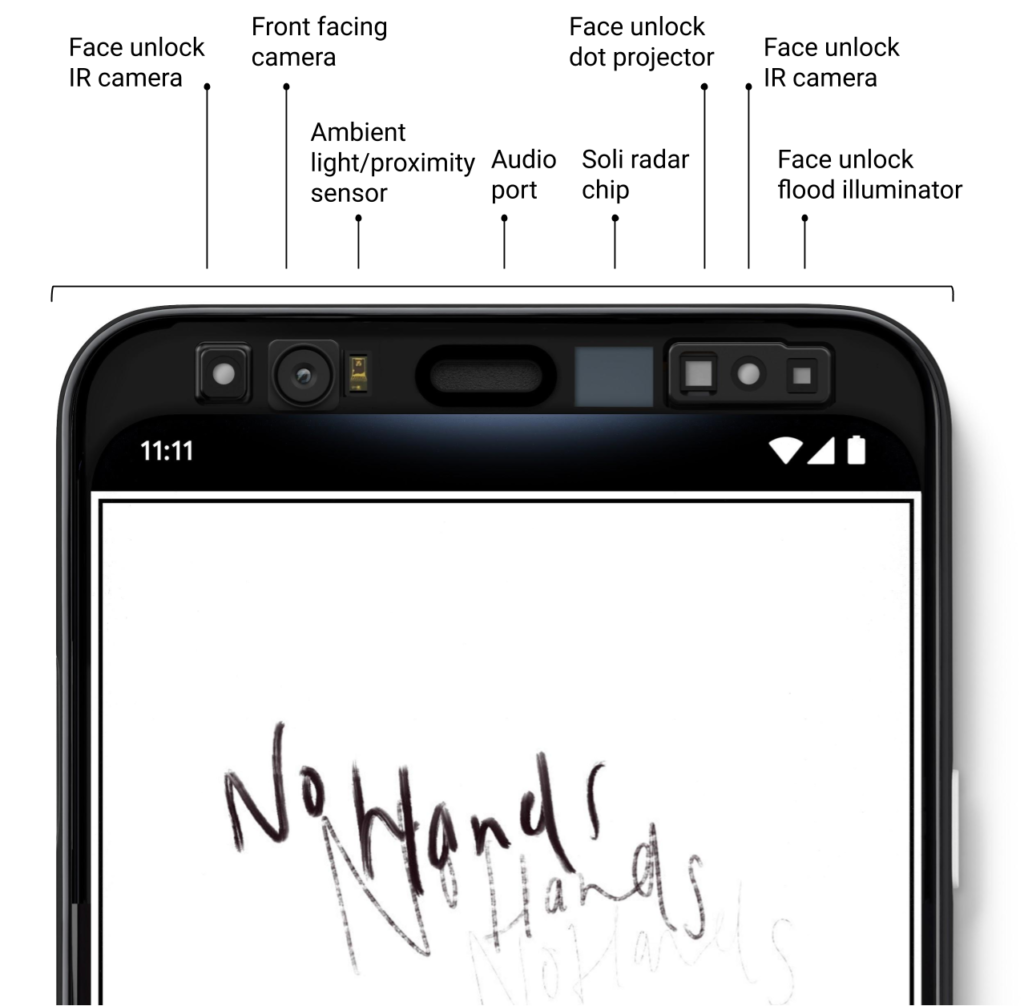
That hasn’t stopped Google from working further on the technology though. The Mountain View-based tech giant has now launched an open-source API standard called Ripple that has the potential to make its radar tech accessible to all. A range of companies are already participating in the program including Ford, Texas Instruments, blood pressure sensor maker Blumio, Infineon, and NXP — so it’s clear Google has gotten something right this time.
Ripple’s goal is to develop “an open radar API standard to enable hardware and software interoperability and accelerate the growth of applications for general-purpose consumer radar.”
Experts from various industries including silicon, sensing, automotive, and electronics along with Google have already come together to develop standardized Ripple API interfaces for radar system development.

Some of the applications of Ripple include:
- Non-invasive wellness monitoring that allows contactless vital sign measurement and sleep tracking for home and clinical use.
- Occupancy detection that can be used to optimize usage of office buildings and public spaces.
- Human activity recognition that can understand a person’s position and orientation, detect falls, help direct pedestrian traffic, track exercise, and more.
- And finally, Touchless gesture controls that expand the way humans interact with their cars, appliances, consumer electronics, and more.
Ford has told The Verge that indoor radar may become part of its driver-assistance technologies with the following statement:
“We are researching how to use interior radar as a sensor source to enhance various customer experiences beyond our leading Ford Co-Pilot360 driver-assist technologies that use advanced exterior radars today. A standard API, with semiconductor industry participation, will allow us to develop software independent of the hardware sourcing and give the software teams latitude to innovate across multiple radar platforms.”
Other companies are exploring radar too. Amazon, for example, is researching whether radar might help users monitor their sleep patterns.
RELATED:
- Google Pixel January update fixes bug preventing emergency calls
- Google forced to make changes on Nest speakers over Sonos lawsuit
- Google Pixel foldable phone “Pipit” spotted with key specifications at Geekbench
- Google to bring features like auto-switching and spatial audio to Android in coming months
- New Lenovo Smart Clock Essential comes with Alexa instead of Google Assistant


Comments