
Add GIZMOCHINA as Preferred Source on Google
The US-China tech war is getting interesting with the US, Japan, and Netherlands engaging in diplomatic talks to increase the sanctions on semiconductor exports to China. The US is pressurizing Japan and Netherlands to increase the already long list of sanctions and practically ban any export of machinery, technology, personnel, and technical know-how to the Asian giant, which is the largest consumer of semiconductors in the world.
The existing sanctions have already affected the global semiconductor industry, especially major suppliers like ASML Holdings of the Netherlands and Tokyo Electron of Japan.

ASML CEO, Peter Wennink said that if we keep on increasing the sanctions, China will eventually learn how to produce its own chips. It is just a matter of time before they learn how to make semiconductor manufacturing equipment and become completely self-reliant.
He further added that “The more you put them under pressure, the more likely it is that they will double up their efforts.”
China’s History of Self-Reliance
A quick peek into history will show you that China is capable of going completely independent. China’s space program, high-speed railway, communication, 5G technology, and automotive industry all bear witness to the country’s capacity to grow and become self-reliant. Recently, Goldman Sachs economist also predicted that China’s GDP will surpass the US in 2035. All of these indicate that the country has the ability to go solo and may have already started the process.
In December, Reuters reported that China was already preparing a $143 billion package for its semiconductor industry, to enable local entrepreneurs and companies and counter the US curbs.
Last year Shanghai-based firms also achieved the milestone of mass-producing semiconductors with a 14nm process and made breakthroughs in 90-nm lithography machines, 5-nm etching machines, 12-inch large silicon wafers, central processing units, and 5G chips. China’s Semiconductor Manufacturing International Corp has also started exploring sub-10nm manufacturing techniques.
China’s Semiconductor Industry
Semiconductors are one of the hottest technology items of this decade. All the major technology sectors, like wired communication, consumer electronics, industrial electronics, automotive electronics, wireless communication, and computing and data storage, require semiconductors.
China, which aims to become the global leader in artificial intelligence and quantum computing, needs an uninterrupted supply of semiconductors to achieve this goal. However, the pandemic restrictions and the ongoing US sanctions have unveiled the loopholes in China’s supply chain, further strengthening Beijing’s belief that autonomy in the semiconductor industry is the only way to achieve global dominance.
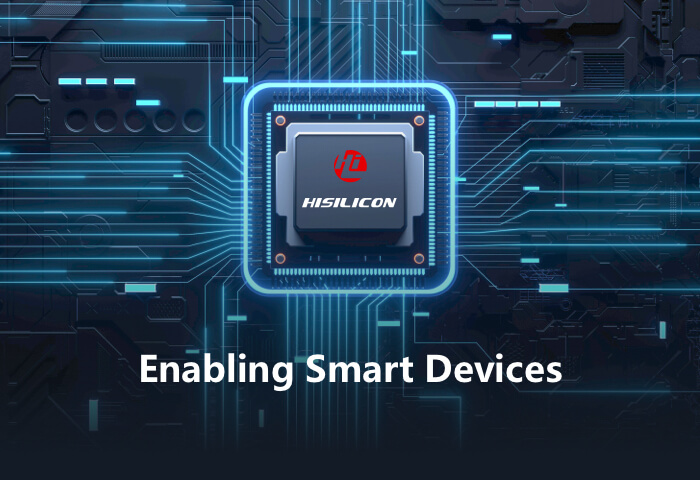
Currently, China’s semiconductor industry includes a wide variety of companies from Fabless semiconductor firms like ZhaoXin, UNISOC, and HiSilicon to IDMs (Integrated Device Manufacturers) like Yangtze Memory Technology Corp and ChangXin memory Technologies.
However, even though these companies can design semiconductors, they lack the technology and capacity to mass produce them, especially the cutting-edge chips required for Artificial Intelligence and other advanced technology.
For instance, China like every other country relies on ASML to supply the complex EUV (Extreme Ultraviolet Lithography) machine, required to create advanced semiconductors. EUV is used to mass produce the most advanced microchips (7 nm, 5 nm, and 3 nm nodes).
Under the current sanctions, ASML is not allowed to sell the EUV or share related technology, material, or personnel with any Chinese company. However, the country circumvented this issue by using the DUV lithography system, which is still imported.
Impact of the Additional Sanction
Now, US wants the Japanese and Dutch government to further widen their sanctions. Talks are going on to ban the exports of DUV lithography machines and related technology. If approved, these sanctions may cripple China in the short term but will actually have a worse effect on Dutch and Japanese companies as they stand to lose more than China in this bargain.
Tokyo Electron, one of the largest semiconductor companies in Japan, gets around 25% of its revenue from exports to China. ASML has 14% of its revenue and 15% of order backlogs from China. Any additional sanctions will adversely affect the business of these two major semiconductor suppliers.
If approved, the new sanctions will help US to stop the technological and economical advancement of China. In the short term, it is going to be very difficult for China to sustain and develop its semiconductor industry under the mounting pressure of sanctions. However, if we look at Beijing’s track record, then we can presume that the country will fight back and may even change the whole semantics of the global semiconductor industry in the coming years.
RELATED:
- China Faces Major Threat to Semiconductor Autonomy, as Japan and Netherlands Plans to Join the Ongoing Tech War
- ASML Expects to Continue Business with China Despite US Pressure
- China Plans to End the Duopoly of Boeing and Airbus: Homemade C919 Jetliner all set to Fly This Spring
(Source)

Comments