Add GIZMOCHINA as Preferred Source on Google
iQOO just took the wraps off of its latest mid-range smartphone, the iQOO Z9x. Now if you’re in the market for a new phone, you might wonder how this new device compares to older models like the iQOO Z7x.
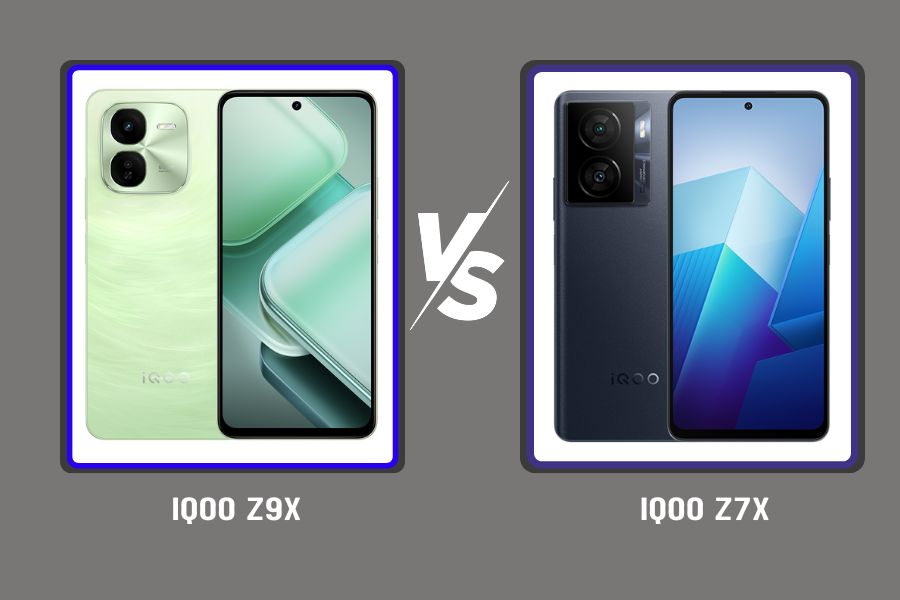
At first glance, there aren’t many differences between the iQOO Z9x and the Z7x. In fact in most cases, the hardware and software features of the Z9x are only slightly improved. And given that the Z7x is an older model, it might now be available at a discounted price, making it an attractive option.
However, the iQOO Z9x does offer some upgrades that could influence your decision. Let’s go through them in this comparison.
1. Design and Display
On the surface, the phones are quite similar. They sport a sleek plastic build, a side-mounted fingerprint sensor, and a headphone jack – a welcome feature for audiophiles. However, the Z9x has a slightly larger display at 6.72 inches compared to the Z7x’s 6.64 inches.
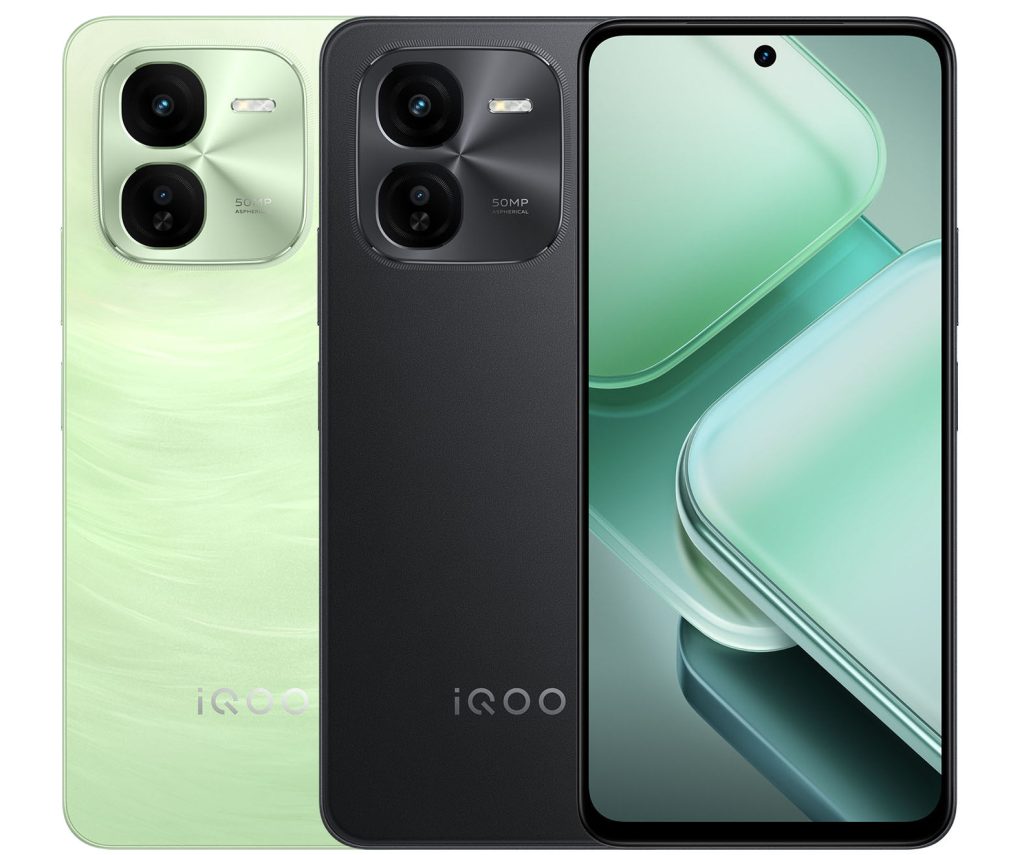
The Z7x is also a bit heavier at 205g compared to the Z9x’s 199g. Additionally, the Z9x has an IP64 rating for dust and water resistance, while the Z7x lacks any form of ingress protection.
Both phones feature IPS LCD panels with a 120Hz refresh rate for smooth scrolling. Resolution-wise, they’re nearly identical too, offering a sharp 1080p+ viewing experience.
2. Performance
As for the performance, the Z7x is powered by the Qualcomm Snapdragon 695 chipset while the new Z9x has Snapdragon 6 Gen 1 under the helm.
Both are octa-core chipsets using similar cores: Cortex-A78 for high performance and Cortex-A55 for efficiency. However, it’s the core architecture that differs between these SoCs.
The 6 Gen 1 has four high-performance cores compared to two on the 695, both clocked at 2.2GHz. On the other hand, the 6 Gen 1 has four Cortex-A55 cores, while the 695 has six.
This means that while you can expect a similar day-to-day experience with both phones, the newer Z9x may have a slight edge in demanding tasks like gaming.
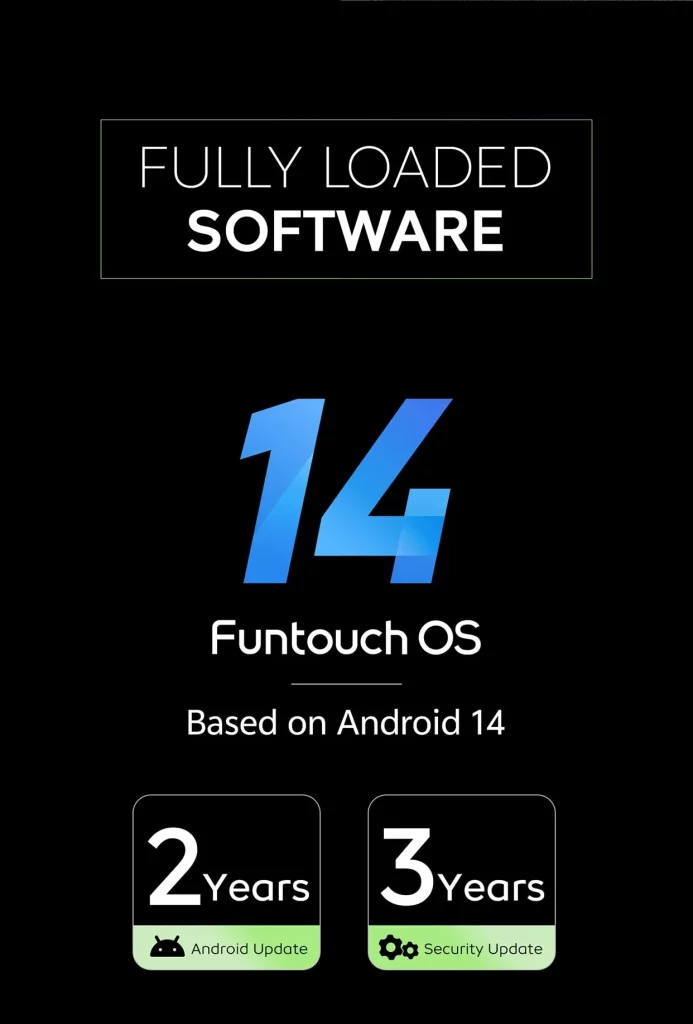
The Z9x also comes pre-installed with Android 14, whereas the Z7x comes with Android 13. Although there aren’t significant differences in software features, the Z9x will receive updates for a longer period, with major updates up to Android 16 and security patches until 2027.
Both phones offer similar memory configurations, ranging from 6GB to 12GB RAM and 128GB to 256GB of UFS 2.2 storage.
3. Cameras
On paper, both phones sport a dual rear camera system with a 50MP main sensor and a 2MP depth sensor. While megapixels don’t tell the whole story, you can expect decent photos in good lighting conditions from either of them.
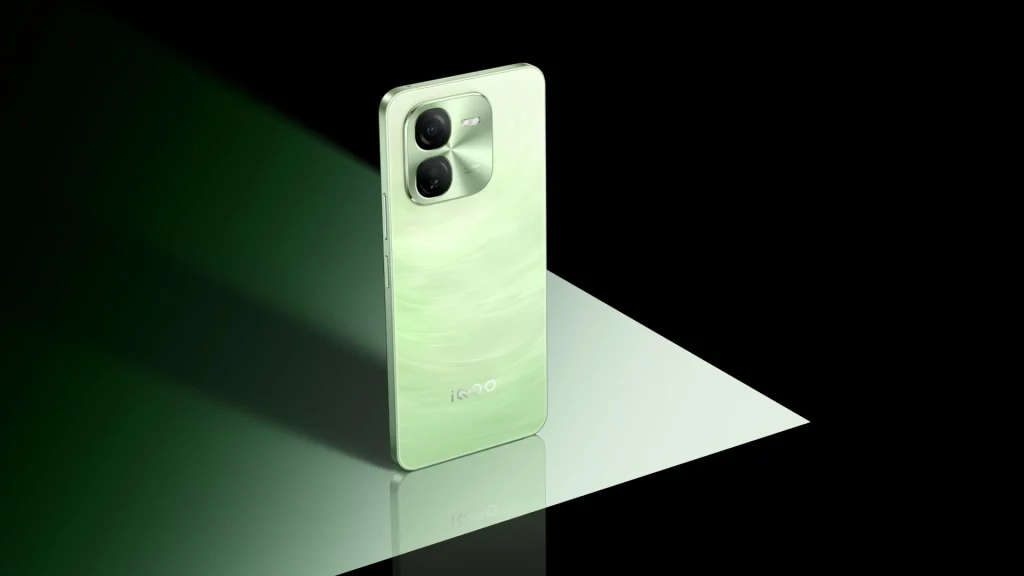
Video recording capabilities differ between the two, with the Z9x offering up to 4K capture compared to the Z7x’s 1080p limit. The selfie cameras are identical at 8MP on both phones.
Without in-depth camera reviews, it’s difficult to say definitively which phone takes better pictures. So if you’re considering purchasing either of these phones, we recommend watching individual or comparative reviews to get a better understanding of their camera performance.
4. Battery and Charging
Thankfully, both phones come equipped with a massive 6000mAh battery, ensuring you can power through the day on a single charge. However, the Z7x takes the lead in the charging department with its 80W wired charging support. That will significantly reduce your charging time compared to the Z9x’s 44W.
5. Conclusion
While there aren’t many differences in specifications, the iQOO Z9x does offer some quality-of-life upgrades such as an IP rating, a longer software update promise, and a slightly better processor. Both phones are similarly priced too, so unless you find the iQOO Z7x at a good discount, it’s better to go with the newer model.
Related:
- iQOO Z9x vs Moto G64: Which Budget Phone Offers Better Value?
- How will Motorola Razr 50 Ultra differ from Razr 40 Ultra?
- Vivo X100s vs Vivo X100: What are the upgrades?
- Get $100 OFF on VIVO X100 Ultra at GeekWills
- Get Blackview HERO 10 Premium Foldable Phone for an Early Bird Price of $429
- HyperOS vs MIUI: 10 Things You Must Know