
Add GIZMOCHINA on Google:
The Poco F series has garnered a reputation for delivering flagship-level performance at mid-range prices. Originating as a sub-brand of Xiaomi, Poco quickly established itself as a global player, though it remains absent in mainland China. The series has seen a unique evolution, with the Poco F1 standing as the only truly original device, while subsequent models have been rebranded versions of Redmi phones, primarily from the Redmi K series.
1. Poco F1 (2018)
Launched in 2018, the Poco F1 was a groundbreaking smartphone that disrupted the market with its flagship Snapdragon 845 processor, ample RAM, and a competitive price point. It quickly became a fan favorite, acclaimed for its performance, battery life, and value proposition. The Poco F1 established the series’ identity as a performance-focused brand that catered to budget-conscious consumers.
2. Poco F2 Pro (2020)
The Poco F2 was notably absent from the lineup, replaced by the Poco F2 Pro, which was a rebranded version of the Redmi K30 Pro. Released in select global markets, the F2 Pro inherited the K30 Pro’s powerful Snapdragon 865 processor, pop-up selfie camera, and high refresh rate AMOLED display. While not an original device, the F2 Pro maintained the series’ commitment to high performance and affordability.
3. Poco F3 (2021)
Continuing the trend of rebranding, the Poco F3 was launched in 2021 as a global counterpart to the Redmi K40. It featured a Snapdragon 870 processor, a 120Hz AMOLED display, and a triple camera setup. The F3 further solidified Poco’s position as a brand that offered premium features at mid-range prices.
4. Poco F3 GT (2021)
Poco ventured into the gaming smartphone segment with the F3 GT, a rebranded version of the Redmi K40 Gaming Edition. It boasted a MediaTek Dimensity 1200 processor, physical shoulder triggers, and a gaming-optimized design. The F3 GT demonstrated Poco’s ability to cater to niche markets while maintaining its core value proposition.
5. Poco F4 (2022)
The Poco F4 continued the pattern of rebranding, serving as the global variant of the Redmi K40S. It came equipped with a Snapdragon 870 processor, a 120Hz AMOLED display, and an improved camera system.
6. Poco F4 GT (2022)
Poco’s second gaming smartphone, the F4 GT, was a rebranded version of the Redmi K50 Gaming Edition. It featured a Snapdragon 8 Gen 1 processor, magnetic pop-up triggers, and a 120Hz AMOLED display. The F4 GT reinforced Poco’s dedication to the gaming market, offering high-end performance and gaming-centric features.
7. Poco F5 (2023) and Poco F6 (2024)
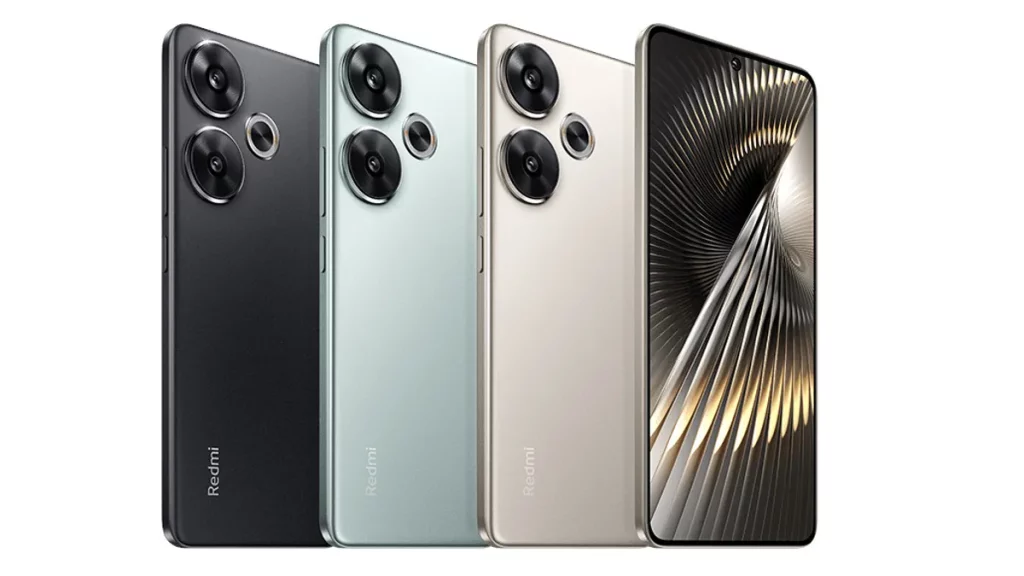
With the release of the Poco F5 and F6, Poco shifted its focus to the Redmi Note series. The Poco F5 is a rebranded version of the Redmi Note 12 Turbo, featuring similar specifications such as the Snapdragon 7+ Gen 2 processor, AMOLED displays with high refresh rates, and capable camera systems. Similarly, the Poco F6 recently launched as a rebranded version of the Redmi Turbo 3.
8. The Future of Poco F Series
The Poco F series has evolved significantly since its inception. While it began with the innovative Poco F1, subsequent models have primarily been rebranded Redmi devices. This strategy has allowed Poco to offer competitive smartphones at attractive prices, catering to a global audience seeking value and performance. However, it remains to be seen whether Poco will return to developing original devices or continue to leverage Redmi’s technology to deliver affordable flagship-level experiences.
The Poco F series has undeniably made its mark on the smartphone industry, providing consumers with access to high-end features without breaking the bank. As the series continues to evolve, it will be interesting to witness how Poco navigates the competitive landscape and maintains its identity as a brand that delivers exceptional value and performance.