
Add GIZMOCHINA as Preferred Source on Google
Group1 has made significant strides in battery technology with the introduction of the world’s first 18650 cylindrical potassium-ion battery.
This innovative development could offer a viable alternative to the dominant lithium-ion batteries, addressing concerns over supply chain constraints and environmental impact.
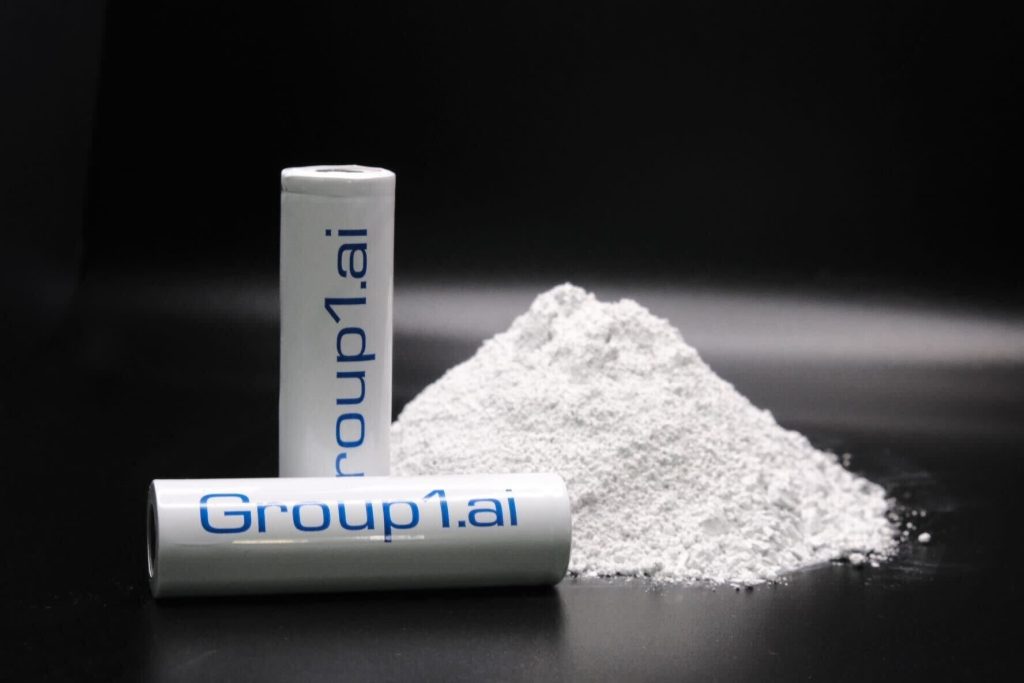
The battery delivers advanced cycle life and strong discharge performance
Unlike lithium-ion batteries, potassium-ion batteries utilize potassium ions as charge carriers. Despite the different chemistry, they maintain the standard 18650 form factor, ensuring compatibility with existing devices and infrastructure.
The new battery boasts a nominal voltage of 3.7V and an energy density comparable to lithium iron phosphate batteries, making it suitable for a wide range of applications.
Potassium-ion batteries offer the advantage of using readily available commercial components like graphite anodes and separators, which reduces dependency on critical minerals such as nickel, cobalt, and lithium. This could result in more stable supply chains and lower production costs.
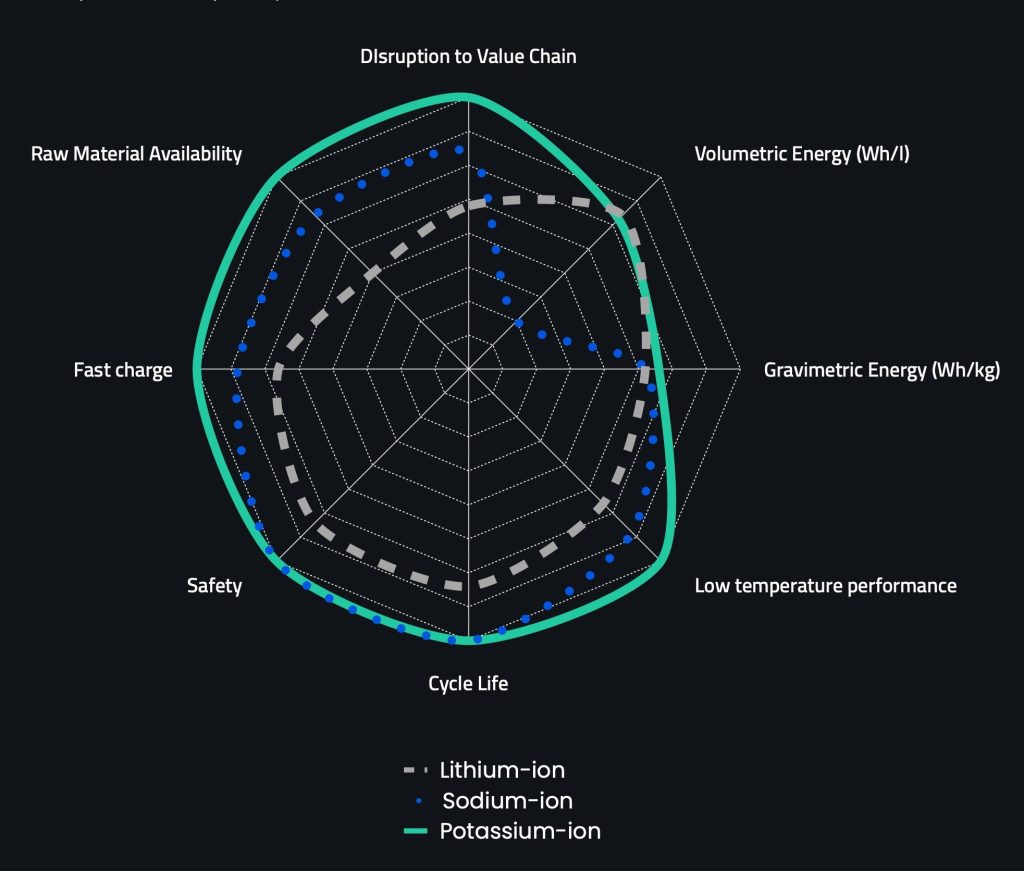
While potassium-ion batteries show promise in terms of performance and sustainability, the technology is still in its early stages. Challenges such as optimizing energy density and extending cycle life need to be addressed for widespread adoption.
These batteries hold immense promise, however, it’s important to note the concurrent development of sodium-ion batteries as well. These batteries also leverage abundant and inexpensive materials, offering benefits like faster charging and improved safety. Although their energy density currently lags behind lithium-ion, ongoing research is rapidly advancing their capabilities, making them a potential contender for large-scale energy storage solutions.
The emergence of potassium-ion and sodium-ion batteries signifies a pivotal moment in the battery industry. As research and development progress, these technologies could reshape the energy landscape, providing more sustainable and efficient power sources for a wide range of applications.
Alexander Girau, CEO of Group1, expressed enthusiasm about the potential of potassium-ion batteries to reshape the energy storage landscape. “Years of dedicated research have culminated in this breakthrough,” he stated. “We believe this technology will play a pivotal role in driving sustainable and efficient energy solutions.”
(Source)



Comments