Add GIZMOCHINA as Preferred Source on Google
Both Xiaomi Smart Band 9 and Fitbit Charge 6 are fitness trackers aiming to help users achieve their health and wellness goals. However, they cater to slightly different needs with distinct features and price points. Let’s delve deeper into their specifications to see which one might be the better fit for you.
1. Display and Design
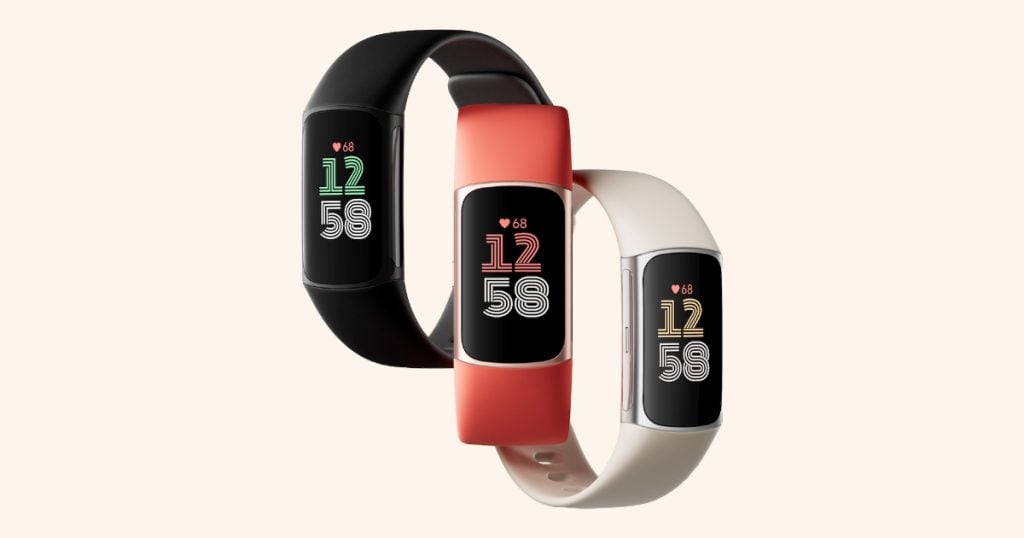
The Xiaomi Smart Band 9 takes the cake when it comes to display size. Its 1.62-inch AMOLED display boasts a peak brightness of 1200 nits, making it easily readable even in bright sunlight. The Fitbit Charge 6, on the other hand, utilizes a smaller color touchscreen with an always-on display feature. Both offer a wide range of watch faces for personalization, but the Smart Band 9 boasts over 200 official options and unlimited third-party support compared to the Charge 6’s unspecified number.
For design, the Smart Band 9 features a sleek, lightweight body (15.8g) with aluminium alloy frame and TPU strap available in various colors. The Charge 6 also utilizes an aluminum casing and a silicone band. Both trackers are water-resistant up to 5 ATM, allowing them to withstand swimming and shallow dives.
2. Battery Life
The Xiaomi Smart Band 9 boasts a massive advantage in battery life. Xiaomi claims it can last up to 21 days on a single charge, whereas the Fitbit Charge 6 only manages up to 7 days. This makes the Smart Band 9 ideal for those who prefer not to worry about frequent charging.
3. Fitness Tracking
Both trackers offer a wide array of fitness-tracking features. The Smart Band 9 boasts over 150 workout modes, including professional courses for running and boxing. It also tracks continuous heart rate, blood oxygen saturation (SpO2), sleep, and even female health. The Charge 6 offers slightly fewer workout modes (over 40) but includes built-in GPS, which eliminates the need to carry your phone during outdoor workouts.
The Charge 6 shines in advanced heart rate tracking, thanks to sensors and algorithms borrowed from Google’s Pixel Watch. It promises up to 60% better accuracy during high-intensity workouts. Additionally, the Charge 6 offers an ECG app for monitoring atrial fibrillation and EDA scans for stress management, features absent from the Smart Band 9.
4. Smart Features
Both trackers offer basic smart features like notifications, music control, and weather updates. However, the Charge 6 integrates seamlessly with gym equipment and fitness apps, allowing users to view real-time heart rate data. It also features Google Wallet payments and controls for YouTube Music (with a premium subscription) and Google Maps. The Smart Band 9 offers a more basic set of smart features.
5. Price
The Xiaomi Smart Band 9 is a clear winner in terms of affordability. It retails for around $44, significantly cheaper than the Fitbit Charge 6’s $159.95 price tag.
6. Conclusion
The Xiaomi Smart Band 9 excels with its large, bright display, impressive battery life, and wide range of workout modes, all at a budget-friendly price. However, it lacks advanced health tracking features and smart functionality compared to the Fitbit Charge 6.
The Charge 6 caters to users who prioritize accurate heart rate monitoring, built-in GPS, stress management tools, and deeper integration with fitness apps and gym equipment. Ultimately, the choice depends on your needs and budget. If affordability and a large display are key, the Smart Band 9 shines. If advanced health tracking, built-in GPS, and deeper smart features are your priorities, the Charge 6 is the better option.