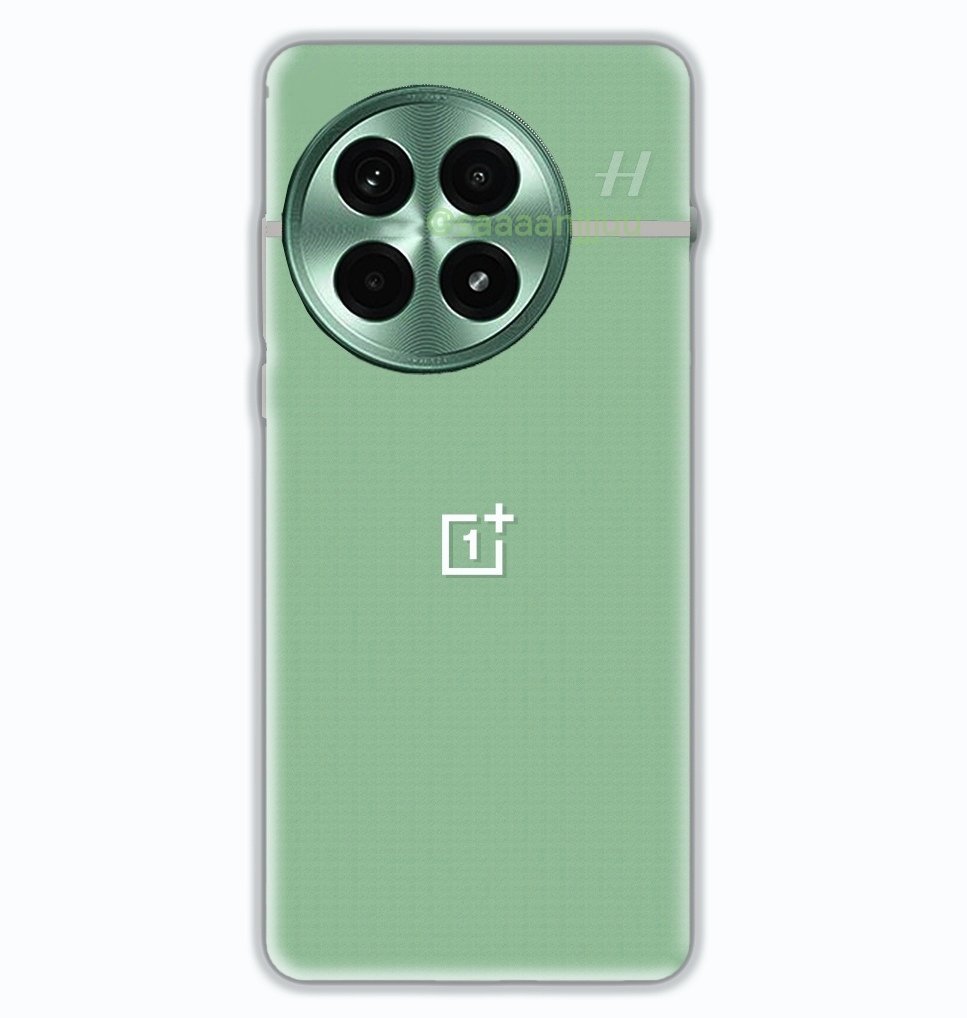
With the Qualcomm Snapdragon 8 Gen 4 (8 Elite) release being right around the corner, brands are gearing up for the launch of their flagship Android smartphones. OnePlus is one of these companies with the OnePlus 13 being its next generation premium device. But should you should wait for it? Is it worth your hard earned money? Let’s find out.
To recall, the Snapdragon 8 Gen 4 was just spotted on GeekBench in two variants, with its scores being topping MediaTek’s new Dimensity 9400. So the OnePlus 13 might feature the most powerful chipset in the flagship Android category. You can even click here to check out a comparison between these powerhouse chips.
2. Improved Photography
OnePlus is expected to refine the camera system on the upcoming OnePlus 13. The new premium phone is getting a new camera module on the outside, which will house three 50-megapixel cameras. The main sensor is a 50-megapixel Sony LYT808 sensor, which is paired with two LYT600 sensors for ultra wide angle lens and a telephoto shooter that offers 3x optical zoom and higher hybrid zoom.
We can expect OIS (Optical Image Stabilization) on the main and telephoto shooter. But that’s not all, the OnePlus 13 likely continues the collaboration with known camera maker Hasselblad. So the smartphone would likely offer an enhanced telephoto shooter, top tier image processing, and AI powered functions as well.
3. Premium Design & Display
OnePlus 13 is rumored to feature BOE’s second generation Oriental screen. For those unaware, the OnePlus 12 packed the first gen Oriental panel, which offers 2.5K resolution, 4,500 nits of peak brightness, a 120Hz refresh rate, LTPO panel, 2160Hz PWM dimming, and 510 PPI pixel density. This was a tall 6.82-inch panel that also offered Dolby Vision and HDR10+ support. So its successor likely brings improvements in different aspects.
The OnePlus 12 launched with an aluminum frame on the side, while the front and back had Corning’s Gorilla Glass for protection. Combining glass and metal adds to its premium feel. The company is expected to make a notable change to the rear design, making the camera module blend into the back panel.
4. Other notable specs
The OnePlus 13 might soon take the lead in battery life on flagship smartphones. It is expected to house a massive battery, which may have a total capacity of 5,840mAh. In other words, it has a typical rating of around 6,000mAh. This would mean that the battery size of the OnePlus 13 is more than 10 percent larger than its predecessor. The large cell would support 100W wired fast charging and magnetic wireless charging.
We use cookies on our website to give you the most relevant experience by remembering your preferences and repeat visits. By clicking “Accept”, you consent to the use of ALL the cookies.
This website uses cookies to improve your experience while you navigate through the website. Out of these, the cookies that are categorized as necessary are stored on your browser as they are essential for the working of basic functionalities of the website. We also use third-party cookies that help us analyze and understand how you use this website. These cookies will be stored in your browser only with your consent. You also have the option to opt-out of these cookies. But opting out of some of these cookies may affect your browsing experience.
Necessary cookies are absolutely essential for the website to function properly. This category only includes cookies that ensures basic functionalities and security features of the website. These cookies do not store any personal information.
Any cookies that may not be particularly necessary for the website to function and is used specifically to collect user personal data via analytics, ads, other embedded contents are termed as non-necessary cookies. It is mandatory to procure user consent prior to running these cookies on your website.