Add GIZMOCHINA as Preferred Source on Google
Huawei teased the HarmonyOS Next as a massive update earlier this year. The company recently released the public beta for some of its smartphones earlier this week, with its official release following soon after. This is a major platform update, marking the departure from the Android operating system. So here’s a list of supported devices and an update timeline.
1. HarmonyOS Next: List of Supported Devices
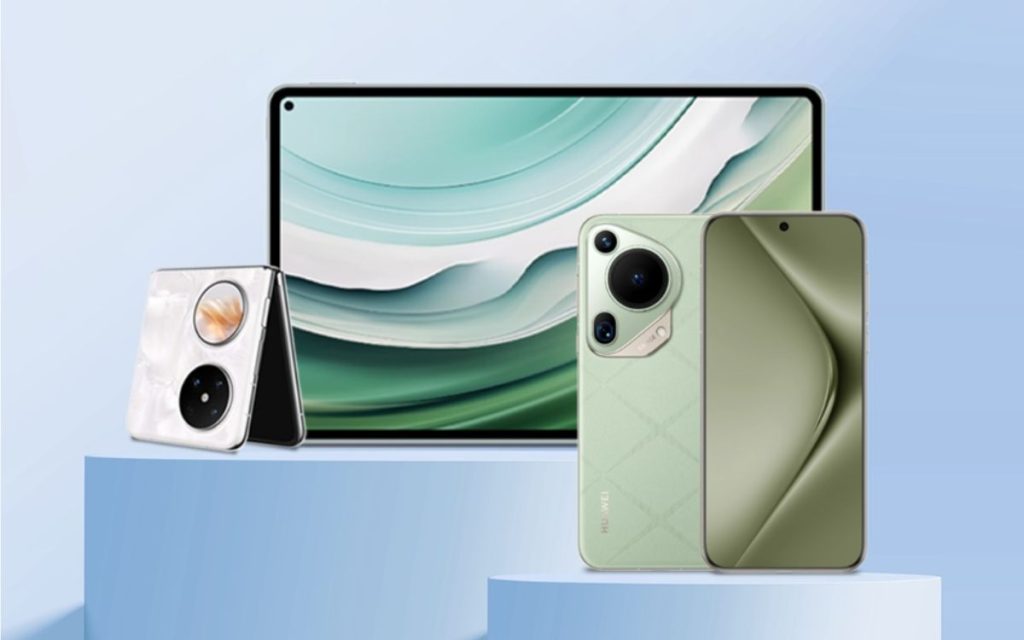
When the Chinese tech giant first rolled out the public beta update, the first smartphones to get the HarmonyOS Next to update were the Huawei Mate 60 series, Mate X5 series, and the MatePad Pro 13.2-inch series. During the HarmonyOS Next announcement, the company announced that it is bringing the update to 8 new devices. Here’s a list of those models:
- Pura 70
- Pura 70 Satellite Messaging Edition
- Pura 70 Pro
- Pura 70 Pro+
- Pura 70 Ultra
- Pocket 2
- Pocket 2 Art Custom Edition
- MatePad Pro 11-inch
Other models expected to get the update includes
- Mate XT Ultimate Design
- Nova Flip
- MatePad Air
- Nova 13
- Nova 13 Pro
As of right now, users that own any of these devices can apply for the beta upgrade through the “My Huawei” application, which is under the “Early Access” category. It is worth noting that Huawei will expand the supported device list in the coming weeks and months to include more devices. The Huawei Nova 13 and Nova 13 Pro just launched with HarmonyOS 4.2, so we can expect it to be one of the first to receive HarmonyOS Next update after this list.
2. When does the HarmonyOS Next Update arrive?
Huawei has only released the public beta of the HarmonyOS Next update. It had originally revealed the major software update back in January, but the launch date of its final build is still unclear. The Pura 70 series, Pocket 2 series, and MatePad Pro 11-inch are already getting the beta update, while other devices like the Mate XT Ultimate Design, Nova Flip, and MatePad Air will receive updates by early 2025.
3. HarmonyOS Next: What makes it special?
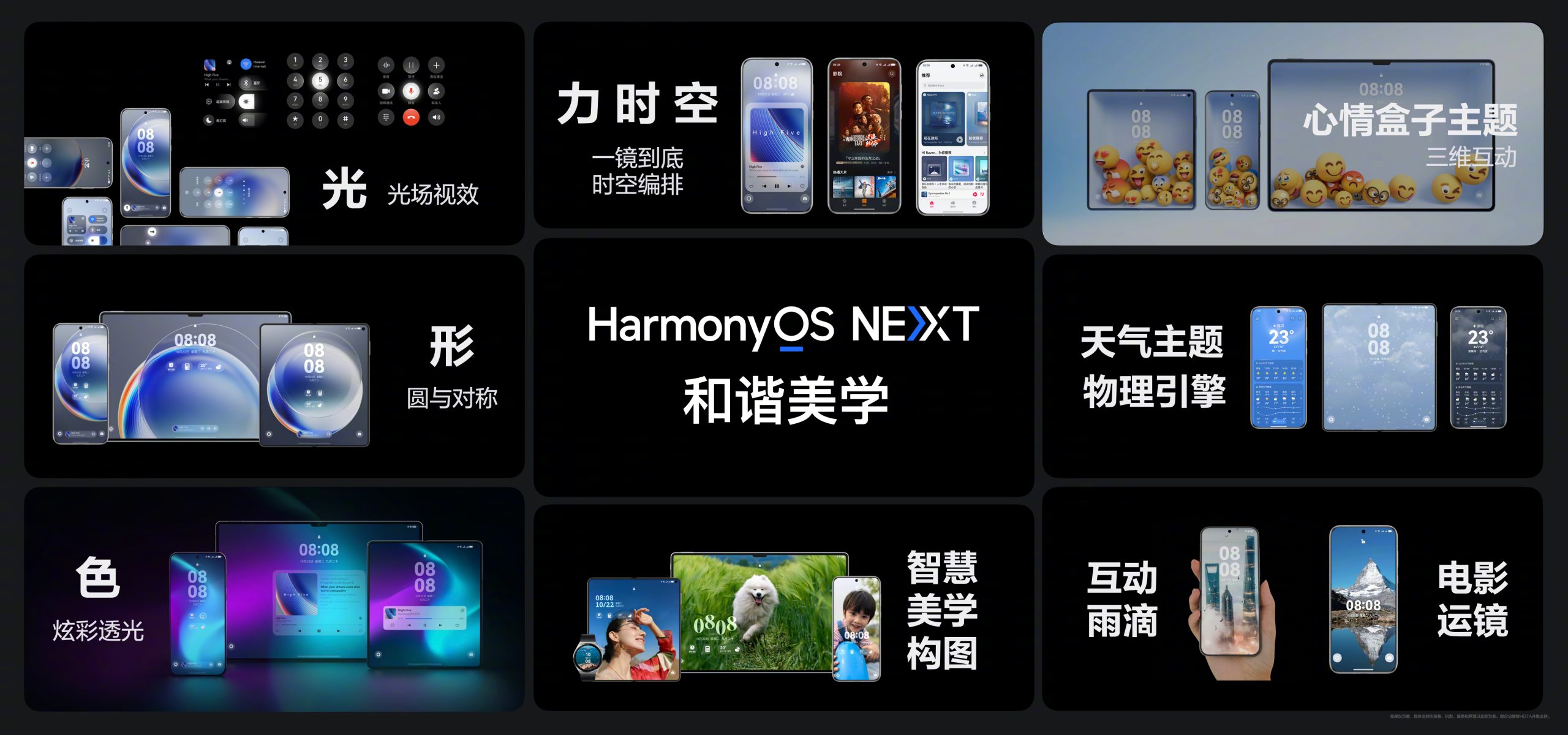
Huawei is marketing the HarmonyOS Next as the “Pure HarmonyOS”. This makes more sense since HarmonyOS is finally moving away from Android. It is being built independently, with an emphasis on native features and security. So the changes are more than skin deep as HarmonyOS Next now uses the self developed operating system that relies solely on the HarmonyOS kernel.
The next gen software is getting improved visuals and fluidity, using immersive lighting, gravity based animation, and central axis symmetry. Its UI will include dynamic wallpapers and seamless theme integration like its Android 15 counterpart. Privacy has also been a big focus, promising stricter permission management to prevent unauthorized access. There are also performance improvements and AI integration. The platform supports more than 15,000 native Harmony apps along with meta services across 18 industries.