
Add GIZMOCHINA on Google:
If you’ve kept up to date with upcoming smartphone launches, you would notice how many of the high end devices were recently confirmed to launch with ultrasonic fingerprint scanners. But what makes it different from the optical fingerprint sensors and why is it better? Read on to find out.
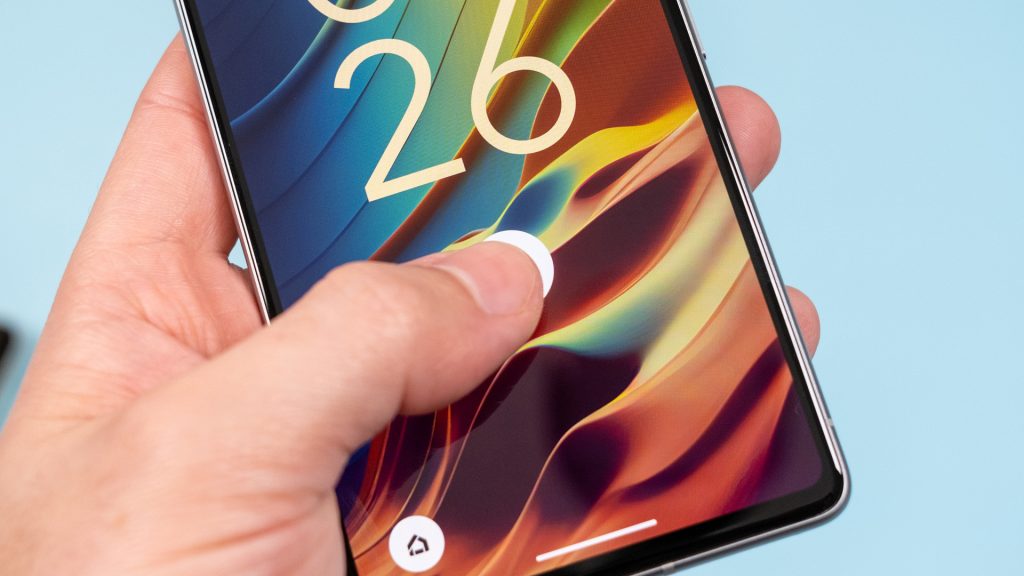
1. Ultrasonic vs Optical: How are they different?
Ultrasonic fingerprint scanners are usually only seen in premium phones like the Galaxy S24 series. So it is usually seen as the better technology for fingerprint security technology. This is not to say that optical scanners are not accurate. However, it can only take 2D mapping of your fingers. On the other hand, the ultrasonic fingerprint sensors create detailed 3D images of your fingerprints.
The former uses bright light to capture the fingerprint while the latter employs sound waves instead. Qualcomm and Goodix Solution are known ultrasonic sensor providers for smartphone brands. This technology has already been featured on the Vivo X200 Pro and iQOO Neo 9S Pro+. That’s not all, even the Xiaomi 15 series, OnePlus 13, and iQOO 13 are set to launch with this technology.
2. Benefits of Ultrasonic Fingerprint Scanner
One of the standout benefits of ultrasonic sensors is their ability to function well in conditions that typically challenge optical sensors. Optical scanners may struggle when reading wet, oily, or dirty fingers, but ultrasonic scanners, like those from Goodix, work consistently in these conditions. So ultrasonic sensors provide a fast and reliable unlock.
The ultrasonic fingerprint sensors are also designed to be thinner and more energy efficient. This allows them to integrate seamlessly under the display. This design not only supports the sleek, edge-to-edge displays popular in flagship models but also conserves battery life by operating efficiently.
3. Is This a New Industry Standard?
With major brands like Xiaomi, OnePlus, and iQOO now adopting Goodix’s ultrasonic fingerprint technology in their flagship devices, it’s clear that this security feature is becoming an essential component of high-end smartphones. Ultrasonic fingerprint scanners, with their enhanced 3D mapping, reliable performance in varying conditions, and energy-efficient design, offer a level of security and convenience that traditional optical sensors struggle to match.
Flagship devices strive to offer the best experience so a quicker, reliable, and secure fingerprint scanner may also become the norm. For users who value both convenience and security, ultrasonic fingerprint technology represents the next evolution in smartphone security. With models like the Vivo X200 Pro and upcoming launches like the Xiaomi 15 series, ultrasonic fingerprint scanning technology is setting a new standard for flagship devices. Till then, you can click here to check out the top 5 hottest trends in the flagship smartphone segment.