Add GIZMOCHINA as Preferred Source on Google
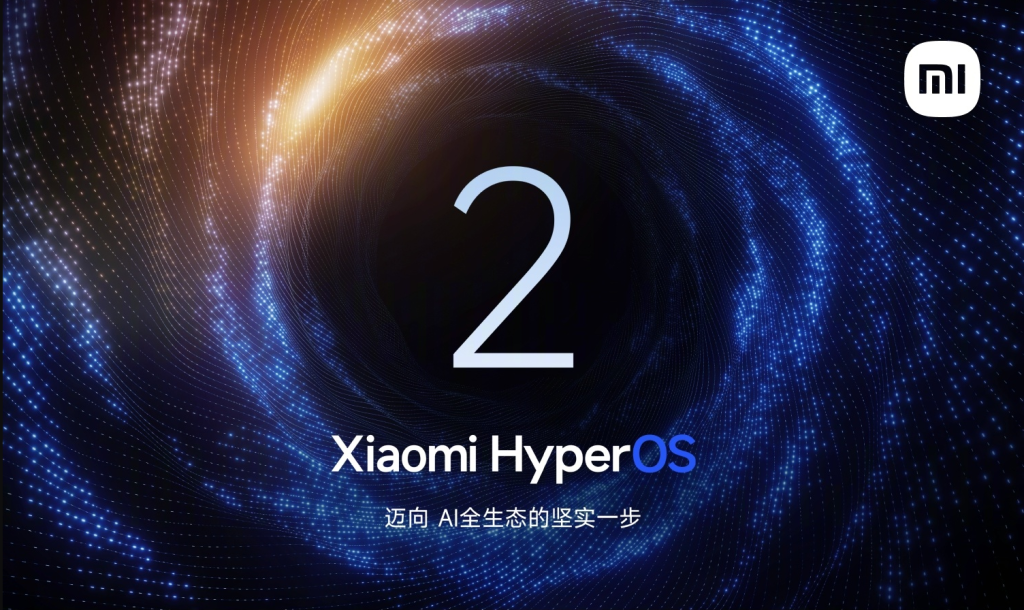
Xiaomi’s new operating system, HyperOS 2, is a significant leap forward in building an AI-powered ecosystem. Debuted alongside the Xiaomi 15 series, HyperOS 2 redefines device connectivity and user experience with three core technologies: HyperCore, HyperConnect, and HyperAI. Let’s delve into the top five standout features that make HyperOS 2 a game-changer in the industry.
1. HyperCore
At the heart of HyperOS 2 is HyperCore, a new in-house kernel that Xiaomi designed to push performance limits. With over 25,000 optimization scenarios, HyperCore reduces CPU idle time by 19%, lowers memory latency, and enhances graphics. HyperCore’s microarchitecture scheduler breaks down task cycles directly at the chip level, ensuring smoother operation and faster response times.
Xiaomi has further introduced dynamic memory and Storage 2.0, reducing app launch delays by up to 54.9% on smartphones and 15% on tablets. For gamers, HyperCore reduces power consumption and frame drops by over 13%, creating a fluid gaming experience.
These optimizations translate to an ultra-smooth user experience across devices, with faster load times, minimized lags, and improved stability even in resource-intensive applications.
2. HyperConnect
HyperOS 2 takes cross-device connectivity to the next level with HyperConnect, enabling real-time interactions and streamlined data transfer across the Xiaomi ecosystem.
It features HomeScreen+, allowing users to transfer apps and data between Xiaomi phones and tablets effortlessly, even enabling them to run as native apps on tablets. It also sports dual-camera streaming, letting Xiaomi tablets and phones share their cameras simultaneously, perfect for activities like vlogging, conferencing, or multi-angle video recording.
For users in China, it includes Apple device compatibility via Xiaomi Interconnectivity Services, enabling seamless sharing of files, photos, and documents like Keynote and Pages between Apple and Xiaomi devices. This cross-platform connectivity is being adopted by other OEMs too, as seen with Oppo’s recent addition of an AirDrop-like function in ColorOS 15.
3. HyperAI
HyperAI introduces some of the most transformative and user-focused AI tools Xiaomi has ever launched. It features AI-powered lock screens that adapt to user preferences, displaying movie-poster-style visuals directly on the home screen.
It also sports AI Anti-Fraud protection, capable of identifying scam calls and detecting face-swapped videos, prioritizing user security. Additionally, HyperAI enhances the user experience with real-time AI-generated content (AIGC), animating static wallpapers to bring cityscapes and nature scenes to life for a cinematic lock screen effect.
HyperAI integrates with Mi Canvas on tablets, offering an “AI Art” function that lets users convert sketches into vibrant, colorful paintings. It also includes global AI writing tools for quick text generation, summarization, and error correction, simplifying content creation, note-taking, and email writing.
For added productivity, it comes with AI sound recognition, enabling voice-to-text transcription that creates accurate summaries from calls, meetings, and recordings while distinguishing between speakers in team settings. For video calls, HyperOS 2 incorporates gesture-based effects, adding a personalized touch and making conversations more interactive. It also includes global AI translation for real-time interpretation during meetings and calls, making cross-language communication effortless.
4. Enhanced Visual Experience
HyperOS 2 comes with a redesigned desktop featuring customizable widgets, smooth transitions, and an upgraded layout for a visually engaging experience. It sports dynamic effects with fluid animations, enhancing navigation through notifications and the control center. Additionally, it features a 3D weather system that mirrors real atmospheric conditions, making daily updates more immersive and interactive.
5. Enhanced Security Framework
In an era where data privacy is paramount, Xiaomi has embedded robust security measures within HyperOS 2. The system’s end-to-end encryption safeguards data on both cloud and endpoint devices, ensuring confidential information remains protected. Furthermore, HyperOS 2 implements Xiaomi’s Trusted Execution Environment (TEE), which provides hardware-level encryption for critical operations. This not only ensures safe data handling but also enhances protection against potential cyber threats.
Additionally, HyperOS 2 gives users control over their personal information. With the Xiao Ai personal assistant, users can securely store and manage data, including viewing or deleting memory data. This added control and transparency empower users to manage their digital footprint within Xiaomi’s ecosystem, fostering a sense of security and trust.
6. Conclusion
HyperOS 2 is a transformative upgrade that strengthens Xiaomi’s ecosystem, allowing its devices to compete closely with major players like Apple and Samsung. With improvements in performance, connectivity, AI personalization, visuals, and security, HyperOS 2 supports Xiaomi’s goal of building a smarter, more connected experience for users.
As HyperOS 2 rolls out across Xiaomi’s product lineup, users can look forward to a refined and intelligent experience that enhances daily interactions with their devices.