Add GIZMOCHINA as Preferred Source on Google
iQOO 13 and Xiaomi 15 are two flagship smartphones offering top-tier performance with the Snapdragon 8 Elite chipset, stunning displays, and premium designs. While the iQOO 13 focuses on gaming and immersive multimedia with features like a 144Hz display and RGB backlighting, the Xiaomi 15 targets photography enthusiasts with Leica-tuned cameras and versatile charging options. Both phones excel in their own ways, making the choice depend on your priorities, be it gaming, photography, or all-around performance. Here’s a detailed comparison to help you decide.
1. Design and Display
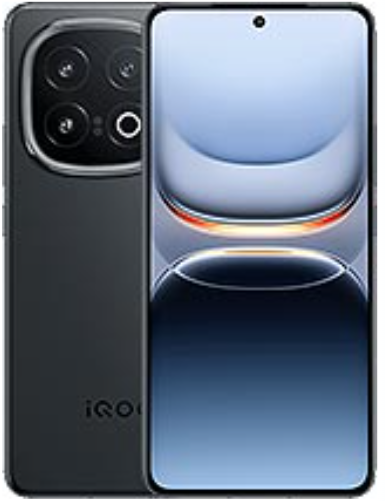
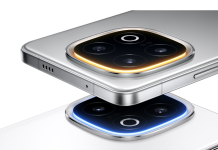
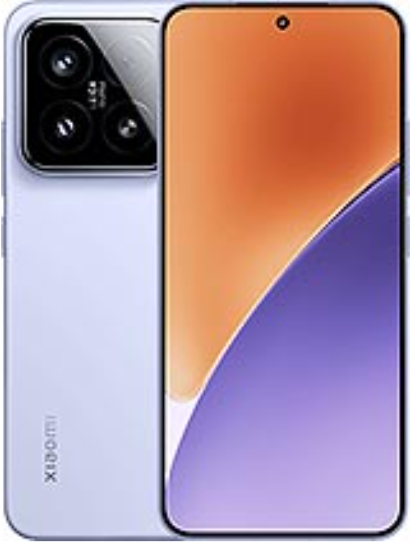
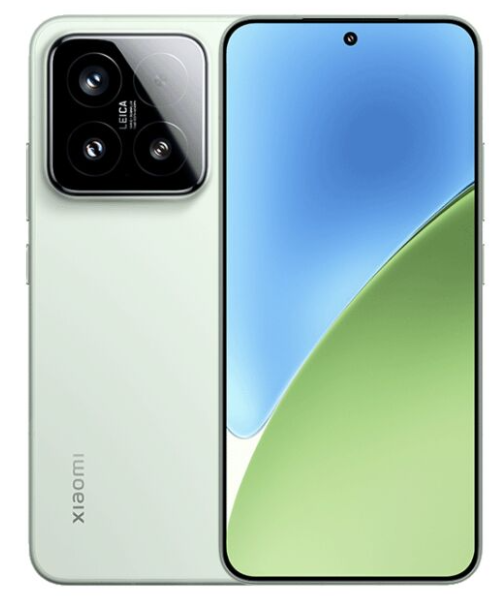
iQOO 13 and Xiaomi 15 excel in design, but they cater to slightly different tastes. The iQOO 13 features a modern RGB LED light on its back, adding flair, especially for gaming enthusiasts, while the Xiaomi 15 sports a minimalistic design with Leica branding for a premium feel. Both phones come with IP68 water and dust resistance, ensuring durability.
In terms of display, the iQOO 13 offers a larger 6.82-inch LTPO AMOLED screen with a stunning 144Hz refresh rate and a peak brightness of 6500 nits. Meanwhile, the Xiaomi 15 opts for a compact 6.36-inch LTPO OLED screen with Dolby Vision support, HDR10+, and a peak brightness of 3200 nits. While the iQOO 13 is ideal for gamers and those who enjoy immersive visuals, Xiaomi’s display is calibrated for cinephiles who value vibrant colors and Dolby Vision content.
The iQOO 13 edges out for gamers and power users, but Xiaomi 15 might be better for those prioritizing portability and refined HDR viewing.
2. Specifications
Both phones are powered by the Snapdragon 8 Elite chipset, paired with up to 16GB of RAM and 1TB of storage. The iQOO 13 uses UFS 4.0 or 4.1 storage, while the Xiaomi 15 sticks to UFS 4.0, which may slightly impact app launch speeds and multitasking.
The iQOO 13 comes with a larger 6150 mAh (or 6000 mAh for India) battery and supports blazing-fast 120W wired charging, making it a better choice for heavy users. The Xiaomi 15’s 5400 mAh battery supports 90W wired, 50W wireless, and 10W reverse wireless charging, offering more versatility for users who rely on wireless charging.
iQOO’s larger battery and faster charging are ideal for demanding users, but Xiaomi’s wireless charging options add convenience for a wider range of scenarios.
3. Camera
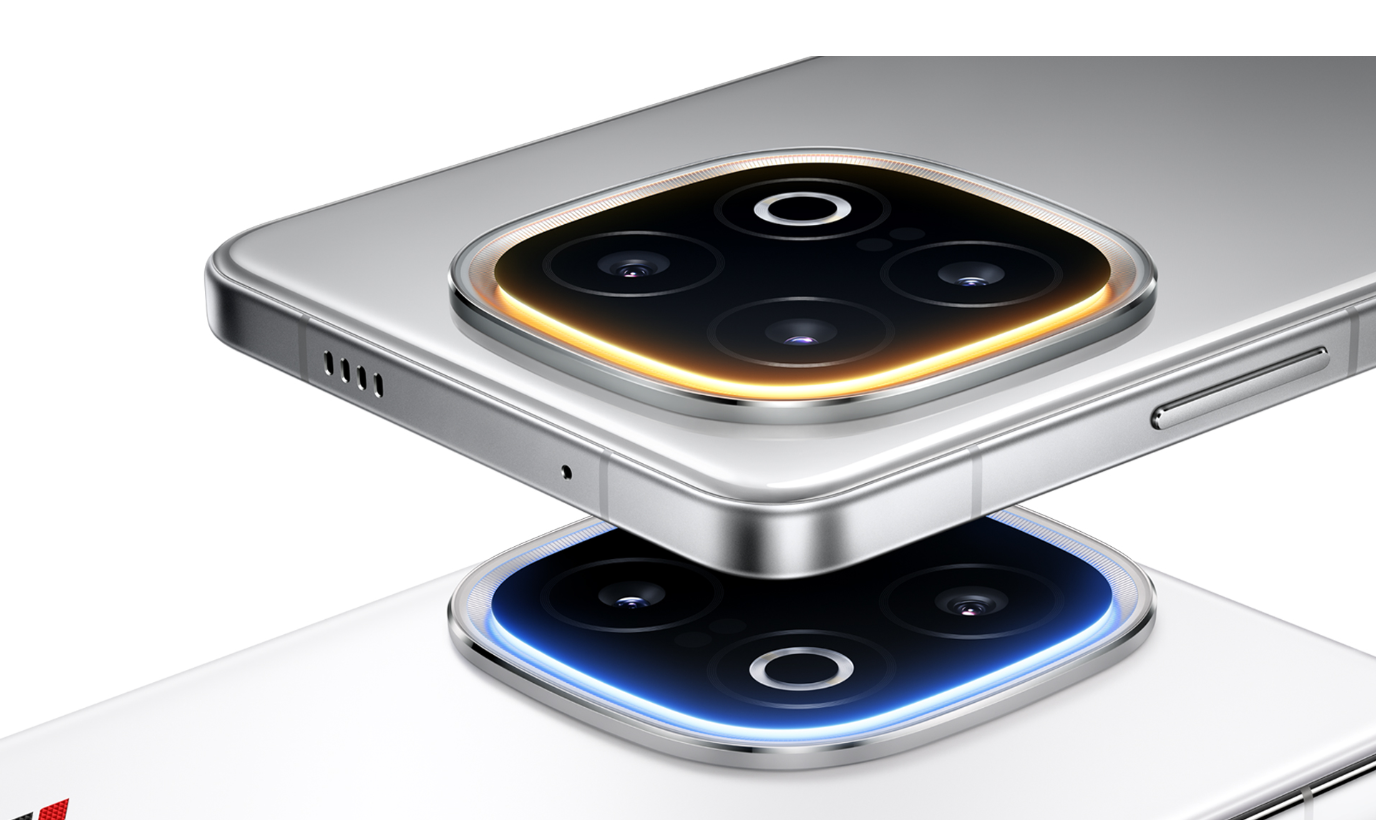
The camera systems are where these phones diverge significantly. The Xiaomi 15 features Leica-tuned lenses, offering superior image processing, especially for color accuracy and depth. Its triple 50 MP cameras include a 3x optical zoom telephoto and an ultrawide lens with a 115˚ field of view, making it perfect for photography enthusiasts. It also records in Dolby Vision HDR, catering to video creators.
The iQOO 13 also boasts three 50 MP cameras but with 2x optical zoom and a slightly narrower ultrawide lens. While capable, it lacks Leica’s advanced image tuning, making it more suitable for general photography and gaming-related streaming.
Xiaomi 15 is the better option for camera enthusiasts, but iQOO 13 is more than sufficient for casual users.
4. Pricing
The iQOO 13 starts at approximately €520, making it a more budget-friendly option. The Xiaomi 15 is priced slightly higher at €590, reflecting its Leica camera system and premium build.
While the iQOO 13 delivers excellent value for performance, Xiaomi justifies its price with advanced photography capabilities and versatile charging options.
5. Conclusion
- iQOO 13: RGB LED backlight, 144Hz refresh rate, 6500-nit peak brightness, and faster charging with a bigger battery.
- Xiaomi 15: Leica-tuned cameras, Dolby Vision support, and versatile wireless charging.
iQOO 13 stands out for gamers and multimedia users, while Xiaomi 15 is tailored for photography enthusiasts and those seeking a polished design.