Add GIZMOCHINA as Preferred Source on Google
Xiaomi Pad 7 and Xiaomi Pad 5 are two feature-packed tablets catering to different user needs. While the Pad 5 offers reliable performance at an affordable price, the Pad 7 introduces significant upgrades in design, display, performance, and battery efficiency. This comparison explores their differences in key areas, helping you decide which tablet aligns best with your needs, whether you’re after cutting-edge technology or a budget-friendly option.
1. Design and Display
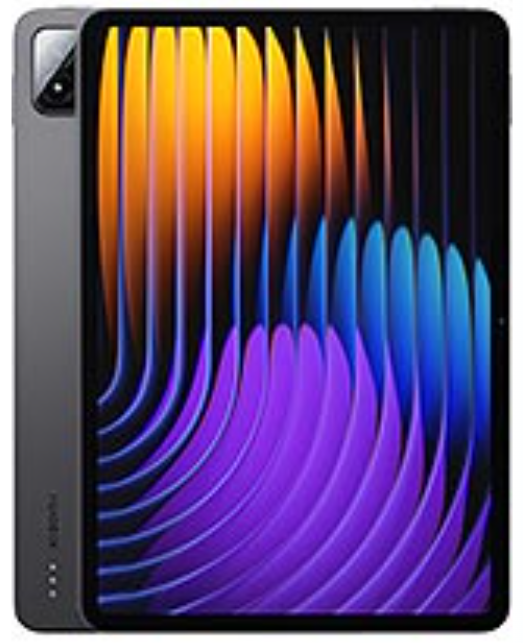
The Xiaomi Pad 7 takes a step forward in design with an all-metal build, featuring a glass front and an aluminum frame and back, offering a premium feel compared to the Pad 5’s plastic back. Both tablets support magnetic styluses, but the Pad 7’s slightly larger 11.2-inch display with thinner bezels ensures a more immersive viewing experience. Its 144Hz IPS LCD panel delivers smoother scrolling and enhanced responsiveness, complemented by HDR10 and Dolby Vision. With a peak brightness of 800 nits and a 3:2 aspect ratio, it’s optimized for productivity and media consumption.
The Pad 5’s 11-inch IPS LCD screen, though vivid with 1B colors and Dolby Vision, lags behind in refresh rate at 120Hz. The 16:10 aspect ratio feels less spacious for multitasking, and the slightly lower pixel density (274 ppi vs. 344 ppi on the Pad 7) is noticeable in side-by-side comparisons.
Xiaomi Pad 7’s premium build and superior display specifications make it a clear winner for those prioritizing screen quality and build design. It’s ideal for productivity and entertainment, while the Pad 5 is better suited for casual users.
2. Specifications and Battery
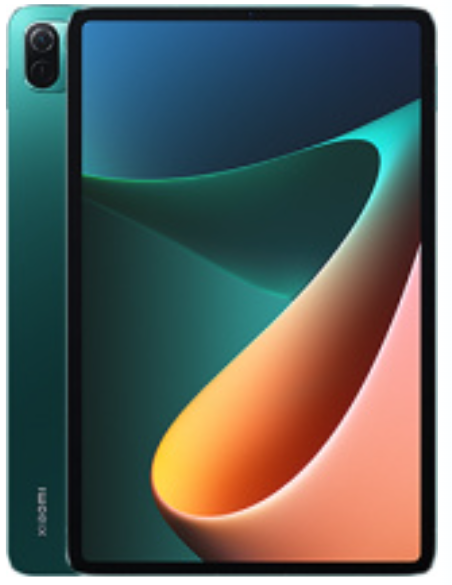
The Xiaomi Pad 7 outperforms its predecessor with a Snapdragon 7+ Gen 3 chipset, offering significantly improved processing power and energy efficiency compared to the Pad 5’s older Snapdragon 860. The Pad 7’s configurations include up to 12GB RAM and UFS 4.0 storage, enabling faster multitasking and app loading.
Battery-wise, the Pad 7’s 8850 mAh cell is slightly larger and charges faster with 45W wired charging (compared to 33W on the Pad 5). It also achieves full charge in about 1 hour and 20 minutes, making it more convenient for heavy users.
The Pad 5’s Snapdragon 860 and 6GB RAM configurations feel dated in comparison. While its 8720 mAh battery is durable, slower charging limits its usability for users on the go.
Xiaomi Pad 7 is a future-proof choice, particularly for gamers or professionals, while the Pad 5 remains an affordable alternative for light to moderate usage.
3. Camera
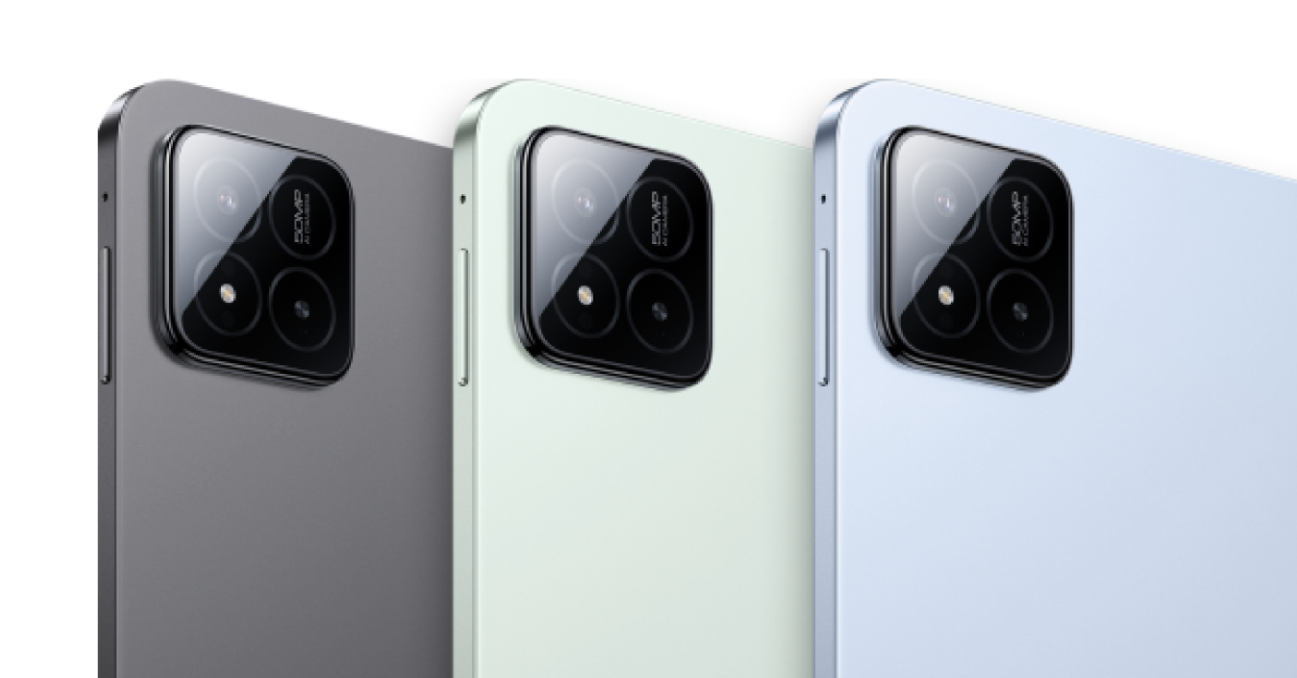
Both tablets feature a 13 MP main camera and an 8 MP front camera, but the Pad 7’s upgraded image sensor and advanced software enhancements improve photo clarity and low-light performance. It supports 4K at 30fps and 1080p at 60fps, making it a versatile option for content creators.
The Pad 5, while capable of 4K recording, lacks the frame rate versatility of the Pad 7. Its front camera delivers decent performance for video calls but struggles in challenging lighting.
For casual photography and video creation, the Pad 7 is a better choice. However, if the camera isn’t a priority, the Pad 5’s capabilities are adequate for basic use.
4. Pricing
The Xiaomi Pad 7 starts at around €260, making it an excellent value considering its flagship-level upgrades. The Pad 5, priced at approximately €350 at launch, is now available at discounted rates, making it more competitive.
While the Pad 5 may attract budget-conscious buyers at current prices, the Pad 7’s cost-to-performance ratio is unmatched, offering superior value for those willing to spend a bit more.
5. Comparison
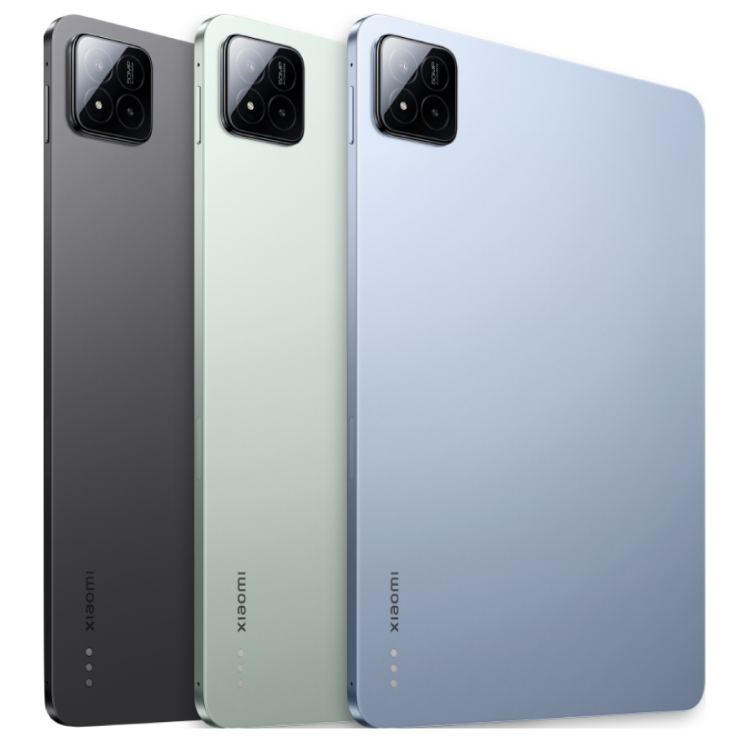
The Pad 7 stands out with its advanced chipset, smoother 144Hz display, faster charging, and improved build quality. Its use of UFS 4.0 storage ensures blazing-fast performance, particularly for app-heavy users. The introduction of HyperOS 2 further refines the user experience with smoother animations and better resource management.
The Pad 5, on the other hand, retains its charm as a cost-effective alternative with reliable performance for non-intensive tasks. Its slightly smaller and less vibrant display may appeal to those seeking a compact and basic tablet.
For tech enthusiasts and power users, the Pad 7’s standout features justify the upgrade, while the Pad 5 remains a solid choice for those prioritizing cost savings over cutting-edge specifications.