Add GIZMOCHINA as Preferred Source on Google
Xiaomi 15 Pro and Oppo Find X8 Pro are two flagship smartphones competing to offer the best in design, performance, and innovation. With cutting-edge displays, powerful processors, advanced cameras, and premium features like IP68 ratings and fast charging, both devices aim to impress. However, they cater to slightly different audiences. Xiaomi focuses on value and balanced performance, while Oppo emphasizes premium features and creative versatility. This comparison delves into their specs, to help you decide which device suits your needs better.
1. Design and Display
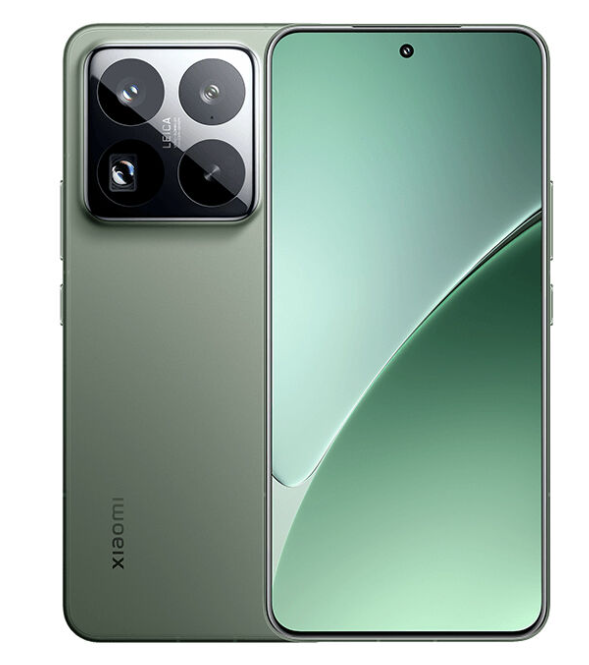
Xiaomi 15 Pro and Oppo Find X8 Pro both boast premium designs with IP68 ratings for water and dust resistance. Xiaomi edges ahead with its 6.73-inch LTPO AMOLED display offering a peak brightness of 3200 nits, making it ideal for outdoor visibility. It also supports shatterproof glass for enhanced durability.
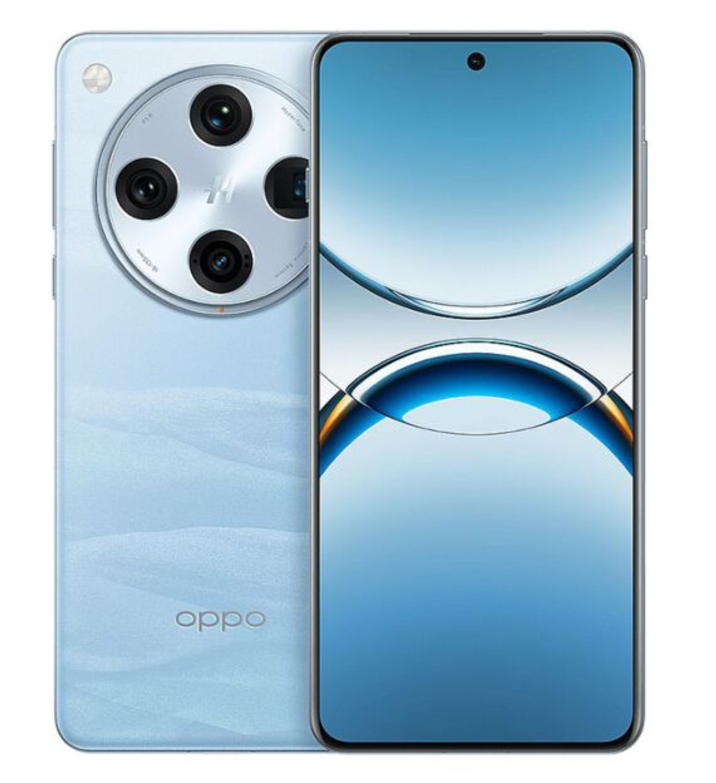
Meanwhile, Oppo’s 6.78-inch LTPO AMOLED panel reaches a record-breaking 4500 nits peak brightness, ideal for HDR content but may not see real-world advantages unless paired with ultra-high-brightness scenarios. Both displays are HDR10+ and Dolby Vision certified, ensuring vibrant visuals.
While the Oppo device uses Gorilla Glass 7i for a tougher build, Xiaomi balances its appeal with slightly better display sharpness thanks to its 1440p resolution versus Oppo’s 1264p. Oppo’s design with Hasselblad branding may attract photography enthusiasts, while Xiaomi’s minimalist aesthetics are equally appealing.
If you prefer cutting-edge brightness for HDR content, the Oppo Find X8 Pro has the edge, but Xiaomi’s display sharpness and shatterproof technology make it a strong competitor.
2. Specifications
The Xiaomi 15 Pro features the Snapdragon 8 Elite chipset, delivering higher clock speeds and enhanced efficiency over the Oppo’s Dimensity 9400. Xiaomi also incorporates the innovative HyperOS, whereas Oppo sticks to Android 15 with ColorOS 15. Both offer UFS 4.0 storage options, ensuring blazing-fast performance.
In terms of battery, Xiaomi’s 6100mAh battery capacity surpasses Oppo’s 5910mAh, though the charging speed favors Oppo with its 80W wired and PPS support compared to Xiaomi’s 90W but less versatile charging options. Both offer fast wireless and reverse wireless charging.
Xiaomi’s performance is better suited for power users with demanding tasks, while Oppo takes a balanced approach to charging standards making it versatile for varied user preferences.
3. Camera
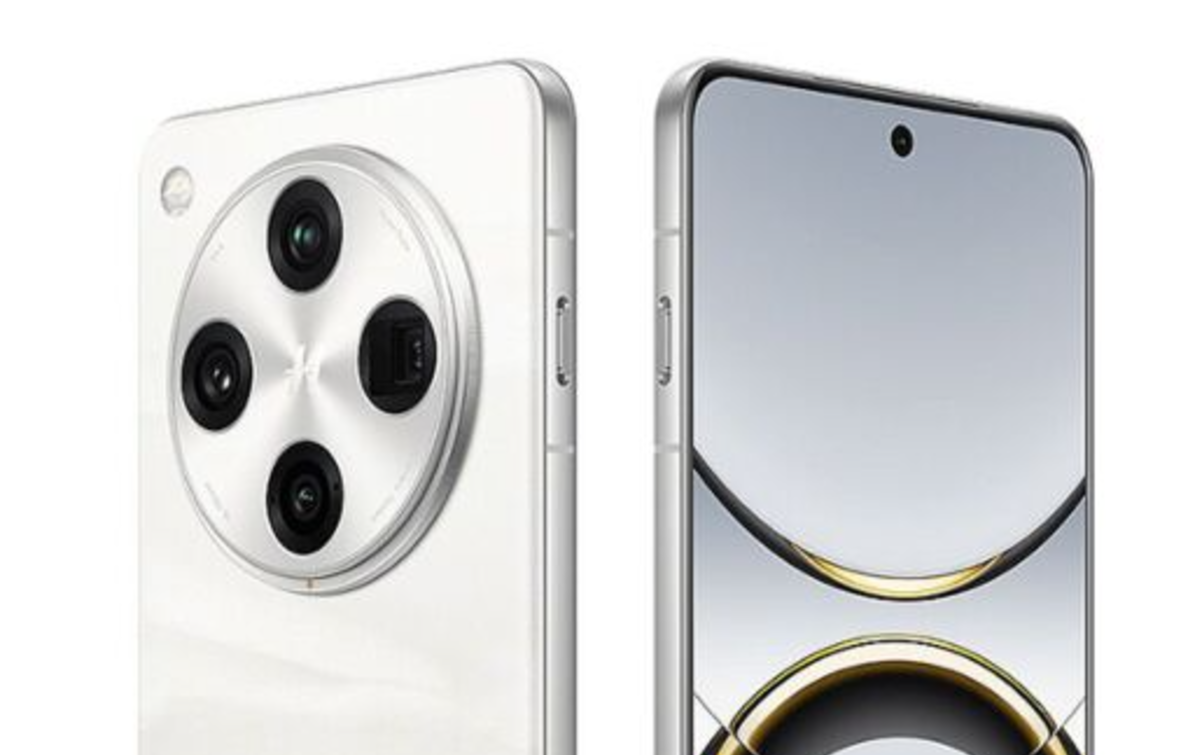
The Xiaomi 15 Pro offers a Leica-tuned triple-camera system, excelling in balanced photography with a 50MP periscope lens offering 5x optical zoom. Oppo counters with a Hasselblad-branded quad-camera setup, including dual telephoto lenses one offering 3x optical zoom and the other 6x for unparalleled versatility. Oppo’s color calibration is excellent, while Xiaomi excels in cinematic video with Dolby Vision HDR and 10-bit LOG support.
For selfies, both phones feature 32MP front cameras, but Xiaomi’s wider aperture may offer better low-light performance. Oppo’s ultra HDR and Hasselblad color calibration give it a creative edge for photography enthusiasts.
Oppo’s dual telephoto lens system gives it the upper hand in zoom versatility, but Xiaomi delivers a better cinematic video experience for content creators.
4. Pricing
The Xiaomi 15 Pro is priced around €690, significantly more affordable than the Oppo Find X8 Pro, which starts at approximately €1,260. Xiaomi offers excellent value for its cutting-edge features, while Oppo positions itself as a premium flagship with industry-leading features like record-breaking display brightness and superior camera versatility.
For those seeking flagship performance on a budget, Xiaomi offers unmatched value. However Oppo caters to premium buyers willing to pay extra for unique features.
5. Conclusion
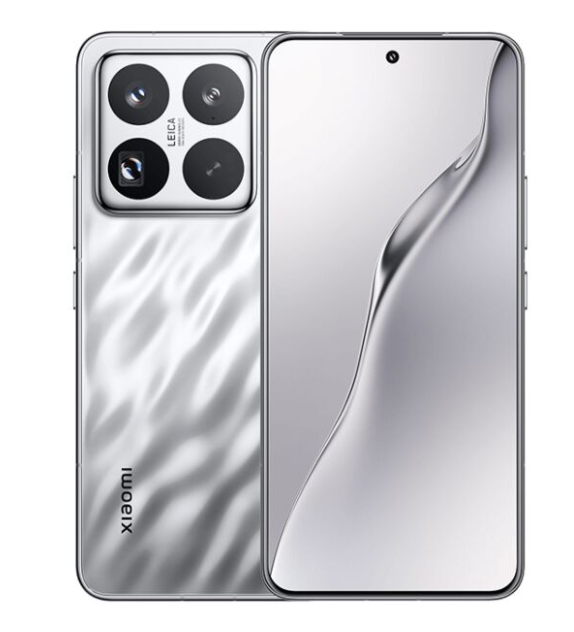
Xiaomi introduces shatterproof glass, a powerful Snapdragon 8 Elite chipset, and innovative HyperOS for a seamless experience. Its larger battery and cinematic video capabilities make it ideal for multitaskers and creators. Oppo impresses with its groundbreaking 4500-nit brightness, Hasselblad color calibration, and dual telephoto lenses, setting new benchmarks for display and camera systems.
Xiaomi is better for those seeking reliable performance and value for money, while Oppo appeals to tech enthusiasts eager for innovations like ultra-bright displays and advanced camera capabilities.