Add GIZMOCHINA as Preferred Source on Google
Both Xiaomi and Oppo just launched smartphones around the $500 price mark. But while the former has released the Redmi K80 Pro with a more expensive price tag, it still seems like a better deal than the latter’s Oppo Reno 13 Pro. So here’s 5 reasons why we believe that the affordable flagship from Redmi is a better deal.
1. Redmi K80 Pro vs Oppo Reno 13 Pro: Higher Res Display

Xiaomi just unveiled the Redmi K80 Pro, which is a relatively affordable flagship smartphone from its popular sub-brand. It packs some impressive specs that make it stand out. One of these features is undoubtedly its display. The Redmi K80 Pro sports a 6.67-inch OLED display. While it might not be as large as the Reno 13 Pro with its 6.83-inch AMOLED panel, the K80 Pro’s panel has its advantages.
The Redmi K80 Pro has a higher 2K+ resolution (3200 x 1440p), compared to the 1.5K panel (2800 x 1272p) on the Reno 13 Pro. That’s not all, it also sports an LTPS panel with Xiaomi Dragon Crystal Glass 2.0 for protection. So it is also more durable than the Reno 13 Pro since it isn’t listed with any kind of protective glass.
2. Battery & Fast Charging
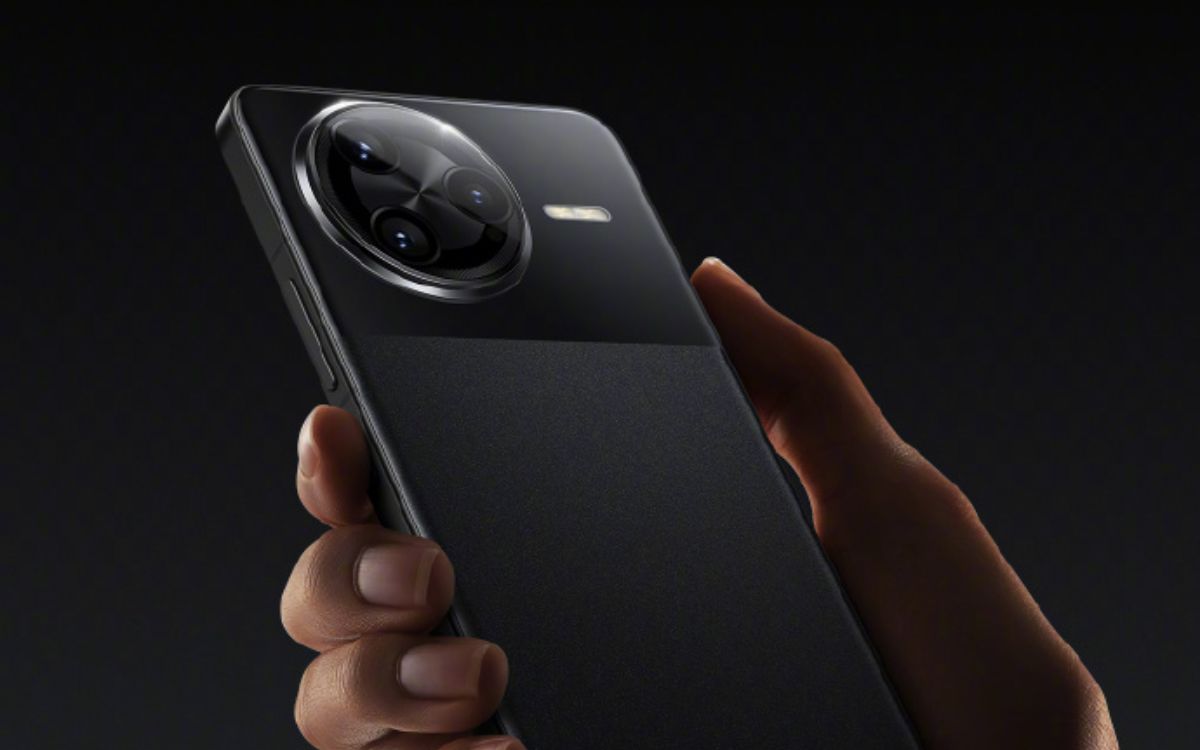
Chinese brands are ahead of the curve in both battery sizes and fast charging rates. So Oppo is no slouch, offering a large 5,800mAh battery pack on the Reno 13 Pro. This cell supports a respectable 80W wired fast charging and 50W wireless fast charging. This also helps the device achieve its relatively slim and lightweight 7.6mm thickness and 197g weight.
Xiaomi’s Redmi K80 Pro is powered by a massive 6,000mAh battery pack, which supports 120W wired fast charging and 50W wireless fast charging. The trade-off is the thicker 8.4mm body and heavier 212g heft.
3. Snapdragon 8 Elite Simply Outperforms

The Snapdragon 8 Elite from Qualcomm is one of the fastest chipsets that powers Android flagships, only rivalled by the MediaTek Dimensity 9400. However, the Reno 13 Pro houses a mid-range 4nm based Dimensity 8350 chipset. This is a capable chip, but it doesn’t promise cutting edge performance.
Simply put, the 3nm Snapdragon 8 Elite is more powerful and arguably more power efficient as well. For its price, the Redmi K80 is a contender for the most affordable Snapdragon 8 Elite powered smartphone in the market. It matches the pricing of the Realme GT 7 Pro, which was previously the most affordable phone with this high end chip.
4. What else is better?
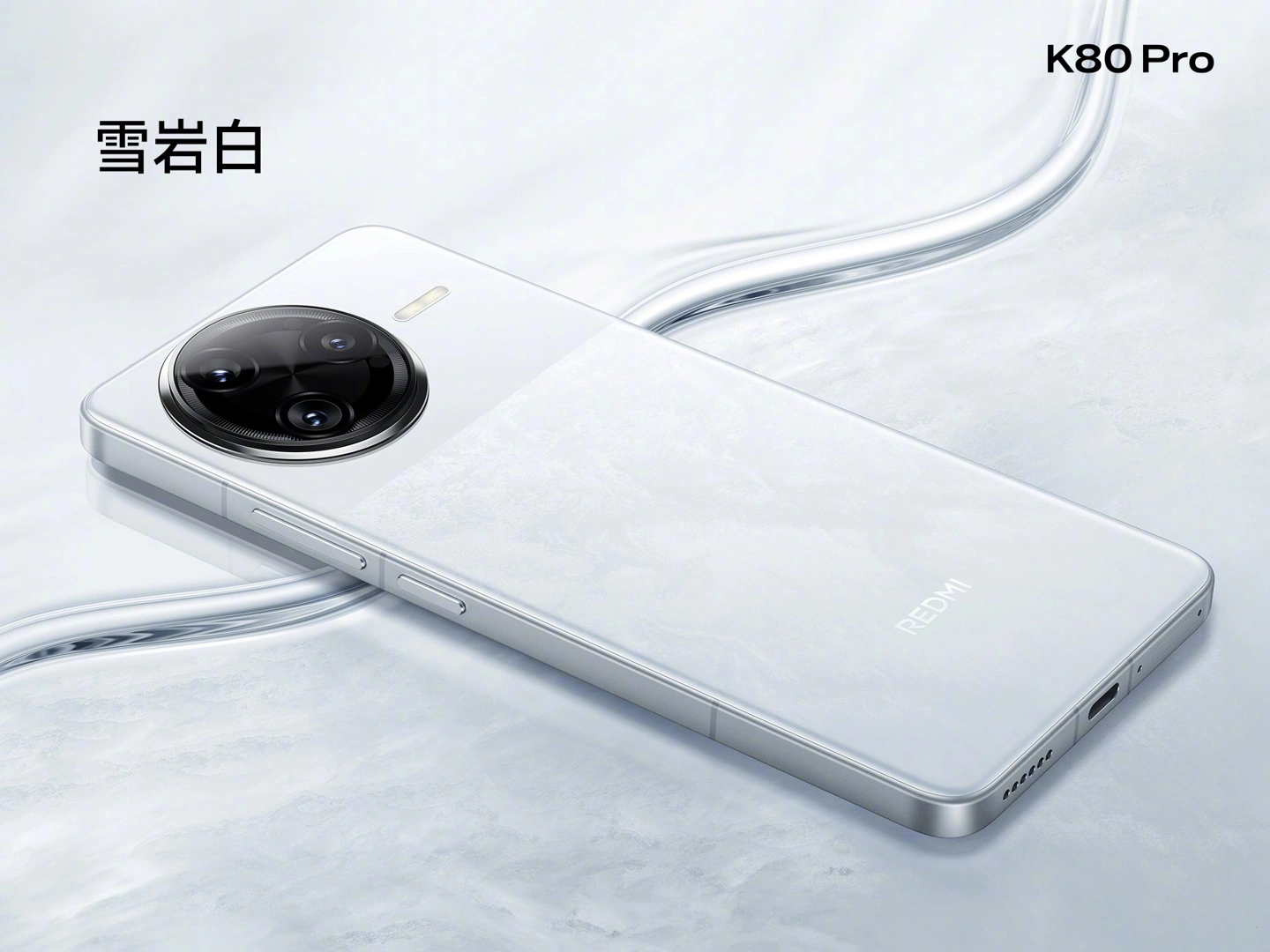
Both the Reno 13 Pro and K80 Pro have a 50MP main and 50MP telephoto shooter. Although, the Redmi flagship model has a 32MP ultra wide angle lens over an 8MP one on the Oppo mid ranger. Similarly, there is an in-display fingerprint scanner on the duo as well, but the K80 Pro has an ultrasonic sensor over the optical one on the Reno 13 Pro. This helps unlock your phone faster and more accurately.
5. Pricing
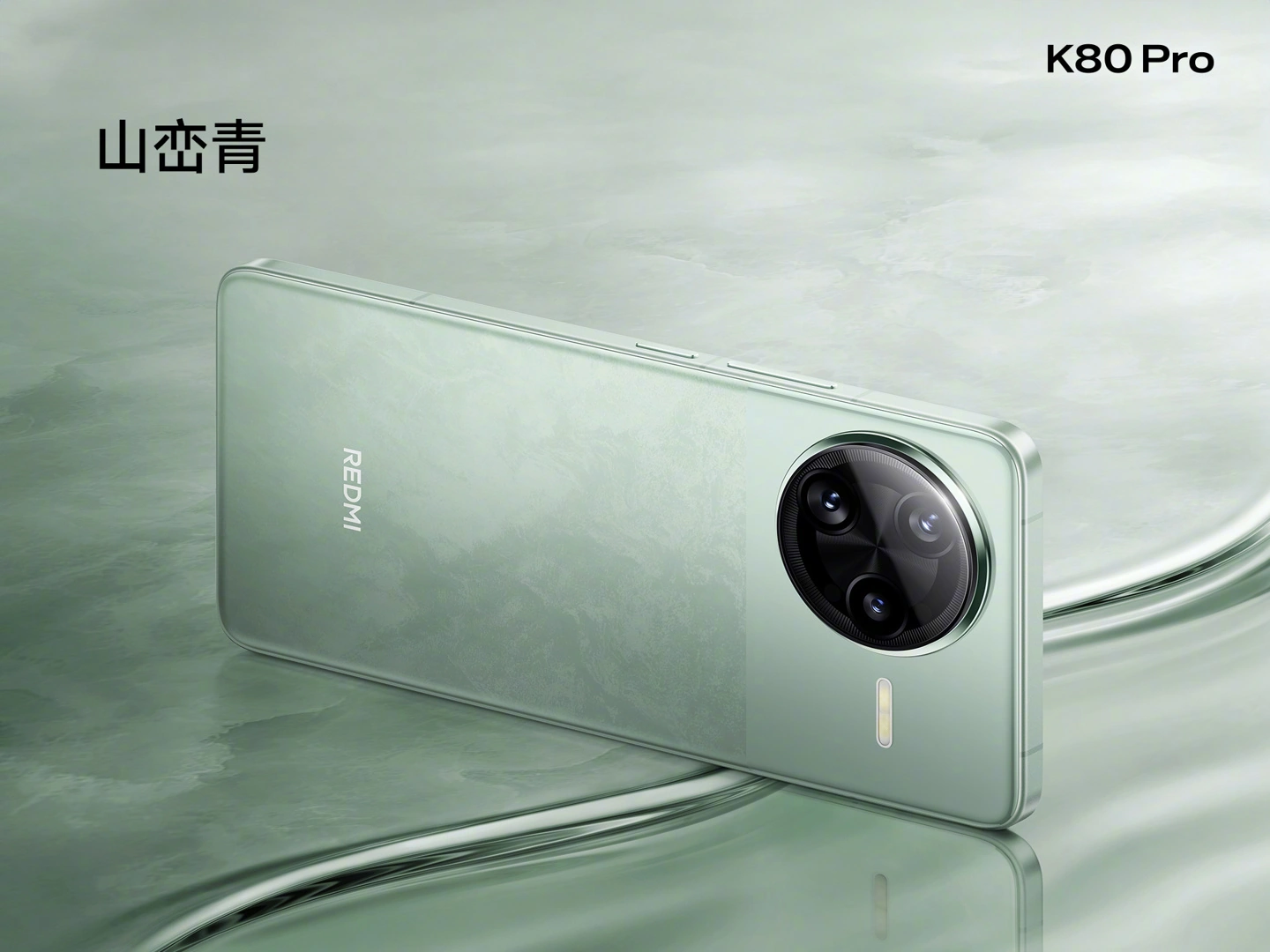
Oppo’s new Reno 13 Pro starts from just 3,399 yuan (roughly $469) for the 12GB + 256GB version. This makes it a sub-$500 mid range smartphone. But for just $50 more, you are getting a much better package. Xiaomi’s Redmi K80 Pro starts from 3,699 yuan ($511) for the same 12GB + 256GB storage configuration. Like I mentioned before, this matches the Realme GT 7 Pro to share the “cheapest Snapdragon 8 Elite powered phone” feat.