Add GIZMOCHINA as Preferred Source on Google
Let’s face it, the smartphone landscape has gotten a bit… predictable. Samsung‘s Galaxy line iterates on familiar themes, Apple‘s iPhones refine existing formulas, and while both companies are titans, there’s certainly a sense of “been there, done that” vibe.
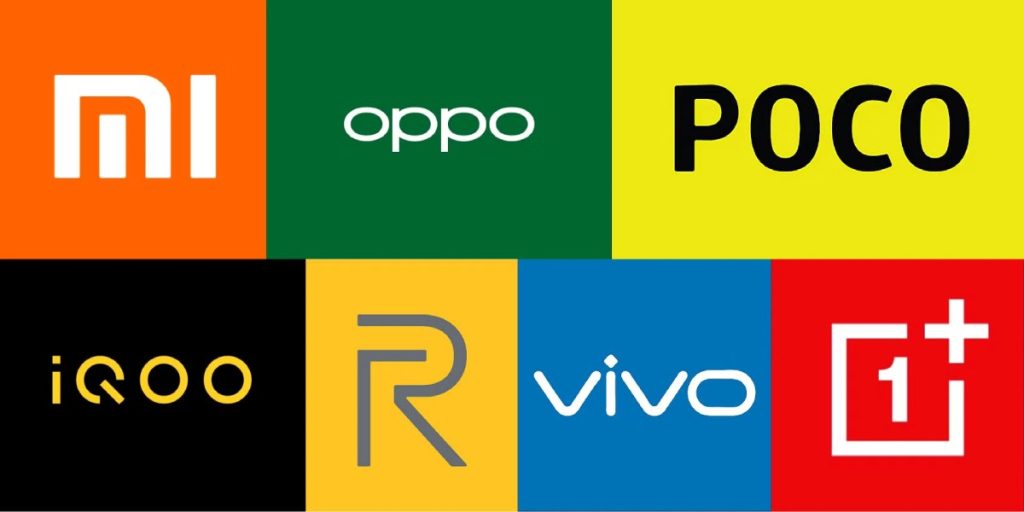
The real excitement in the smartphone space comes from East—China. Brands like Xiaomi, Oppo, and Vivo are constantly innovating—not just with traditional smartphones but also with newer formats like foldables. So, what makes these Chinese brands stand out from the rest? Let’s dive in.
1. Phone for everyone
Chinese smartphone brands prioritize value and deliver exactly what users want. They understand the desire for flagship-level specs without the exorbitant price tag. Take the Xiaomi 14T Pro, for example. It features a top-tier processor, an AMOLED display, premium build quality, and a Leica-engineered camera system, all for a competitive $550.
Gamers are well-served too, with options like the Poco F-series for raw power, Infinix’s GT lineup for performance, and iQOO’s Neo series focused on immersive experiences with dedicated software and accessories. For photography enthusiasts, Vivo and Xiaomi offer devices like the X200 Pro and 14 Ultra, essentially pocket-sized studios with advanced camera systems.
It’s not that Samsung, Apple, or Motorola lack options across price ranges, but the variety and specialization that Chinese brands bring to the table makes them more exciting.
2. Innovation Beyond Specs
Chinese smartphone brands also stand out for their willingness to experiment and push technological boundaries. They are often the first to adopt the latest features, keeping their phones fresh and innovative.
Foldable phones, once a niche market, are seeing significant progress from Chinese companies. The OnePlus Open, for example, received praise as the best foldable on the market, thanks to its slim design and innovative software features. Similarly, Huawei has taken foldable tech a step further by launching the world’s first tri-fold phone.
Meanwhile, Samsung, the pioneer in the category, is still working on making its foldables slimmer, and Apple is rumored to be exploring the category.
Fast-charging technology is another area of rapid development. Brands like Xiaomi and Realme are pushing the envelope with charging speeds that can fully charge a phone in just minutes.
For instance, Realme’s 240W fast charging on the GT Neo 5 can charge the device from 0 to 100% in just 10 minutes. Whereas, Apple still ships their $1200 iPhone with a maximum of 30W charging speed.
3. Cameras
Photography has long been a cornerstone of Apple’s smartphone dominance. Renowned for capturing stunning images, Apple iPhones have consistently set the bar high.
However, the landscape is shifting. Chinese brands, particularly Huawei, Xiaomi, and Vivo, are making significant strides in camera technology. Huawei’s Pura 70 Ultra, for instance, topped DxOMark’s camera test, surpassing even the iPhone 16 Pro Max. These brands are not just matching Apple’s performance but, in some cases, even exceeding it.
A key factor driving this surge is strategic partnerships with renowned camera manufacturers. Unlike other brands, which rely solely on in-house technology, Chinese brands are collaborating with industry giants like Leica and Hasselblad. These partnerships enable them to leverage advanced camera optics and image processing techniques, resulting in superior image quality.
Vivo’s collaboration with Zeiss and Xiaomi’s partnership with Leica are prime examples of this trend. The Xiaomi 14 Ultra, in particular, comes with a dedicated camera kit for achieving more polished, professional-looking shots.
As the competition intensifies, it will be interesting to see how Apple responds and whether it continues to maintain its leadership position in smartphone photography.
4. However…
Despite their impressive strengths, Chinese smartphone brands face challenges that could impact their long-term growth.
One major issue is software updates and user experience. While the hardware is often excellent, Chinese brand phones often come with cluttered software loaded with bloatware and suffer from inconsistent updates. While brands like OnePlus have streamlined their software for a cleaner experience, others still lag behind in this area.
Long-term software support remains a weak point. Unlike Apple and Samsung, which offer several years of updates for their iPhones, Chinese brands often provide limited post-purchase support. This can leave users with outdated software and reduced security sooner than they might expect.