Add GIZMOCHINA as Preferred Source on Google
Oppo Reno 13 and Reno 13 Pro are two impressive smartphones that cater to different user preferences. Both models feature sleek designs, powerful MediaTek Dimensity 8350 chipsets, and advanced cameras, but the Pro model offers enhanced display quality, battery features, and photography capabilities. With a price difference of €90, choosing between the two depends on your budget and priorities. This comparison highlights the key differences to help you decide which model best suits your needs. Whether you value premium features or balanced affordability, there’s an option for everyone.
1. Design and Display
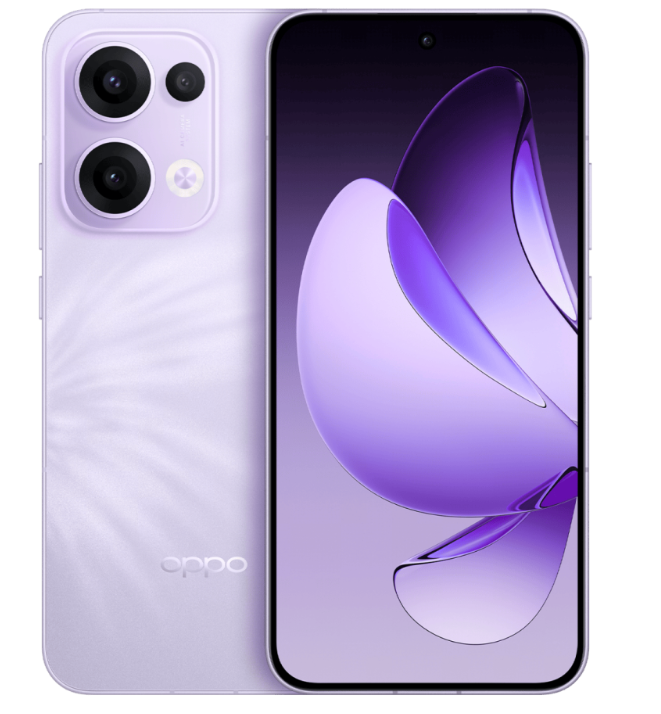
The Oppo Reno 13 and Reno 13 Pro both feature a sleek design with a glass front and back and aluminum alloy frames. They offer IP68/IP69 dust and water resistance, ensuring durability in challenging conditions. The Reno 13 Pro edges ahead with a slightly larger 6.83-inch AMOLED display compared to the Reno 13’s 6.59-inch screen. The Pro also boasts a higher screen-to-body ratio and HDR10+ support, enhancing the viewing experience with better contrast and color accuracy.
While both phones deliver 120Hz refresh rates and 1200 nits peak brightness, the Pro model’s HDR10+ and slightly larger display make it a superior choice for media consumption. However, for those who prefer a more compact design, the Reno 13 offers an equally vibrant experience with a slightly smaller screen.
Reno 13 Pro stands out for its immersive display, which is ideal for users who prioritize video streaming or gaming. However, the Reno 13 remains a strong contender for users seeking a balance between size and performance.
2. Specifications

Both models run on the MediaTek Dimensity 8350 (4nm) chipset with Android 15 and ColorOS 15, ensuring smooth performance. They share storage options, starting at 256GB with up to 1TB configurations, all using UFS 3.1 for fast data access.
The Reno 13 Pro boasts a larger 5800 mAh battery compared to the Reno 13’s 5600 mAh. The Pro also supports 50W wireless charging in addition to 80W wired charging, which the Reno 13 lacks. Both models feature reverse wired charging and versatile fast-charging options.
Reno 13 Pro’s enhanced battery life and wireless charging support make it a better choice for users who need versatility and extended usage, though the Reno 13 still provides a robust experience with slightly less convenience.
3. Camera

The Reno 13 offers a dual-camera setup with a 50MP primary sensor and 8MP ultrawide lens, while the Reno 13 Pro ups the ante with a triple-camera system. It includes a 50MP primary sensor with superior light-gathering capabilities, a 50MP telephoto lens with 3.5x optical zoom, and an 8MP ultrawide lens. Both models feature 50MP selfie cameras with autofocus and support for 4K video recording.
The Pro’s telephoto lens provides exceptional zoom capabilities, making it ideal for capturing distant subjects, while the Reno 13’s simpler setup excels in casual photography.
Reno 13 Pro’s upgraded camera system offers more versatility for photography enthusiasts, while the Reno 13 is better suited for everyday users who prioritize ease of use.
4. Pricing
The Reno 13 is priced at approximately €350, while the Reno 13 Pro costs about €440. The €90 price difference reflects the Pro model’s enhanced display, camera, and battery features. For budget-conscious buyers, the Reno 13 offers excellent value, but those willing to spend more gain significant upgrades.
Reno 13 Pro justifies its higher price with its premium features, making it the better choice for users seeking a flagship experience. The Reno 13, however, offers a balanced option without breaking the bank.
5. Conclusion
The Reno 13 Pro stands out for its wireless charging, HDR10+ display, and telephoto camera, which add significant value. The Reno 13, though lacking these premium features, impresses with its compact design and robust performance at a lower price.
While the Pro model is undeniably superior in features, the Reno 13 holds its own as a well-rounded device for users who don’t require cutting-edge specifications.