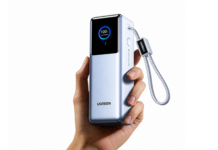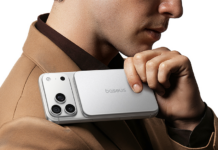
Power banks have become essential in our increasingly mobile lives, ensuring our devices stay powered on the go. Whether you need one for your smartphone, laptop, or even a magnetic option for convenience, selecting the right power bank requires considering various factors. Here’s a guide to help you make an informed decision.
1. Capacity & Portability
The capacity of a power bank, measured in milliampere-hours (mAh), is the first factor to consider. For smartphones, a capacity of 10,000-15,000 mAh is sufficient for multiple charges. If you’re powering larger devices like laptops or tablets, opt for higher-capacity models, such as those in the 20,000-30,000 mAh range.
However, with increased capacity comes added bulk. If portability is a priority, look for lightweight options that still meet your charging needs. For frequent travelers, slim power banks with a capacity of 10,000 mAh can strike the perfect balance between portability and performance.
| Preview | Product | |
|---|---|---|

|
Xiaomi Power Bank 4i 20000mAh 33W Super Fast Charging PD | Power Delivery | QC 3.0|Type C Input &… | Check Price on Amazon |
Please Note: When you buy something using the links in our articles, we may earn a small commission at no cost to you.
2. Compatibility with Devices
Not all power banks are compatible with every device, and understanding your requirements is crucial to avoid disappointment. Power banks differ in their output capacities, port configurations, and supported charging technologies. Here’s what you need to know for different devices:
Smartphones: Ensure the power bank supports your phone’s specific charging standard. For instance, many modern Android devices utilize Power Delivery (PD) or Quick Charge (QC) for faster and more efficient charging. iPhones, on the other hand, benefit significantly from PD technology, often achieving 50% charge in just 30 minutes when paired with the right power bank. Also, check for multiple USB-A or USB-C ports if you need to charge more than one device at a time.
| Preview | Product | |
|---|---|---|

|
pTron Dynamo Power 20000mAh 22.5W Super Fast Charging Power Bank with Quick Charge & 20W Power… | Check Price on Amazon |
Please Note: When you buy something using the links in our articles, we may earn a small commission at no cost to you.
Laptops: Laptops have higher power demands, so selecting a power bank with USB-C ports capable of delivering at least 45W-65W is essential. Look for models explicitly marketed for laptop compatibility, as they often include additional features like voltage regulation to ensure safe and efficient charging. Some premium power banks even support 100W output, which is suitable for high-performance laptops like the MacBook Pro or gaming laptops.
Accessories: Smaller gadgets like wireless earbuds, smartwatches, or fitness bands have lower power requirements. Ensure the power bank you choose has a low-current charging mode or specific ports for these devices. Without this feature, there’s a risk of overcharging or inefficient charging, which can harm the device in the long term.
Additionally, many advanced power banks offer pass-through charging, allowing the device to charge itself while simultaneously charging other devices. This feature is especially beneficial for those who need their gadgets operational at all times, such as during long flights or remote work sessions. Look for models that explicitly mention this functionality if uninterrupted power is a priority.
Finally, check for versatility in port options. Power banks with a mix of USB-A, USB-C, and even micro-USB ports (almost obsolete these days) offer greater flexibility, ensuring compatibility with a wide range of devices and charging cables.
3. Magnetic Power Banks
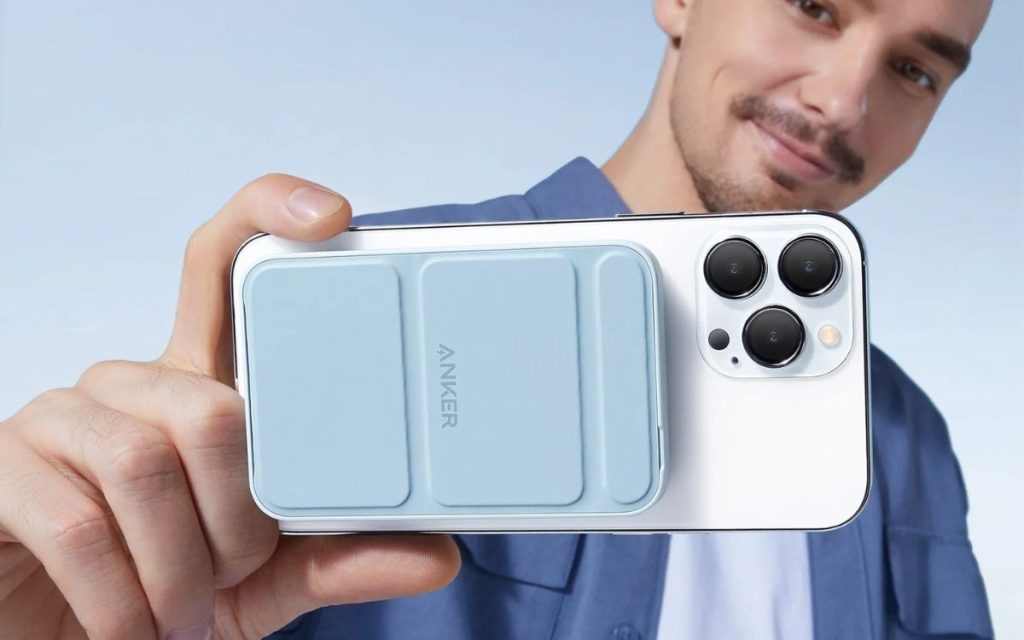
Magnetic power banks have gained significant popularity, particularly among iPhone users with MagSafe compatibility, and are now becoming common with Android devices equipped with magnetic cases. These compact chargers attach to the back of your phone and provide wireless charging, eliminating the hassle of cables. They’re ideal for casual users who value convenience over larger battery capacity.
When exploring magnetic or wireless power banks, ensure your device supports wireless charging standards like Qi. Additionally, look for models with strong magnets, robust build quality, and fast wireless output, typically ranging from 5W to 15W.
| Preview | Product | |
|---|---|---|

|
Anker 322 Magnetic Wireless Power Bank (MagGo), 5,000 mAh, with 12W USB C Output, with Mobile Stand,… | Check Price on Amazon |
Please Note: When you buy something using the links in our articles, we may earn a small commission at no cost to you.
4. Build Quality & Safety Features
Safety and durability are essential considerations when selecting a power bank. Choose models with a sturdy build, preferably featuring an aluminum or hard plastic shell, to ensure resilience against daily wear and tear.
Look for power banks with key safety features such as overcharge protection, short-circuit protection, and temperature regulation to protect both the power bank and your devices from damage. Opt for products from reputable brands to guarantee quality and reliability. For added convenience, you can consider models with LED indicators for battery status or advanced options like OLED displays for more detailed and precise information.
5. Conclusion
Selecting the perfect power bank depends on your specific needs and usage habits. For casual smartphone users, a mid-capacity power bank with fast charging support suffices.
Travelers and remote workers might need high-capacity models with laptop compatibility, while fans of seamless design can opt for magnetic power banks. Prioritize compatibility, safety features, and durability to ensure a reliable charging solution wherever you go.
If you’ve read this far, be sure to check out our article on whether switching from iPhone to Android is worth it.
Stay ahead in tech! Join our Telegram community and sign up for our daily newsletter of top stories! 💡