Add GIZMOCHINA as Preferred Source on Google
Apple has always marketed the AirPods as a premium device for seamless audio experiences, whether for music, phone calls, or podcasts. However, a new feature tucked away in the latest-generation AirPods is quietly redefining how these devices can serve a broader audience.
With the AirPods Pro 2, Apple introduced a Hearing Aid feature for people with mild to moderate hearing loss. It makes the earbuds an accessible and affordable alternative to traditional hearing aid devices.
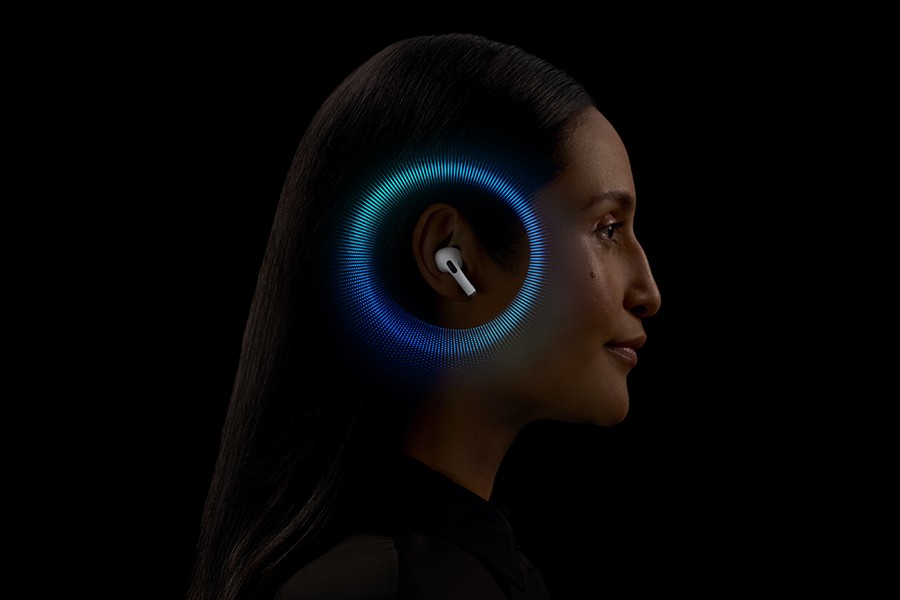
Let’s take a look at the reasons why the Hearing Aid feature is a game changer for AirPods Pro 2.
1. It’s clinical-grade and FDA-approved
Apple’s AirPods Pro 2 is an FDA-approved, clinically graded hearing aid. That means users can perform hearing tests directly through their AirPods and iPhone using the Health app.
And with features like Conversation Awareness and Personalized Volume, the AirPods 2 offers a way to enhance audio environments without traditional hearing aids.
The ability to diagnose hearing loss at home, without needing a visit to an audiologist or specialized store, could lead to earlier intervention and better outcomes.
For individuals with mild to moderate hearing loss, this means addressing a critical health issue without the steep costs and stigma traditionally associated with hearing aids.
2. Convenience and Accessibility
Traditional hearing aids often come with significant barriers, including cost and access. With AirPods Pro 2 priced at $249, they offer a far more affordable alternative to traditional hearing aid devices.
Many insurance plans fail to cover these devices, leaving a substantial gap in care. Apple’s solution not only fills this gap but also does so in a user-friendly manner.
Moreover, millions are already familiar with AirPods, which reduces the learning curve associated with adopting new technology. Features like Conversation Awareness, which automatically adjusts audio based on surroundings, make it easier for users to participate in daily conversations. This intuitive functionality could prove invaluable for those navigating life with hearing loss.
3. Breaking the Stigma
One of the challenges of traditional hearing aids is the stigma they often carry. Apple’s AirPods Pro 2 sidesteps this issue with its sleek, consumer-friendly design.
To the outside world, they’re just another pair of wireless earbuds. For users, they’re discreet tools that blend style with functionality. This subtlety might encourage more individuals to seek hearing assistance, removing some psychological barriers preventing people from addressing their hearing health.
4. Challenges and Limitations
While the AirPods Pro 2 offer groundbreaking features, they are not a one-size-fits-all solution. For individuals with severe or profound hearing loss, traditional hearing aids might still be the better choice.
Traditional devices often include specialized features like telecoils and advanced speech-enhancing algorithms, which are essential for some users and not available in the AirPods.
Another concern is battery life. With a runtime of 5-6 hours, AirPods may not meet the needs of users who require continuous assistance throughout the day. Traditional hearing aids, with longer battery life, are better suited for all-day use.
Additionally, while Apple’s software provides advanced diagnostics, it cannot replace the personalized care and adjustments offered by an audiologist.
5. A Step Toward the Future
The AirPods Pro 2 is just the start of Apple’s journey in merging consumer electronics with medical devices. While they may not entirely replace traditional hearing aids, they take a significant step toward making hearing care more accessible and affordable.
For millions of people who have avoided treatment due to cost or stigma, these features offer a new path forward. At the same time, they also challenge the hearing aid industry to innovate and adapt according to the needs of modern-day users. As Apple refines this technology, the impact could pave the way for a more inclusive and innovative future in hearing care.
6. Final Thoughts
The AirPods Pro 2’s hearing aid functionality is a significant step forward, but it’s not without its limitations. These earbuds work best for individuals with mild to moderate hearing loss and provide an affordable and stylish alternative to traditional hearing aids. However, those with more severe conditions may still rely on conventional options.
Apple’s innovation disrupts the status quo, opening the door to a more accessible and competitive hearing care landscape. Whether this technology becomes the new standard or serves as a stepping stone, it’s a development worth following closely.
Tech enthusiast? Get the latest news first! Follow our Telegram channel and subscribe to our free newsletter for your daily tech fix! ⚡