Add GIZMOCHINA as Preferred Source on Google
The rollout of 5G technology has marked a significant leap in telecommunications, promising ultra-fast internet speeds, lower latency, and enhanced connectivity. Alongside this development, 5G smartphones have flooded the market, with manufacturers touting them as the future of mobile communication.
However, the question remains: Are 5G smartphones worth buying? To answer this, we must consider their technical advantages, practical benefits, and current limitations.
1. Technical Advancements of 5G Smartphones
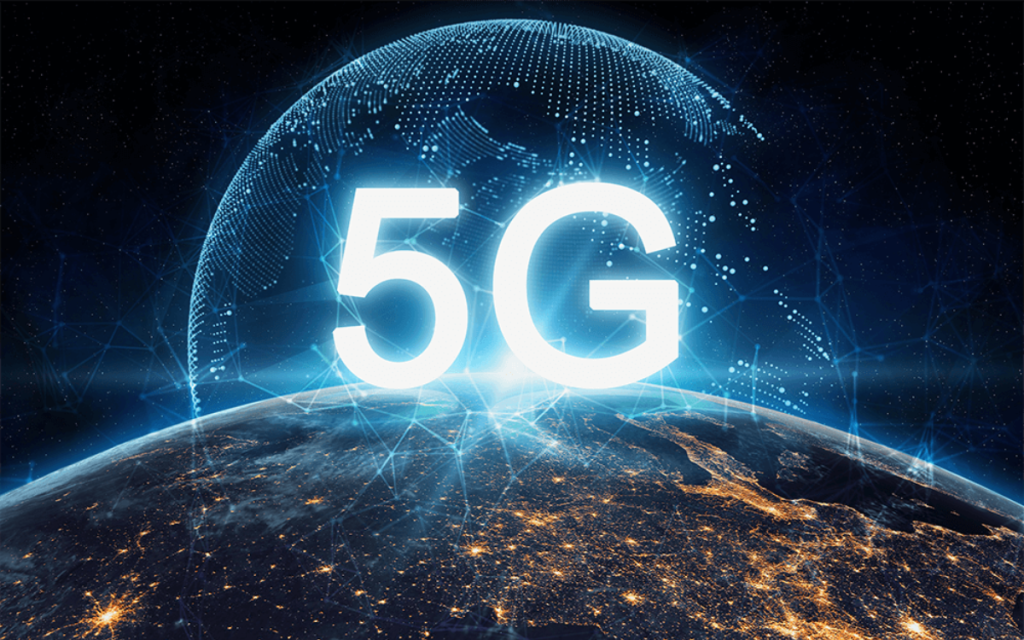
5G technology represents the fifth generation of cellular networks, offering several technical improvements over its predecessor, 4G LTE. The most important feature is the enhanced data speeds, which can theoretically reach up to 10 Gbps, significantly faster than 4G’s peak speed of 1 Gbps. This improvement translates into faster downloads, seamless 4K or 8K video streaming, and smoother online gaming experiences.
Another technical advancement is the reduced latency. While 4G networks typically have a latency of around 50 milliseconds, 5G networks can reduce this to as low as 1 millisecond. This near-instantaneous responsiveness is crucial for applications such as augmented reality (AR), virtual reality (VR), and autonomous vehicles.
5G networks also support a higher density of connected devices per unit area, enabling the expansion of the Internet of Things (IoT) and fostering advancements in smart cities and industrial automation.
2. Benefits of Owning a 5G Smartphone
For consumers, 5G smartphones offer several immediate and potential benefits. First and foremost, they future-proof your investment. As 5G networks continue to expand, having a compatible device ensures you can take full advantage of the network’s capabilities without needing an upgrade in the near future.
Moreover, 5G smartphones are not just about faster internet. They often come equipped with cutting-edge hardware to support the demands of 5G technology. This includes advanced processors, better antennas, and improved thermal management systems. These devices are usually flagship models, offering superior build quality, display technology, and camera systems.
Professionals who rely on mobile connectivity for work can particularly benefit from 5G smartphones. Tasks such as video conferencing, cloud computing, and remote collaboration become more efficient with faster and more stable connections.
3. Current Limitations of 5G Smartphones
Despite their advantages, 5G smartphones are not without drawbacks. One of the primary concerns is the availability of 5G networks. While 5G coverage is expanding rapidly, it remains limited in many regions, especially rural areas. If you live in an area without robust 5G infrastructure, the benefits of owning a 5G smartphone may be minimal.
Battery consumption is another issue. 5G connections require more power than 4G, which can drain batteries quickly. While manufacturers are addressing this with larger batteries and more efficient processors, the problem persists in some models.
Price is also a consideration. 5G smartphones are generally more expensive than their 4G counterparts. For budget-conscious consumers, the additional cost may not justify the current benefits, especially if 5G networks in their area are not fully operational.
4. Are 5G Smartphones Worth It?
Whether a 5G smartphone is worth buying depends on your specific needs and circumstances. If you live in a metropolitan area with good 5G coverage, frequently engage in data-intensive activities, or want a future-proof device, investing in a 5G smartphone makes sense.
On the other hand, if 5G networks are sparse in your area, or if you primarily use your phone for basic tasks, sticking with a 4G device may be more practical.
If you’ve made it this far, be sure to check out our article on the best smartphones for New Year photography in 2025.
Stay ahead in tech! Join our Telegram community and sign up for our daily newsletter of top stories! 💡