Add GIZMOCHINA as Preferred Source on Google
Choosing between the Vivo S20 and Redmi K80 can be challenging, as both offer compelling features tailored to different needs. With advancements in display technology, performance, and camera capabilities, these phones represent significant options in the mid-range and flagship categories. This comparison highlights key differences to help you decide which device suits your priorities, whether it’s powerful performance, superior durability, or value for money.
1. Design and Display
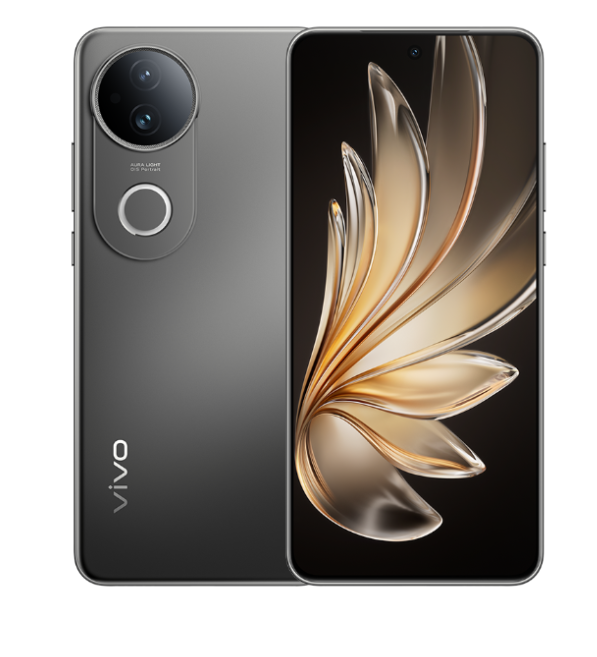
The Vivo S20 features an elegant, slim profile with IP64 dust and water resistance, making it splash-proof but not fully submersible. Its 6.67-inch AMOLED display offers vibrant colors and excellent brightness levels, peaking at 5000 nits for sunlight legibility. The screen supports a 120Hz refresh rate for smooth animations, making it a treat for casual and multimedia users.
In contrast, the Redmi K80 ups the ante with IP68 certification, ensuring protection against dust and submersion in water up to 2.5 meters for 30 minutes. Its OLED display is slightly more advanced, with a resolution of 1440 x 3200 pixels and support for Dolby Vision and HDR10+. The peak brightness of 3200 nits and ultra-vivid 68 billion colors offer a superior viewing experience, especially for HDR content.
While the Vivo S20 is practical and premium, the Redmi K80’s IP68 rating and higher-resolution OLED screen make it the better choice for durability and display quality.
2. Specifications
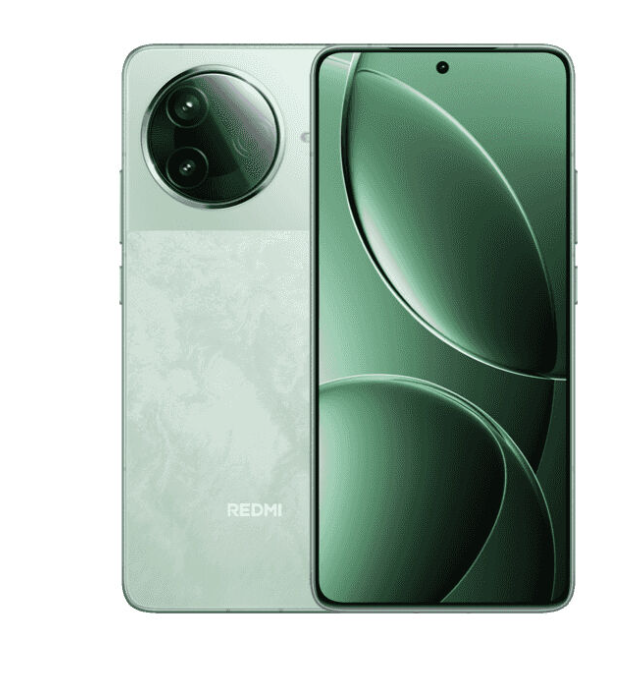
The Vivo S20 is powered by the Snapdragon 7 Gen 3 chipset, which is efficient for daily tasks and mid-range gaming. It comes with up to 16GB of RAM and a 6500mAh silicon-carbon battery that supports 90W fast charging, ensuring long-lasting performance and quick recharging.
The Redmi K80, on the other hand, boasts the Snapdragon 8 Gen 3 chipset, delivering flagship-level performance for heavy multitasking and gaming. It also packs a 6550mAh battery with 90W wired charging. The UFS 4.0 storage in the K80 is faster than the Vivo S20’s UFS 2.2, which makes app loading and data transfer quicker.
For power users and gamers, the Redmi K80’s flagship-grade processor and faster storage make it the clear winner. Vivo S20, however, offers excellent battery life for moderate users.
3. Camera
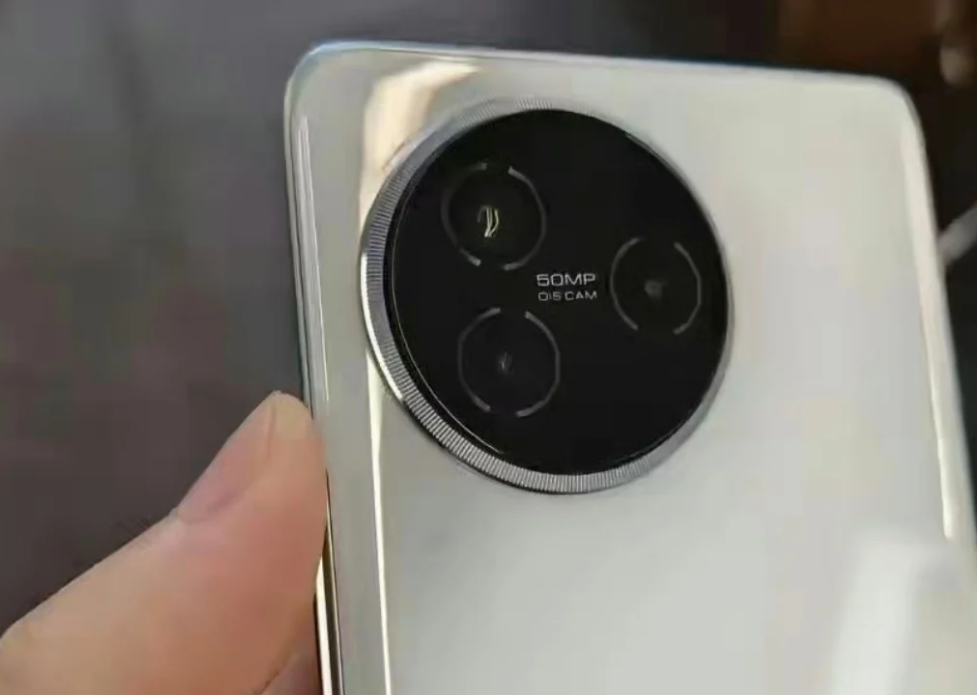
The Vivo S20 sports a dual-camera setup with a 50MP primary sensor with OIS and an 8MP ultrawide lens. It excels in capturing vibrant and stable images, especially in daylight. The 50MP selfie camera is a standout, ideal for social media enthusiasts.
The Redmi K80 also features a dual-camera system but edges ahead with a brighter f/1.6 aperture on its 50MP primary lens, which improves low-light performance. It supports 8K video recording, a feature absent in the Vivo S20. The 20MP front camera delivers decent selfies but lacks the wow factor of Vivo’s 50MP sensor.
Vivo S20 shines for selfie lovers, while the Redmi K80’s superior video capabilities and brighter aperture make it better for professional-style photography and videography.
4. Pricing
The Vivo S20 is priced at approximately $320, while the Redmi K80 costs around $370. For the $50 difference, the Redmi K80 provides better performance, superior display technology, and advanced camera capabilities.
If budget constraints are minimal, the Redmi K80 offers more value for its slightly higher price. However, Vivo S20 remains a solid option for users who prioritize selfies and design.
5. Conclusion
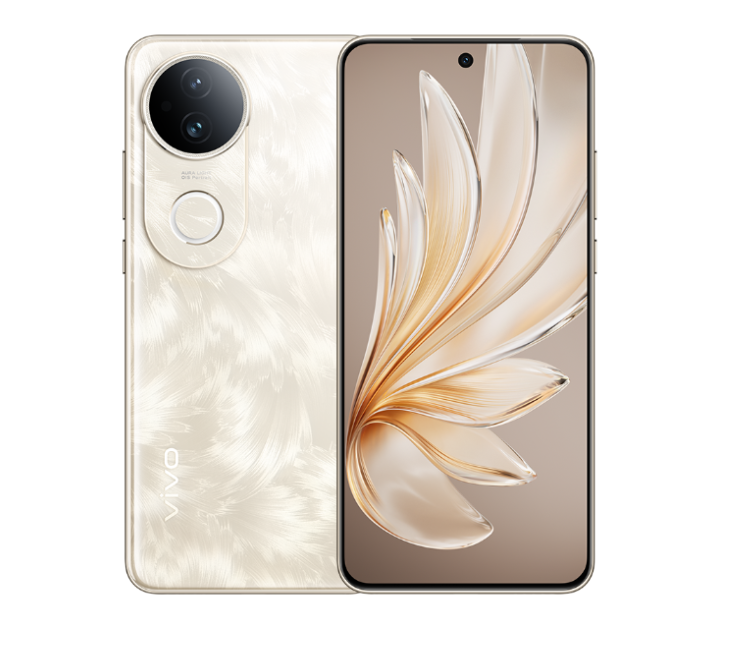
The Redmi K80 stands out with its IP68 water resistance, flagship Snapdragon 8 Gen 3 processor, Dolby Vision display, and 8K video recording. Vivo S20 highlights include its superior selfie camera, robust design, and cost-effectiveness.
For tech enthusiasts, the Redmi K80 is worth the investment due to its cutting-edge features, while Vivo S20’s affordability and selfie capabilities cater to a niche audience.