
Add GIZMOCHINA on Google:
Choosing between the Oppo Reno 13 and Huawei Nova 13 can be challenging, as both offer premium features at competitive prices. With design, performance, and camera technology advancements, these smartphones cater to diverse user needs. This comparison highlights key differences and upgrades to help you decide which device aligns better with your lifestyle, whether you value durability, display quality, or innovative selfie capabilities. Understanding these distinctions is crucial for making an informed decision in today’s fast-evolving smartphone market.
1. Design and Display
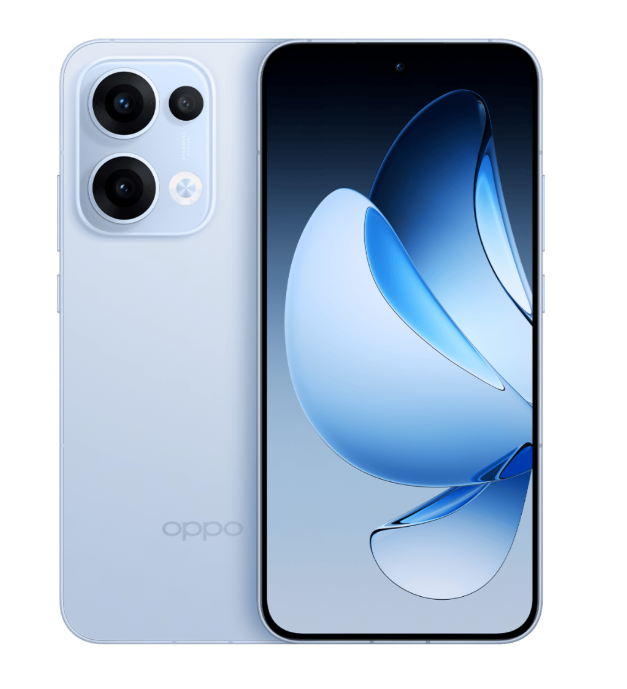
The Oppo Reno 13 flaunts a premium glass-aluminum build and is IP68/IP69 certified for water and dust resistance, making it robust and durable. Its 6.59-inch AMOLED display boasts vivid colors, a 120Hz refresh rate, and excellent peak brightness, offering immersive visuals for everyday use and gaming.
Huawei Nova 13, while also offering splash resistance, uses a slightly larger 6.7-inch OLED display with HDR support and a similar 120Hz refresh rate. Its aluminosilicate glass protection adds durability. However, its lower pixel density at 395 PPI compared to Oppo’s 460 PPI may affect sharpness in finer details.
Oppo’s IP69 rating and superior pixel density give it a slight edge for those prioritizing durability and display quality. Huawei’s larger screen and HDR may appeal to users seeking a broader, cinematic viewing experience.
2. Specifications

Oppo Reno 13 is powered by the Dimensity 8350 chipset, supported by up to 16GB RAM and 1TB storage, delivering exceptional performance for multitasking and gaming. Its 5600mAh battery ensures prolonged use, complemented by versatile 80W fast charging and reverse charging options.
Huawei Nova 13 relies on HarmonyOS 4.2, with storage options up to 1TB but lacks the ultra-high RAM configurations of the Oppo. Its 5000mAh battery, though smaller, supports rapid 100W charging, offering quicker top-ups, and making it convenient for users with busy schedules.
Oppo wins for power users needing extra battery life and heavy multitasking, while Huawei’s fast charging is ideal for on-the-go users who need quick recharges.
3. Camera
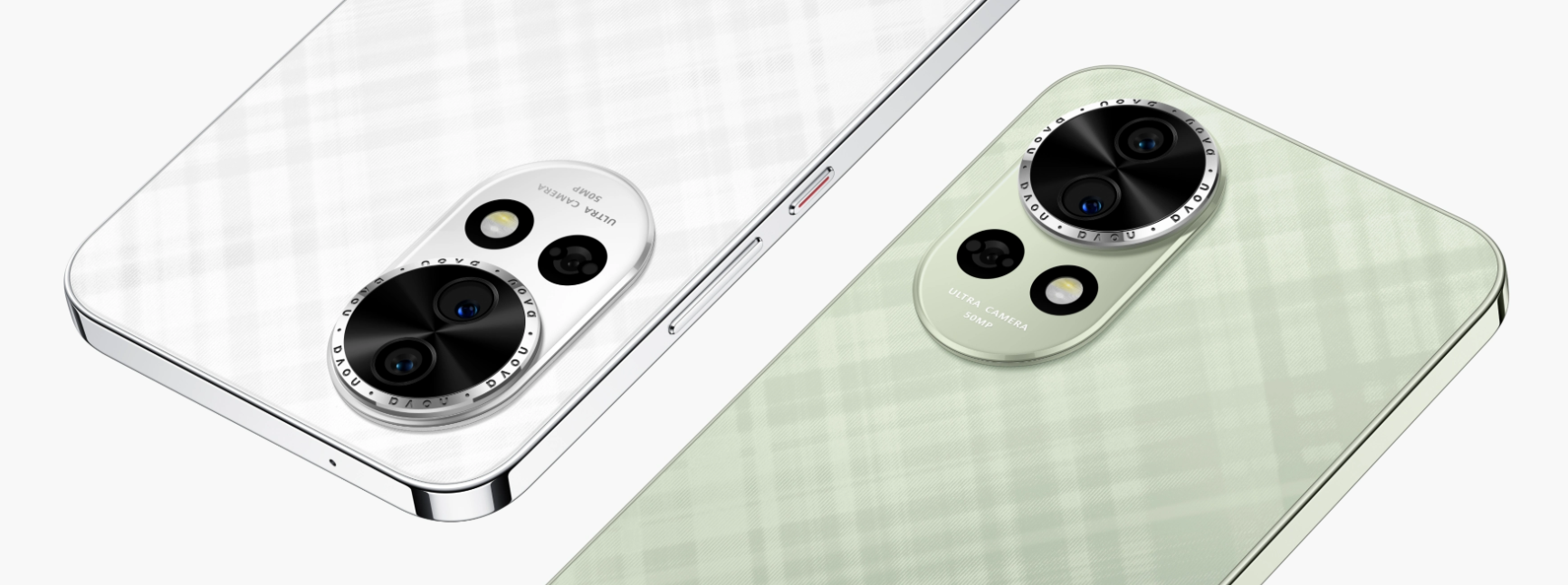
Oppo features a versatile 50MP dual rear camera setup with optical image stabilization (OIS) and advanced ultrawide capabilities. Its selfie camera also impresses with 50MP and autofocus, offering excellent results in various lighting conditions.
Huawei Nova 13’s cameras, while also dual-lens, lack OIS. However, its 60MP ultrawide selfie camera stands out, providing an unparalleled field of view for group selfies and landscapes. The inclusion of laser autofocus enhances clarity in challenging scenarios.
Oppo edges out for rear camera versatility and stabilization, whereas Huawei takes the crown for selfie enthusiasts with its superior front camera capabilities.
4. Pricing
Both phones are priced similarly, at approximately $380 USD. Despite the same price point, their features cater to different priorities, with Oppo focusing on durability and all-around performance, while Huawei leans towards fast charging and a selfie-centric experience.
The equal pricing makes the decision a matter of preference. Performance buffs will lean towards Oppo, while creative users may prefer Huawei.
5. Conclusion
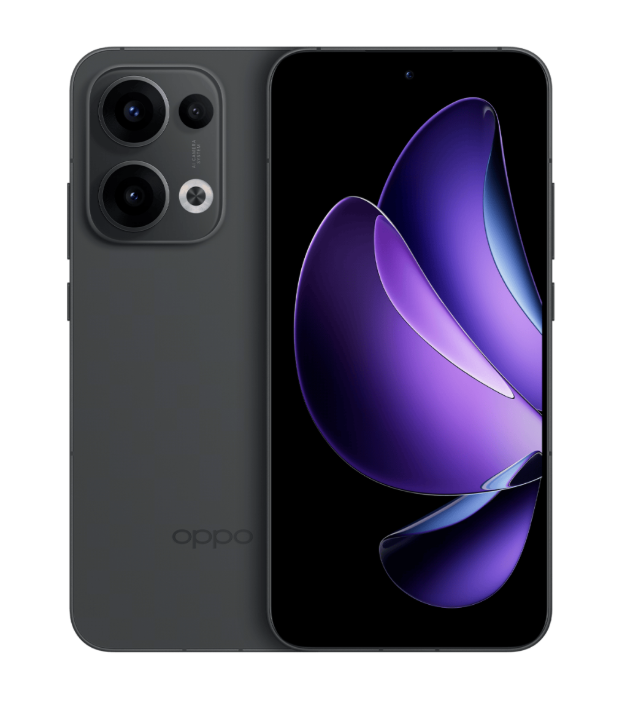
- Oppo Reno 13: IP68/IP69 certification, better battery capacity, OIS on the rear camera.
- Huawei Nova 13: Lightning-fast 100W charging, 60MP ultrawide selfie camera, HarmonyOS 4.2 exclusivity.
Oppo’s durability and battery life make it better for rugged users, while Huawei’s software and unique selfie camera cater to innovative, creative use cases.