Add GIZMOCHINA as Preferred Source on Google
As an Amazon Associate, Gizmochina earns from qualifying purchases. Links on this page may earn us a commission at no extra cost to you.
iQOO 13 and OnePlus 13 are two of the latest flagship smartphones introduced recently in the global market, offering premium features and cutting-edge technology.
While both devices excel in several areas, they cater to slightly different audiences, with iQOO targeting gamers and performance enthusiasts, and OnePlus focusing on an all-round premium experience. Let’s break down the features of both devices to help you decide whether you should choose the iQOO 13 over the OnePlus 13.
1. Display
Both smartphones feature 2K+ AMOLED displays with incredible brightness levels and high refresh rates. The iQOO 13 boasts a 6.82-inch flat BOE Q10 panel with a 144Hz variable refresh rate (1-144Hz), 2592Hz PWM dimming, and a peak brightness of up to 4500 nits. This makes it a standout for gamers who demand fast response times and vibrant visuals.
On the other hand, the OnePlus 13 also offers a 6.82-inch BOE X2 LTPO AMOLED screen with a 120Hz variable refresh rate (1-120Hz), Dolby Vision, and DisplayMate A++ certification. Its superior color calibration and Crystal Shield ceramic glass protection make it ideal for multimedia consumption and daily use.
While both displays are excellent, the iQOO 13’s higher refresh rate gives it an edge for gamers.
| Preview | Product | |
|---|---|---|

|
iQOO 13 5G (Legend, 12GB RAM, 256GB Storage) | Check Price on Amazon |

|
OnePlus 13| Smarter with OnePlus AI (12GB RAM, 256GB Storage Midnight Ocean) | Check Price on Amazon |
Please Note: When you buy something using the links in our articles, we may earn a small commission at no cost to you.
2. Performance
Both devices are powered by Qualcomm‘s Snapdragon 8 Elite chipset, making them incredibly powerful. The iQOO 13 claims a slightly lower AnTuTu score (3.15 million) compared to the OnePlus 13 (3.18 million), but this difference is negligible in real-world performance. Both phones support UFS 4.0 storage, with iQOO offering up to 1TB and OnePlus taking it a step further with 24GB of RAM on its top variant.
The iQOO 13 is particularly optimized for gaming, featuring a Q2 self-developed chip that supports 144fps native frame rates, PC-level texture resolution, and advanced thermal management. Additionally, it supports high-frame-rate gaming for titles like Naraka: Bladepoint and Dark Zone Breakout with ray-tracing capabilities.
The OnePlus 13, while also excellent for gaming and comes with a bigger vapor chamber, focuses on a balanced approach, offering gaming enhancements such as its “Bionic Vibration Motor Turbo” for richer haptic feedback, but it lacks some of iQOO’s extreme gaming-specific features.
3. Cameras
When it comes to photography, the OnePlus 13 has a clear edge. Its 50MP Sony LYT-808 main camera, paired with a 50MP ultra-wide and a 50MP 3x periscope telephoto lens with advanced Hasselblad tuning, promises superior image quality. Features like a multi-prism reflection periscope and up to 120x digital zoom add to its versatility for photography enthusiasts.
The iQOO 13 also offers a strong camera setup, with a 50MP Sony IMX921 main sensor, a 50MP ultra-wide-angle camera, and a 50MP 2x telephoto lens. While the quality is impressive, it doesn’t quite match the periscope zoom or Hasselblad optimization of the OnePlus 13.
4. Battery and Charging
iQOO 13 packs a 6150mAh silicon-carbon battery with 120W wired charging, capable of a full charge in just 30 minutes. It also supports 44W UFCS and 100W PPS charging standards but lacks wireless charging.
The OnePlus 13, meanwhile, features a slightly smaller 6000mAh battery with 100W wired charging (full charge in 36 minutes) and 50W wireless charging, along with magnetic charging support. For those who value the convenience of wireless charging, OnePlus takes the lead.
5. Design and Build
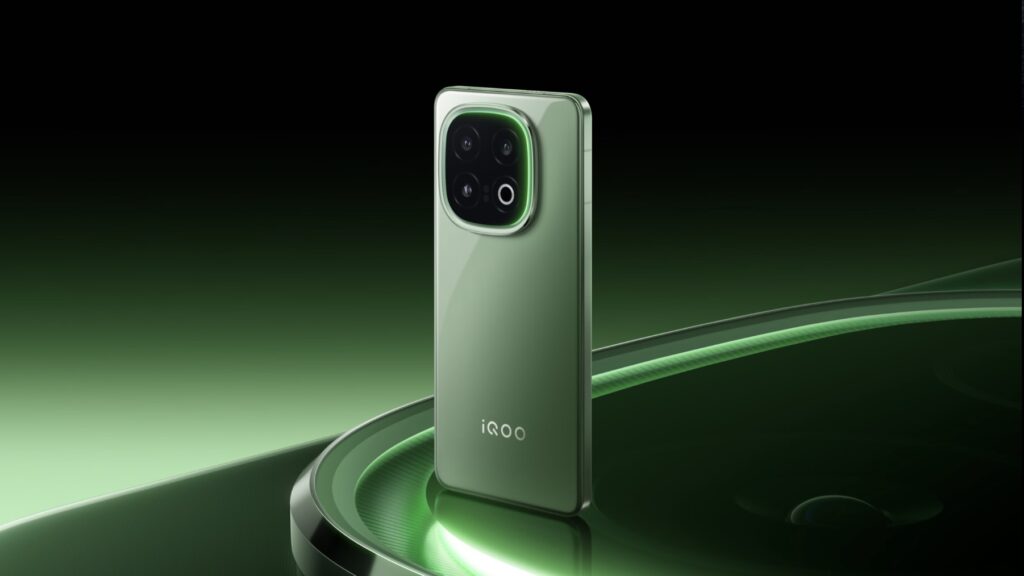
The iQOO 13 uses an aviation-grade aluminum frame and offers bold color options, including Legend, Track, and Green editions. It also features a gaming-centric halo light around the camera that adapts to in-game effects.
The OnePlus 13 offers a more premium and minimalistic design with finishes like Obsidian (ebony wood grain glass), Blue (velvet leather), and White (silk glass). Its ultra-narrow micro-arc frame and Alert Slider enhance usability and style. Both devices have IP68+IP69 dust and water resistance.
For those who value aesthetics, OnePlus 13 feels more polished, while the iQOO 13 leans toward a functional gaming design.
6. Pricing
The iQOO 13 starts at 3999 yuan and Rs. 54,999 for the 12GB + 256GB variant, with the top 16GB + 1TB model priced at 5199 yuan and Rs. 59,999 for the 16GB + 512GB variant.
The OnePlus 13 starts at 4499 yuan and Rs. 69,999 for the 12GB + 256GB model, going up to 5999 yuan and Rs. 89,999 for the top-end 24GB + 1TB (Black Eclipse only) version.
The iQOO 13 offers slightly better value for money, especially for gamers looking for extreme performance and gaming-centric features.
7. iQOO 13 or OnePlus 13?
If you’re a gamer or someone who prioritizes raw performance, thermal management, and frame rates, the iQOO 13 is the clear winner. Its gaming-focused optimizations, 144Hz display, and aggressive pricing make it a great choice for gaming enthusiasts.
However, if you’re looking for an all-round premium smartphone with superior cameras, better design, and wireless charging, the OnePlus 13 (our review) is worth the extra cost. It excels in photography, display quality, and user experience, making it a great option for everyday use.
Ultimately, your choice should depend on whether you prioritize gaming or a more balanced flagship experience.
If you’re interested in TVs, be sure to check out our list of the Best TVs at CES 2025.
Tech enthusiast? Get the latest news first! Follow our Telegram channel and subscribe to our free newsletter for your daily tech fix! ⚡