Add GIZMOCHINA as Preferred Source on Google
OnePlus 13 and iPhone 16 represent the pinnacle of flagship smartphone innovation, each catering to distinct audiences with their unique strengths. As technology advances, comparing these two devices is crucial for understanding how Android and iOS ecosystems evolve to meet user expectations. From cutting-edge displays to robust performance and versatile cameras, both phones offer compelling choices. This comparison will help you navigate their key features, highlighting what sets them apart and why they matter in today’s competitive market.
1. Design and Display
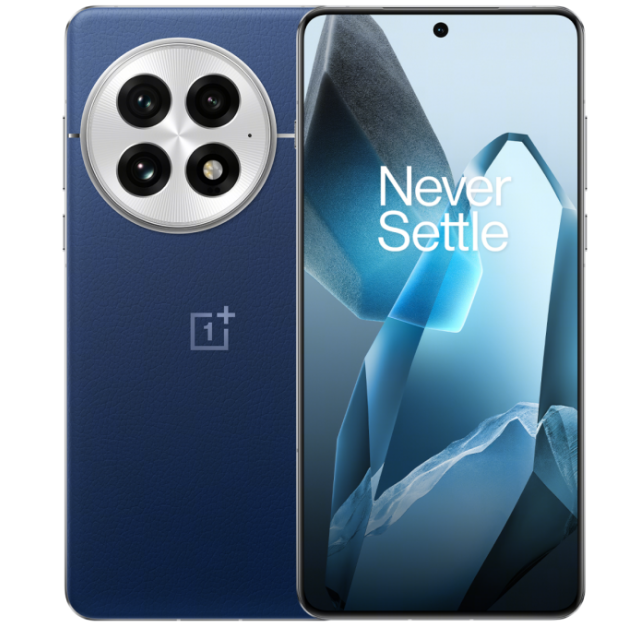
The OnePlus 13 boasts a larger 6.82-inch LTPO 4.1 AMOLED display with a stunning 1440p resolution and a peak brightness of 4500 nits, offering exceptional clarity and brightness in direct sunlight. Its ceramic guard glass and IP68/IP69 certification add to its durability, while the premium eco-leather back option exudes sophistication. The iPhone 16, on the other hand, features a smaller 6.1-inch Super Retina XDR OLED display with an 1179p resolution and a peak brightness of 2000 nits. Its Ceramic Shield glass provides robust protection, and the phone’s lightweight build enhances portability.
While both phones deliver vivid visuals, the OnePlus 13’s higher resolution and larger screen cater to users seeking an immersive viewing experience. The iPhone 16’s design leans towards compact elegance, making it ideal for one-handed use. The OnePlus 13 edges ahead with its superior display specs, while Apple excels in seamless design continuity.
2. Specifications
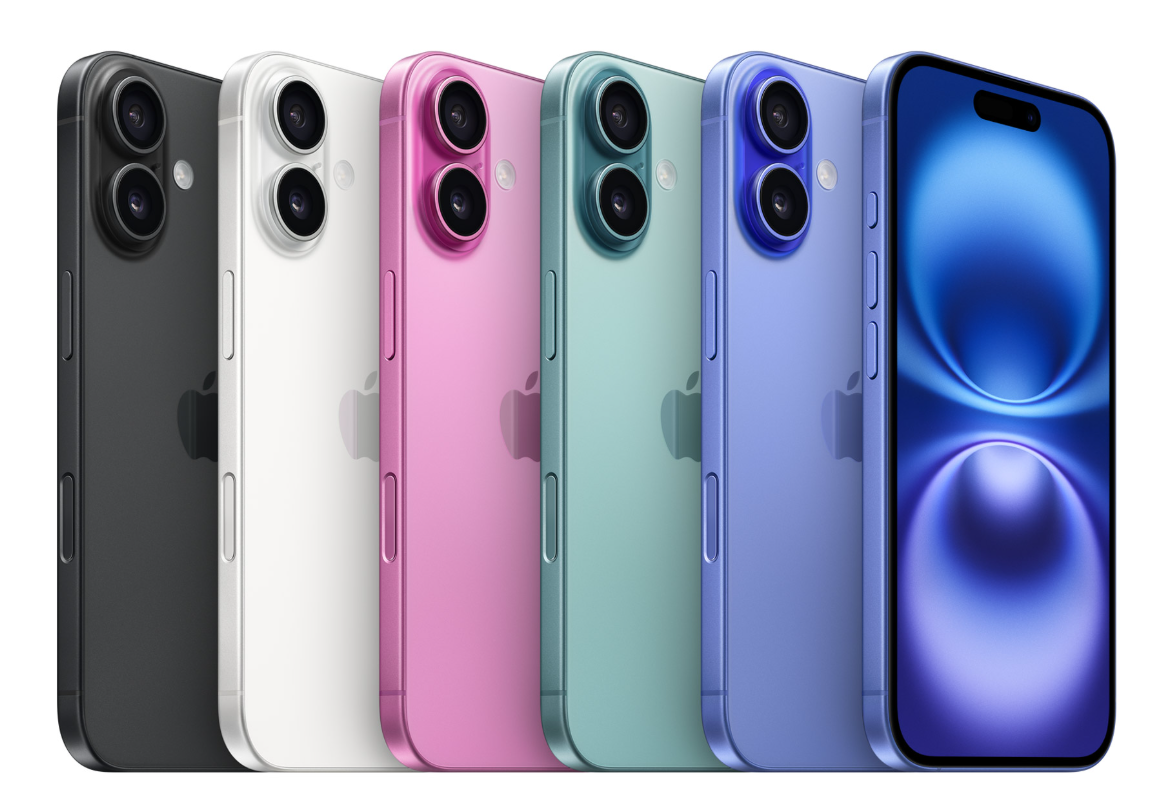
Powered by the Snapdragon 8 Elite chipset, the OnePlus 13 offers up to 1TB of storage and 24GB RAM, ensuring top-tier performance. It features a massive 6000mAh battery with 100W wired and 50W wireless charging. The iPhone 16 uses the A18 chip with a maximum of 512GB storage and 8GB RAM. Its 3561mAh battery supports 25W wireless and 15W MagSafe charging.
The OnePlus 13 is a powerhouse for heavy multitaskers, with impressive battery longevity and faster charging. However, the iPhone 16 excels in power efficiency and refined performance. For gamers or intensive users, OnePlus is a clear choice. If efficiency matters more, Apple’s ecosystem optimizations may be preferable.
3. Camera
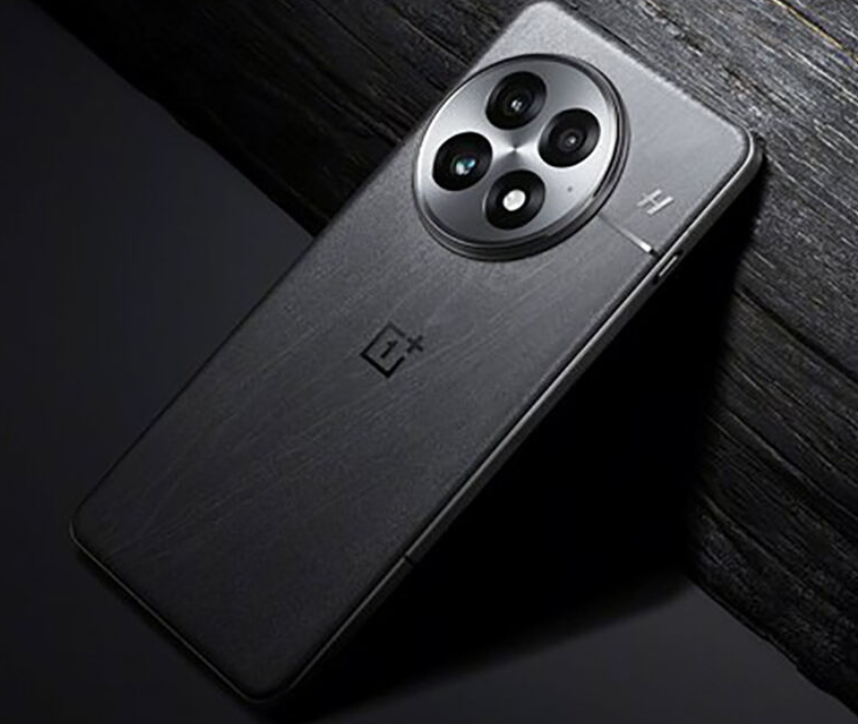
OnePlus 13 features a versatile triple-camera system: a 50MP wide, periscope telephoto, and ultrawide lens, supported by Hasselblad color calibration. It excels in 8K video recording and low-light performance. The iPhone 16 has a simpler dual-camera setup with a 48MP wide and a 12MP ultrawide, but its software optimizations enable Dolby Vision HDR video and exceptional still photography.
While OnePlus 13’s hardware is more advanced, the iPhone 16’s software ensures consistent and reliable output. Photography enthusiasts may appreciate the flexibility of OnePlus, while casual users might prefer the simplicity of the iPhone.
4. Pricing
The OnePlus 13 starts at $699, making it a more budget-friendly option compared to the iPhone 16, which starts at $799. For those prioritizing cutting-edge hardware and fast charging, the OnePlus 13 offers exceptional value. Meanwhile, the iPhone 16, despite its higher price, provides unmatched ecosystem integration and reliable long-term software support.
The pricing difference makes the OnePlus 13 more attractive for tech enthusiasts, while the iPhone 16’s polished user experience justifies its cost for those deeply invested in the Apple ecosystem.
5. Conclusion
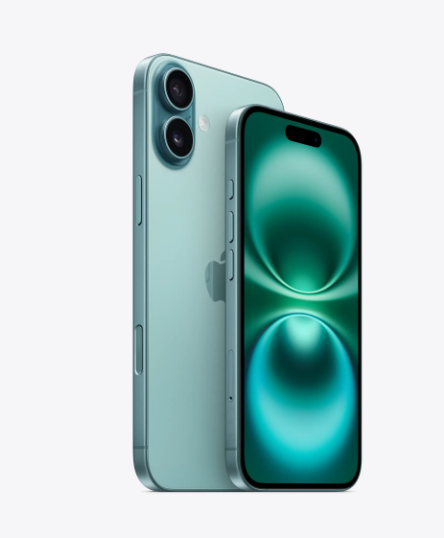
Unique to the OnePlus 13 are its 1TB storage option, faster charging, and advanced display brightness, making it ideal for tech enthusiasts. Conversely, the iPhone 16’s standout features include satellite communication, seamless integration into the Apple ecosystem, and better long-term software updates.
For cutting-edge specs, OnePlus is superior. For ecosystem integration and reliability, iPhone takes the lead. Your choice depends on priorities whether it’s innovation or refinement.