
Add GIZMOCHINA as Preferred Source on Google
Among all the flagship models released lately, the Honor Magic 7 Pro is our most anticipated phone. The Chinese version hit the market back in November, but let’s be real—everyone’s been waiting for the global launch. So once the global Magic 7 Pro arrived in the studio, we just couldn’t wait diving into the Honor flagship. The big question on everyone’s mind is: Can this flagship phone really justify its price tag? Let’s break it down.
Design:
The Honor Magic 7 Pro is starting to show some serious continuity in design, just like other top Chinese smartphones. But they’ve really stepped it up with the details.
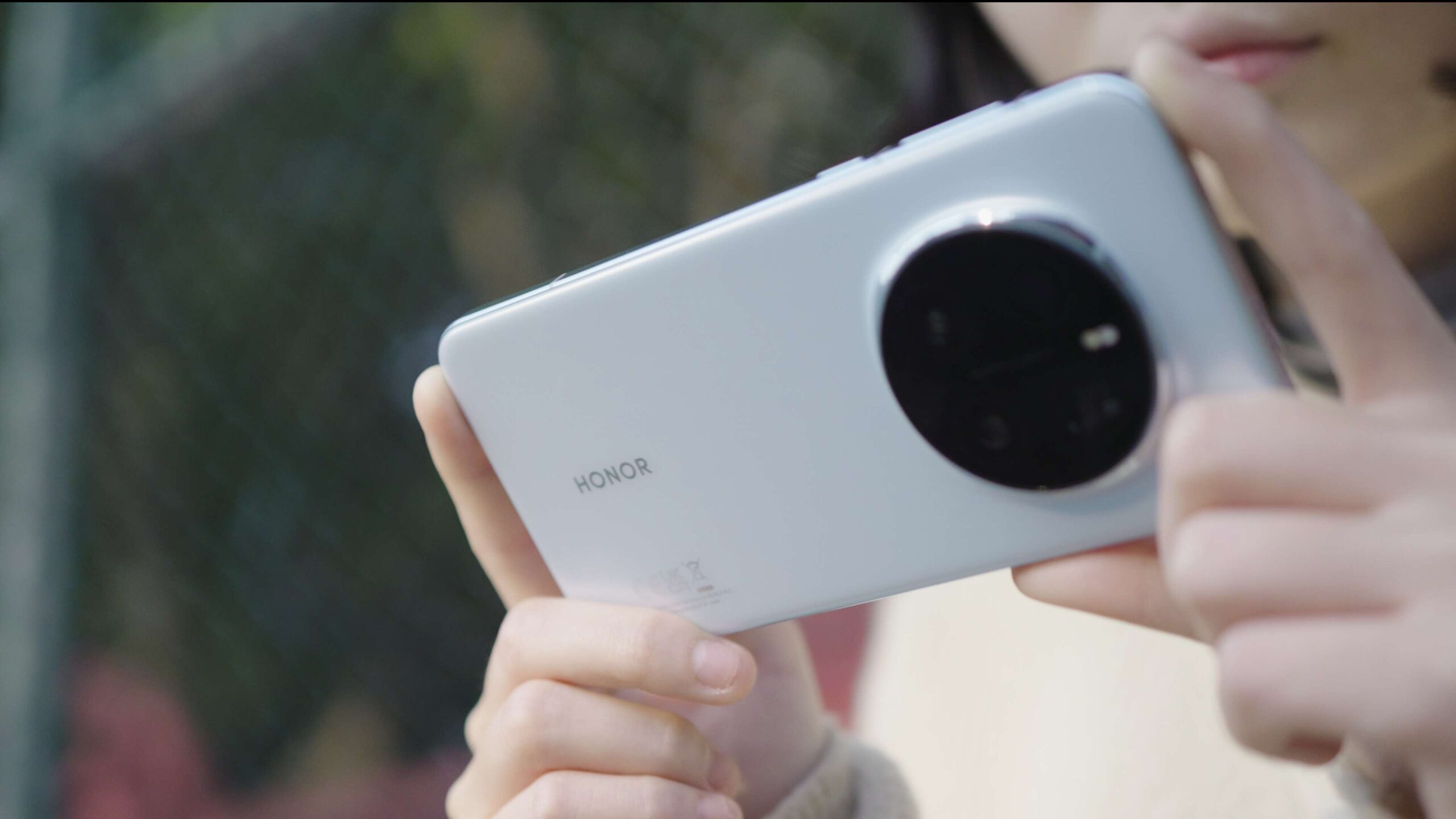
For example, the metal ring around the camera module is way smaller, making the transition from the camera to the rest of the phone super smooth. It gives the back a more integrated look, and it’s sleek and modern from every angle.
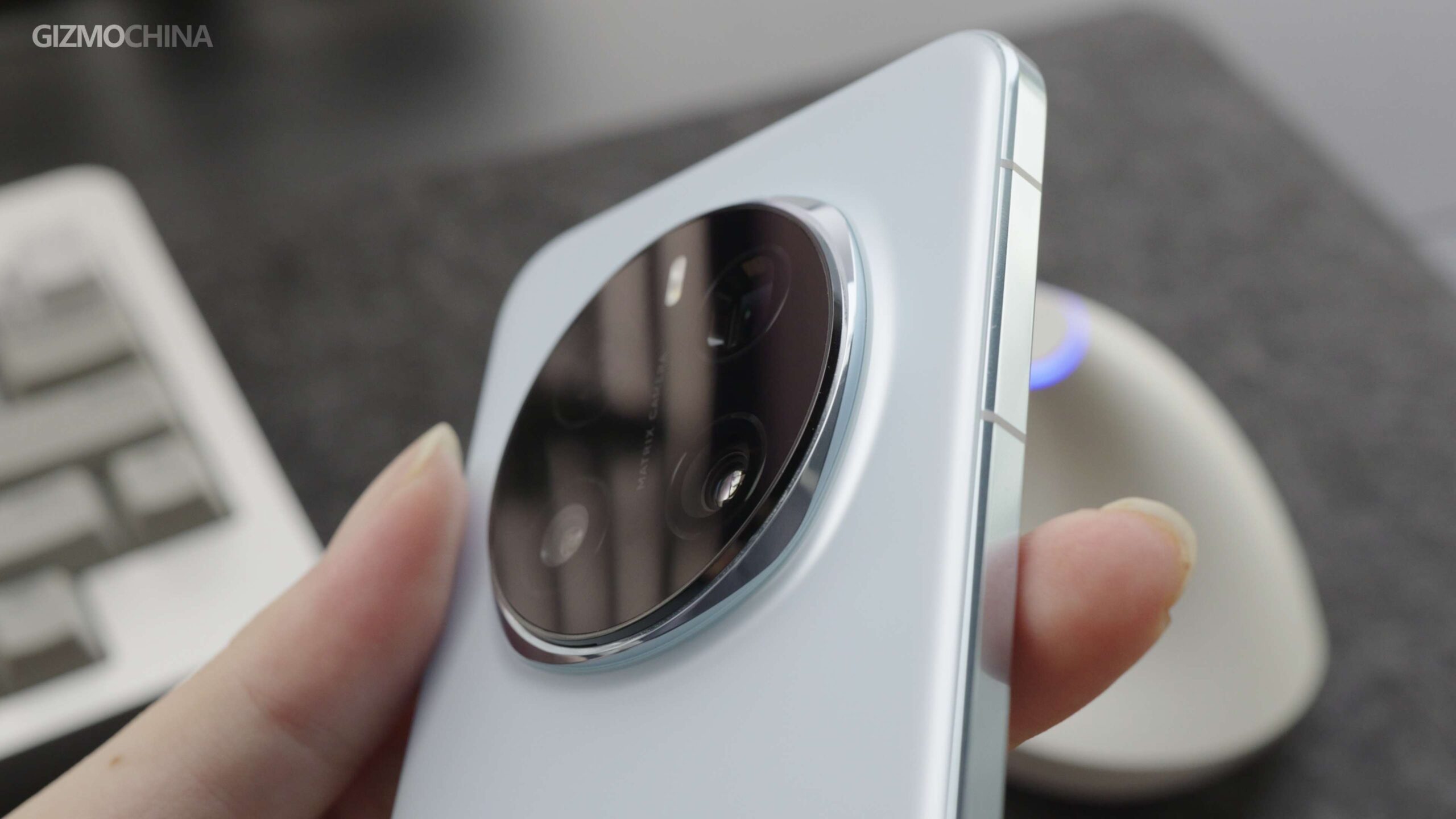
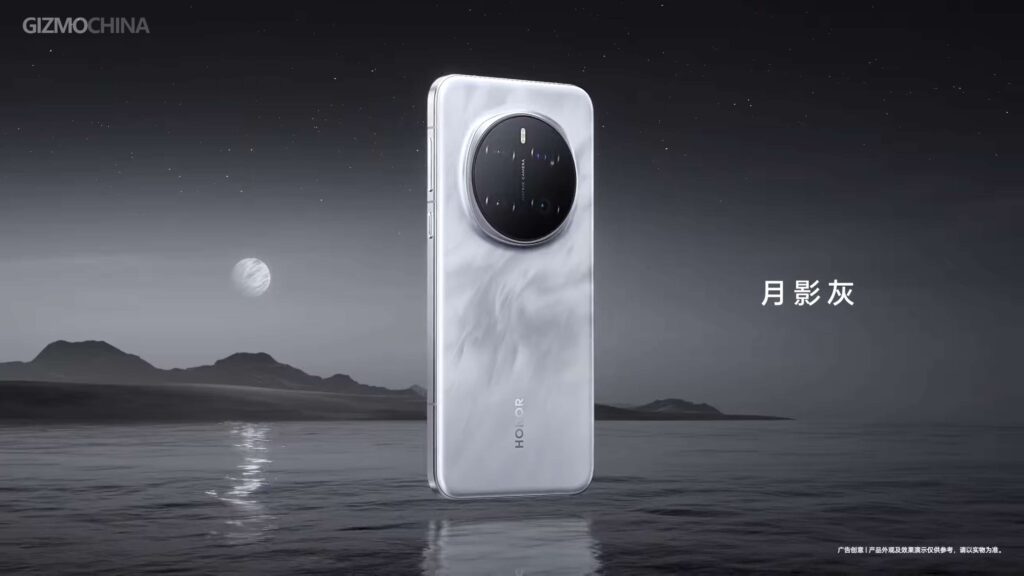
We’ve got the Breeze Blue version here, which is a super fresh and light blue. It just screams peace and elegance. But if blue isn’t your thing, there are other options like Black, White, and Lunar Shadow Grey. The latter has that cool water flow texture we’ve seen before.
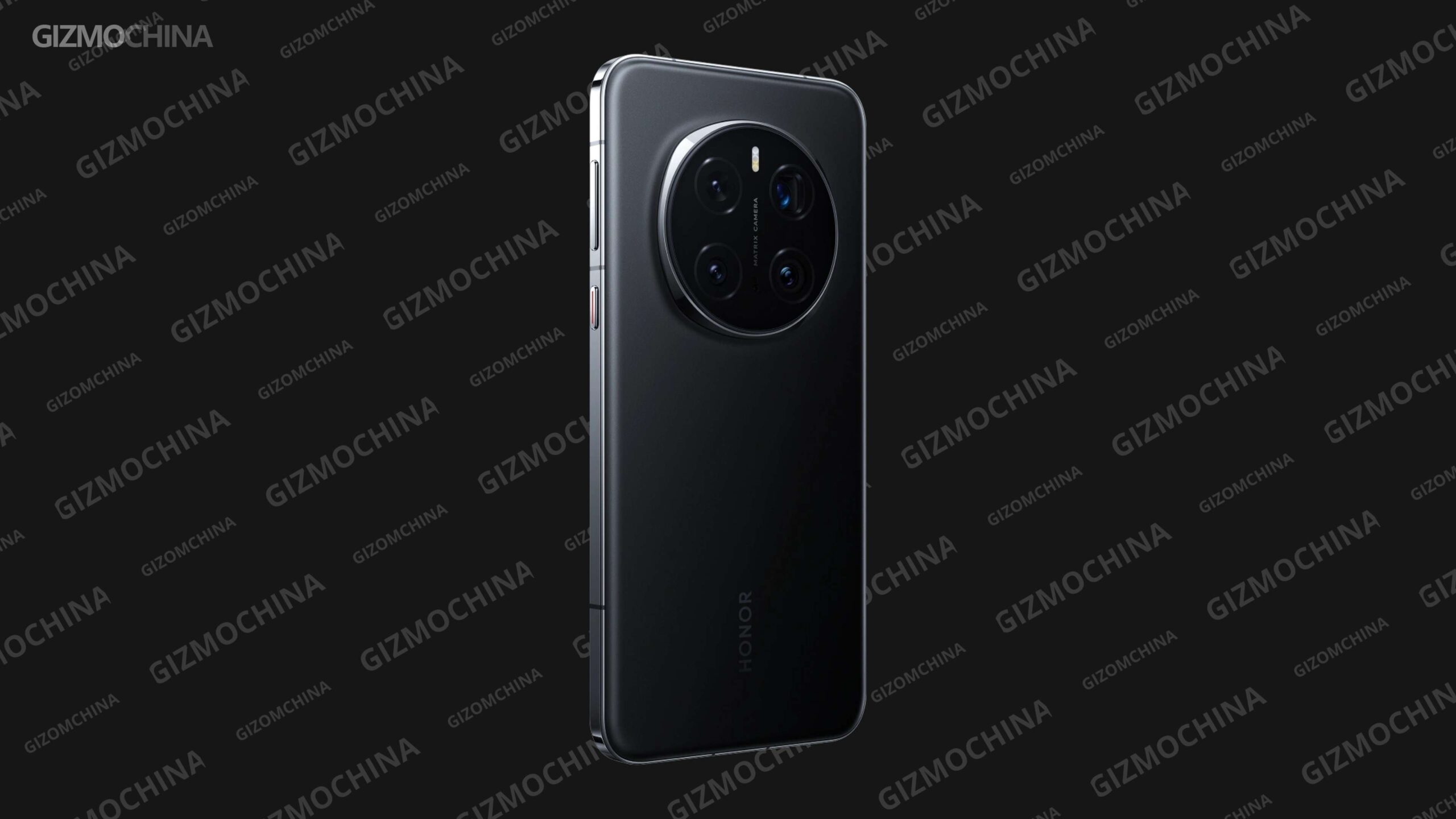
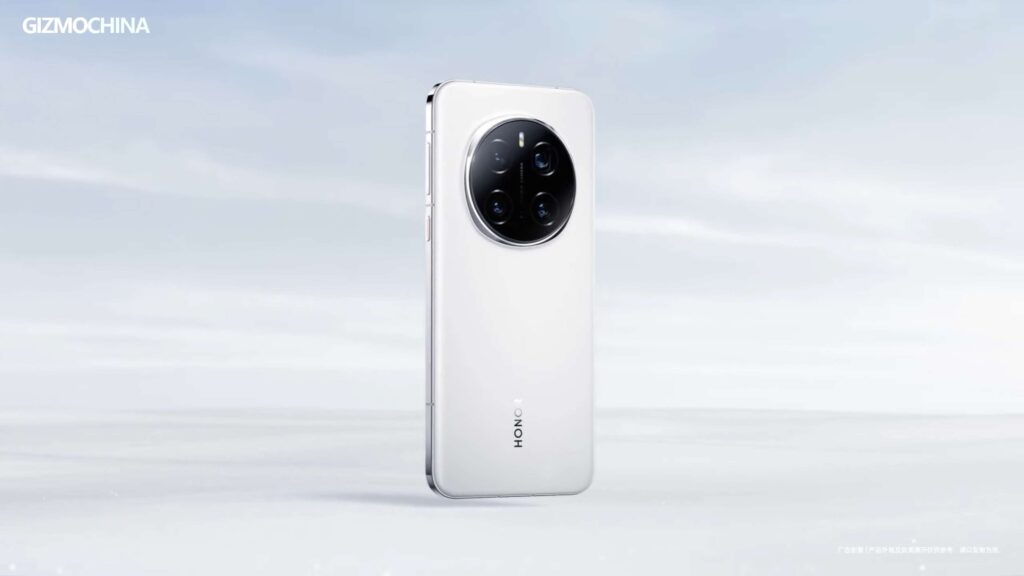
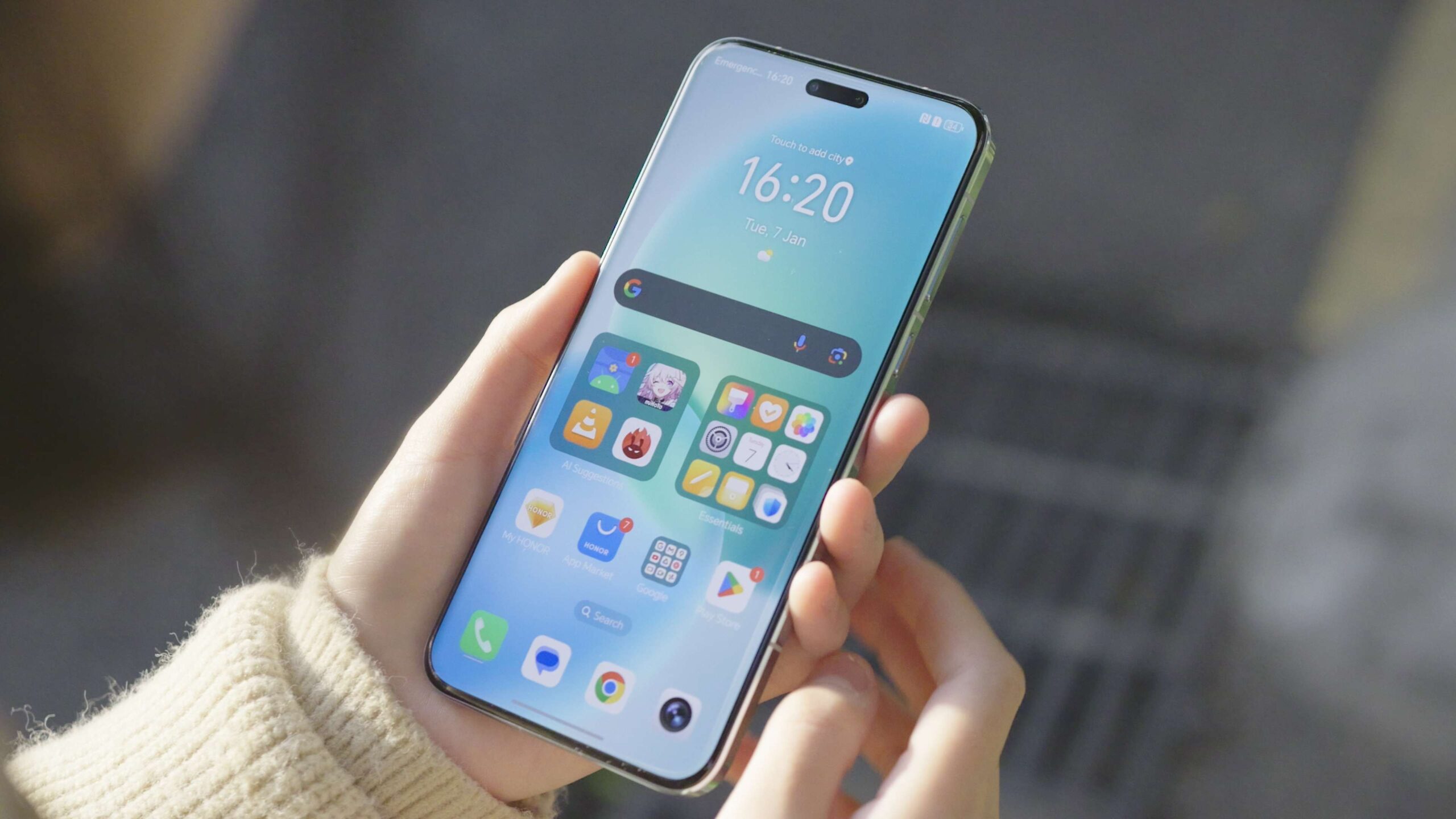
On the front, the Magic 7 Pro still packs a 6.8-inch quad curved floating screen. Visually, the bezels are super narrow, and the whole thing feels really rounded. Now, Honor knows a lot of folks aren’t fans of curved screens, so they’ve kept the curvature super subtle. It gives you that curved-screen feel without losing the flat-screen look.
Performance:
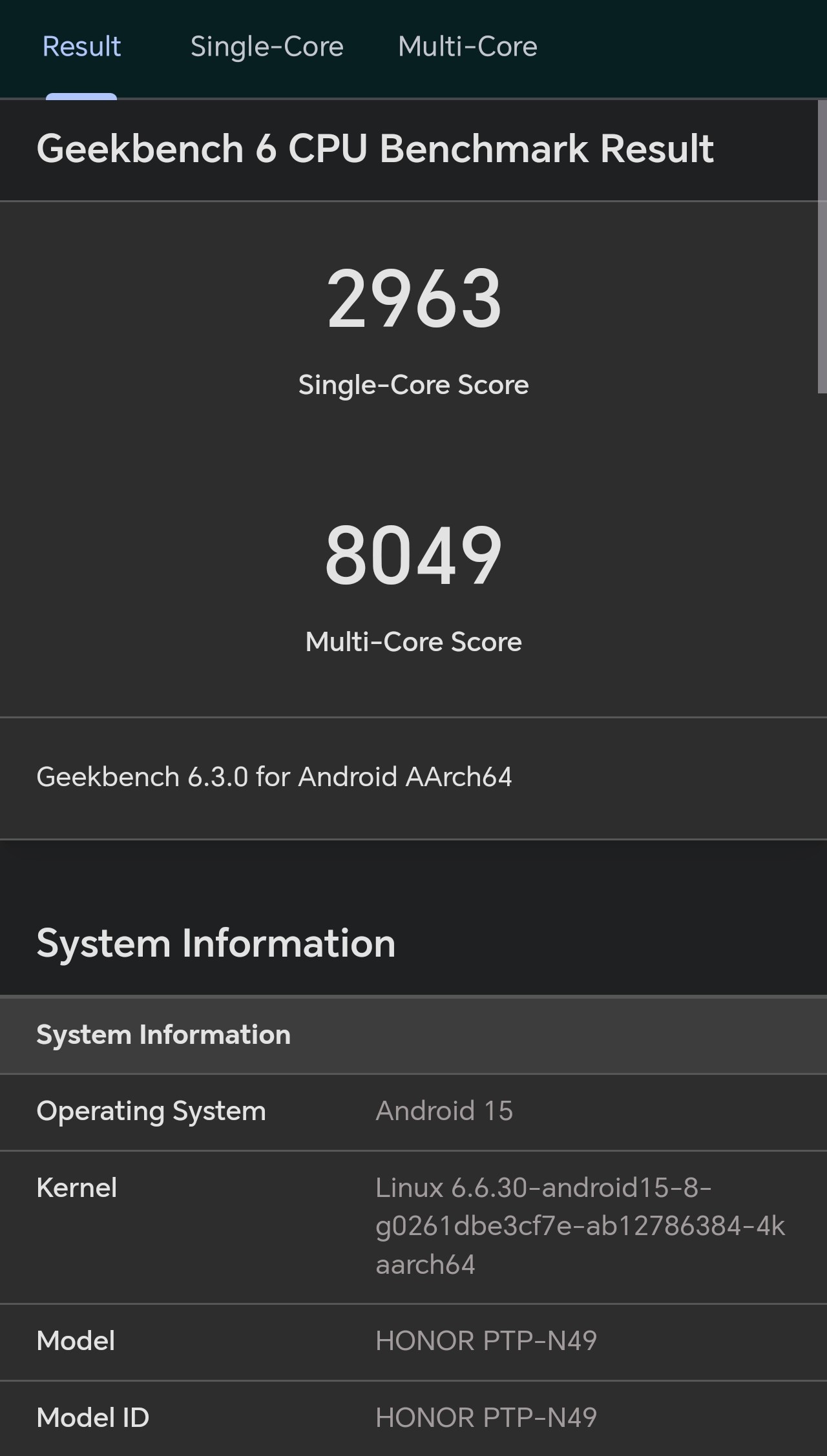
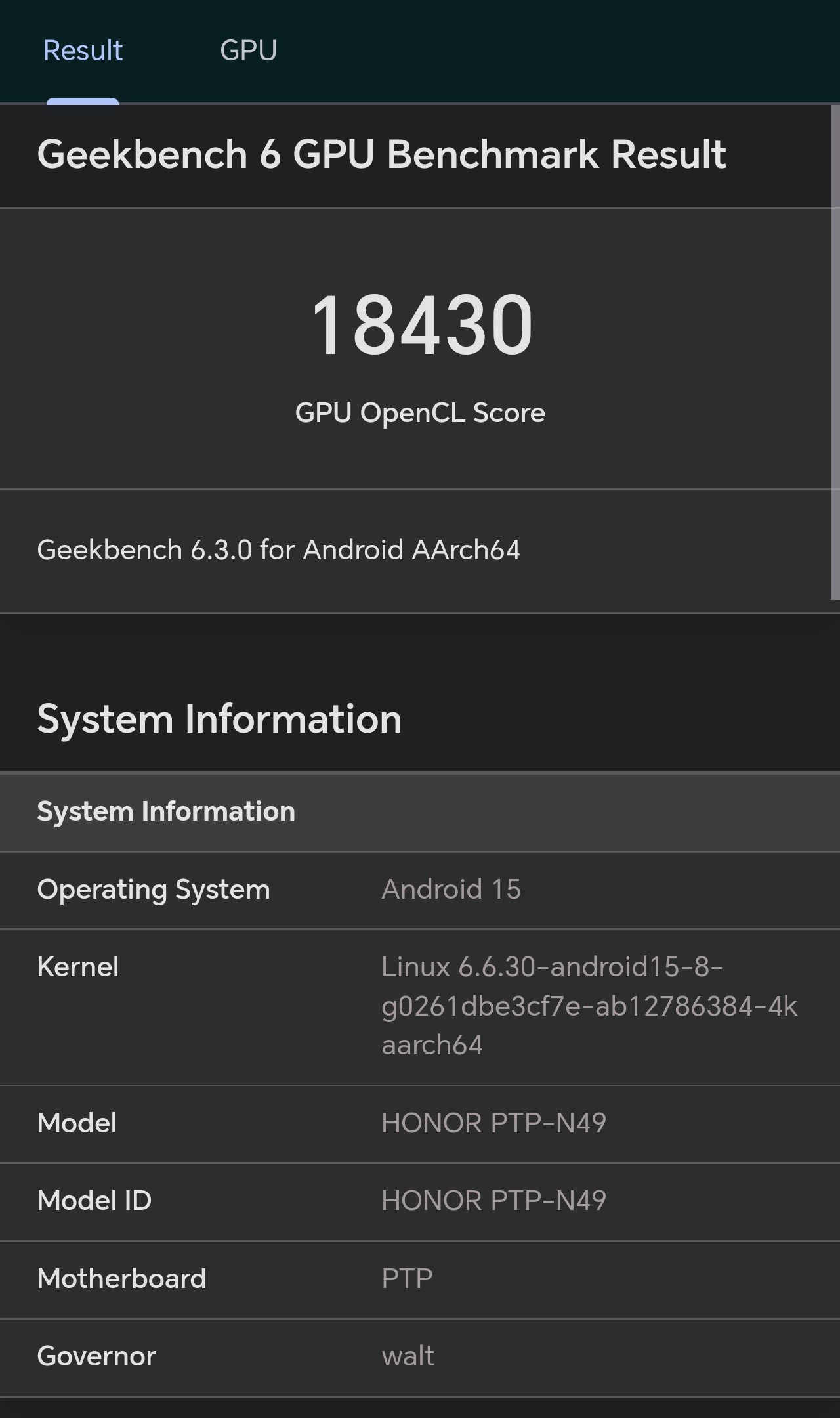
When it comes to performance, let’s cut to the chase. Even the base model with 12GB of RAM and 256GB of storage is more than enough for most people. It holds its own in Geekbench 6 tests.
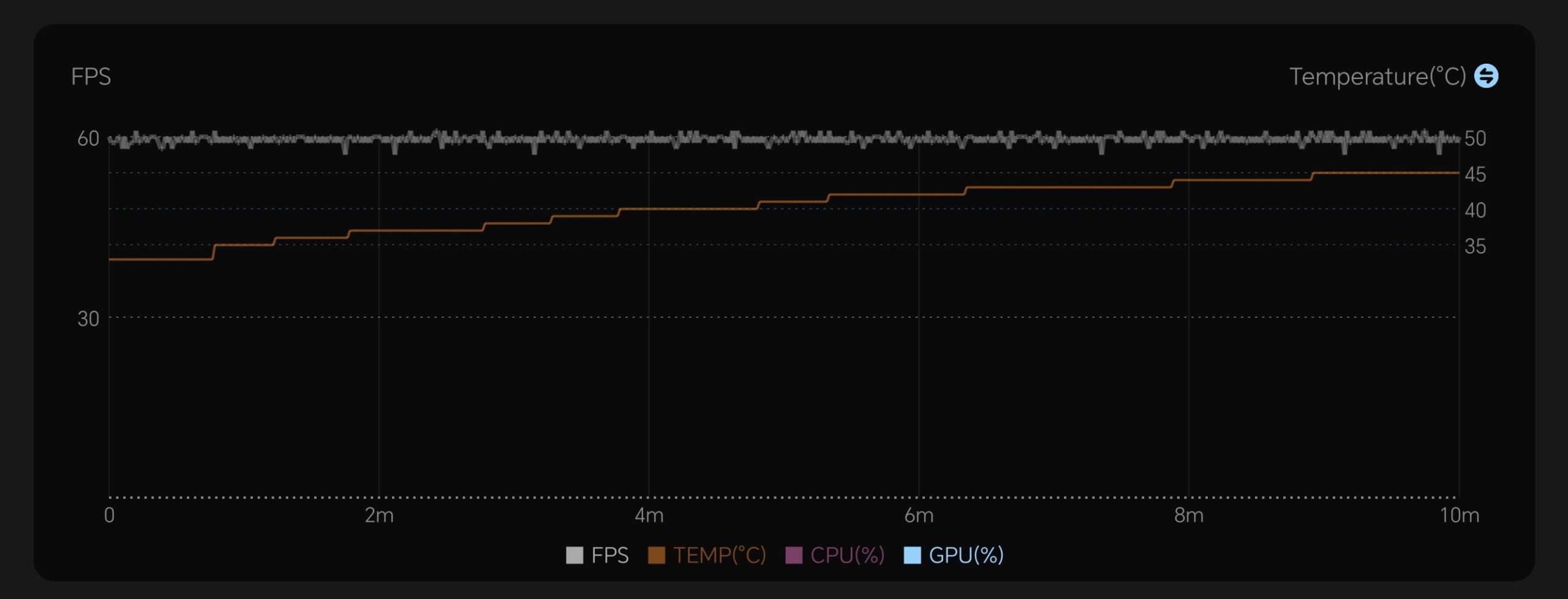
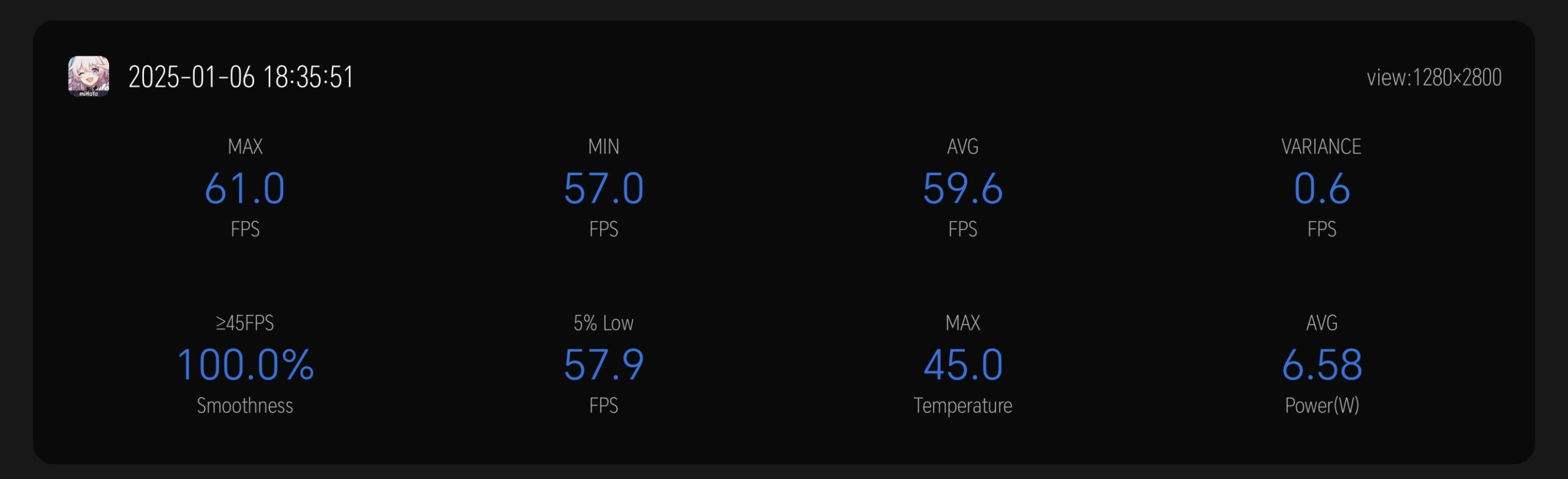
And in games like “Honkai: Star Rail,” even in the most intense scenes, the frame rates stay solid.
Touch response speed is also crucial for gaming, and the Magic 7 Pro doesn’t disappoint. You can see it in the camera playback—it’s super quick. So yeah, performance-wise, you’ve got nothing to worry about.
Audio-Visual Experience:
Screen:
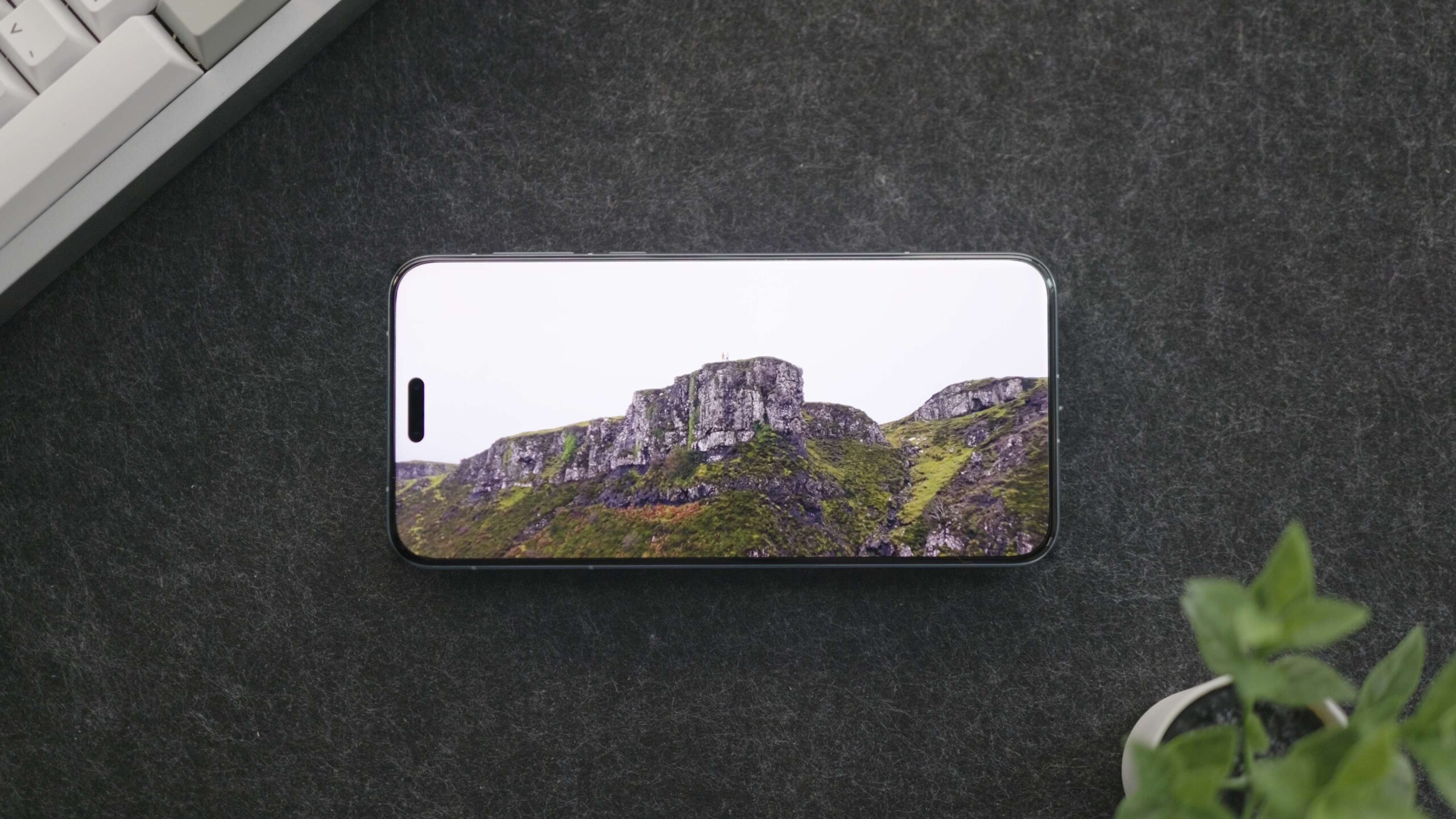
Let’s talk about the screen. It’s a 20:9, 6.8-inch full equal-depth micro-curved screen from Visionox, a top-notch screen manufacturer.
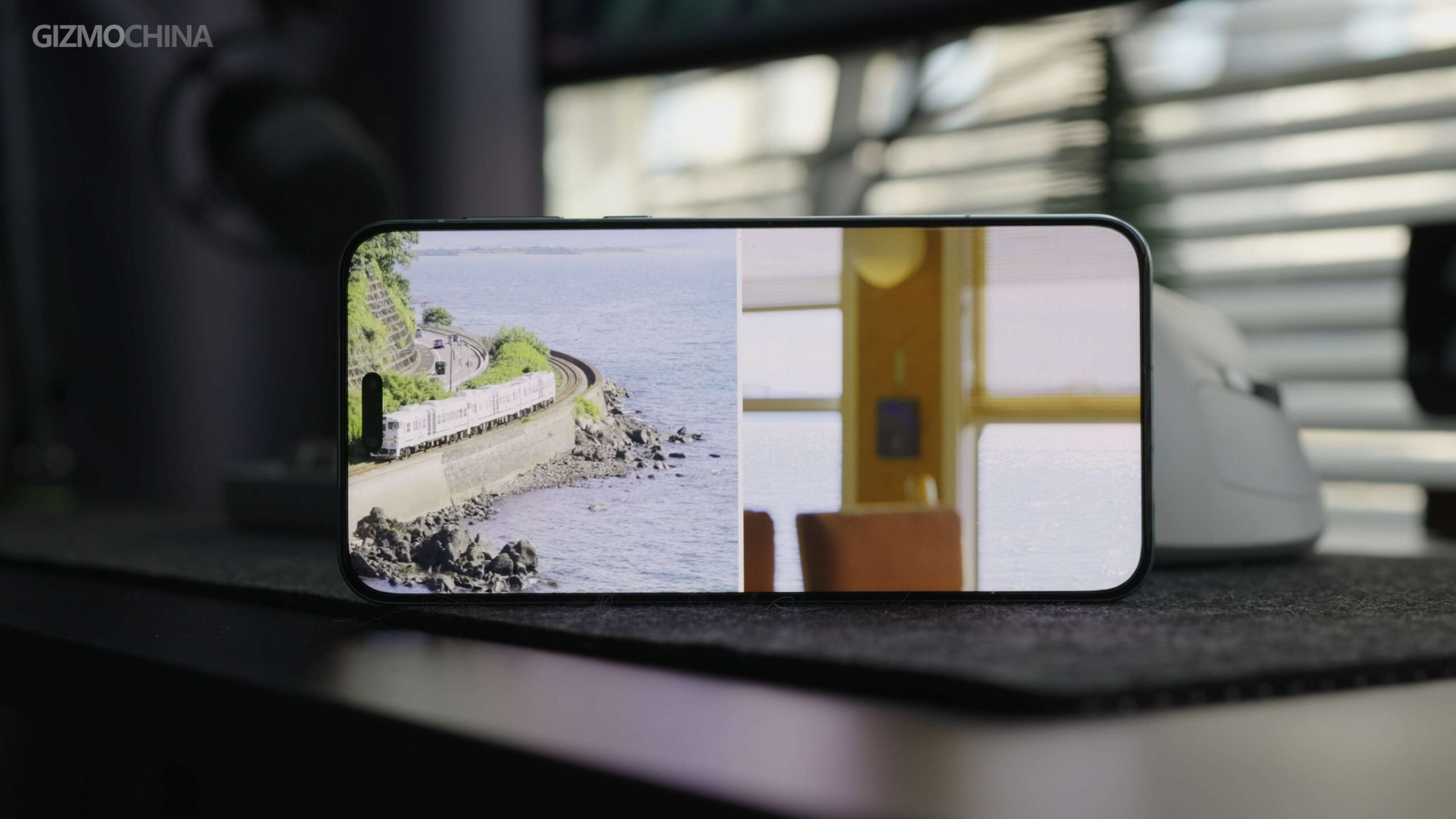
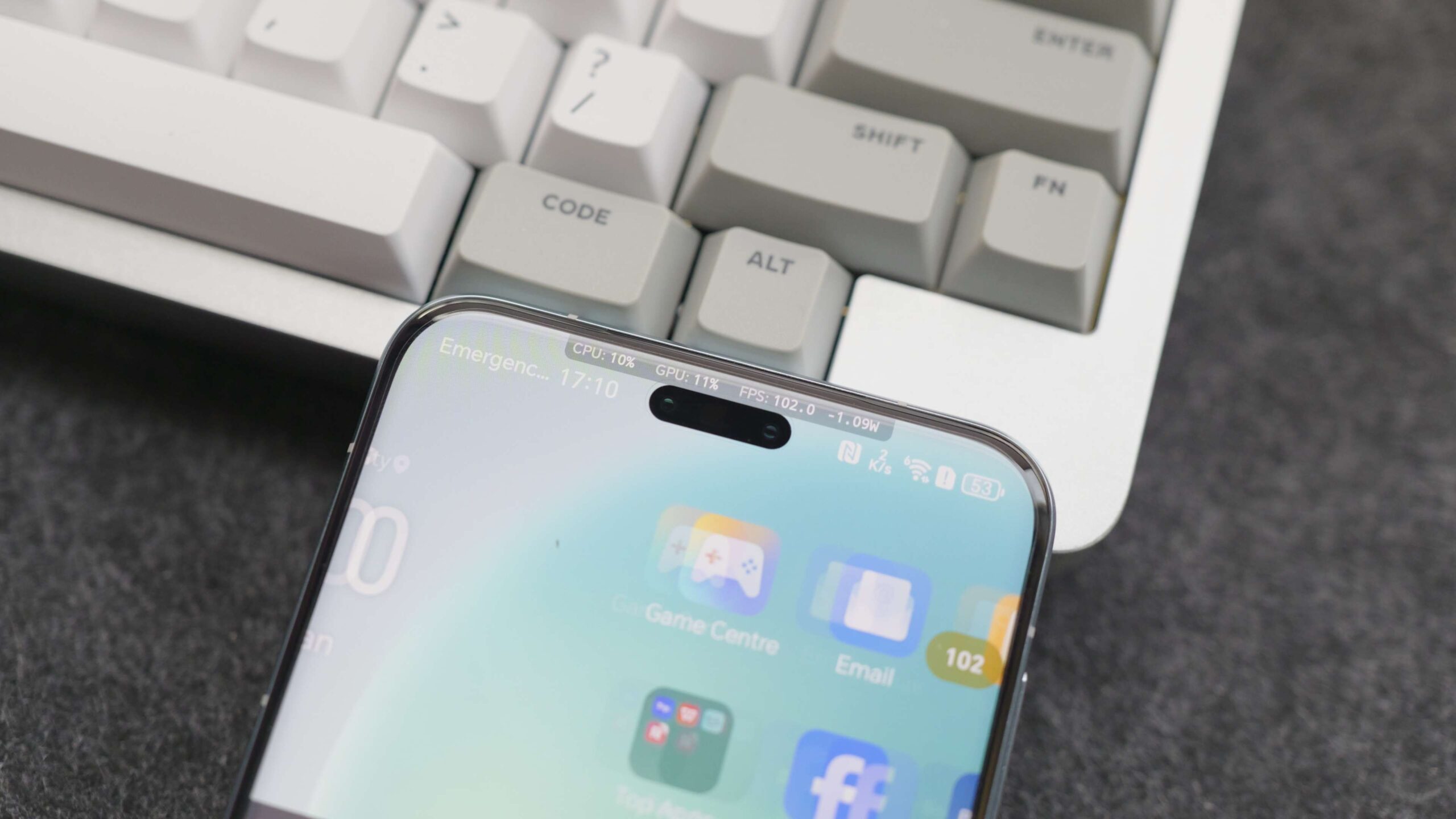
It’s got a 1-120Hz LTPO adaptive refresh rate, which means it adjusts the refresh rate based on what you’re doing, giving you smooth visuals and saving battery life.
The pixel density is a whopping 453PPI, and the screen-to-body ratio is 92.96%. The picture is just crystal clear. Plus, the screen has an HDR peak brightness of 5000 nits and a global peak brightness of 1600 nits.
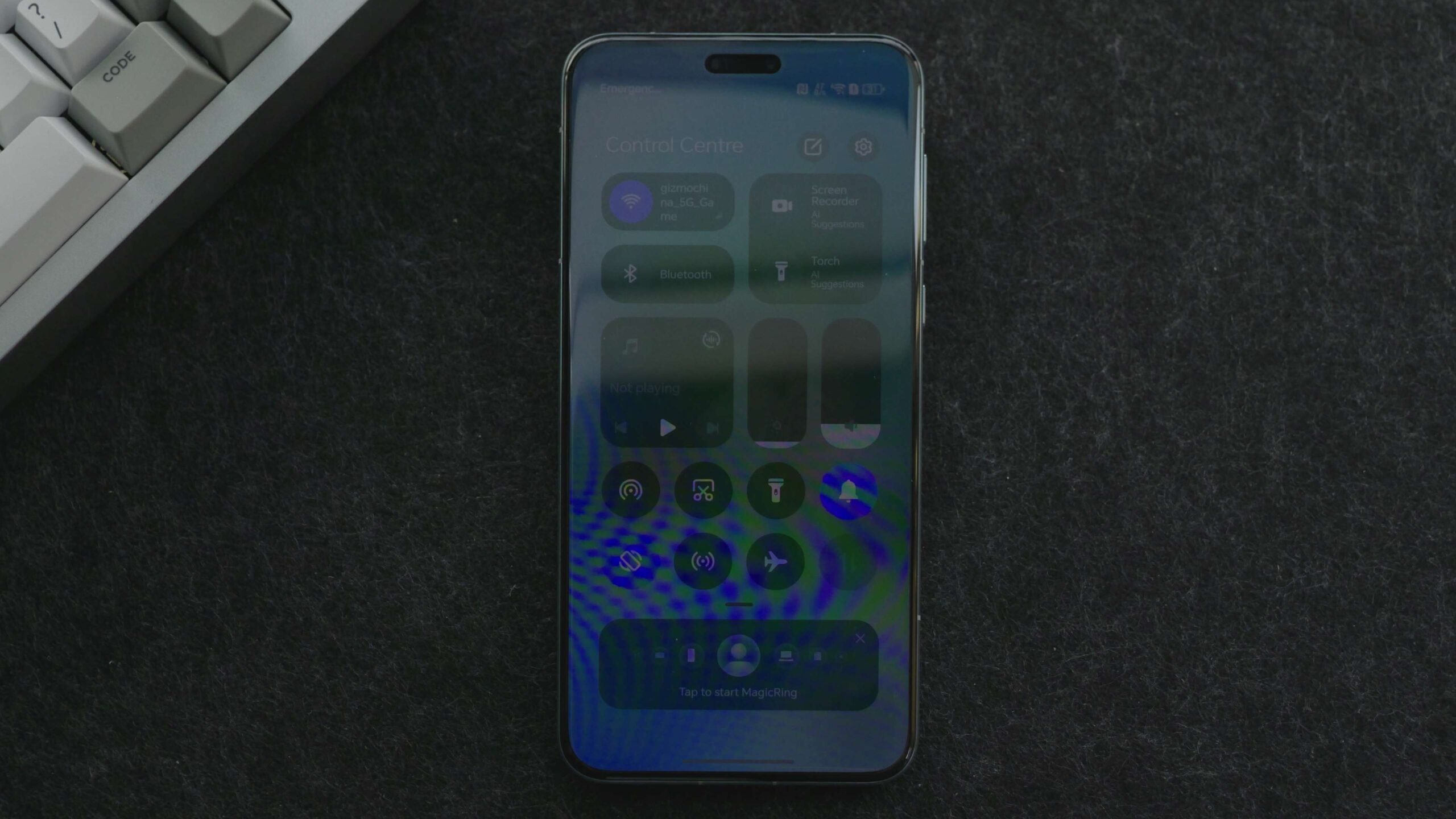
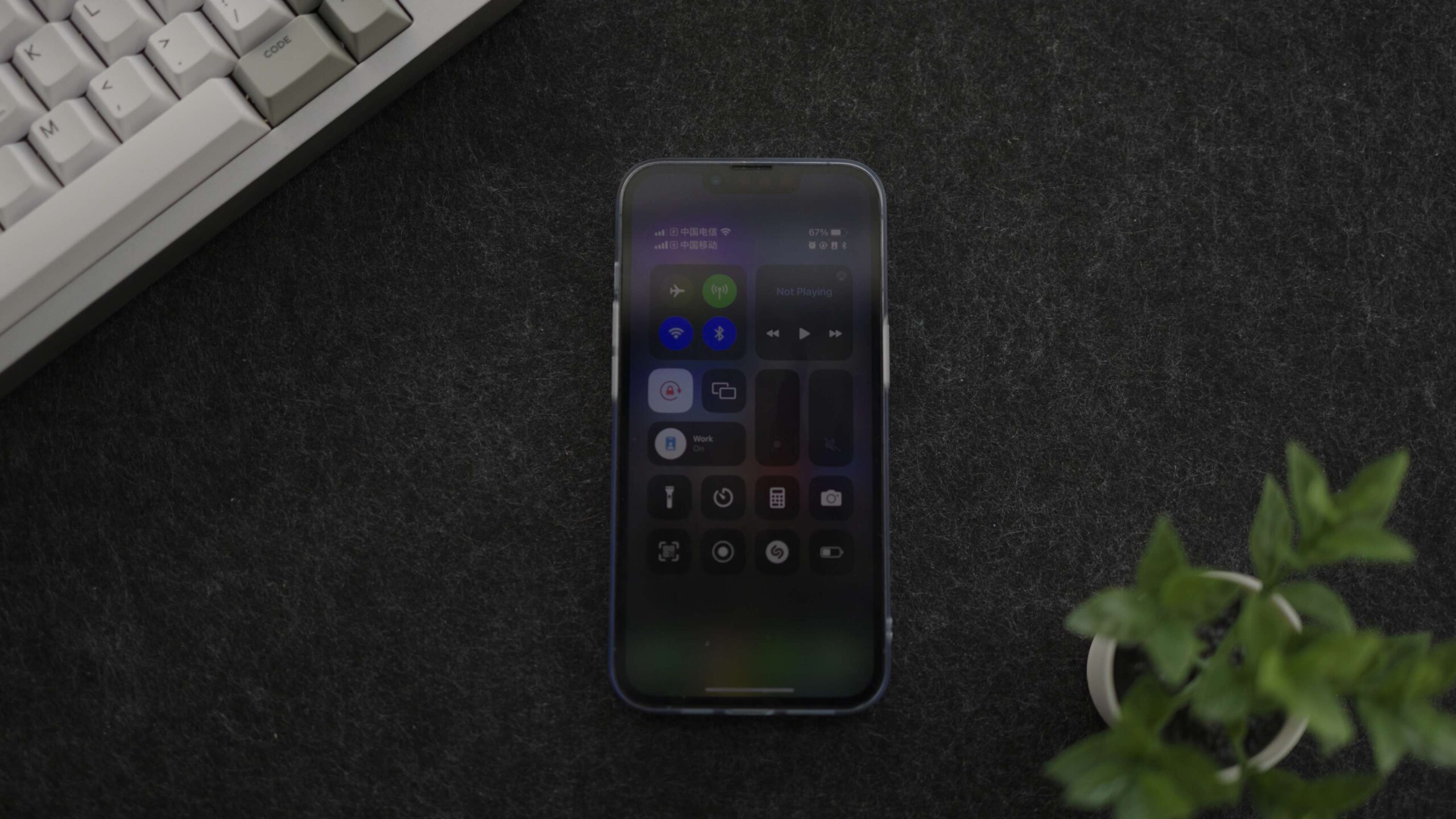
Honor also added some cool eye-care features. At super low brightness, the screen switches to a 4320Hz PWM dimming mode. That’s way more comfortable than the low-frequency PWM dimming you get on iPhones. If you’re sensitive to screen flicker, the Magic 7 Pro might just be your new best friend.
Speakers:
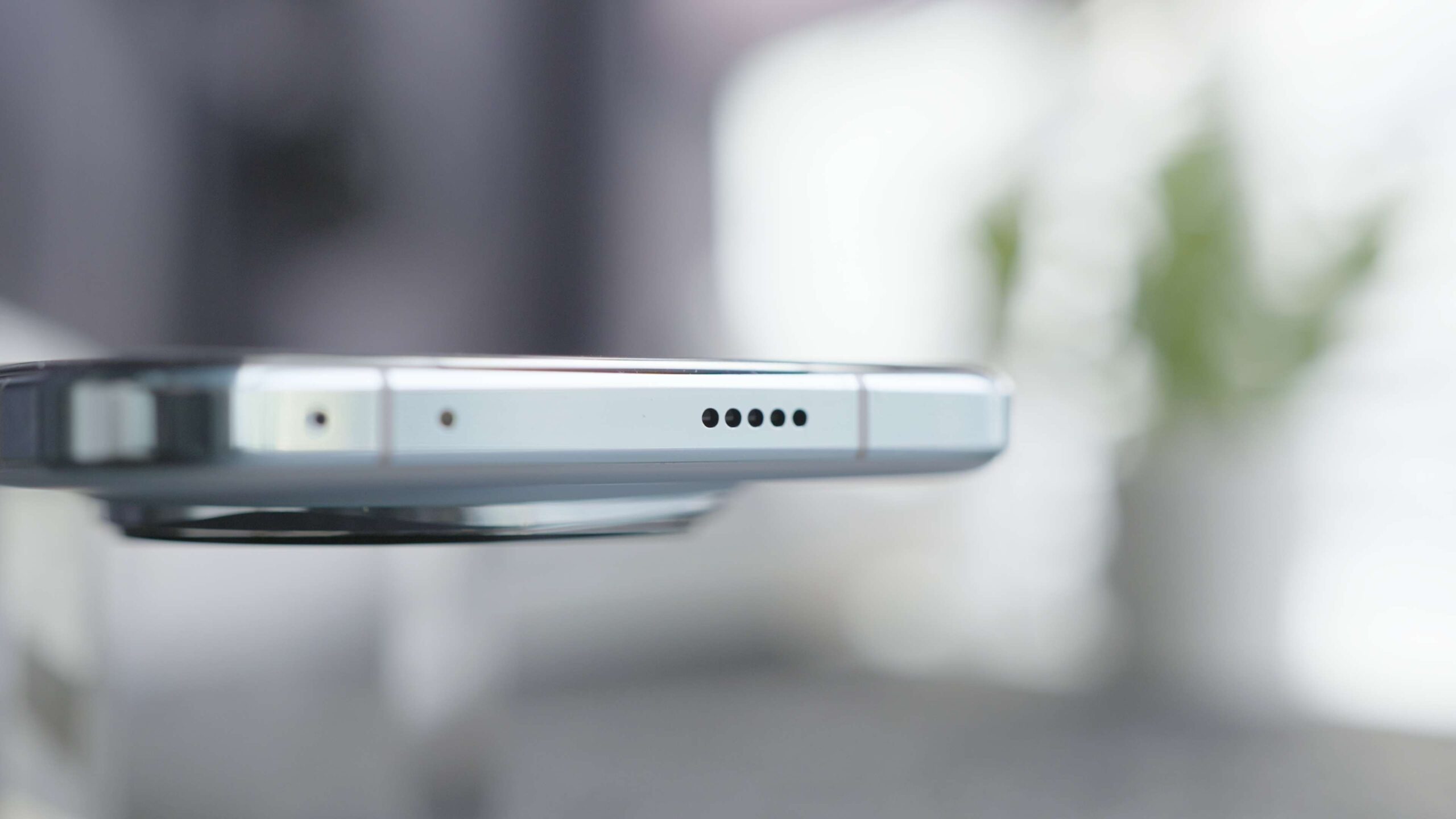
But here’s what really blew me away: the speakers. Chinese teardowns show this phone’s got two big speakers inside.
With some fancy bass enhancement algorithms and sound compensation, the audio is powerful and balanced. When you’re listening to music or watching videos, the sound is loud, deep, and the bass is just killer.
Imaging:
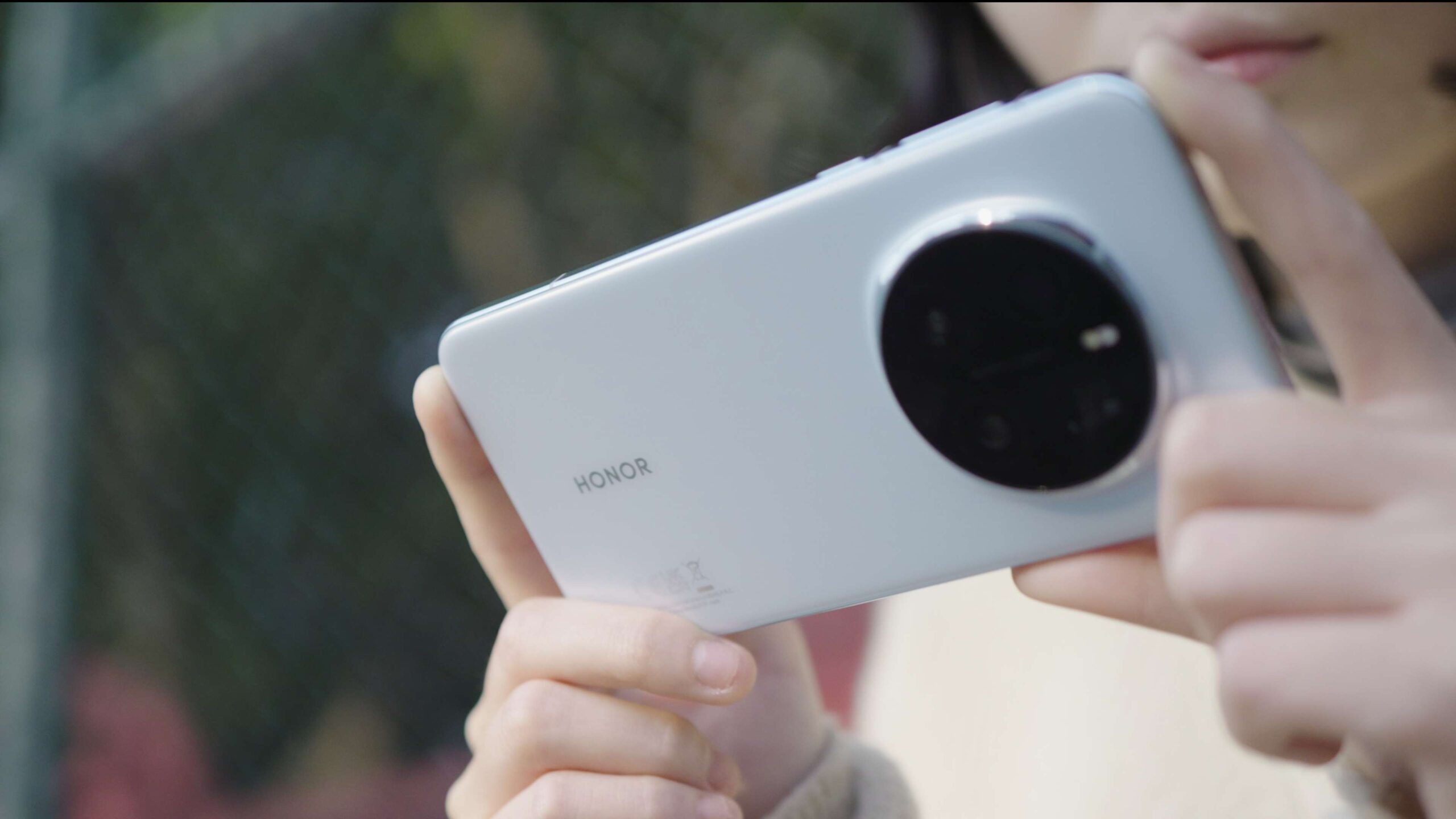
Now, let’s talk cameras. The Magic 7 Pro has a 50MP wide-angle camera, a 50MP ultra-wide-angle camera, and a 200MP ultra-high-definition telephoto camera.
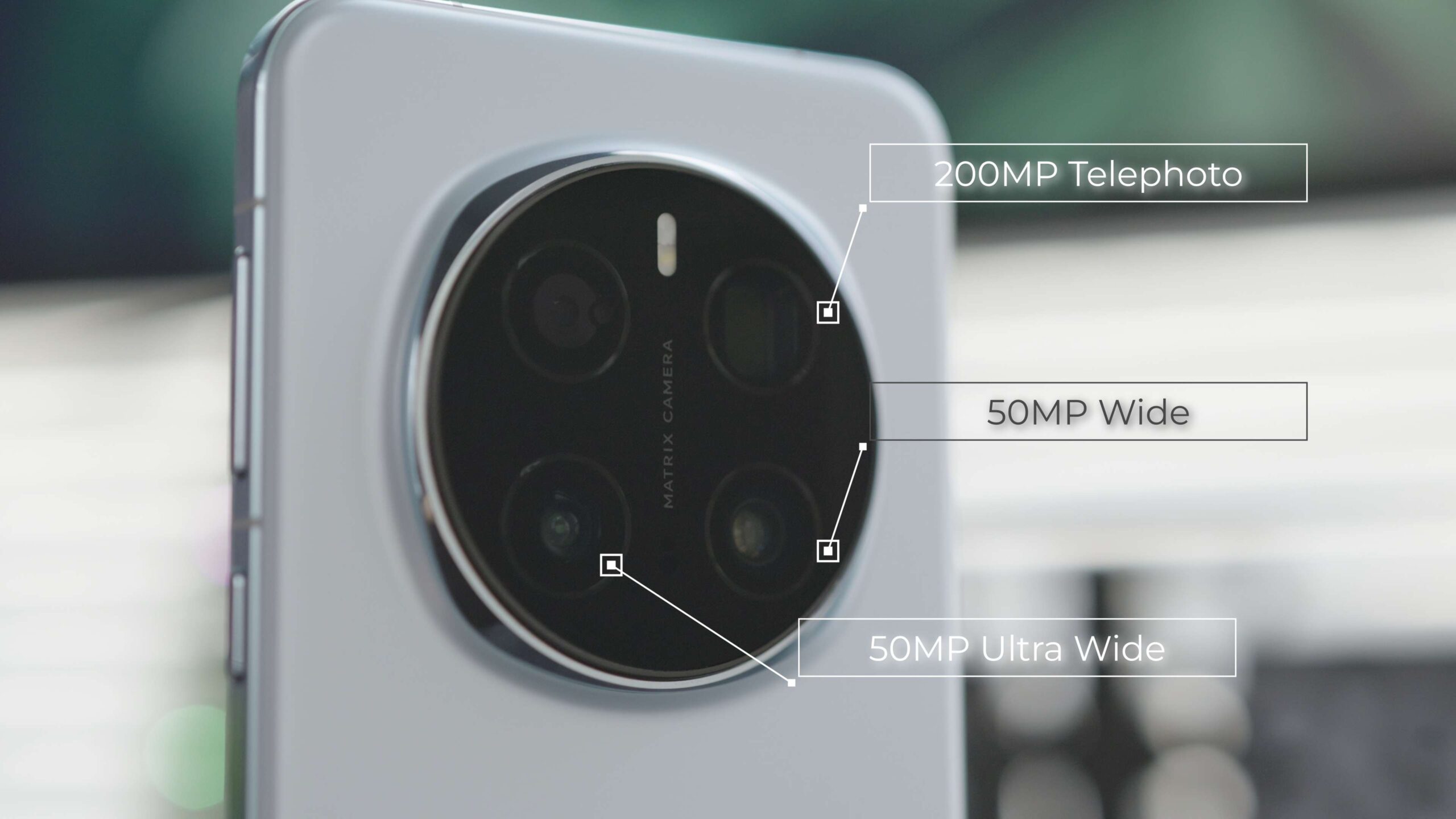
The wide-angle camera uses a 1/1.3-inch sensor and supports variable aperture, which is awesome for low-light shots.
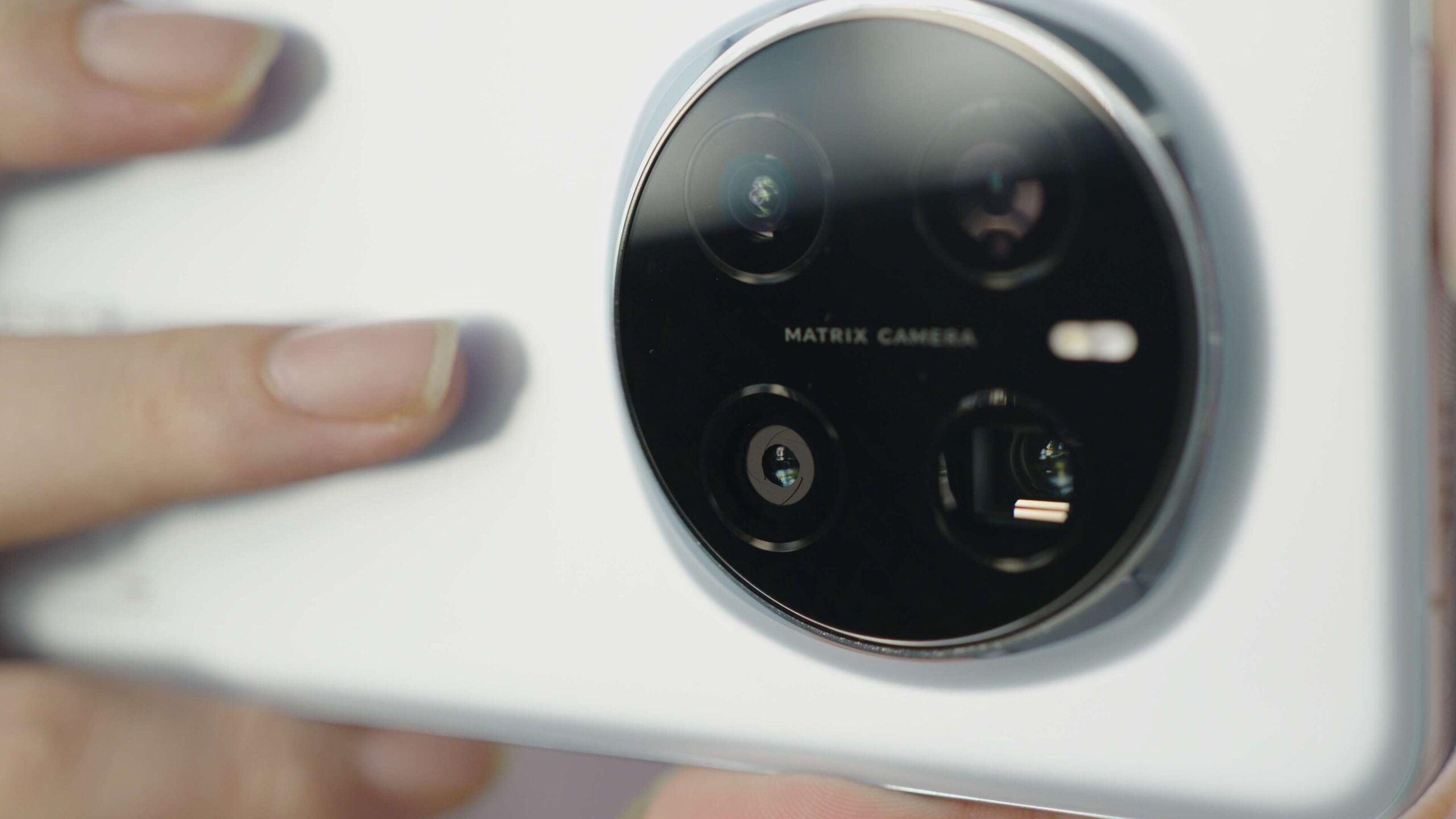
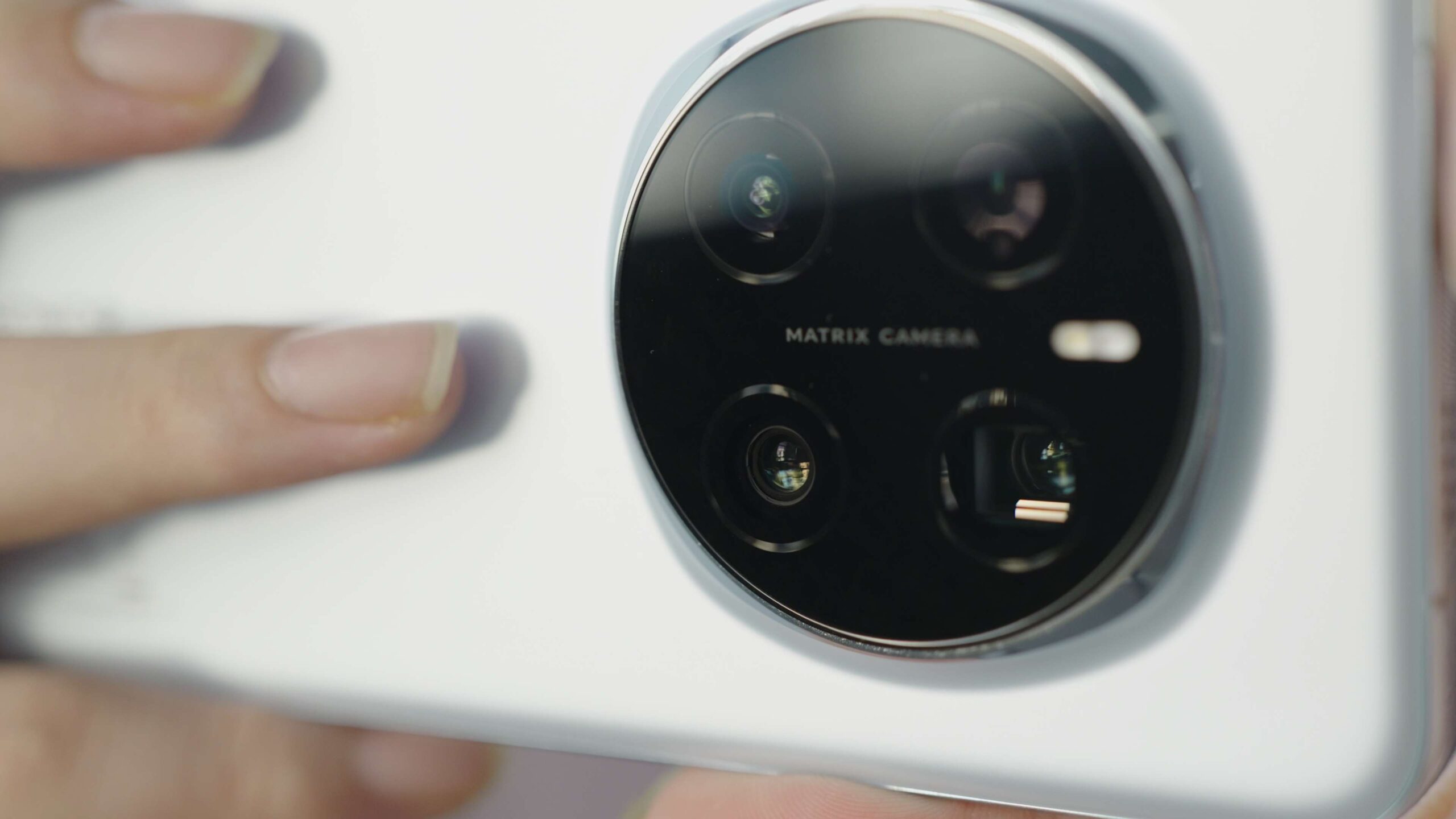
The ultra-wide-angle camera has a 122° field of view and can do macro shots as close as 2.5cm. The 200MP telephoto camera supports 3x optical zoom and up to 100x digital zoom. That’s like having a 72-2400mm lens!
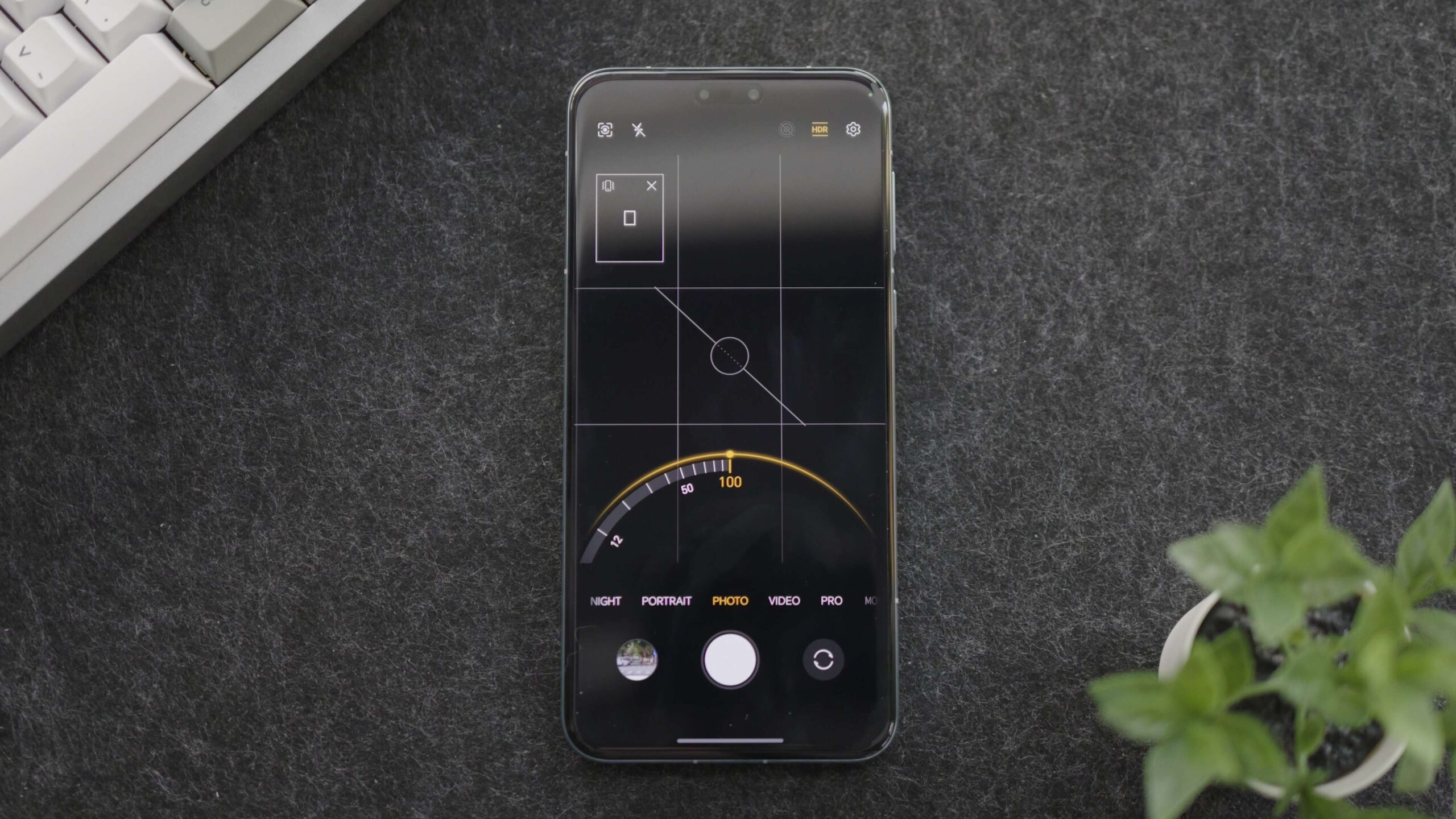
And let me tell you, I’ve been using that telephoto camera a lot. For example, at 3x zoom, the image quality is outstanding. The colors are vibrant, the textures are detailed, and the background is clear and natural.


Even at 6x zoom, the details are super sharp. You can see the texture of a pigeon’s feathers and the details of its feet. The colors are natural, and the depth of field effect really makes the subject pop. The exposure and white balance are spot-on, and there’s no noticeable noise. Even at night, the camera holds up.

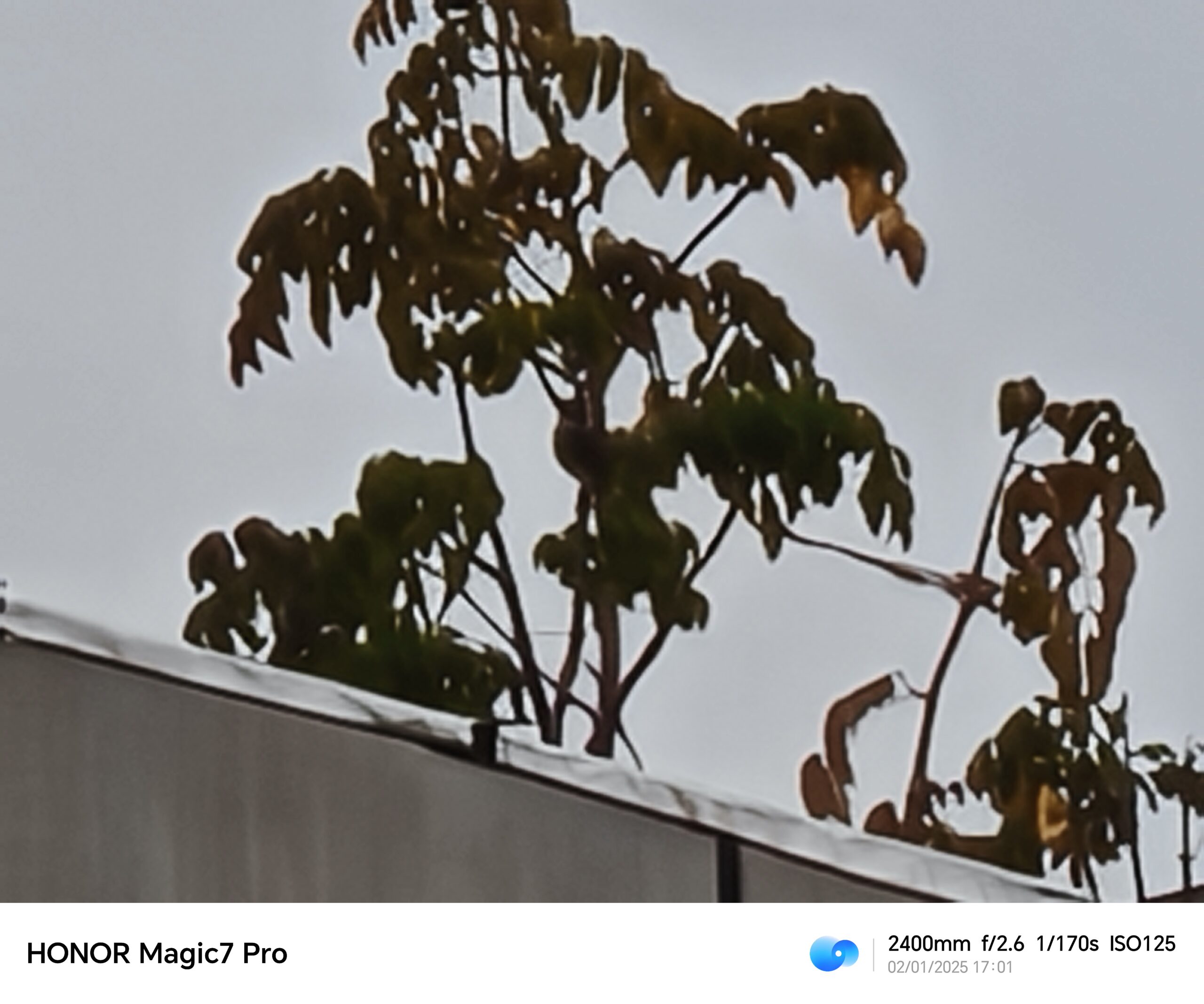
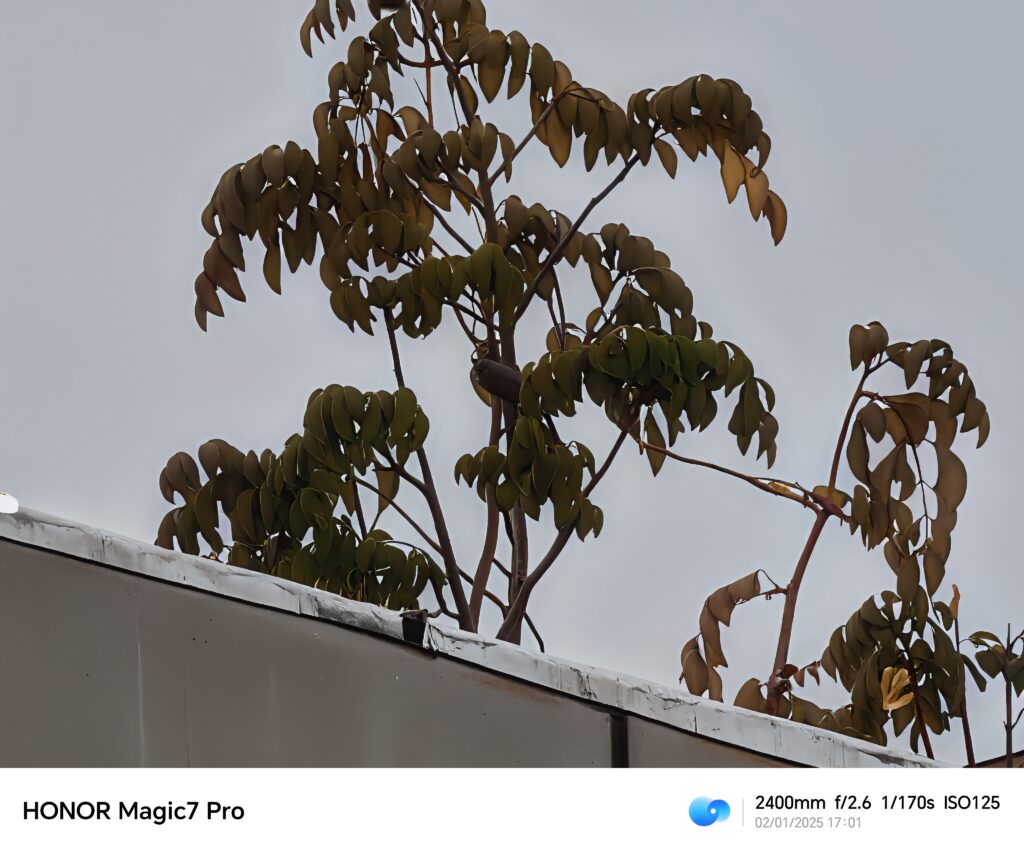
But I’d say stick to zoom levels below 30x; otherwise, the image quality drops. However, if you turn on AI Super Zoom, you’ll be amazed. After a bit of processing, the image quality is just as good as 3x or 6x. You can even preview the before-and-after in the gallery in real-time. It’s seriously impressive.
Battery Life/Charging:
Charging:
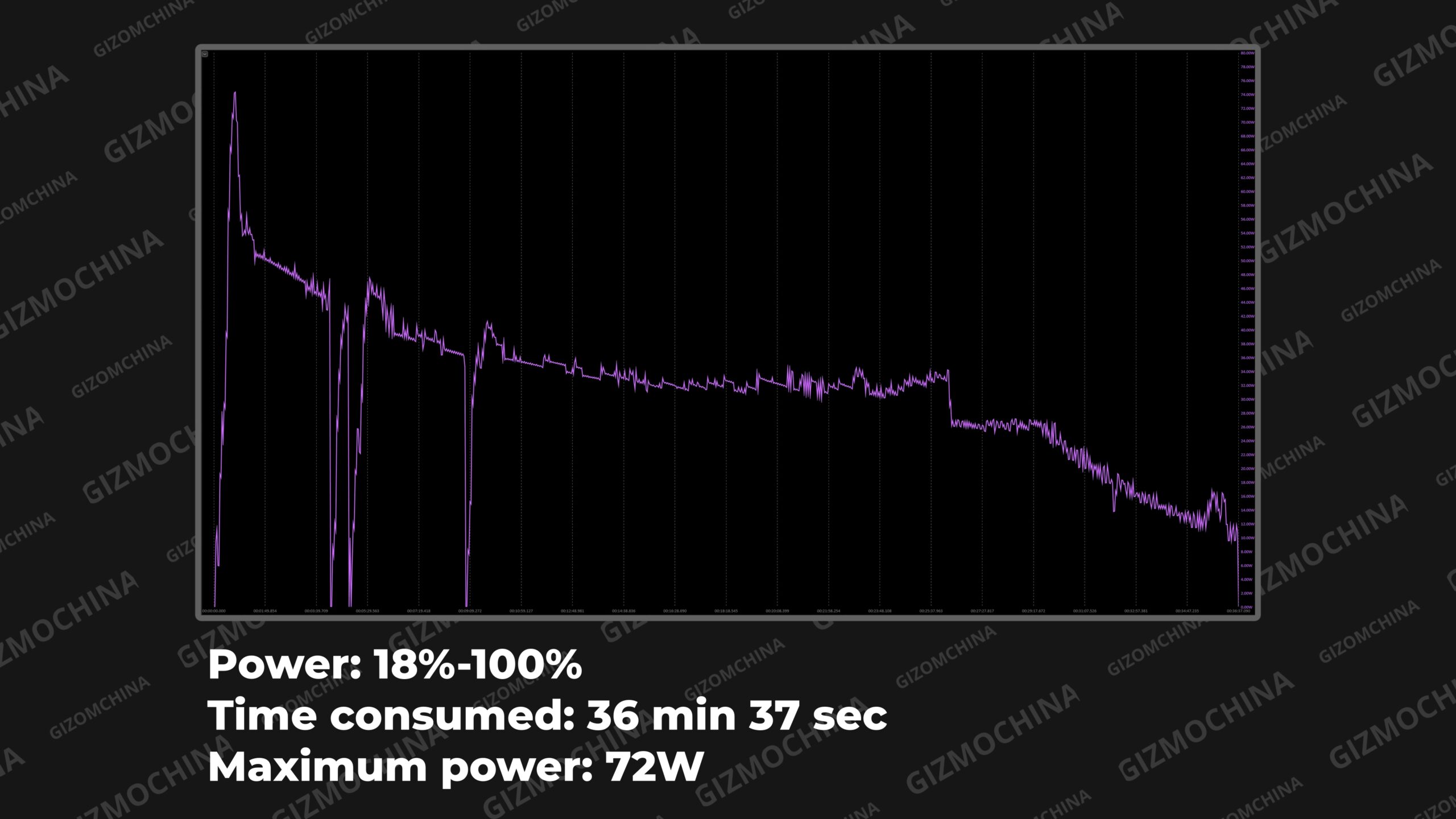
This phone packs a 5850mAh battery, which is Honor’s 3rd Gen Silicon Carbon Battery. It supports up to 100W wired charging and 80W wireless charging, but you’ll need the official Honor SuperCharge brick.
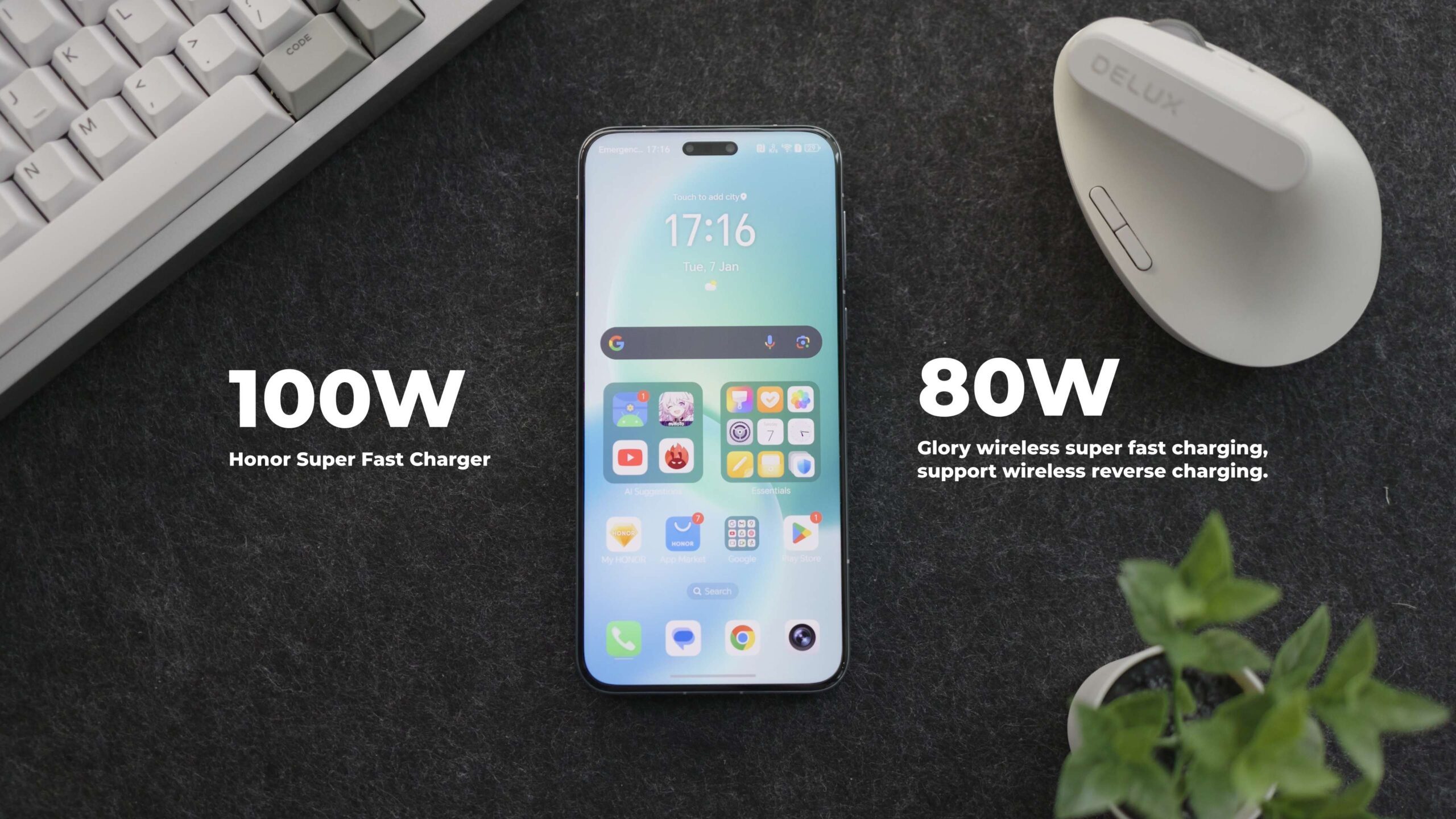
Unfortunately, the charger isn’t included in the box, so you’ll have to buy it separately. Just make sure your voltage is between 200-240V; otherwise, you’ll max out at 66W. We tested it with a PPS-compatible charger, and here are the results.
Others:
This phone supports USB 3.2 Gen1, which means it can transfer data at 5Gbps.
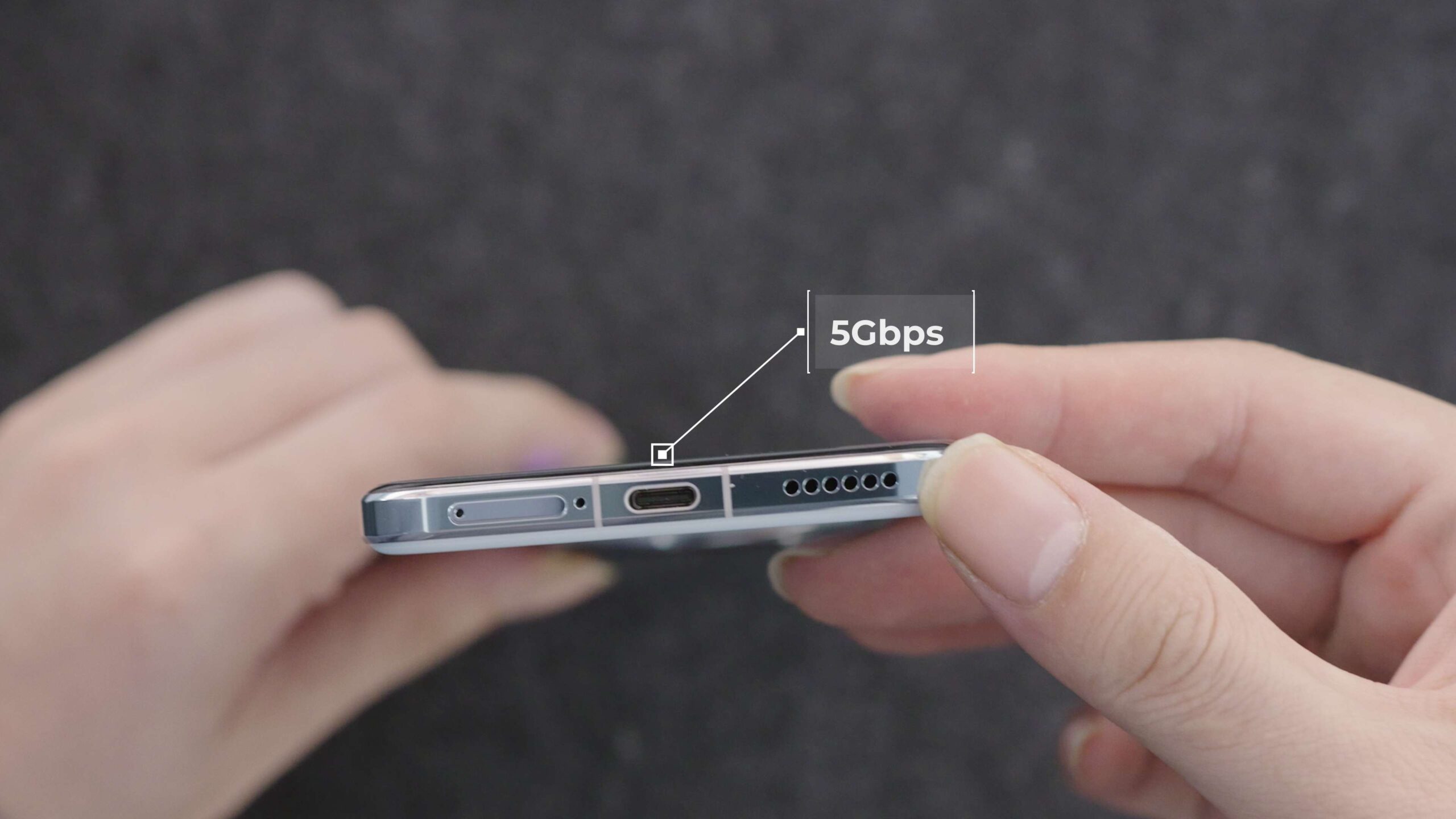
In our tests, copying a 19.8GB video file took just 47 seconds at a speed of 431MB/s. It also supports DisplayPort 1.2, so you can hook it up to an external 4K 60Hz monitor and use it in Desktop Mode.
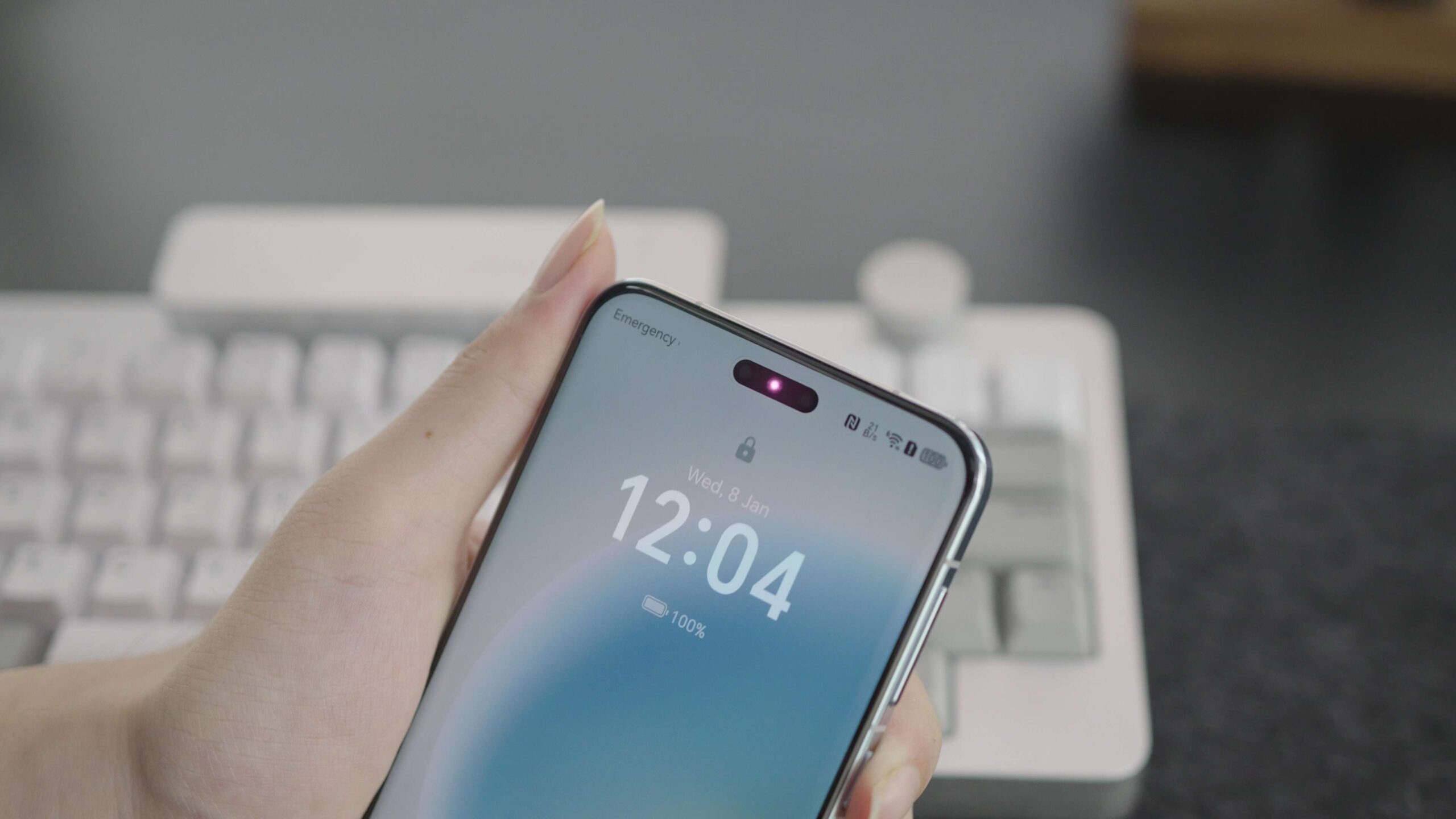
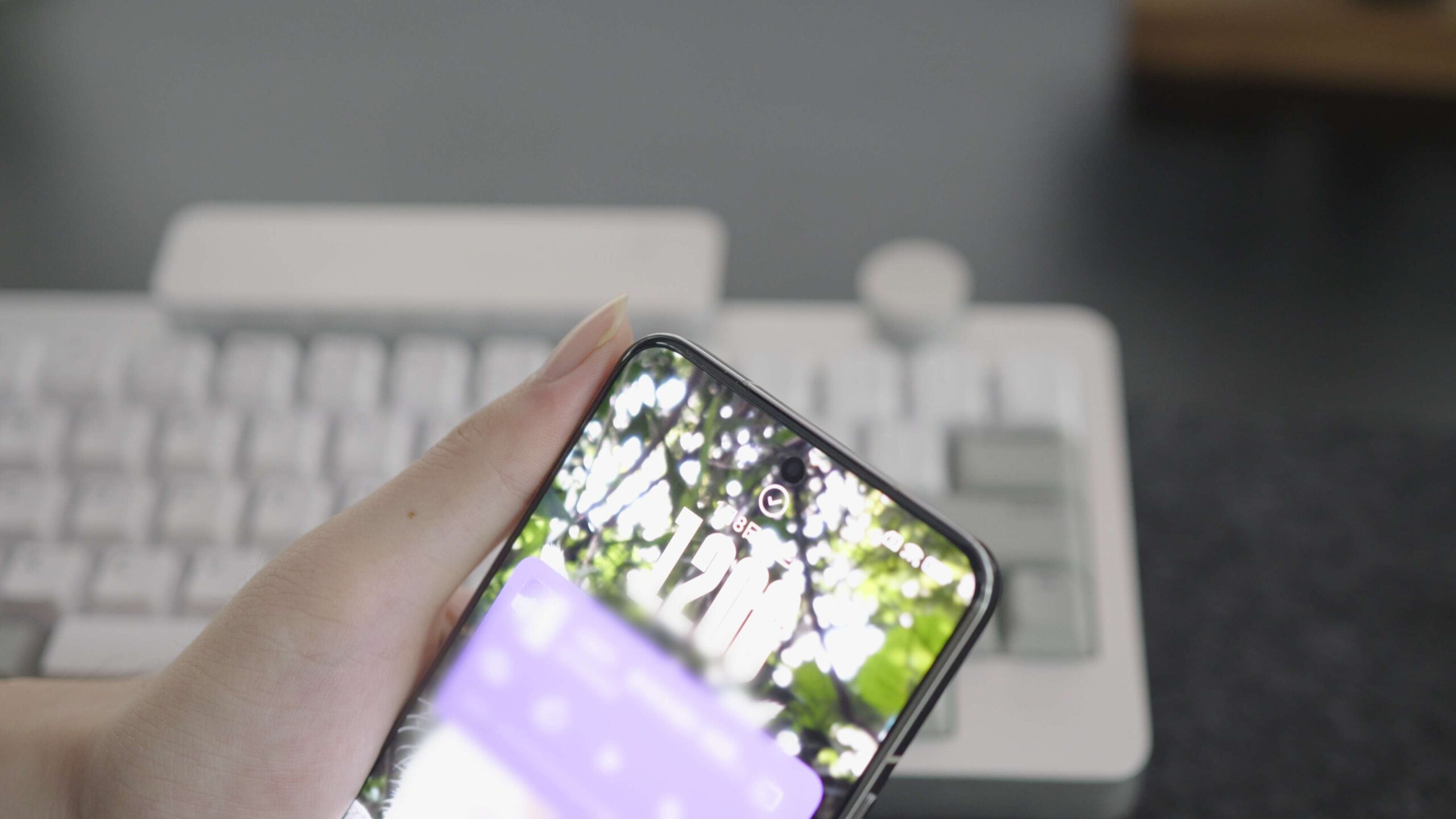
The Magic 7 Pro also has two super convenient features: ultrasonic fingerprint unlocking and 3D face recognition. If you’ve ever used a regular optical face unlock phone, you know that flash can be annoying in the dark. But this phone, with its 3D face solution, doesn’t have that problem.
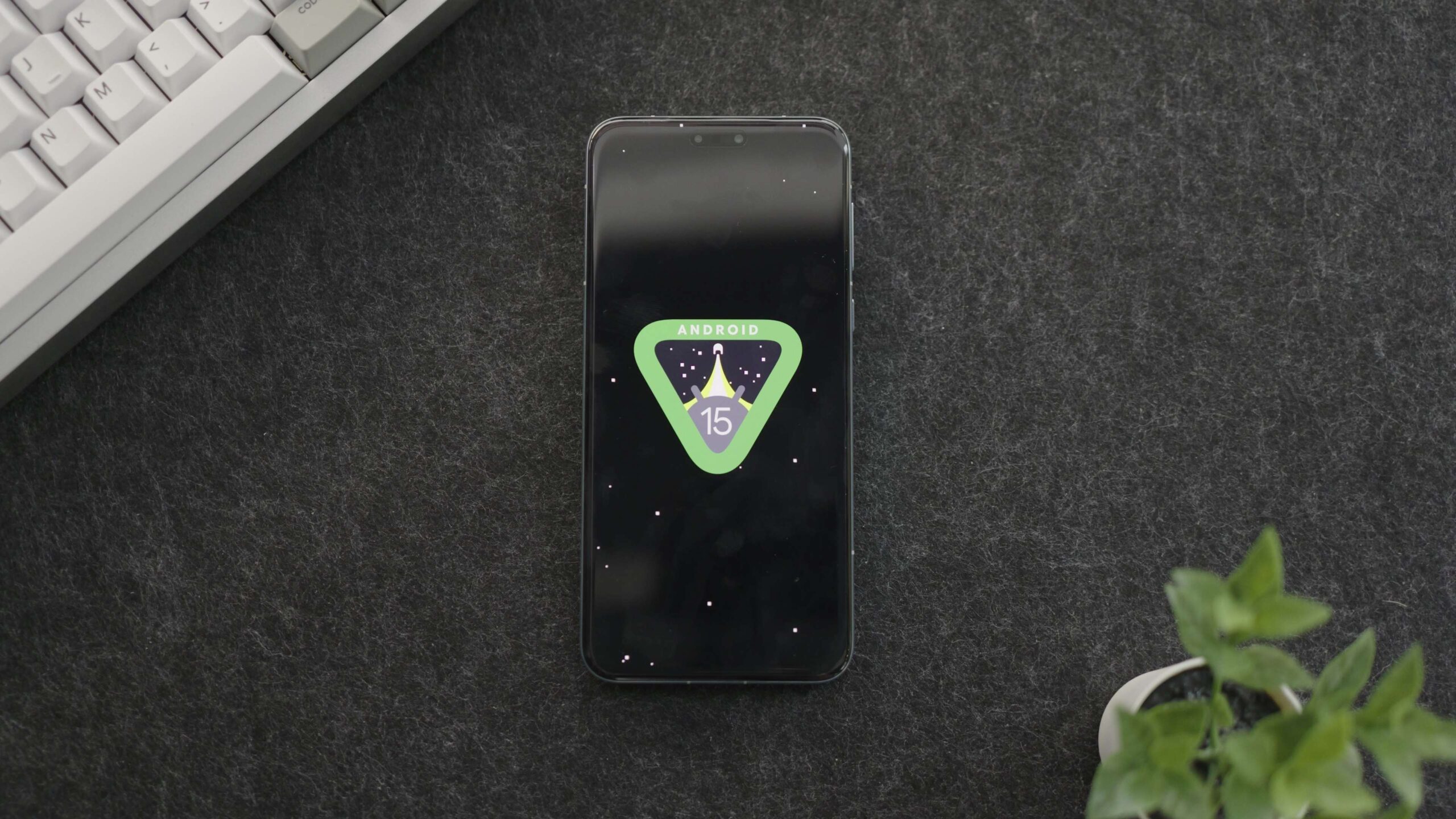
It runs on MagicOS 9.0, based on Android 15, and gets monthly security updates. We don’t have official info on how many years of OS updates it’ll get, but based on recent trends, the Magic 7 Pro should get at least three major Android upgrades and five years of security patches.
Summary:
So, what’s the verdict? The Honor Magic 7 Pro is a seriously powerful flagship phone. The only downside is that it doesn’t come with a charger.
But other than that, it’s hard to find any flaws. It’s got the Snapdragon 8 Elite chipset for performance, a high-dynamic-range screen that’s also friendly for eyes, and it supports IP68/IP69, infrared remote control, NFC, ultrasonic fingerprint, 3D face recognition, symmetrical dual speakers, and Type-C video output. This is one seriously stacked device.



Comments