Add GIZMOCHINA as Preferred Source on Google
The foldable smartphone market has undergone a transformative journey, evolving from fragile novelties to robust, functional devices. By 2025, foldables have made significant strides, leading many to believe the long-standing hype surrounding them is finally justified. With advancements in design, durability, and affordability, foldables are carving a niche in the tech landscape.
1. The evolution of foldable smartphones
The foldable journey began in 2019 with devices like the Samsung Galaxy Fold and Huawei Mate X, which, although innovative, had issues such as fragile screens, bulky designs, and high costs. These early models were more experimental than practical choices for everyday users.
By 2025, however, the narrative has shifted. Brands like Samsung, Huawei, Vivo Oppo, Xiaomi, Honor, and Google have invested heavily in overcoming these challenges. Foldables now boast enhanced durability, refined features, and prices that appeal to a broader audience. Technologies such as ultra-thin glass, crease-less designs, and water resistance have become standard, redefining the category.
2. Improved durability and cutting-edge designs
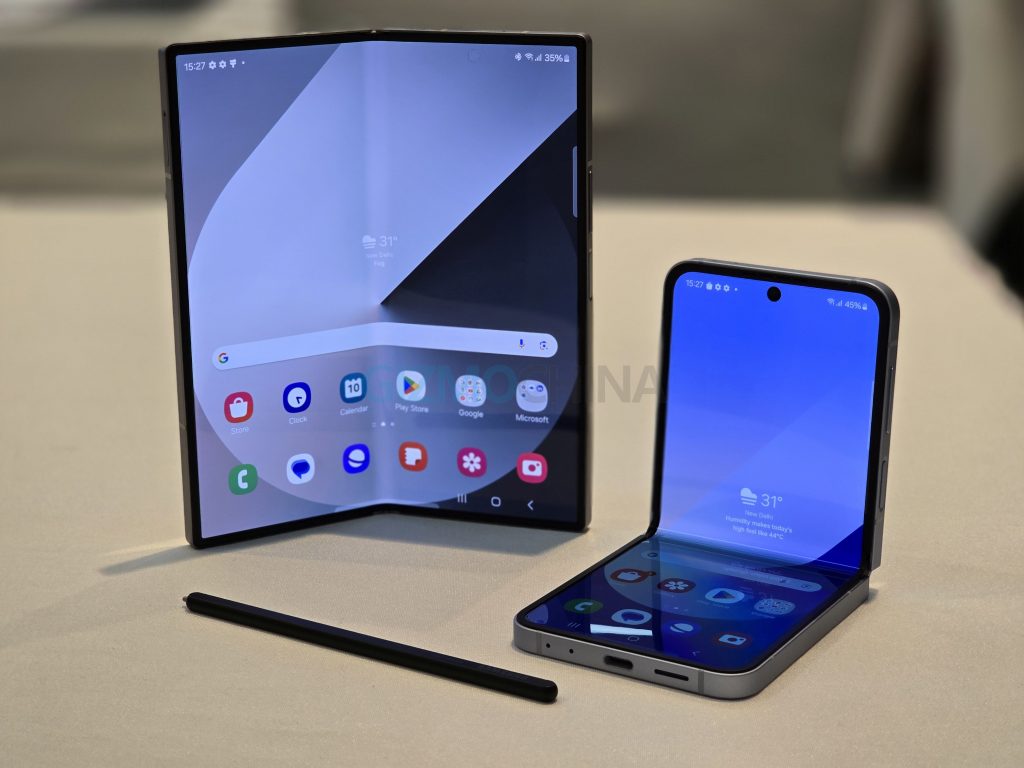
Early criticisms of foldables centred around their vulnerability to wear and tear. Screens scratched easily, and hinges failed with extended use. However, recent innovations have addressed these issues. Ultra-thin glass reinforced with strong coatings ensures screens are more resilient. Devices like the Samsung Galaxy Z Fold 6, Vivo X Fold 3 series, and Oppo Find N3 feature durable, smooth hinge systems.
Foldables are also sleeker and lighter, making them more practical for daily use. Structural improvements, including reinforced frames and adhesives, contribute to better build quality. Features like IP ratings for water and dust resistance are now common, making foldables more reliable and versatile than ever before. Initially, foldable phones faced prominent screen crease issues, which became more noticeable as the device aged and experienced more folds. However, brands have made significant strides in reducing the screen crease in newer models, so it is no longer a major concern.
3. Enhanced functionality for diverse needs
Foldables are no longer just eye-catching gadgets but offer functionality that sets them apart from traditional smartphones. Their larger fold-out displays are perfect for multitasking, gaming, and immersive media consumption. Features like split-screen multitasking and app continuity have been optimised, allowing seamless transitions between folded and unfolded modes.
The flip-style foldables, such as the Motorola Razr 50 Ultra, Huawei Magic V Flip, Xiaomi Mix Flip, and Samsung Galaxy Z Flip 6, have seen significant improvements in hinge durability, better cameras, and decreased screen creases. These updates have made it easier for users to perform multiple tasks without needing to open the phone, enhancing the overall user experience. The increase in external screen sizes on these devices allows for more functionality without unfolding, making them even more convenient for daily use.
Foldables come in different form factors to cater to various user preferences. Compact and stylish models like the Samsung Galaxy Z Flip 6 appeal to trend-conscious users, while productivity-focused devices like the Huawei Mate X6 target professionals. This diversity ensures foldables can meet a range of needs, making them more than just a niche product.
4. Breaking the price barrier
Affordability has historically been a major roadblock for foldable adoption. Early models often cost upwards of $2,000, limiting their appeal to affluent consumers. However, by 2025, the landscape has shifted. Manufacturing advancements and competitive pricing have brought foldable smartphones closer to the cost of premium flagships. Devices like the Xiaomi Mix Fold 4 and Vivo X Fold 3 are available at more reasonable prices.
Trade-in programs and carrier subsidies have further reduced the cost barrier, making foldables more accessible to a wider audience. As these trends continue, foldable adoption is expected to grow rapidly.
5. Final Thoughts
Looking ahead to this year, foldable phones are expected to become even thinner and lighter. The upcoming Oppo Find N5, measuring around 4.2mm in its unfolded state, is being touted as the world’s thinnest foldable phone. The Magic V3, currently holding the title of the lightest foldable phone at 226 grams, may soon see competition from upcoming models weighing under 220 grams.
While challenges remain, the rapid pace of innovation suggests that foldables are no longer a passing trend but a cornerstone of the smartphone industry. Foldables are finally fulfilling the hype for those seeking a blend of cutting-edge technology and practicality.
For more daily updates, please visit our News Section.
Stay ahead in tech! Join our Telegram community and sign up for our daily newsletter of top stories! 💡