Add GIZMOCHINA as Preferred Source on Google
As an Amazon Associate, Gizmochina earns from qualifying purchases. Links on this page may earn us a commission at no extra cost to you.
Apple’s iPads have long been the gold standard in the tablet industry, consistently outpacing competitors in performance, display quality, software optimization, and overall user experience. With every new iteration, Apple refines its hardware and software integration, making iPads the preferred choice for professionals, creatives, students, and everyday users alike. From the power of Apple Silicon to the seamless ecosystem that enhances productivity, here’s a closer look at why iPads remain the best tablets available.
1. Unmatched Performance with Apple Silicon
The introduction of Apple’s custom silicon has completely redefined tablet performance. The latest iPads, powered by the M4, M2, and A17 Pro chips, deliver exceptional speed, efficiency, and graphical power. Built on advanced 3nm architecture, these chips offer a combination of high-performance and efficiency cores that allow for seamless multitasking, professional-grade video editing, and AI-driven tasks without breaking a sweat.
The M4 chip in the latest iPad Pro models features a 10-core GPU with Dynamic Caching and hardware-accelerated mesh shading, making it a powerhouse for rendering-intensive applications and gaming. Additionally, Apple’s Neural Engine, capable of executing trillions of operations per second, ensures that AI-driven tasks, such as real-time photo editing and machine learning computations, are handled with incredible efficiency.
In contrast, most Android tablets rely on Qualcomm or MediaTek chipsets, which struggle to match the raw power and efficiency of Apple’s silicon. The level of optimization that Apple achieves by designing both hardware and software in-house ensures that even iPads running on older chips continue to outperform many newly released Android tablets.
2. Superior Display Technology
Apple’s iPads have some of the best displays in the tablet industry. The latest iPad Pro models feature Ultra Retina XDR displays with Tandem OLED technology, offering up to 1600 nits of peak HDR brightness. This ensures deep blacks, vibrant colors, and exceptional contrast, making iPads ideal for creative professionals working with color-sensitive content.
ProMotion technology, which dynamically adjusts the refresh rate up to 120Hz, provides ultra-smooth scrolling and a highly responsive touch experience. This is particularly useful when using the Apple Pencil, as the near-zero latency creates a natural writing and drawing experience. Additionally, the nano-texture glass option on the high-end models reduces glare while maintaining image clarity, an essential feature for professionals who work in bright environments.
Even the iPad Air and iPad mini come with True Tone technology and P3 wide color gamut support, delivering accurate color reproduction. While budget iPads typically lack ProMotion, unlike some affordable Android tablets that offer 120Hz refresh rates, Apple’s tablets often maintain more consistent frame rates.
3. iPadOS
One of the biggest advantages of iPads is iPadOS, which is optimized specifically for large touchscreen devices. Unlike Android, which often lacks tablet-specific app support, iPadOS ensures that thousands of apps are tailored to take full advantage of the larger display, making tasks like photo editing, video production, and document management seamless.
The latest version of iPadOS introduces Stage Manager, allowing users to work with multiple overlapping windows, bringing a near-desktop experience to the iPad. Features like Reference Mode ensure accurate color grading for professional workflows, while Apple Intelligence enhances AI-driven capabilities like smart text recognition, auto-summarization, and on-device machine learning.
Apple’s commitment to long-term software support ensures that even older iPads receive updates for five to seven years. This is a stark contrast to Android tablets, which often see irregular updates, lack of optimization, and limited software longevity beyond two or three years.
4. Seamless Ecosystem Integration
Another reason why iPads dominate the tablet market is their deep integration within the Apple ecosystem. Features like Handoff, Universal Clipboard, and AirDrop make it effortless to transfer files and continue tasks between an iPhone, Mac, and iPad.
For professionals, Sidecar allows an iPad to function as a secondary display for a Mac, significantly enhancing workflow efficiency. The ability to use iMessage, FaceTime, and AirPlay across devices ensures a smooth, connected experience that Android tablets fail to replicate.
Additionally, Apple’s cloud-based approach with iCloud Drive makes file management seamless across devices. Users can start editing a document on their Mac, pick up where they left off on an iPad, and even access files from an iPhone, all without any manual transfers.
5. Build Quality and Design
Apple’s design philosophy emphasizes both aesthetics and durability. The latest iPads feature enclosures made from 100% recycled aluminum, offering a premium and environmentally friendly build. The iPad Pro, at just 5.1mm thin, is the slimmest iPad yet, making it highly portable without compromising on structural integrity.
Even the iPad Air and iPad mini maintain a lightweight yet sturdy design, with precisely machined edges and a sleek aluminum frame that feels superior to the plastic-heavy builds of many Android tablets. The landscape-oriented 12MP Ultra Wide front camera on newer models enhances video conferencing, ensuring better framing during calls, something that competitors often overlook.
6. Enhanced Accessories
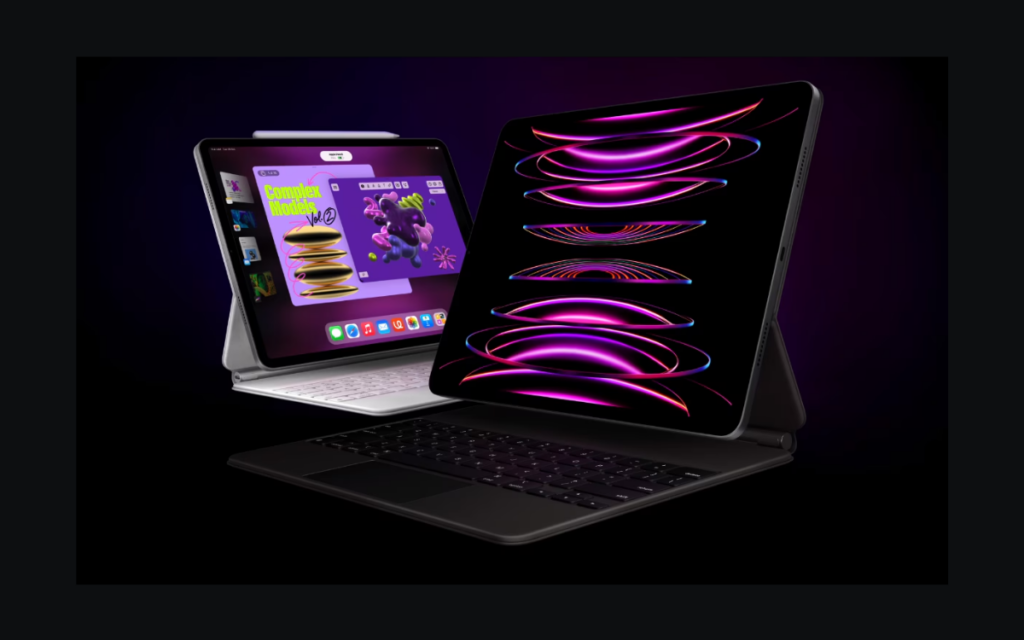
The iPad experience is further elevated by Apple’s premium accessories. The Apple Pencil Pro, introduced alongside the latest iPad Pro, features a squeeze sensor, gyroscope, and haptic feedback, allowing users to interact with digital tools more intuitively. The Apple Pencil’s seamless integration with apps like Procreate, Notability, and Adobe Fresco makes it the best stylus experience on any tablet.
The Magic Keyboard transforms the iPad into a near-laptop device, featuring a full-sized trackpad, a function row, and a floating design for better ergonomics. Unlike most third-party keyboards for Android tablets, Apple’s Magic Keyboard offers smooth iPadOS integration, ensuring a lag-free and highly responsive typing experience.
For users who prefer a more lightweight option, the Smart Folio now supports multiple viewing angles, making media consumption and casual browsing more comfortable. Meanwhile, the latest Pro models come with Thunderbolt 4/USB 4 support, enabling high-speed external storage access, making it easier for professionals to work with large files directly from external SSDs.
7. Final Thoughts
iPads continue to dominate the tablet market because they offer a complete package—powerful hardware, industry-leading displays, optimized software, seamless ecosystem integration, and premium build quality. Whether you’re a student using an entry-level iPad for note-taking, a creative professional working with Procreate or Final Cut Pro, or a business user relying on multitasking and cloud integration, Apple ensures that there’s an iPad for everyone.
While Android tablets may offer certain features on paper, they lack the polish, longevity, and ecosystem efficiency that make iPads the undisputed leaders in the tablet space. For anyone looking for a future-proof, high-performance, and well-supported tablet experience, an iPad remains the best choice.


Please Note: When you buy something using the links in our articles, we may earn a small commission at no cost to you.
You must also check out our recent article on some of the best next-gen mobile games that support ray tracing.
For more daily updates, please visit our News Section.
Stay ahead in tech! Join our Telegram community and sign up for our daily newsletter of top stories! 💡