Add GIZMOCHINA as Preferred Source on Google
When shopping for a smartphone, Samsung is one of the first names that come to mind. The company has a reputation for making some of the best flagship smartphones on the market. While their mid-range offerings in the A and M series are popular and widely available, consumers exploring this segment might want to consider a few key factors before making a decision.
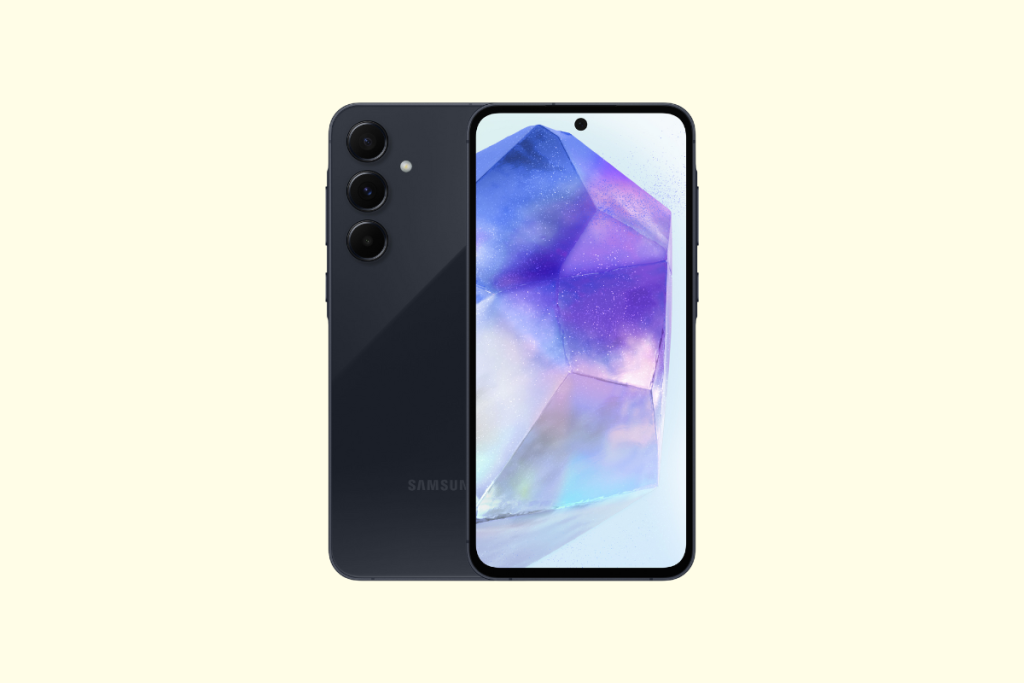
Samsung’s A-series and M-series devices often dominate the mid-range segment with aggressive marketing and familiar branding. However, if you scratch beneath the surface, it becomes clear that these phones often fall short of expectations, especially when compared to their competitors.
If you’re in the market for a mid-range Samsung phone, here’s what you should keep in mind.
1. Underwhelming Processing Power for the Price
Performance is a key consideration for many mid-range buyers. While Samsung’s mid-range devices offer adequate performance for everyday tasks, the choice of processors, particularly the Exynos line, sometimes places them at a disadvantage compared to competitors.
For example, the Galaxy A55 5G comes with the Exynos 1480 processor. In a similar price range, other manufacturers, like OnePlus with their 12R (featuring the Snapdragon 8 Gen 2), often have more powerful chipsets, which can result in a smoother experience for demanding applications and gaming.
The use of Exynos chips in several models has been a point of contention, as these often lag behind Qualcomm’s Snapdragon alternatives in terms of both raw performance and power efficiency.
2. Battery Life and Slower Charging Speeds
Battery life is an important consideration for many users in the mid-range market.
Samsung is known to optimize battery performance well in its flagship models, but some users find that their mid-range counterparts don’t quite match up. While battery capacity is often adequate, charging speeds are an area where Samsung lags behind the competition. Many competing brands, like Realme and Xiaomi, now offer significantly faster charging solutions (like 65W, 120W) in this price segment. However, Samsung often gives only about 25W or 15W charging. This difference in charging speed can be a notable factor for those who prioritize minimizing downtime.
3. Camera Performance is Average
Camera features are a key selling point for many smartphone buyers. While Samsung’s mid-range phones offer capable cameras for everyday photography, they may not always lead the pack in innovation or image quality compared to some competitors. For example, the Galaxy A55 and A35, while similar in camera hardware, might not offer a significantly different photography experience.
Other brands, such as Vivo, are focusing heavily on camera technology, sometimes offering features like Zeiss-backed optimization (once exclusive to the X series) in their mid-range devices, offering a compelling alternative for photography lovers in this segment.
4. Uninspiring design
I know that design is subjective, but Samsung’s design language across its product range, from budget to flagship, tends to be quite consistent.
While this provides a unified brand identity, some might find the lack of frequent design changes less exciting compared to brands like Vivo, Redmi, and Realme, which often have more varied design aesthetics in their mid-range lineups.
I firmly believe that good design plays a big role in shaping the overall user experience.
5. Longevity Concerns
One of Samsung’s biggest strengths in the flagship segment is its software update policy. The company has extended long-term updates to its midrange lineup as well, but these phones tend to show signs of performance degradation sooner than expected. After a year or two, many users report lagging and stuttering.
That’s largely due to weaker SoCs and optimization issues. I remember using the Galaxy A54 with Samsung’s in-house (and more powerful) Exynos chip and the A34 with a MediaTek processor. And surprisingly, the A34 had fewer performance hiccups. Samsung often struggles to optimize its own chips, and it usually takes a few updates before these devices reach the level of polish we expect.
6. Poor Value for Money
Samsung mid-range smartphones often come with a significant price premium compared to similarly specced competitors. For example, a Galaxy A-series phone priced at INR 30,000 might feature slow charging and a mediocre chipset, while brands like iQOO and Realme offer 120Hz AMOLED screens and powerful processors at the same price.
This price difference often reflects Samsung’s strong brand recognition, but buyers seeking the absolute best specifications for their budget might want to explore other options.
7. Competitive Alternatives Offer More Features
Brands like OnePlus, iQOO, and Realme have completely transformed the mid-range landscape. These companies often offer phones better performing SoC, higher refresh rate displays, better cameras, and faster charging—all at a price that undercuts Samsung.
Take the iQOO Neo series, for example. It consistently delivers top-notch performance with Snapdragon 8-series processors and high-quality AMOLED displays. Realme’s offerings often come with impressive charging speeds and competitive camera setups. Even Xiaomi’s Redmi Note series is better value for money than the Samsung Galaxy A or M series.
In terms of specs, the competition brings a lot to the table, and Samsung needs to improve their game to attract more customers in this segment.
8. Final Thoughts
To conclude, while Samsung’s mid-range smartphones benefit from the company’s strong brand recognition and displays, potential buyers should carefully weigh their priorities.
If features like top-tier performance, fast charging, and top-notch camera systems are paramount, you should also check out alternatives from brands like OnePlus, iQOO, Realme, and Xiaomi. For those specifically looking for a Samsung device, considering saving up for a flagship model or looking for deals on previous-generation flagships could offer a more premium overall experience.
For more daily updates, please visit our News Section.
Stay ahead in tech! Join our Telegram community and sign up for our daily newsletter of top stories!