Add GIZMOCHINA as Preferred Source on Google
With the launch of the OnePlus Watch 3, many are wondering how it stacks up against its predecessor, the OnePlus Watch 2. While both offer a premium design, Wear OS, and strong fitness features, the Watch 3 introduces some key upgrades. But are these improvements worth the higher price, or does the Watch 2 still offer better value?
This comparison breaks down the major differences in design, performance, battery life, and overall ecosystem to help you decide which smartwatch is the right fit for your needs.
1. Design, Build, and Display
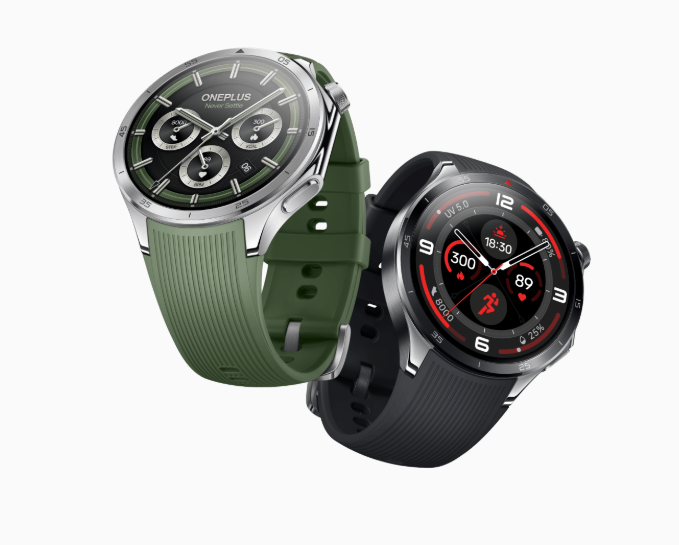
The OnePlus Watch 3 refines its predecessor’s design with a slightly larger case while maintaining a premium sapphire crystal front and stainless steel frame. The weight difference is minimal, but the Watch 3 is a bit thinner, making it more comfortable for prolonged wear.
A significant upgrade is the LTPO AMOLED display, offering a peak brightness of 2200 nits—more than double the 1000 nits on the Watch 2. This results in superior outdoor visibility, making the Watch 3 much easier to read in bright sunlight. Both watches retain IP68 and 5ATM water resistance, ensuring durability for everyday use and workouts.
While the Watch 2 already had a robust build, the Watch 3’s improved brightness and slightly sleeker form give it an edge in aesthetics and practicality.
2. Performance, Battery Life, and Connectivity
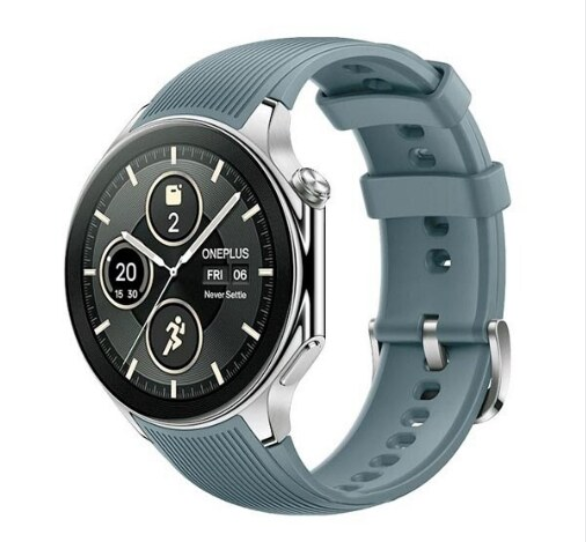
Both watches share the same Qualcomm Snapdragon W5 Gen 1 chipset with 2GB RAM and 32GB storage, ensuring smooth performance for everyday tasks. However, the Watch 3 introduces Bluetooth 5.2, improving connectivity and efficiency compared to the Watch 2’s Bluetooth 5.0.
The battery details of the Watch 3 haven’t been fully disclosed, but the Watch 2 houses a 500mAh battery. Since both support 7.5W wired charging, they likely offer similar endurance. GPS positioning remains unchanged, supporting multiple satellite systems for accurate tracking.
The Watch 3 is more refined in connectivity, thanks to the improved Bluetooth version, making pairing and stability slightly better than its predecessor.
3. Price, Customization, and Ecosystem

The OnePlus Watch 3 is expected to launch at around $325, while the Watch 2 debuted at about $250, making it the more affordable option. Both watches allow standard 22mm strap replacements, so customization remains flexible.
Software-wise, both run on Wear OS with RTOS, ensuring smooth performance and access to Google’s app ecosystem.
Given the upgrades in display and connectivity, the Watch 3 offers a more refined experience, but the Watch 2 remains a great value for those wanting a capable smartwatch at a lower price.
4. Conclusion
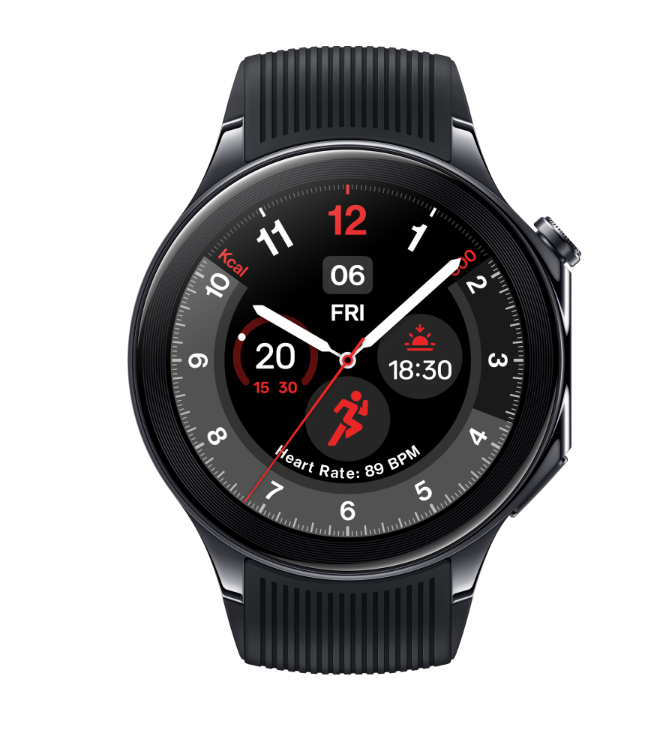
The OnePlus Watch 3 is a solid upgrade, with its LTPO AMOLED display and improved Bluetooth connectivity standing out. However, the Watch 2 still holds up well, especially considering its lower price.
If you want the latest and greatest with better visibility and a slightly sleeker design, the Watch 3 is the better pick. But if you’re looking for a budget-friendly option with nearly identical performance, the Watch 2 remains an excellent choice.
Read More:
- Comparing Samsung Galaxy Z Fold 6 vs. Oppo Find N5: Who makes the best foldable of 2025
- OnePlus Watch 3 available with lucrative launch deals and discounts
- Oppo Watch X2 key health specs teased ahead of launch on Feb 20