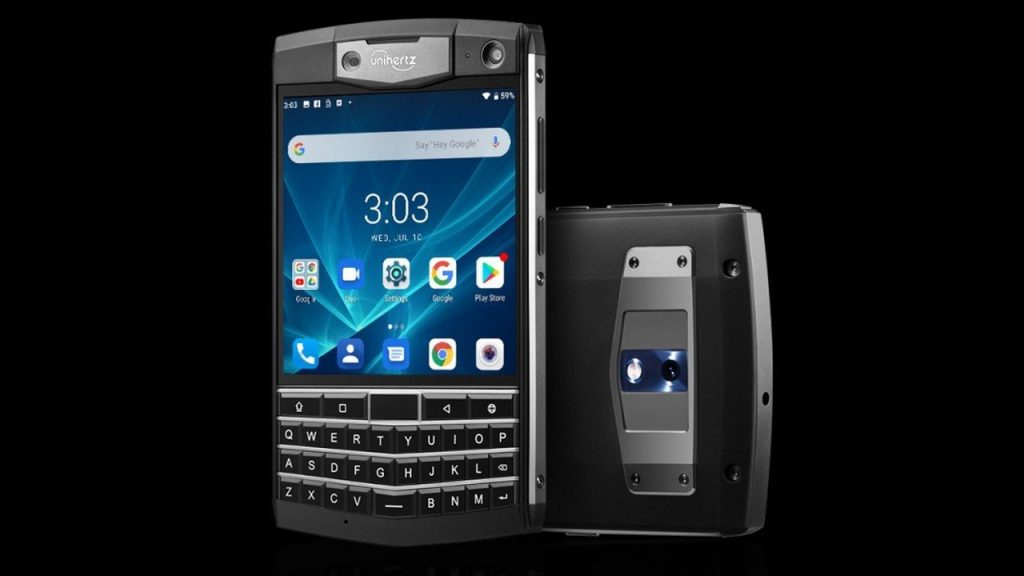
Blackberry was a household name in mobile communications in the early 2000s. Thanks to its iconic physical physical QWERTY keyboard and secure email system, phones from the brand also became popular amongst business professionals. However, the arrival of touchscreen smartphones completely transformed the mobile landscape, starting the downfall of Blackberry’s dominance. So here’s a closer look at how touchscreen technology revolutionized the industry and ultimately killed Blackberry.
Despite initial pushback against the removal of touchscreens, the iPhone helped lead the shift in industry standard. 2007 was a pivotal year as the first iPhone was released with a sleek design and intuitive all digital UI. The touchscreen enabled dynamic interactions, various gestures, and a flexible user interface that could adapt to numerous applications. In just a short amount of time, the touchscreen shifted consumer expectations away from physical keyboards to interactive screens.
2. Blackberry’s Struggle to Adapt
Blackberry played on its strengths that included its tactile QWERTY keyboards and focus on security. While it remained a staple for certain users, the company struggled to adapt to the shifting market. Blackberry stuck to the formula that worked well for them but smartphones were the future. While competitors were embracing full screen displays and developing robust app ecosystems, Blackberry continued to prioritize its traditional keyboard and enterprise-centric features. This slow change made it difficult for Blackberry to compete with the sleek, multifunctional devices that quickly captured market share.
3. Shifting Consumer Preferences
Over time, people began seeing all the positives for the touchscreen over physical keyboards. Touchscreens offered a platform for multi-touch gestures, app integrations, and customizable interfaces. Meanwhile, Blackberry’s offerings began to seem outdated and less engaging. The shift in user preferences towards media consumption, social networking, and gaming hastened Blackberry’s decline, as these activities were best experienced larger screened devices.
4. Impact on the Enterprise Market
Blackberry had a stronghold in the corporate world, where security and productivity were crucial. However, even businesses began to favor phones that could offer both security and a modern user experience. With companies eventually adopting platforms that used a wide range of apps and services, touchscreen smartphones became a necessity. Taking all of this into account, Blackberry’s inability to quickly adapt cost them the business side of its customers as well.
5. Conclusion
Touchscreen smartphones have changed the way we interact with technology. These have reshaped the mobile world and Blackberry, who was once a leader in mobile communications, was unable to make a swift evolution. As a result, the company had sealed its fate. The evolution of mobile technology reminds us that in the tech world, innovation is key to survival.
For more daily updates, please visit our News Section.
We use cookies on our website to give you the most relevant experience by remembering your preferences and repeat visits. By clicking “Accept”, you consent to the use of ALL the cookies.
This website uses cookies to improve your experience while you navigate through the website. Out of these, the cookies that are categorized as necessary are stored on your browser as they are essential for the working of basic functionalities of the website. We also use third-party cookies that help us analyze and understand how you use this website. These cookies will be stored in your browser only with your consent. You also have the option to opt-out of these cookies. But opting out of some of these cookies may affect your browsing experience.
Necessary cookies are absolutely essential for the website to function properly. This category only includes cookies that ensures basic functionalities and security features of the website. These cookies do not store any personal information.
Any cookies that may not be particularly necessary for the website to function and is used specifically to collect user personal data via analytics, ads, other embedded contents are termed as non-necessary cookies. It is mandatory to procure user consent prior to running these cookies on your website.