
Add GIZMOCHINA as Preferred Source on Google
As an Amazon Associate, Gizmochina earns from qualifying purchases. Links on this page may earn us a commission at no extra cost to you.
With the launch of the iPhone 16e, many are wondering if it’s worth upgrading from the iPhone 14 or if the older model still holds up. Apple has made key changes in performance, battery life, and camera design, but do these upgrades justify the price difference? While the iPhone 16e boasts a more powerful chipset and a higher-resolution camera, the iPhone 14 remains a solid and budget-friendly option. This comparison breaks down the most important differences to help you decide whether to stick with the iPhone 14 or invest in the latest model.
1. Design and Display
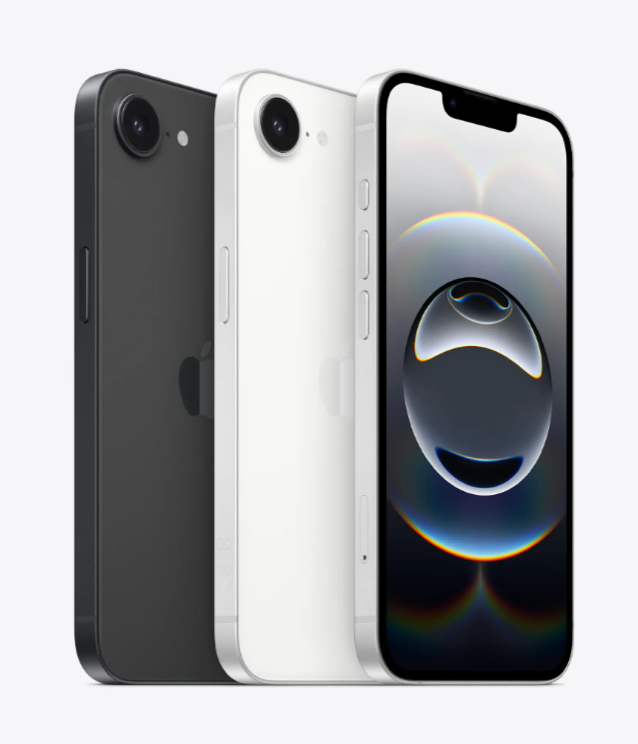
The iPhone 16e and iPhone 14 share an almost identical design, both featuring an aluminum frame with glass on the front and back. However, the iPhone 16e has a slightly higher screen-to-body ratio, making for a sleeker look. The display remains a 6.1-inch Super Retina XDR OLED panel with HDR10 and peak brightness of 1200 nits. One notable difference is the iPhone 16e’s improved durability with Ceramic Shield protection, ensuring better resistance to drops and scratches.
The screen performance is nearly identical, but the iPhone 16e may benefit from refined display technology, offering slightly better color accuracy. If you want a fresher design, the iPhone 16e is a minor upgrade in aesthetics, but the display experience remains mostly the same. If design is a priority, the differences are too subtle to justify an upgrade from the iPhone 14.
| Preview | Product | |
|---|---|---|

|
iPhone 16e 128 GB: Built for Apple Intelligence, A18 Chip, Supersized Battery Life, 48MP Fusion…. | Check Price on Amazon |

|
Apple iPhone 14 (128 GB) – Starlight | Check Price on Amazon |
Please Note: When you buy something using the links in our articles, we may earn a small commission at no cost to you.
2. Specifications
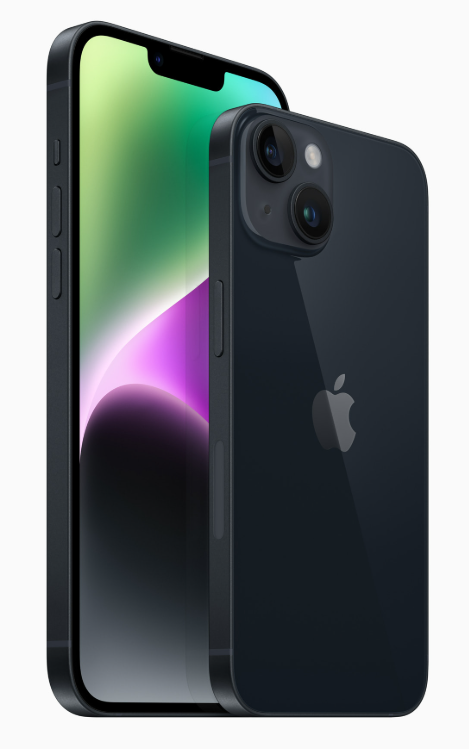
The biggest upgrade in the iPhone 16e is its A18 chipset, built on a 3nm process, offering better power efficiency and performance compared to the iPhone 14’s A15 Bionic. The CPU clock speeds are also higher, making multitasking smoother. Additionally, the iPhone 16e comes with 8GB of RAM, a noticeable jump from the iPhone 14’s 6GB. This makes the newer model better suited for long-term software updates and demanding applications.
Battery life is another area of improvement. The iPhone 16e has a 4005mAh battery, compared to the iPhone 14’s 3279mAh. This should translate to longer screen time, especially with iOS optimizations. However, the charging speed has not improved significantly. The iPhone 16e sticks to Qi wireless charging and 50% charge in 30 minutes, while the iPhone 14 supports faster 15W MagSafe charging.
The iPhone 16e is better for those who want a more future-proof phone, but the lack of MagSafe charging is a drawback.
3. Camera

The iPhone 16e introduces a major camera upgrade with a single 48MP sensor, replacing the dual-camera setup of the iPhone 14. While the ultrawide lens is missing, the larger sensor captures more detail and improves low-light performance. The spatial video feature is also a standout, allowing for more immersive 3D-like videos. Meanwhile, the iPhone 14’s 12MP main and ultrawide cameras are more versatile for landscape shots and group photos.
For selfies, both models feature a 12MP front camera, but the iPhone 16e enhances video quality with 3D spatial audio and improved HDR.
If you prioritize sharpness and detail in photos, the iPhone 16e is the clear winner. However, if you frequently use an ultrawide lens, the iPhone 14 remains more practical.
4. Pricing
The iPhone 16e is priced at $599, while the iPhone 14 can be found for around $341.30 due to its older status. This makes the iPhone 14 a better value for budget-conscious buyers. The price gap of over $250 is significant, and while the iPhone 16e offers better hardware, the iPhone 14 still provides solid performance for everyday use.
For those upgrading from older models like the iPhone 12 or earlier, the iPhone 14 is a good deal. However, if you want the latest chip, longer battery life, and an improved main camera, the iPhone 16e is worth the premium.
5. Conclusion
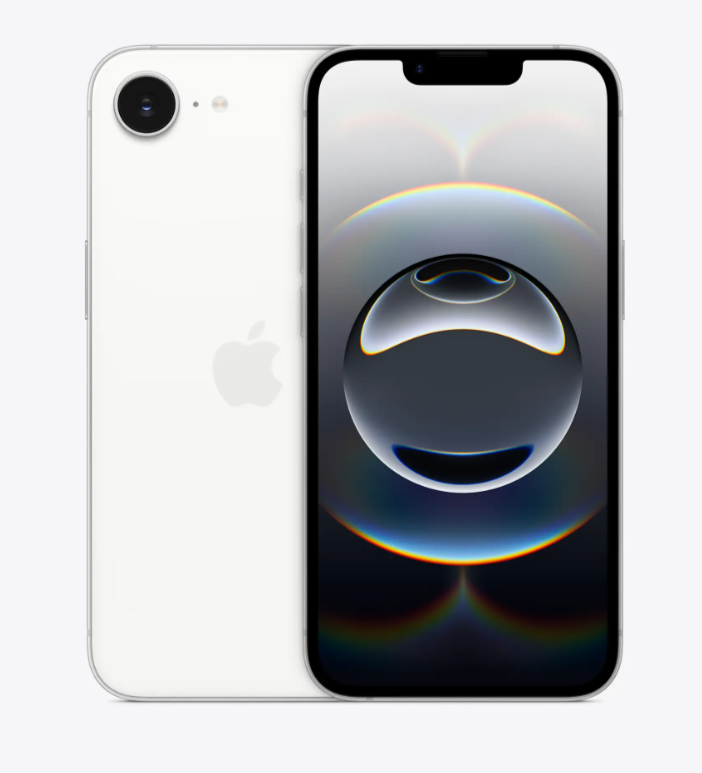
- Chipset Upgrade: The A18 chip in the iPhone 16e provides better efficiency and performance than the A15 in the iPhone 14.
- Better RAM & Battery: The iPhone 16e has 8GB RAM and a larger battery, making it better for long-term use.
- Camera Change: The iPhone 16e ditches the ultrawide camera in favor of a higher-resolution 48MP sensor.
- Charging Differences: The iPhone 16e loses MagSafe but improves wired charging efficiency.
- Price Factor: The iPhone 14 remains a budget-friendly option, while the iPhone 16e is for those wanting the latest features.
Overall, the iPhone 16e is a better phone in terms of performance and longevity, but the iPhone 14 still holds strong for its price. If you don’t need cutting-edge upgrades, the iPhone 14 remains a solid choice.
Read More:
- iPhone 16e vs iPhone 15: Is the upgrade worth it?
- Xiaomi 15 Ultra vs Galaxy S25 Ultra: Battle of the Ultra Phones
- Samsung Galaxy S25 Ultra vs. S22 Ultra: What’s New, What’s Better, and What’s Worth Your Money?
- iPhone 16e vs iPhone 16: What’s different about the new budget iPhone?
