
Add GIZMOCHINA as Preferred Source on Google
Smartphones keep getting bigger, and that’s not just a trend—it’s the direction the industry has chosen. As a result, compact phones are now far less common than they were just a few years ago. The options are shrinking year after year, with manufacturers that once offered great compact phones no longer making them.
The prime example is Apple’s iPhone mini line, which provided a flagship compact experience but has now been discontinued. And even the most affordable iPhone today, the latest iPhone 16e, has a screen size above 6 inches.
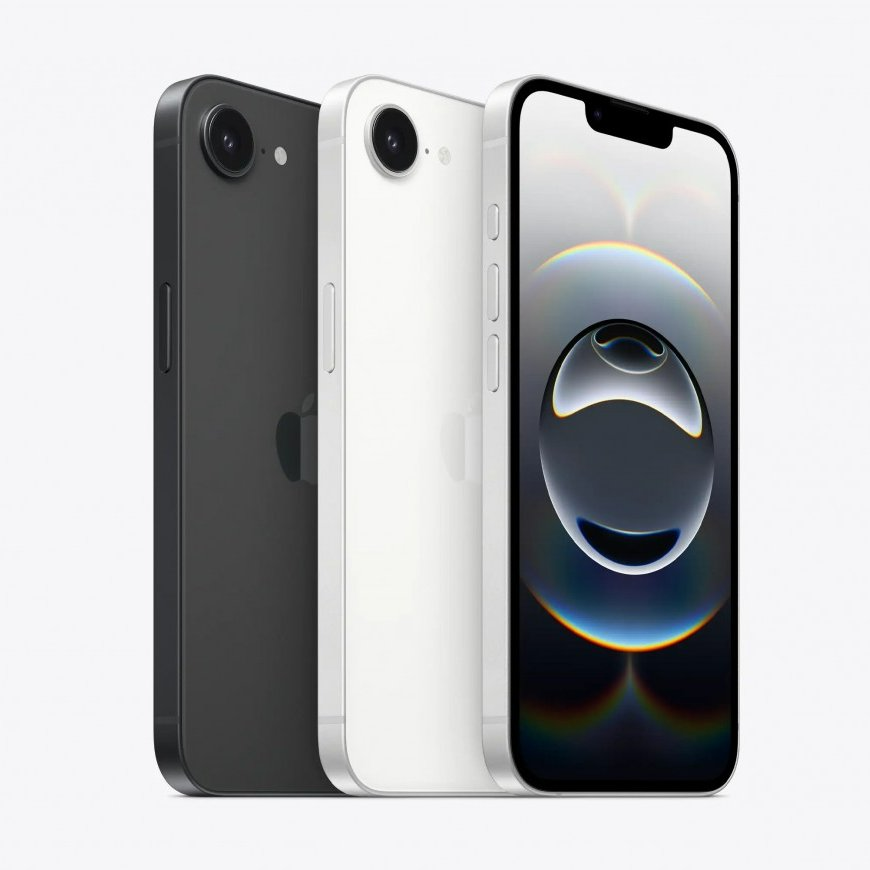
So why are small phones losing relevance? The answer isn’t just about consumer preferences; it’s a combination of market trends, hardware limitations, and changing user behavior.
1. Big Screens Offer a Better Experience
First off, it’s fairly easy to see why larger phones dominate. A bigger display makes watching videos, gaming, and multitasking more comfortable and immersive.
Streaming platforms and social media apps are also designed with large screens in mind so that the user stays engaged with content for longer periods. And of course, typing on a larger keyboard is also way more convenient.
2. Battery Life is a Bigger Concern Than Size
A small phone means less room for a battery, and that’s a major issue. We as consumers expect our phones to last all day, even with heavy use. But it’s hard to achieve that with compact devices.
Larger phones can naturally fit bigger batteries, giving them a major advantage over their compact counterpart. They also have more space to manage heat and fit in a dedicated heat dissipation system, which helps maintain battery health over time.
While chipsets have become more power-efficient, they can’t fully compensate for the physical limitations of a small battery. That’s why compact phones often get criticized for poor battery life, making them a harder sell.
3. Cameras Take Up Space
Smartphone cameras have become one of the biggest selling points for buyers, but they also demand more internal space. High-quality camera sensors require larger modules, better image processing chips, and additional components like periscope lenses for zoom.
On a large phone, manufacturers have room to spread out these components without making significant sacrifices. On a small phone, they have to compromise—either by using smaller sensors or removing features like a telephoto lens. That puts compact devices at a disadvantage in camera comparisons, another reason why they’re less popular.
4. Manufacturers Follow the Profitable Market
The smartphone industry operates on a simple principle: build what sells. And the numbers show that most consumers prefer bigger devices. Apple’s iPhone 13 Mini reportedly struggled with low sales, so the company decided to discontinue the Mini lineup from the iPhone 14 series.
We have seen similar trends from other brands too. The Asus Zenfone 10, for instance, was an all-around compact Android flagship. But the company decided to follow it up with a Zenfone 11 Ultra model which boasts a big 6.78-inch screen.
So this isn’t just about demand—it’s also about profitability. Small phones require unique engineering to fit flagship features into a compact frame. That means higher production costs and fewer economies of scale.
Larger phones, on the other hand, share more components with existing models, making them cheaper to produce. If most buyers are leaning toward big phones anyway, there’s little incentive for brands to continue making small ones.
5. Consumers Don’t Want to Compromise
Also, I think we need to address the gap between what people say they want and what they actually buy. Many users claim to miss small phones (even I do), but when it comes time to upgrade, we often choose a larger model. That’s because compact devices usually mean trade-offs—whether it’s battery life, display quality, or camera performance.
We may appreciate the idea of a smaller phone, but in practice, most of us prioritize features over form factor. The success of devices like the Galaxy S Ultra and iPhone Pro Max models proves that most consumers are willing to carry a bigger phone if it means getting the best features.
6. Foldables Are the New Compact Phones
Having said all that, you can still get a compact phone experience in 2025 — but in a new way. You see, foldables are the ones changing the conversation around small phones.
Devices like the Galaxy Z Flip and Motorola Razr offer a pocket-friendly design without sacrificing screen size. When folded, they’re compact and easy to carry. When opened, they provide a full-sized display for a better multimedia and productivity experience.
Foldables address one of the biggest complaints about compact phones—display real estate—while offering something unique.
While they’re still expensive than a traditional smartphone, they’re becoming more refined each year. If foldable technology continues to improve, it could replace the need for traditional small phones altogether.
7. Small Phones Aren’t Coming Back in a Big Way
It’s unlikely that compact phones will see a major resurgence anytime soon. The market has shifted its gears toward larger devices, and manufacturers have little reason to reverse that trend. Some brands may continue to make small phones, but they’ll remain a niche category rather than a mainstream option.
For those who still love small phones, the best options might be sticking with an older device, or embracing foldables. Right now, the small phone era is fading, and most people don’t seem to mind.
For more daily updates, please visit our News Section.
Stay ahead in tech! Join our Telegram community and sign up for our daily newsletter of top stories!
