Add GIZMOCHINA as Preferred Source on Google
As an Amazon Associate, Gizmochina earns from qualifying purchases. Links on this page may earn us a commission at no extra cost to you.
Choosing between the Nothing Phone (3a) Pro and the Samsung Galaxy A36 is no easy task. Both offer impressive mid-range specs, but they cater to different priorities. Nothing focuses on innovation with its Glyph interface and high-end display, while Samsung delivers long-term software support and durability.
With similar pricing, the decision comes down to design, performance, camera versatility, and unique features. This comparison breaks down their key differences, helping you decide which phone best suits your needs. Whether you value nocutting-edge aesthetics or a reliable long-term investment, let’s see which one comes out on top.
1. Design and Display
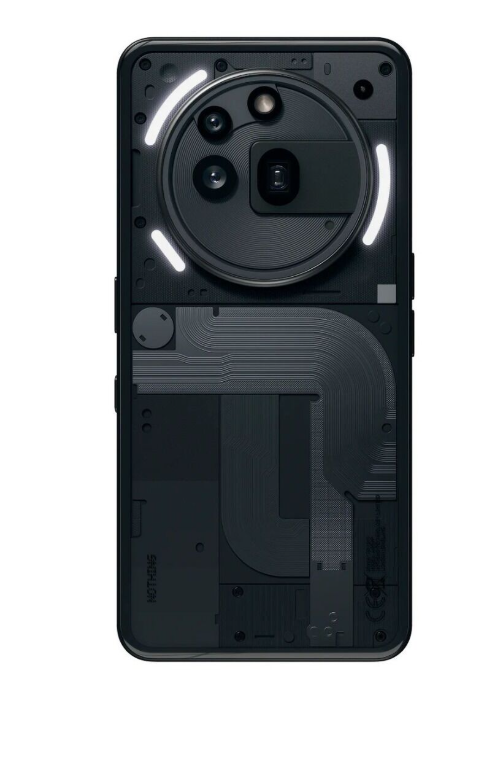
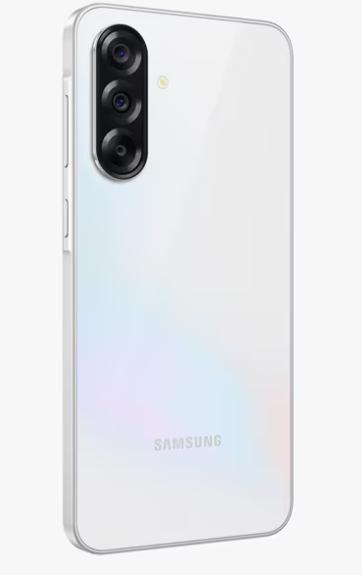
Both phones offer sleek aesthetics, but their design philosophies differ significantly. The Nothing Phone (3a) Pro sticks with its transparent rear design and the signature Glyph interface, a standout in a sea of similar slabs. The three LED light strips not only serve as notification alerts but also function as a fill light for the camera and add a futuristic touch. On the other hand, the Galaxy A36 has a more premium yet conventional look with Gorilla Glass Victus+ on both sides, a slimmer profile, and higher ingress protection (IP67 vs IP64), making it better suited for durability.
In terms of display, the 3a Pro brings a larger AMOLED panel with 1B colors, HDR10+, and an impressive 3000 nits peak brightness. While the A36’s Super AMOLED display is also sharp and responsive with 1200 nits HBM and 1900 nits peak, the 3a Pro wins for sheer brightness and HDR capability.
The Nothing Phone (3a) Pro takes the edge for innovation and display quality. The Glyph lighting and ultra-bright HDR screen give it a unique and functional flair missing from the Galaxy A36.


Please Note: When you buy something using the links in our articles, we may earn a small commission at no cost to you.
2. Specifications
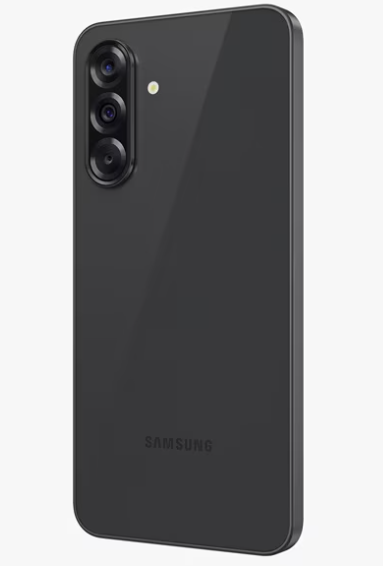
Under the hood, the Nothing Phone (3a) Pro is powered by the Snapdragon 7s Gen 3, while the Galaxy A36 runs on the Snapdragon 6 Gen 3. Both are built on the 4nm process, but the 7s Gen 3 has more efficient CPU cores and better GPU clock speed, giving it an edge in multitasking and gaming. RAM and storage options are generous on both, but Nothing offers a higher base RAM at 8GB, while Samsung starts at 6GB. Both phones lack expandable storage.
Battery capacity is equal at 5000 mAh, but charging speeds slightly differ. The 3a Pro charges at 50W and reaches 50% in 19 minutes, while the A36 charges at 45W, hitting 66% in 30 minutes. The difference in real-world charging is minimal, but Nothing pulls ahead in both peak charging wattage and faster 0–50% times.
In terms of raw performance and charging speed, the Nothing Phone (3a) Pro has the advantage. Its faster chip and better base memory configuration make it a more capable daily performer, especially for multitaskers or casual gamers.
3. Camera
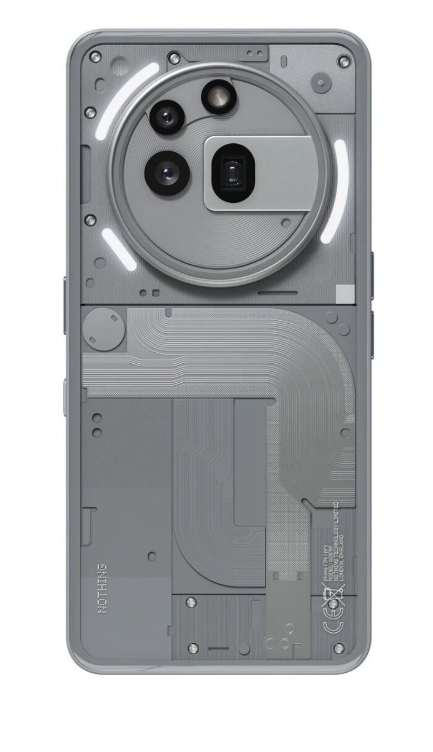
The Nothing Phone (3a) Pro sports a versatile triple camera setup with dual 50MP sensors (main and telephoto) and an 8MP ultrawide, delivering optical zoom, OIS on both key lenses and high-resolution video capture. Samsung’s A36 features a decent 50MP main sensor with OIS, an 8MP ultrawide, and a 5MP macro lens. While it performs well in standard scenarios, it lacks the telephoto versatility and dual stabilization found in the 3a Pro.
Selfie-wise, the 3a Pro features a 50MP front shooter capable of 4K video, compared to a 12MP sensor on the A36. While Samsung’s front camera supports 10-bit HDR, Nothing’s higher resolution is more impactful for sharpness and detail.
The Nothing Phone (3a) Pro clearly offers a more versatile and higher-end camera experience. The inclusion of a stabilized telephoto lens and a superior selfie camera makes it a better pick for photography enthusiasts or social media creators.
4. Pricing
The Galaxy A36 is the more affordable option at approximately $369.99, compared to the Nothing Phone (3a) Pro’s approximately $449. Both phones offer strong value, but Samsung’s promise of six major Android upgrades makes it a compelling choice for long-term users. In contrast, Nothing guarantees only three major updates, which may feel limiting for those planning to keep their device for many years.
While the price difference is around $80, the extra cost of the Nothing Phone (3a) Pro brings better performance, a more premium display, and a superior camera setup. However, Samsung provides better software longevity and slightly faster mid-range charging speeds.
The Galaxy A36 wins on affordability and long-term support, making it a great option for budget-conscious buyers. But if you’re after better hardware, display brightness, and camera features, the Nothing Phone (3a) Pro justifies its higher price.
5. Conclusion
The standout feature of the Nothing Phone (3a) Pro is undoubtedly the Glyph Interface, which isn’t just for show, it functions as a notification alert system and a camera fill light. It also supports 26 addressable lighting zones, adding flair and utility. Additionally, the phone supports Ultra HDR visuals and a high-end selfie shooter.
The Galaxy A36, meanwhile, emphasizes software longevity. With 6 Android version upgrades, it easily outpaces Nothing’s 3-year promise. It also includes Gorilla Glass Victus+ protection on both sides, something rarely seen in mid-range phones, offering superior durability.
Both phones support the Circle to Search feature and offer stereo speakers, Wi-Fi 6, Bluetooth 5.4, and under-display fingerprint sensors. There’s no headphone jack or SD card slot on either, keeping them aligned with modern trends.
If you’re into standout features and want something visually unique with better hardware, the Nothing Phone (3a) Pro is more exciting. But for a long-lasting, reliable experience, Samsung’s extended software support and robust build are hard to ignore.
Read More:
- Exclusive Offer: Save $20 on Nothing Phone 3a Pro (Coupon)
- Grab Galaxy A36 5G with up to $150 instant trade-in credit and other offers
- Comparing the Oppo Find N5 and Honor Magic V3: Design, Performance, and Features
- Xiaomi 15 Ultra vs iPhone 16 Pro Max: Power, Performance & Price Compared