Add GIZMOCHINA as Preferred Source on Google
As an Amazon Associate, Gizmochina earns from qualifying purchases. Links on this page may earn us a commission at no extra cost to you.
Choosing between the iPhone 16e and Google Pixel 8a is more than just specs. It’s about value, ecosystem, and long-term usability. Apple’s latest entry-level model brings premium design and powerful performance, while Google’s mid-range contender offers AI-powered features and a more budget-friendly price.
With both phones targeting different types of users, this comparison highlights the key differences in design, performance, camera capabilities, and pricing to help you decide which one fits your needs best. Whether you prioritize hardware, software experience, or affordability, this breakdown will clarify which phone is the better choice for you.
1. Design and Display
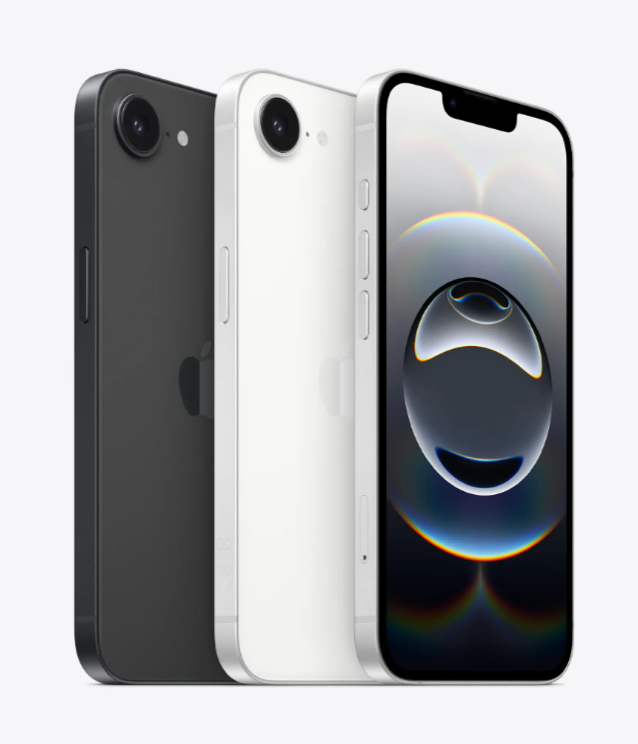
The iPhone 16e and Pixel 8a both feature 6.1-inch OLED screens, but Apple’s Super Retina XDR panel offers superior HDR capabilities and a more refined color balance. The Pixel 8a, however, boasts a higher peak brightness of 2000 nits and a 120Hz refresh rate, making it more fluid and visible in bright conditions.
The iPhone 16e has a slightly more premium build with a glass back and aluminum frame, while the Pixel 8a has a plastic back, which feels less high-end but is more durable against drops. The iPhone also has a higher IP68 rating for water resistance, while the Pixel settles for IP67.
If premium materials matter, the iPhone is a better pick, but if you prioritize refresh rate and brightness, the Pixel 8a has the edge.
| Preview | Product | |
|---|---|---|

|
iPhone 16e 128 GB: Built for Apple Intelligence, A18 Chip, Supersized Battery Life, 48MP Fusion…. | Check Price on Amazon |
Please Note: When you buy something using the links in our articles, we may earn a small commission at no cost to you.
2. Specifications
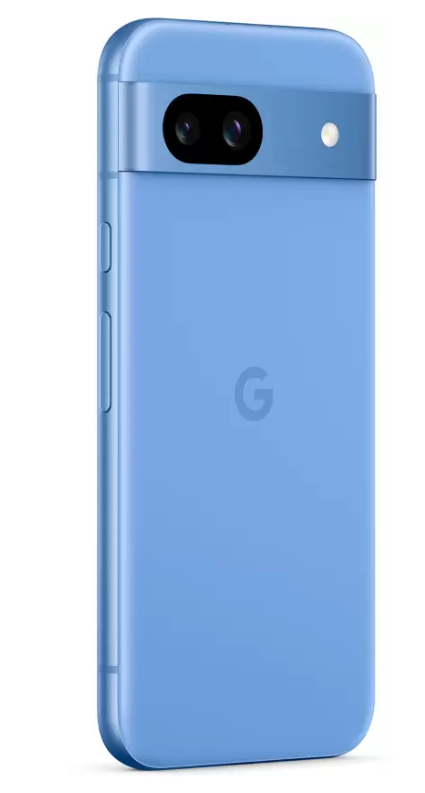
Apple’s A18 chipset (3nm) is expectedly more powerful than Google’s Tensor G3 (4nm), offering better efficiency, thermal management, and gaming performance. The iPhone’s NVMe storage is also faster than Pixel’s UFS 3.1. The Pixel, however, offers better battery life with its 4492mAh battery compared to iPhone’s 4005mAh.
While Apple’s charging speeds (50% in 30 mins) are decent, Google’s 18W charging is slower. The Pixel’s “Bypass Charging” option helps extend battery health, a feature Apple lacks.
If you need raw power, the iPhone is better, but the Pixel wins in battery life and practical longevity.
3. Camera
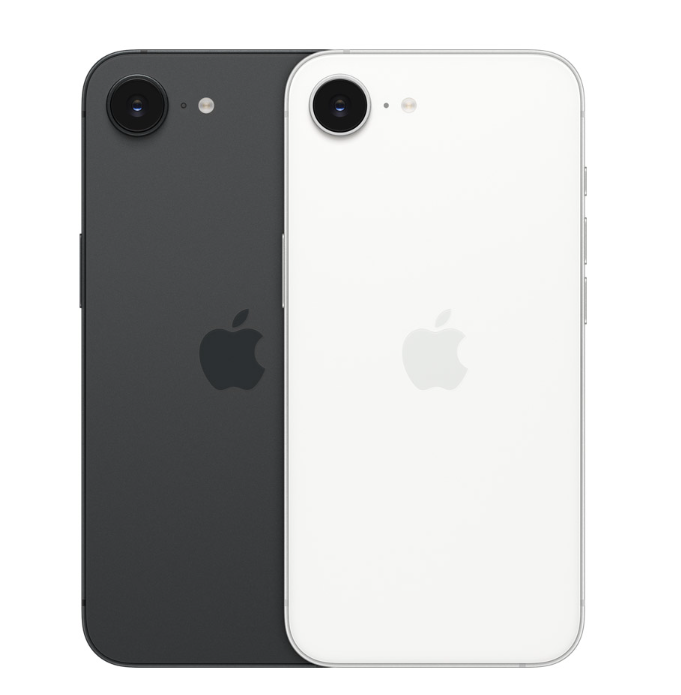
Apple sticks to a single 48MP rear camera, while Google offers a 64MP main sensor plus a 13MP ultrawide. The iPhone’s computational photography is still top-tier, offering excellent low-light shots and video quality with spatial audio.
However, the Pixel’s software processing, Ultra HDR, and “Best Take” feature provide AI-powered enhancements. The Pixel’s ultrawide lens adds versatility, which the iPhone lacks.
The iPhone still leads in video recording with Dolby Vision HDR and superior stabilization, but for photography, Google’s computational AI and dual-camera setup make it a more flexible choice.
4. Pricing
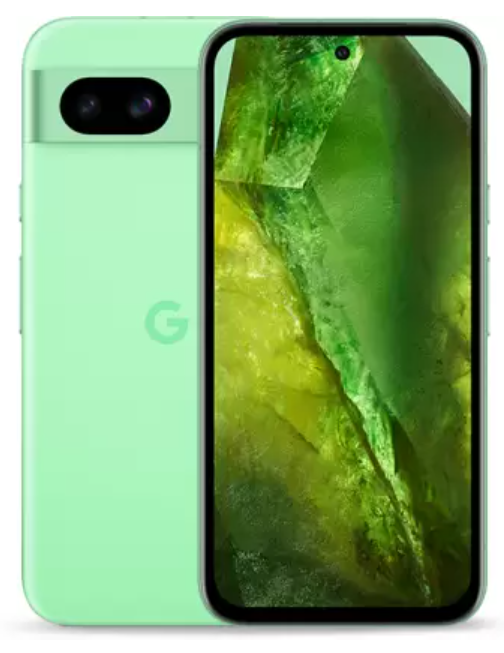
The iPhone 16e is priced at around $599, while the Pixel 8a costs approximately $499. With a $100 price difference, the Pixel 8a is the more budget-friendly option, offering a high-refresh display, an extra ultrawide camera, and AI-powered photography enhancements. However, the iPhone 16e justifies its higher price with a more premium build, better long-term performance, and superior video recording capabilities.
If you’re looking for the best value, the Pixel 8a is an excellent choice, but if you prioritize longevity, premium materials, and iOS-exclusive features, the iPhone 16e is worth the extra investment.
5. Conclusion
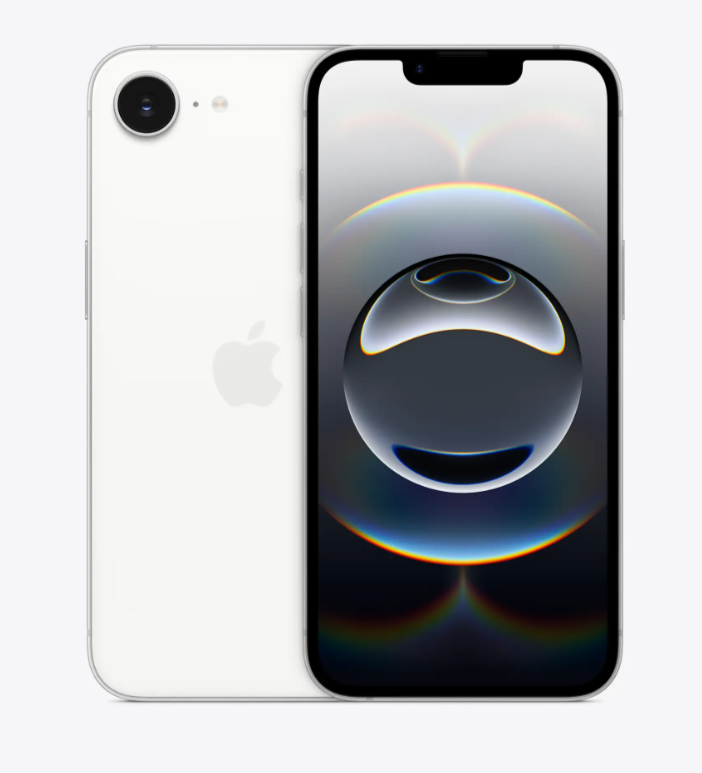
The iPhone 16e has Face ID for biometric security, while the Pixel 8a uses an in-display fingerprint scanner. The iPhone supports Emergency SOS via satellite, which could be lifesaving in remote areas. The Pixel’s Circle to Search feature is a handy AI-powered tool for quick searches. The Pixel also wins with seven years of major Android updates, whereas iPhones typically get around five to six years.
If long-term software support is your priority, the Pixel edges ahead, but the iPhone has the advantage in terms of advanced security features and premium build.
Read More:
- iPhone 16e vs iPhone 14: Is the upgrade worth the price?
- iPhone 16e vs iPhone 15: Is the upgrade worth it?
- Galaxy S25 vs Pixel 9: Power vs AI – Which flagship wins in 2025?